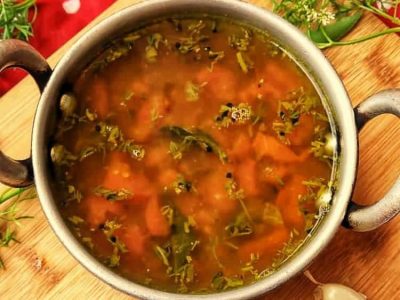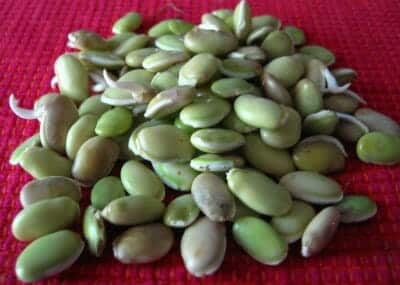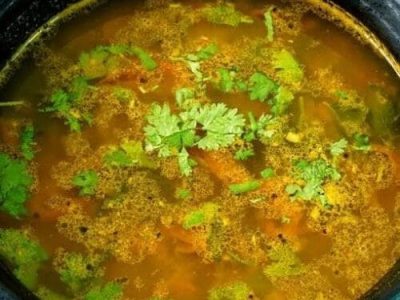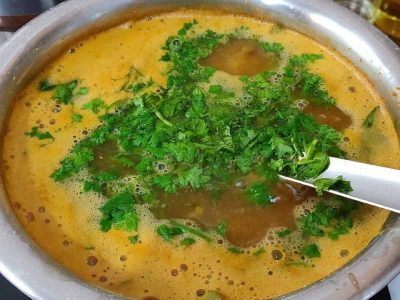
Paruppu Urundai Rasam was something my aunt made whenever we visited during the monsoons, and I remember thinking it was strange at first to eat rasam with little solid things bobbing in it. But once I started cooking regularly, I understood why she reached for it. The dal balls soak up the spiced tamarind broth and become soft on the outside while staying slightly dense inside.
I make this now when I want something warming but do not want to cook rice and three separate dishes. The roasting step for the ground dal is what keeps the balls from falling apart, and that bit of patience makes the whole thing work.
About the Recipe
This recipe uses two types of dal, both of which are easy to find in any Indian grocery. The soaking time is just half an hour, and the actual cooking happens in under forty minutes if you work steadily. I make this on weekends when I have a little extra time in the kitchen and want something that feels complete without turning on the pressure cooker several times. The rasam powder is made fresh here, which gives it a sharper flavour than store bought versions.
Why you will love this recipe
The lentil balls bring protein and texture into the rasam itself, so you do not need a separate dal or curry to feel satisfied. The combination of two dals gives the urundai a slightly grainy bite that contrasts with the smooth, sour broth. Because the balls are roasted before they go into the liquid, they stay intact and do not cloud the rasam.
The fresh ground spice powder adds a peppery warmth that cuts through the tamarind without making it heavy. This works well when you want something lighter than sambar but more substantial than plain rasam.

Cooking Tips
The most common mistake is not roasting the ground dal paste long enough. If you add moisture to the rasam before the paste has dried out completely, the balls will break apart. Stir the paste on low heat until it stops sticking to the pan and feels crumbly. When shaping the balls, wait until the mixture has cooled enough to handle comfortably.
If the balls crack while forming, the paste was probably over dried. Add a teaspoon of water and knead again. Drop the balls into simmering rasam, not a rolling boil, so they settle gently.
Top Tips
- Strain the soaked dal thoroughly so no water remains, otherwise the paste will be too wet to roast properly.
- Use a heavy bottomed pan for roasting the dal paste to avoid scorching the bottom while the top stays moist.
- Make the balls uniform in size so they cook evenly in the rasam.
- Add the rasam powder just before the liquid comes to a boil to keep the spices from turning bitter.
- You can make the urundai a few hours ahead and keep them covered at room temperature until the rasam is ready.
Serving and Storing Suggestions
This recipe makes about four servings and takes roughly one hour from start to finish, including soaking time. Serve it hot with plain rice or broken rice, which soaks up the broth nicely. The urundai can be stored separately in the fridge for up to two days, and the rasam base keeps for three days. Reheat them together gently on the stove. The balls will soften further after a day, which some people prefer.
Similar Recipes
- Rasam
- Puli Kuzhambu
- Mor Kuzhambu
- Vatha Kuzhambu
- Sambar
Nutrient Benefits
Both red gram dal and bengal gram dal are high in protein and fibre, which makes this rasam more filling than the usual version. Tamarind provides vitamin C and aids digestion, while black pepper and cumin in the rasam powder help with gut health. Turmeric adds anti inflammatory properties. The use of minimal oil keeps it light, and the absence of coconut or cream makes it suitable for those avoiding heavy fats. This dish offers a good balance of carbohydrates, protein, and micronutrients in one bowl.

Paruppu Urundai Rasam
Ingredients
For urandai (balls):
- 1 cup red gram dal
- 1/2 cup bengal gram dal
- 5-6 red chillies
- 1 sprig curry leaf
- salt to taste
For rasam:
- 1 lemon sized ball tamarind
- 1 sprig curry leaf
- a pinch of turmeric powder
- salt to taste
- Seasoning
- 1 1/2 - 2 tbsp gingely oil
- a pinch of asafoetida
- 1 1/2 - 2 tbsp chopped coriander
- Fry in 1 tsp oil and powder
- 1 1/2 - 2 coriander leaves
- 1 tsp pepper
- 1 tsp cumin seeds
- 2 red chillies
Seasoning:
- 1 tsp ghee or oil
- 1/2 tsp mustard seeds
- a pinch of asafoetida
- 1 tbsp chopped coriander
Instructions
To make Urandai:
- Soak dal in water for half an hour, strain all the water, add chillies, curry leaves, salt and grind to a slightly rough paste (like rava)
- Season in oil the asafoetida, add ground paste and stir on low heat till almost done (when all the moisture would have evaporated). Remove from fire, add chopped coriander, mix well, cool and make lemon sized balls, set aside.
To make Rasam:
- Take out extract of tamarind by boiling it in hot water. Add 2 1/2 - 3 cups of water, salt, turmeric powder, curry leaf and the prepared rasam powder, set to boil.
- When rasam starts to boil, add the prepared balls gradually, one at a time, so it does not break. Allow to simmer for a while.
- Season ingredients in ghee/oil add to rasam, along with chopped coriander.
Serve hot with rice.
Sign up for our newsletter
Add Awesome Cuisine as a Preferred Source

Frequently Asked Questions
Why did my urundai fall apart in the rasam?
The dal paste was not roasted long enough. It needs to be completely dry and crumbly before shaping. If it still feels sticky or holds moisture, keep stirring on low heat until it pulls away from the pan cleanly.
Can I use only one type of dal instead of two?
Yes, you can use only red gram dal or only bengal gram dal, but the texture will be different. Bengal gram alone makes a firmer ball, while red gram alone can be slightly softer and more prone to breaking.
How do I know when the rasam is done?
The rasam is ready once it has simmered for about ten minutes after adding the balls and the raw tamarind smell has cooked off. The liquid should look clear with a thin layer of oil on top from the seasoning.
Can I freeze the urundai for later use?
Yes, freeze the roasted balls on a tray first, then transfer to a bag once solid. Add them directly to the simmering rasam without thawing. They will take a few extra minutes to heat through.
My rasam powder clumped up when I added it. What went wrong?
The rasam was likely boiling too hard when you added the powder. Turn the heat to medium low and sprinkle the powder while stirring continuously to prevent clumps from forming.