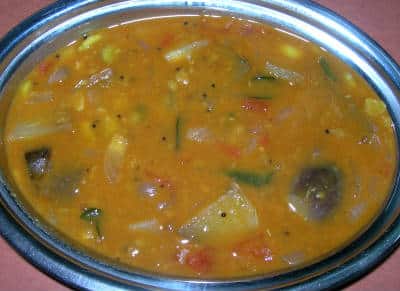

Pepper Kuzhambu is one of those recipes that always feels like home. This South Indian gravy has a sharp, pungent kick from freshly toasted peppercorns and cumin, mellowed by the sweetness of fried garlic. Tamarind brings a tangy backbone, while sambar powder rounds out the spice blend. The dish is traditionally made when you want something warming and flavorful without too much fuss.
I grew up eating this on rainy days, and the aroma of toasted spices still brings back memories of my grandmother’s kitchen. It is simple, honest food that does not need many ingredients to deliver big flavor.
About the Recipe
This recipe deserves a spot in your weekly rotation because it delivers bold flavor with minimal effort. The toasted peppercorns and cumin release a warm, earthy aroma that fills your kitchen, while the garlic adds a mellow sweetness after frying. Tamarind extract provides the tangy base, and sambar powder ties everything together with a complex spice profile.
You do not need hard to find ingredients or fancy techniques. Just a heavy pan, a few pantry staples, and about thirty minutes. The result is a gravy that clings to rice and makes every bite satisfying.
Why you will love this recipe
This kuzhambu hits all the right notes without demanding much from you. The peppercorns crackle in hot oil, releasing their oils and turning fragrant in seconds. Grinding the toasted spices with garlic creates a paste that thickens the gravy and infuses every spoonful with warmth. The tamarind gives a bright, tangy lift that cuts through the richness of the gingely oil.
Because you simmer it for just a minute after adding the ground paste, the flavors stay fresh and lively rather than turning muddy. It is comforting without being heavy, and the heat level is adjustable based on how much pepper you use. I like that you can make it on a weeknight and still feel like you cooked something special.
Cooking Tips
Toast the peppercorns and cumin separately on medium heat so they release their oils without burning. Watch the garlic carefully as it fries because it can go from golden to bitter in seconds. When you grind the spices, add just enough water to form a thick paste rather than a loose slurry. Use a heavy bottomed pan for simmering the tamarind mixture so the heat distributes evenly and nothing sticks to the bottom. If your tamarind extract tastes too sour, add a pinch of jaggery to balance it.
Serving and Storing Suggestions
This recipe serves four people generously when paired with steamed rice. Prep time takes about ten minutes, and cooking takes another fifteen to twenty. Serve the kuzhambu hot, spooned over rice with a side of papadam or fried vegetables. Store leftovers in an airtight container in the refrigerator for up to three days.
The flavors actually deepen overnight, so the next day’s lunch often tastes even better. Reheat gently on the stovetop, adding a splash of water if the gravy has thickened too much.
Similar Recipes
- Rasam
- Tomato Kuzhambu
- Mor Kuzhambu
- Garlic Rasam
- Vatha Kuzhambu

Pepper Kuzhambu
Ingredients
- 2 tbsp Black Peppercorns
- 1 tbsp Cumin Seeds
- 20 cloves Garlic (medium size)
- 2 cups Tamarind Extract
- 1/4 tsp Turmeric Powder
- 2 tsp Sambar Powder
- 8 to 10 Small Onions (Sambar Onions, chopped)
- 4 tbsp Gingely Oil
- 1 tsp Mustard Seeds
- Salt as per taste
- Curry Leaves (few)
Instructions
- Combine sambar powder, turmeric powder and tamarind extract in a bowl.
- Keep aside until required.
- Heat 1 tsp of oil in a pan.
- Fry the peppercorns till it starts to crackle.
- Remove and keep aside.
- Fry the cumin seeds in the same pan.
- Remove and keep aside with the peppercorns.
- Add 1 tsp of oil to the pan and fry the garlic flakes till light brown.
- Remove.
- Grind together the cumin seeds, peppercorns and garlic to a fine paste, adding little water if required.
- Pour the remaining oil to a heavy pan.
- Fry the mustard seeds till it starts to splutter.
- Add the chopped onions, curry leaves and stir-fry for 10 to 20 seconds.
- Pour the tamarind extract and salt.
- Stir well and bring to a boil.
- Add the ground pepper-cumin-garlic mixture.
- Mix well.
- Simmer for a minute and remove the pan from the heat.
- Serve hot with rice.
Sign up for our newsletter
Add Awesome Cuisine as a Preferred Source

Frequently Asked Questions
Can I use regular onions instead of sambar onions?
Yes, you can substitute regular onions. Chop them finely so they cook quickly and blend into the gravy. Sambar onions add a sweeter, milder flavor, but regular onions work just fine.
How do I adjust the spice level if I find it too hot?
Reduce the amount of black peppercorns to one tablespoon or less. You can also add a small pinch of jaggery or sugar to the tamarind mixture to balance the heat without losing the flavor.
What can I use if I do not have gingely oil?
Coconut oil or any neutral cooking oil will work. Gingely oil adds a nutty aroma that is traditional, but the dish will still taste good with other oils.
Can I make this kuzhambu ahead of time?
Surely. Prepare it a day in advance and store it in the refrigerator. The flavors meld and deepen overnight, making it even more flavorful when you reheat it.
Is there a substitute for tamarind extract?
You can use lemon juice or kokum, though the flavor will differ slightly. If using lemon juice, add it at the end of cooking to preserve its brightness. Tamarind gives the most taste.
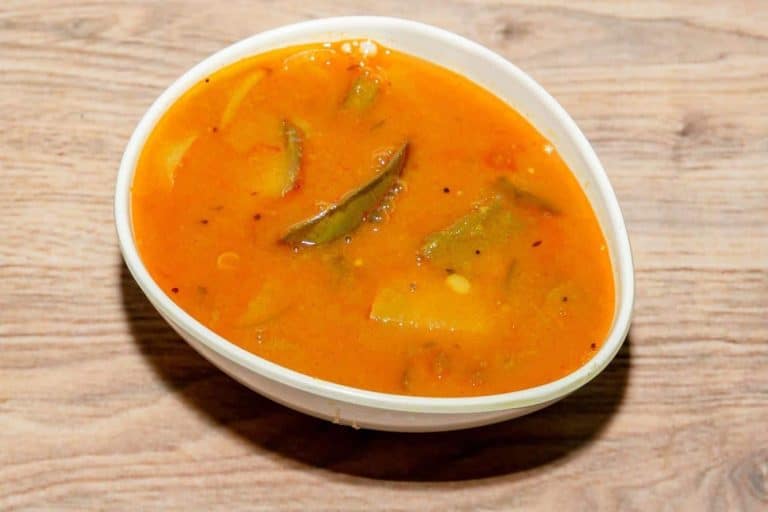
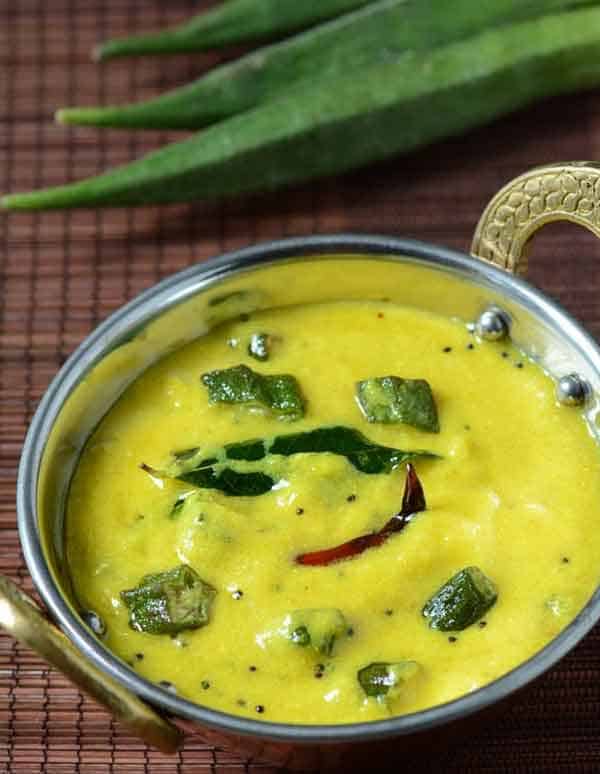
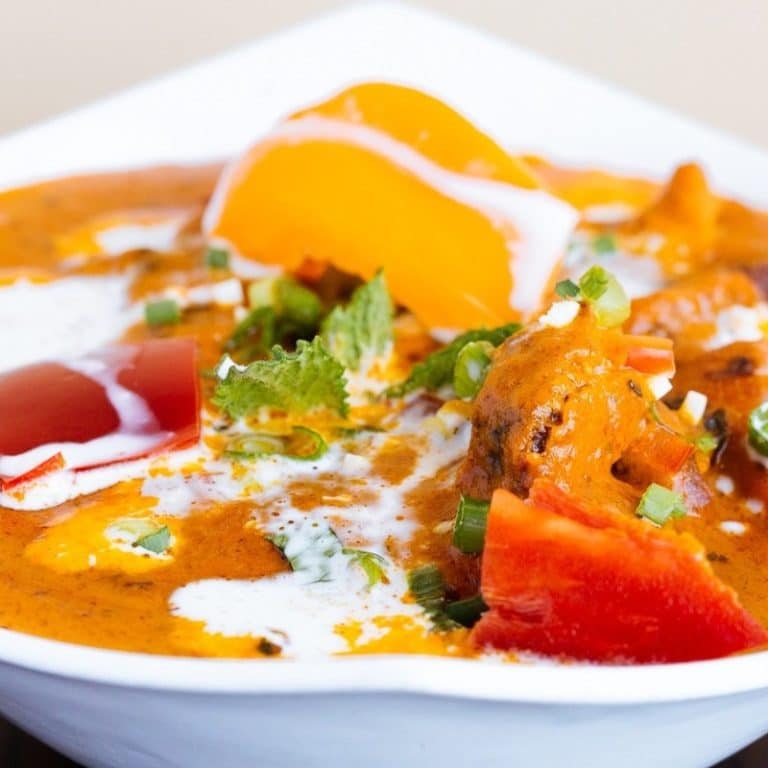
Note: image is for illustration purposes only and not that of the actual recipe.
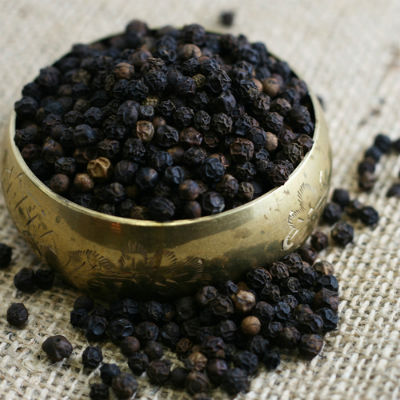
Image credit: Silk Road Spices