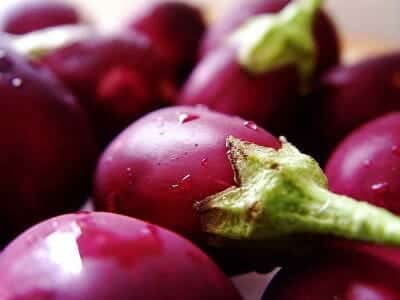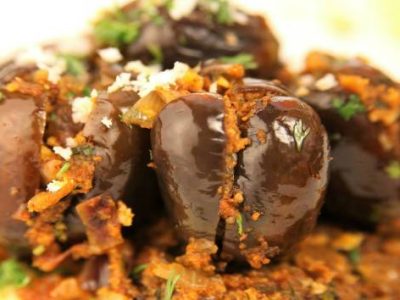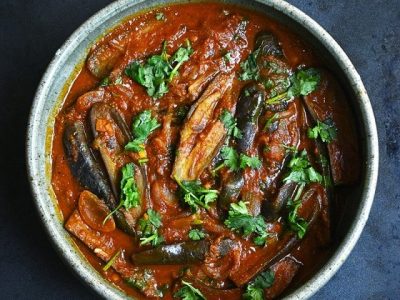
Vangi Bath is one of those recipes I learned from my aunt during a summer visit to Bangalore, and I still make it her way. She would fry the masala spices in a small kadai every single time, refusing to use store bought powder, and the kitchen would smell like roasted coriander and cloves for hours. I remember her insisting that the rice must cool completely before you mix it with the brinjal, or it would turn mushy.
That detail has saved me more times than I can count. The recipe is forgiving in most ways, but it does ask for attention at two points: when you roast the spices and when you fold everything together at the end. I keep coming back to it because it delivers a full meal without needing much on the side.
About the Recipe
This recipe takes about an hour from start to finish, including the time to cool the rice. Most of the ingredients are pantry staples, and you can find brinjals in any vegetable market. I make this when I want something satisfying without too many side dishes, or when I am packing lunch for the next day. The spice powder can be roasted and ground a day ahead, which cuts down the active time.
The tamarind extract and the fresh masala give it a sourness and warmth that work well together. It is a practical choice when you want flavour without fuss.
Why you will love this recipe
The freshly ground masala makes a real difference here. Roasting the spices in oil releases their oils, and grinding them while still warm gives you a powder that coats the rice without clumping. The brinjals cook in tamarind and turmeric, so they turn soft and absorb the tangy base before the spice goes in. That means every bite has texture and flavour, not just heat.
The copra adds a slight crunch at the end, which balances the softness of the rice and brinjal. It also reheats well, which is rare for rice dishes. The sesame oil used to cool the rice keeps the grains separate, so you do not end up with a sticky mass.
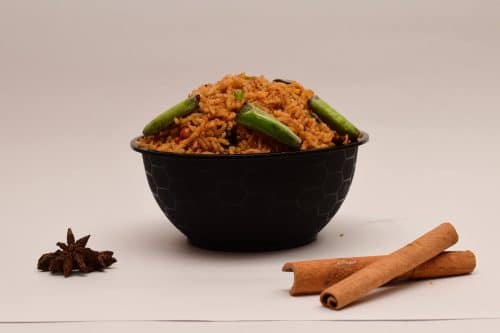
Cooking Tips
The most common mistake is adding the masala powder while the brinjal mixture is still too wet. If there is excess liquid, the powder will turn into a paste and coat unevenly. Let the tamarind cook down until the mixture looks almost dry before adding the spice. Another issue is over mixing the rice.
Fold gently with a flat spatula, not a spoon, so the grains do not break. If the rice was cooked with too much water, it will turn mushy no matter how careful you are. Aim for rice that feels firm when you press a grain between your fingers.
Top Tips
- Roast the spices on medium heat and stir constantly so they do not burn. The masala should smell toasted, not bitter.
- Cool the rice on a wide plate, not in the pot, so steam escapes and the grains stay separate.
- Use long brinjals, not the round ones. They hold their shape better after frying and do not turn too soft.
- If the tamarind extract tastes too sour, add a pinch of jaggery to balance it before adding to the brinjals.
- You can grind the masala powder in advance and store it in an airtight jar for up to a week.
Serving and Storing Suggestions
This recipe serves four people as a main dish. The prep and cooking time together take about sixty minutes, though you can save time by cooking the rice ahead. Serve it hot with raita or a simple onion salad. I sometimes add a few fried cashews on top if I have them.
Store leftovers in an airtight container in the fridge for up to two days. Reheat gently in a covered pan with a sprinkle of water, or microwave in short bursts. The texture holds up better than most rice dishes, and the flavours settle overnight.
Similar Recipes
- Bisi Bele Bath
- Tamarind Rice
- Lemon Rice
- Puliyogare
- Sambar Rice
Nutrient Benefits
Brinjals are low in calories and contain fiber, which helps with digestion. The sesame oil adds healthy fats and a mild nutty flavour. Tamarind provides vitamin C and antioxidants, and it aids digestion when used in moderate amounts. The spices, especially coriander seeds and cloves, have anti inflammatory properties.
Copra adds a small amount of healthy fat and gives the dish a bit of texture. This is a balanced meal when served with a side of yogurt or a simple vegetable.
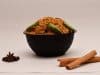
Vangi Bath
Ingredients
- 1/4 kg Brinjals (long)
- 2 cups Rice
- 1/2 tsp Turmeric Powder
- 4 tsp Sesame Seed Oil
- 1 Tamarind (small lemon sized ball)
- 4 tbsp Copra (grated)
- 1 tbsp Coriander Leaves (chopped (optional))
- Salt to taste
For Seasoning:
- 4 tbsp Oil
- 1 tsp Mustard Seeds
- 1 1/2 tsp Urad Dal
- 2 tsp Chana Dal
- 3 sprigs Curry Leaves
- Fry in 2 tsp Oil and Grind to a Powder
- 2 tbsp Coriander Seeds
- 1 tbsp Chana Dal
- 1 tbsp Urad Dal
- 2 to 3 Red Chillies
- 2 Cloves
- 1 Cinnamon (small piece)
- 1 Asafoetida (small piece)
Instructions
- Cook rice so that each grain is separate.
- Cool on a plate sprinkling 4 tsp oil, set aside.
- Soak tamarind in boiling water, take out thick extract and set aside.
- Cut brinjals by slitting through, then cutting each half into 3-4 pieces each about 1 inch long.
- Heat oil, add seasonings in the order given and when dals have turned golden brown, add brinjal, curry leaf and turmeric powder.
- Stir fry for a while on low heat till brinjals have turned soft.
- Add salt, tamarind extract and allow to cool till almost dry.
- Add powdered masalas and stir on gentle heat, remove from fire.
- Pour onto rice, mix lightly so that the rice and brinjals are mixed properly.
- Sprinkle copra, mix.
- Garnish with coriander leaves.
- Serve hot.
Sign up for our newsletter
Add Awesome Cuisine as a Preferred Source

Frequently Asked Questions
Can I use regular coconut instead of copra?
Yes, fresh grated coconut works well. Add it at the same stage, but note that it will not have the same crunch as dried copra. It will soften slightly when mixed with warm rice.
My rice turned sticky even though I used less water. What went wrong?
If you mixed the brinjal mixture into the rice while it was still hot, the steam would have made it sticky. Always let the rice cool completely on a plate before folding in the masala and brinjals.
Can I skip the tamarind if I do not have it at home?
Tamarind gives this dish its signature sourness, so skipping it changes the flavour quite a bit. You could use lemon juice as a substitute, but add it at the end so it does not turn bitter when cooked.
How do I know when the brinjals are done?
They should feel soft when you press them with the back of a spoon, and the pieces should look slightly shiny from the oil and tamarind. If they still feel firm in the center, cover and cook for a few more minutes on low heat.
Can I make this without sesame oil?
Yes, you can use any neutral oil to cool the rice. Sesame oil adds a mild flavour, but it is not essential. Sunflower or rice bran oil will work just as well.