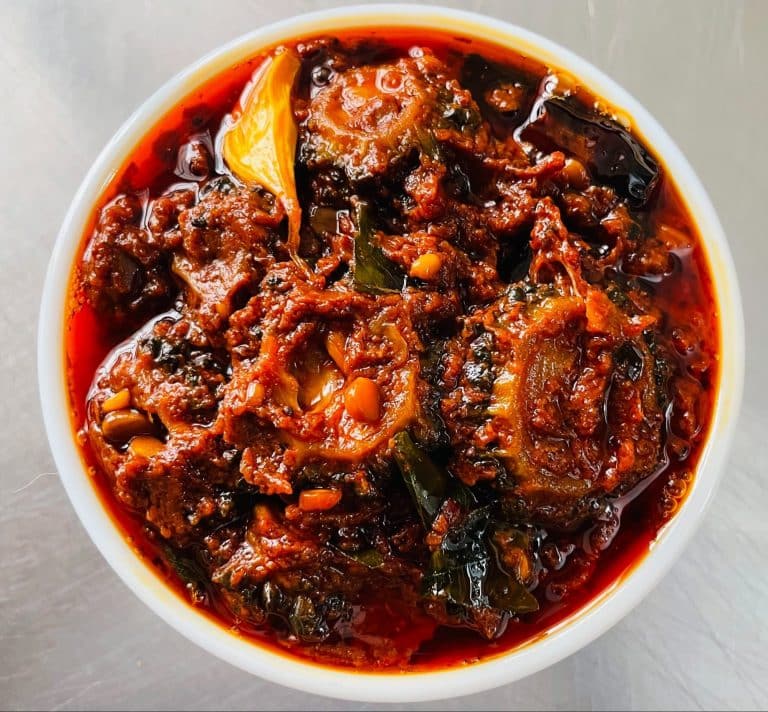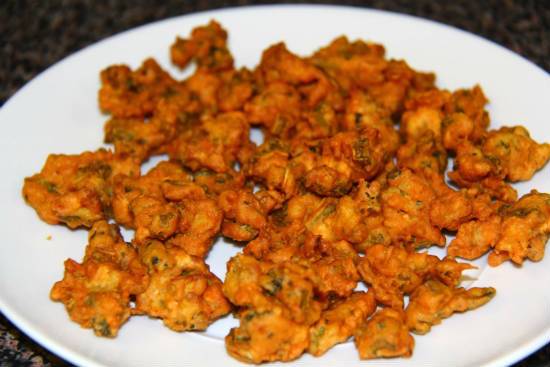

Bittergourd Gojju came into my life through my husband’s aunt, who served it with ghee rice at a family lunch. I was skeptical because bitter gourd and I had a tricky relationship, but this version changed everything. The sweetness from jaggery and the tang from tamarind make the bitterness feel intentional, not overwhelming.
She told me the secret was in frying the gourd well before adding it to the gravy, which gives it a sturdy texture that holds up during simmering. I make this now when I want something that tastes like careful cooking without needing constant attention. The roasted fenugreek and sesame powders add a depth that store bought spice mixes cannot match.
About the Recipe
This recipe takes about an hour from start to finish, but most of that is waiting time while the gourd releases water under the salt. The ingredients are easy to find if you shop at an Indian grocer, though you might need to roast and powder the fenugreek and sesame seeds yourself. I make this when I have leftover rice and need something punchy to go with it. The gojju also works well as a side for a weekend brunch with dosas.
Why you will love this recipe
The combination of roasted sesame and fenugreek powders gives this gojju a nutty backbone that pairs beautifully with the sharpness of tamarind and the mellow sweetness of jaggery. Bitter gourd stops tasting one note and starts tasting layered. The double cooking method, first frying then simmering, keeps the vegetable from turning mushy.
Once you make a batch, it lasts several days in the fridge and tastes better the next day as the flavors settle. I reach for it when I want something that feels like a traditional meal without starting from scratch every time.
Cooking Tips
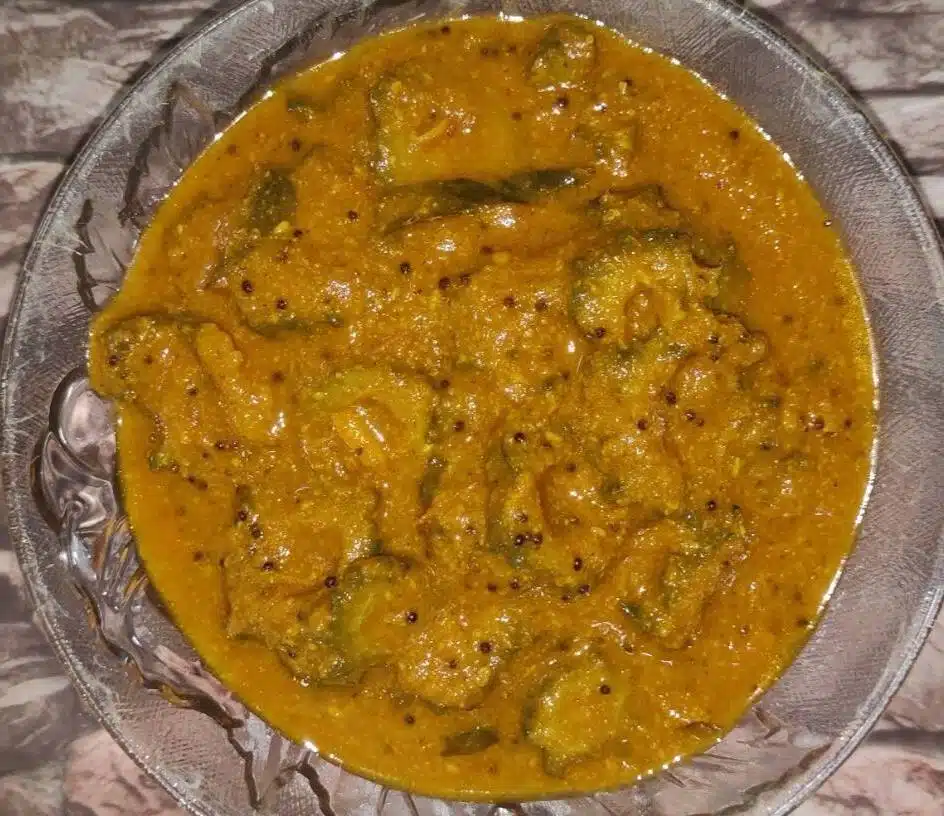
Beginners often skip the salting and pressing step, which leaves the gourd too bitter and unpleasant. Do not rush it. If your gojju turns out too sweet, add more tamarind juice or a pinch of amchur powder to balance it. Fry the raw spice powders on medium heat, not high, or they will burn and taste acrid.
The gravy should coat the back of a spoon but not be thick like a paste. If it gets too thick, add warm water a tablespoon at a time.
Top Tips
- Roast the fenugreek seeds on low heat until they darken slightly and smell toasty, then grind them fine. Burnt fenugreek tastes bitter in the wrong way.
- Use a heavy pan or kadhai for frying the gourd so it browns evenly without sticking.
- If you cannot find fresh tamarind, use tamarind paste but reduce the quantity by half and adjust to taste.
- Add hing at the end when the heat is off. Cooking it too long makes the flavor disappear.
- This gojju thickens as it cools, so keep the gravy slightly thinner than you want the final result to be.
Serving and Storing Suggestions
This recipe serves four people as a side dish. Prep time is around 15 minutes, with 30 minutes of passive salting time and another 20 minutes of active cooking. Serve it warm or at room temperature with steamed rice, dosa, or chapati. I also use it as a chutney with plain yogurt rice.
Store in an airtight container in the fridge for up to five days. Reheat gently on the stovetop with a splash of water if it has thickened too much.
Similar Recipes
- Mango Gojju
- Tomato Gojju
- Brinjal Gojju
- Onion Sambhar
- Drumstick Sambar
Nutrient Benefits
Bitter gourd is known for helping regulate blood sugar levels and supporting digestion. Fenugreek seeds add fiber and are thought to aid in managing cholesterol. Sesame seeds bring calcium and healthy fats. Turmeric and garlic offer anti inflammatory properties.
Tamarind provides vitamin C and antioxidants. While this dish does include jaggery and oil, the vegetable and spice mix balance it out with nutrients that support overall health when eaten as part of a varied diet.

Bittergourd Gojju
Ingredients
- 2 medium sized bittergourds
- 1 tsp mustard seeds
- 1 sprig curry leaves
- 1 onion (minced)
- 3-4 garlic cloves minced
- 2 tsp red chilli powder
- 1 tsp cumin powder
- 1/2 tsp turmeric powder
- 1 tsp dhania powder
- 2 tsp sambhar powder
- 2 tsp shredded coconut
- 1 tsp methi (fenugreek seeds, roasted and powdered)
- 2 tsps white sesame seeds (roasted and powdered)
- 2 tablespoon jagggery melted or 2 tsp sugar
- Juice of a small ball of tamarind
- A pinch of hing
- Salt to taste
Instructions
- Scrape the skin of the gourds till smooth and wash them.
- Cut lengthwise and remove the seeds.
- Cut them into large half-rounds.
- Smear salt on them and place a heavy weight on them.
- This method is used to reduce the bitterness of the vegetable.
- Set aside for 1/2 hr.
- Fry in 3 tsp oil till well browned.
- Drain and set aside.
- Heat about 3 tsp oil and add the mustard and curry leaves.
- When the mustard crackles, add the minced onion and garlic.
- Fry till done.
- Now add all the raw dry powders and fry for 2 minutes.
- Now add the shrdded coconut and keep frying for 2 more minutes.
- Add the fenugreek and sesame powders and mix well.
- Add the fried gourd, jaggery and tamarind.
- Add salt to taste and enough water to cover the vegetable.
- Bring to a boil and reduce heat.
- Cook till the gavy thickens and you get a gojju consistency.
- Remove from heat and add the hing.
- Mix well and serve like a chutney with plain rice/dosa/chapati.
Sign up for our newsletter
Add Awesome Cuisine as a Preferred Source

Frequently Asked Questions
My bitter gourd turned mushy after simmering. What went wrong?
You either overcooked it during the frying stage or simmered it too long in the gravy. Fry the gourd until it is browned but still firm, then simmer just until the gravy thickens. The gourd should hold its shape.
Can I skip the salting and pressing step to save time?
You can, but the gourd will be much more bitter and harder to eat. The salting draws out excess moisture and bitterness. If you are in a hurry, at least salt it for 15 minutes instead of 30.
The gojju tastes too bitter even after adding jaggery. How do I fix it?
Add more jaggery or a teaspoon of sugar and another tablespoon of tamarind juice. Taste as you go. Some bitter gourds are naturally more bitter than others, so you may need to adjust the sweet and sour balance.
Can I use coconut powder instead of shredded coconut?
Yes, use about one and a half teaspoons of coconut powder. It will not give as much texture, but the flavor will still come through.
How do I know when the gojju has reached the right consistency?
The gravy should coat the gourd pieces and cling to a spoon without dripping off immediately. It should look thick but pourable, not dry or watery. If you tilt the pan, the gravy should move slowly.