Table of Contents
Key Highlights
- Chinese New Year food is deeply rooted in symbolism, family, and shared intention.
- Traditional dishes are chosen to represent prosperity, health, happiness, and togetherness.
- Meals are structured differently across the festival days, reflecting changing themes.
- Nian gao remains the most loved Chinese New Year cake for its meaning and simplicity.
- A mix of vegetarian and non-vegetarian dishes creates a balanced festive table.
- Modern celebrations adapt recipes to suit busy lifestyles and dietary preferences.
- Planning a menu is easier when you focus on balance rather than quantity.
- First-time cooks can confidently start with simple dishes and enjoy the process.
When Chinese New Year approaches, food is often the part people care about most and worry about most, too. You want the table to feel festive, meaningful, and generous, but you may not know which dishes truly matter or how to prepare them without stress.
That uncertainty is what creates the pressure. Many people want to celebrate Chinese New Year the “proper” way, yet the traditions around symbolic dishes, lucky ingredients, and family recipes can feel overwhelming. This is especially true if you did not grow up cooking these meals. Add busy schedules, unfamiliar ingredients, and different dietary needs, and menu planning can start to feel more stressful than joyful.
This blog is here to change that. It gently breaks down Chinese New Year celebration food traditions, explains the meaning behind popular dishes, and shares practical Chinese New Year food recipes that are achievable, comforting, and perfect for celebrating at home with confidence.
What Are 15 Must-Try Chinese New Year Food Recipes for Every Celebration?
Chinese New Year celebrations bring together a variety of dishes, each chosen for its meaning as well as its flavour. Each Chinese New Year cooking recipe carries a story, reflecting traditions tied to prosperity, togetherness, and renewal.
The following 15 Chinese New Year dish recipes are favourites because they are comforting, symbolic, and easy to adapt for home celebrations:
1. Stir-Fried Mushrooms with Bok Choy
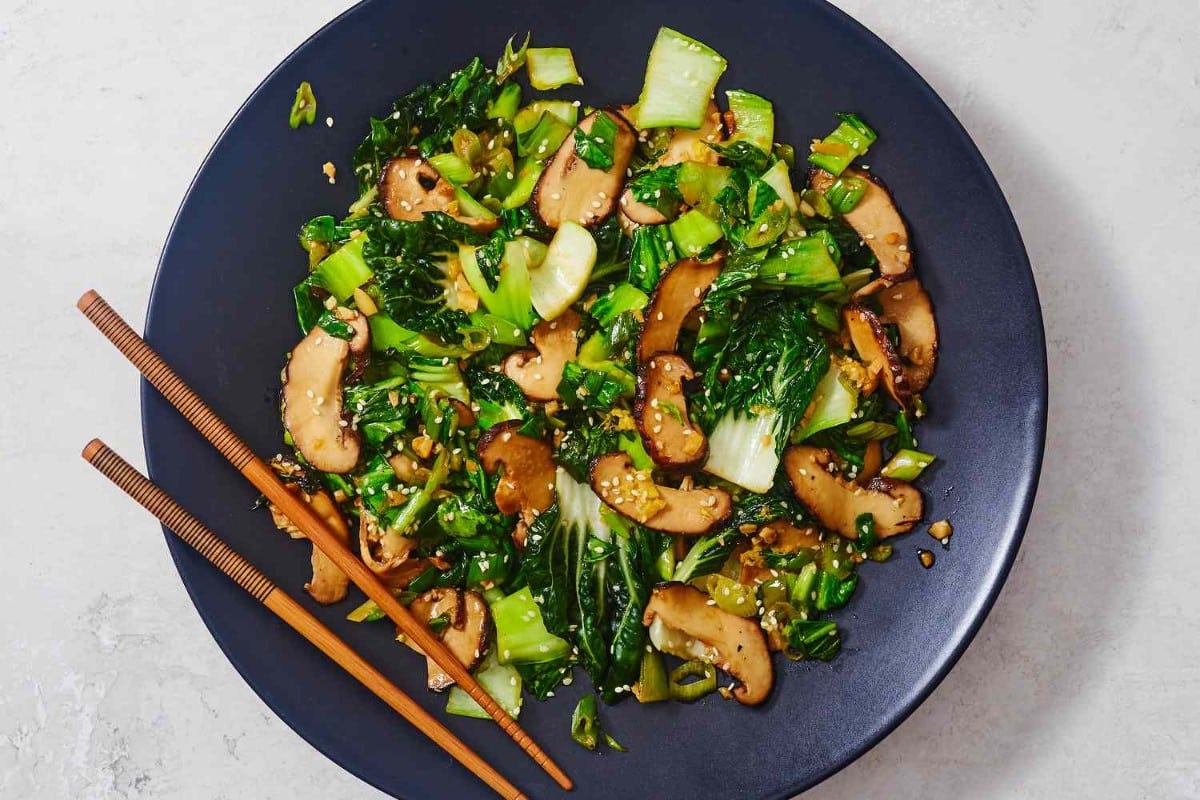
Stir-fried mushrooms with bok choy often appear on Chinese New Year tables because they feel fresh, grounding, and quietly symbolic of growth. The earthy mushrooms and crisp greens balance richer celebration food beautifully. When you are ready to bring this sense of lightness to your table, the recipe comes together quickly in one pan.
Ingredients
- Mixed mushrooms
- Bok choy
- Garlic
- Light soy sauce
- Sesame oil
Recipe
- Heat oil in a wok and sauté garlic until fragrant.
- Add mushrooms and stir-fry until they soften.
- Add bok choy and cook briefly until just tender.
- Season with soy sauce and finish with sesame oil before serving.
Chinese Noodle Stir Fry is a quick, flavourful dish that pairs well with vegetable-based Chinese New Year meals.
2. Spring Rolls
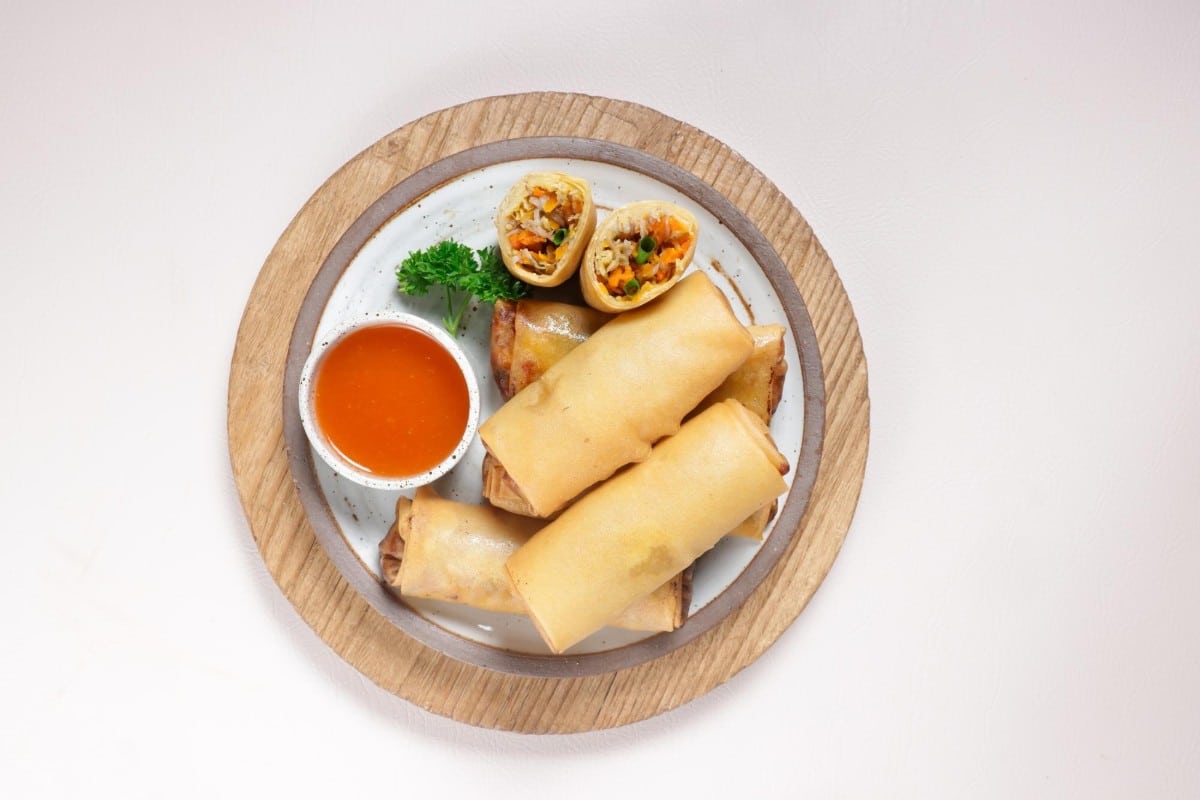
Spring rolls are one of the most recognisable Chinese New Year foods, loved for both their meaning and their crunch. Their golden colour is linked to wealth, which is why they are served so often during celebrations. To enjoy them at home, follow this simple frying and wrapping method.
Ingredients
- Spring roll wrappers
- Cabbage
- Carrot
- Spring onions
- Soy sauce
Recipe
- Lightly stir-fry the vegetables and season with soy sauce.
- Allow the filling to cool completely.
- Spoon the mixture into wrappers and roll tightly.
- Fry in hot oil until golden and crisp, then drain well.
Looking for a lighter twist? Try the Asparagus Mini Spring Rolls recipe for a fresh, modern take on this festive favourite.
3. Longevity Noodles with Vegetables
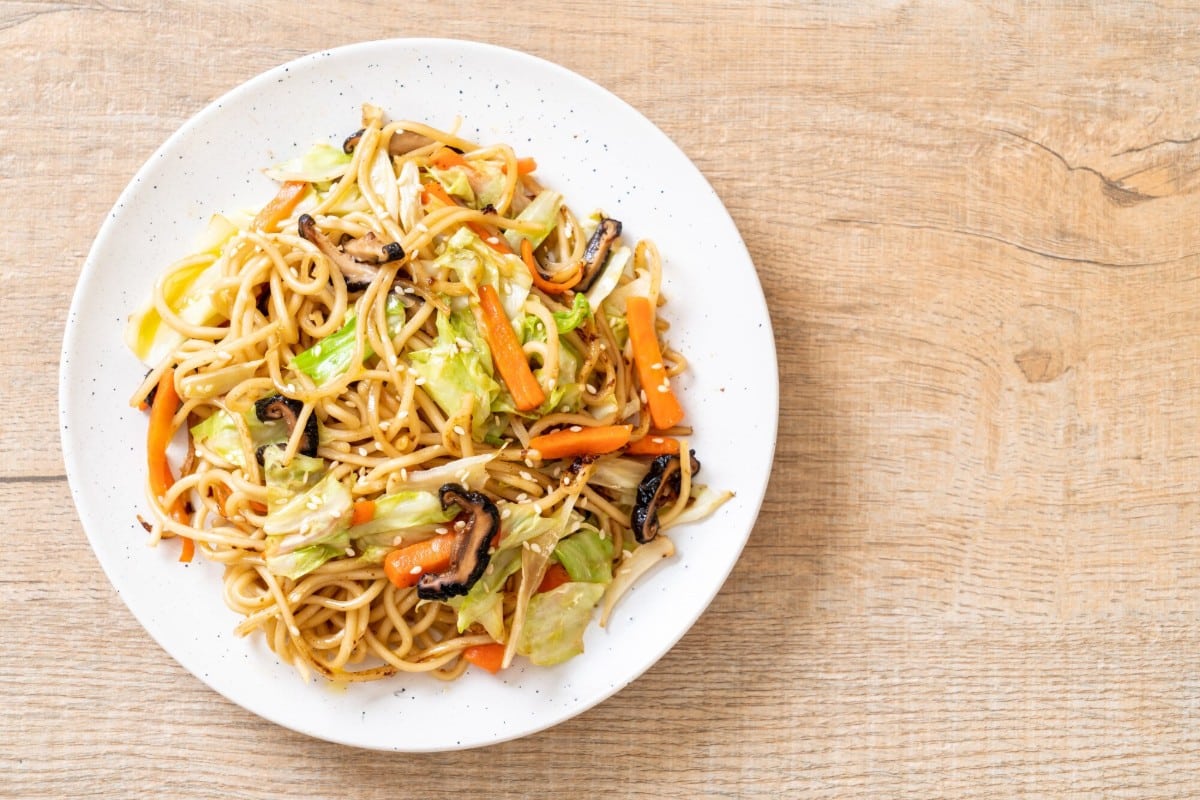
Longevity noodles are prepared with care because they represent wishes for a long and healthy life. They are intentionally simple, allowing the symbolism to remain the focus. Here is how to cook them gently while keeping the noodles whole and unbroken.
Ingredients
- Long wheat noodles
- Mixed vegetables
- Garlic
- Light soy sauce
- Oil
Recipe
- Cook the noodles separately and drain carefully.
- Stir-fry garlic and vegetables in oil.
- Add noodles and toss gently without breaking them.
- Season lightly with soy sauce and serve immediately.
Try Chinese Chicken Noodles for a heartier noodle dish that works well alongside longevity noodles during festive meals.
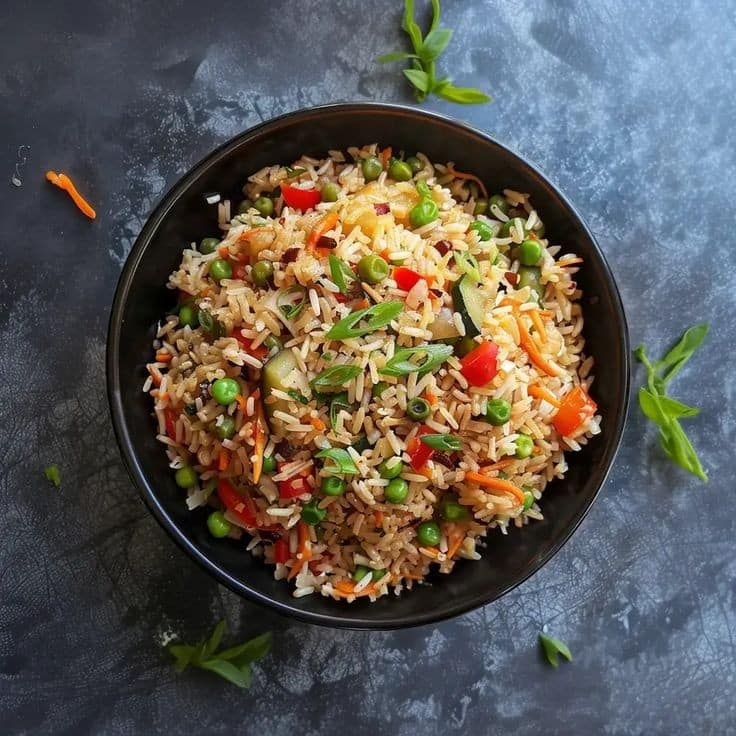
4. Vegetarian Fried Rice
(Source)
Vegetarian fried rice brings colour, comfort, and balance to Chinese New Year meals. It is practical, familiar, and easy to adapt to different tastes. Below is a straightforward way to prepare it so every grain stays light and flavourful.
Ingredients
- Cooked rice
- Mixed vegetables
- Spring onions
- Soy sauce
- Oil
Recipe
- Heat oil in a wok and cook the vegetables briefly.
- Add rice and stir over high heat to separate grains.
- Season with soy sauce and mix evenly.
- Finish with spring onions before serving.
5. Dumplings
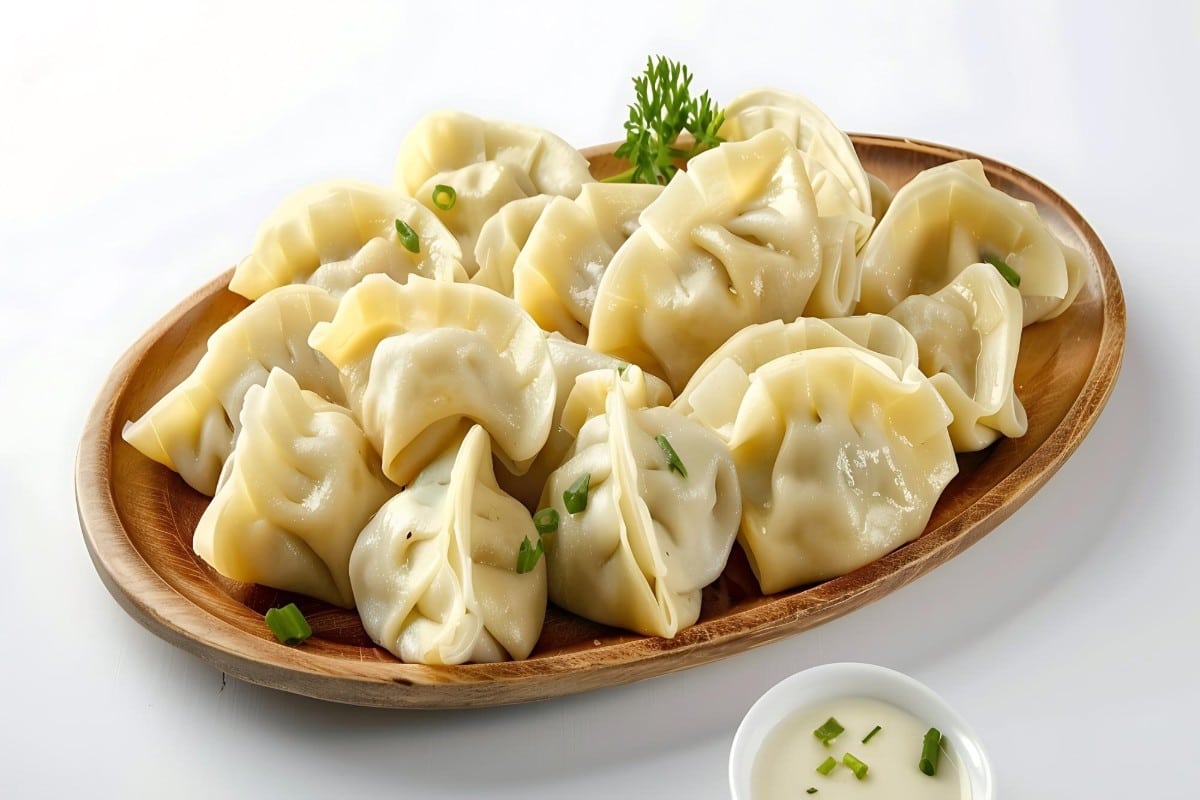
Dumplings are one of the most loved Chinese New Year food dishes because they symbolise wealth and prosperity. Their shape resembles ancient Chinese coins, which is why they are often made and shared together with family.
Ingredients
- Dumpling wrappers
- Minced vegetables or minced meat
- Cabbage
- Spring onions
- Garlic
- Ginger
- Soy sauce
- Sesame oil
- Oil
- Water
Recipe
- Finely chop the napa cabbage, spring onions, garlic, and ginger, then combine with minced vegetables or meat in a bowl.
- Add soy sauce and sesame oil, mixing until the filling is well combined and slightly sticky.
- Place a small spoonful of filling in the centre of each dumpling wrapper.
- Lightly moisten the edges with water, fold, and seal firmly.
- Heat oil in a pan, place dumplings flat-side down, and cook until the bottoms turn golden.
- Add a small amount of water, cover, and steam until the filling is fully cooked.
- Remove the lid and let any remaining water evaporate before serving hot.
6. Sweet Rice Balls (Tang Yuan)
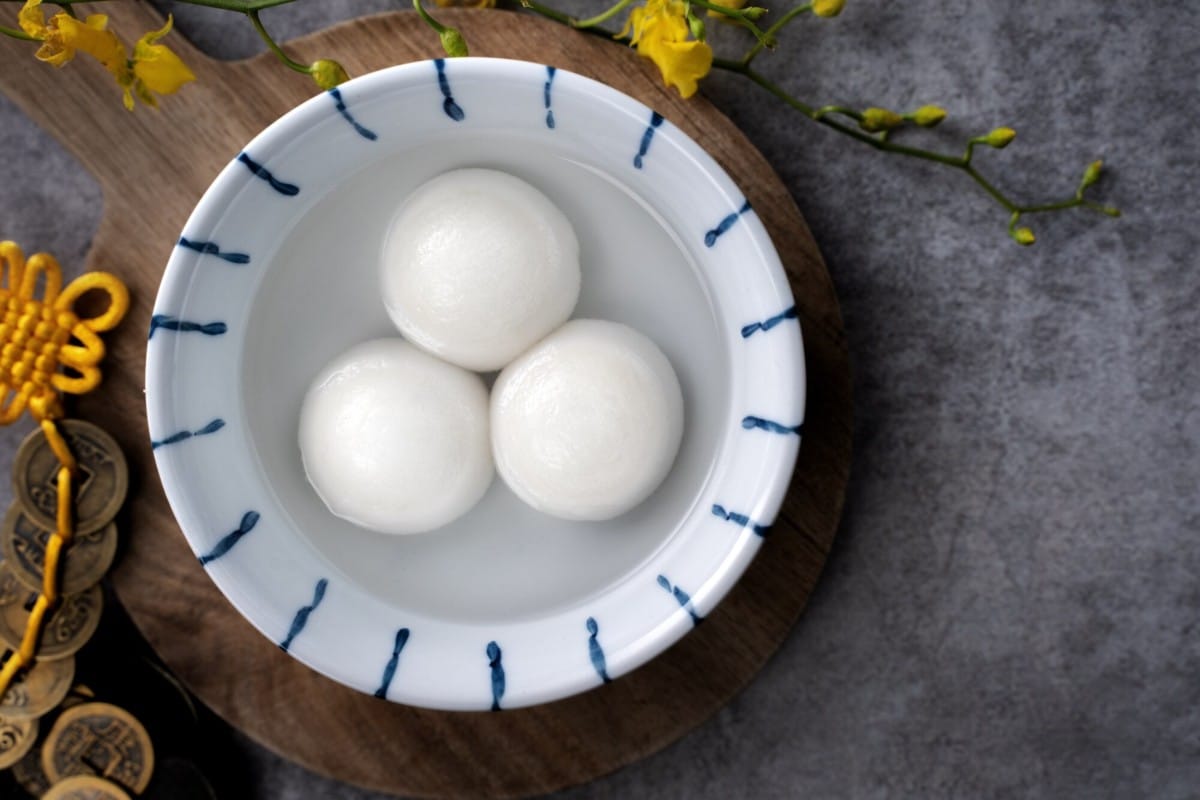
Tang yuan are closely tied to feelings of togetherness and warmth, which is why they are often shared in the evening. Their soft texture and gentle sweetness make them deeply comforting, and they are often highlighted in Chinese New Year cuisine recipes that focus on family and unity. The following recipe shows how to prepare them step by step at home.
Ingredients
- Glutinous rice flour
- Water
- Sugar
- Ginger
Recipe
- Mix flour and water to form a smooth dough.
- Roll into small, even balls.
- Boil gently until the balls float to the surface.
- Serve in lightly sweetened ginger syrup.
Also read: Chinese Pudding for another gently sweet dessert that fits well into traditional Chinese New Year celebrations.
7. Braised Pork Belly
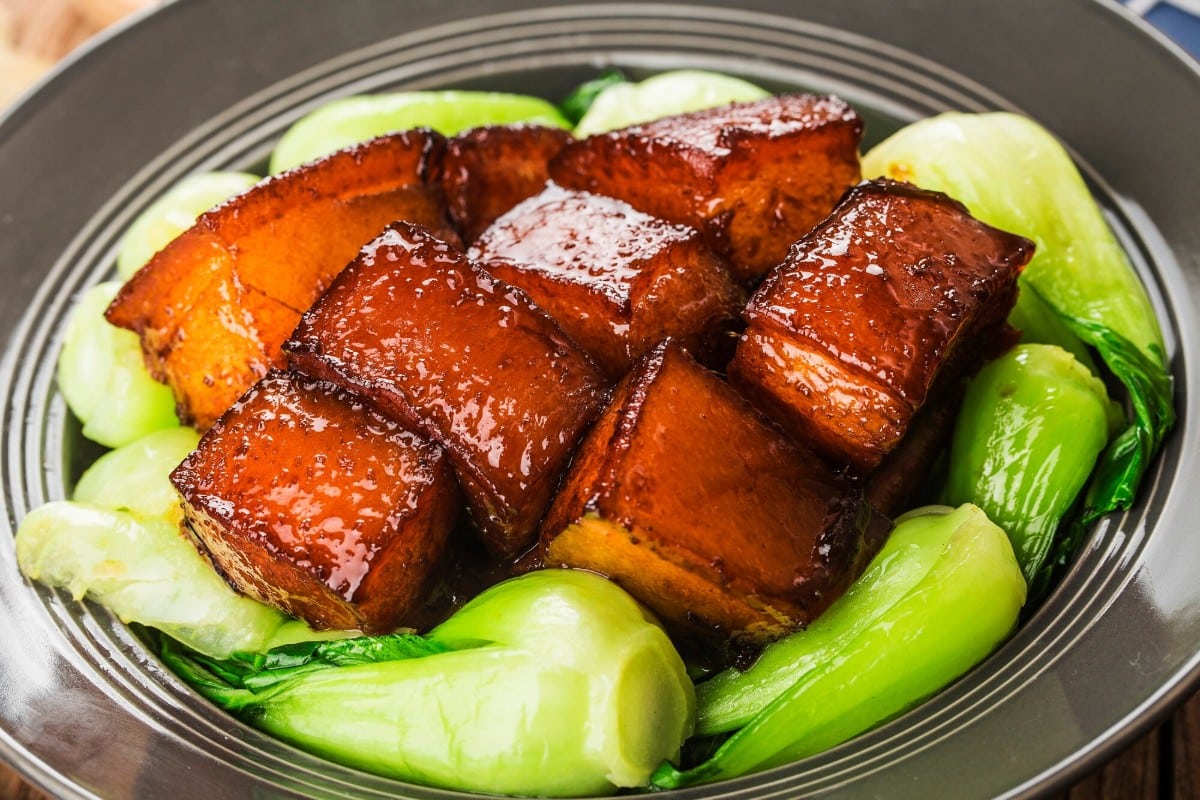
Braised pork belly is rich, slow-cooked, and deeply associated with prosperity. It is usually reserved for special meals and enjoyed without rush. To achieve its tender texture and glossy finish, follow the cooking steps below.
Ingredients
- Pork belly
- Soy sauce
- Sugar
- Ginger
- Water
Recipe
- Lightly brown the pork belly to build flavour.
- Add soy sauce, sugar, ginger, and water.
- Simmer gently until the meat becomes tender and glossy.
- Allow to rest briefly before serving.
You may also check out our Beef Stir Fry recipe for a savoury, quick-cooked dish that complements slow-braised mains during festive meals.
8. Steamed Buns
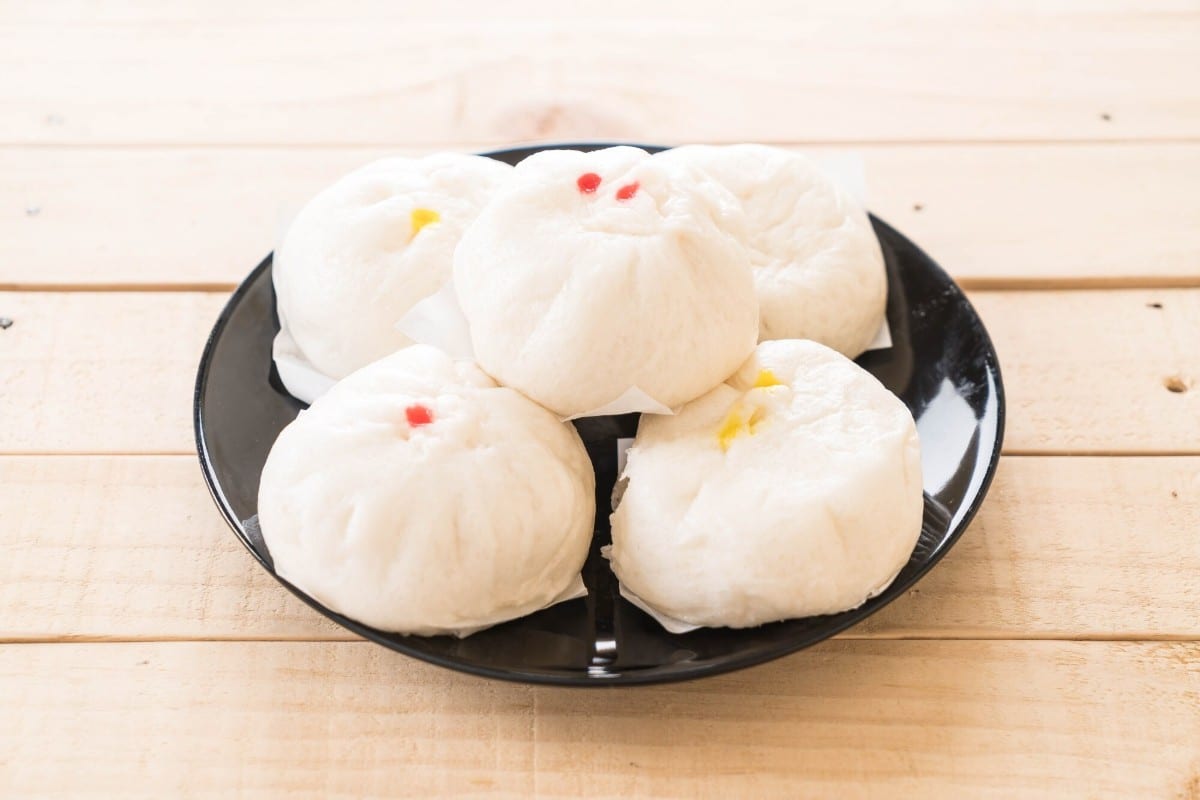
Steamed buns are associated with fullness and abundance, both in meaning and in how satisfying they are to eat. Their soft texture makes them especially comforting during celebrations. Here is a simple method to make them light and fluffy.
Ingredients
- Plain flour
- Yeast
- Sugar
- Water
Recipe
- Mix and knead the dough until smooth.
- Allow the dough to rise until doubled.
- Shape into buns.
- Steam until light and fluffy.
9. Sweet and Sour Chicken
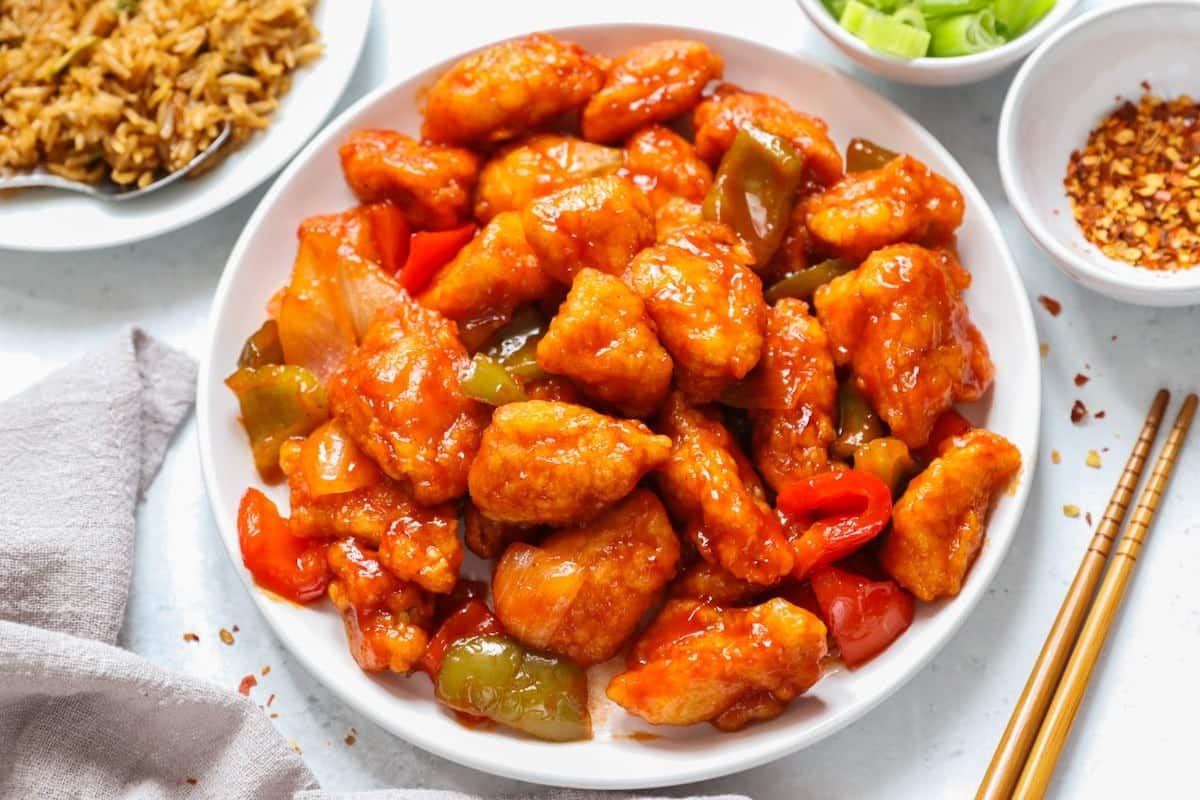
Sweet and sour chicken is loved for its balance of flavours and familiar appeal, making it a popular choice in Chinese New Year party recipes served at family tables. It often becomes a shared favourite during celebrations. The recipe below walks you through a quick process that keeps the chicken crisp and the sauce vibrant.
Ingredients
- Chicken
- Cornflour
- Vinegar
- Sugar
- Tomato sauce
Recipe
- Coat chicken pieces in cornflour and fry until crisp.
- Heat vinegar, sugar, and tomato sauce to form the sauce.
- Toss the chicken in the sauce just before serving.
Also read: Chinese Chicken Wings for another crowd-pleasing dish that works well for festive sharing and party-style meals.
10. Steamed Chicken with Ginger and Spring Onions
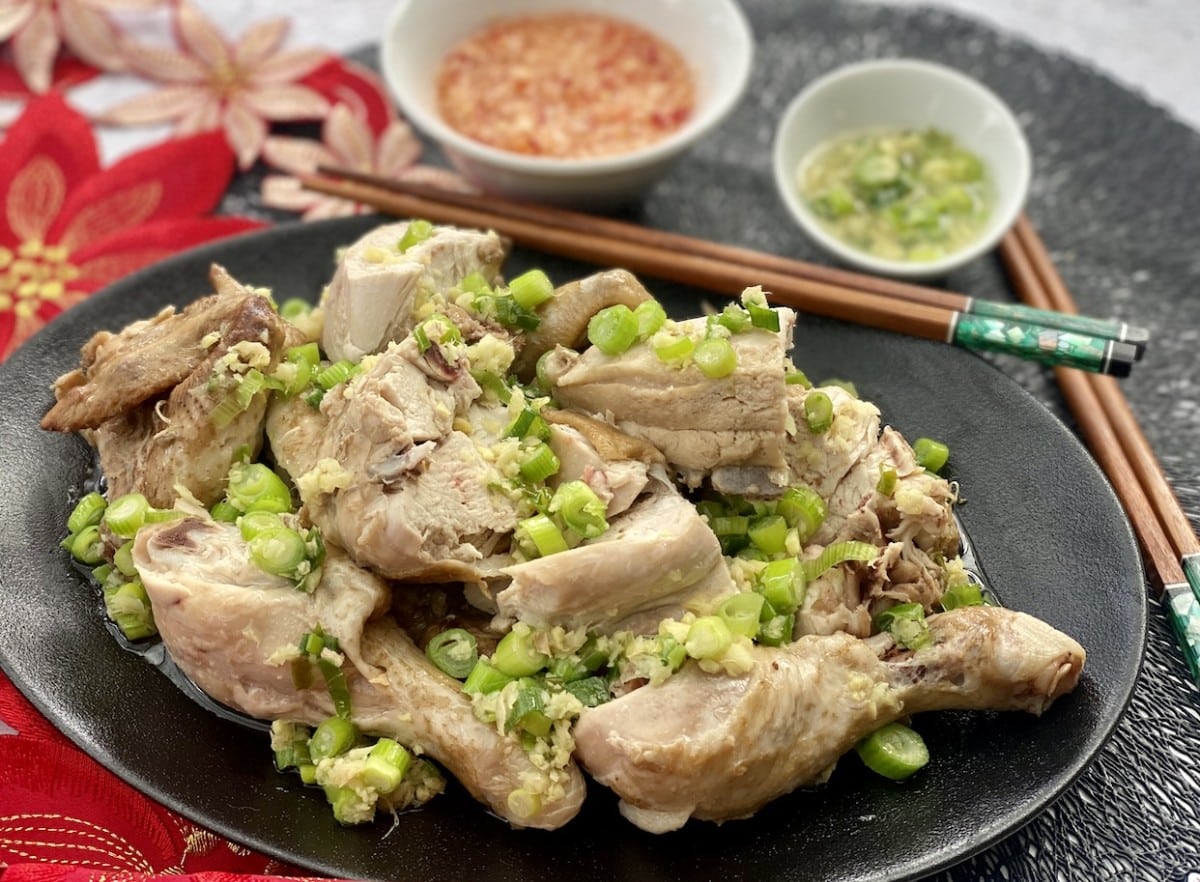
Steamed chicken with ginger and spring onions feels calm and comforting, making it a natural centrepiece for the table. Its clean flavours rely on freshness rather than heavy seasoning. Follow the recipe below to cook it gently and preserve its delicate taste.
Ingredients
- Chicken
- Ginger
- Spring onions
- Salt
Recipe
- Season the chicken lightly with salt.
- Steam with ginger until fully cooked.
- Top with spring onions and drizzle with hot oil before serving.
11. Steamed Whole Fish
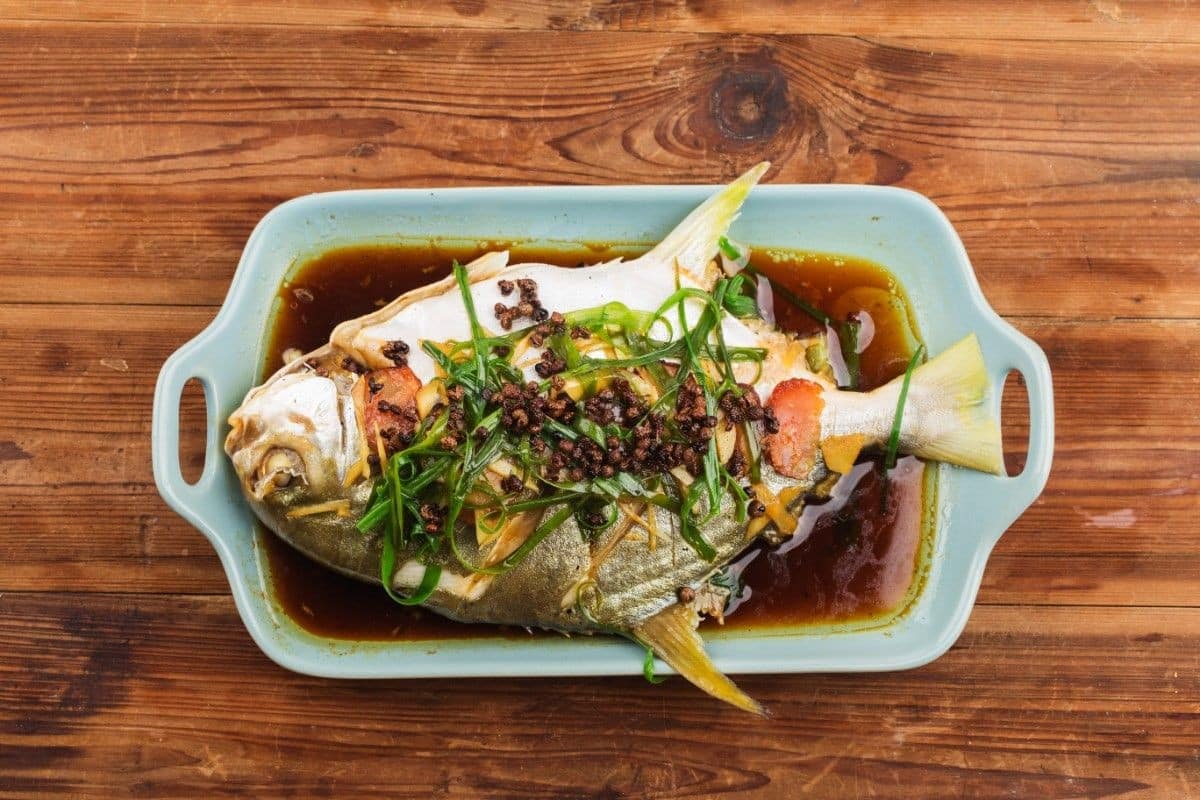
Steamed whole fish is one of the most symbolic Chinese New Year dishes, representing abundance and surplus for the year ahead. It is traditionally served whole to reflect completeness. This gentle steaming method keeps the fish tender and flavourful.
Ingredients
- Whole fish
- Ginger
- Spring onions
- Light soy sauce
- Oil
Recipe
- Clean the fish and place it on a heatproof plate.
- Scatter ginger over the fish.
- Steam until the fish is just cooked through.
- Top with spring onions, drizzle with hot oil, and finish with soy sauce before serving.
12. Nian Gao (Sticky Rice Cake)
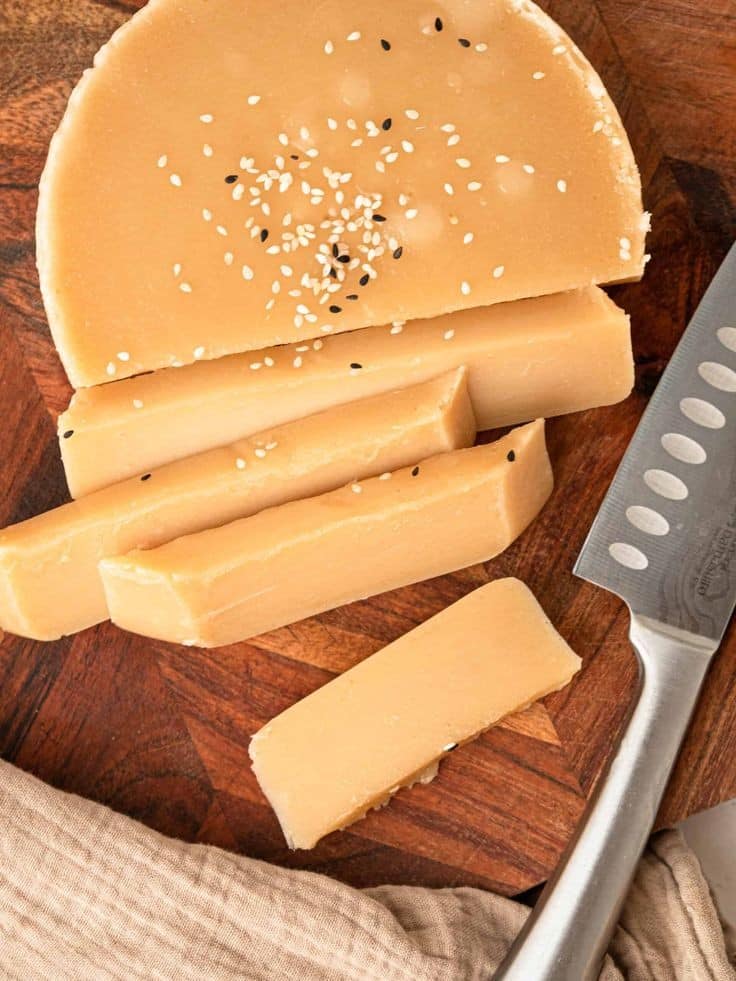
(Source)
Nian gao is closely associated with progress and growth, as its name sounds like “higher year”. It is a classic example of traditional Chinese New Year food, with its chewy texture and mild sweetness making it a meaningful dessert to close the celebration. Below is a simple way to prepare it at home.
Ingredients
- Glutinous rice flour
- Brown sugar
- Water
- Oil
Recipe
- Dissolve brown sugar in warm water.
- Mix with glutinous rice flour to form a smooth batter.
- Lightly oil a pan and pour in the mixture.
- Steam until set and allow to cool before slicing.
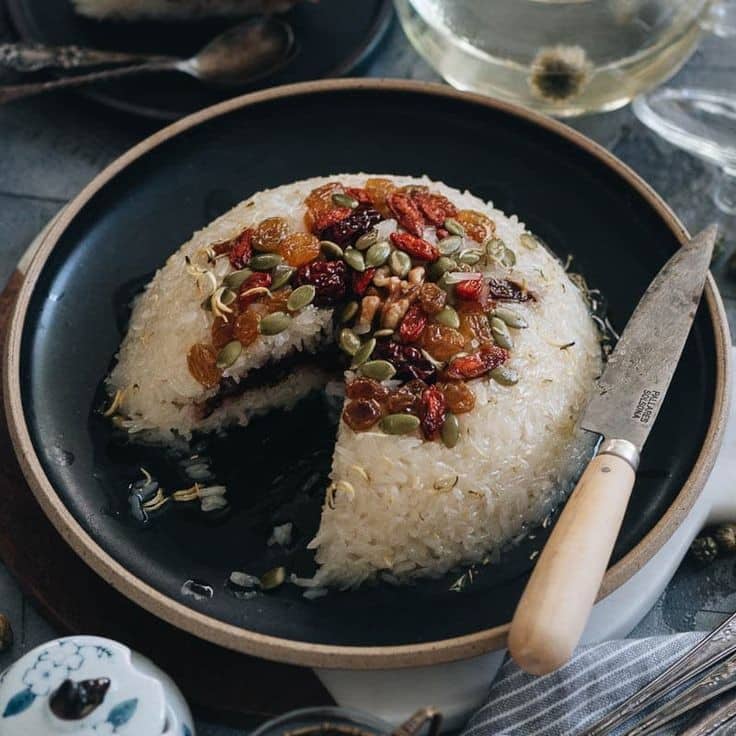
13. Eight Treasure Rice
(Source)
Eight treasure rice is traditionally served as a dessert and symbolises abundance and good fortune. Its layered presentation makes it visually festive while remaining comforting and familiar in flavour.
Ingredients
- Glutinous rice
- Red dates
- Lotus seeds
- Raisins
- Sugar
Recipe
- Cook glutinous rice until soft and sticky.
- Arrange dried fruits and lotus seeds in a bowl.
- Spoon rice over the arrangement and press gently.
- Steam briefly, then invert onto a plate before serving.
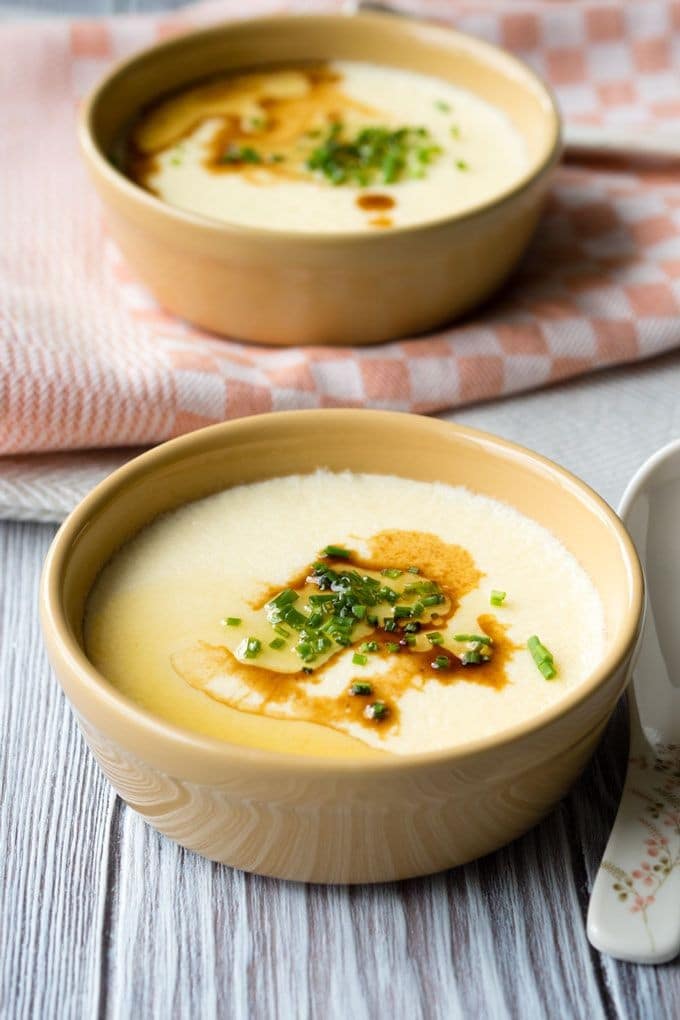
14. Chinese Steamed Egg (Savory Custard)
(Source)
Chinese steamed egg is soft, delicate, and comforting, making it ideal for balancing richer dishes on the table. It is often featured in Chinese New Year dish recipes because its smooth texture makes it suitable for all ages.
Ingredients
- Eggs
- Water or stock
- Salt
- Sesame oil
Recipe
- Beat eggs gently with water and salt.
- Strain the mixture into a heatproof dish.
- Steam over low heat until just set.
- Drizzle lightly with sesame oil before serving.
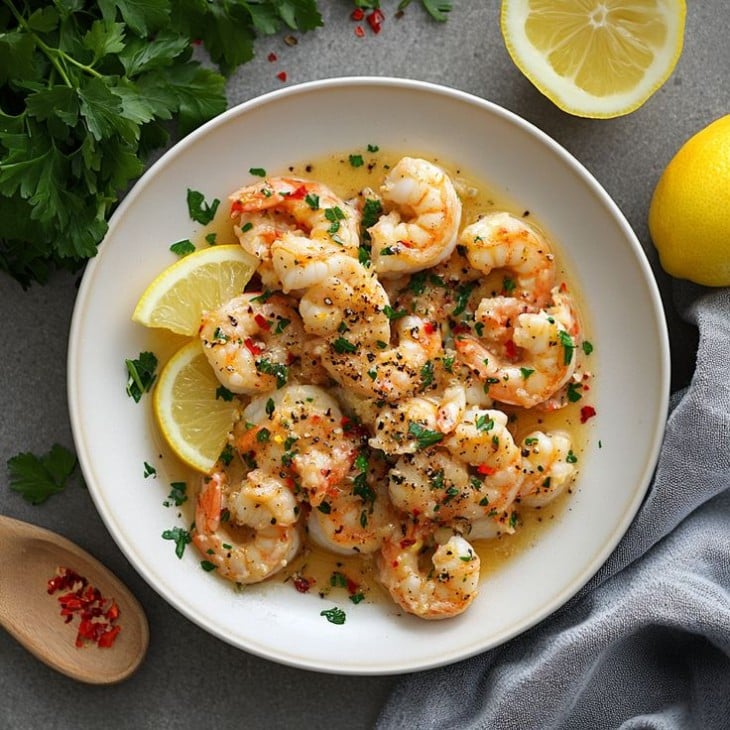
15. Garlic Prawns
(Source)
Garlic prawns are often served during the Chinese New Year because prawns symbolise happiness and laughter. Their bold aroma and quick cooking time make them a lively addition to the celebration table.
Ingredients
- Prawns
- Garlic
- Oil
- Salt
Recipe
- Heat the oil and sauté the garlic until fragrant.
- Add prawns and cook until just pink.
- Season lightly with salt and serve immediately.
What Are the Meanings Behind Popular Chinese New Year Foods?
Many Chinese New Year foods are chosen for what they represent rather than just how they taste. Each dish carries a message of hope for the year ahead, making symbolism an important part of festive cooking. These meanings often come from wordplay, appearance, or long-standing cultural beliefs, as explained below.
- Fish: The word for fish sounds like “surplus”, which is why it represents abundance and prosperity. It is traditionally served whole to symbolise completeness and a good beginning to the year.
- Dumplings and Buns: Their shape resembles ancient Chinese money, making them a lucky food associated with wealth and good fortune. Families often prepare them together to encourage prosperity through shared effort.
- Noodles: Long, uncut noodles represent long life and good health. Cutting them is avoided, as it is believed to shorten good fortune.
- Sweet Foods: Traditional desserts and sweet dishes symbolise harmony, happiness, and pleasant relationships. They are eaten to ensure the lunar new year begins on a positive and joyful note.
How Can You Plan a Complete Chinese New Year Food Menu at Home?
Planning a Chinese New Year feast at home does not need to feel overwhelming or overly traditional. When you approach it with intention rather than quantity, the process becomes far more enjoyable. Here are the key elements that help you put together a complete Chinese New Year food menu at home.
- Start With One Centrepiece Dish: Choose a main dish that anchors the meal and carries strong symbolic meaning. This gives the menu a clear focal point and sets the tone for the rest of the dishes.
- Balance Rich and Light Dishes: Pair heavier mains with vegetable-based dishes to keep the meal comfortable and varied. This balance makes the spread feel generous without being overwhelming.
- Include At Least One Symbolic Sweet: A simple dessert helps complete the meal and represents harmony and a pleasant year ahead. Even a small sweet dish adds meaning to the celebration.
- Plan Portions for Sharing: Chinese New Year meals are meant to be shared rather than individually plated. Preparing slightly smaller portions of multiple dishes encourages togetherness and reduces waste.
Conclusion
Chinese New Year food can seem overwhelming at first, but it does not have to be complicated or intimidating. At its heart, it reflects Chinese culture, where sharing meaningful meals brings good luck and a sense of connection, especially on New Year’s Eve as families prepare for the coming year.
By understanding why certain dishes matter during the Spring Festival, planning a balanced menu, and choosing recipes that suit your time and preferences, you can reduce stress and enjoy the process much more. These meals often centre on a family reunion, where food becomes a quiet way to express care, hope, and togetherness.
Whether you try one symbolic dish or cook a full festive spread that includes favourites like prosperity cake, the key is to start where you feel comfortable. Take inspiration from the ideas shared here, enjoy the cooking, and let the celebration unfold naturally, alongside laughter, shared stories, and the exchange of red envelopes.
Frequently Asked Questions
What is the most important food served during the Chinese New Year?
The most important Chinese New Year food varies by family, but reunion New Year dinner dishes such as fish, chicken, and dumplings are prioritised. These foods symbolise abundance, unity, and a positive beginning for the year ahead.
Can Chinese New Year food be prepared in advance?
Yes, many Chinese New Year food recipes can be prepared in advance, including nian gao, dumpling fillings, and braised dishes. Preparing early helps reduce stress and allows you to enjoy the celebration rather than spend the day cooking.
Is vegetarian Chinese New Year food traditional?
Vegetarian Chinese New Year food has always been part of the tradition, especially on the first day of the festival. Vegetable-based dishes symbolise renewal, balance, and good health, making them a meaningful part of festive meals.
Why are certain foods avoided during the Chinese New Year?
Certain foods are avoided because their names or cultural associations are linked to bad luck, loss, or negativity. These beliefs vary by region, but the intention is to protect good fortune throughout the new year.
How many dishes should be served for the Chinese New Year?
There is no fixed rule, but many families prefer serving an even number of dishes to symbolise balance and harmony. Variety and shared portions matter more than quantity when planning the meal.
What are popular Chinese New Year breakfast recipes?
Chinese New Year breakfast recipes often include light, comforting foods such as congee, steamed buns, noodles, and sweet rice balls. These dishes are easy to digest, symbolise warmth and renewal, and help start the new year gently.
Can Chinese New Year food be adapted for modern diets?
Yes, many traditional Chinese New Year dishes can be adapted using lighter cooking techniques, plant-based alternatives, or reduced sugar. These changes allow people to celebrate while meeting modern dietary preferences.
Is it acceptable to simplify Chinese New Year recipes at home?
Yes, simplifying Chinese New Year cooking recipes does not reduce their meaning. The intention behind the meal matters more than complexity, making simple, well-prepared dishes just as meaningful for home celebrations.