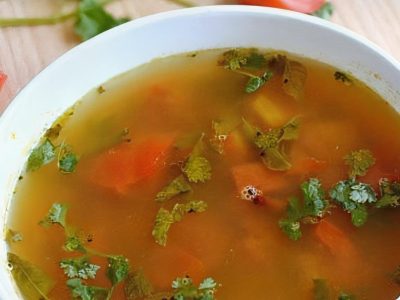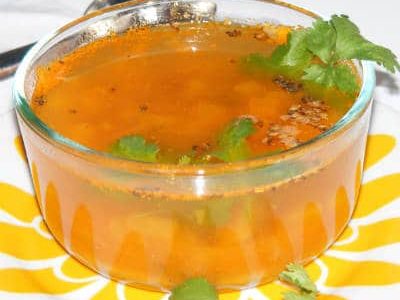
Carrot and Cabbage Rasam is a vegetable-packed version of the classic tangy South Indian soup that many of us grew up drinking alongside rice. Unlike the usual tomato-based rasam, this one gets extra body and sweetness from simmered carrots and cabbage, making it heartier without feeling heavy.
The freshly ground masala of black pepper, cumin, coriander seeds, and kopra adds a warm, roasted aroma that fills the kitchen as you cook. I like to make a big pot on cooler evenings when I want something soothing but not too rich. The lime juice added at the end brightens everything up, and the tempering of mustard seeds and curry leaves gives it that final layer of flavor.
About the Recipe
You should try this rasam because it takes a traditional recipe and makes it more substantial by adding vegetables you probably already have in your kitchen. The carrots and cabbage cook down until tender, releasing their natural sweetness into the broth. Meanwhile, the freshly ground masala gives you more control over the flavor compared to store-bought rasam powder.
The recipe is forgiving, so you can adjust the water to get the consistency you prefer. It also comes together in under 30 minutes once you have your dal cooked, which makes it practical for busy weeknights.
Why you will love this recipe
This rasam is gentle on the stomach but full of flavor. The black pepper and cumin in the masala add warmth without overwhelming heat, while the lime juice provides just enough tang to balance the sweetness of the vegetables. I usually keep the dal on hand, so I can throw this together without much planning.
The tempering step at the end, where ghee sizzles with mustard seeds and curry leaves, adds a fragrant finish that makes the whole dish feel special. You can also make the masala powder in advance and store it, which speeds things up even more. Because the vegetables are finely chopped, they cook quickly and blend right into the broth.

Cooking Tips
When you grind the masala, let the spices cool slightly before blending so they turn into a fine powder instead of clumping. If your rasam feels too thick after simmering, add warm water a little at a time until you reach a soupy consistency. I always taste before adding the lime juice because the acidity can vary depending on the tomatoes you use.
Tempering the ghee until the mustard seeds pop ensures the flavors infuse properly into the rasam. Keep the heat moderate while simmering so the vegetables stay tender without turning mushy.
Serving and Storing Suggestions
This recipe serves four people and takes about 25 to 30 minutes from start to finish, including the time to cook the dal. Serve the rasam hot over plain steamed rice, letting it soak into the grains. You can also sip it as a light soup before or after your meal. Store leftovers in an airtight container in the refrigerator for up to two days. Reheat gently on the stove, adding a splash of water if it has thickened overnight.
Similar Recipes
- Tomato Rasam
- Pepper Rasam
- Lemon Rasam
- Dal Palak Soup
- Mor Kuzhambu
Nutrient Benefits
Toor dal provides plant-based protein and fiber, which helps keep you full and supports digestion. Carrots bring beta-carotene, important for eye health, while cabbage adds vitamin C and antioxidants. The black pepper in the masala aids digestion and enhances nutrient absorption. Turmeric offers anti-inflammatory properties, and lime juice adds a dose of vitamin C. Together, these ingredients make a nourishing bowl that supports overall wellness without feeling heavy.

Carrot and Cabbage Rasam
Ingredients
- 1/2 cup Toor Dal
- 2 Tomatoes
- 1 Carrot (finely chopped)
- 1/2 tsp Turmeric Powder
- Salt as per taste
- 1 1/2 tbsp Lime Juice
- 2 tbsp Coriander Leaves
For the Masala:
- 2 tsp Oil
- 1 1/2 tsp Black Peppercorns
- 1/2 tsp Cumin Seeds
- 4 tsp Coriander Seeds
- 3 tbsp Kopra
For Tempering:
- 2 tsp Ghee
- 1 tsp Mustard Seeds
- 1/2 tsp Asafoetida Powder
- 1 Dried Red Chilli (halved)
- 1sprig Curry Leaves
Instructions
- Pressure cook the dal with 1 cup of water for 5 minutes.
- Puree the tomato and set aside.
- Heat oil for masala in a pan.
- Add black peppercorns, cumin seeds and coriander seeds.
- Fry over low heat, tossing gently.
- Add the kopra and remove from heat.
- Grind to make a fine powder.
- Bring 2 cups of water to boil in a pan over high heat.
- Add carrot, cabbage and turmeric powder.
- Lower heat, cover pan and simmer for 6 to 7 minutes, till vegetables are tender.
- Add the cooked dal, pureed tomatoes, salt and ground masala powder.
- Simmer uncovered for 5 minutes over moderate heat. Add more water if rasam is too thick.
- Remove from heat.
- Heat ghee for tempering and fry the tempering ingredients.
- Add it to the rasam.
- Add the lime juice.
- Garnish with coriander leaves.
- Serve hot with plain rice.
Sign up for our newsletter
Add Awesome Cuisine as a Preferred Source

Frequently Asked Questions
Q: Can I skip the kopra in the masala?
A: Yes, you can leave it out if you do not have kopra on hand. The masala will still taste good, though it will be slightly less rich. You might want to add an extra half teaspoon of coriander seeds to make up for the missing volume.
Q: What is kopra and where can I find it?
A: Kopra is dried coconut, also called copra. You can find it in Indian grocery stores, usually in the dried goods section. If you cannot find it, use unsweetened desiccated coconut instead.
Q: Can I use a different dal instead of toor dal?
A: Toor dal works best because it breaks down into a creamy texture, but you can use moong dal if that is what you have. The flavor will be slightly milder, so you may want to add a pinch more salt.
Q: How do I know when the rasam is done simmering?
A: The rasam is ready when the vegetables are tender and the flavors have blended together, usually after about five minutes of simmering. It should smell fragrant and the color should deepen slightly from the turmeric and tomatoes.
Q: Can I make this rasam ahead of time?
A: Yes, you can prepare it a few hours in advance and reheat gently before serving. Add the lime juice and fresh coriander leaves just before you serve to keep the flavors bright.