
Table of Contents
Key Highlights
- Cholesterol-reducing foods help lower LDL levels and support overall heart health
- Fibre-rich foods like oats, fruits, and legumes play a key role in managing cholesterol
- Healthy fats from sources like nuts, seeds, and olive oil improve cholesterol balance
- Limiting saturated and trans fats is essential for effective cholesterol control
- Building a balanced, whole-food-based diet is more effective than focusing on single foods
- Simple daily habits and food choices can lead to steady, long-term improvements
High cholesterol often builds silently, increasing the risk of heart disease without obvious symptoms. Many people try to improve it through diet, but struggle to identify which foods actually make a measurable difference.
General advice like “eat healthy” rarely leads to results. What matters is choosing foods that actively reduce LDL (bad cholesterol), improve HDL (good cholesterol), and limit further buildup in the body.
The good news is that targeted food choices can deliver real impact. By focusing on specific cholesterol-reducing foods and making consistent adjustments, you can improve your cholesterol levels in a way that is both practical and sustainable.
What Is a Cholesterol Control Diet?
A cholesterol-control diet is a balanced way of eating focused on improving overall cholesterol levels. It works by lowering LDL (bad) cholesterol and supporting HDL (good) cholesterol through fibre-rich foods, healthy fats, and minimally processed ingredients.
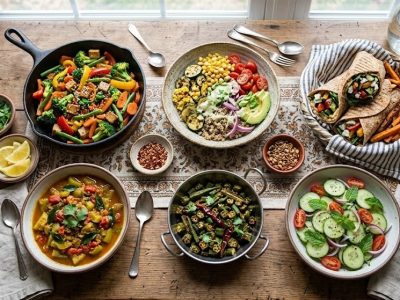
It is not about short-term restriction but about building consistent, practical eating habits. The focus is on everyday choices, more fruits, vegetables, whole grains, and plant-based proteins, while reducing foods high in saturated and trans fats.
LDL (low-density lipoprotein) contributes to plaque buildup in the arteries, while HDL (high-density lipoprotein) helps remove excess cholesterol from the bloodstream. Food choices directly influence this balance; fibre helps reduce LDL, while healthy fats support better HDL levels.
In practical terms, this means building meals around simple combinations:
- Whole grains instead of refined grains
- Vegetables and fruits in every meal
- Plant-based proteins or lean protein sources
- Healthy fats like nuts, seeds, or olive oil
By building meals around these principles, it becomes easier to understand which foods are most effective for lowering cholesterol and supporting long-term heart health.
What Are the Best Cholesterol-Reducing Foods?
The best cholesterol-reducing foods are those rich in soluble fibre, healthy fats, and plant-based nutrients, including plant sterols. These foods help lower LDL (bad cholesterol) and support HDL (good cholesterol), making them an important part of a heart-healthy diet.
Including a variety of these foods in your daily meals can make a noticeable difference over time, especially considering their health benefits. Instead of focusing on one ingredient, building a balanced plate with the right combinations is what helps improve cholesterol levels naturally.
1. Oats: A Fibre-Rich Classic
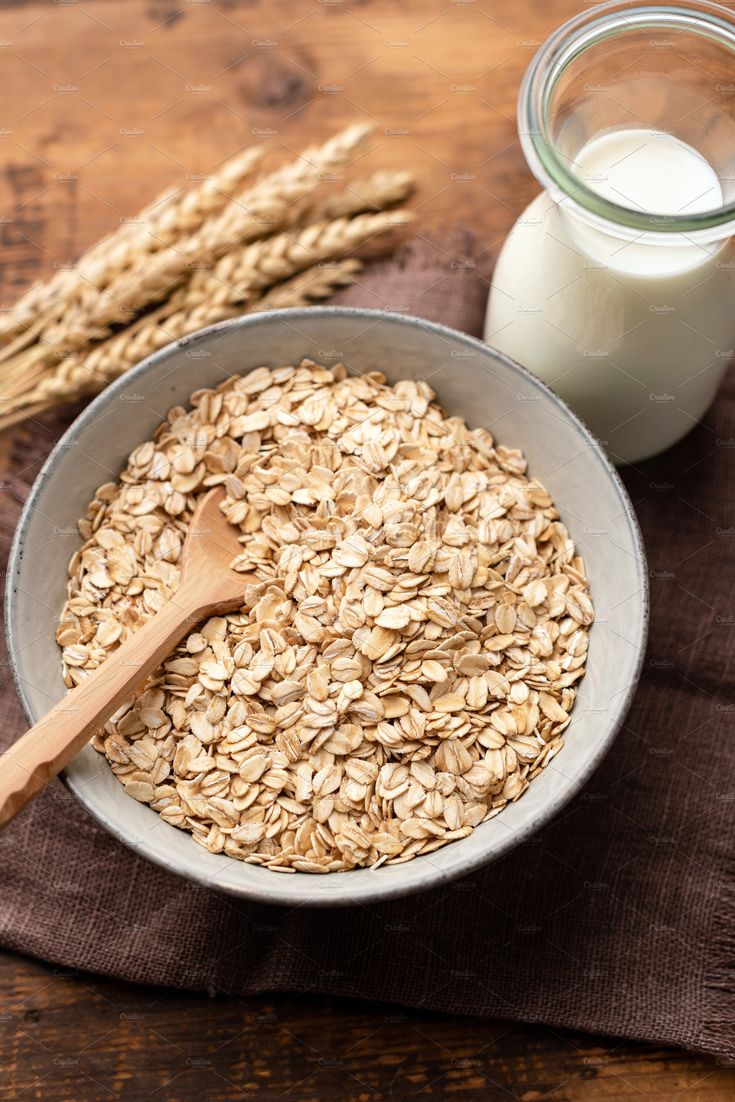
Warm, soft, and easy to incorporate into daily meals, oats are among the most effective foods for lowering cholesterol. They are rich in beta-glucan, a type of soluble fibre that helps reduce the absorption of LDL (bad cholesterol) in the bloodstream.
The regular intake of oats can contribute to a measurable reduction in LDL levels, making them a reliable choice for long-term heart health.
How to include oats in your diet:
- Start your day with a bowl of rolled or steel-cut oats
- Add oat bran to smoothies or curd for extra fibre
- Choose oat-based cereals with minimal added sugar
2. Apples: A Naturally Sweet Fibre Boost
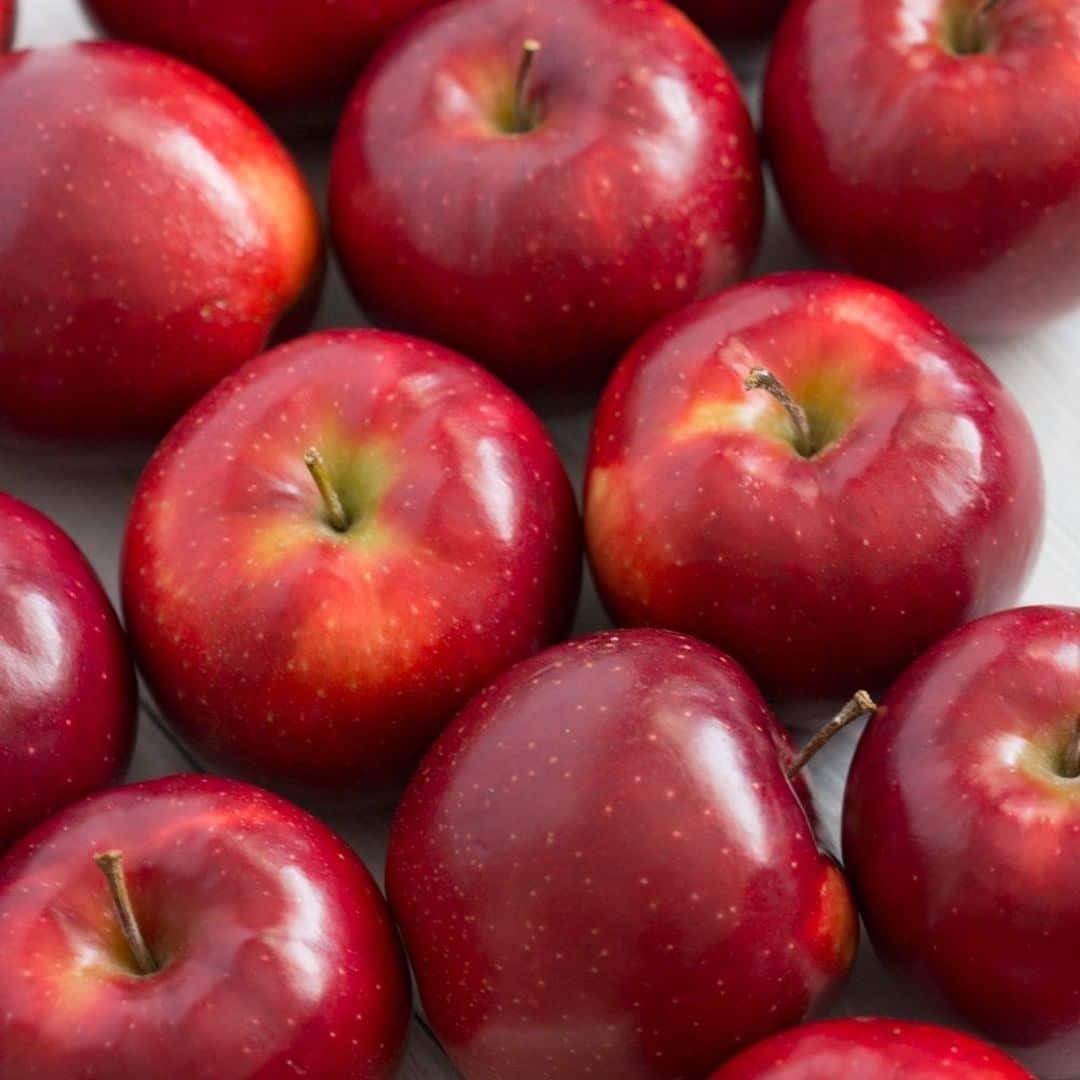
Crisp, juicy, and easy to include in everyday meals, apples help support cholesterol control through their high content of pectin, a soluble fibre that reduces cholesterol absorption in the body.
Regular consumption of pectin-rich fruits like apples has been linked to improved LDL levels, making them a practical addition to a heart-healthy diet.
How to include apples in your diet:
- Eat whole apples as a mid-day or evening snack
- Add sliced apples to salads or oatmeal for extra fibre
- Pair with nuts like almonds for a more filling snack
3. Avocados: A Source of Healthy Fats
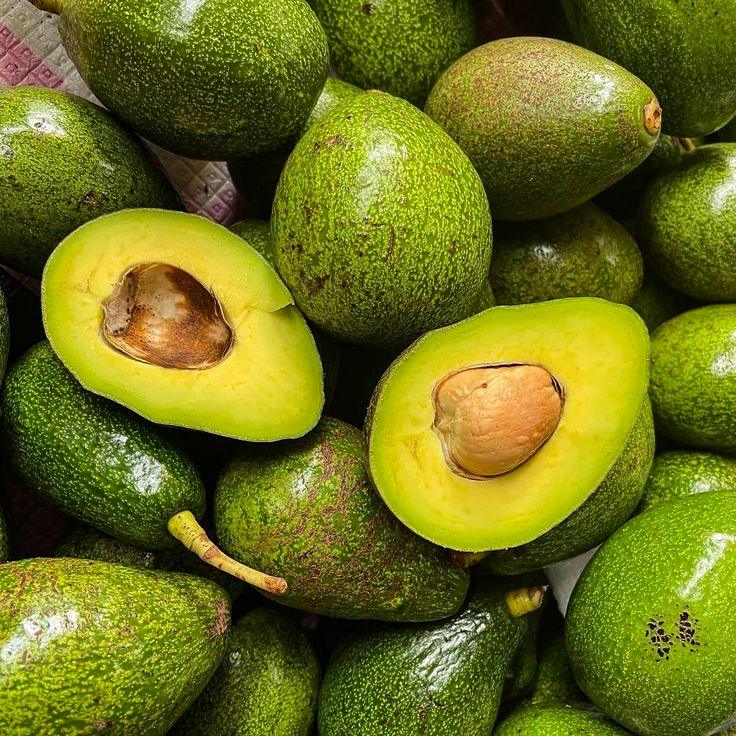
Creamy, rich, and satisfying, avocados are packed with monounsaturated fats that help improve cholesterol balance. These healthy fats support an increase in HDL (good cholesterol) while helping reduce LDL levels.
How to include avocados in your diet:
- Spread mashed avocado on toast as a healthier alternative to butter
- Add sliced avocado to salads, wraps, or grain bowls
- Blend into smoothies or dips for a creamy texture
4. Lentils: A Plant-Based Protein Staple
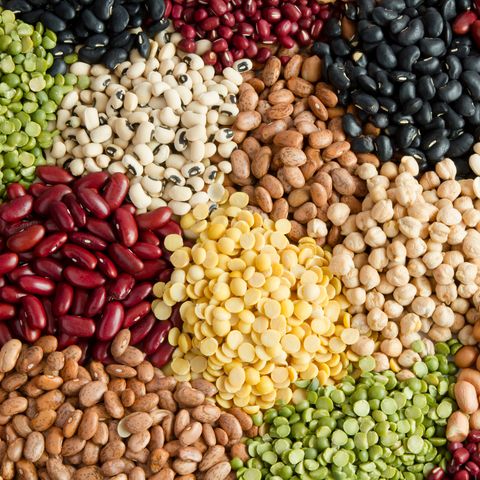
Warm, hearty, and deeply satisfying, lentils and kidney beans are a reliable choice for supporting cholesterol control. They are rich in fibre and plant-based protein, which help reduce LDL (bad cholesterol) while keeping you full for longer.
How to include lentils in your diet:
- Prepare simple dals or lentil curries for regular meals
- Add cooked lentils to salads or soups for extra nutrition
- Use lentils as a base for khichdi or one-pot dishes
5. Almonds: A Heart-Healthy Snack
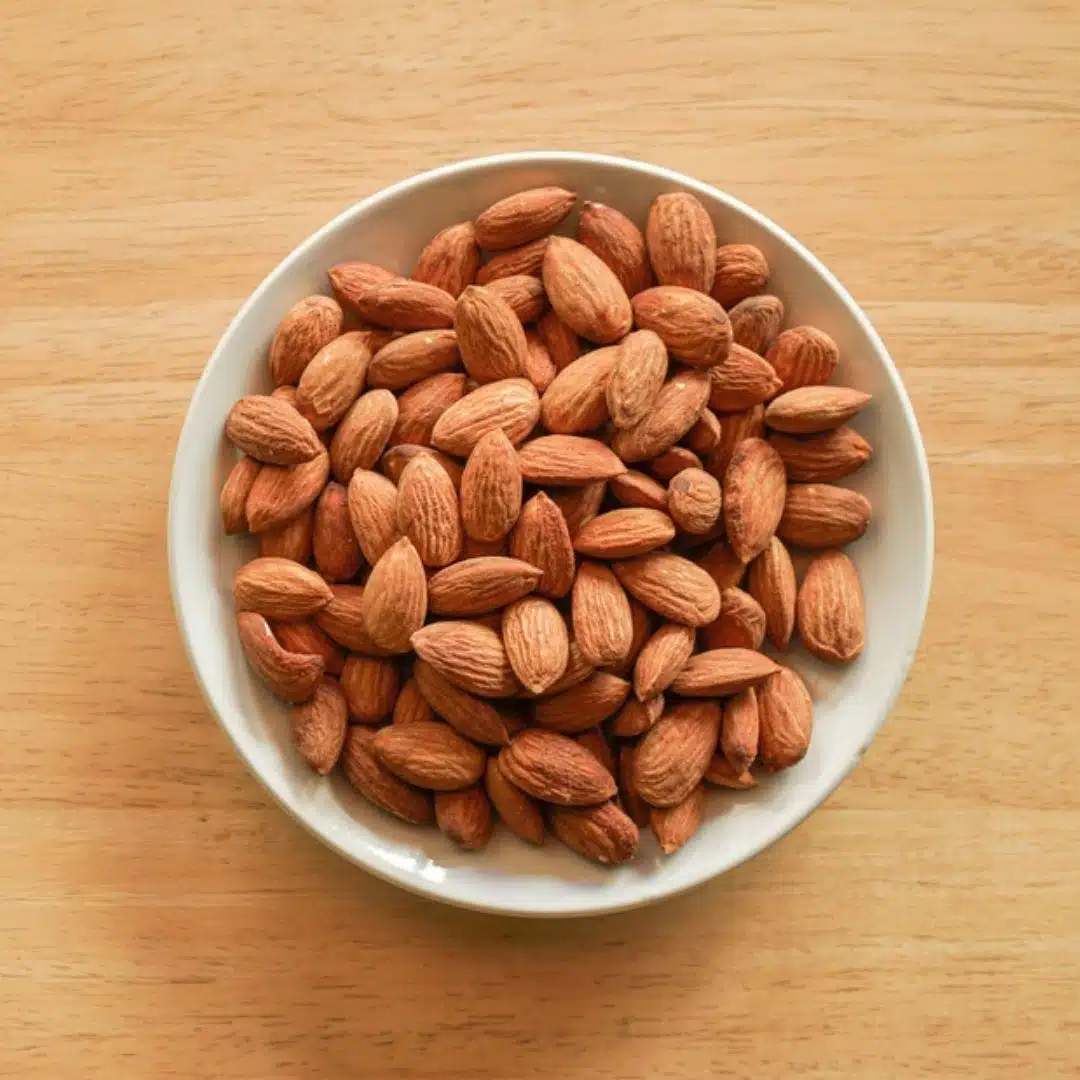
Almonds support cholesterol control through their high content of monounsaturated fats, which help reduce LDL (bad cholesterol) when they replace processed or saturated fat-rich snacks.
They also contain plant compounds and vitamin E that support overall heart health and lipid balance.
How to include almonds in your diet:
- Eat a small handful of soaked or raw almonds as a daily snack
- Add chopped almonds to oatmeal, salads, or yoghurt
- Blend into smoothies or breakfast bowls
6. Salmon: An Omega-3 Powerhouse
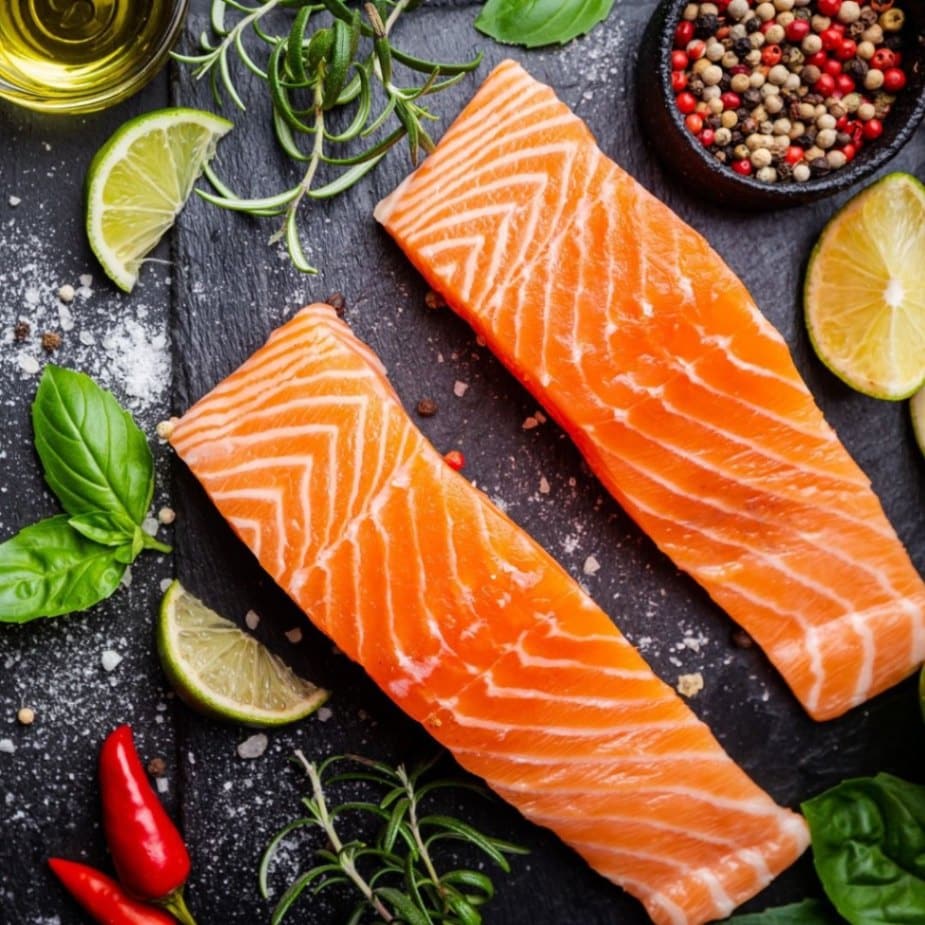
Tender, flavourful, and rich in nutrients, salmon supports cholesterol management through its high omega-3 fatty acid content, which helps reduce triglyceride levels and improve overall lipid balance.
This substitution helps improve overall cholesterol levels over time, rather than directly lowering LDL.
How to include salmon in your diet:
- Grill or bake salmon with simple seasoning for a balanced meal
- Add to salads or grain bowls for a protein boost
- Pair with vegetables and whole grains for a well-rounded plate
7. Spinach: A Nutrient-Dense Green
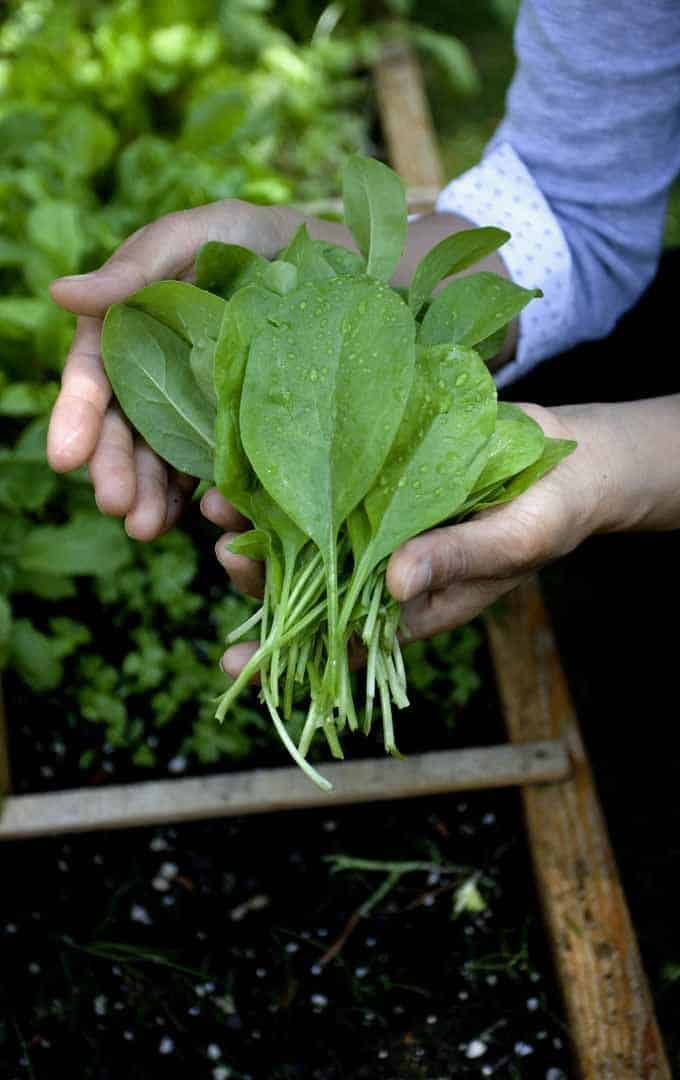
Spinach contains plant sterols, compounds that help reduce the amount of cholesterol absorbed into the bloodstream. While its effect is more supportive than direct, it helps strengthen a cholesterol-friendly diet when combined with fibre-rich foods.
How to include spinach in your diet:
- Add to salads, wraps, or smoothies
- Cook into dals, curries, or stir-fries
- Mix into soups or egg dishes
8. Walnuts: A Source of Omega-3 Fats
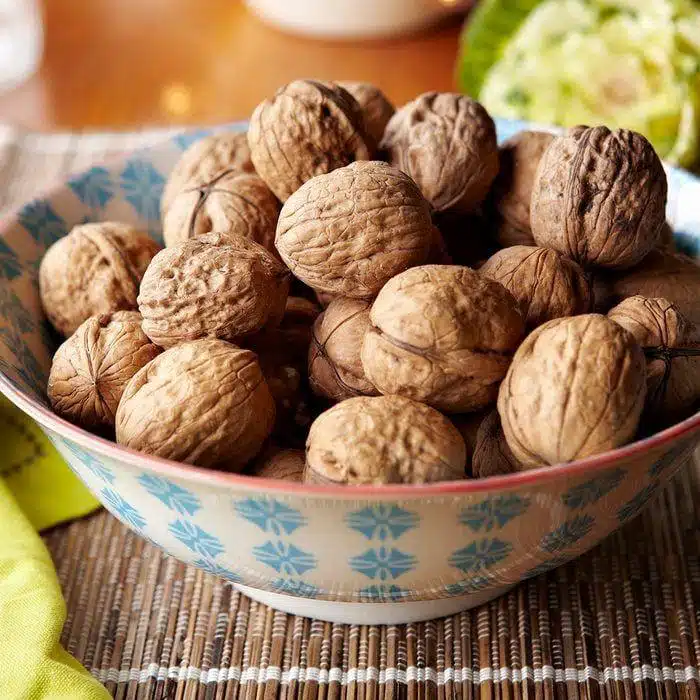
Walnuts contain plant-based omega-3 fatty acids, which help improve overall lipid balance and reduce inflammation linked to heart disease. Their combination of healthy fats and antioxidants makes them especially supportive in a cholesterol-friendly diet.
How to include walnuts in your diet:
- Add chopped walnuts to oats or yoghurt
- Eat a small handful as a snack
- Include in salads or homemade trail mixes
9. Olive Oil: A Healthy Cooking Choice
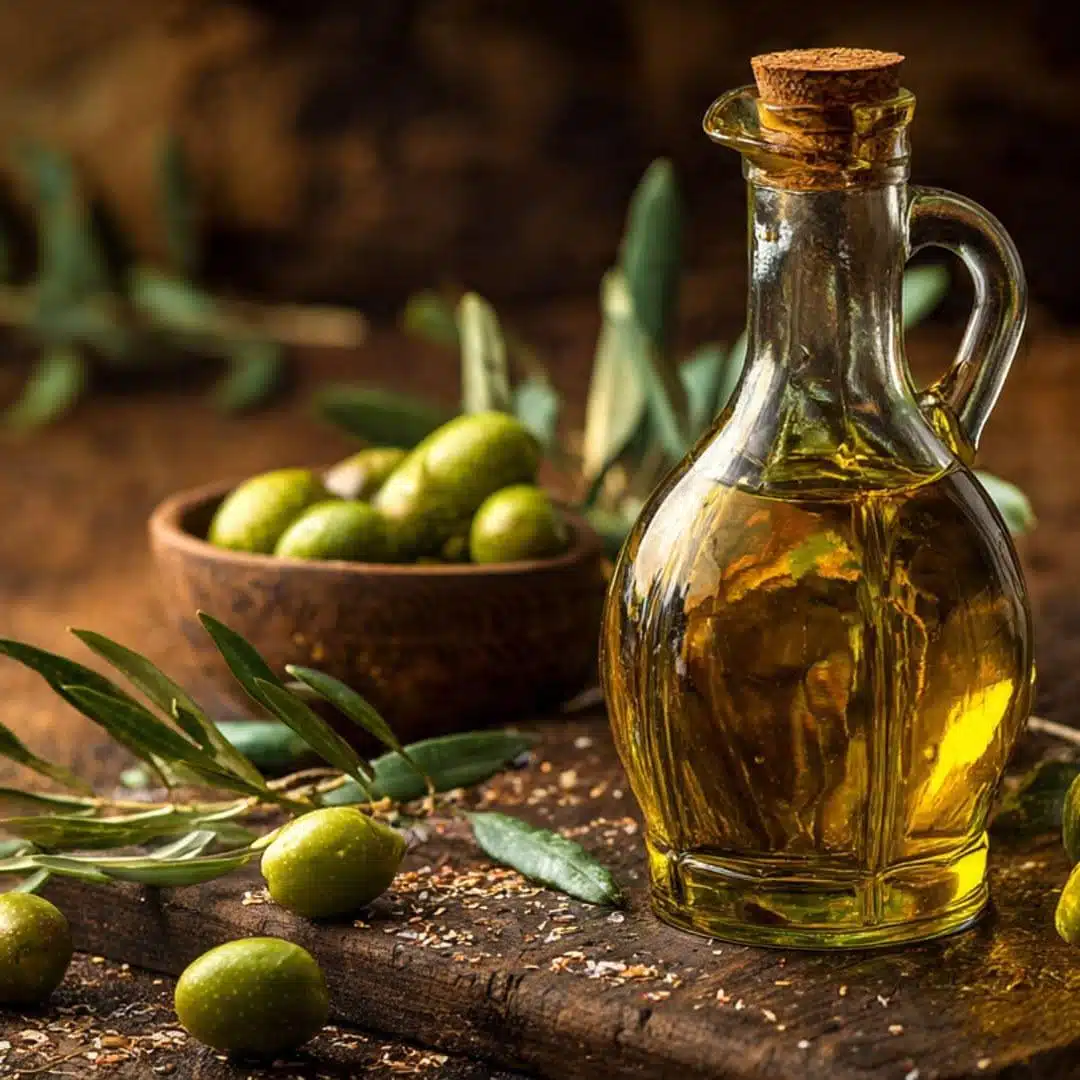
Smooth, light, and versatile, olive oil supports cholesterol control by replacing saturated fats such as butter and refined oils in everyday cooking.
This shift helps improve overall cholesterol levels over time, rather than directly lowering LDL levels. Its high content of monounsaturated fats contributes to better lipid balance when used consistently.
How to include olive oil in your diet:
- Use olive oil for sautéing vegetables or light cooking
- Drizzle over salads as a dressing base
- Replace butter or refined oils in everyday recipes
10. Chickpeas: A Fibre-Rich Legume
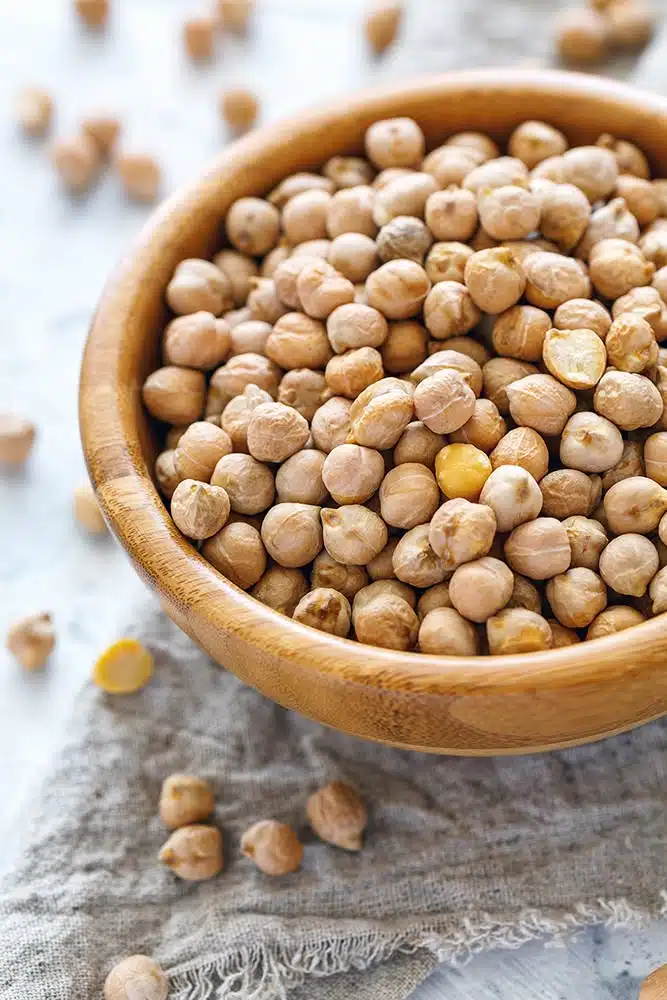
Chickpeas contain soluble fibre, which helps reduce cholesterol absorption in the digestive system and supports lower LDL levels over time. They also provide plant-based protein, making them a useful replacement for high-fat protein sources in everyday meals.
How to include chickpeas in your diet:
- Add to salads, curries, or grain bowls
- Roast for a high-fibre snack
- Use in spreads like hummus
11. Berries: An Antioxidant Boost
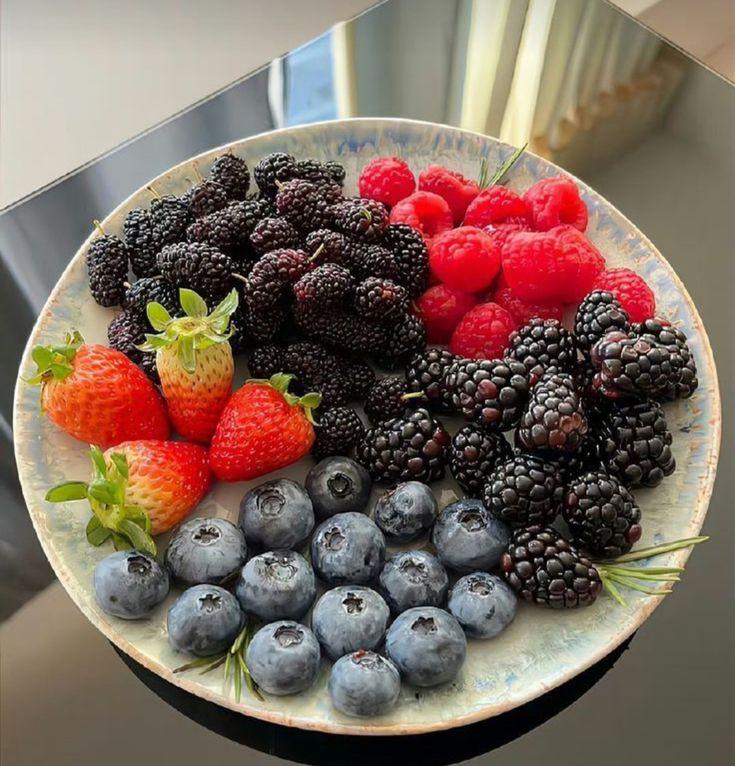
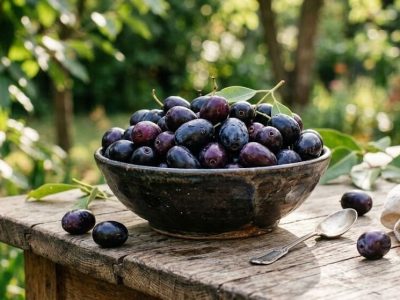
Berries are rich in antioxidants that help reduce LDL oxidation, a process that increases the likelihood of plaque buildup in the arteries. This protective effect supports long-term heart health, especially when combined with foods that directly lower LDL cholesterol.
How to include berries in your diet:
- Add to oats, yoghurt, or smoothies
- Eat fresh as a snack
- Use as a topping for breakfast bowls
12. Flaxseeds: A Small but Powerful Addition
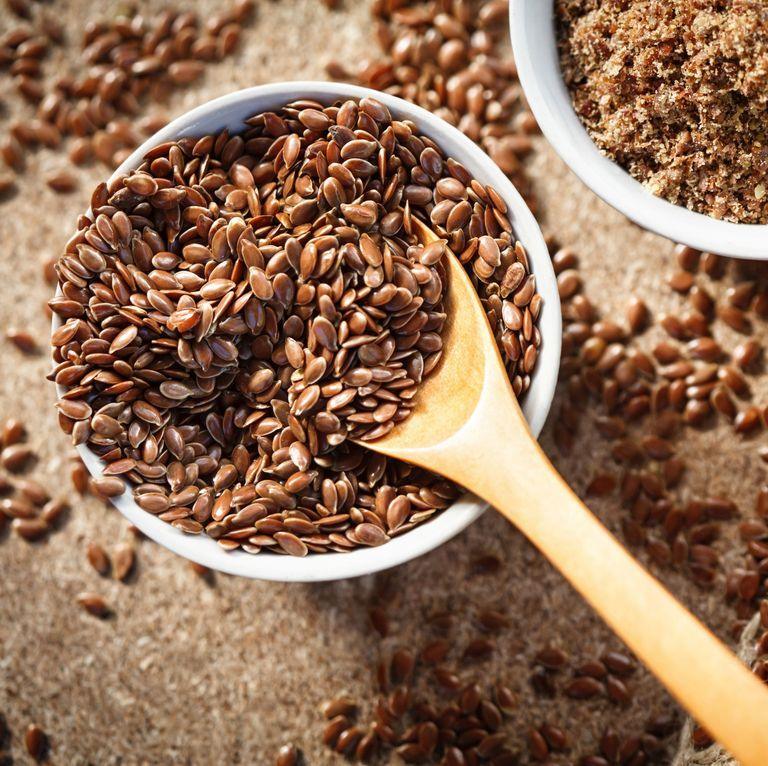
Mild, nutty, and easy to add to meals, flaxseeds are a simple way to support better cholesterol levels. They are rich in fibre and omega-3 fatty acids, which help reduce LDL (bad cholesterol) and support overall heart health.
How to include flaxseeds in your diet:
- Sprinkle ground flaxseeds over oats, yoghurt, or salads
- Blend into smoothies for an added nutrient boost
- Mix into doughs or batters for everyday recipes
Including these foods regularly in your meals can help you manage cholesterol more effectively while building a balanced and sustainable approach to heart health.
What Foods Should You Avoid to Lower Cholesterol?
Planning a daily diet to reduce cholesterol doesn’t need to feel overwhelming. The goal is to build meals around whole, minimally processed foods that help lower LDL (bad cholesterol) and reduce the risk of plaque buildup in the arteries.
A good starting point is making practical food swaps. Choose oatmeal or whole-grain toast instead of sugary cereals, and replace processed snacks with fruits, nuts, or roasted legumes. For lunch and dinner, aim to fill half your plate with vegetables and fruits, a quarter with whole grains, and the remaining portion with lean or plant-based proteins.
It also helps to understand the difference between saturated and trans fats. Saturated fats, commonly found in fatty meats and full-fat dairy, can raise LDL levels when consumed in excess. Trans fats, often listed as “partially hydrogenated oils,” are more harmful because they raise LDL while lowering HDL (good cholesterol).
Reducing these foods consistently can help support better cholesterol balance and make your overall diet more heart-friendly.
| Meal | What to Eat | Why It Helps |
| Breakfast | Oatmeal with berries, flaxseeds, and almonds | High in soluble fibre and omega-3, helping reduce LDL levels and support heart health |
| Mid-Morning Snack | Apple with walnuts | Provides pectin fibre and healthy fats that support cholesterol balance |
| Lunch | Brown rice or whole-grain roti with mixed vegetables and lentils (dal) | Combines fibre, plant protein, and whole grains for better cholesterol control |
| Evening Snack | Low-fat yoghurt or roasted chickpeas | Offers protein and fibre without excess saturated fats |
| Dinner | Grilled salmon (or tofu) with sautéed vegetables and whole grains | Supports lipid balance and provides heart-healthy nutrients |
Building meals around these simple choices can help improve cholesterol levels over time while supporting long-term heart and artery health.
How Can You Plan a Daily Diet to Reduce Cholesterol?
Planning a daily diet to reduce cholesterol doesn’t need to feel overwhelming. The focus should be on building balanced meals using whole, minimally processed foods that support heart health.
A good starting point is making simple, practical swaps. Choose oatmeal or whole-grain toast for breakfast instead of sugary cereals. For lunch and dinner, aim to fill half your plate with vegetables and fruits, a quarter with whole grains, and the remaining portion with lean protein such as fish, chicken, or plant-based options like beans and soy.
Reading food labels also helps identify hidden sources of saturated fats, trans fats, and added sugars, making it easier to make better choices consistently.
| Meal | What to Eat | Why It Helps |
| Breakfast | Oatmeal with berries, flaxseeds, and almonds | High in soluble fibre and omega-3, it helps reduce LDL and improve heart health |
| Mid-Morning Snack | Apple with walnuts | Provides pectin fibre and healthy fats for better cholesterol balance |
| Lunch | Brown rice or whole-grain roti with mixed vegetables and lentils (dal) | Combines fibre, plant protein, and whole grains to support cholesterol control |
| Evening Snack | Low-fat yogurt or roasted chickpeas | Offers protein and fibre without added saturated fats |
| Dinner | Grilled salmon (or tofu) with sautéed vegetables and whole grains | Supports lipid balance and provides heart-healthy nutrients |
Over time, these structured, practical choices can help you maintain healthier cholesterol levels while keeping your diet balanced and sustainable.
How Long Does It Take to Reduce Cholesterol Naturally?
Cholesterol levels can begin to improve within 4–6 weeks of consistent diet and lifestyle changes, with more noticeable results often seen over 2–3 months. According to the American Heart Association, dietary changes, physical activity, and weight management play a significant role in improving cholesterol levels and reducing cardiovascular risk.
The timeline varies based on baseline LDL levels, genetics, activity levels, and existing health conditions. Lifestyle changes are often most effective for people with mildly to moderately elevated cholesterol, while individuals with very high LDL levels or existing cardiovascular risk factors may require medication alongside dietary adjustments.
According to the American Heart Association’s report, Doctors commonly recommend follow-up lipid testing within 3–6 months to monitor progress and assess whether cholesterol levels are responding appropriately.
Conclusion
Managing cholesterol naturally comes down to making consistent, practical therapeutic lifestyle changes in your daily diet. By including the right foods and limiting those that contribute to higher amount of cholesterol levels, you can create a balanced approach that supports your heart without feeling restrictive.
Start with small changes, swap refined foods for whole options, include more fibre-rich ingredients like Brussels sprouts, and choose healthier fats where possible. Over time, these adjustments can help you build a routine that not only improves cholesterol levels but also supports long-term heart health and reduces the risk of heart disease.
Frequently Asked Questions
Do cholesterol-lowering foods work without medication?
Yes, cholesterol-lowering foods can help lower cholesterol levels without medication, especially in mild-to-moderate cases. However, results depend on consistency, overall lifestyle, and existing health conditions, such as high blood pressure, as certain individuals may still face an increased risk of heart attack and may require medical guidance.
Are plant-based diets effective for reducing cholesterol levels?
Yes, plant-based diets that include soy products are effective for reducing cholesterol levels. They are rich in fibre and low in saturated fats, which help lower LDL (bad) cholesterol while supporting overall heart health by reducing your absorption of cholesterol when followed consistently.
What is the difference between good and bad cholesterol when choosing foods?
Good cholesterol (HDL cholesterol) helps remove excess cholesterol from the bloodstream, while bad cholesterol (LDL) contributes to the buildup of cholesterol in the arteries. Choosing foods that help lower LDL cholesterol and support HDL cholesterol helps maintain a healthier overall cholesterol balance, especially if you consume much alcohol.
What are the worst foods for high cholesterol?
The worst foods for high cholesterol levels are those high in saturated and trans fats, such as processed meats, fried foods, full-fat dairy, baked goods, and items containing partially hydrogenated oils, as they increase LDL and disrupt cholesterol balance, while also contributing to higher levels of triglycerides and include unhealthy fats.
What are the best foods to reduce cholesterol?
The best foods to reduce cholesterol include oats, barley, nuts, seeds, legumes, and fruits rich in soluble fibre. These foods help lower LDL levels and support overall heart health when included regularly in a balanced diet.
What foods to lower bad cholesterol should I include daily?
Foods to lower bad cholesterol include fibre-rich options like oats, apples, beans, and flaxseeds, which contain soluble fiber, along with healthy fats from nuts and olive oil. Including these daily can help improve cholesterol balance over time.
What foods decrease cholesterol naturally?
Foods that decrease cholesterol naturally include whole grains, legumes, fruits, vegetables, and sources of healthy fats. These foods reduce cholesterol absorption by binding to bile acids and improve lipid balance without relying heavily on processed or high-fat options.
What is a cholesterol control diet, and how does it work?
A cholesterol control diet focuses on whole foods, including good cholesterol foods like nuts, seeds, fish, and fibre-rich grains. It helps lower LDL levels and improves HDL levels, thereby reducing the risk of metabolic syndrome through consistent, balanced eating habits.
Are cholesterol-free foods always better for heart health?
Cholesterol-free foods can still contain unhealthy fats or sugars, so they are not always the best choice. It is more important to focus on foods that lower blood cholesterol levels and support overall heart health.

very useful article.