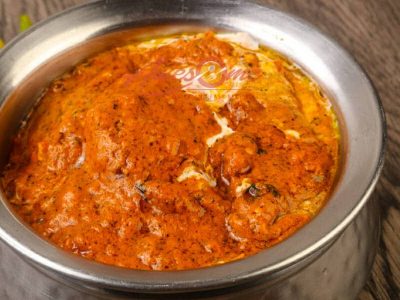
Table of Contents
Key Highlights
- India is home to an incredible variety of mangoes, with around 1500 different types.
- The mango season typically runs from mid-April to August, bringing joy to many.
- Each Indian mango boasts a unique shape, colour, and sweet aroma.
- The Alphonso is famously known as the king of mangoes for its exceptional taste.
- This summer, explore diverse flavours from the sweet Kesar to the tangy Langra.
- From Maharashtra to Bengal, every region offers its own special mango treasure.
Over 1,000 mango varieties exist worldwide, yet most people only know a handful. If you’ve ever struggled to choose the sweetest, juiciest mango or pick the right one for a recipe, you’re not alone.
With so many regional varieties available in India, each with its own taste, texture, and use, it can feel overwhelming to know which ones are actually worth trying this summer.
This blog simplifies it for you by highlighting the most delightful mango varieties along with easy recipes, helping you choose better and enjoy mango season to the fullest.
What are the 15 Delicious Mango Varieties in India You Must Try This Summer?
The mango is not just a fruit; it’s the national fruit of India, celebrated for its incredible taste and cultural significance. As the mango season approaches, mango lovers eagerly await the arrival of their favourite types. With such a wide variety of mangoes available, each hailing from different regions, it can be a delightful adventure to explore them all.
From the world-renowned Alphonso of Maharashtra to the sweet Dasheri of Uttar Pradesh, the choices are plentiful. Let’s explore 15 of the most popular and mouth-watering mangoes you simply must try.
1. Alphonso (Hapus): The King of Mangoes
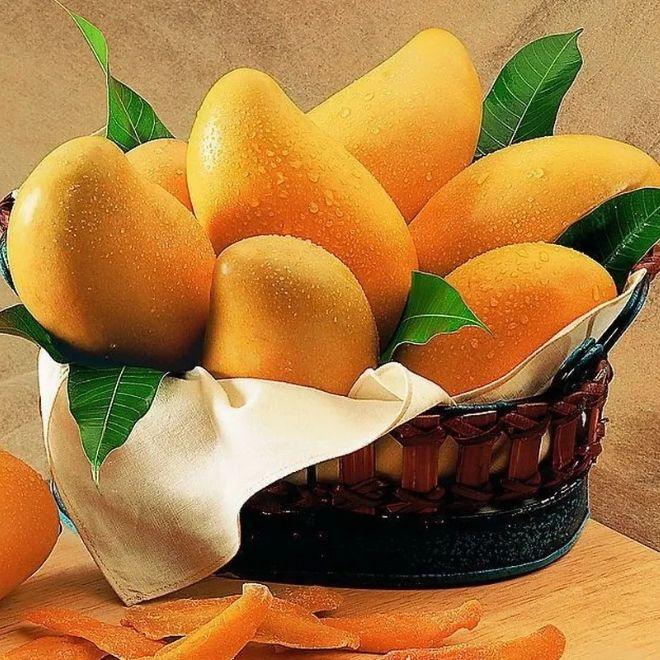
Alphonso (Hapus), grown mainly in Maharashtra’s Ratnagiri and Devgad regions, is known for its smooth, fibreless texture and naturally sweet flavour. It has a distinct aroma and saffron-coloured flesh, making it suitable for both fresh consumption and desserts. Its consistent quality and balanced taste make it one of the most preferred mango varieties.
Recipe to Try: Alphonso Mango Cheesecake (No-Bake)
Ingredients:
- 1 cup Alphonso pulp
- 200g cream cheese
- 1/2 cup whipped cream
- 1/4 cup sugar
- Biscuit base
Recipe:
- Mix pulp, cream cheese, and sugar until smooth
- Fold in whipped cream
- Pour over biscuit base
- Chill 4–5 hours
2. Gir Kesar: The Saffron-Scented Gujarat Favourite
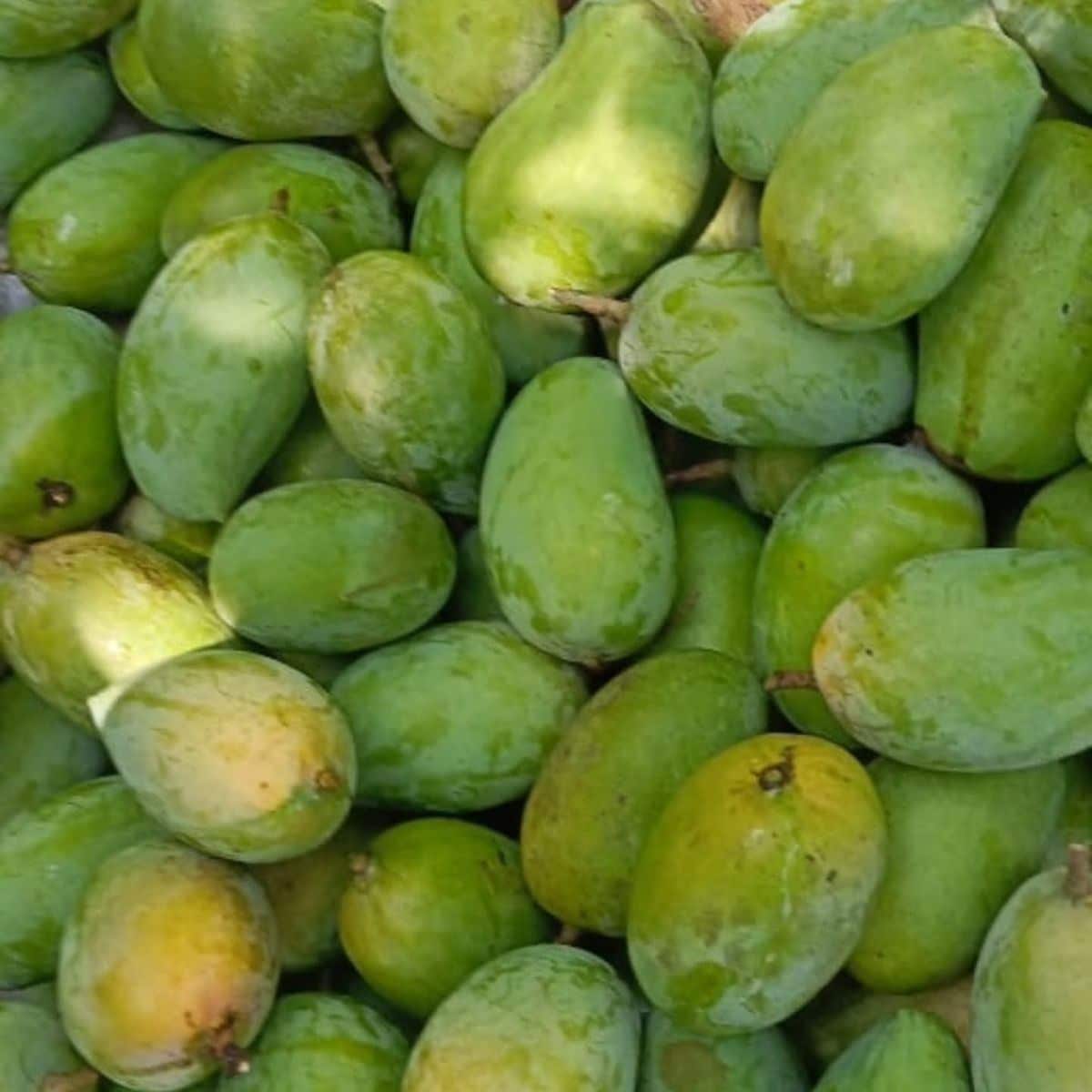
Gir Kesar mango, grown in Gujarat’s Gir region, is known for its bright orange pulp and distinct saffron-like aroma. It has a smooth texture and naturally sweet taste, making it suitable for desserts and traditional preparations. Its consistent quality and rich flavour make it one of the most recognised mango varieties.
Recipe to Try: Gir Kesar Mango Shrikhand
Ingredients:
- 1 cup Gir Kesar mango pulp
- 1 cup hung curd
- 2–3 tbsp sugar
- A pinch of cardamom powder
Recipe:
- Combine mango pulp and hung curd in a bowl.
- Add sugar and cardamom, then mix until smooth.
- Chill before serving.
Craving something bold and spicy? Try this raw mango curry that perfectly balances tangy raw mangoes with aromatic Indian spices.
3. Dasheri: The Fragrant Northern Favourite
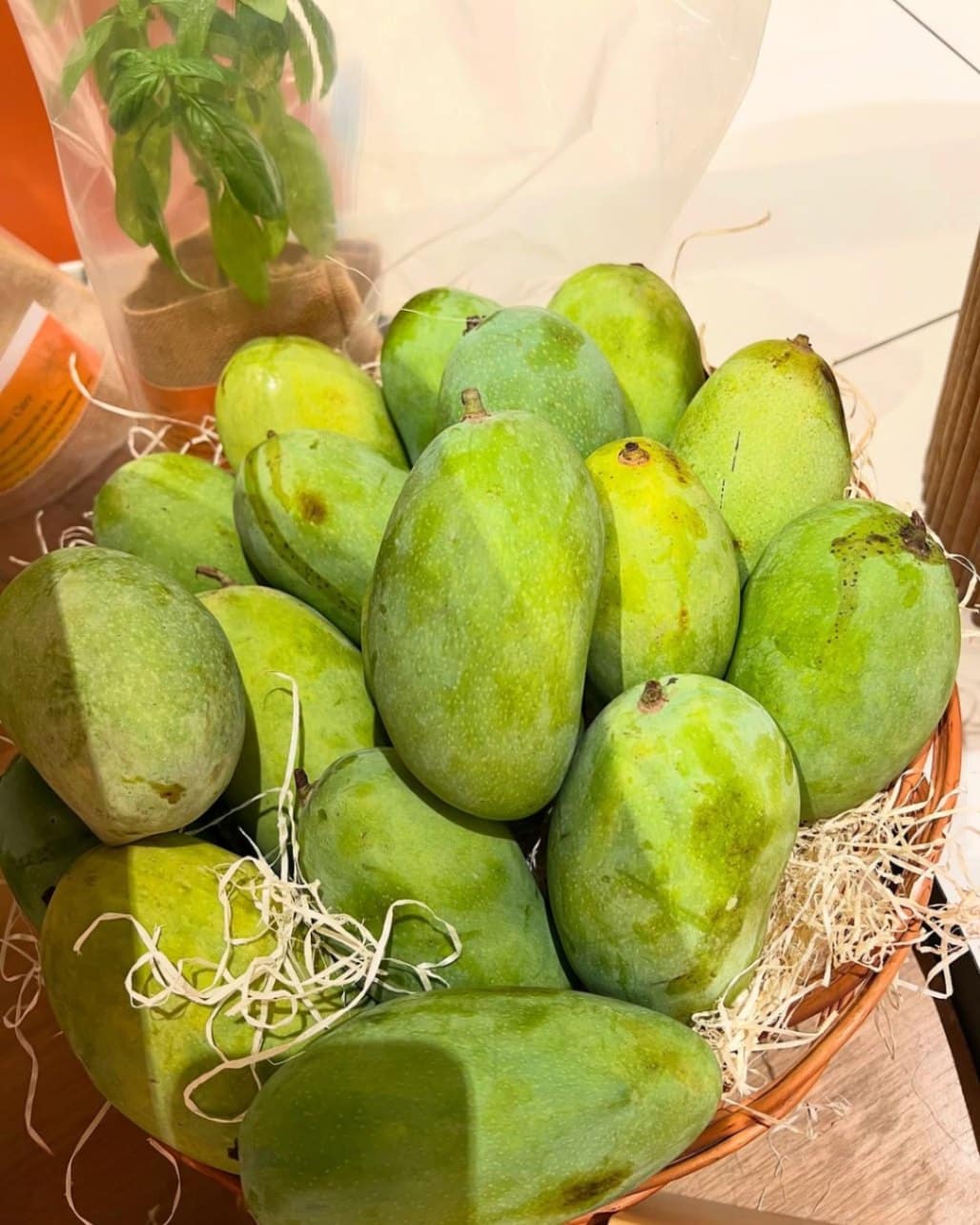
Dasheri mango, originating from Uttar Pradesh, is widely grown across North India and is known for its elongated shape and smooth, fibreless pulp. It has a naturally sweet taste and a soft texture, making it suitable for fresh consumption during the mango season. Its consistent quality and easy-to-eat form make it a commonly preferred variety.
Recipe to Try: Dasheri Mango Salad
Ingredients:
- 1 Dasheri mango (peeled and cubed)
- 1 small cucumber (chopped)
- Fresh mint leaves
- 1 tbsp lemon juice
- Salt and black pepper
Recipe:
- Add mango, cucumber, and mint to a bowl.
- Pour in lemon juice and season with salt and pepper.
- Toss well and serve fresh.
4. Langra: The Luscious Green Mango
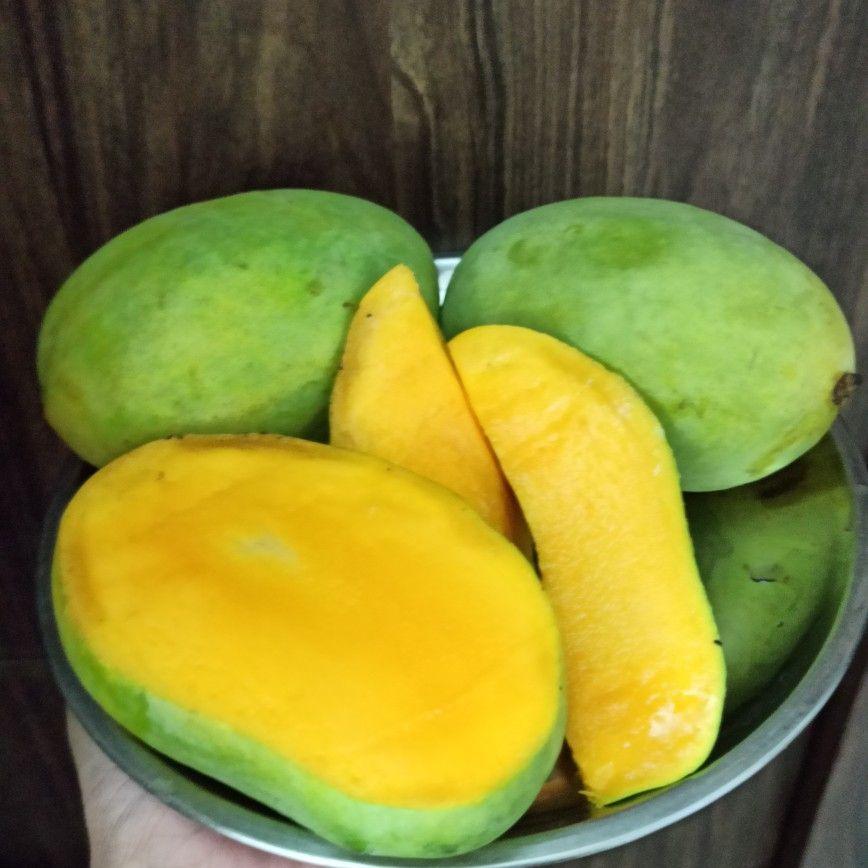
Langra mango, grown mainly in Uttar Pradesh, is known for its green skin that remains unchanged even when ripe. It has a soft, fibreless pulp with a balanced sweet and slightly tangy taste, making it suitable for fresh consumption and simple preparations.
Recipe to Try: Langra Mango Chutney
Ingredients:
- 1 cup mango pieces
- 2–3 tbsp sugar
- A pinch of salt
- Spices (optional)
Recipe:
- Cook mango pieces with sugar and salt.
- Add spices and simmer until thick.
- Cool and serve.
In the mood for a rich dessert? Make mango kesari, a delicious blend of semolina, mango pulp, and ghee for a sweet indulgence.
5. Banganapalli (Safeda): The Royal Andhra Choice
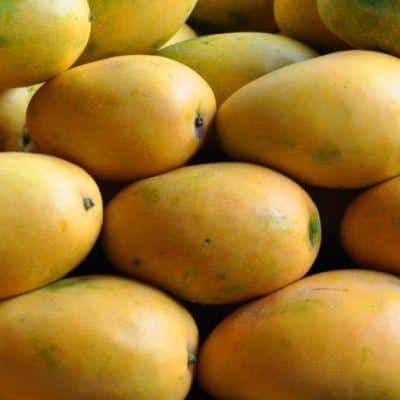
Banganapalli (Safeda) mango, grown in Andhra Pradesh, is known for its large size, smooth skin, and firm, fibreless pulp. It has a mild sweetness and develops a bright yellow colour when ripe. The fruit is easy to slice and is commonly eaten fresh.
Recipe to Try: Mango Coconut Payasam
Ingredients:
- Mango pulp
- Coconut milk
- Jaggery
Recipe:
- Heat coconut milk + jaggery
- Add mango pulp at the end
- Serve warm or chilled
6. Himsagar: The Sweet Bengal Treasure
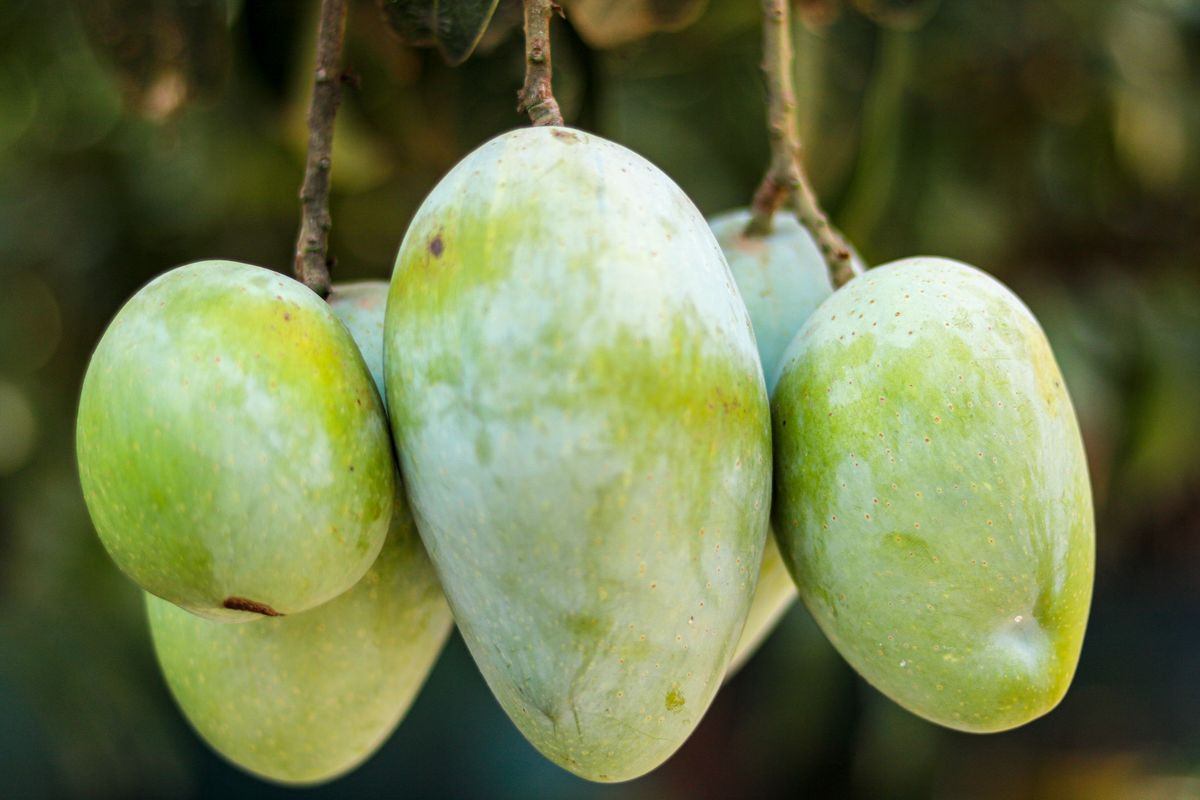
Himsagar mango, grown mainly in West Bengal, is known for its fibreless pulp and naturally sweet taste. It has a soft texture and a thin skin, with a bright yellow interior when ripe. The fruit is available for a short period during the season and is commonly consumed fresh.
Recipe to Try: Mango Mishti Doi
Ingredients:
- 1 cup mango pulp
- 1 cup thick curd
- 3 tbsp condensed milk
Recipe:
- Mix all ingredients
- Set in the fridge for 4–6 hours
7. Neelam: The Late-Season All-Rounder
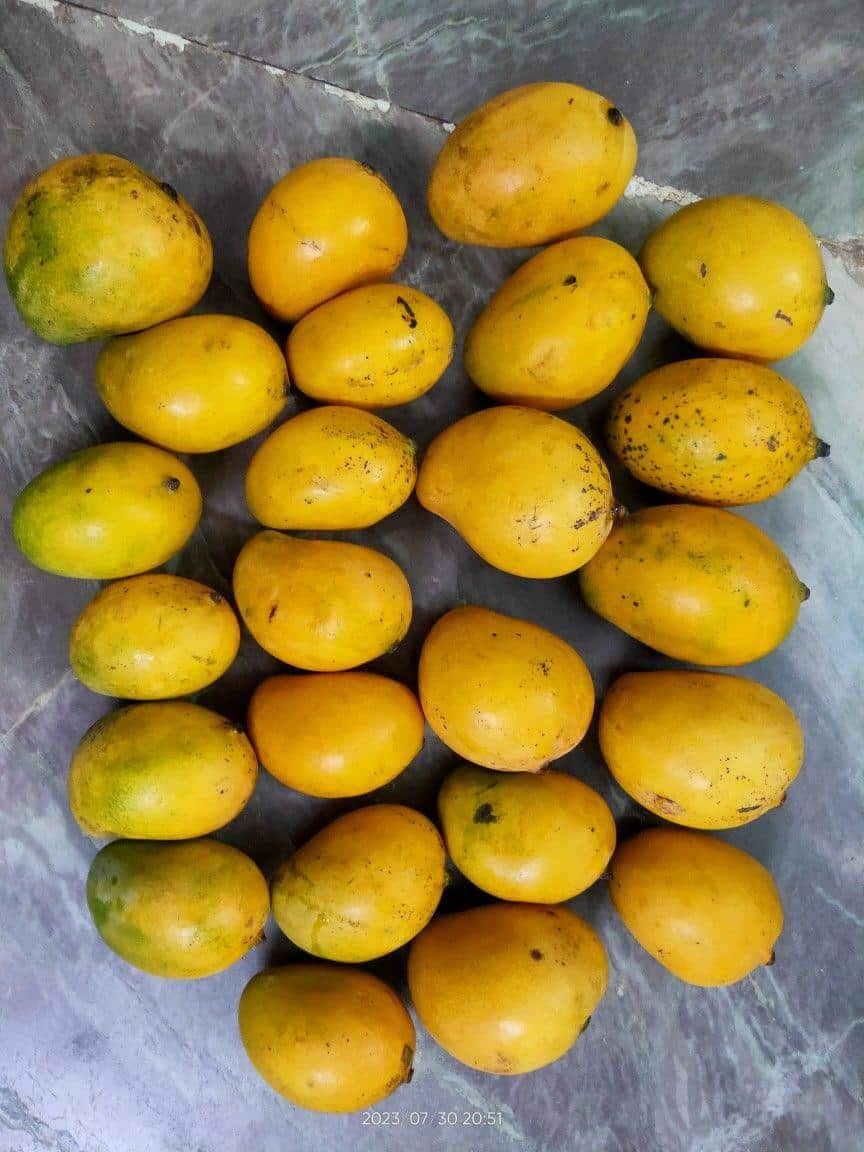
Neelam mango is known for its availability towards the end of the mango season and is widely grown across India. It has firm, fibreless pulp with a mild sweetness and a distinct aroma. The fruit develops a golden-yellow colour when ripe and is suitable for both fresh use and simple preparations.
Recipe to Try: Mango Rice (South Indian Style)
Ingredients:
- Cooked rice
- Mango pieces
- Mustard seeds, curry leaves
Recipe:
- Temper spices
- Add mango + rice
- Toss and serve
Want a comforting homemade dish? Cook mango dal, a simple and flavourful combination of lentils and raw mango for everyday meals.
8. Totapuri: The Distinctive Parrot-Beaked Mango
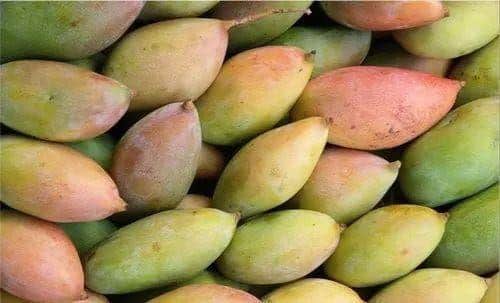
Totapuri mango, widely grown in South India, is recognised by its elongated shape and pointed tip. It has a firm pulp with a tangy taste and low sweetness, making it suitable for juices and cooking applications. The fruit is commonly used in processed preparations due to its distinct flavour.
Recipe to Try: Raw Mango Pickle (Instant Aam ka Achaar)
Ingredients:
- Totapuri mango
- Mustard oil
- Red chilli, salt
Recipe:
- Mix all ingredients
- Rest for a few hours
- Ready-to-eat pickle
9. Chausa: The Juicy North Indian Classic
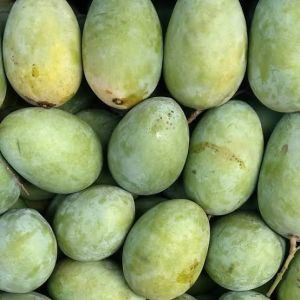
Chausa mango, popular in North India and widely grown in Bihar, is known for its soft pulp and high juice content. It has a naturally sweet taste and smooth texture, making it suitable for fresh consumption and beverages. The fruit develops a bright yellow colour when ripe and is easy to consume.
Recipe to Try: Chausa Mango Lassi
Ingredients:
- Mango pulp
- Curd
- Sugar
Recipe:
- Blend mango pulp with curd until smooth.
- Add sugar and mix well.
- Serve chilled.
10. Raspuri: The South’s Juicy Sensation
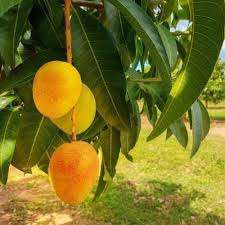
Raspuri mango, grown mainly in Karnataka, is known for its soft, juicy pulp and for being available seasonally in early summer. It has a smooth texture with mild sweetness and develops a yellow colour when ripe. The fruit is commonly used for juices and simple preparations due to its high juice content.
Recipe to Try: Mango Rasayana (Karnataka Style)
Ingredients:
- Mango pulp
- Coconut milk
- Jaggery
Recipe:
- Mix all ingredients
- Serve chilled with poori
11. Mallika: The Aromatic Hybrid Delight
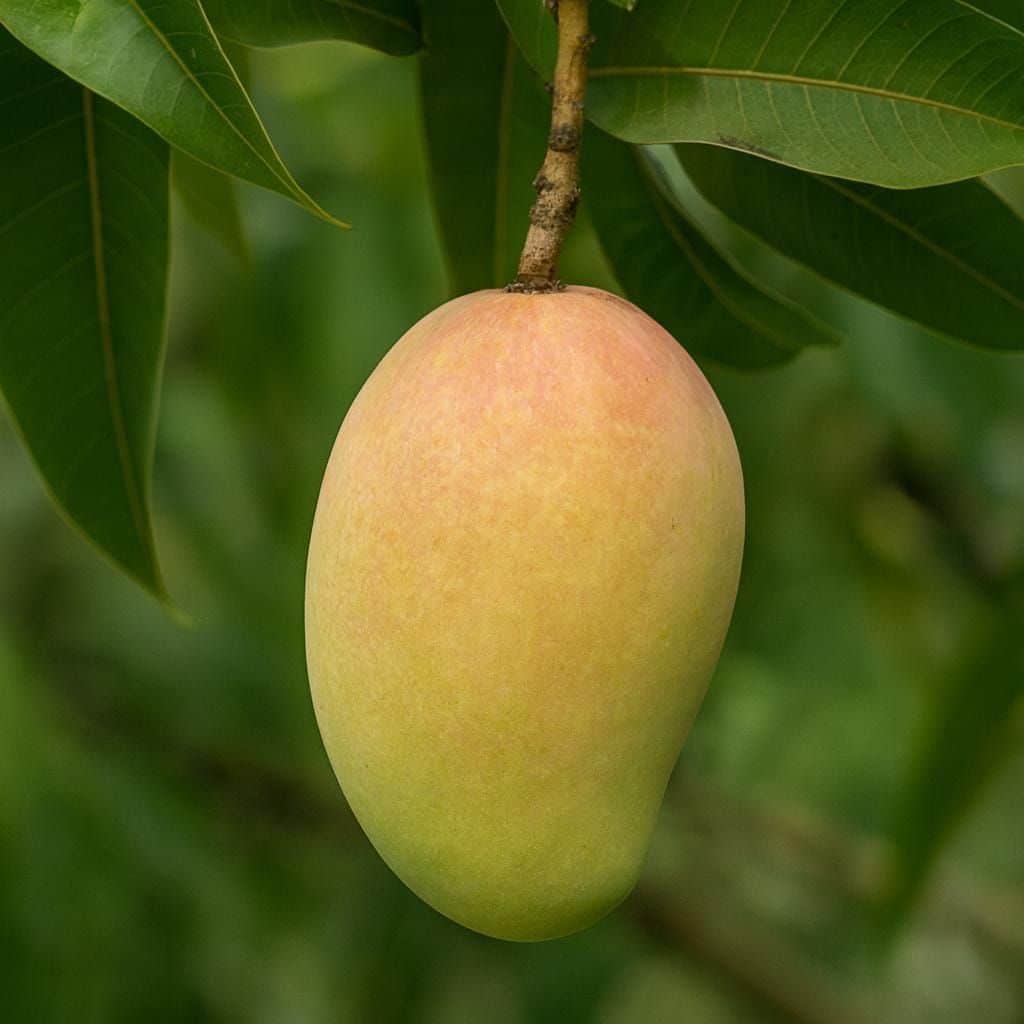
Mallika mango is a hybrid variety grown in India, known for its deep orange pulp and strong aroma. It has a smooth, fibreless texture with a balanced sweet taste. The fruit is medium-sized and is commonly used for desserts, shakes, and pulp-based preparations due to its consistent flavour.
Recipe to Try: Mango Phirni
Ingredients:
- Ground rice
- Milk
- Mango pulp
Recipe:
- Cook rice + milk
- Add mango pulp after cooling
- Chill before serving
12. Amrapali: The Compact Sweet Hybrid
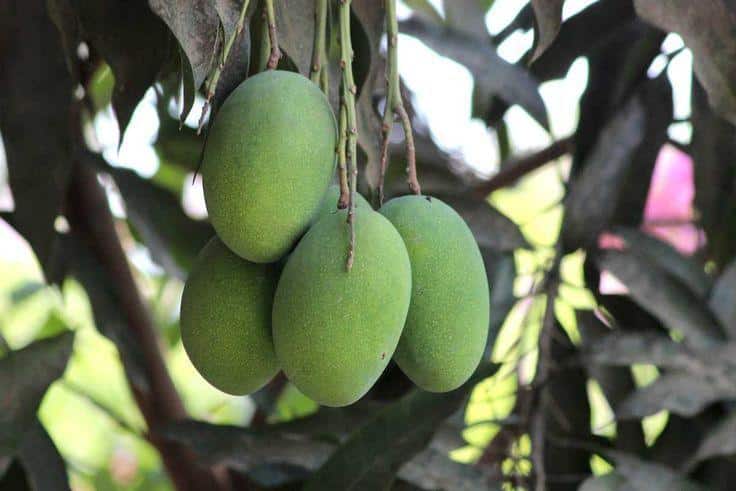
Amrapali mango is a hybrid variety grown widely in India, known for its small size and dense, fibreless pulp. It has a naturally sweet taste and a deep orange colour when ripe. The fruit is compact, easy to handle, and commonly used for shakes, desserts, and pulp-based preparations.
Recipe to Try: Mango Smoothie Bowl
Ingredients:
- Mango
- Yogurt
- Granola, fruits
Recipe:
- Blend mango + yogurt
- Top with granola and fruits
13. Imam Pasand: The Delicate Premium Variety
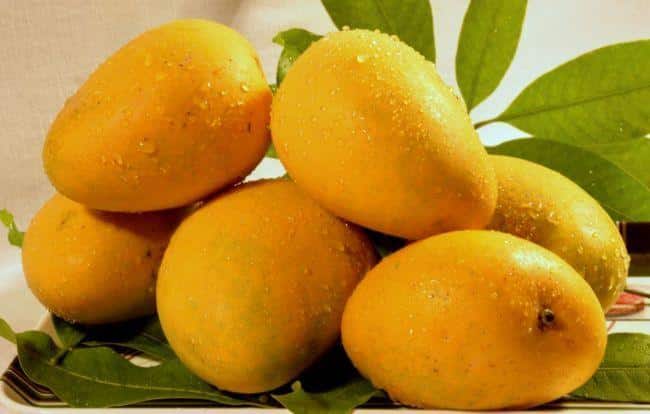
Imam Pasand mango, grown in parts of South India, is known for its thin skin and soft, fibreless pulp. It has a delicate sweetness with a smooth texture and a mild aroma. The fruit is medium-sized and is typically consumed fresh due to its refined flavour and minimal fibre.
Recipe to Try: Mango Honey Carpaccio
Ingredients:
- Thin mango slices
- Honey
- Lemon zest
Recipe:
- Arrange slices
- Drizzle honey + zest
- Serve chilled
14. Sindhura: The Mildly Sweet Juicy Mango
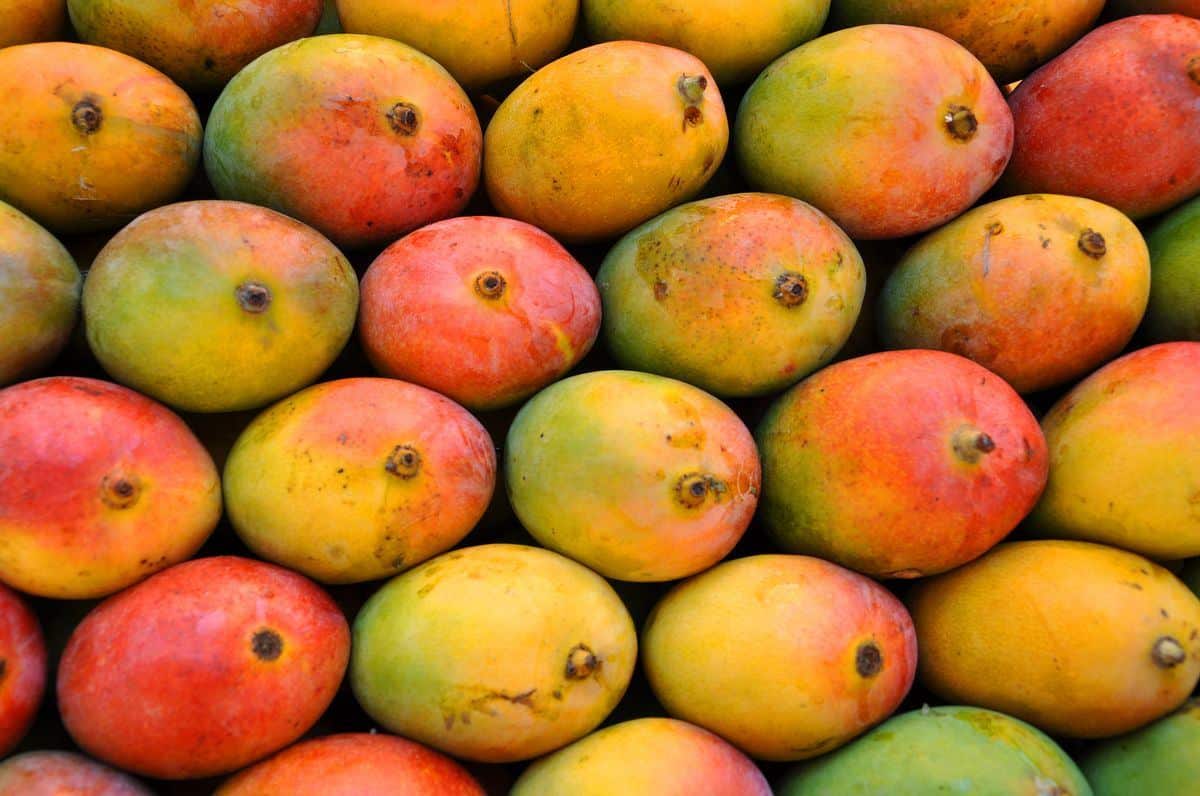
Sindhura mango, grown mainly in South India, is recognised by its reddish skin and medium size. It has juicy pulp with a mildly sweet taste and a soft texture. The fruit develops a bright yellow-orange interior when ripe and is commonly used for juices and simple preparations due to its high juice content.
Recipe to Try: Mango Ice Pops
Ingredients:
- Mango pulp
- Lemon juice
- Sugar
Recipe:
- Mix and pour into moulds
- Freeze 6–8 hours
15. Pairi: The Early Season Coastal Favourite
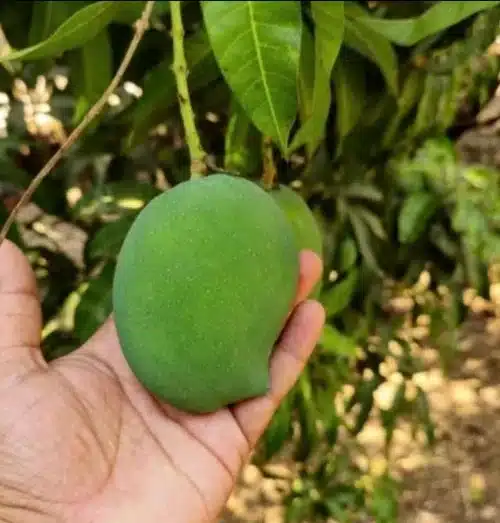
Pairi mango, grown in coastal regions of Maharashtra and Gujarat, is one of the earliest varieties available in the season. It has soft, juicy pulp with a slightly tangy taste and light sweetness. The fruit develops a yellow-orange colour when ripe and is easy to process. Its texture and early availability make it suitable for juices and pulp-based preparations.
Recipe to Try: Mango Solkadhi Fusion
Ingredients:
- Mango pulp
- Coconut milk
- Kokum water
Recipe:
- Mix all ingredients
- Chill and serve as a digestive drink
Looking for traditional South Indian flavours? Prepare mango pulissery or mango pachadi, classic dishes that bring together sweetness, tang, and coconut richness.
Conclusion
As summer approaches, there’s no better time to indulge in the delightful world of mangoes. From the regal Alphonso to the luscious Himsagar, each variety offers a unique flavour and experience that can brighten up any day.
Exploring these mango varieties not only satisfies your taste buds but also connects you to India’s rich agricultural heritage. So, whether you’re enjoying them fresh, in smoothies, or in desserts, make sure to embrace this seasonal delight.
Frequently Asked Questions
What are the most popular mango varieties found in India?
India boasts many popular mangoes. Some of the most highly regarded varieties include the Alphonso (Hapus), Kesar, Dasheri, Langra, and Banganapalli (Safeda). Each is loved for its unique flavour, aroma, and texture, making them favourites across the country and the world.
How can I identify different mango varieties by their appearance and taste?
You can identify mangoes by their shape, colour, and aroma. For instance, Alphonso has bright yellow skin, while Langra stays green. Dasheri has a distinct oval shape. Their taste also varies, from the rich, sweet taste of Kesar to the unique sour taste of a ripe Langra.
Which mango varieties are available during the main mango season?
The main mango season, from April to June, brings a bounty of choices. Early arrivals include Alphonso and Kesar. As the season progresses, you can find Banganapalli, Dasheri, and Himsagar. Later in the season, varieties like Neelam and Chausa become available for you to enjoy.
What are the unique flavours and characteristics of different Indian mango varieties?
Each Indian mango has a unique profile. Himsagar is known for its creamy flesh and sweet aroma. Langra has a distinct taste that blends sweet and sour notes. Kesar offers a rich flavour with vibrant orange pulp, while Raspuri is celebrated for being an incredibly juicy variety.
Is mango good for heart patients?
Mangoes can be part of a healthy diet in moderation. While their sweet taste comes from natural sugars, the pulp is rich in vitamins and fibre. However, heart patients should consult their doctor about portion sizes to ensure it fits within their dietary plan without affecting blood sugar levels.
How many mango varieties are there in India?
India is a paradise for mango lovers, boasting an incredible variety of mangoes. It is estimated that there are around 1,500 different varieties of mangoes grown across the whole country.
How many officially recognised mango varieties are there worldwide?
Globally, there are over 1,000 recognised mango varieties, with hundreds cultivated commercially across different regions. India alone grows several hundred types, many of which are region-specific, though only a limited number are widely distributed in international markets today.
What is the economic importance of different mango varieties in India?
Different mango varieties contribute significantly to India’s economy by supporting farming livelihoods, boosting exports, and strengthening food processing industries. High-demand varieties drive market value, create rural employment, and play an important role in both domestic consumption and global trade.
How do the shapes and sizes differ among various mango cultivars?
Mango cultivars vary in shape and size, ranging from small, round fruits like Amrapali to large, elongated types like Banganapalli and Totapuri, with differences influenced by variety, region, and growing conditions.
What are the best mango varieties in India?
India offers many popular mango varieties, including Alphonso, Kesar, Dasheri, Langra, and Banganapalli. Each differs in taste, texture, and usage, making them suitable for fresh eating, desserts, or beverages.
How many mango varieties in India?
India has over 1,000 mango varieties grown across different regions. However, only a smaller number of these are widely cultivated and commercially available.
What are the different types of mangoes available?
Mangoes are generally classified based on taste and use, such as sweet dessert varieties like Alphonso and Kesar, and tangy varieties like Totapuri used for cooking and juices.
Which is the best mango variety for desserts?
Alphonso and Kesar are commonly preferred for desserts due to their smooth pulp, rich flavour, and natural sweetness, making them suitable for dishes like aamras and shrikhand.
Which mango variety is best for juice or drinks?
Juicy varieties like Chausa, Raspuri, and Totapuri are suitable for beverages as they have high juice content and are easy to blend.