
Table of Contents
Key Highlights
- Spinach provides a high concentration of essential nutrients, including vitamins A, C, and K, along with iron and antioxidants.
- Regular intake supports key functions such as energy production, immunity, heart health, and digestion.
- Its plant-based iron helps reduce fatigue when combined with vitamin C-rich foods and vitamin E for better absorption.
- Spinach can be used in a variety of dishes, from traditional curries to quick meals like soups, smoothies, and parathas.
- Low in calories and high in fibre, it supports weight management while maintaining nutritional balance.
- Excess consumption may lead to side effects such as increased risk of kidney stones or reduced mineral absorption in some individuals.
Spinach stands out as one of the most nutrient-dense leafy greens available, offering a high concentration of essential vitamins and minerals in every serving. Its versatility makes it easy to include in both simple and traditional meals.
Despite its widespread use, its full nutritional value is often overlooked. Many people consume spinach without understanding how it supports energy levels, immunity, and long-term health.
This guide breaks down the key spinach benefits, its nutritional profile, and practical ways to include it in your daily diet without overcomplicating your meals.
What Is the Nutritional Value of Spinach?
Spinach provides a high concentration of essential nutrients while remaining low in calories, making it a nutrient-dense addition to a balanced diet. It is rich in vitamins A, C, and K, as well as important minerals such as iron and calcium. These nutrients support functions like immunity, bone strength, and blood circulation.
A 100-gram serving of raw spinach also contains fibre and a moderate amount of plant-based protein, contributing to overall nutritional intake without adding excess calories.
| Nutrient | Amount |
| Calories | 23 kcal |
| Protein | 2.9 g |
| Carbohydrates | 3.6 g |
| Fibre | 2.2 g |
| Vitamin A | 52% DV |
| Vitamin C | 31% DV |
| Vitamin K | 402% DV |
| Folate | 49% DV |
| Iron | 15% DV |
This nutrient profile makes spinach a practical choice for improving overall diet quality without increasing calorie intake.
What Are the Key Spinach Benefits You Should Know?
Spinach provides a wide range of health benefits due to its high concentration of vitamins, minerals, and antioxidants. These nutrients support essential body functions, making spinach a valuable addition to a balanced diet.
From improving energy levels to supporting heart and eye health, spinach delivers targeted benefits that impact multiple systems in the body.
1. Supports Iron Levels and Helps Prevent Fatigue
Spinach contains non-heme iron, which plays a critical role in the production of haemoglobin, the protein responsible for transporting oxygen throughout the body. Adequate oxygen delivery is essential for maintaining energy levels and preventing fatigue.
When iron levels are low, the body struggles to produce sufficient red blood cells, leading to reduced oxygen supply to tissues and symptoms such as weakness and tiredness. According to the Cleveland Clinic Health Essentials, maintaining adequate iron intake is key to preventing iron deficiency and supporting energy metabolism.
Although plant-based iron is less readily absorbed, combining spinach with vitamin C-rich foods significantly enhances its bioavailability, improving its effectiveness in supporting energy levels.
2. Improves Eye Health
Spinach is rich in lutein and zeaxanthin, carotenoids that accumulate in the retina and act as a natural defence against oxidative stress and high-energy light exposure. These compounds help filter harmful blue light and protect retinal cells from damage.
Research published in the American Academy of Ophthalmology shows that higher intake of these carotenoids is associated with a reduced risk of age-related macular degeneration and cataracts. Additionally, vitamin A in spinach supports the maintenance of the eye’s surface and contributes to overall visual function.
3. Supports Heart Health
Spinach contains dietary nitrates that are converted into nitric oxide in the body, a molecule that helps relax blood vessels and improve blood flow. This process supports healthy blood pressure levels and overall cardiovascular function.
According to findings supported by the British Heart Foundation, nitrate-rich vegetables contribute to improved vascular health and reduced blood pressure. Regular consumption of spinach may therefore help lower strain on the heart and reduce the risk of cardiovascular diseases.
4. Aids Digestion
Spinach provides dietary fibre, which supports digestive function by promoting regular bowel movements and maintaining gut health. Fibre also helps feed beneficial gut bacteria, contributing to a balanced microbiome.
The World Health Organisation (WHO) highlights the importance of fibre-rich foods in preventing digestive disorders and improving gastrointestinal health. Regularly including spinach can help enhance digestion while reducing issues such as constipation and bloating.
5. Boosts Immunity
Spinach contains vitamin C, beta-carotene, and other antioxidants that strengthen the immune system by supporting the body’s response to infections and inflammation. These nutrients help protect cells from damage and improve immune efficiency.
According to PubMed Central, vitamin C plays a vital role in immune defence by supporting cellular function and reducing oxidative stress. Regular consumption of spinach contributes to stronger immune resilience.
6. Supports Skin Health
Spinach provides vitamins A and C, both of which are essential for maintaining healthy skin. Vitamin C supports collagen production, while vitamin A helps regulate skin cell turnover and repair.
Research in the Journal of Clinical and Aesthetic Dermatology suggests that antioxidant-rich foods help protect the skin from oxidative damage, which is a key factor in premature ageing. This makes spinach beneficial for maintaining skin structure and appearance.
7. Helps in Weight Management
Spinach is low in calories but high in fibre and water content, which helps increase satiety and reduce overall calorie intake. This makes it an effective addition to weight management diets.
Studies published in PubMed Central indicate that high-fibre foods help regulate appetite and reduce overeating. Including spinach in meals can support portion control while maintaining nutrient intake.
8. Provides Antioxidant Protection
Spinach contains powerful antioxidants such as flavonoids and carotenoids that help neutralise free radicals. These unstable molecules can damage cells and contribute to chronic diseases if not controlled.
Research published in PubMed Central shows that antioxidant-rich diets help reduce oxidative stress and inflammation, lowering the risk of long-term health conditions.
9. Supports Bone Health
Spinach is a rich source of vitamin K, which is essential for bone formation and calcium metabolism. Vitamin K activates proteins involved in bone mineralisation, helping maintain bone density.
According to research published by NHK, adequate vitamin K intake is associated with improved bone strength and a lower risk of fractures. Including spinach regularly supports long-term skeletal health.
10. Enhances Energy Levels
Spinach contains magnesium and iron, both of which are involved in energy production at the cellular level. Magnesium plays a key role in converting food into usable energy.
Research from PubMed Central indicates that magnesium supports normal energy metabolism and helps reduce fatigue. Regular intake of spinach supports sustained energy throughout the day.
By supporting multiple body functions at once, spinach stands out as a nutrient-dense ingredient that delivers consistent, long-term health benefits when included regularly in the diet.
What Are Simple Ways to Use Spinach in Your Daily Diet?
Spinach can be incorporated into everyday meals in multiple ways due to its mild flavour and ability to blend well with different ingredients. It works equally well in raw and cooked forms, making it easy to include in both quick meals and structured recipes.
From traditional Indian dishes to simple everyday preparations, spinach can be used in several practical and flavourful ways.
1. Palak Paneer

Rich, creamy, and full of flavour, Palak Paneer is a popular North Indian dish where fresh spinach is blended into a smooth, spiced gravy and combined with soft paneer cubes. It offers a balanced mix of taste and nutrition, making it suitable for both everyday meals and special occasions.
Key Ingredients: Spinach (palak), paneer, garlic, ginger, green chillies, onions, tomatoes, garam masala, cream
Recipe:
- Wash and blanch the spinach, then blend it into a smooth puree.
- Sauté onions, garlic, and ginger until aromatic.
- Add tomatoes and spices, and cook until the mixture softens.
- Stir in the spinach puree and cook for a few minutes.
- Add paneer cubes and simmer gently.
- Finish with cream and serve hot with roti or rice.
2. Spinach Soup

Light, smooth, and nourishing, Spinach Soup is a simple way to enjoy the full flavour and nutrients of fresh spinach. Its mild taste and easy preparation make it suitable for quick meals while still delivering essential vitamins and minerals.
Key Ingredients: Spinach, garlic, onion, vegetable broth, black pepper, salt, butter or olive oil
Recipe:
- Wash the spinach thoroughly and roughly chop it.
- Heat butter or oil in a pan, then sauté the garlic and onions until soft.
- Add the spinach and cook briefly until wilted.
- Pour in vegetable broth and simmer for a few minutes.
- Blend the mixture until smooth.
- Season with salt and black pepper, then serve warm.
3. Spinach Smoothie

Fresh, light, and nutrient-packed, a Spinach Smoothie is an easy way to include greens in your daily routine without strong flavours. The mild taste of spinach blends smoothly with fruits, creating a balanced drink that supports energy and overall health.
Key Ingredients: Spinach, banana, apple, milk or almond milk, honey (optional), chia seeds (optional)
Recipe:
- Wash the spinach thoroughly and remove any tough stems.
- Add spinach, banana, and chopped apple to a blender.
- Pour in milk or almond milk for a smooth consistency.
- Blend until the mixture is smooth and well combined.
- Add honey or chia seeds if desired and blend briefly.
- Serve immediately for the best taste and freshness.
Serve immediately for the best taste and freshness. You can also explore a variety of smoothie recipes to discover new flavour combinations and easy ways to include greens in your daily routine.
4. Spinach Paratha

Soft, flavourful, and filling, Spinach Paratha is a simple way to include greens in everyday meals, supporting your digestive system. Spinach is blended into the dough, giving the flatbread a vibrant colour and added nutritional value without changing its familiar taste.
Key Ingredients: Spinach, whole wheat flour, green chillies, garlic, salt, oil or ghee
Recipe:
- Wash and blanch the spinach, then blend it into a smooth puree.
- In a bowl, mix whole-wheat flour, salt, and spinach puree to form a soft dough.
- Add chopped green chillies and garlic for flavour.
- Divide the dough into small portions and roll each into a flat circle.
- Cook on a hot tawa with oil or ghee until both sides are evenly cooked.
- Serve hot with curd, pickle, or butter.
5. Palak Saag

Thick, earthy, and deeply satisfying, Palak Saag is a traditional preparation where spinach is cooked down into a rich, spiced dish. Its smooth texture and balanced flavour make it a comforting option that highlights spinach as the main ingredient.
Key Ingredients: Spinach, mustard oil or ghee, garlic, green chillies, onions, cumin seeds, spices
Recipe:
- Wash and blanch the spinach, then roughly mash or blend it.
- Heat oil or ghee and add cumin seeds, garlic, and green chillies.
- Sauté onions until soft and lightly golden.
- Add the spinach and cook on low heat, stirring occasionally.
- Season with salt and spices, and cook until thick and well combined.
- Serve hot with roti or makki ki roti.
6. Spinach Curry (Palak Sabzi)

Simple, wholesome, and full of flavour, Spinach Curry (Palak Sabzi) is an everyday dish where spinach is cooked with basic spices to create a light yet satisfying preparation. It highlights the natural taste of spinach while keeping the recipe uncomplicated, making it one of the many delicious Indian spinach recipes to explore.
Key Ingredients: Spinach, onions, garlic, green chillies, cumin seeds, turmeric, salt, oil
Recipe:
- Wash and chop the spinach into small pieces.
- Heat oil in a pan and add cumin seeds, garlic, and green chillies.
- Sauté onions until soft and lightly golden.
- Add chopped spinach and cook over medium heat until reduced.
- Season with turmeric and salt, then cook until the moisture evaporates.
- Serve hot with roti or rice.
7. Creamed Spinach
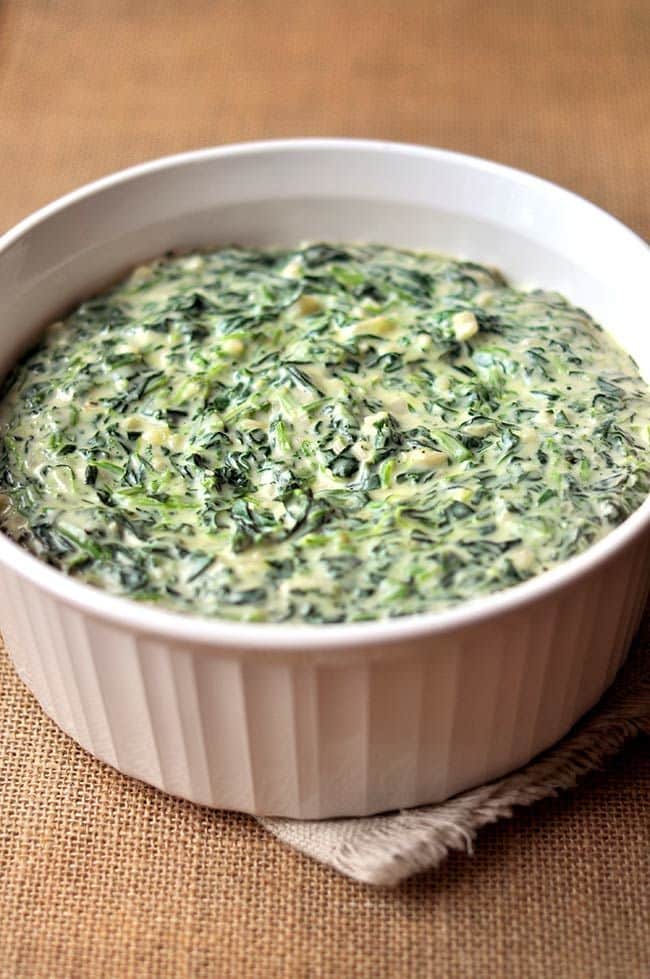
Rich, smooth, and comforting, Creamed Spinach is a classic preparation where spinach is cooked down and combined with a creamy base. The dish highlights the soft texture of spinach while adding a mild, savoury richness.
Key Ingredients: Spinach, butter, garlic, milk or cream, black pepper, salt
Recipe:
- Wash and blanch the spinach, then chop or lightly blend it.
- Heat butter in a pan and sauté garlic until fragrant.
- Add the spinach and cook briefly to remove excess moisture.
- Pour in milk or cream and stir until well combined.
- Season with salt and black pepper, then simmer until slightly thick.
- Serve warm as a side dish.
These preparations show how spinach can be adapted across different cooking styles, making it easy to include regularly without compromising on taste or variety. You can also explore more palak recipes for dinner to discover additional flavourful ways to include spinach in your meals.
What Are the Side Effects of Spinach?
Spinach is generally safe for most people when consumed in moderate amounts, but excessive intake or certain health conditions can lead to potential side effects, including adverse effects. Understanding these risks helps you include spinach in your diet more effectively while avoiding issues related to overconsumption or specific sensitivities.
The following points outline the key side effects to be aware of.
- Kidney Stone Risk: High oxalate content can contribute to calcium oxalate stone formation, especially in individuals prone to kidney stones.
Prevention: Limit intake and pair spinach with calcium-rich foods to reduce oxalate absorption.
- Interaction with Blood Thinners: High vitamin K levels may interfere with medications such as blood thinners if intake is inconsistent.
Prevention: Maintain a consistent intake and consult a healthcare professional if needed.
- Reduced Mineral Absorption: Oxalates can bind with minerals like calcium and iron, limiting their absorption in the body.
Prevention: Combine spinach with vitamin C-rich foods to improve nutrient absorption.
- Digestive Discomfort: Excess intake may cause bloating or stomach discomfort in some individuals due to its fibre content.
Prevention: Introduce spinach gradually and avoid consuming large quantities at once.
- Potential Allergic Reactions: Though rare, some individuals may experience mild allergic symptoms after consuming spinach.
Prevention: Discontinue use if symptoms occur and seek medical advice if necessary.
Including spinach in balanced portions and pairing it with the right foods helps minimise these risks while still providing its nutritional benefits.
Conclusion
Spinach, a leafy green vegetable, stands out as a nutrient-dense ingredient that supports multiple aspects of health, from energy levels to long-term wellness. Its ability to fit into different recipes makes it easy to include in everyday meals without adding complexity.
By consuming spinach in balanced portions and using a variety of preparations, you can maximise its benefits while avoiding potential side effects. Making it a regular part of your diet is a simple and effective way to improve overall nutritional intake and decrease your risk of heart disease.
Frequently Asked Questions
What are the main health benefits of eating spinach regularly?
Eating spinach regularly supports heart health, improves energy levels, strengthens immunity, aids digestion, and promotes eye and bone health due to its rich content of vitamins, minerals, antioxidants, and plant-based iron, which may help improve blood flow and lower blood pressure by relaxing the blood vessels.
How does spinach support your immune system?
Spinach supports the immune system by providing vitamin C, antioxidants, and beta-carotene, which help the body fight infections, reduce inflammation, and protect cells from damage, strengthening overall immune response.
What is the best way to cook spinach to retain its nutrients?
The best way to cook spinach is to lightly steam or sauté it for a short time, as this helps retain most of its nutrients while improving the absorption of iron and calcium. Ensuring adequate consumption of spinach is also important, so avoid overcooking to prevent nutrient loss.
Is spinach safe to eat for people with kidney stones?
Spinach can increase the risk of kidney stones in some people because it’s high in oxalates, which may form calcium oxalate stones and could potentially contribute to arterial stiffness and impact blood clotting. If you’re prone to stones, limit portions and pair spinach with calcium-rich foods to reduce absorption.
What does spinach nutrition include?
Spinach nutrition includes essential vitamins like A, C, and K, along with iron, fibre, antioxidants, and nearly 2.9 grams of protein per 100 grams of spinach. It is low in calories but high in nutrients, providing a significant contribution towards your daily value, making it suitable for maintaining a balanced and healthy diet.
What are some easy spinach recipes to try at home?
Spinach recipes include dishes like palak paneer, spinach soup, paratha, smoothies, and saag. These recipes make it easy to include spinach, a nutritional powerhouse, in daily meals while maintaining both taste and nutritional value.
What are the benefits of spinach juice?
Spinach juice benefits include improved digestion, better hydration, and quick nutrient absorption. It also helps boost energy levels and supports detoxification due to its high antioxidant and vitamin content.
Does spinach contain protein?
Spinach protein is plant-based and contributes to daily protein intake, especially in vegetarian diets, helping to reduce the risk of macular degeneration. While not a complete protein source, it supports muscle function and overall body maintenance, improving insulin sensitivity when combined with other foods.
Which spinach vitamins are most important?
Spinach vitamins such as vitamin A, C, and K play important roles in immunity, skin health, and bone strength. These vitamins help maintain essential body functions and support overall wellness.
Is spinach a good source of iron?
Spinach’s iron content supports red blood cell production and helps prevent fatigue. Although it contains non-heme iron, absorption improves when consumed with vitamin C-rich foods.
What are the common uses of spinach in cooking?
Uses of spinach include adding it to soups, curries, smoothies, salads, and flatbreads. Its mild flavour and soft texture make it suitable for both raw and cooked preparations.