
Key Highlights
- A multilingual list of 60 common Indian vegetable names across English, Hindi, Tamil, Telugu, Kannada, and Malayalam.
- Clear reference to support grocery shopping, recipe reading, cooking, and school learning.
- Explanation of how different regional names affect daily use in markets and kitchens.
- Includes a multilingual vegetable table for quick identification and translation.
- Outlines key health benefits of eating vegetables, including digestion, immunity, skin health, and more.
- Real examples of popular Indian dishes, such as sabji, poriyal, sambar, kootu, and biryani, showing practical usage.
- Supports families, students, home cooks, and food enthusiasts in a multilingual environment.
Many people struggle to identify or translate vegetable names when shopping in Indian markets, reading recipes, or teaching children. The confusion increases in multilingual households where languages like English, Hindi, Tamil, Telugu, Kannada, and Malayalam are used every day.
Vegetables often have different names across regions, making it difficult to follow recipes or buy the right ingredients. For example, brinjal is called baingan in Hindi, kathirikai in Tamil, and vankaya in Telugu. Without knowing these equivalents, selecting vegetables for dishes like sabji, poriyal, or sambar can become stressful.
This blog gives you a simple, well-organized list of 60 Indian vegetable names in multiple languages, helping you cook confidently, shop easily, and learn quickly. It’s created for home cooks, parents, students, and anyone who wants clarity while handling Indian vegetables.
Which Are the 60 Most Common Indian Vegetable Names Across Languages?
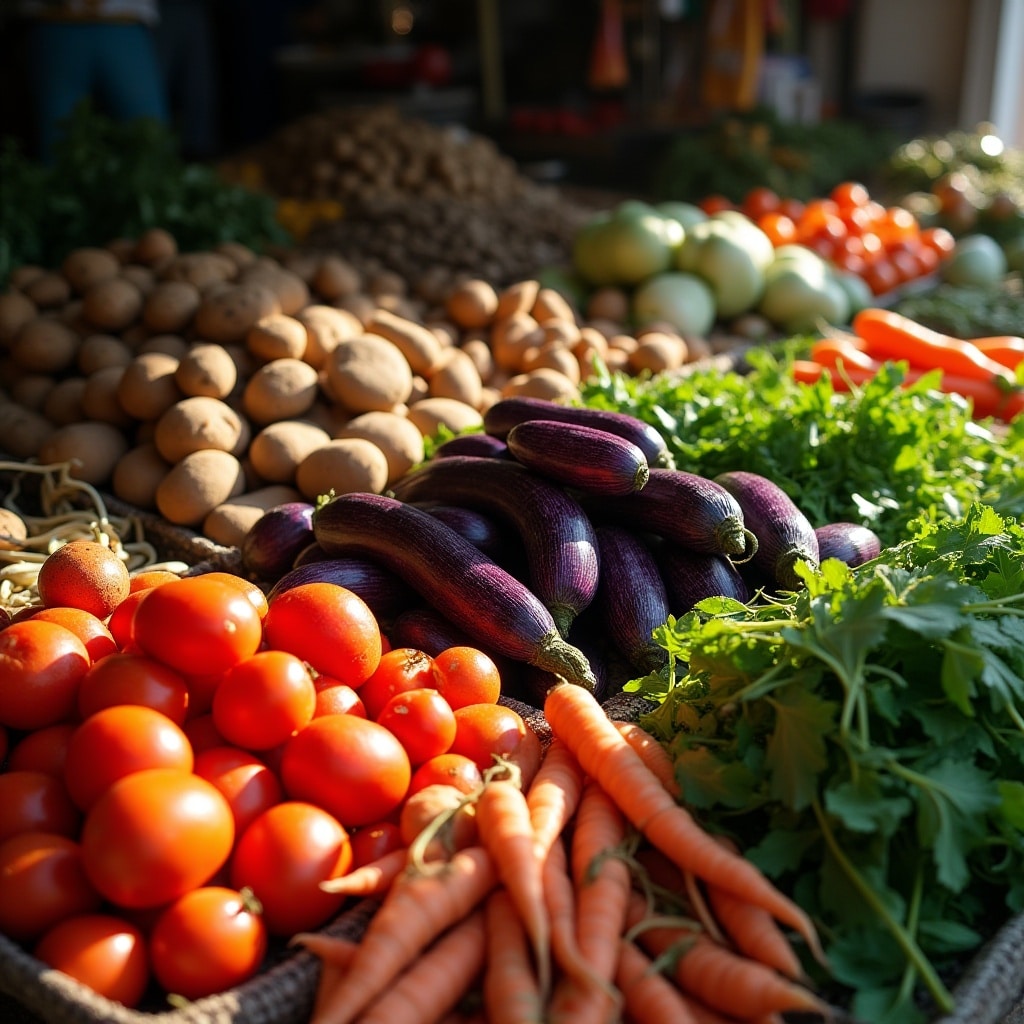
Common Indian vegetables
Understanding vegetable names across languages helps shoppers, students, and home cooks identify ingredients easily while preparing Indian dishes. Below is a multilingual list of 60 common Indian vegetable names in English, Hindi, Tamil, Telugu, Kannada, and Malayalam for quick reference.
| No. | English Name | Hindi | Tamil | Telugu | Kannada | Malayalam |
| 1 | Potato | Aloo | Urulai Kizhangu | Bangaladumpa | Aalugadde | Urulakizhanghu |
| 2 | Tomato | Tamatar | Thakkali | Tomato | Tomaato | Thakkali |
| 3 | Onion | Pyaz | Vengayam | Ullipaya | Eerulli | Ulli |
| 4 | Carrot | Gajar | Carrot | Gajar | Gajjari | Carrot |
| 5 | Beetroot | Chukandar | Beetroots | Beetroot | Beetroot | Beetroot |
| 6 | Cabbage | Patta Gobi | Muttaikose | Cabbage | Eerulli Kosu | Muttagose |
| 7 | Cauliflower | Gobi | Pookose | Cauliflower | Hookosu | Cauliflower |
| 8 | Brinjal | Baingan | Kathirikkai | Vankaya | Badanekai | Vazhuthananga |
| 9 | Bitter Gourd | Karela | Pavakkai | Kakarkaya | Hagalkayi | Pavakka |
| 10 | Bottle Gourd | Lauki | Sorakkai | Sorakaya | Sorekayi | Chorakka |
| 11 | Cucumber | Kakdi | Vellarikkai | Dosakaya | Southekayi | Vellari |
| 12 | Pumpkin | Kaddu | Poosanikai | Gummadikaya | Kumbalakai | Mathan |
| 13 | Ash Gourd | Petha | Neer Poosanikai | Boodida Gummadi | Boodi Kumbalakai | Kumbalanga |
| 14 | Snake Gourd | Chichinda | Pudalangai | Potlakaya | Paddulakayi | Padavalanga |
| 15 | Ridge Gourd | Turai | Peerkangai | Beerakaya | Heerekayi | Peechinga |
| 16 | Drumstick | Sahjan | Murungakkai | Munagakaya | Nuggekai | Muringakka |
| 17 | Lady’s Finger | Bhindi | Vendakkai | Bendakaya | Bendekayi | Vendakka |
| 18 | Spinach | Palak | Pasalai Keerai | Palakura | Basale Soppu | Cheera |
| 19 | Fenugreek Leaves | Methi | Vendhaya Keerai | Menthikura | Menthya Soppu | Uluva Cheera |
| 20 | Mint | Pudina | Pudina | Pudina | Pudina Soppu | Pudina |
| 21 | Coriander | Dhaniya | Kothamalli | Kothimeera | Kothambari Soppu | Malli Ela |
| 22 | Green Peas | Matar | Pattani | Batani | Batani | Pattani |
| 23 | Beans | Sem | Avarakkai | Chikkudukaya | Hurali Kaayi | Beans |
| 24 | Flat Beans | Papdi | Avarai | Chikkudukaya | Avarekai | Avara |
| 25 | Cluster Beans | Gawar | Kothavarangai | Goruchikkudu | Chavalikayi | Kothavara |
| 26 | Broad Beans | Bakla | Mochai | Bobbarlu | Mochakayi | Avara Payar |
| 27 | Yam | Jimikand | Senai Kizhangu | Kanda Gadda | Suvarna Gedde | Chena |
| 28 | Colocasia | Arbi | Seppankizhangu | Chamadumpa | Kesu | Chembu |
| 29 | Tapioca | Sabudana | Maravalli Kizhangu | Karrapendalam | Mara Gadde | Kappa |
| 30 | Raw Banana | Kachha Kela | Vazhaikkai | Aratikaya | Bale Kayi | Nenthra Kaya |
| 31 | Raw Mango | Kaccha Aam | Pachai Maangai | Mamidikaya | Hasi Mavina Hannu | Pacha Manga |
| 32 | Capsicum | Shimla Mirch | Kudamilagai | Bangoora | Donne Menasinakayi | Capsicum |
| 33 | Sweet Potato | Shakarkand | Sakkaravalli Kizhangu | Dumpa | Genasu | Madhurakizhangu |
| 34 | Turnip | Shalgam | Nookal | Tella Gadda | Navil Kosu | Knol Khol |
| 35 | Radish | Mooli | Mullangi | Mullangi | Moolangi | Mullangi |
| 36 | Ridge Pumpkin | Kaddu Torai | Neer Poosani | Neti Gummadi | Sihi Kumbalakai | Mathan |
| 37 | Green Chilli | Hari Mirch | Pacha Milagai | Pachimirapa | Hasiru Menasinakayi | Pachamulaku |
| 38 | Red Chilli | Lal Mirch | Sivappu Milagai | Yerra Mirapa | Kempu Menasinakayi | Chuvanna Mulaku |
| 39 | Curry Leaves | Curry Patta | Kariveppilai | Karepaku | Karibevu | Kariveppila |
| 40 | Garlic | Lahsun | Poondu | Vellulli | Bellulli | Veluthulli |
| 41 | Ginger | Adrak | Inji | Allam | Shunti | Inchi |
| 42 | Green Beans | Fansi | Beans | Goru Chikkudu | Huruli | Payar |
| 43 | Spring Onion | Hare Pyaz | Vengaya Thalir | Ulli Thalalu | Eerulli Kandu | Ulli Thandu |
| 44 | Raw Papaya | Kacha Papita | Pacha Pappali | Boppaya | Hasiruppapaya | Kapalanga |
| 45 | Ivy Gourd | Tindora | Kovakkai | Dondakaya | Thondekai | Kovakka |
| 46 | Raw Jackfruit | Kathal | Palakkai | Panasa Pottu | Halasinakayi | Idichakka |
| 47 | Ridge Squash | Turai | Peerkangai | Beerakaya | Heerekayi | Peechinga |
| 48 | Elephant Yam | Suran | Senai Kizhangu | Kanda Gadda | Suvarna Gedde | Chena |
| 49 | Pearl Onion | Chinna Pyaz | Sambar Vengayam | Ulli Gaddalu | Sambar Eerulli | Cheriya Ulli |
| 50 | Cluster Onion | Gandana | Vengayam Thalai | Ulli Thokku | Ellu Eerulli | Ulli |
| 51 | Field Beans | Sem Phali | Mochai | Bobbarlu | Avarekalu | Avara Parippu |
| 52 | Red Spinach | Lal Saag | Sigappu Keerai | Yerra Thotakura | Kempu Basale | Cheera |
| 53 | Banana Flower | Kele Ka Phool | Vazhaipoo | Arati Puvvu | Bale Hoovu | Vazhapoo |
| 54 | Banana Stem | Kele Ka Danda | Vazhaithandu | Aratikanda | Baale Dindu | Vazhapindi |
| 55 | Raw Tamarind | Imli Kacchi | Puli Pazham | Chintapandu | Hunase Hannu | Puli Pazham |
| 56 | Ridge Cucumber | Kakdi | Vellarikkai | Dosakaya | Southekayi | Vellari |
| 57 | Taro Leaves | Arbi Patta | Seppankizhangu Ilai | Chama Aku | Kesuvina Ele | Chembila |
| 58 | Amaranth Leaves | Chaulai | Arai Keerai | Thotakura | Dhantina Soppu | Cheera |
| 59 | Mustard Leaves | Sarson ka Saag | Kadugu Keerai | Aaviri Aku | Sasive Soppu | Kadugu Ela |
| 60 | Ridge Gourd Leaves | Turai Patta | Peerkangai Ilai | Beerakaya Aaku | Heerekayi Soppu | Peechinga Ila |
What Are the Benefits of Eating Vegetables?
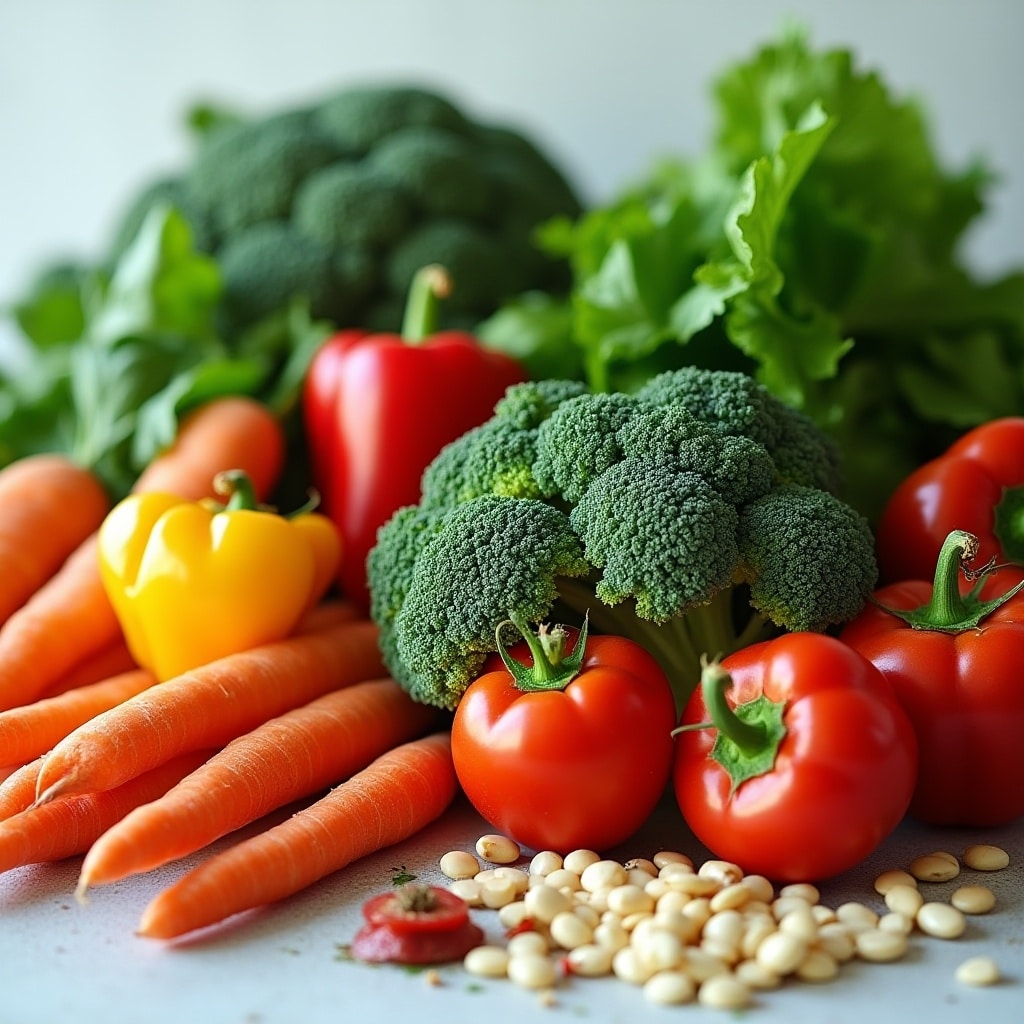
Fresh Vegetables
Vegetables are the heart of everyday Indian meals, and knowing their names across different languages makes cooking and shopping much easier. From vegetables name in Tamil and Telugu to vegetables names in Kannada and English/Tamil or English and Telugu, multilingual lists help you identify the right ingredients with ease.
Here are the key benefits of eating vegetables regularly:
1. Provide Essential Vitamins and Minerals
Vegetables supply essential vitamins and minerals such as Vitamin A, C, K, folate, and iron, which support stronger bones, better eyesight, and a healthy metabolism. Using multilingual charts to identify vegetables name in Telugu, Tamil, Kannada, or English makes it easier to include a variety of vegetables in dishes like papaya kurma, beetroot poriyal, or brinjal stew, improves daily nutrition.
2. Improve Digestion
High-fibre vegetables such as spinach, amaranth, pumpkin, and greens like soppu in Hindi support digestion and prevent constipation. Many dishes commonly listed in vegetables in Tamil references, like keerai masiyal, spinach dal, and bean poriyal, help maintain gut health, support metabolism, and improve nutrient absorption daily.
3. Boost Immunity
Antioxidants from vegetables such as tomatoes, carrots, beetroot, and green leafy vegetables protect the body from infections and inflammation. Meals like carrot rasam, mixed vegetable soup, and carrot halwa strengthen the immune response. Regular consumption helps the body fight seasonal illnesses more effectively and supports faster recovery.
4. Support Heart Health
Vegetables such as beetroot, bitter gourd, garlic, and bottle gourd help improve blood circulation and maintain healthy cholesterol levels. Dishes like pavakkai fry, vegetable stew, kootu, and beetroot sambar are famous for supporting cardiovascular health. People browsing regional food references, such as a South Indian vegetables list, often discover vegetables traditionally known for heart support.
5. Aid in Weight Management
Low-calorie vegetables like cabbage, cucumber, ash gourd, and bottle gourd can help reduce cravings and support healthy weight management. Meals such as cabbage poriyal, lauki sabji, kosambari, and ash gourd soup soup keep you fuller for longer.
Using vegetable lists in English, Tamil, or Telugu makes it easier to choose the right ingredients for nutritious, weight-friendly meals.
6. Promote Healthy Skin
Water-rich vegetables like cucumber, tomato, beetroot, and pumpkin provide hydration and antioxidants that improve skin glow and elasticity. Dishes like beetroot curry, cucumber salad, tomato rasam, and pumpkin kootu support natural skin repair. People often use guides like sabji names in English and Malayalam or vegetables names in Kannada and English to select skin-nourishing vegetables that are commonly included in beauty-focused meal plans and natural skincare diets.
7. Reduce Disease Risk
A vegetable-rich diet reduces the risk of lifestyle diseases such as diabetes, hypertension, and obesity. Popular recipes like vegetable sambar, okra fry, avial, and vegetable upma help reduce inflammation and improve metabolism. Many people use multilingual resources like vegetables names in Telugu Hindi, and English to identify nutrient-rich vegetables commonly recommended for lowering long-term disease risk and supporting a healthier lifestyle.
8. Support Hydration
Vegetables like cucumber, ash gourd, pumpkin, and bottle gourd contain high levels of water and electrolytes, helping maintain hydration. Recipes such as neer mor with cucumber, ash gourd juice, and lauki soup are especially valued in hot climates. These vegetables are often listed in vegetables name in Malayalam references because they are widely used as staples in traditional Kerala cuisine.
9. Improve Brain Function
Vegetables including beetroot, spinach, broccoli, and peas, contain folate and iron, nutrients essential for concentration, focus, and memory. Meals such as spinach dal, beetroot poriyal, green peas masala, and vegetable pulao support cognitive performance. Many parents and students refer to bilingual resources like vegetables names in English and Telugu when learning about different types of vegetables and choosing ingredients that help improve mental alertness and learning ability.
10. Offer Cooking Versatility
Vegetables add colour, flavour, and texture to endless Indian dishes, from everyday sabji, upma, and poriyal to festive avial, vegetable biryani, kurma, and kootu. Knowing names like avarai in English or maravalli kilangu in Hindi helps while shopping and expands cooking possibilities. This versatility keeps meals exciting while supporting good nutrition.
Conclusion
Understanding vegetable names across Indian languages makes cooking, shopping, and teaching children much easier, especially in multilingual homes. Whether someone uses vegetables name in Hindi and Tamil, checks vegetables name in Kannada, or searches for vegetables Telugu to English, accurate translations help identify ingredients quickly on a daily basis and reduce confusion in recipes.
Many home cooks rely on regional lists, like a vegetable chart in Kannada, vegetables list in Tamil, vegetables list in Telugu, and vegetables name in Malayalam, to pick the right produce for dishes such as sabji, poriyal, sambar, kootu, or vegetable biryani.
Exploring resources like a South Indian vegetables list introduces families to indigenous, nutrient-rich ingredients and preserves cultural food traditions, making everyday cooking more enjoyable.
Frequently Asked Questions
What are some common vegetables name in Kannada used in daily cooking?
Common vegetables name in Kannada include Aalugadde (potato), Bendekayi (okra), Thondekai (ivy gourd), and Southekayi (cucumber), widely used in Karnataka dishes like sambar, palya, and vegetable bath.
Where can I find vegetables name in Hindi and Tamil for grocery shopping and recipes?
Bilingual charts listing vegetables name in Hindi and Tamil are helpful for accurate ingredient identification when preparing dishes like poriyal, kurma, or sabji, especially in multilingual households.
How can beginners learn vegetable names in Tamil for easy understanding?
Printable charts and children’s vocabulary sheets showing vegetable names in Tamil alongside English meanings help learners identify vegetables used in everyday Tamil dishes like sambar, kootu, and poriyal.
Where can I learn vegetable names in Telugu for cooking traditional recipes?
Language learning sheets featuring vegetable names in Telugu are useful for beginners reading recipes for Telugu dishes like pulusu, poriyal, kura, and vegetable biryani, making cooking easier.
Where can I view vegetables name in English and Telugu together for practice?
Educational tables displaying vegetables name in English and Telugu side by side support pronunciation, translation, and ingredient recognition, especially useful for students, parents, and home cooks.
Where can I find vegetables names in English and Malayalam for school homework or projects?
Study charts featuring vegetables names in English and Malayalam are commonly used for classroom learning, flashcards, and nutrition-based projects that help children identify regional vegetables.
Where can I find vegetable names in Kannada for everyday learning?
Visual reference sheets listing vegetable names in Kannada with English explanations help families identify vegetables used in home-cooked meals such as sambar, majjige huli, and palya.
Where can I view South Indian vegetables names with pictures for identification?
Cooking books and digital guides provide South Indian vegetables names with pictures, making it easy to identify regional staples used in avial, poriyal, kootu, and sambar.
How do I find all vegetables names in Telugu and English for learning purposes?
Resources showing all vegetables names in Telugu and English are helpful for students learning food vocabulary and for cooks following bilingual recipes across Telugu-speaking communities.
How do I translate potato in Kannada and other everyday vegetables?
Potato in Kannada is Aalugadde, and similar translations can be found in multilingual charts that include vegetable names in Kannada and Hindi to support understanding across Indian languages.
Where can I find a printable chart of vegetable names A–Z?
You can find printable A–Z vegetable name charts on educational blogs, food-learning websites, and Pinterest, where many offer free downloadable PDF charts, worksheets, and alphabet-based vegetable lists for quick reference.