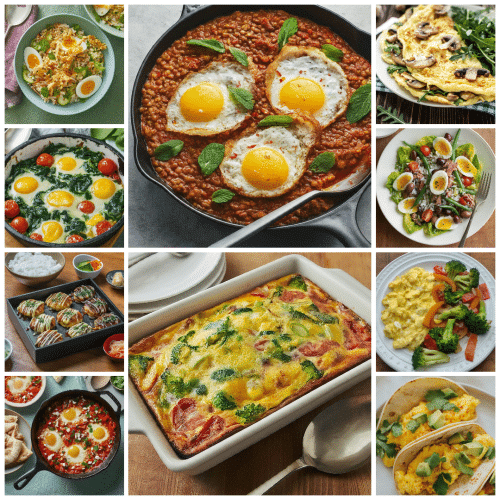
Key Highlights
- Many popular foods for kids have a lot of added sugar, unhealthy fats, and a good amount of sodium in them. Eating these often is not good for their health.
- It is important to cut down on unhealthy food like sugary cereals, processed snacks, and sodas. Doing this helps your child build better, healthier eating habits.
- If kids eat these unhealthy foods often, their chance of getting childhood obesity, diabetes, or heart disease goes up in the long run.
- You should read food labels closely. Food labels tell you if there are hidden sugars or artificial ingredients inside your food choices.
- To support your child’s growth and development, try to offer whole foods and snacks that are good for them. Picking healthier options in this way builds strong eating habits.
What if the snacks and meals you pack every day are secretly doing more harm than good? The truth is, some of the most common “kid-friendly” foods can affect your child’s energy, focus, and long-term health.
A good, well-balanced diet with enough nutrients is important for their growth and development. But many foods that are shown to kids by brands or ads are actually not healthy at all.
This guide is here to help you find your way around the grocery store. You will learn what foods to avoid so you can protect your child’s health. It will also help you encourage healthy eating for your child.
What Are The Top 10 Most Unhealthy Food?
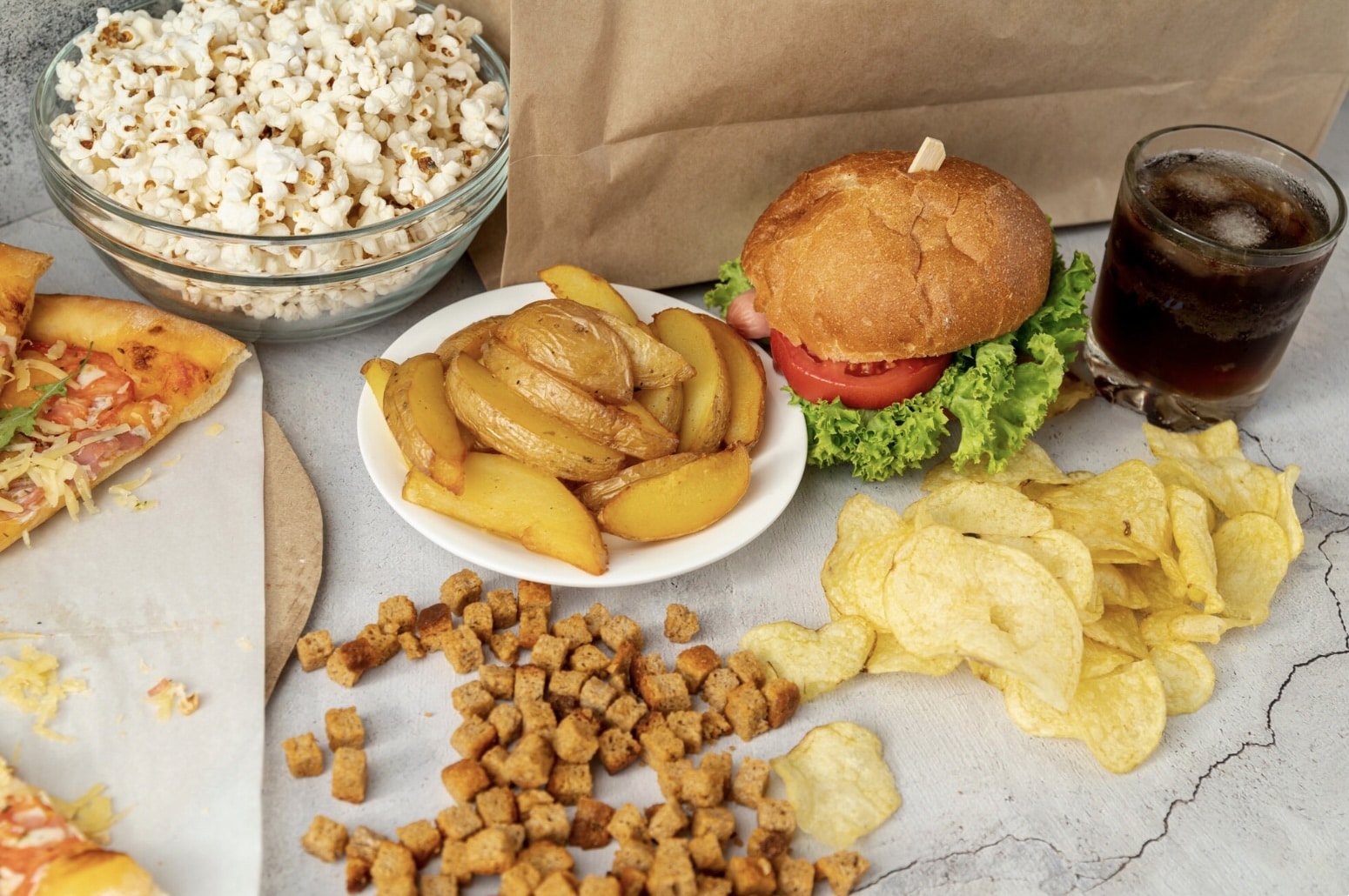
10 unhealthy foods for kids
Managing what your child eats can be hard at times. There are a lot of foods out there that look good but are not healthy. Many of these choices are full of added sugar, unhealthy fats, and salt.
Let’s look at the top 10 foods that parents should think about cutting down or taking out of their child’s diet.
1. Sugary Breakfast Cereals
Most commercial breakfast cereals are heavily processed and contain high amounts of added sugar and refined grains. These cereals might provide quick energy, but they also lead to sugar crashes, poor concentration in school, and increased risk of obesity and type 2 diabetes later in life.
Healthier alternative:
Look for whole-grain cereals with no added sugar, or better yet, prepare homemade options like oats with fruit, poha, or daliya (broken wheat). You can also explore quick and healthy Indian breakfast recipes that give your child energy without the sugar spike.
2. Packaged Snack Foods (Chips, Namkeen, Instant Noodles)
These items are often fried, high in sodium, and full of preservatives to increase shelf life. Regular consumption can lead to high blood pressure, digestive problems, and unhealthy weight gain. They also often replace healthier snacks, reducing your child’s overall nutrition.
Healthier alternative:
Try roasted options like makhana (fox nuts), homemade popcorn, or baked vegetable chips made from sweet potato, beetroot, or carrot. Homemade trail mixes with nuts and seeds are also a great crunchy option.
3. Sugary Drinks and Soda
Soft drinks, packaged juices, and energy drinks are basically liquid sugar, offering little to no nutritional value. Just one can of soda can contain more sugar than a child needs in an entire day. This contributes to tooth decay, diabetes, and unhealthy weight gain.
Healthier alternative:
Make infused water with lemon, cucumber, or mint. Coconut water is another refreshing choice. You can also prepare homemade fresh fruit juices in moderation, without added sugar.
4. Artificial Sweeteners
Products labelled “sugar-free” often contain artificial sweeteners like aspartame or sucralose. These can confuse the body’s natural hunger signals and may increase cravings for sweeter foods. In some cases, they can also lead to bloating or digestive discomfort.
Healthier alternative:
Use natural sweeteners like jaggery, honey (for kids above 1 year), or better still, get children used to the natural sweetness of fruits.
5. Candy and Sweets
While the occasional sweet treat is fine, eating candy regularly can lead to mood swings, hyperactivity, poor concentration, and dental problems. These sugar bombs offer no nutritional value and often become addictive.
Healthier alternative:
Try dates, figs, or fruit-based homemade sweets like date-and-nut balls or jaggery-based laddoos. These are not only tasty but also packed with fiber and nutrients.
6. Fried Foods (Samosa, Pakora, French Fries)
Fried foods contain trans fats and saturated fats that raise bad cholesterol and increase the risk of heart disease, diabetes, and obesity. Regular intake can also lead to digestive issues in young children.
Healthier alternative:
Use an air fryer or try baking your snacks instead. You can prepare baked samosas, stuffed parathas, or homemade baked fries using minimal oil.
7. Processed Meats (Sausages, Nuggets)
These meat products are often high in sodium, nitrates, and preservatives, all of which can harm your child’s long-term health. They also usually contain low-quality meat and unnecessary fillers.
Healthier alternative:
Make your own chicken nuggets at home using fresh ingredients. Alternatively, try vegetable or lentil patties, tofu sticks, or grilled paneer skewers for a fun and nutritious option.
8. Flavoured Yoghurt and Milkshakes
Although they appear nutritious, many flavoured yoghurts and store-bought milkshakes are full of added sugar, artificial flavours, and colours. This makes them more like a dessert than a healthy snack.
Healthier alternative:
Choose plain yoghurt and mix in fresh fruits, a spoon of honey, or homemade granola. Make milkshakes at home using milk, banana, and nuts with no added sugar.
9. Bakery Items (Cakes, Pastries, Cookies)
These goodies are usually made with refined flour (maida), sugar, and unhealthy fats, offering little to no fiber or nutrition. They spike blood sugar levels quickly and leave your child hungry again soon after.
Healthier alternative:
Reserve bakery treats for special occasions, and when possible, bake at home using whole wheat flour, fruit purée, nuts, and natural sweeteners. Homemade banana bread, oatmeal cookies, or ragi muffins are good options.
10. Energy and Sports Drinks
Often marketed as healthy, these drinks are not suitable for children. They’re usually loaded with caffeine, sugar, and artificial additives, which can cause restlessness, sleep issues, and even anxiety in growing kids.
Healthier alternative:
For hydration and energy, plain water, buttermilk, coconut water, or fruit smoothies made at home are the best options. Kids do not need electrolyte-heavy sports drinks unless directed by a doctor.
Worried about eating out with your kids and still keeping it healthy?
Here are some Tips for Eating Out Healthy without compromising your kids’ health.
Why Is Junk Food Unhealthy For Kids?
Beyond sugar, salt, and fat, many kids’ foods also hide additives and fillers that can quietly harm health. Here are the ones to watch out for.
| Hidden Ingredient | Commonly Found In | Potential Health Risks |
| Added Sugars (e.g., Corn Syrup) | Cereals, drinks, snacks, flavoured yoghurt | Weight gain, tooth decay, and increased diabetes risk |
| Nitrates/Nitrites | Processed meats (hot dogs, sausages) | Increased cancer risk, high blood pressure |
| Artificial Sweeteners | “Diet” or “zero sugar” drinks and foods | Altered taste preferences, poor gut health |
| Trans Fats | Fried foods, bakery items, and margarine | Increased bad cholesterol, higher risk of heart disease |
What Are The Disadvantages of Unhealthy Foods For Kids?
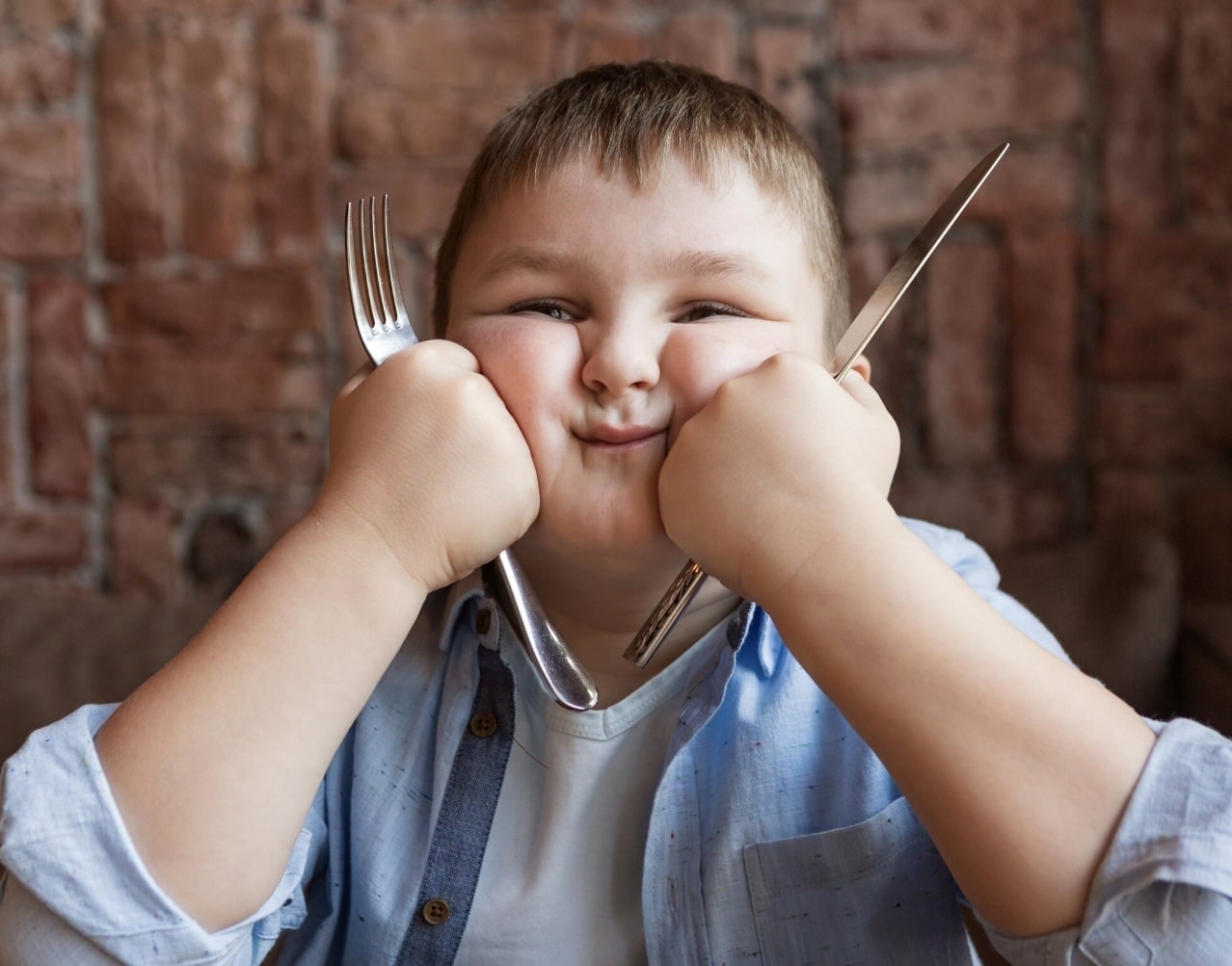
disadvantages of eating unhealthy foods in kids.
Unhealthy foods don’t just affect the body; they can also impact your child’s mind and overall well-being. Here are some key disadvantages every parent should know:
- Poor diets lacking essential nutrients can weaken brain function: When children don’t receive enough vitamins, minerals, and healthy fats, their brain cells can’t communicate effectively. This may affect learning ability, decision-making, and overall cognitive development.
- Reduced attention span and weaker memory in children: Deficiencies in nutrients like iron, zinc, and omega-3 fatty acids can make it harder for kids to focus, process information, and retain what they learn in school.
- Academic performance may drop due to low concentration: Without proper nourishment, blood sugar levels fluctuate more often, causing fatigue and restlessness. This can lead to difficulty staying attentive during lessons and completing assignments.
- Lack of healthy fatty acids slows proper brain growth: Omega-3 and omega-6 fatty acids are vital for building brain cells and supporting neurotransmission. A deficiency can affect emotional stability, mood regulation, and cognitive speed.
- Processed foods fail to supply the essential nutrients kids need: Foods high in sugar, salt, and trans fats may fill the stomach but offer little real nutrition. Over time, these choices can lead to nutrient imbalances that hinder mental and physical growth.
- A weakened immune system makes kids more prone to illness: Nutrient-poor diets reduce the body’s ability to fight infections and recover from sickness, leading to frequent colds, low energy, and slower healing.
Here are some Healthy Cooking Methods You Should Try to safeguard both you and your kids’ health.
Swap Junk for Joy: Healthy Alternatives Kids Will Actually Enjoy
Healthy eating for kids isn’t about restriction; it’s about reimagining fun. When you swap junk food for creative, nourishing alternatives, you’re not just feeding their bodies, you’re teaching lifelong habits that keep them strong, happy, and confident.
1. Chips → Baked Sweet Potato Fries or Oven-Baked Pakoras
Crispy, golden, and irresistibly crunchy, these baked fries deliver all the joy of traditional chips, minus the excess oil. Sweet potatoes are rich in fibre, vitamin A, and antioxidants, while baking keeps them light and nourishing for growing bodies.
Why it’s better: Packed with fibre and nutrients, these satisfy cravings without excess oil.
Ingredients:
- 1 large sweet potato, sliced into fries
- 1 tablespoon olive oil
- ½ teaspoon paprika
- ½ teaspoon salt
- 1 teaspoon rice flour (optional)
Recipe:
- Toss sweet potato slices evenly in olive oil and paprika.
- Spread fries evenly on a lined baking tray for crispness.
- Bake at 200°C for twenty-five minutes until golden brown.
- Serve warm with mint yoghurt or tomato chutney dipping sauce.
Fun idea: Let kids season their fries with masala blends or dips.
2. Candy, Cookies and Pastries → Fresh Fruit Parfait or DIY Trail Mix
Kids can still enjoy sweetness the natural way. Layering fruits, yoghurt, and crunchy nuts creates a dessert that’s both colourful and nutrient-rich, providing vitamins, antioxidants, and healthy fats that energise and strengthen young immune systems.
Why it’s better: Natural sweetness with vitamins and minerals replaces empty sugar calories.
Ingredients:
- ½ cup plain yoghurt
- ¼ cup mixed berries or chopped fruit
- 1 tablespoon granola or nuts
- ½ teaspoon honey (optional)
Recipe:
- Spoon yoghurt into a clear glass for perfect layering.
- Add fruits and drizzle honey lightly across the top.
- Sprinkle granola for crunch and texture in each bite.
- Chill for fifteen minutes before serving to enhance flavour.
Fun idea: Kids can layer their own parfaits or make fruit skewers.
3. Sugary Drinks and Soda → Infused Water, Milk, or Coconut Water
Sugary sodas dehydrate and spike blood sugar. Infused water, milk, or coconut water hydrates and nourishes instead. These refreshing, colourful drinks keep kids alert, hydrated, and ready for school or play.
Why it’s better: Hydrating, energising, and low in sugar, good for focus and teeth.
Ingredients:
- 1 litre of cold water
- 4 mint leaves
- 4 cucumber slices
- ¼ lemon, sliced
Recipe:
- Add cucumber, lemon, and mint to a glass pitcher.
- Fill with cold water and refrigerate for thirty minutes.
- Stir gently before pouring into glasses for freshness.
- Refill the pitcher once, using the same fruits for a subtle flavour.
Fun idea: Freeze berries into ice cubes or use colourful straws.
4. Instant Noodles or White Bread → Whole-Grain Pasta or Veggie Noodles
Kids love noodles, and with a few tweaks, they become wholesome meals. Whole grains provide fibre, magnesium, and long-lasting energy, while veggie noodles add colour and variety for a healthier twist on a favourite dish.
Why it’s better: Steady energy, higher fibre, and nutrients compared to refined carbs.
Ingredients:
- 1 cup whole-grain pasta or spiralised zucchini
- 1 teaspoon olive oil
- ½ cup mixed vegetables
- Salt, pepper, and herbs to taste
Recipe:
- Boil pasta until al dente; drain well and keep aside.
- Sauté vegetables lightly in olive oil until slightly tender.
- Add pasta, salt, pepper, and herbs; toss until coated.
- Serve warm with cheese or lemon zest for brightness.
Fun idea: Let kids pick pasta shapes or sandwich toppings.
5. Processed Meats (Nuggets, Sausages) → Grilled Chicken, Lentils, or Beans
Swap sodium-heavy frozen meats for fresh, natural proteins. Grilled chicken, lentils, and beans are rich in iron, zinc, and B vitamins that support muscle strength and brain development in growing children.
Why it’s better: Less sodium and preservatives, more protein and essential minerals.
Ingredients:
- 100 grams of boneless chicken cubes
- 1 teaspoon olive oil
- ½ teaspoon lemon juice
- Salt, pepper, and herbs to taste
Recipe:
- Marinate chicken in oil, lemon, salt, and herbs.
- Thread pieces onto skewers or place directly on the grill.
- Cook evenly until golden brown and lightly charred throughout.
- Serve warm with hummus or vegetable sticks for dipping.
Fun idea: Make colourful skewers with veggies or wraps with dips.
6. Ice Cream and Milkshakes → Frozen Yoghurt or Real-Fruit Smoothies
Creamy, chilled, and sweet yet naturally nourishing. These frozen yoghurt blends are packed with probiotics and antioxidants that boost digestion and immunity, giving kids a cool treat without the sugar crash.
Why it’s better: Lower sugar, more nutrients, and a naturally creamy texture kids love.
Ingredients:
- 1 frozen banana
- ½ cup yoghurt
- ¼ cup milk
- 1 teaspoon honey or dates
Recipe:
- Blend banana, yoghurt, milk, and honey until smooth.
- Pour mixture into glasses or moulds for easy serving.
- Freeze for three hours until firm and perfectly scoopable.
- Serve chilled as smoothies or frozen fruit pops.
Fun idea: Kids can top with fruits, nuts, or cocoa nibs.
7. Bakery Cakes and Doughnuts → Homemade Muffins with Fruit or Oats
Soft, moist muffins made from oats and fruit deliver sweetness naturally. These healthy treats are packed with fibre and complex carbs, perfect for tiffins or weekend breakfasts that keep kids happy and full.
Why it’s better: Less sugar, more fibre, and it keeps kids full longer.
Ingredients:
- 1 cup oats
- 1 banana, mashed
- 1 egg
- 2 tablespoons honey
- ½ teaspoon baking powder
Recipe:
- Mix banana, egg, honey, and oats until smooth.
- Add baking powder and stir well into the thick batter.
- Spoon batter into lined muffin cups evenly for baking.
- Bake at 180°C for twenty minutes until golden brown.
Fun idea: Bake together and decorate muffins with fruit or nuts.
Conclusion
As we finish up talking about unhealthy foods for kids, it is clear that watching what our children eat is important for their health. If we say no to things like sugary cereals, processed snacks, and foods with artificial sweeteners, we can help lower the risks that come with bad food choices.
Picking healthier alternatives does more than give kids better nutrition. It also helps them build good eating habits that can last their whole life. The choices we make now really do shape our children’s health for later.
Frequently Asked Questions
What role does advertising play in children’s choices of unhealthy foods?
Advertising heavily influences children by using bright packaging, catchy jingles, and favourite cartoon characters. These tactics create excitement around sugary snacks and fast food, shaping their preferences early and increasing their likelihood of craving unhealthy foods over nutritious options.
Are there specific ingredients that make food unhealthy for children?
Yes, ingredients like refined sugar, trans fats, high sodium, and artificial additives make food unhealthy for children. These can contribute to obesity, poor energy levels, and health issues like diabetes, heart problems, and weakened immunity over time.
How can parents identify unhealthy food options when shopping?
Parents can spot unhealthy foods by reading labels for added sugars, high sodium, artificial flavours, or preservatives. Products with long ingredient lists or words that are hard to recognise are often poor choices. Fresh, whole foods are always safer options.
What are the long-term effects of a poor diet in childhood?
A poor diet in childhood can lead to obesity, type 2 diabetes, weak bones, poor academic performance, and even lifelong health issues like heart disease. Unhealthy eating habits developed early often continue into adulthood, worsening long-term risks.
Why do children love foods that are not good for them?
Children love unhealthy foods because companies design them to be addictive, packed with sugar, salt, and fat that excite taste buds. Combined with colourful packaging and fun ads, these foods feel more appealing than healthier, less flashy alternatives.
What better way to influence a child’s ability to make healthier decisions than by having more cooks in the kitchen?
Cooking together teaches kids about ingredients, nutrition, and flavours. Involving them makes healthy foods fun, empowering them to choose better options. When kids feel proud of making a meal, they’re more likely to enjoy and prefer healthier foods.
What are healthier alternatives to junk food for kids?
Healthier alternatives include baked sweet potato fries instead of chips, fruit with yoghurt instead of ice cream, homemade trail mix instead of candy, and smoothies instead of sodas. These swaps provide nutrition, keep energy stable, and still taste delicious.