Table of Contents
Key Highlights
- Buddha Purnima special food focuses on simple, vegetarian, and sattvic dishes
- Traditional offerings include kheer, khichdi, fruits, and milk-based preparations
- The food reflects values of mindfulness, balance, and non-violence
- Both cooked meals and no-cook offerings are prepared for the occasion
- Light spices and easy-to-digest ingredients are preferred
- These dishes are suitable for both prasad and home meals
- Preparing food with intention enhances the spiritual experience
Buddha Purnima is not a festival of indulgence; it’s a celebration of simplicity. Observed on a full moon day, it honours the birth, enlightenment, and passing of Gautama Buddha, where every ritual reflects mindfulness and balance, including the food prepared.
Unlike other festivals that feature rich, elaborate dishes, Buddha Purnima meals are intentionally light, vegetarian, and sattvic. This often creates uncertainty around what to cook; meals need to be simple, yet meaningful enough to serve as offerings and family food.
This guide focuses on special food for Buddha Purnima that fits the occasion perfectly. From traditional cooked offerings to nourishing dishes and natural prasad, you’ll find practical options that are easy to prepare and rooted in the spirit of the festival.
What Is Buddha Purnima Food and Why Is It Kept Simple?
Buddha Purnima food refers to simple, vegetarian dishes prepared using sattvic ingredients and offered as part of devotional practices to honour Gautam Buddha’s delicious food life and his enlightenment, allowing devotees to connect with the outside world. It is kept simple to reflect the teachings of Gautama Buddha, which emphasise moderation, non-violence, and mindful living, mirroring the essence of Buddha’s enlightenment.
These meals avoid rich, spicy, or heavy preparations, making them easy to digest and suitable for meditation.
What Are the Best Buddha Purnima Special Food and Offerings to Prepare?
The best Buddha Purnima special food ideas focus on simplicity and balance, using minimal spices and wholesome ingredients. Whether prepared as prasad or served at home, they reflect the core values of mindfulness and non-violence, showcasing fabulous foods that add a touch of celebration to the occasion.
Here are some traditional Buddha Purnima special foods you can prepare.
1. Rice Kheer
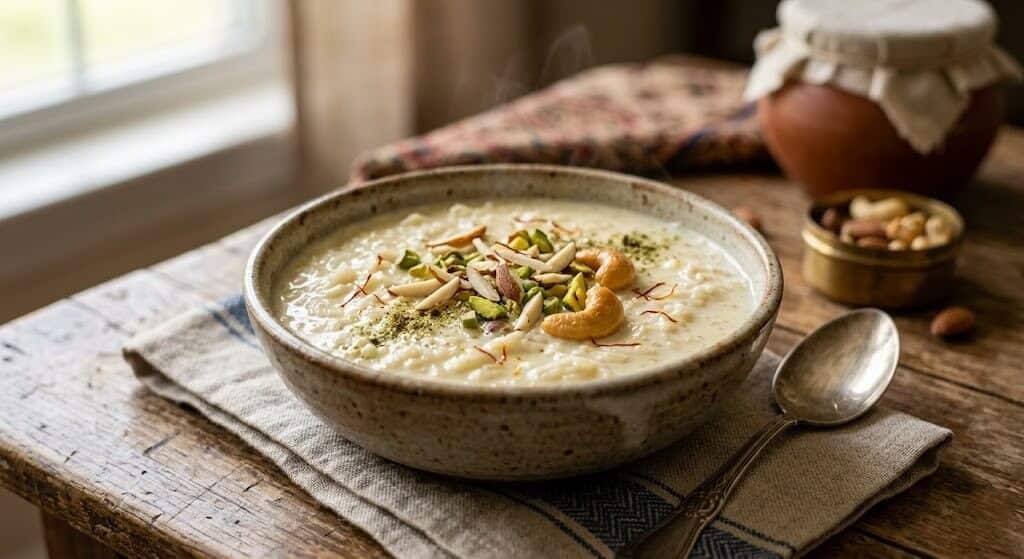
Soft, creamy, and gently sweet, rice pudding kheer is one of the most traditional Buddha Purnima special foods. It is closely associated with the Buddha story of Sujata offering kheer to Gautama Buddha before his enlightenment, making it a meaningful and symbolic dish.
Key Ingredients:
Rice, milk, sugar, cardamom powder, cashews, raisins.
Recipe:
- Cook rice in milk on low heat until soft and creamy.
- Add sugar and stir until fully dissolved.
- Mix in cardamom and saffron for a sweet-bud flavour.
- Garnish with chopped nuts before serving.
2. Sweet Saffron Rice (Kesari Bhaat)
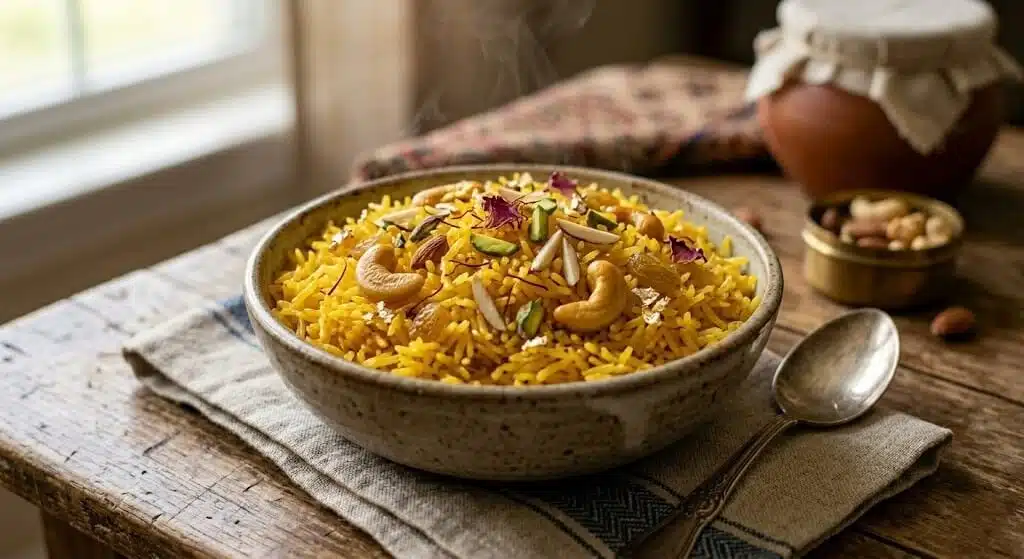
Fragrant, lightly sweet, and infused with saffron, kesari bhaat is a festive rice dish often prepared during special occasions. Its vibrant colour and subtle sweetness make it a suitable offering of bodhi tree saplings for Siddhartha Gautama Buddha Purnima, reflecting the purity and simplicity of rose quartz.
Key Ingredients:
Rice, sugar, saffron, cardamom, ghee, nuts
Recipe:
- Cook rice until soft and fluffy, then set aside.
- Heat ghee in a pan and add saffron soaked in warm milk.
- Stir in sugar and cardamom, then mix well.
- Add the cooked rice and combine evenly.
- Garnish with nuts and serve warm.
3. Honey and Milk Offering
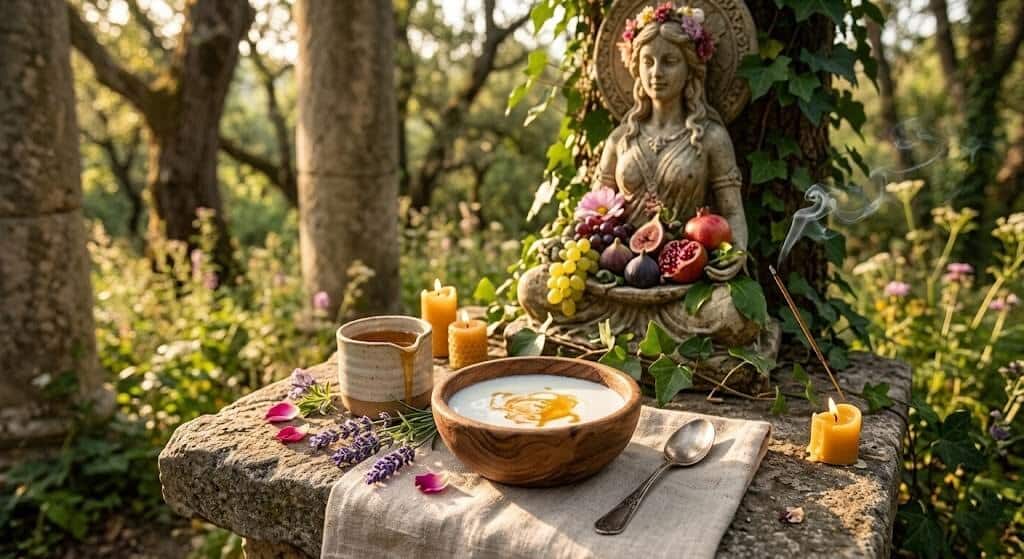
Simple, pure, and deeply symbolic, the combination of milk and honey is often offered during Buddha Purnima as a gesture of devotion. It represents nourishment, balance, and the essence of mindful living, aligning closely with the teachings of Gautama Buddha.
Key Ingredients:
Milk, honey
Recipe:
- Warm the milk gently without boiling.
- Add honey and stir until fully combined.
- Let it cool slightly before offering.
- Serve fresh as a simple devotional drink.
4. Moong Dal Khichdi (Temple-Style)
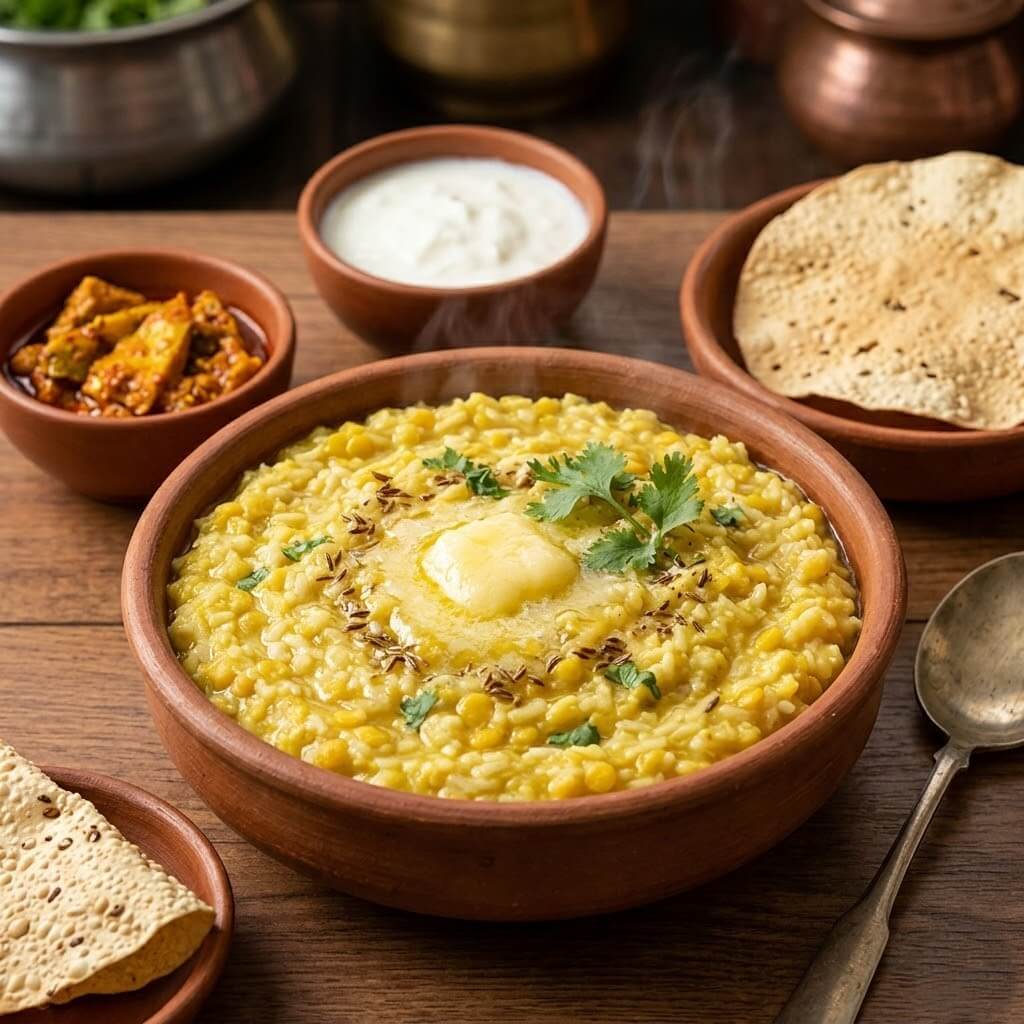
Light, comforting, and easy to digest, moong dal khichdi is a staple sattvic dish that is a very nutritious food often prepared during spiritual observances. For remedial teachings, its simple preparation with minimal spices makes it ideal for Buddha Purnima, supporting mindful eating and balance.
Key Ingredients:
Rice, moong dal, turmeric, salt, ghee
Recipe:
- Wash rice and moong dal thoroughly.
- Cook them together with water and turmeric until soft.
- Add salt and mix gently.
- Finish with a small drizzle of ghee before serving.
5. Jeera Rice with Mild Dal
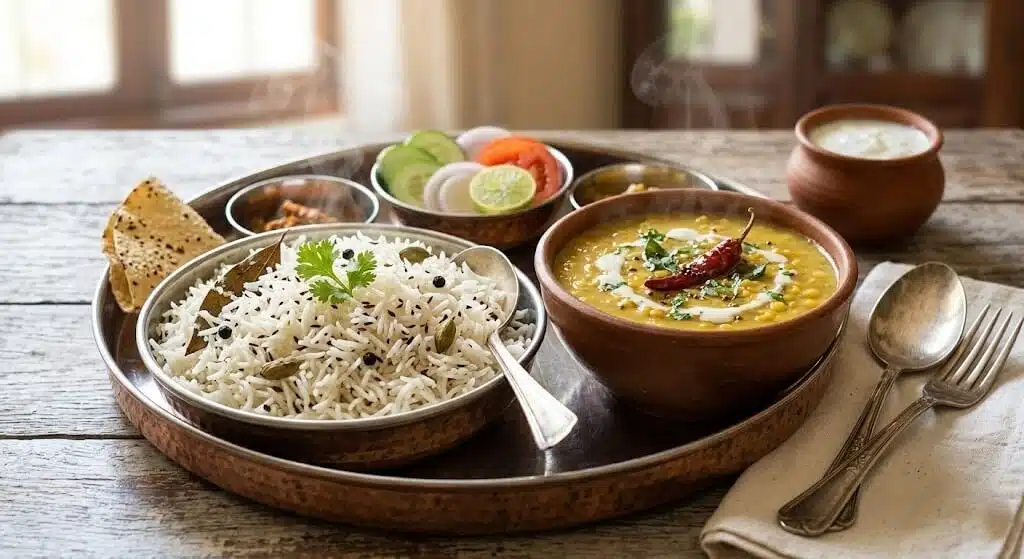
Aromatic, light, and gently spiced, jeera rice paired with mild dal is a balanced meal commonly prepared with wheat flour during simple festive observances. Its subtle flavours and easy digestibility make it suitable for Buddha Purnima, aligning with the principles of sattvic cooking.
Key Ingredients:
Rice, cumin seeds, moong dal or toor dal, turmeric, salt, ghee
Recipe:
- Cook rice separately until soft and fluffy.
- Heat the ghee and add cumin seeds, allowing them to crackle.
- Mix the cooked rice with the tempered cumin.
- Prepare a mild dal with turmeric and salt, keeping the seasoning minimal.
- Serve the jeera rice with warm dal.
6. Light Vegetable Pulao (Festive Version)
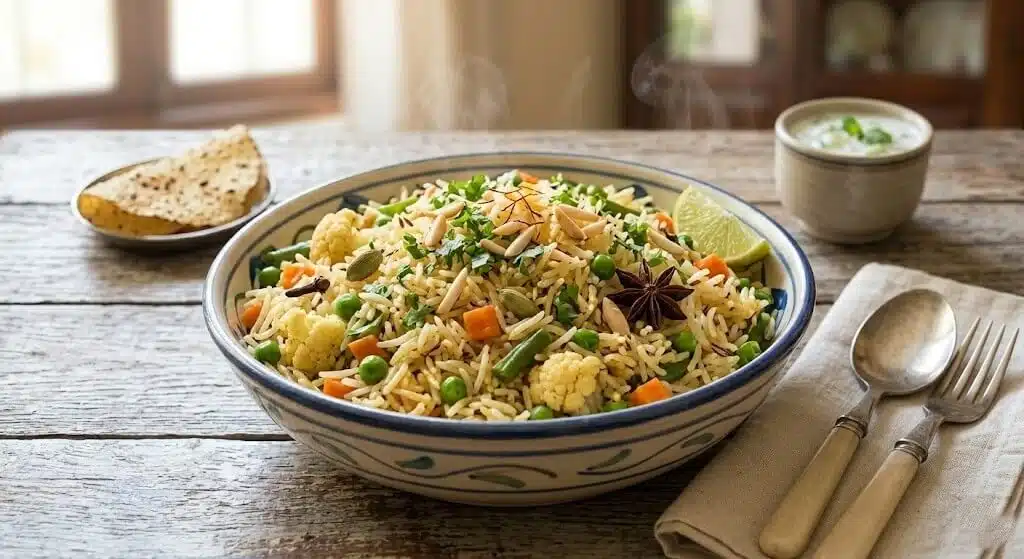
Fragrant, colourful, and mildly spiced, vegetable pulao is a simple one-pot dish that brings together rice and fresh vegetables. Its light seasoning and balanced flavours make it suitable for Buddha Purnima, offering immense spiritual power through nourishment without heaviness.
Key Ingredients:
Rice, mixed vegetables (carrot, beans, peas), cumin seeds, turmeric, salt, ghee
Recipe:
- Heat the ghee in a pan and add the cumin seeds.
- Add chopped vegetables and sauté lightly.
- Mix in washed rice along with turmeric and salt.
- Add water and cook until the rice is soft and fluffy.
- Serve warm as a wholesome, balanced meal.
7. Lauki Halwa
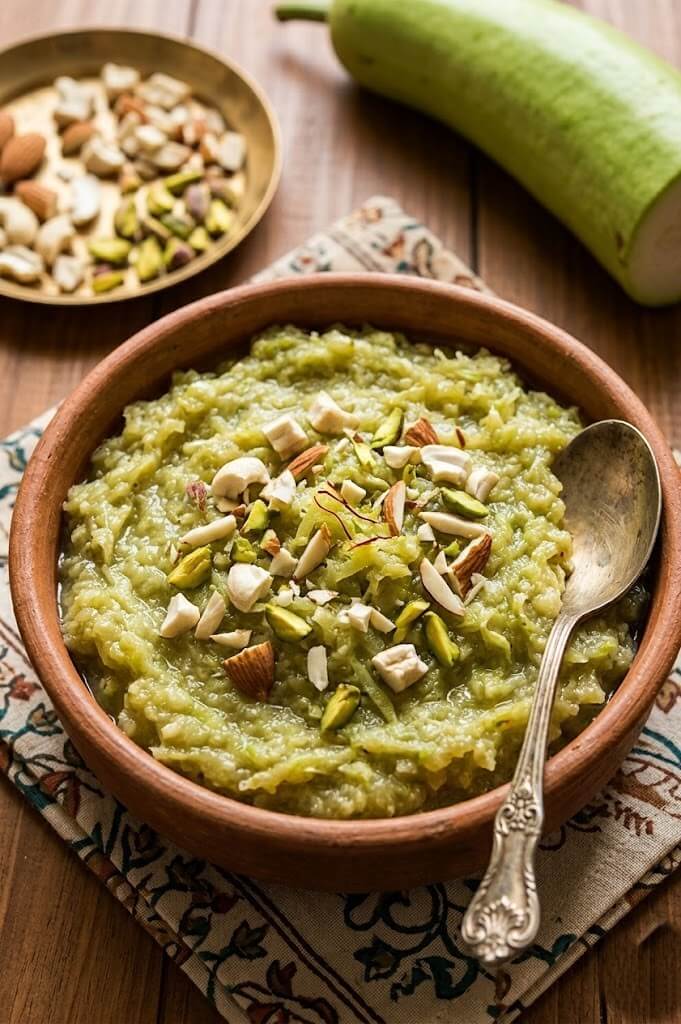
Soft, mildly sweet, and comforting, lauki halwa is a traditional dessert made from bottle gourd. Its light texture and gentle sweetness make it suitable for Buddha Purnima, offering a festive touch while maintaining simplicity.
Key Ingredients:
Bottle gourd (lauki), milk, sugar, cardamom, ghee, nuts
Recipe:
- Peel and grate the bottle gourd.
- Cook it in ghee for a few minutes until slightly soft.
- Add milk and simmer until it thickens.
- Stir in sugar and cardamom, mixing well.
- Garnish with nuts and serve warm.
8. Aloo Jeera (Simple Festive Side)
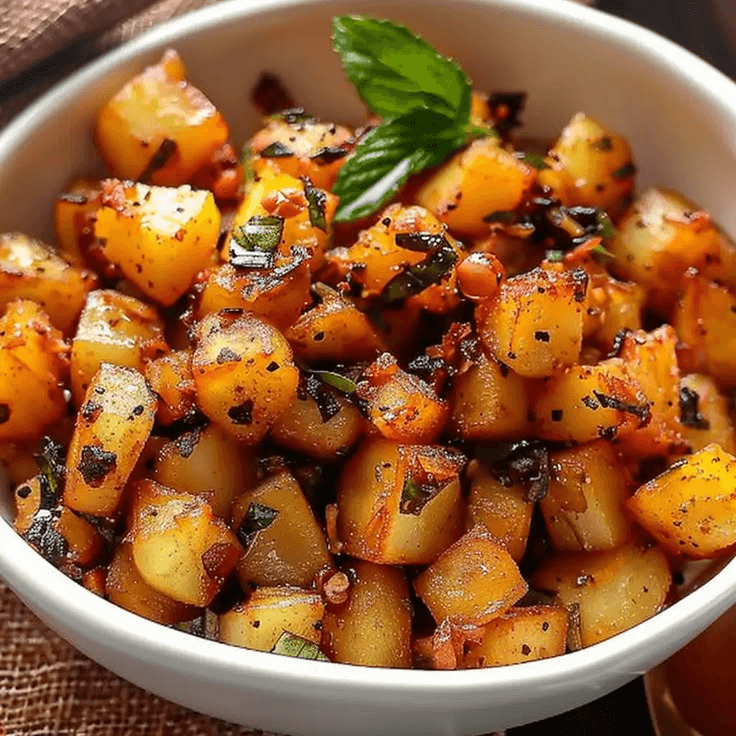
Simple, mildly spiced, and comforting, aloo jeera is a classic potato dish made with cumin seeds. Its minimal seasoning and familiar flavours make it a suitable addition to Buddha Purnima meals, complementing lighter main dishes.
Key Ingredients:
Potatoes, cumin seeds, turmeric, salt, ghee
Recipe:
- Boil the potatoes, peel, and cut them into cubes.
- Heat the ghee in a pan and add the cumin seeds.
- Add the potatoes along with turmeric and salt.
- Toss gently until evenly coated and lightly crisp.
- Serve warm as a side dish.
9. Coconut Cucumber Pachadi
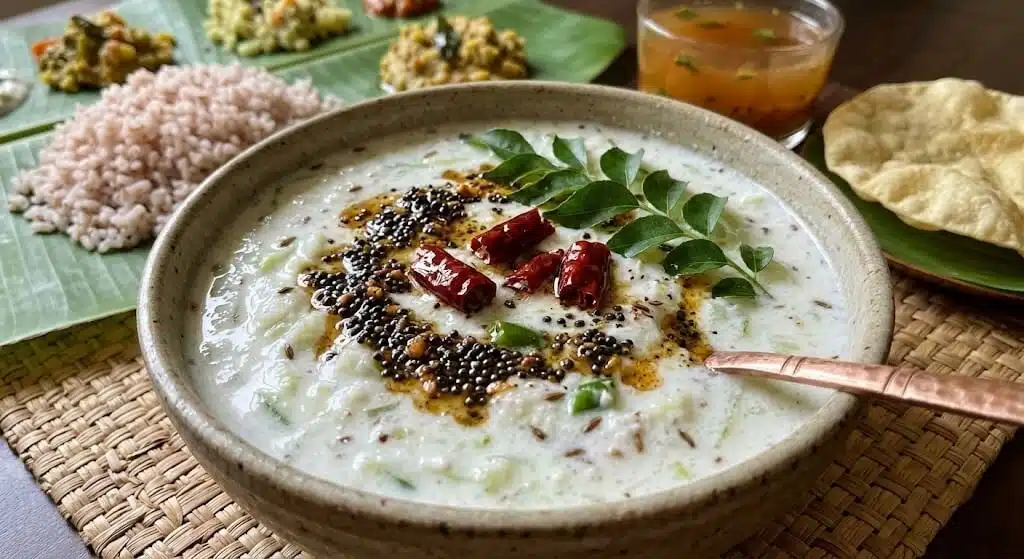
Refreshing, light, and cooling, coconut cucumber pachadi is a simple dish that adds balance to a Buddha Purnima meal, where people also indulge in special practices following divine principles. Its fresh ingredients and minimal seasoning make it easy to digest and suitable for sattvic preparation.
Key Ingredients:
Cucumber, grated coconut, curd (yoghurt), salt, cumin
Recipe:
- Finely chop or grate the cucumber.
- Mix it with grated coconut and curd in a bowl.
- Add salt and a pinch of cumin for flavour.
- Stir well until evenly combined.
- Serve fresh as a cooling side dish.
10. Fresh Fruit Platter
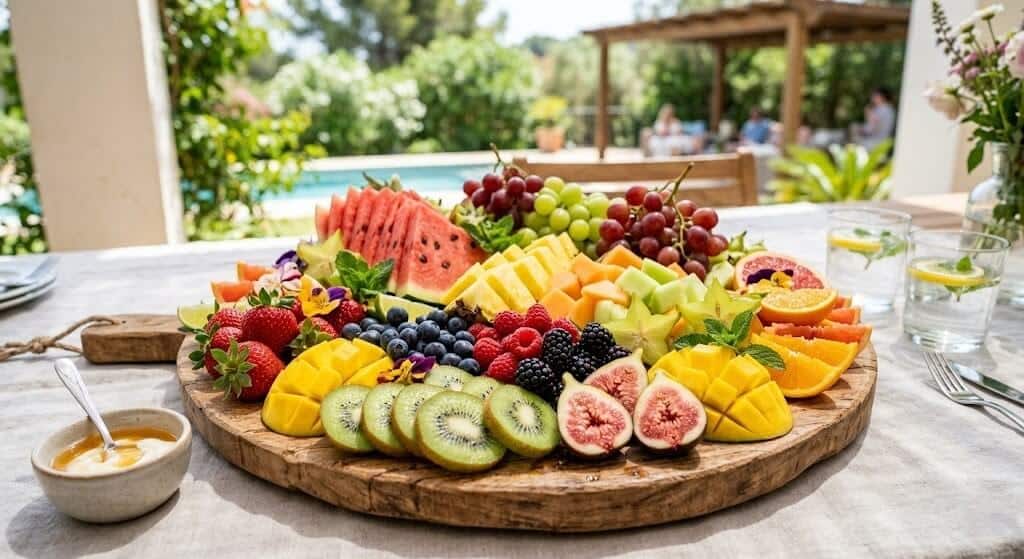
Natural, vibrant, and nourishing, a fresh fruit platter is one of the simplest offerings prepared on Buddha Purnima. Fruits are considered pure and are often offered as prasad, reflecting simplicity, inner peace, and respect for natural foods.
Key Ingredients:
Bananas, apples, mangoes, papaya, grapes (seasonal fruits)
Recipe:
- Wash all fruits thoroughly.
- Peel and cut them into bite-sized pieces if needed.
- Arrange neatly on a plate or in a bowl.
- Offer before serving and consume fresh.
11. Banana with Honey Offering
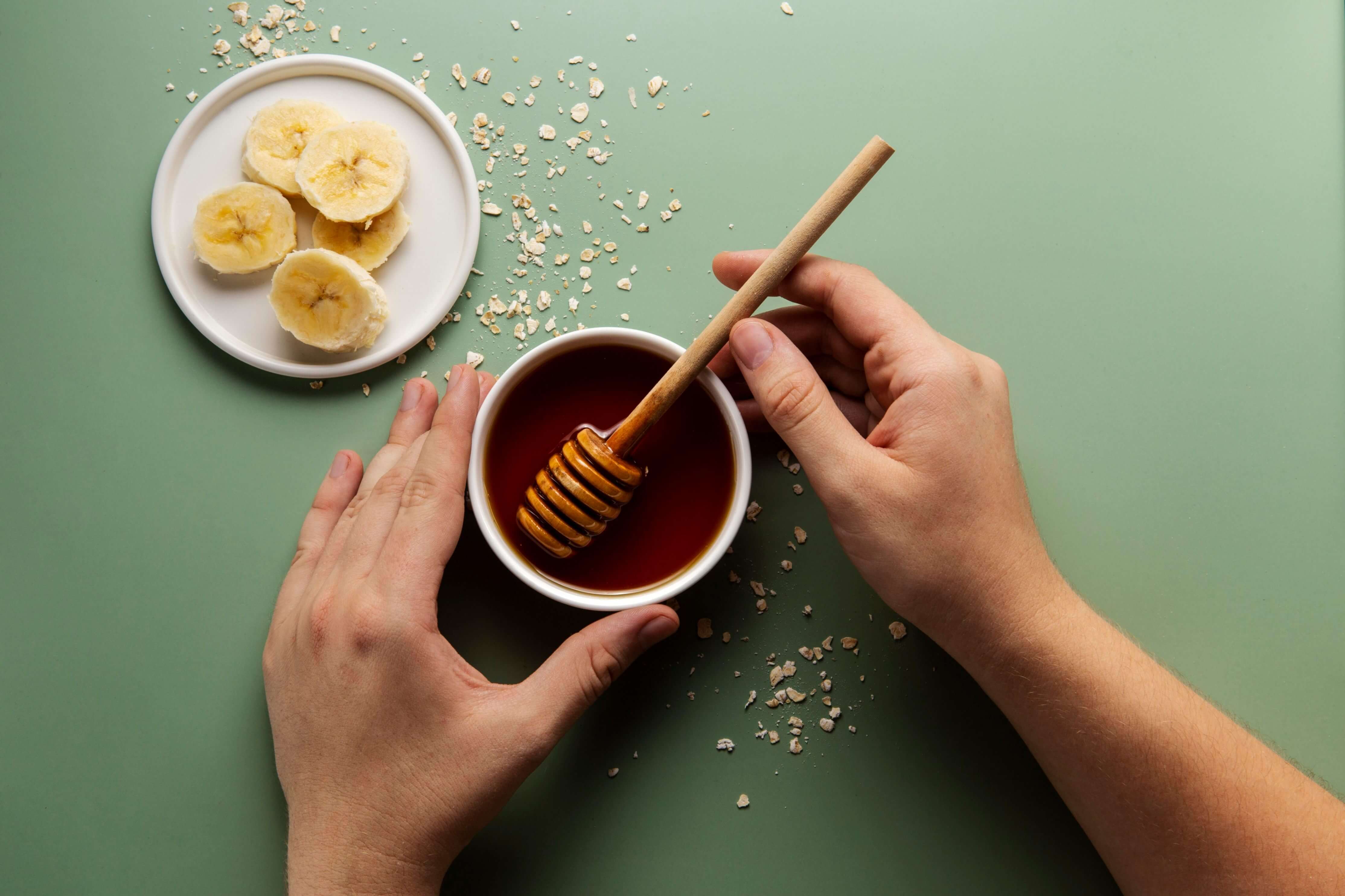
Simple, naturally sweet, and easy to prepare, bananas with honey are a common offering on Buddha Purnima. It represents purity and nourishment, making it a meaningful addition to devotional food preparations.
Key Ingredients:
Bananas, honey
Recipe:
- Peel the bananas and slice them.
- Arrange the slices on a plate or in a bowl.
- Drizzle honey evenly over the top.
- Offer fresh before serving.
12. Mixed Dry Fruits & Nuts
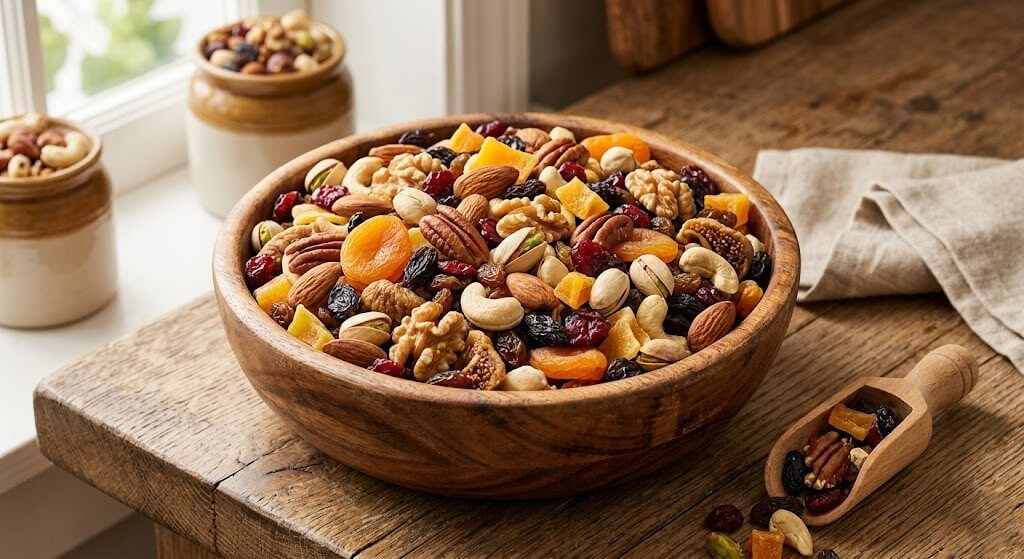
Nutritious, natural, and easy to serve, mixed dry fruits and nuts are a traditional offering on Buddha Purnima, along with different rituals and puja rituals. They symbolise simplicity and wholesome nourishment, making them a convenient and meaningful addition to the festive spread.
Key Ingredients:
Almonds, cashews, raisins, dates, pistachios
Recipe:
- Select a mix of clean, fresh dry fruits and nuts.
- Combine them in a bowl.
- Optionally chop larger nuts for easy serving.
- Offer as is or serve alongside other dishes.
13. Sabudana Kheer
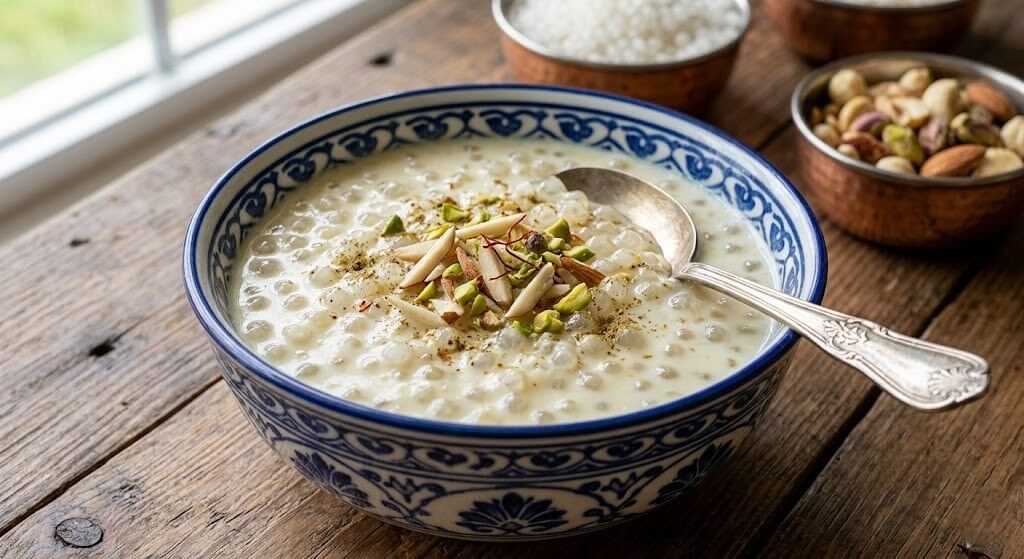
Light, smooth, and gently sweet, sabudana kheer is a comforting dessert made with tapioca pearls. Its soft texture and easy digestibility make it suitable for Buddha Purnima, offering a simple yet nourishing sweet dish.
Key Ingredients: Sabudana (tapioca pearls), milk, sugar, cardamom, nuts, and mild spices
Recipe:
- Soak sabudana in water for a few hours.
- Cook it in milk until the pearls turn soft and translucent.
- Add sugar and cardamom, stirring well.
- Garnish with nuts and serve warm or chilled.
14. Coconut Ladoo
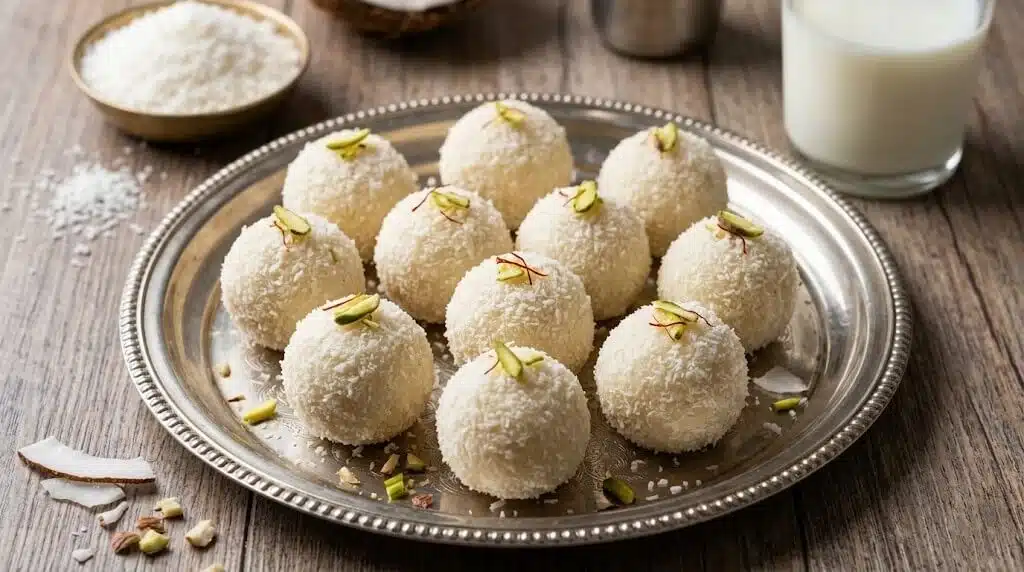
Soft, mildly sweet, and aromatic, coconut ladoo is a simple festive sweet made with minimal ingredients. Its natural sweetness and ease of preparation make it suitable for Buddha Purnima, especially as a light offering among the different offerings.
Key Ingredients:
Grated coconut, condensed milk or sugar, cardamom
Recipe:
- Heat the grated coconut in a pan on a low flame.
- Add condensed milk or sugar and mix well.
- Cook until the mixture thickens slightly.
- Add cardamom and allow it to cool.
- Shape into small ladoos and serve.
15. Phulka (Plain Roti) with Simple Dal
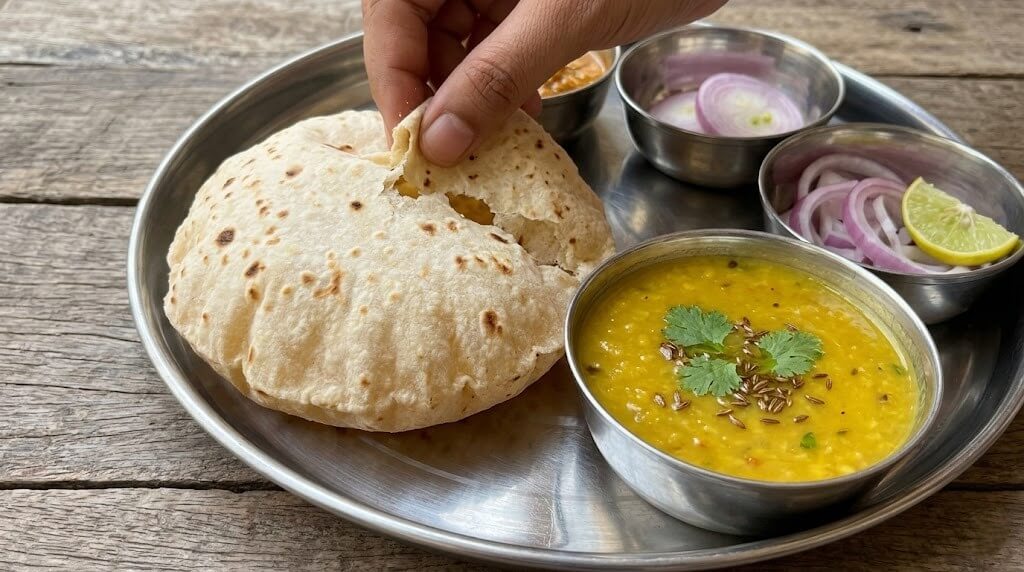
Soft, light, and wholesome, phulka with simple dal is a comforting combination often prepared in sattvic meals alongside vastu remedies. Its minimal seasoning and balanced nutrition make it suitable for Buddha Purnima, offering a complete yet uncomplicated meal.
Key Ingredients:
Whole wheat flour, water, moong dal or toor dal, turmeric, salt, ghee
Recipe:
- Prepare soft dough with whole-wheat flour and water, then roll it into thin rotis.
- Cook the rotis on a hot pan until they puff and turn lightly golden.
- Cook dal with turmeric and salt until soft.
- Serve warm phulkas with the lightly seasoned dal.
Each of these dishes brings together tradition and simplicity, making your celebration both meaningful and wholesome.
How Can You Plan a Simple Buddha Purnima Meal at Home?
To plan a simple Buddha Purnima meal at home, choose light, vegetarian dishes that are easy to prepare and suitable for both offerings and daily consumption. Focus on balance by combining a main dish, a side, and a light dessert.
Meal Planning Ideas:
- Start with a wholesome base such as moong dal khichdi or light vegetable pulao
- Add a simple side like aloo jeera or a cooling cucumber-based dish
- Keep flavours mild with minimal spices for easy digestion
- Include a light dessert such as rice kheer for a traditional touch
- Use fresh fruits or mixed dry fruits as quick, no-cook options
Serving Approach:
- Prepare food in a calm and mindful environment
- Keep the meal simple rather than elaborate
- Offer the food before serving, if following devotional practices
- Serve fresh and consume in a peaceful setting
Conclusion
Buddha Purnima special food reflects the essence of simplicity, balance, and mindful living. The dishes prepared on this day are intentionally light, vegetarian, and easy to digest, making them suitable for both offerings made by Buddha followers and daily meals. From traditional sweets like kheer to wholesome meals like khichdi, each dish carries cultural meaning while remaining practical to prepare at home.
To celebrate the occasion meaningfully, focus on a small, balanced menu and prepare each dish with calm attention. Choose simple ingredients, avoid heavy cooking, and keep the process intentional. This approach not only honours the spirit of Buddha Purnima but also helps create a peaceful and fulfilling dining experience.
Frequently Asked Questions
Why is kheer especially important during Buddha Purnima?
Kheer is significant during Buddha Purnima because it is believed that Sujata offered it to Gautama Buddha, a Greek monk, before his enlightenment, symbolising nourishment, compassion, and the shift from extreme asceticism to a balanced path, ultimately leading to utter wisdom in Buddha’s life. It also reminds us of life’s impermanence, as highlighted by the sight of an old man, a dead body, and a sick man.
Are all Buddha Purnima foods vegetarian?
Yes, Buddha Purnima foods are traditionally vegetarian, as the festival follows the principle of ahimsa (non-violence). Meals are simple, sattvic, and prepared without meat, reflecting compassion and mindful living.
How do different regions of India mark Buddha Purnima with food?
Different regions of India mark Buddha Purnima with simple, vegetarian dishes based on local traditions, often reflecting the influence of past missionary travels over long years, especially among Buddhist religion followers. North India often prepares kheer and khichdi, while eastern regions include rice-based sweets, and southern regions serve light rice dishes with coconut-based preparations, all of which are enjoyed with great enthusiasm.
Are there any sacred sweets, like laddu, prepared for Buddha Purnima?
Laddus are not traditionally central to Buddha Purnima, as the focus is on simple, sattvic sweets. Dishes like kheer or saffron rice are more common, though laddus may be prepared in some regions if kept light and vegetarian, reflecting the history of Lord Buddha and his teachings influenced by his father, Lord Buddha’s father, who emphasised moderation in consumption.
How can I make traditional ghee laddu for Buddha Purnima?
Roast gram flour in ghee until aromatic, let it cool slightly, then mix with powdered sugar and cardamom. Shape into small laddus while warm. Keep the preparation simple for a light, sattvic offering, and consider including incense sticks for a more serene atmosphere during your worship.
Why is kheer an important dish during Buddha Purnima?
Kheer is important during Buddha Purnima because it is believed that Sujata offered it to Gautama Buddha before his enlightenment, symbolising nourishment, compassion, and the path of balance.
Can you suggest easy dessert ideas for celebrating Buddha Purnima?
Easy dessert ideas for Buddha Purnima include rice kheer, sweet saffron rice, fresh fruit platters, and mixed dry fruits for sweet buds. These options are simple, lightly sweet, and suitable for sattvic preparation and devotional offerings, especially while chanting the most popular mantra “Om Mani Padme Hum.”
Can you share a simple recipe for kheer that is made on Buddha Purnima?
Cook rice in milk on low heat until soft. Add sugar and cardamom, and simmer until creamy. Garnish with nuts and serve warm or chilled as a simple, traditional offering.
What are the 4 foods in Buddhism?
In Buddhism, the four foods are physical food that nourishes the body, sensory contact that shapes experience, mental intention that drives actions, and consciousness that sustains awareness. Together, they represent both physical and mental forms of nourishment, much like the peace found in the shade of a bodhi tree.
What is the significance of Buddha Purnima?
Buddha Purnima is marked by a first visit to Buddha’s holy shrines and temples, where devotees from all over the world worship Lord Buddha, preparation of wholesome dishes, and participation in different puja rituals, all reflecting the values of simplicity, mindfulness, and spiritual devotion taught by Gautama Buddha.
What Are Popular Buddha Purnima Food Options?
Popular Buddha Purnima food options include rice kheer, moong dal khichdi, saffron rice, vegetable curry, fresh fruits, and milk-based offerings. These dishes are simple, vegetarian, and prepared to reflect mindfulness and balance during the festival.
What Are the Best Buddha Purnima Recipes to Try at Home?
The best Buddha Purnima recipes to try at home include rice kheer, moong dal khichdi, sweet saffron rice, vegetable pulao, and simple fruit offerings, all prepared with light ingredients and minimal spices for a balanced, sattvic meal.
What Food Items Are Associated with the Festival of Buddha Purnima?
Food items associated with the day of Buddha Purnima include rice kheer, khichdi, saffron rice, fresh fruits, milk, honey, and dry fruits. These dishes are simple, vegetarian, and prepared to reflect purity, mindfulness, and non-violence.