
Peanut Chutney is one of those recipes that I keep coming back to not because it is impressive, but because it is fast and I almost always have the ingredients. On a weeknight when I have not planned anything for dinner and there is idli batter sitting in the fridge, this chutney is what I make. It takes me about twenty minutes from start to finish, including the tempering.
The specific detail I keep thinking about is the smell of the peanuts toasting in the dry pan — that warm, nutty aroma that tells you the oil inside the nut is starting to release. Once you know that smell, you will never over roast them again. I make this at least twice a month, and somehow it never feels repetitive.
About the Recipe
Every ingredient in this chutney is something most Indian kitchens already have. Peanuts, a handful of dry red chillies, one small onion, a garlic clove, tamarind pulp, and basic tempering items are all you need. The whole process takes around twenty minutes, and most of that is just letting things cool before blending.
I would make this on a quiet Sunday morning alongside fresh dosas, or on a weekday evening when dinner needs to come together without much planning. Nothing here needs sourcing from a specialty store.
Why you will love this recipe
Roasting the peanuts and frying the onions separately before blending means every element has already developed its own depth before they meet in the grinder. The tamarind keeps the chutney from tasting flat or heavy, and the garlic gives it a sharpness that balances the natural sweetness of the groundnuts.
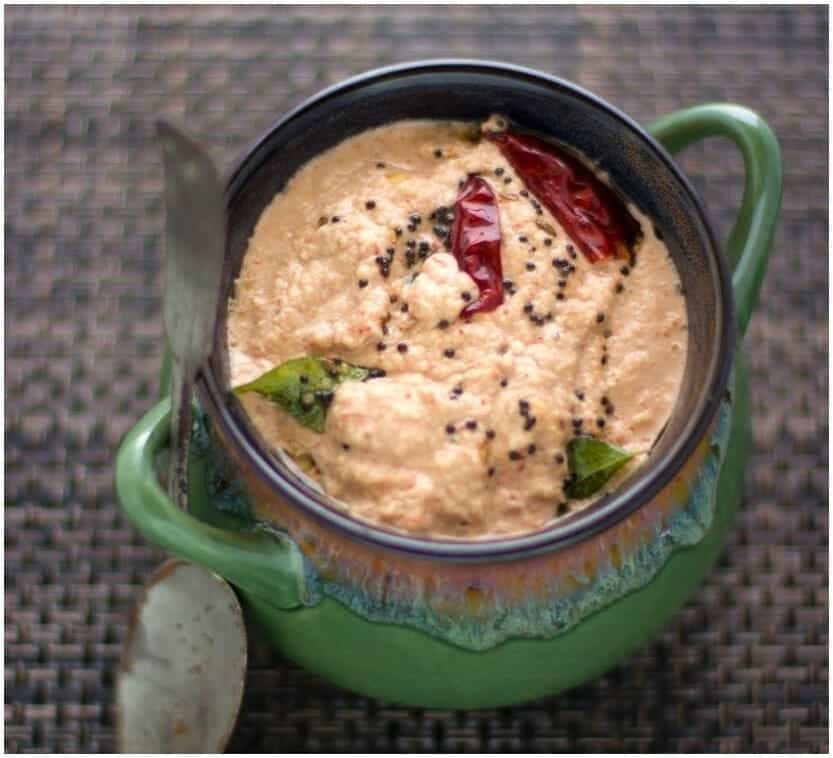
When you pour the hot tempering oil over the finished chutney — the mustard seeds popping, the curry leaves crackling in the pan — the whole thing comes alive in a way that feels like you did more work than you actually did. I particularly like how the urad dal in the tempering adds a little crunch to each spoonful rather than just blending into the background.
Cooking Tips
The most common mistake is not letting the fried onions and peanuts cool before blending. If you blend them while still hot, the chutney turns gluey rather than smooth. Also, go easy on the water when blending — add a tablespoon at a time, because you can always add more but you cannot take it back out. If your peanuts taste bitter, they have been over roasted. Pull them off the heat as soon as the skins start to darken and you can smell the nuttiness clearly.
Top Tips
- Dry roast the peanuts on medium heat and keep stirring constantly — they go from pale to over-done faster than you expect.
- Let everything cool for at least ten minutes before blending, otherwise the steam inside the blender makes the texture turn paste-like rather than smooth.
- If you want a thicker chutney to spread on toast or use as a dip, reduce the water to just two or three tablespoons during blending.
- Tamarind pulp varies in sourness depending on the brand or batch. Taste before adding the full two teaspoons and adjust from there.
- You can skip the onion if you need to make a no-onion version for specific occasions — the garlic alone will hold the flavour reasonably well.
- For a slightly smokier flavour in the tempering, let the dry red chillies sit in the oil for about thirty seconds before adding the mustard seeds.
Serving and Storing Suggestions
This recipe serves four people as a condiment alongside idli, dosa, or uttapam. Preparation and cooking together take about twenty minutes. Store leftover chutney in an airtight container in the refrigerator for up to two days. Before serving leftovers, give it a quick stir because the chutney tends to thicken as it sits.
You can loosen it with a teaspoon of water if needed. I do not recommend freezing it since the texture changes noticeably once thawed.
Similar Recipes
Nutrient Benefits
Peanuts are one of the more protein-dense ingredients you can use in an everyday condiment, which makes this chutney more substantial than it looks. They also carry healthy unsaturated fats and a decent amount of magnesium. Tamarind contributes a small amount of iron and acts as a natural digestive aid. Because this chutney is made from whole, minimally processed ingredients with just a small amount of oil, it fits comfortably into a balanced everyday diet without any modification needed.

Peanut Chutney (Groundnut Chutney)
Ingredients
- 1 cup of Peanuts
- 7 Dry Red Chillies adjust according to your spice level
- 1 Small Onion finely sliced
- 1 Garlic Clove finely sliced
- to taste Salt
- 2 tsp Tamarind Pulp
- 1-2 tsp Oil
Tempering
- 1 tsp Mustard Seeds
- 1/2 tsp Cumin Seeds
- 1 tsp Urad dal
- 2 Dry Red Chillies
- 5-6 Curry Leaves
- 1 tsp Oil
Instructions
- Add a cup of peanuts to a pan and fry until it turns light brown and set aside.
- Heat some oil in a pan, Fry the sliced onions, crushed red chillies , sliced garlic cloves till brown and set aside.
- Let it cool completely.
- Place all ingredients with tamarind pulp, fried peanuts, salt in a blender and pulse until it forms a smooth paste with little water.
- Heat some oil in a pan, Add all the ingredients listed under tempering and fry for a minute in hot oil and pour over the chutney and serve.
Sign up for our newsletter
Add Awesome Cuisine as a Preferred Source

Frequently Asked Questions
Q: My chutney turned out too thick after blending. How do I fix it?
A: Add water one tablespoon at a time and blend again until you reach the consistency you want. Peanuts absorb liquid as they sit, so the chutney will always thicken a little more after resting. Adjust just before serving.
Q: Can I use raw peanuts instead of roasting them myself?
A: You can use store-bought roasted peanuts to save time, but dry roasting them yourself in a pan gives a fresher, more pronounced flavour because the heat is more even and you control how far they go. If using pre-roasted peanuts, taste them first — if they already have added salt, reduce the salt you add during blending.
Q: The chutney tastes more sour than I expected. What went wrong?
A: Tamarind pulp can vary quite a bit in intensity. If yours is very concentrated, even two teaspoons can make the chutney sharply sour. Start with one teaspoon next time and taste as you go. You can also balance excess sourness by adding a small pinch of sugar or a few more peanuts to mellow it out.
Q: How long does this chutney stay fresh, and can I make it ahead of time?
A: Stored in an airtight container in the refrigerator, the chutney stays good for up to two days. Making it a few hours ahead is perfectly fine and it actually allows the flavours to settle. Add the tempering just before serving so the curry leaves and mustard seeds keep their texture.
Q: Can I leave out the onion and garlic for a plainer version?
A: Yes, though the chutney will taste noticeably milder and less complex without them. If you are skipping both, consider adding an extra half teaspoon of tamarind pulp to compensate for the sharpness you are losing. The base of peanuts and red chillies is still strong enough to hold the chutney together without them.


good