Table of Contents
Key Highlights
- Heart-healthy foods help reduce cholesterol, lower blood pressure, and reduce the risk of heart disease.
- Fruits, vegetables, whole grains, and healthy fats form the foundation of a heart-friendly diet.
- Fatty fish, nuts, and seeds support overall cardiovascular health.
- Reducing processed foods and excess salt is essential for heart protection.
- Simple dietary changes can significantly improve long-term heart health.
- A balanced approach is more effective than restrictive dieting.
Heart health plays a crucial role in overall well-being, yet it is often overlooked until problems arise. With modern diets becoming increasingly processed, maintaining a healthy heart requires more conscious food choices.
Many people struggle to understand which foods truly support heart health and which ones increase the risk of heart-related issues. Conflicting advice and complex diet plans can make it difficult to build sustainable eating habits.
This guide simplifies everything. From the best heart healthy foods to include in your diet to foods you should limit, you’ll learn how to make practical, everyday choices that support long-term cardiovascular health.
What Are Heart Healthy Foods and Why Are They Important?
At a basic level, heart-healthy foods are those that nourish your cardiovascular system while reducing risk factors for heart disease. They provide essential nutrients while limiting harmful elements like unhealthy fats, excess salt, and processed ingredients.
When included regularly in your diet, heart healthy foods work together to strengthen your cardiovascular system and prevent common health issues associated with poor eating habits.
- Lower bad cholesterol (LDL) → Reduces plaque buildup, keeping arteries clear and flexible.e
- Support healthy blood pressure → Minimises strain on the heart and lowers hypertension risk.
- Improve blood circulation → Ensures efficient flow of oxygen and nutrients throughout the body.
- Reduce risk of heart disease → Helps prevent long-term conditions like heart attacks and strokes.
Together, these benefits show that heart-healthy eating isn’t about restriction; it’s about making smarter, sustainable choices that protect your daily wellbeing and a healthier future.
What Are the 20 Best Foods for Heart Health You Should Eat Daily?
The best foods for heart health include fruits, vegetables, whole grains, healthy fats, and lean proteins, which provide essential nutrients and support overall cardiovascular function. Now that you understand the basics, here are the most effective heart healthy foods to include in your diet:
1. Leafy Green Vegetables
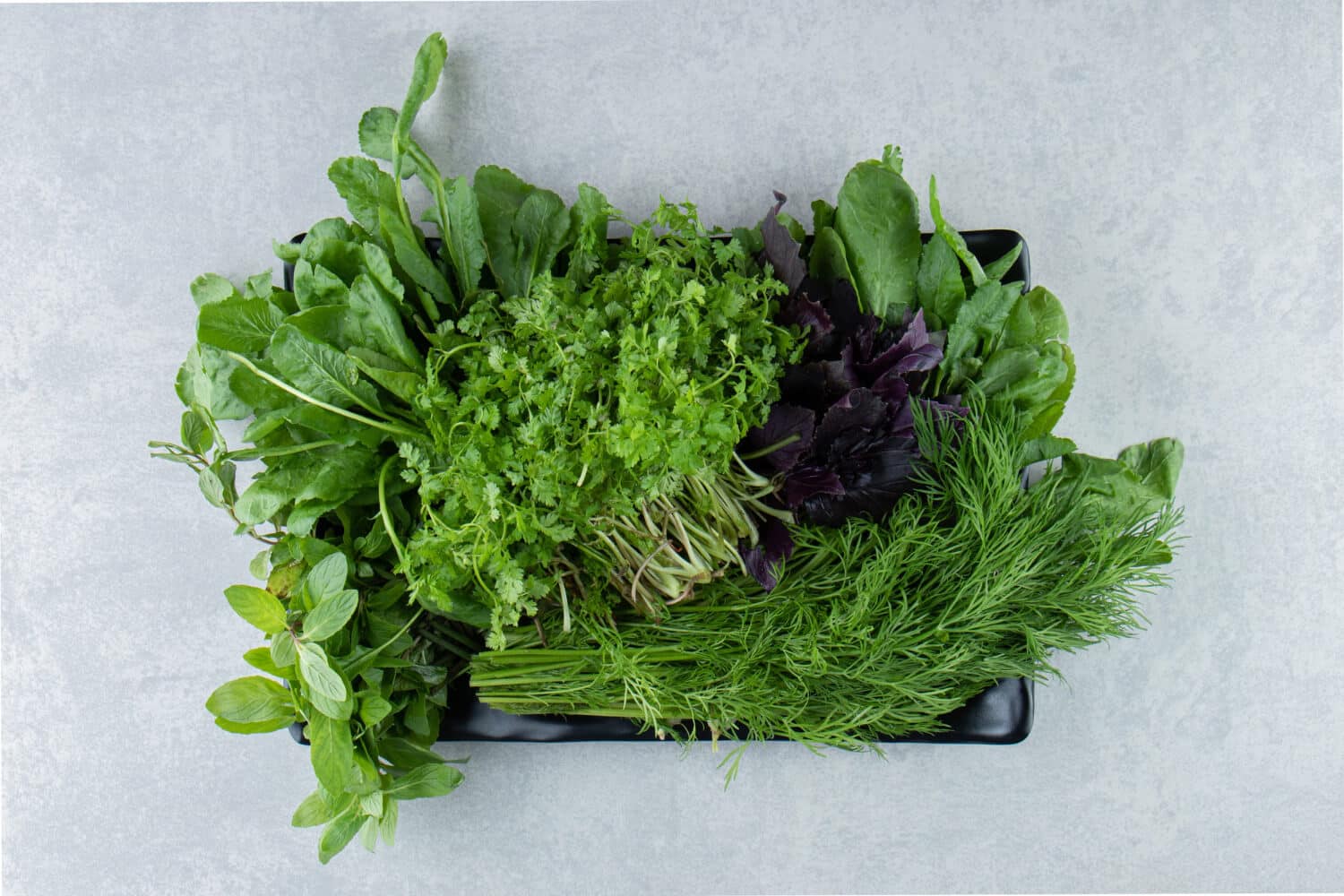
Leafy Green Vegetables nicely placed
According to research published by the American Heart Association (AHA), increased leafy green vegetable intake is associated with more significant cardiovascular health benefits and a lower risk of heart disease than other fruits and vegetables.
- Rich in nitrates: Helps relax blood vessels and lower blood pressure
- High in antioxidants: Protects arteries from damage
- Supports circulation: Improves overall vascular function
2. Fatty Fish

Salmon fish sliced and dressed well on plate
Fatty fish such as salmon, mackerel, and sardines are rich in omega-3 fatty acids, which play a crucial role in heart health by helping reduce triglycerides and supporting stable heart rhythms. This benefit is strongly backed by scientific consensus from the National Institutes of Health (NIH), which recognises fatty fish as effective in managing cardiovascular risk.
- Omega-3 fatty acids: Lower triglyceride levels
- Anti-inflammatory properties: Protect blood vessels
- Supports heart rhythm: Reduces risk of irregular heartbeat
3. Whole Grains
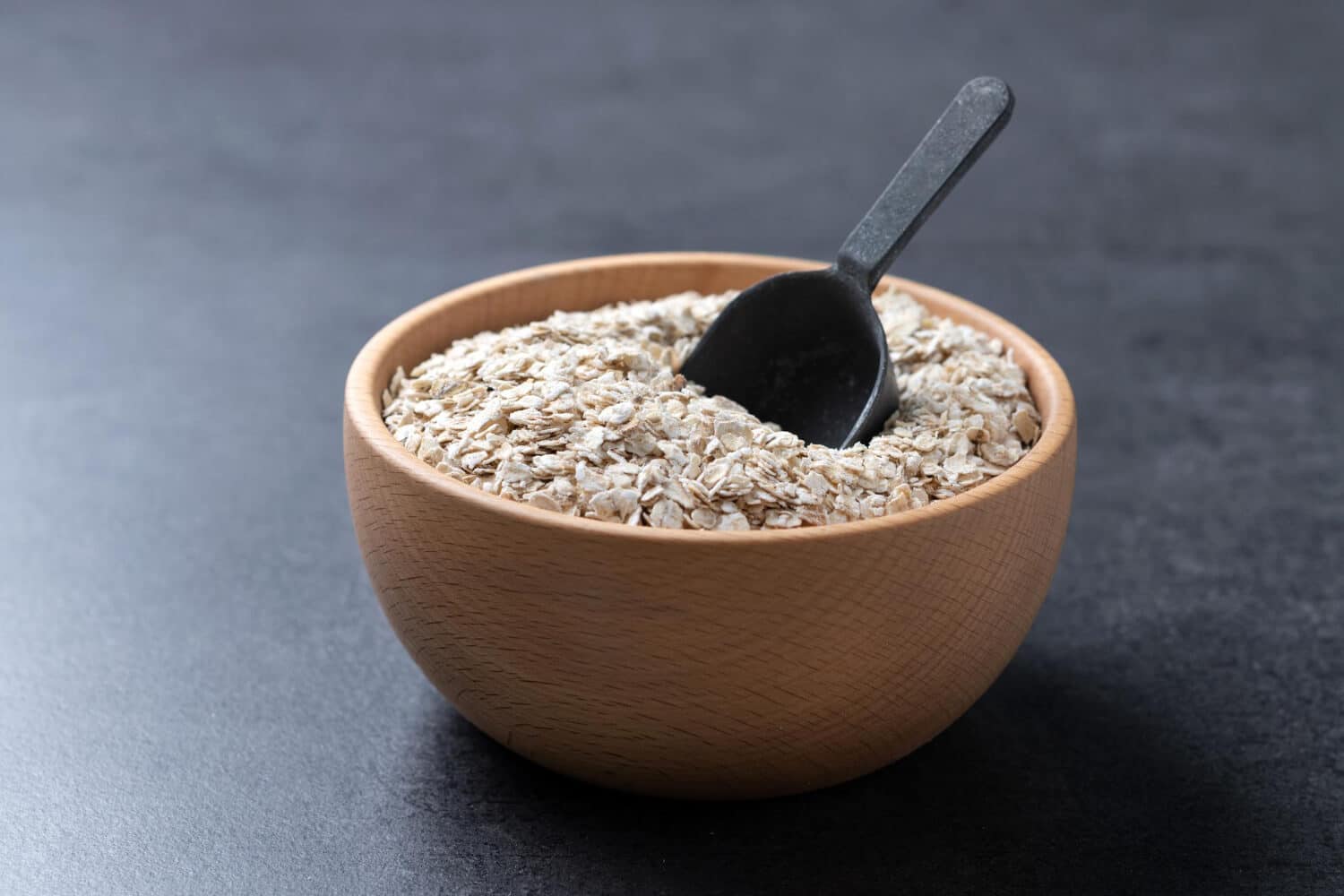
Refined oats on bowl
According to the World Health Organization (WHO), the dietary fiber found in whole grains is a primary driver in reducing cardiovascular disease (CVD) risk.
- Soluble fibre: Helps remove excess cholesterol
- Supports digestion: Improves gut-heart connection
- Provides steady energy: Helps regulate metabolism
4. Berries
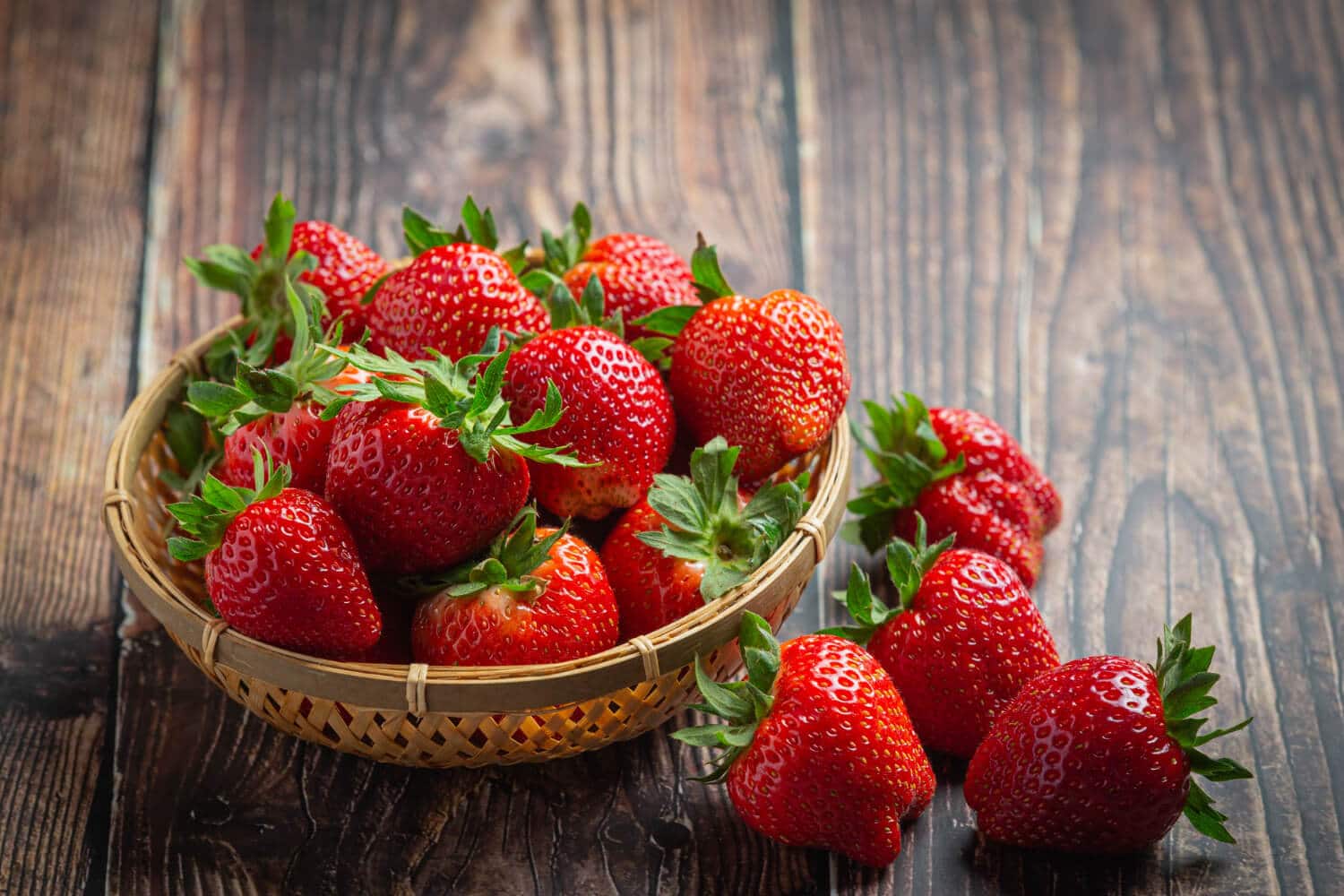
Fresh strawberries placed on a wooden table
Berries like blueberries and strawberries support heart health with anthocyanins that improve blood vessel function. Research shows that eating them weekly can cut heart attack risk by 32%. They also reduce oxidative stress, preventing artery-clogging plaque.
- High in polyphenols: Protect against cell damage
- Improves vessel function: Enhances blood flow
- Anti-inflammatory: Reduces heart disease risk
5. Nuts (Almonds, Walnuts)
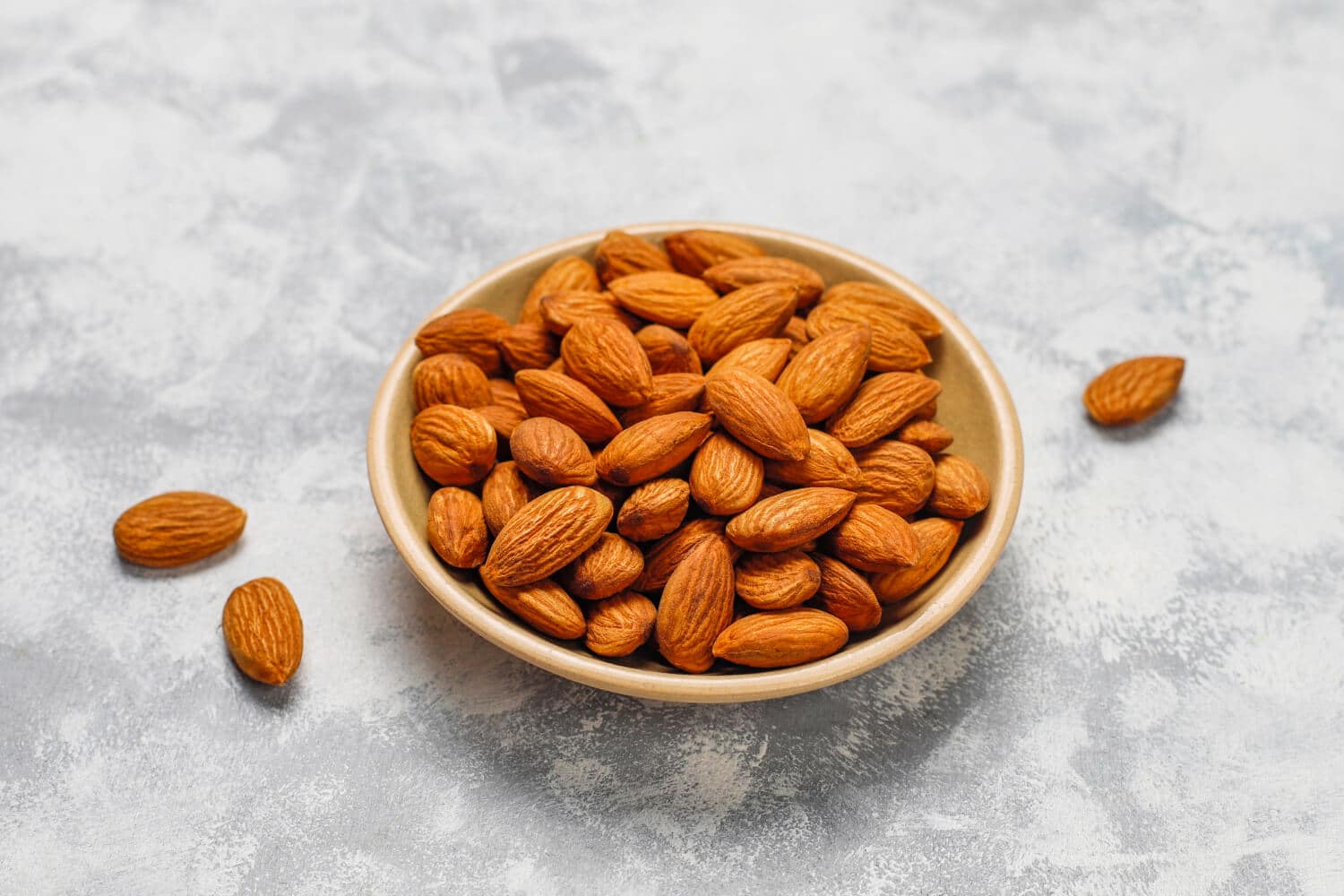
Almonds freshly placed on a marbel bowl
Nuts are a convenient and nutrient-dense snack packed with healthy fats and fibre. Research shows that incorporating a few servings of walnuts into your diet can help protect against heart disease, improve vascular function, and lower blood pressure.
- Healthy fats: Improve cholesterol balance
- Fibre content: Supports heart health
- Anti-inflammatory compounds: Reduce risk factors
6. Seeds (Flax, Chia)
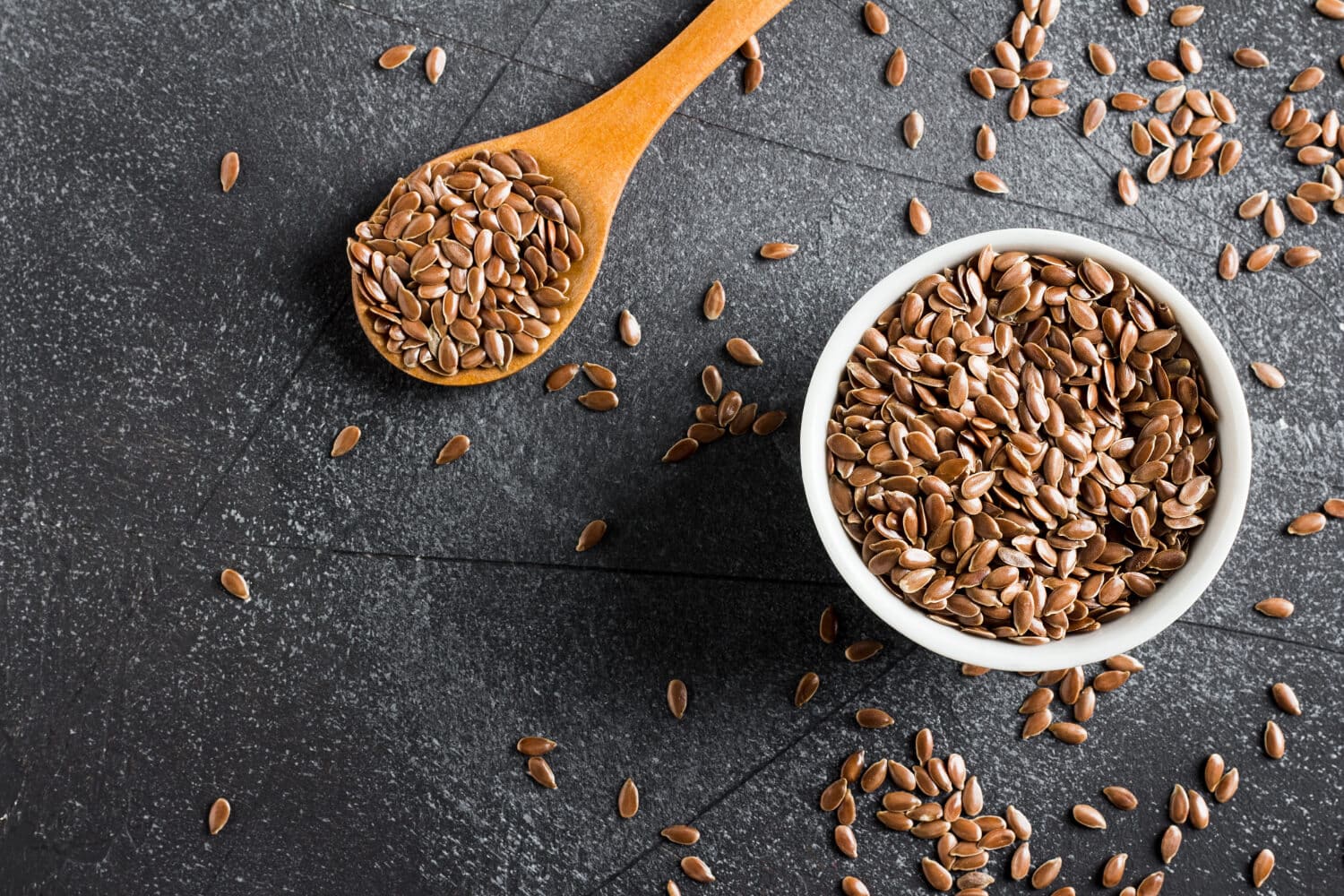
flaxseeds on bowl placed on marble surface
Flaxseeds and chia seeds are rich in alpha-linolenic acid (ALA), a plant-based omega-3 that helps reduce inflammation and lower the risk of heart disease. Data shows that just two tablespoons of flaxseeds provide about 4.7 grams of ALA, exceeding daily needs. They also contain lignans that help lower LDL cholesterol by reducing its absorption.
- Rich in omega-3 (ALA): Supports heart health
- High fibre: Helps lower LDL cholesterol
- Supports digestion: Improves overall health
7. Avocados
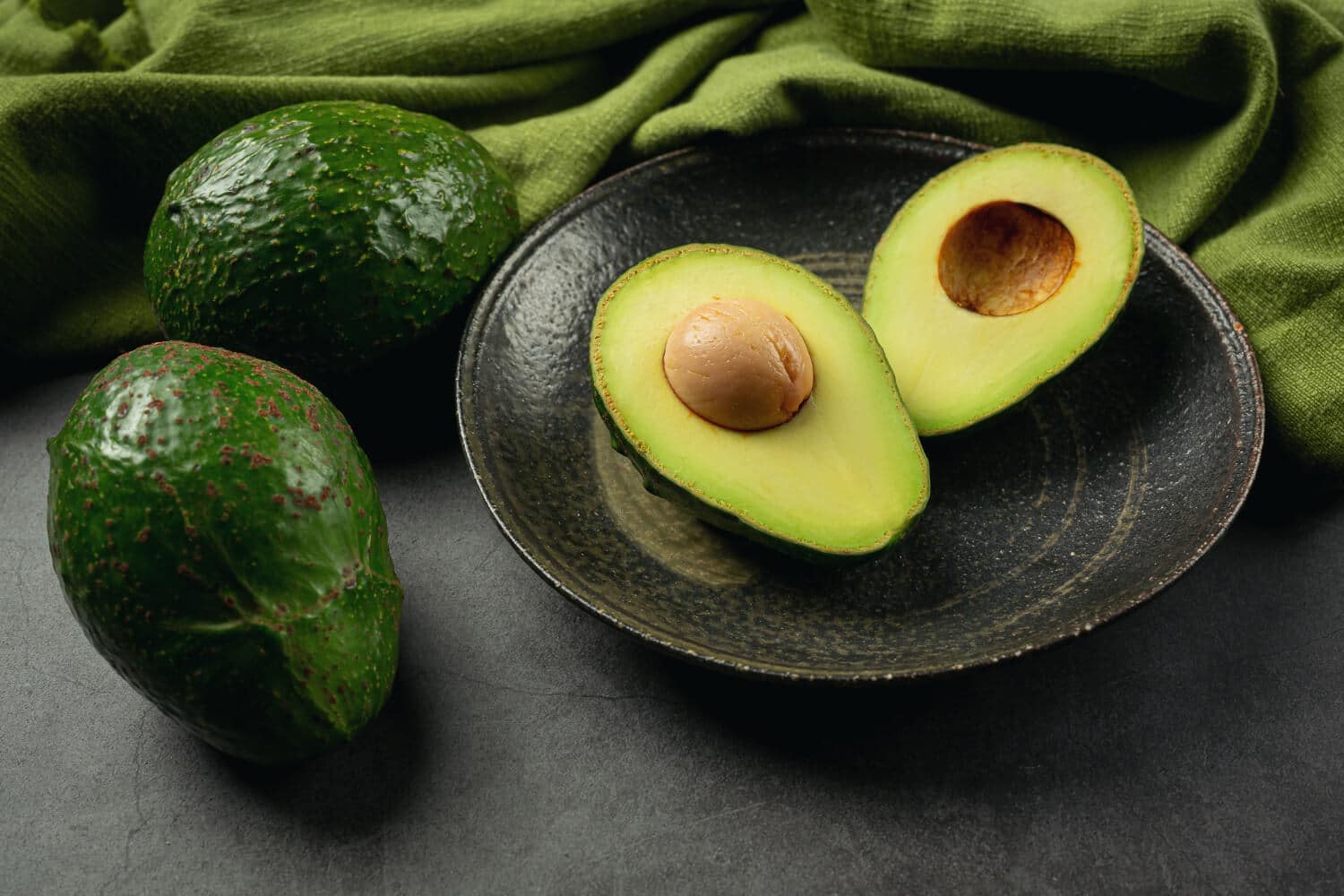
Avocados freshly placed
A 2022 study linked eating at least 2 servings of avocado each week to a 13% reduced risk of cardiovascular disease and a 29% reduced risk of coronary heart disease.
- Monounsaturated fats: Increase good cholesterol (HDL)
- Potassium: Helps regulate blood pressure
- Nutrient-dense: Supports overall heart health
8. Olive Oil
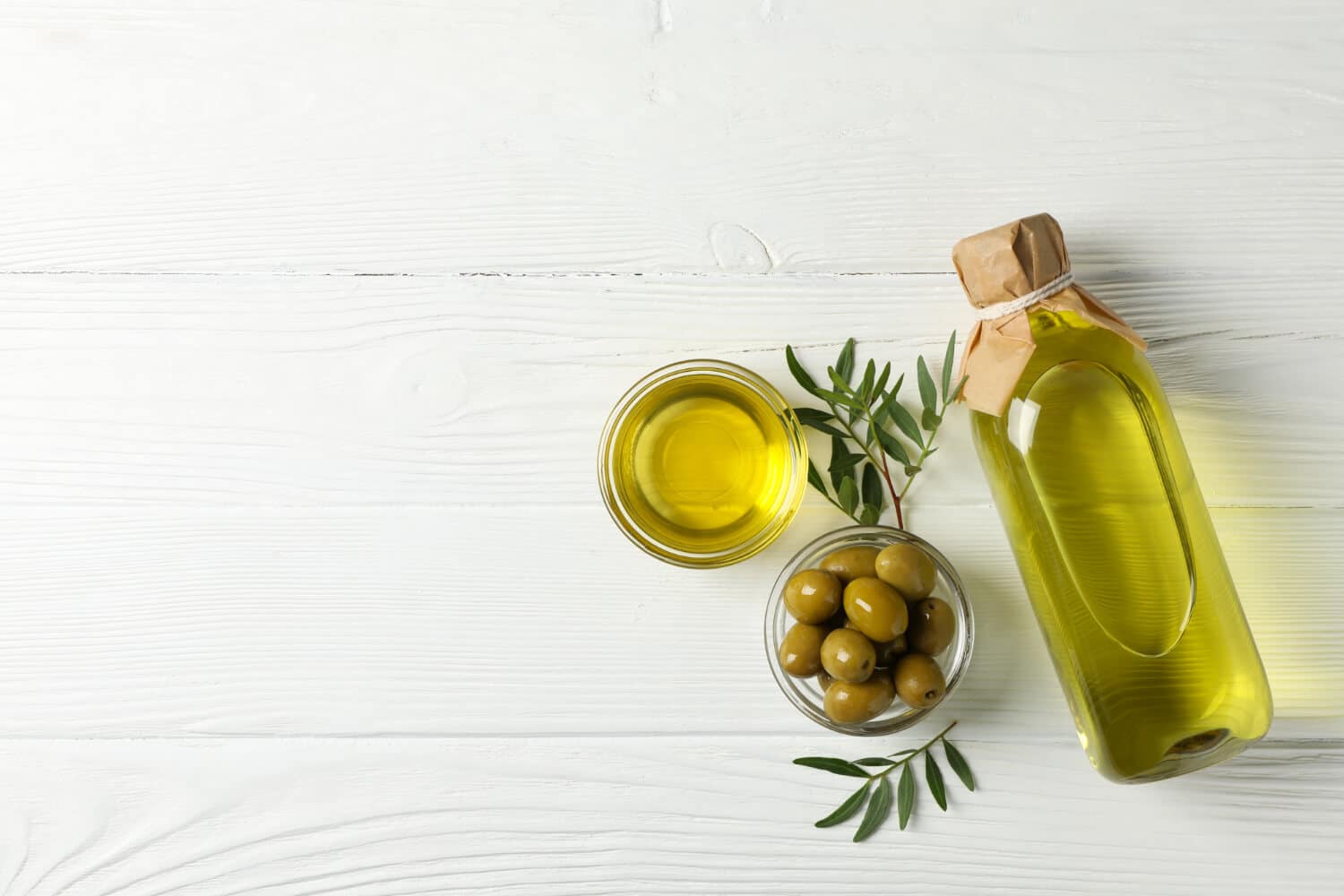
Olive oil over white table with raw olives
Extra virgin olive oil (EVOO) supports heart health with monounsaturated fats like oleic acid that lower LDL while maintaining or boosting HDL cholesterol. The landmark PREDIMED study in the New England Journal of Medicine found that a Mediterranean diet with EVOO reduced major cardiovascular events by 30%.
- Healthy fats: Reduce LDL cholesterol
- Antioxidants: Protect blood vessels
- Anti-inflammatory: Supports cardiovascular health
9. Legumes (Beans, Lentils)
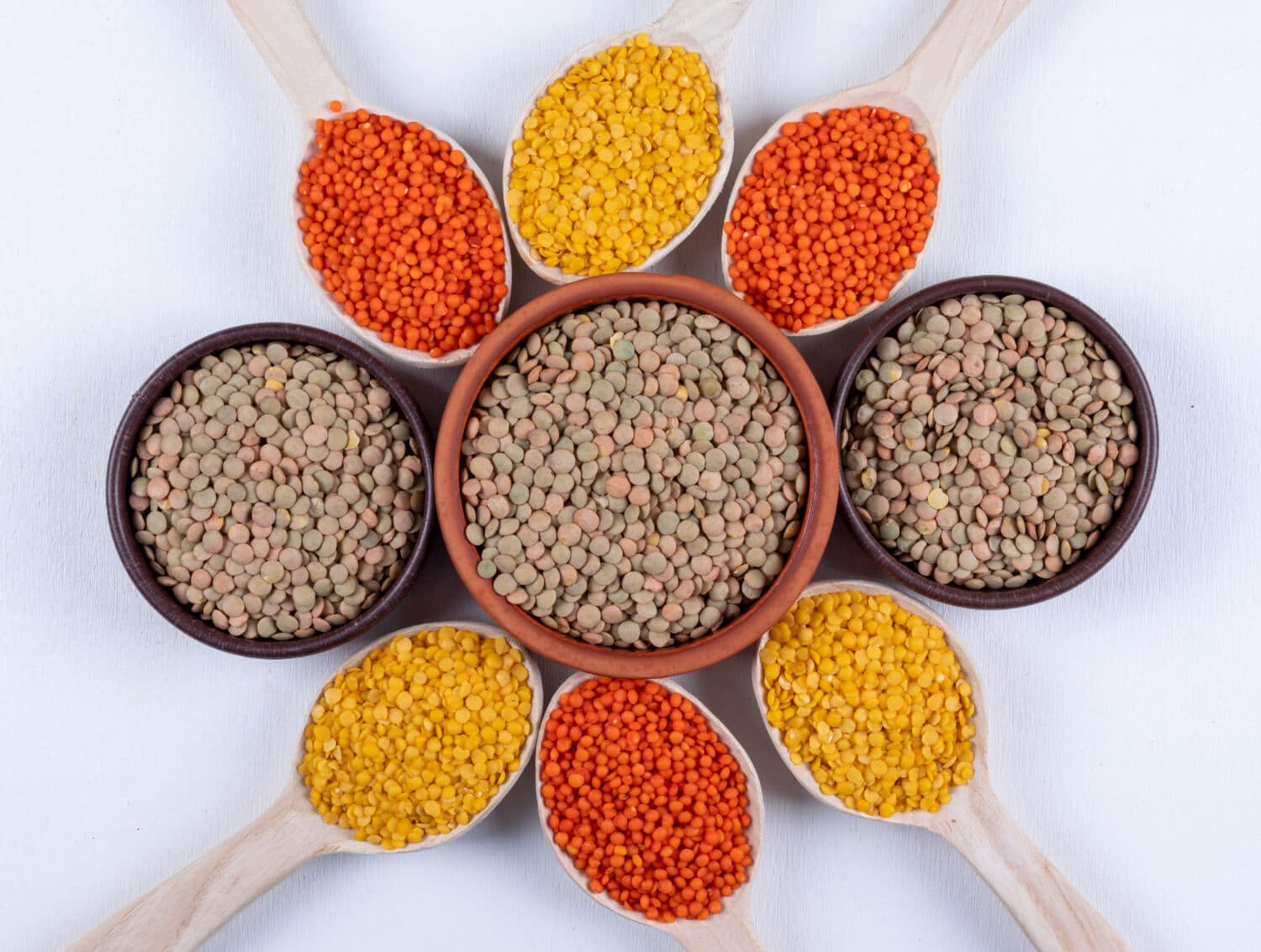
Lentils in various variety
Legumes like lentils, chickpeas, and beans are a major win for your heart, primarily because they are naturally free of cholesterol and saturated fats. Research highlights that legumes are high in soluble fibre, which acts like a sponge in the digestive tract, soaking up cholesterol before it can enter your bloodstream.
- High fibre: Lowers cholesterol levels
- Plant protein: Supports a balanced diet
- Helps control blood sugar: Reduces heart strain
10. Tomatoes
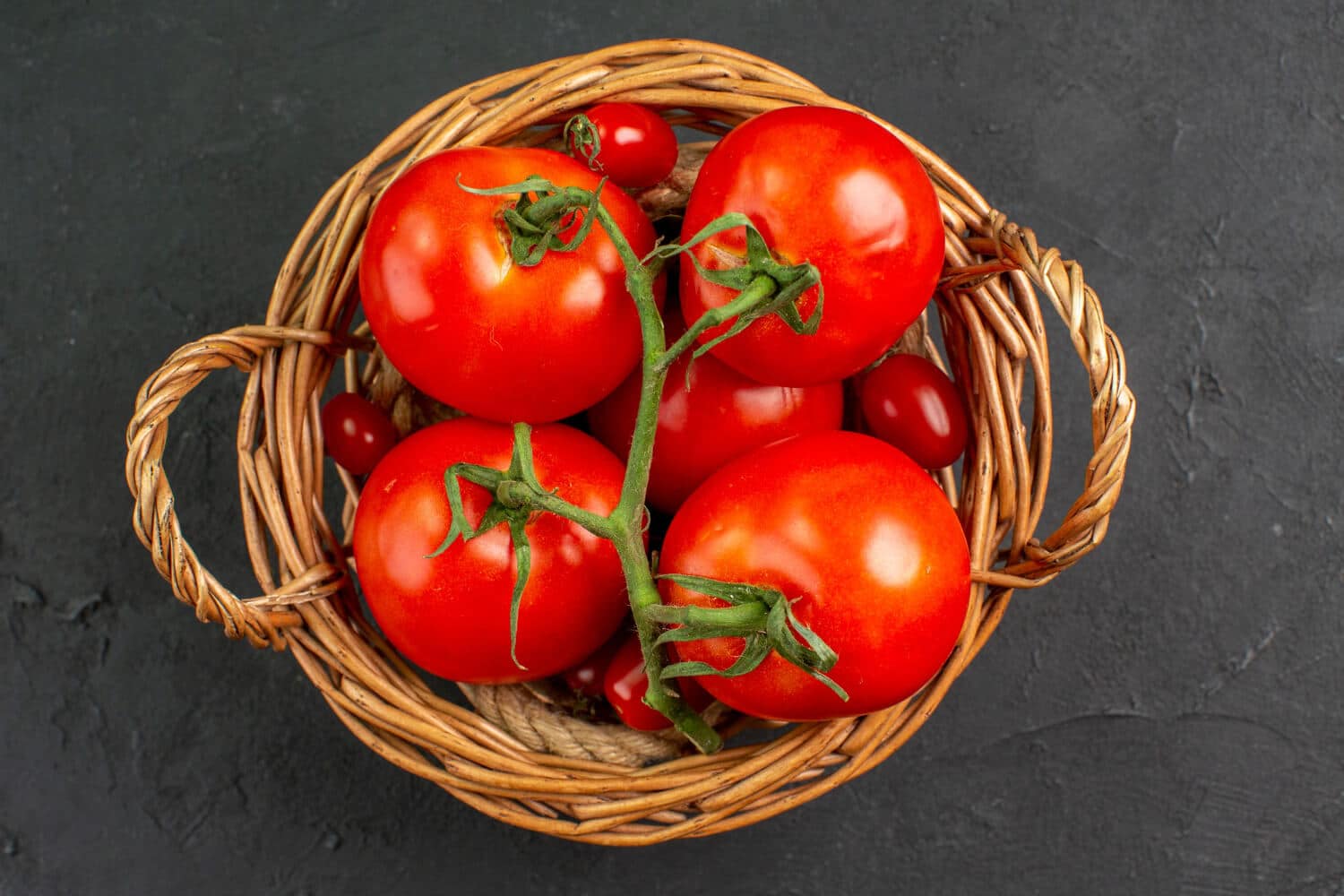
Tomatoes on a wooden style bowl
Tomatoes are rich in lycopene, a powerful antioxidant that becomes more bioavailable when cooked and supports heart health. Research shows that higher lycopene levels are associated with a 26% lower stroke risk and 14% lower heart disease risk. It also helps regulate cholesterol production by targeting the same pathway as statins.
- Lycopene: Protects blood vessels
- Reduces oxidative stress: Supports heart function
- Supports cholesterol balance: Improves heart health
11. Garlic
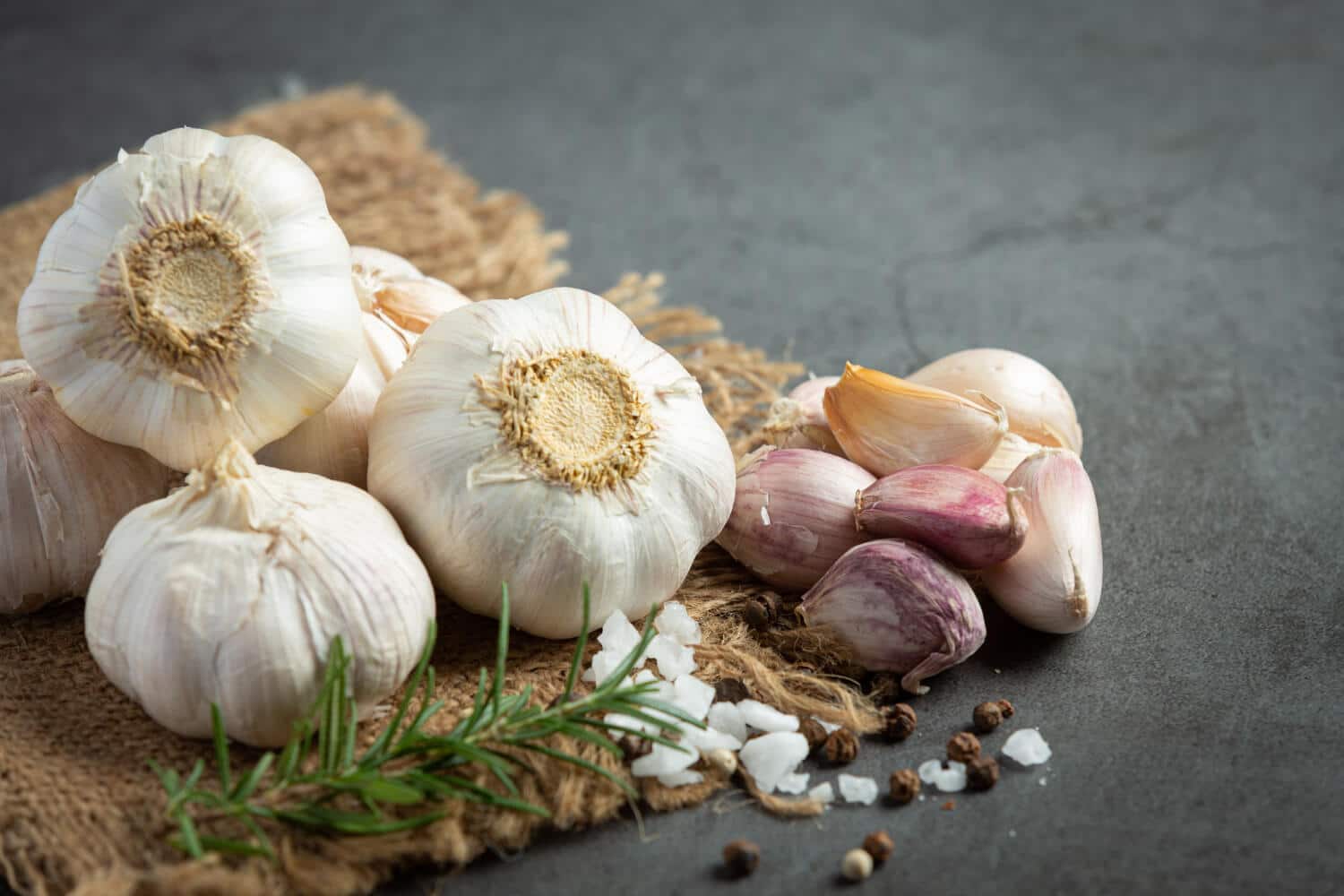
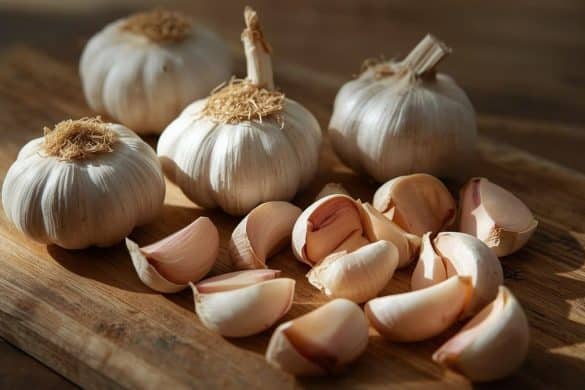
Whole and peeled garlics
Garlic supports heart health due to allicin, a compound released when crushed that helps relax blood vessels and improve blood flow. A meta-analysis in The Journal of Nutrition found that it can lower blood pressure by 7-9 mmHg systolic and 4-6 mmHg diastolic. Its effects are comparable to some medications, with a strong safety profile.
- Supports blood pressure: Helps reduce hypertension
- Improves cholesterol: Lowers LDL levels
- Anti-inflammatory: Protects arteries
12. Green Tea

Green tea in two glasses
Green tea is rich in catechins like EGCG, which support heart health by improving blood vessel function and helping regulate blood pressure. National Institutes of Health (NIH) data found that drinking three cups daily is linked to a 27% lower heart disease risk and 18% lower stroke risk. These antioxidants also reduce inflammation and prevent oxidation of LDL cholesterol, thereby lowering plaque buildup.
- Catechins: Protect blood vessels
- Supports metabolism: Linked to heart health
- Reduces inflammation: Improves overall function
13. Apples
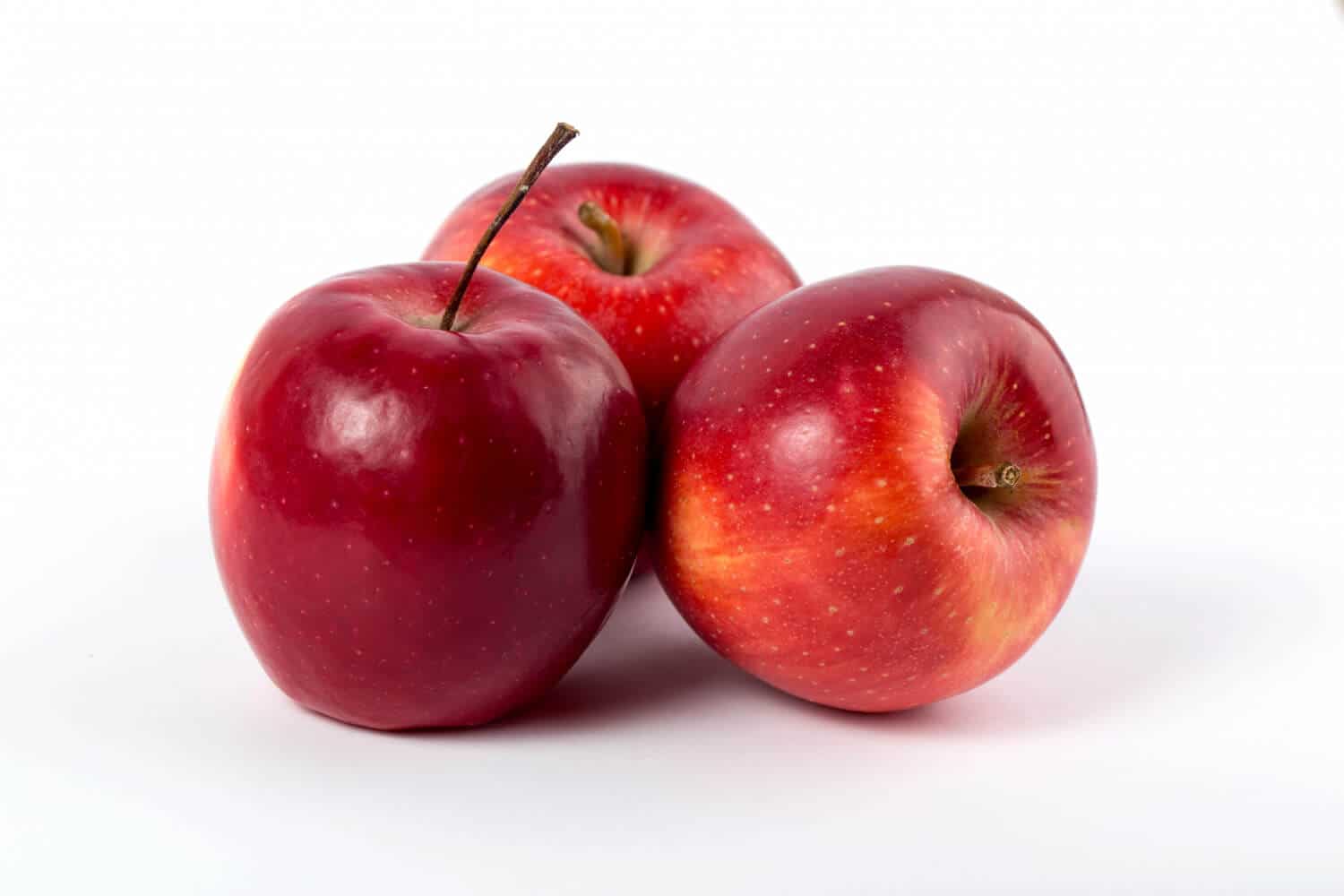
Apples placed in simple background
Apples support heart health with soluble fiber like pectin and flavonoids such as quercetin that help remove cholesterol from the body. A study in the American Journal of Clinical Nutrition found that eating two apples daily can lower LDL cholesterol by up to 10% within eight weeks. Apple skin polyphenols also help improve blood vessel function and reduce arterial stiffness.
- Soluble fibre: Helps control cholesterol
- Polyphenols: Reduce inflammation
- Supports gut health: Benefits the heart indirectly
14. Bananas
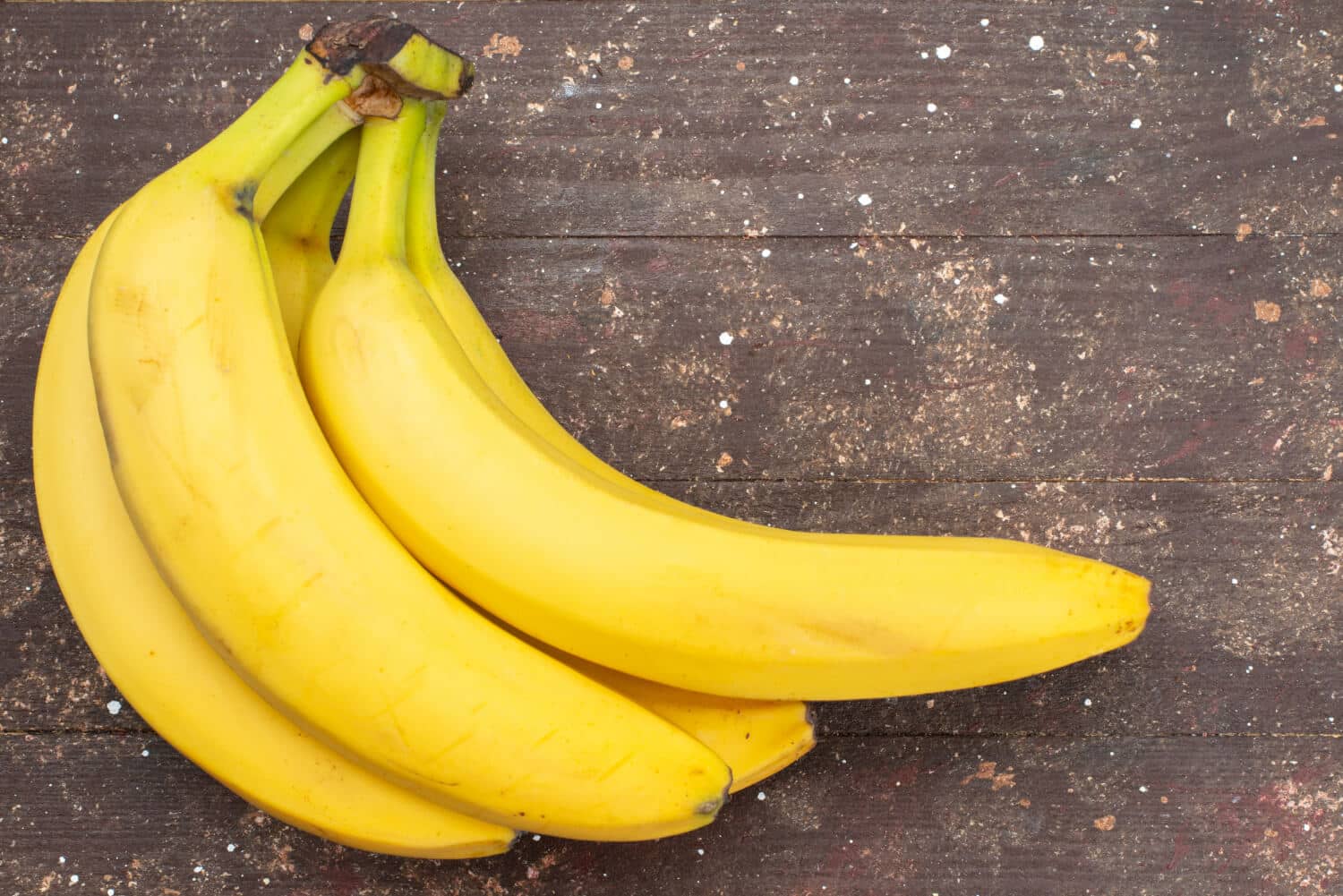
Fresh bananas in table
Bananas are rich in potassium, an essential mineral that helps balance sodium levels and reduce blood pressure, as highlighted by the American Heart Association (AHA). Data from The BMJ shows that higher potassium intake is linked to a 24% lower stroke risk. One medium banana provides about 422 mg of potassium, supporting healthy heart rhythm and function.
- Potassium: Regulates blood pressure
- Supports heart rhythm: Essential mineral
- Helps balance sodium: Reduces strain on the heart
15. Sweet Potatoes
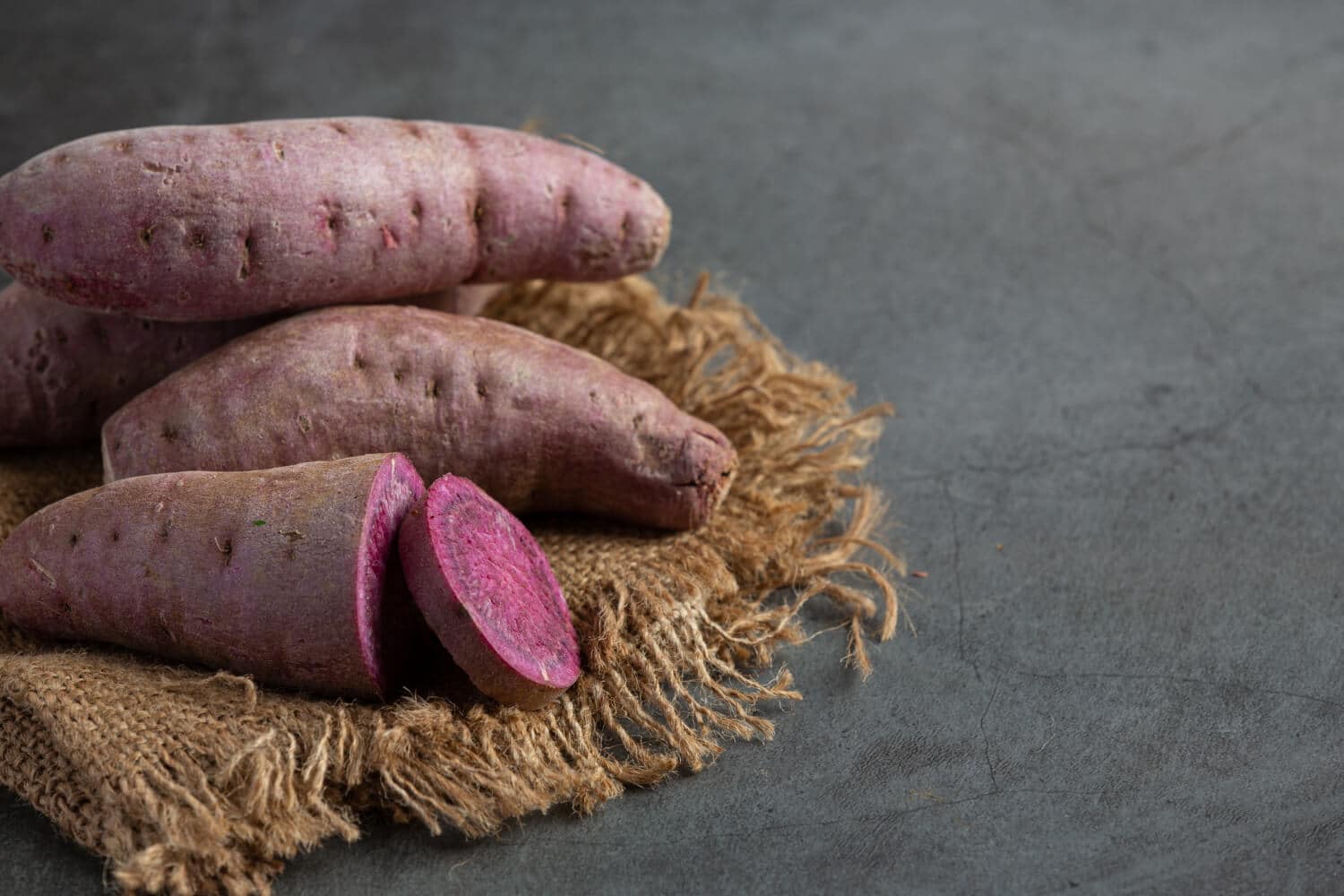
Peeled sweet potatoes
Sweet potatoes support heart health as a nutrient-dense, low-glycemic alternative to refined carbs, helping reduce inflammation and stabilize blood sugar. NIH data shows one medium sweet potato provides over 400% of daily Vitamin A, aiding in preventing LDL cholesterol oxidation. Research in the Journal of Medicinal Food also highlights compounds that improve blood flow and reduce arterial stiffness.
- Fibre content: Helps manage cholesterol
- Potassium: Supports blood pressure control
- Antioxidants: Reduce inflammation
16. Yoghurt (Low-Fat, Unsweetened)

Yoghurt nicely dressed with berries
Low-fat yoghurt supports heart health through probiotics that improve gut health and help reduce inflammation and harmful compounds like TMAO. A study found that consuming more than two servings weekly is linked to a 17-21% lower cardiovascular risk. Its potassium and calcium content further help regulate blood pressure and maintain heart rhythm.
- Probiotics: Support gut-heart connection
- Calcium: Helps regulate blood pressure
- Protein: Supports balanced nutrition
17. Soy Products (Tofu, Soybeans)
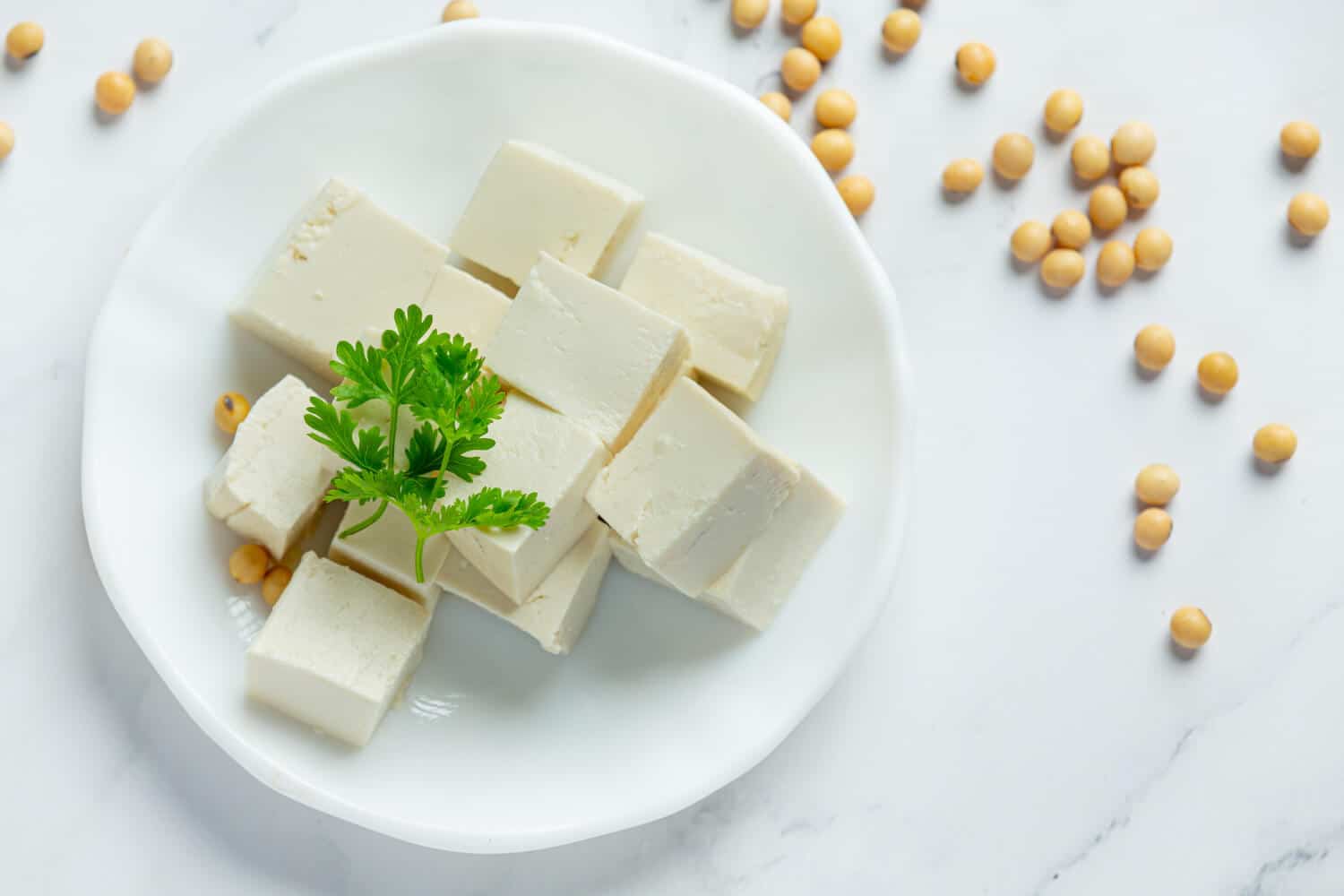
Tofu chunks dressed with beans
Soy-based foods like tofu, tempeh, and edamame support heart health, with the FDA noting that 25 grams of soy protein daily may reduce heart disease risk. This works partly by replacing high-saturated-fat foods, lowering overall fat intake. Soy is also rich in isoflavones, which research links to improved arterial function and reduced inflammation.
- Plant protein: Heart-friendly alternative
- Helps lower LDL: Improves cholesterol profile
- Nutrient-rich: Supports overall health
18. Citrus Fruits
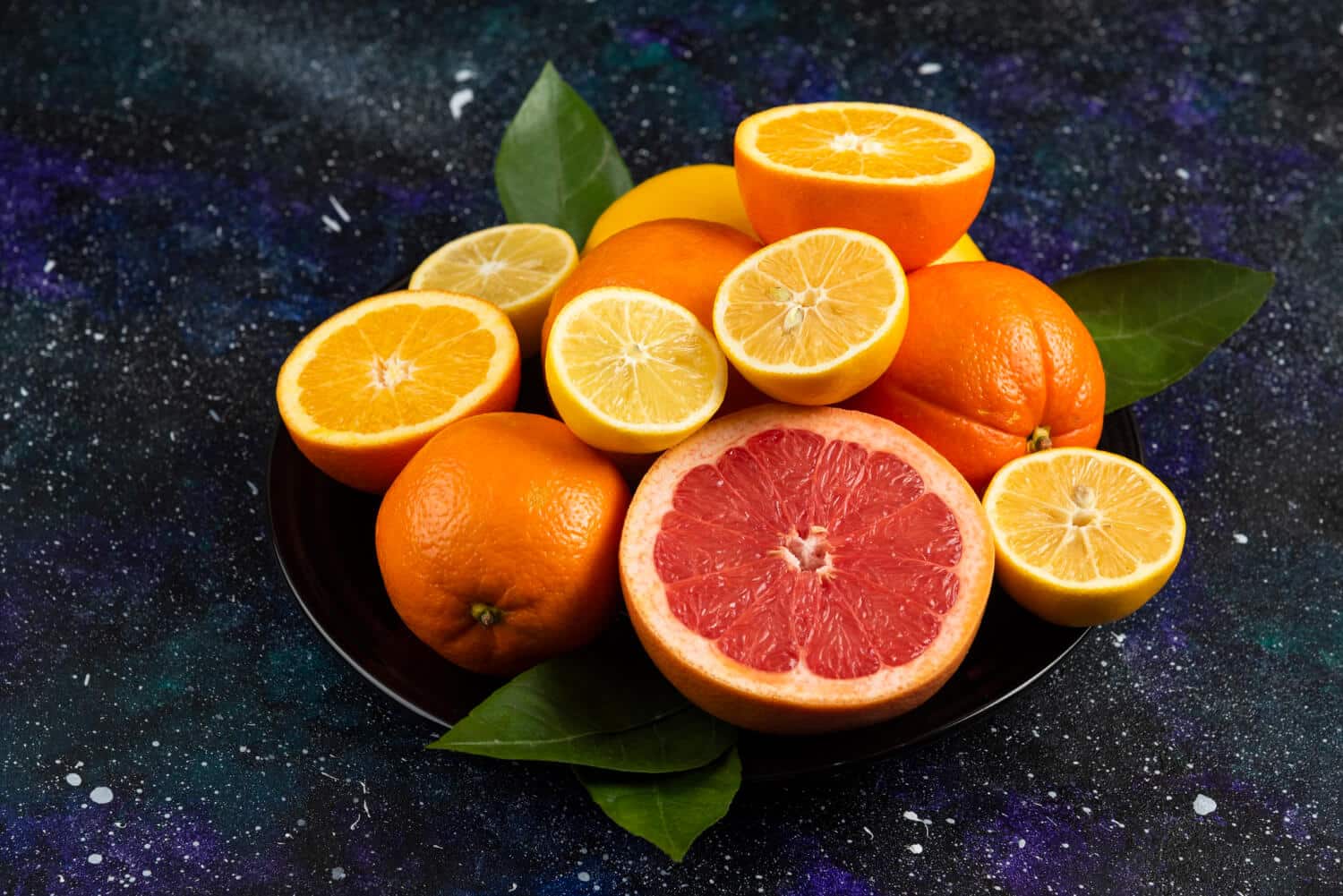
Varierty of citrus cut and dressed together
Citrus fruits are rich in flavonoids like hesperidin and naringenin that improve blood vessel function and support healthy circulation. A study in The Journal of Nutrition, backed by National Institutes of Health (NIH) data, links regular intake to a 10% lower cardiovascular risk. Their high vitamin C content also reduces oxidative stress and strengthens artery walls, as noted by the American Heart Association (AHA).
- Vitamin C: Strengthens blood vessels
- Antioxidants: Reduce oxidative stress
- Supports circulation: Improves heart function
19. Dark Chocolate (70%+)
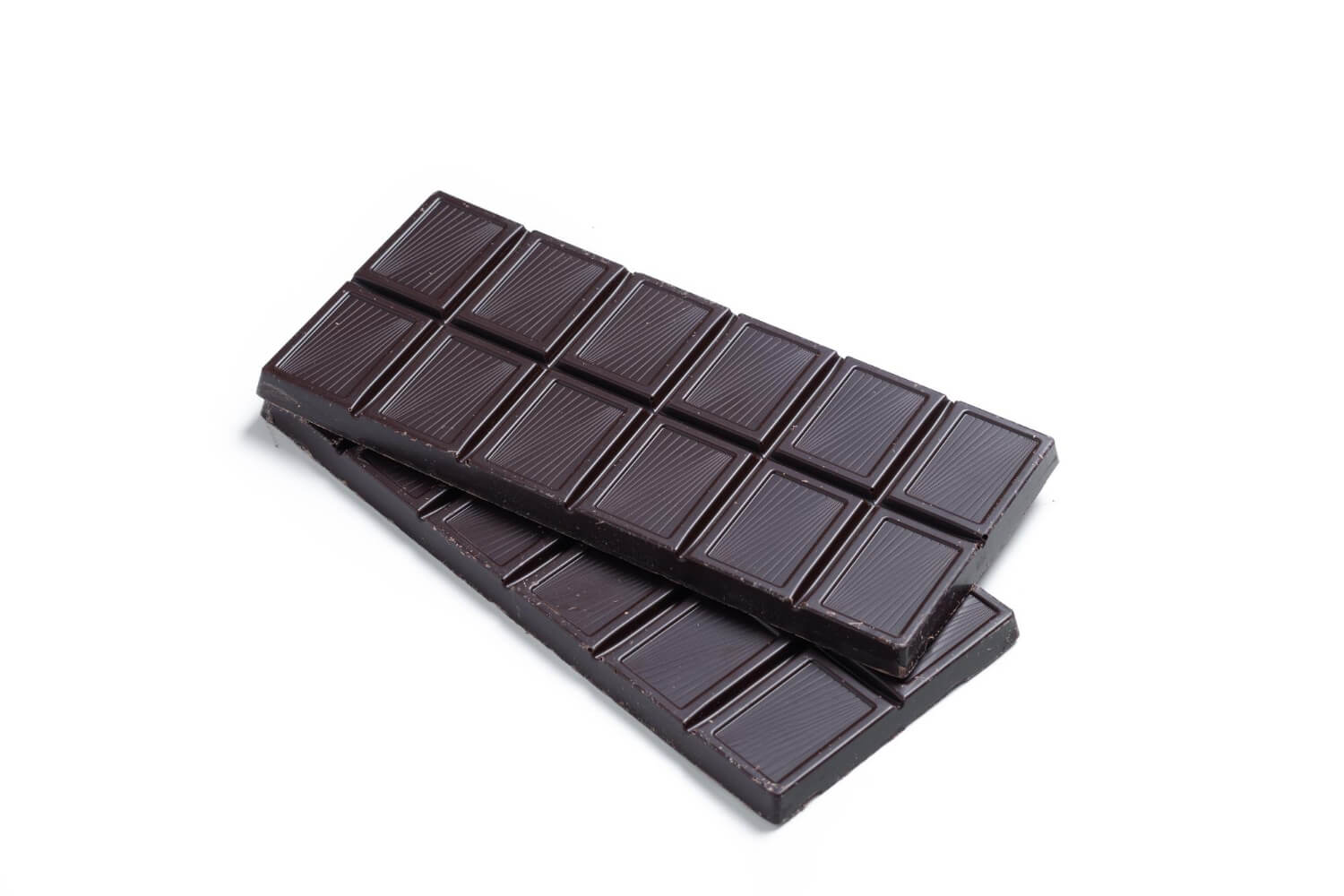
Dark chocolate bars placed on a plain background
Dark chocolate (70%+ cocoa) is rich in flavanols like epicatechin that improve blood flow by boosting nitric oxide and helping arteries relax. Research in The BMJ, shows it can modestly lower blood pressure by 2-3 mmHg. Its antioxidants also prevent LDL oxidation, reducing the risk of arterial plaque buildup.
- Flavonoids: Improve circulation
- May lower blood pressure: Supports heart health
- Antioxidants: Protect cells
20. Quinoa
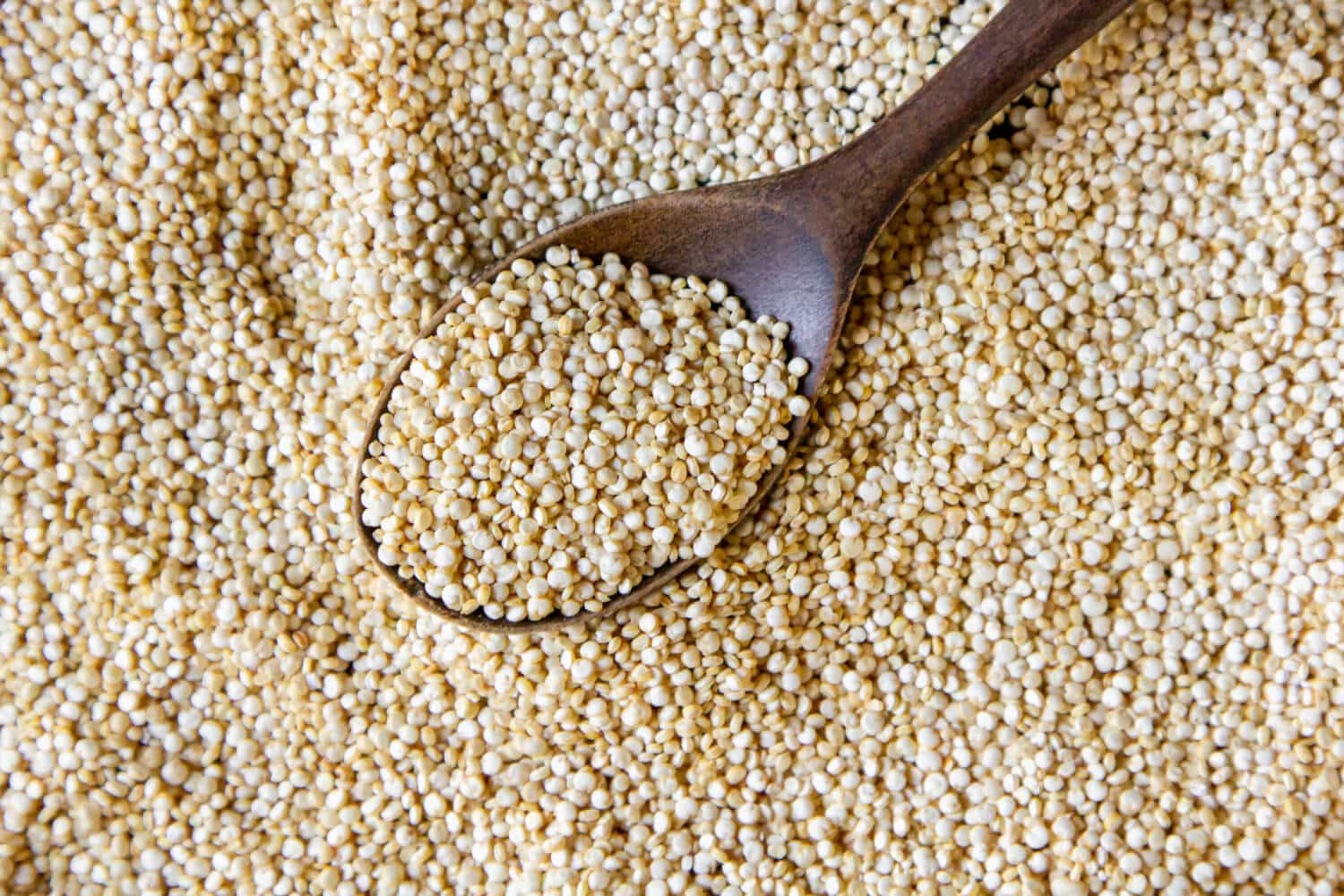
Quinoa grains with a wooden spoon
Quinoa supports heart health as a complete protein rich in fiber and ALA, a plant-based omega-3 that helps reduce inflammation and improve cholesterol levels. Data from the National Institutes of Health (NIH) shows that about 50 grams daily can lower total and LDL cholesterol within six weeks. Its fiber helps remove cholesterol by binding to bile acids and promoting excretion.
- High fibre: Helps reduce cholesterol
- Plant protein: Supports balanced diet
- Nutrient-rich: Promotes overall health
Together, these foods create a balanced and practical approach to heart health, easy to include, effective over time, and powerful when combined into your everyday meals.
Which Foods Should You Avoid to Reduce Heart Disease Risk?
When it comes to heart health, what you limit is just as important as what you include. Certain everyday foods can quietly increase cholesterol, raise blood pressure, and strain your cardiovascular system over time, especially when consumed regularly.
- Processed and Fried Foods: Processed and fried foods like fast food, packaged snacks, and deep-fried items are often high in unhealthy fats and additives. Regular intake can raise LDL (bad cholesterol) and contribute to plaque buildup in arteries, increasing heart disease risk.
- Sugary Beverages and Added Sugars: Drinks like sodas, packaged juices, and energy drinks contain high amounts of added sugar with little nutritional value. Over time, they can lead to weight gain, increased triglycerides, and insulin resistance, all linked to poor heart health.
- Excess Salt (High-Sodium Foods): Many packaged and processed foods contain hidden sodium, making it easy to exceed daily limits. High salt intake raises blood pressure, forcing the heart to work harder and increasing the risk of long-term cardiovascular issues.
- Red and Processed Meats: Foods like bacon, sausages, and deli meats are high in saturated fats and preservatives. Frequent consumption can elevate cholesterol levels and promote inflammation, both of which are key contributors to heart disease.
- Refined Carbohydrates and Ultra-Processed Snacks: White bread, pastries, and packaged snacks lack fibre and essential nutrients. They can cause rapid blood sugar spikes and crashes, leading to overeating and long-term dietary habits that negatively impact heart health.
The goal isn’t a strict restriction, but smarter choices, reducing these foods while replacing them with healthier alternatives can make a meaningful difference in protecting your heart over time.
Conclusion
Improving heart health starts with simple, consistent food choices rather than drastic dietary changes. By including more fruits, vegetables, whole grains, and healthy fats while reducing processed and high-sodium foods, you can support your heart effectively over time.
The key is balance and sustainability, focus on building meals that are both nutritious and practical for everyday life. With gradual adjustments and mindful eating habits, you can create a long-term approach that strengthens your heart’s overall well-being.
Frequently Asked Questions
What snacks are good for heart health?
Heart-healthy snacks include sweet potatoes, black beans, and plant protein options using soy products or dairy products in Moderation. Using healthy oils like sunflower oil instead of palm oil helps lower blood cholesterol, reduce high cholesterol, and lower the risk of cardiovascular disease.
Is there a heart-healthy shopping list I can follow?
A heart-healthy eating plan includes oily fish, lean meats such as skinless chicken, and leafy greens such as bok choy, collard greens, and Swiss chard. Check food labels for added salt, serving size, and avoid partially hydrogenated fats to manage high blood pressure.
What foods do cardiologists eat for a healthy heart?
Experts from Harvard Medical School and the American Heart Association recommend a balanced diet rich in unsaturated and polyunsaturated fats, and in protein sources like fish and legumes, to lower total cholesterol, prevent coronary artery disease, and reduce heart failure risk.
How do daily habits impact heart health alongside diet?
Along with a healthy eating plan, maintaining physical activity and a healthy body weight is essential. These habits reduce atrial fibrillation, improve cardiovascular disease outcomes, and lower coronary heart disease risk across populations in the United States and globally.
Which fats should you avoid for better heart health?
Avoid partially hydrogenated fats and limit palm oil, as they raise blood cholesterol and increase the risk of cardiovascular disease. Instead, choose vegetable oils and other healthy oils, which offer proven health benefits and support better long-term heart function.
Can you give me easy recipes featuring heart-healthy foods?
Yes, you can easily prepare heart-healthy recipes using simple ingredients like vegetables, whole grains, and healthy fats. Meals such as oatmeal bowls, grilled fish, salads, and lentil soups are quick, nutritious, and support long-term cardiovascular health without complicated cooking.