
Table of Contents
Key Highlights
- Microwave cooking is a fast and convenient method suitable for modern kitchens.
- It works by heating food using electromagnetic waves.
- Understanding the principle of microwave cooking helps improve results.
- It is generally safe when used correctly and following basic precautions.
- Microwave cooking offers time-saving advantages but also has limitations.
- Simple techniques can help you cook efficiently and evenly using a microwave.
Microwave cooking has become an essential part of modern kitchens, especially for those looking for quick and convenient meal preparation. Whether it’s reheating leftovers or preparing simple dishes, microwaves offer speed and ease that traditional methods often cannot match.
However, many people still have concerns about how microwave cooking works, whether it is safe, and if it affects the nutritional value of food. Questions like “Is microwave cooking harmful?” or “Is microwave cooking good or bad?” are quite common.
This guide answers all these questions. From understanding the principles of microwave cooking to its advantages, safety considerations, and practical tips for use, you’ll learn how to use this method effectively in your daily routine.
What Is the Principle of Microwave Cooking and How Does It Work?
Microwave cooking works by using energy waves that quickly heat food by interacting with the moisture inside it. This allows food to cook faster compared to traditional methods, without the need for preheating.
Here’s what happens during the process:
- Heats food quickly: Energy waves warm the food in a short time
- Uses internal moisture: Heat is generated from within due to water content
- No preheating required: Cooking starts instantly
- Saves time and energy: Faster cooking makes it efficient for daily use
This simple, efficient heating process is what makes microwaves a convenient option for quick, everyday cooking.
Is Microwave Cooking Harmful for Health?
Microwave cooking is generally safe for everyday use, and most concerns arise from improper usage rather than actual risks. Its quick cooking process can even help retain nutrients better, particularly vitamin C, compared to some traditional methods.
- No harmful radiation in food: Uses non-ionising energy that doesn’t make food unsafe
- Retains nutrients well: Shorter cooking time helps preserve essential vitamins
- Safe appliance design: Built to prevent energy leakage during normal use
- Container matters: Avoid non-microwave-safe plastics that may release chemicals
- Watch for uneven heating: Stir or rotate food to prevent cold spots
- Avoid overheating: Especially with liquids or dense foods
In simple terms, microwave cooking isn’t harmful; it’s how you use it that makes the difference.
What Are the Microwave Cooking Advantages and Disadvantages?
Microwave cooking can be incredibly convenient, but like any method, it comes with both strengths and limitations. Understanding these clearly helps you use them more effectively in everyday cooking, especially if you have a high-wattage oven, making smarter choices based on what you’re preparing and how you want it to turn out.
| Aspect | Advantages | Disadvantages |
| Time & Efficiency | Cooks and reheats food much faster than traditional methods | May not suit recipes that require slow or layered cooking |
| Ease of Use | Simple controls make it beginner-friendly and hassle-free | Limited control over texture and cooking precision |
| Nutrient Retention | Shorter cooking time helps preserve vitamins and minerals | Uneven heating can affect nutrient consistency in some cases |
| Cooking Results | Great for reheating, steaming, and quick meals | Does not brown or crisp food like ovens or stovetops |
| Versatility | Useful for a wide range of basic cooking food | Not ideal for baking, grilling, or complex recipes |
| Energy Consumption | Uses less energy compared to conventional ovens | Less efficient for large or bulk cooking |
Understanding these trade-offs helps you use microwave cooking where it performs best, while relying on other methods when texture, flavour depth, or precision matters more.
How Can You Use the Microwave Cooking Method Effectively?
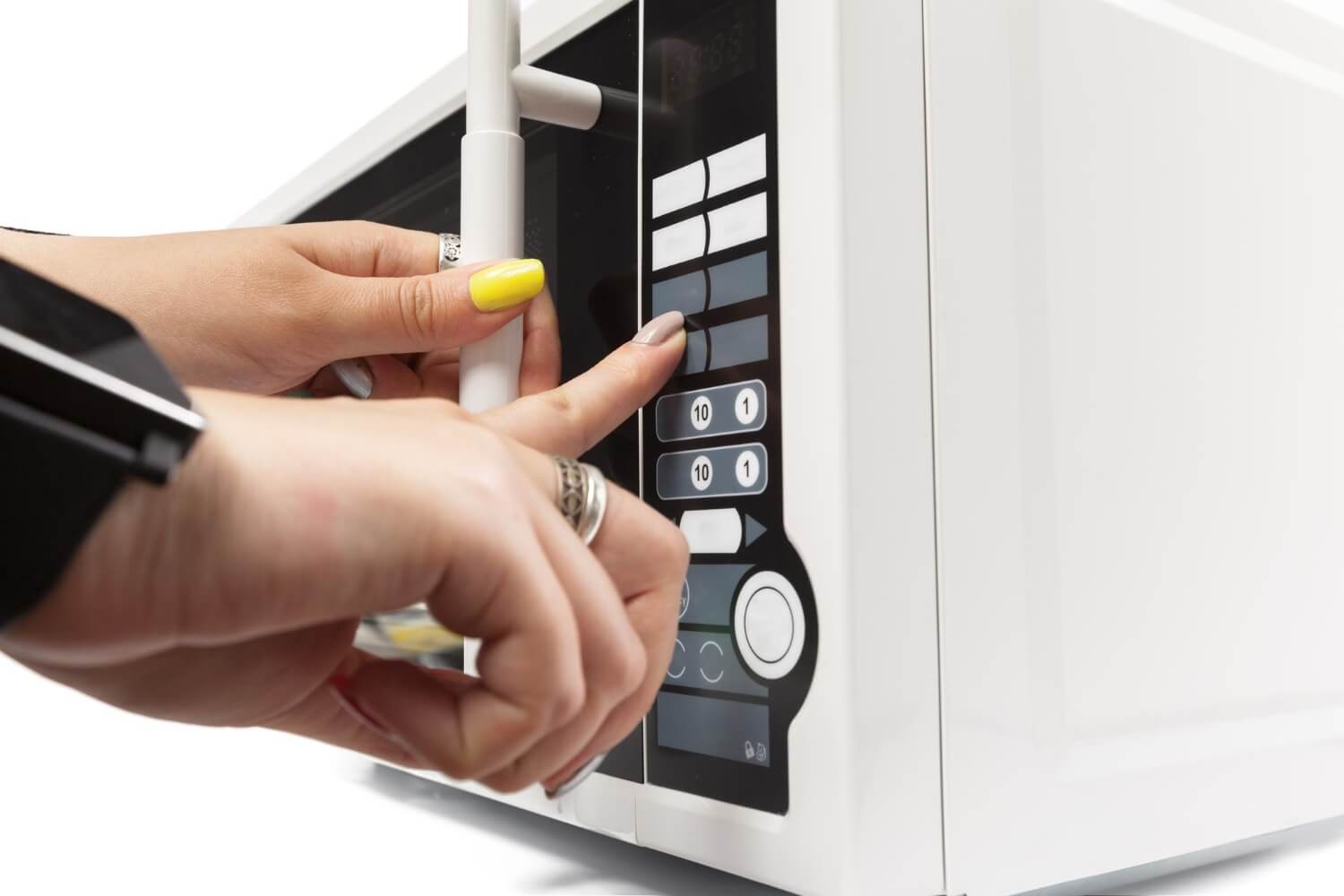
A woman using microwave
Using a microwave effectively is less about speed and more about how you handle different foods. With the right approach, you can avoid uneven heating and get much better results in everyday cooking.
- Cook Rice Evenly in a Microwave: Use medium power and add enough water to ensure the rice cooks evenly without drying out. Stir once in between to avoid uneven texture.
- Reheat Curries Without Drying Them Out: Cover the dish and heat in intervals, stirring occasionally. This keeps the curry moist and ensures even heating throughout, benefiting from the conduction of heat.
- Reheat Curries Without Drying Them Out: Cover the dish and heat in intervals, stirring occasionally. This keeps the curry moist and ensures even heating throughout.
- Prepare Quick Egg Dishes: Use short bursts of heating on high power and stir in between to prevent overcooking. This works well for scrambled eggs or simple egg-based recipes.
- Heat Leftovers Without Uneven Spots: Spread food evenly on the plate and avoid piling it up in the centre. Stir or rotate midway for consistent heating.
When used this way, a microwave becomes more than just a reheating tool; it becomes a simple, efficient way to cook everyday meals properly.
What Can You Cook Using a Microwave?
A microwave isn’t just for reheating; it can help you prepare a surprising variety of dishes, from quick snacks to full meals and even desserts. With the right approach, you can cook everyday recipes easily while saving time and effort.
1. Chocolate Peda
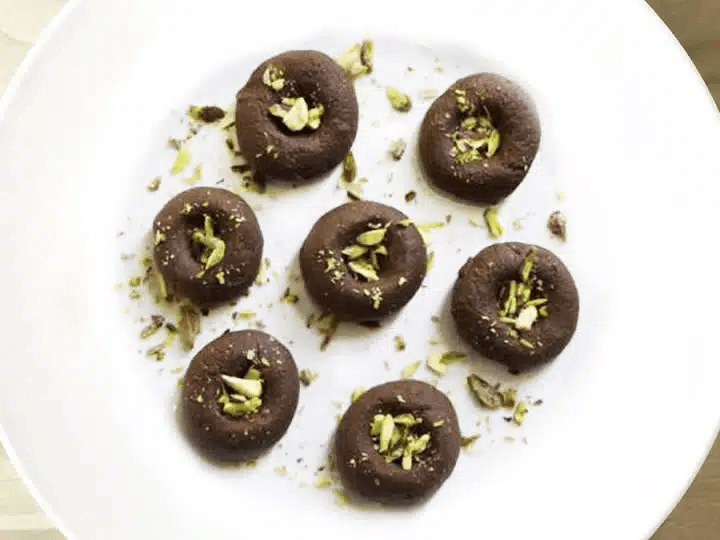
Chocolate Peda
Chocolate peda is one of the easiest desserts you can prepare in a microwave without compromising on flavour. By gently heating a mixture of milk powder, cocoa, and sugar, you can achieve a rich, fudgy texture in minutes. The microwave helps control consistency, making it ideal even for beginners. This quick sweet is perfect for festive occasions, sudden dessert cravings, or when you need a homemade treat without spending too much time in the kitchen.
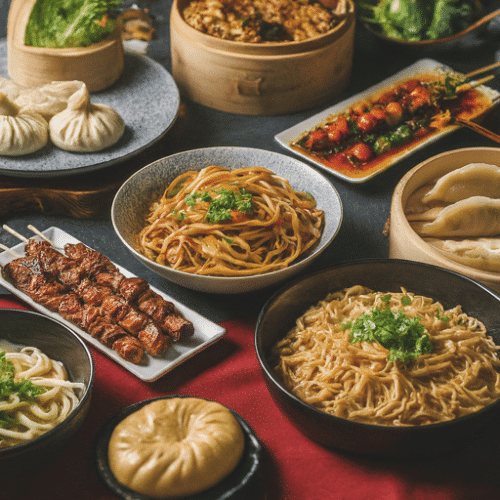
2. Thai Noodle Salad
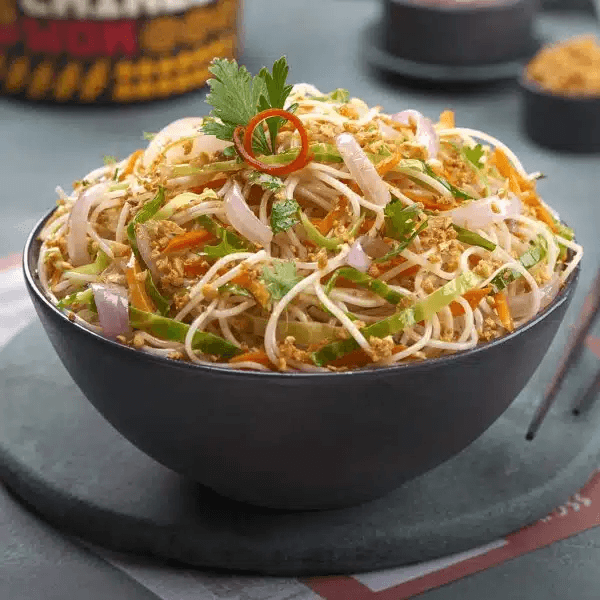
Thai Noodle Salad
Thai noodle salad adapts well to microwave cooking, especially when you need to prepare ingredients quickly. The microwave can be used to soften noodles and lightly steam vegetables, helping retain their crunch and nutrients. Once combined with tangy sauces and seasonings, it becomes a refreshing, balanced dish. It’s particularly useful for quick lunches or light dinners, offering a mix of textures and flavours without requiring elaborate cooking methods.
3. Crisp Chicken Sandwich
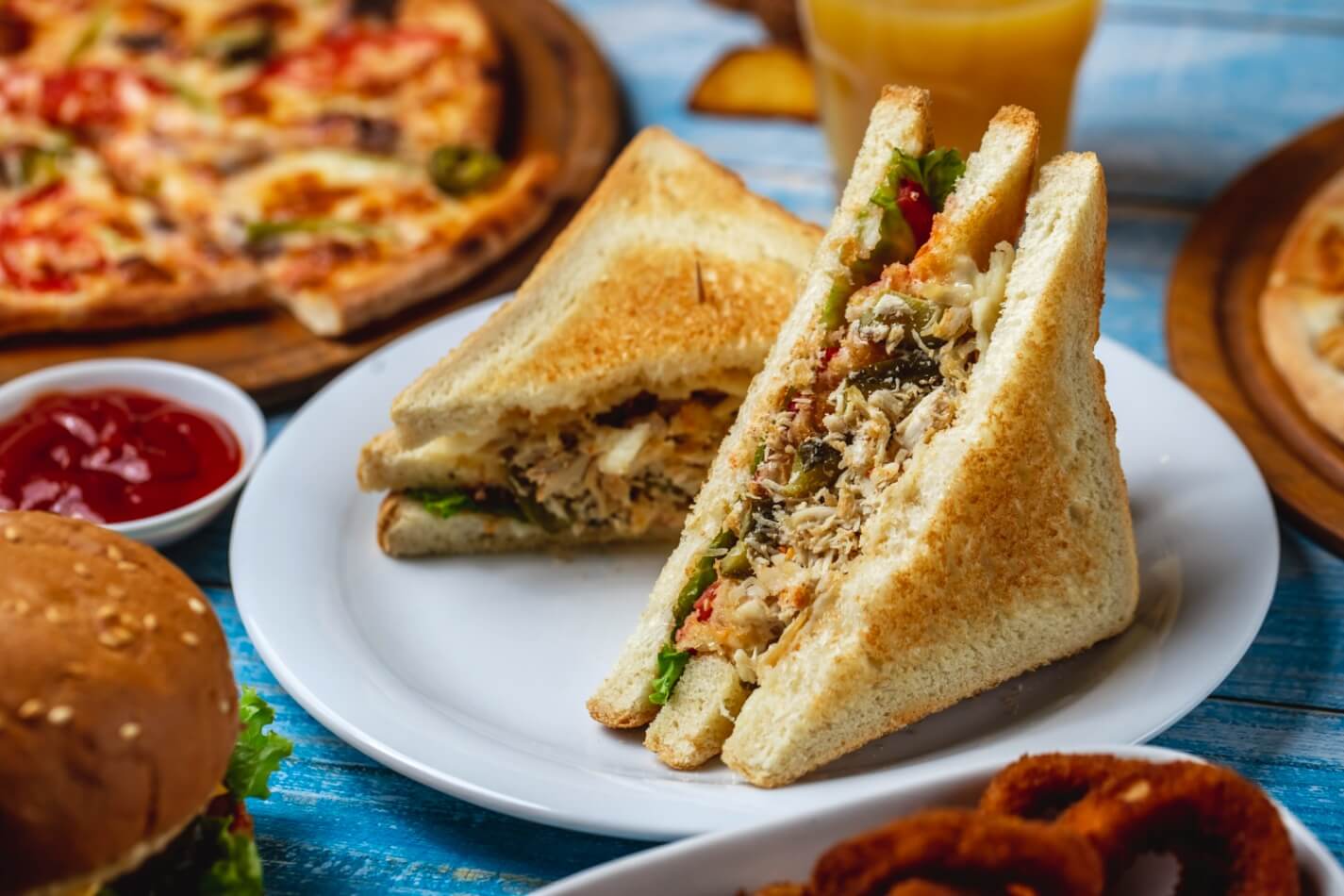
Crisp Chicken Sandwich
A crisp chicken sandwich can be put together efficiently using a microwave to cook or reheat the chicken filling. While it may not deliver the same crunch as deep frying, it still provides a warm, juicy texture that works well with bread. Adding fresh vegetables, spreads, and seasonings enhances both taste and balance. This makes it a practical option for a quick snack or light meal when you want something filling without spending much time cooking.
4. Tomato Kurma
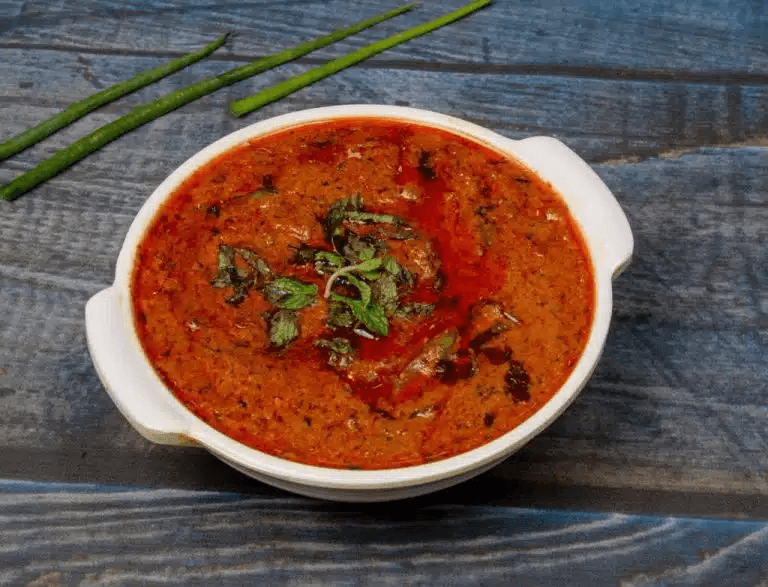
Tomato Kurma
Tomato kurma is a simple yet flavourful curry that can be conveniently prepared in a microwave. By cooking tomatoes, spices, and a light gravy base together, you can achieve a well-blended dish with minimal effort. The microwave helps soften the ingredients evenly, allowing the flavours to develop without constant supervision. It pairs well with roti, paratha, or rice, mRiceg it a reliable choice for quick weekday meals when time and effort need to be minimised.
5. Kashmiri Pulao
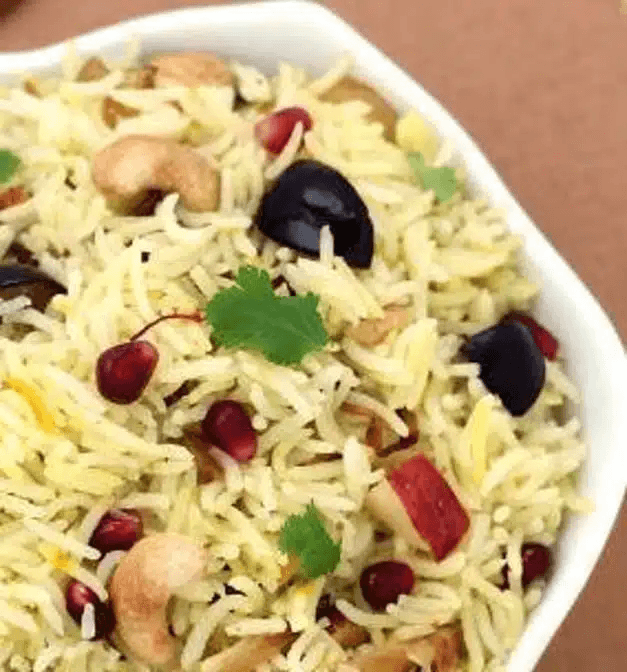
Kashmiri Pulao
Kashmiri pulao can be made efficiently in a microwave while still retaining its signature aroma and mildly sweet flavour. By cooking rice wiwith spicesdry fruits, and vegetables in a controlled setting, you can achieve consistent results without much monitoring. The microwave simplifies the process, especially for beginners or busy schedules. This dish works well for both everyday meals and special occasions when you want something slightly indulgent yet easy to prepare.
6. Sprouts Paratha
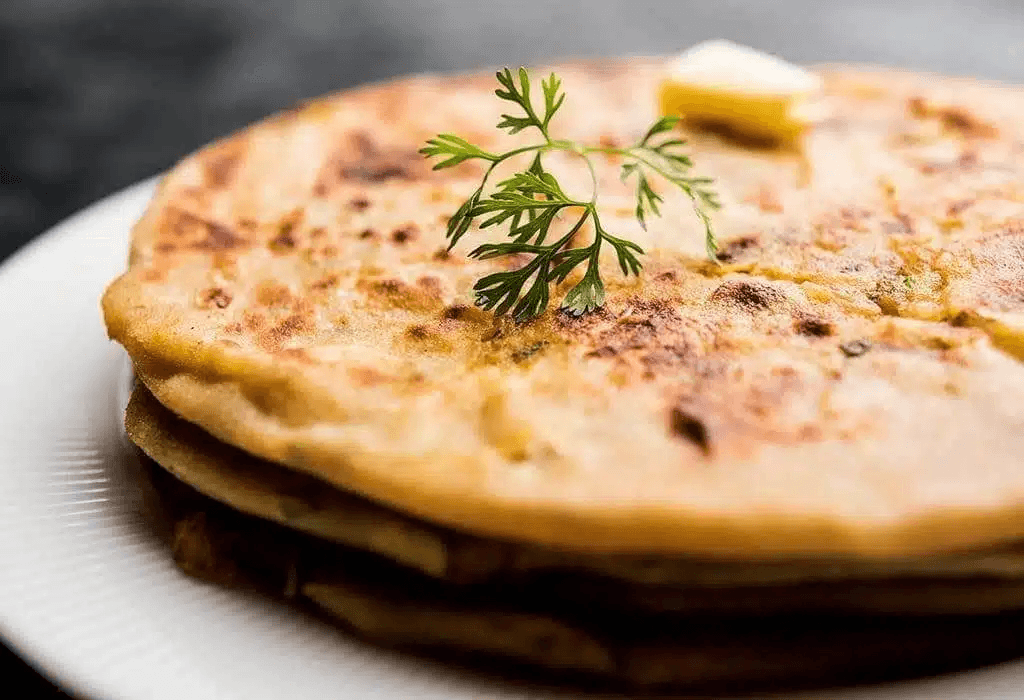
Sprouts Paratha
Sprouts paratha becomes easier to prepare when the filling is partially cooked in a microwave. This helps soften the sprouts and quickly blends them with spices, reducing overall preparation time. The microwave step ensures the filling is evenly cooked before being stuffed into the dough. Once pan-cooked, the paratha turns into a wholesome, protein-rich meal. It’s a practical way to include nutritious ingredients in your daily diet without adding complexity to the cooking process.
7. Keerai Kuzhi Paniyaram
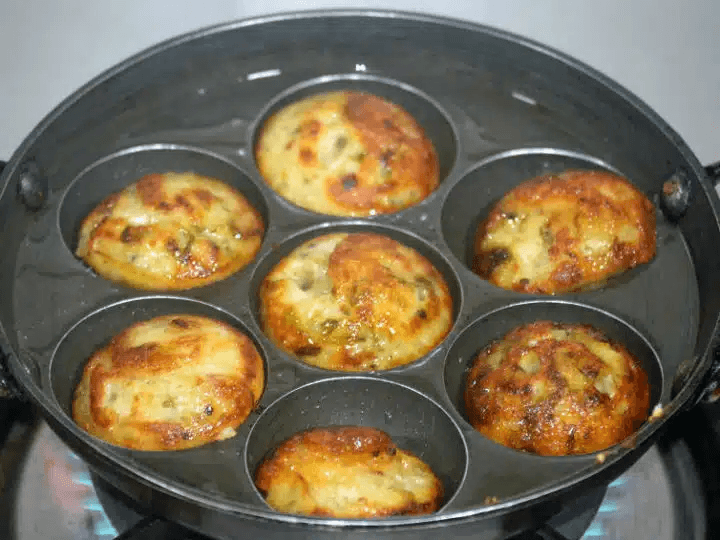
Keerai Kuzhi Paniyaram
Keerai kuzhi paniyaram can be made more convenient by using a microwave to prepare or pre-cook certain components. The greens can be softened quickly, and the batter can be brought to the right consistency with minimal effort. This reduces cooking time while preserving the dish’s nutritional value. Once finished in a pan, it results in a soft, flavourful snack or breakfast option. It’s ideal for those looking to balance taste, health, and convenience in everyday cooking.
8. Onion Kulcha
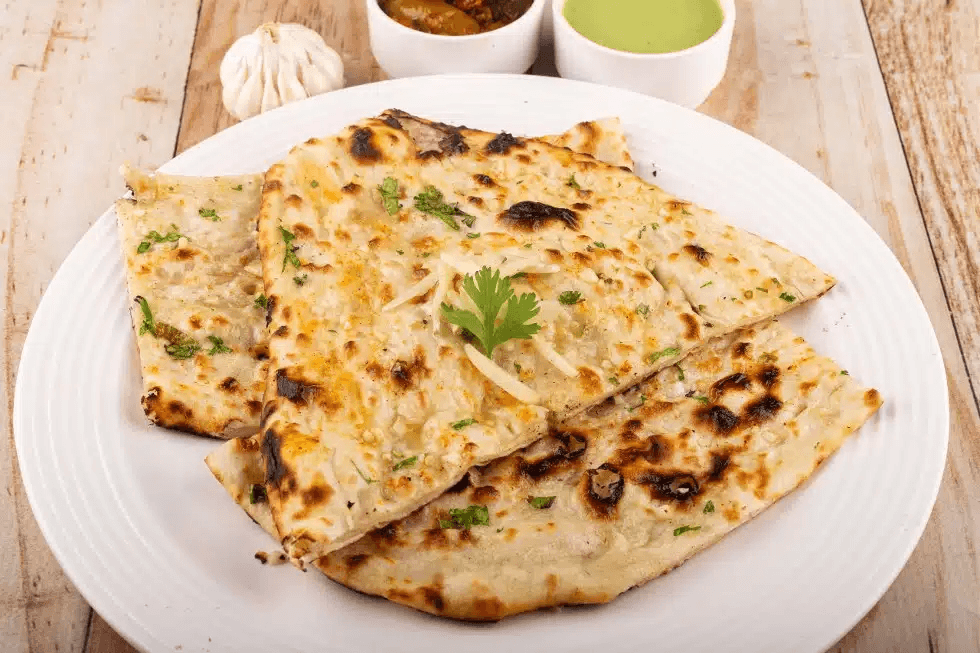
Onion Kulcha
Onion kulcha preparation becomes quicker when the filling is made in a microwave. The onions can be softened and lightly cooked with spices, allowing the flavours to develop without prolonged sautéing. This speeds up the overall process while keeping the stuffing moist and flavourful. Once assembled and cooked, the kulcha offers a comforting combination of soft bread and savoury filling. It’s a great option for simple meals when you want something satisfying yet easy to prepare.
9. Mushroom Chops
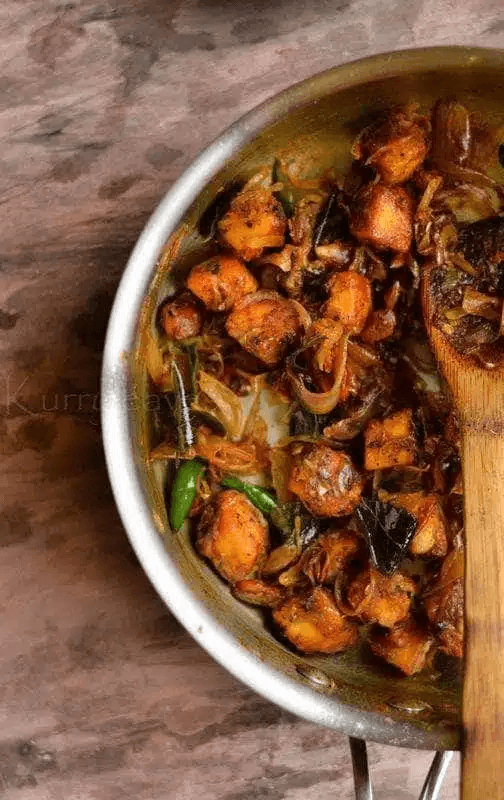
Mushroom Chops
Mushroom chops benefit from microwave cooking during the initial stage, where mushrooms can be softened and partially cooked. This helps reduce moisture and enhances their ability to absorb spices later. Once seasoned and finished, the dish develops a rich, savoury profile. It’s a versatile vegetarian option that works well as a side dish or light main course. Using the microwave streamlines the process, making it more efficient without compromising on flavour
10. Chocolate Eclairs

Chocolate Eclairs
Chocolate eclairs can be simplified by using a microwave for preparing the filling and chocolate glaze. While the pastry shell typically requires baking, the microwave helps speed up the more time-consuming components. The cream filling can be made smooth and consistent, and the chocolate topping melts evenly without much effort. This approach makes it easier to recreate a classic dessert at home, especially when you want to save time while still achieving a satisfying result.
11. Shrimp Fry

Shrimp Fry
Shrimp fry can be prepared more quickly by partially cooking the shrimp in the microwave before adding spices. This reduces overall cooking time and ensures the shrimp remains tender without overcooking. Once seasoned, the dish develops a rich, flavourful coating. It’s a convenient way to prepare a protein-rich meal or side dish quickly. The microwave step helps streamline the process, especially on busy days when efficiency matters.
12. Mixed Vegetable Rice
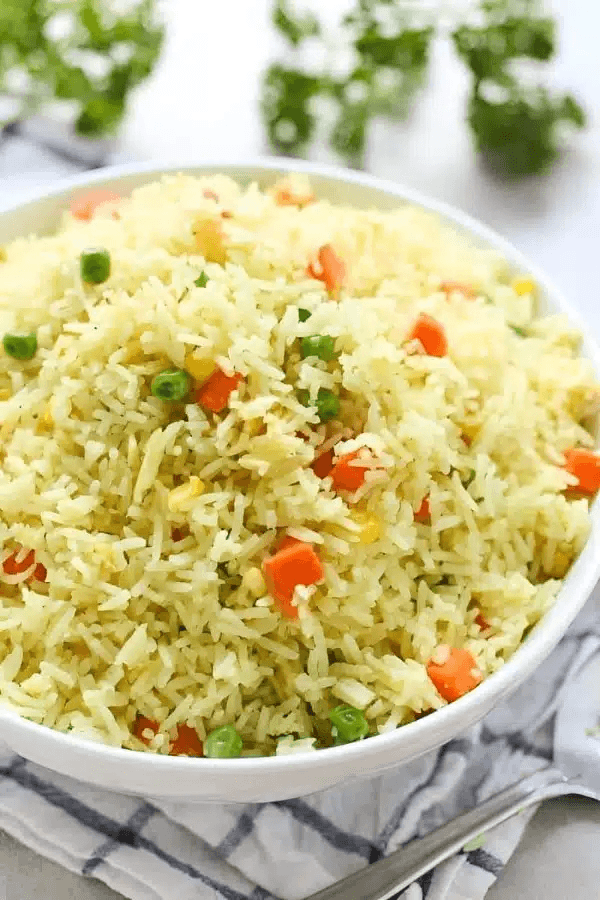
Mixed Vegetable Rice
Mixed vegetable rice is one of the most practical dishes to prepare in a microwave. By cooking rice with vegetables and basic spices in one container, you can create a complete meal with minimal effort. The microwave ensures even cooking and saves time compared to traditional methods. It’s ideal for quick lunches or dinners, offering a balanced combination of carbohydrates, fibre, and nutrients without requiring multiple steps or extensive preparation.
With a little creativity, a microwave can do more than just reheating, helping you prepare a wide range of simple, satisfying dishes right at home.
Conclusion
Microwave cooking is a practical and efficient method that fits well into modern lifestyles, especially for quick and convenient meal preparation. By understanding how it works and following basic safety guidelines, including knowing the wattage of your oven, you can use it effectively without compromising on food quality. While it may not entirely replace traditional cooking methods, it is a valuable addition to your kitchen. With the right approach, microwave cooking can help you save time, reduce effort, and prepare meals more efficiently every day.
Frequently Asked Questions
How does a microwave oven cook food, and why is it so fast?
A microwave oven uses radio waves, a form of electromagnetic radiation, to generate microwave energy that excites water molecules and sugar molecules. This generates moist heat inside food, unlike conduction, allowing food to cook faster and reach the boiling point of water more efficiently.
Is it safe to use plastic containers, plastic wrap, paper towels, or aluminium foil in a microwave?
Use microwave-safe plastic containers and plastic wrap carefully, and a paper towel to cover food to retain the heat of the food. Avoid aluminium foil as it may spark. Proper microwave use and keeping appliances clean with a soft cloth improve food safety and prevent contamination.
How can you ensure food safety and avoid harmful bacteria when microwaving food?
Cook ground meats, beef roast, and egg casseroles to a safe internal temperature using a food thermometer. Stir food areas, check thicker pieces of food, and allow carryover cooking time or additional cooking to prevent harmful bacteria and foodborne illness.
Why does uneven heating happen in microwaved food, and how can you fix it?
Uneven heating occurs when areas of the frozen food heat faster, the top of the dish heats faster, or the defrosting time is incorrect. Rotate the individual pieces of food items and turn food upside down where possible, adjust the microwave time, add a cup of water or warm water, and let the mixture cool slightly for uniform cooking.
What are some practical tips to improve microwave oven use daily?
Adjust the microwaving time based on the food items and the vegetables, especially those with a high moisture content. Arrange thicker pieces outward, avoid excessive heat, and ensure enough energy based on your oven’s wattage. Microwave foods like instant coffee or leftovers evenly for better heat distribution.
Can using a microwave oven increase your risk of cancer?
No, microwave ovens are safe kitchen appliances that use non-ionising microwave radiation, a type of low-energy radiation. Radiation emissions remain contained and do not harm DNA. It is widely considered safe, even in applications like drug administration.
Do microwaves change the taste or texture of food in a harmful way?
Microwaves can slightly alter the texture by uneven heating or drying food, but they do not make food harmful. Taste changes are usually minimal and depend on moisture, the reheating method, and any necessary standing time, which can lead to the presence of hot spots.






1 comment
can you bake a cake in the micro wave oven?