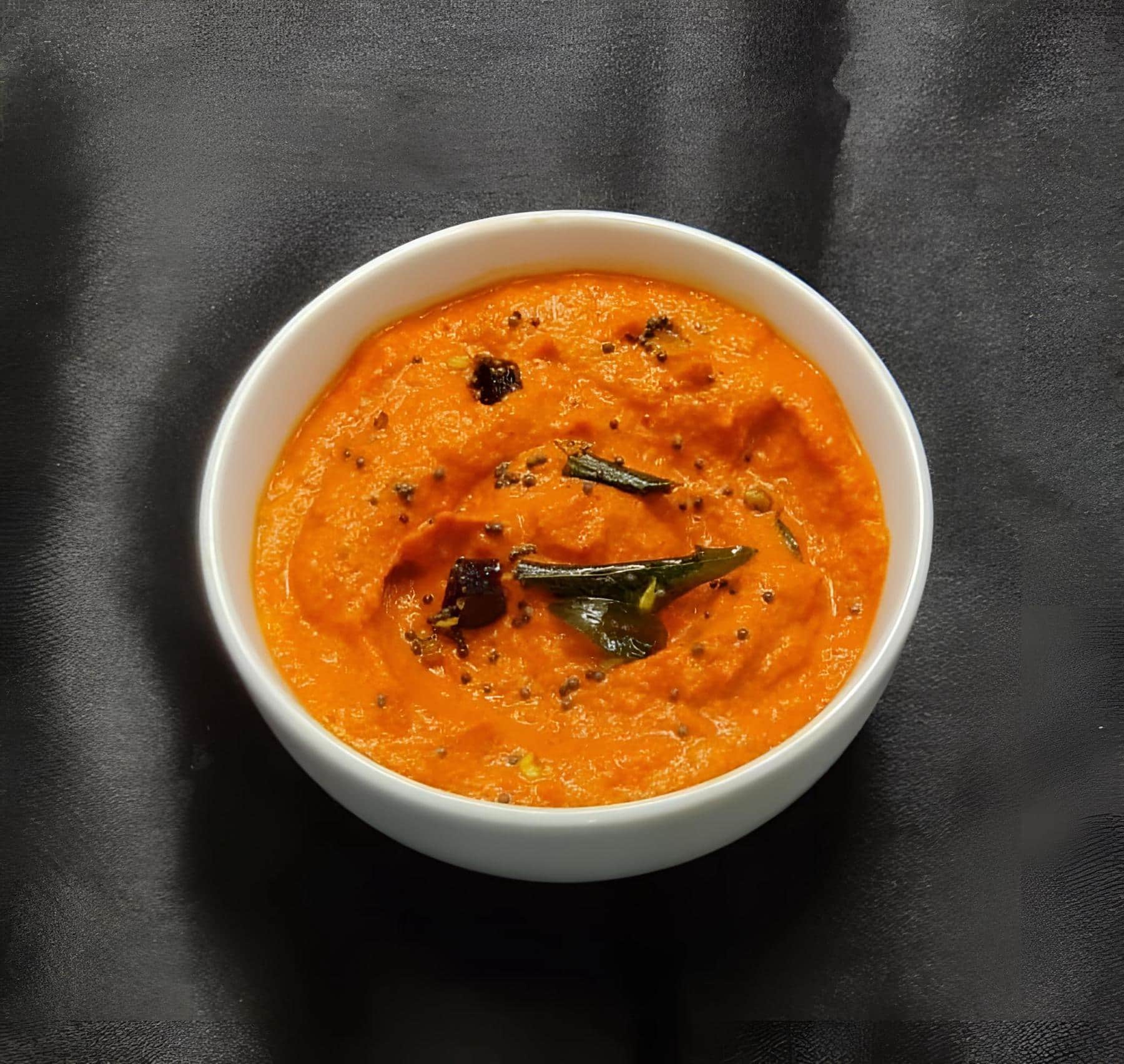
Carrot Sambar became a regular in my kitchen after I realized I could make a proper South Indian meal without needing six different vegetables prepped and ready. My grandmother always made mixed vegetable sambar for Sunday lunch, and while I loved it, the chopping alone used to take me half an hour. One evening I had only carrots in the fridge, and I decided to just go with that.
The sambar turned out lighter, brighter, and surprisingly complete. The carrots stayed firm enough to bite into, and the dal thickened everything just right. I have been making it this way ever since, especially when I want something comforting but do not have the energy to chop drumsticks, pumpkin, and beans.
About the Recipe
This recipe uses tuvar dal and carrots, both of which you can find in any Indian grocery store or most supermarkets. The whole process takes around thirty minutes, including the time it takes to cook the dal. I make this on weeknights when I want something more substantial than plain dal but do not have the time or energy for a full vegetable sambar.
The tempering ingredients are standard, so if you keep a basic South Indian pantry, you likely have everything already. It pairs well with plain steamed rice or even dosa if you have leftover batter.
Why you will love this recipe
The carrots cook quickly and stay intact, so you get a bit of bite in every spoonful instead of a mushy vegetable mash. The tempering with mustard seeds, urad dal, and curry leaves blooms fast and adds a nutty sharpness that balances the mild sweetness of the carrots. Because you are only dealing with one vegetable, the prep is minimal and the cooking moves fast.
The tuvar dal thickens the sambar enough to coat rice properly without turning it into a thick stew. It also reheats well, which means you can make it ahead and still have it taste fresh the next day.
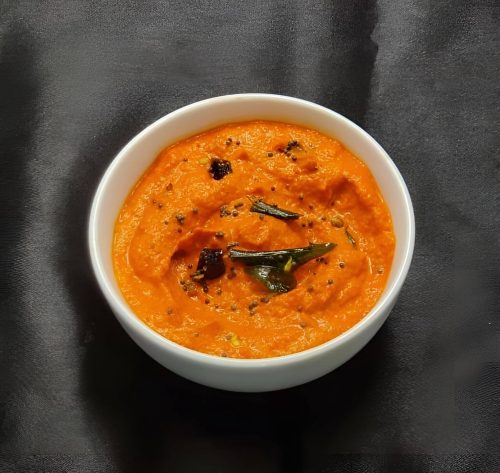
Cooking Tips
The most common mistake is adding the tamarind paste too early, which can make the dal take longer to soften and the carrots stay hard. Always cook the dal fully before you add any tamarind or acidic ingredients. Another issue is not letting the tempering ingredients fry long enough. If the mustard seeds do not splutter and the urad dal does not turn golden, the oil will not carry enough flavor into the sambar.
Keep the heat at medium and wait for the sizzle. If your sambar tastes flat, you probably did not add enough salt or sambar powder. Taste before you add the dal, because it is harder to adjust once everything is mixed.
Top Tips
- Cook the dal until it is completely soft before adding it to the vegetables. Undercooked dal will not break down and thicken the sambar properly.
- Use warm water when you add liquid after the tempering. Cold water can lower the pan temperature and stop the spices from releasing their flavor.
- If you do not have tamarind paste, soak a small piece of tamarind in warm water, squeeze it, and strain out the pulp.
- You can substitute carrots with green beans or okra, but adjust the cooking time since beans take a bit longer.
- Store leftover sambar in the fridge for up to three days. The flavors deepen overnight, so it often tastes better the next day.
Serving and Storing Suggestions
This recipe makes about four servings. Prep time is around ten minutes, and cooking takes another twenty minutes. Serve it hot with steamed rice, a spoonful of ghee, and some papad on the side. It also works well with idli or dosa if you prefer.
Store leftovers in an airtight container in the fridge for up to three days. Reheat on the stove over low heat, adding a splash of water if it has thickened too much. The sambar also freezes well for up to a month, though the carrots may soften slightly after thawing.
Similar Recipes
- Tomato Rasam
- Drumstick Sambar
- Moong Dal Tadka
- Cabbage Poriyal
- Lemon Rice
Nutrient Benefits
Tuvar dal is a good source of plant protein and fiber, which helps keep you full and supports digestion. Carrots add beta carotene, which the body converts to vitamin A, important for eye health and immune function. The tempering spices, especially fenugreek and mustard seeds, contain antioxidants and have anti inflammatory properties.
Tamarind provides a small amount of vitamin C and adds a tangy flavor without needing extra salt. Overall, this sambar is a balanced dish with protein, vegetables, and warming spices that support everyday nutrition.
Carrot Sambar
Ingredients
- 1/2 cup Tuvar Dal - 1/2 cup
- 3/4 cup Turmeric Powder - 3/4 tsp
- 1/2 cup Onions - 1/2 cup finely chopped
- 1 cup Tomatoes - 1 cup chopped
- 1 cup Carrots - 1 cup sliced and cut in fine rounds
- 2 tsp Sambar Powder - 2 tsp
- 1/4 tsp Tamarind Paste - 1/4 tsp
- 1 tsp Salt - 1 tsp
- 1/4 cup Fresh Coriander Leaves - 1/4 cup chopped
For the Tempering:
- 2 tbsp Oil
- 1 Dried Red Chilli
- 1/8 tsp Asafoetida Powder
- 5 Curry Leaves
- 1/4 tsp Fenugreek Seeds
- 1 tsp Black Mustard Seeds
- 1 tsp Urad Dal
Instructions
- Wash the tuvar dal and drain.
- Cook the dal with 1/4 tsp of turmeric powder and 4 cups of water.
- Set aside without draining.
- Put the oil in a pan over medium heat.
- When the oil is hot add the remaining tempering ingredients.
- Fry over medium heat, till mustard seeds splutter and urad dal is golden, for about 30 seconds.
- Add the onions and tomatoes.
- Saute for a few minutes.
- Sprinkle in 1/2 tsp of turmeric powder and saute for 1 to 2 minutes.
- Mix in the carrots and stir-fry for a minute.
- Add sambar powder, tamarind paste, salt and 1 cup of warm water.
- Cook covered over low-medium heat for about 3 minutes, stirring occasionally.
- Add the cooked dal and 1 cup of warm water.
- Mix till well blended.
- Stir in the coriander leaves.
- Cook covered over low-medium heat for 5 minutes till carrots are tender.
- Serve with cooked rice.
Sign up for our newsletter
Add Awesome Cuisine as a Preferred Source

Frequently Asked Questions
My sambar turned out too watery. How do I fix it?
Simmer it uncovered over low heat for a few extra minutes to let the liquid evaporate. You can also mash a bit of the cooked dal with the back of a spoon to help thicken it naturally.
Can I use red lentils instead of tuvar dal?
Yes, but red lentils cook faster and break down more, so reduce the cooking time and use slightly less water. The texture will be smoother and less chunky.
Why did my carrots stay hard even after cooking for the full time?
If you added tamarind or tomatoes too early, the acid can slow down the softening of vegetables. Make sure the carrots have a few minutes to cook in the spices and water before you add the dal.
How do I know when the tempering is done?
The mustard seeds should pop and splutter, and the urad dal should turn golden brown. This usually takes about thirty seconds over medium heat. If the oil is not hot enough, the spices will not release their flavor.
Can I skip the tamarind paste?
You can, but the sambar will lack the tangy sharpness that balances the sweetness of the carrots. A squeeze of lemon juice at the end can work as a substitute, though it will taste slightly different.