Caramel Custard Pudding looks far more difficult than it actually is. The recipe has only five ingredients and follows a straightforward process: cook the caramel, set it in the dish, mix the custard, pour it over, and bake in a water bath. Patience at each stage matters more than any complicated technique. The caramel will harden in the dish before baking, which is expected, and the custard needs to come out of the oven while the centre is still slightly soft. Both steps are easy to second-guess the first time, but the recipe handles them clearly.
About the Recipe
The caramel is made by cooking plain sugar in a heavy saucepan until it turns very dark brown. Pour it immediately into the baking dish and swirl to coat the bottom evenly before it hardens.
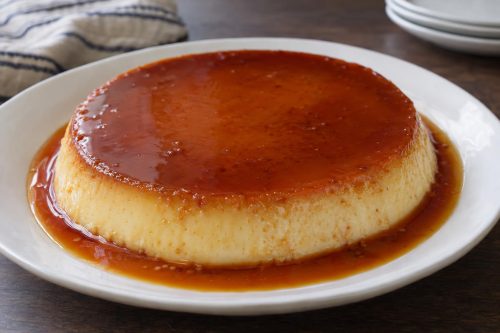
The custard is a mix of whole eggs, egg yolks, the remaining sugar, whole milk, and vanilla, whisked together until smooth. Baking it in a water bath keeps the heat gentle so the custard sets without cracking or curdling. After chilling, it unmolds cleanly with the caramel sauce pooling over the top.
Why You Will Love This Recipe
This pudding holds together well when unmolded. The combination of whole eggs and extra yolks sets the custard firmly enough to slice cleanly while keeping it soft rather than rubbery.
The caramel, cooked all the way to a very dark brown, has a slightly bitter edge that stops the dessert tasting too sweet. It refrigerates well for up to eight hours, so you can make it the previous evening and serve it without any last-minute work.
No cream, no condensed milk, no complicated additions. Just five everyday ingredients handled carefully.
Cooking Tips
The most common beginner mistake is undercooking the caramel. It needs to reach a very dark brown, not just golden, otherwise the flavour turns flat and overly sweet. Once it reaches that colour, pour it immediately as it continues to darken in the pan.
On the custard side, do not overbake. The centre should wobble slightly when you remove the dish from the oven. If a knife inserted near the centre comes out clean, it is done. Overbaking gives a rubbery, porous texture rather than a smooth one.
Top Tips
- Cook the caramel all the way to a very dark brown before pouring. A pale or golden caramel will taste flat and too sweet once baked.
- Swirl the dish quickly after pouring the caramel. It sets fast and you need an even coat across the bottom before it hardens.
- Whisk the custard mixture until fully smooth before pouring. Any unmixed sugar or egg streaks will show in the finished pudding.
- Fill the outer water bath pan only halfway up the sides of the baking dish. Too much water can cause the custard to cook unevenly.
- Pull the pudding from the oven when the centre still has a slight wobble. It will finish setting as it cools in the water bath and then in the refrigerator.
- Run the knife all the way around the edge before inverting. A partial release will tear the custard when you flip the dish.
Serving and Storing Suggestions
Serve the pudding chilled, straight from the refrigerator. Invert it onto a flat-rimmed plate so the caramel sauce has room to pool around the edges rather than running off.
It can be refrigerated in the baking dish for up to eight hours before unmolding, which makes it a practical make-ahead dessert. Once unmolded, keep it refrigerated and serve the same day. It does not freeze well as the custard texture changes once thawed.
Similar Recipes
Nutrient Benefits
Whole eggs and egg yolks supply protein along with fat-soluble vitamins including vitamins A and D. Whole milk contributes calcium and protein. The pudding is reasonably filling for a small portion given the egg and milk content.
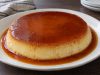
Caramel Custard Pudding
Ingredients
- 1/2 cup plus 2/3 cup Sugar
- 3 Whole eggs
- 3 Egg yolks
- 3 cups Whole milk
- 2 tsp Vanilla extract
Instructions
- Preheat oven to 350F.
- Keep ready an ungreased 9" round baking dish.
- Carefully cook 1/2 cup of sugar over medium heat in a heavy saucepan, stirring constantly until it is melted and turns golden and then very dark brown.
- Immediately pour the hot caramel syrup into the baking dish and swirl the pan until it coats the bottom.
- Please note the caramel will harden at this point and melt again later as the flan bakes.
- Now whisk the eggs, egg yolks and the remaining 2/3 cup sugar in a mixing bowl until smooth.
- Gradually add in the milk and vanilla and whisk thoroughly.
- Pour this mixture into the baking dish on top of the hardened caramel syrup. Set the baking dish in a larger baking pan and fill the larger pan with hot water to come halfway up the sides of the baking dish.
- Bake for about 35-45 minutes or until an inserted knife comes out clean.
- Please note the center should be slightly soft, as the flan will finish cooking after it is removed from the oven.
- Let it cool in the water bath, then remove baking dish from water bath and refrigerate for at least 1 hour or upto 8 hours.
- Before serving, run a sharp knife around the edge of the flan to release it.
- Place a large serving plate over the baking dish and using both hands, invert the dish so that the flan and the liquid sauce unmold onto the platter.
- Refrigerate again until serving time.
Sign up for our newsletter
Add Awesome Cuisine as a Preferred Source

Frequently Asked Questions
Why did my caramel harden completely in the dish before I could swirl it?
Caramel sets very quickly once it leaves the heat and hits a cool surface. Have your baking dish right next to the stove before you start cooking the sugar so you can pour and swirl without delay. If it hardens before you can coat the bottom evenly, do not try to reheat it in the dish. The caramel will melt again during baking and still pool at the bottom once the pudding is unmolded.
Can I use low-fat milk instead of whole milk?
You can, but the custard will be noticeably less rich and may set slightly softer. Whole milk has more fat, which helps the custard hold its shape after unmolding. If whole milk is not available, full-cream milk is the closest substitute. Skimmed milk is not recommended for this recipe.
How do I know when the custard is properly baked?
Insert a thin knife about halfway between the edge and the centre of the dish. If it comes out clean, the custard is done. The centre should still look slightly underset and have a gentle wobble when you move the dish. It will finish setting as it cools in the water bath and then again in the refrigerator. If the entire surface is firm and the knife comes out clean from the very centre, it is likely overbaked and will have a grainy or porous texture.
Why does the recipe use both whole eggs and egg yolks?
Whole eggs provide structure and help the custard set firmly enough to unmold cleanly. The extra yolks add richness and give the custard a smoother, creamier texture. Using only whole eggs tends to give a firmer, slightly more rubbery result.
Can I make individual portions instead of one large pudding?
Yes. Pour the caramel into individual ramekins and divide the custard mixture evenly among them. Reduce the baking time to around 25 to 30 minutes and start checking early with the knife test. The water bath setup remains the same. Individual portions also unmold more easily than a large one because there is less surface area to release.