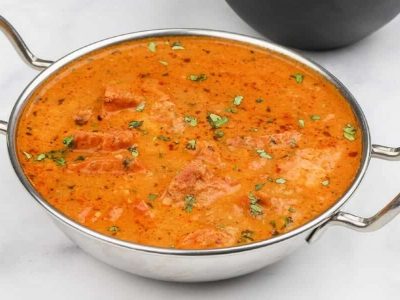
Sri Lankan Chicken Curry is one of those recipes I kept circling back to during a particular patch of winter a few years ago, when I was craving something with heat but also something that felt slightly lighter than a heavy tomato-based gravy. I tried it once from a friend’s offhand description, measured nothing, and somehow it still worked. That stuck with me.
What I find myself returning to every time is the moment when the coconut milk hits the spiced pan and that warm, faintly sweet steam rises up. It settles the whole dish. I have made this maybe two dozen times since, and I still add the spring onions a little late on purpose because I like them with just a little bite left in them.
About the Recipe
Most of these ingredients are already in a well-stocked Indian kitchen. Curry powder, garam masala, red chilli powder, and ginger garlic paste are not unusual finds, and a tin of thick coconut milk handles the rest. The whole thing takes about 25 to 30 minutes from start to finish, including prep.
I reach for this recipe specifically on weeknights when I have chicken in the fridge but no interest in a recipe that needs an hour on the stove. One pan, one flame, and dinner is handled.
Why you will love this recipe
A single pan and 30 minutes is the real reason this curry earns a regular spot. There is no blending, no soaking, no long list of steps to track in sequence. The spices go in dry first, which pulls out their aroma before the chicken even enters the pan. That small step makes a noticeable difference in the depth of flavour you get without adding any extra time.
The coconut milk smooths out the heat from the chilli powder without dulling it, so the curry has warmth that builds gradually rather than hitting you all at once. Spring onions at the end add a mild freshness that cuts through the richness just enough. It is a straightforward combination that consistently produces a curry worth sitting down for.
Cooking Tips
The most common beginner mistake here is adding oil before the spices instead of dry-toasting them first. If you skip that dry stir-fry at step two, the spices taste raw and flat in the finished curry. Keep the flame at medium and stay close, because dry spices can scorch in under two minutes. At the coconut milk stage, resist the urge to crank the heat.
A rapid boil can cause the coconut milk to split and turn grainy. Low and slow after that point gives you a smoother, better-looking curry.
Top Tips
- Use thick coconut milk rather than the thin, watery kind for a richer result. If your tin separates, stir it well before measuring.
- Dry-toast the spices before adding oil or chicken. Thirty to forty-five seconds on medium heat is enough to wake them up without burning them.
- Check the chicken at the twelve-minute mark by cutting a piece open with a sharp knife. No pink at the centre means it is done. Do not go by colour alone.
- If you want more heat, add the extra teaspoon of red chilli powder at the spice stage, not after the coconut milk goes in. Late additions of chilli powder can taste raw.
- Spring onions should go in near the end over low flame. Two to three minutes is plenty. Any longer and they lose the slight freshness that makes them worth adding.
- Leftover curry thickens considerably once it cools. Add a small splash of water when reheating over low flame to loosen it back to the right consistency.
Serving and Storing Suggestions
This recipe serves two people comfortably with rice. Prep time is around 10 minutes and cooking takes 20 to 25 minutes. Serve hot with steamed white rice or string hoppers if you have them. Plain roti works well too.
Leftovers keep in the fridge for up to two days in a sealed container. Reheat gently on the stove over low flame rather than in the microwave, because coconut milk-based curries can turn greasy if blasted with high heat.
Similar Recipes
- Kerala Chicken Curry
- Goan Chicken Curry
- Thai Green Chicken Curry
- South Indian Coconut Chicken Curry
- Chicken Stew with Coconut Milk
Nutrient Benefits
Chicken breast is a lean source of protein, which makes this a reasonably balanced weeknight meal when paired with rice. Coconut milk adds natural fats, and the spices, particularly ginger, garlic, and turmeric if your curry powder contains it, have compounds that support digestion. The spring onions contribute small amounts of vitamins C and K.
None of this makes the dish a health food in any strict sense, but it is not an indulgence either. It fits into a regular diet without adjustment.

Sri Lankan Chicken Curry
Ingredients
- 2 Chicken Breasts (skinless, boneless, chopped)
- 150 to 200 ml Thick Coconut Milk - 150 to 200 ml
- 1/3 cup Water
- 1/2 bunch Spring Onions (chopped)
- 1 tsp Garam Masala Powder
- 1/2 tsp Cinnamon Powder
- 3 tsp Curry Powder
- 1/4 tsp Ginger Garlic Paste
- 1 to 2 tsp Red Chilli Powder (adjust as required)
- Oil as required
- Coriander Leaves - few, chopped
- Salt as per taste
- Black Pepper Powder as per taste
Instructions
- Heat a pan over medium flame.
- Add the cinnamon powder, ginger garlic paste, red chilli powder, curry powder and garam masala powder.
- Stir-fry for a minute.
- Sprinkle salt and pepper on the chicken pieces.
- Add 1 to 2 tblsp of oil to the pan and stir well.
- Add the chicken pieces and cook for 2 minutes.
- Remove the pan from the flame.
- Pour the coconut milk and water.
- Stir once and place it over the flame again.
- Allow it to simmer for a few minutes.
- Add the spring onions and cook for some more time over low flame.
- When the chicken is cooked, remove the pan from the flame.
- Adjust seasoning and garnish with coriander leaves.
- Serve with rice.
Tip: To check if the chicken is cooked at step #12, take a piece and cut it with a knife. If there is no pinkness remaining, then it is cooked else cook for some more time.
Sign up for our newsletter
Add Awesome Cuisine as a Preferred Source

Frequently Asked Questions
My curry turned out watery. What went wrong?
This usually happens when the coconut milk is thin rather than thick, or when the simmering time was too short. Let the curry sit on low flame for an extra five to seven minutes with the lid off. The liquid will reduce and the sauce will thicken on its own.
Can I use chicken thighs instead of chicken breasts?
Yes, and I would actually say boneless chicken thighs work well here because they stay juicier. The cooking time stays roughly the same, but cut a piece open to check for doneness rather than relying on the clock, since thighs can be slightly thicker.
The curry tastes bland even though I followed the measurements. What should I adjust?
Check your salt first, because undersalted curry often reads as bland before anything else. If the salt is right, try adding a pinch more curry powder or a tiny squeeze of lime over the top when serving. Dried spices also lose potency over time, so if your jars have been open for more than six months, use slightly more than the recipe calls for.
Can I make this curry ahead of time?
Yes. The flavour actually settles and deepens after a few hours, so making it in the afternoon for an evening meal works well. Store it covered at room temperature for up to two hours or refrigerate it until needed. Reheat slowly on low flame with a splash of water if it has thickened too much.
Can I use coconut cream instead of thick coconut milk?
Coconut cream is richer and thicker, so use slightly less than the recipe calls for and add a little more water to balance it. The curry will be noticeably richer with coconut cream, which is not a problem, but it can feel heavy if you use the full 200 ml.