Table of Contents
Key Highlights
- Singapore food blends Chinese, Malay, Indian, and Peranakan influences into one cuisine.
- Popular dishes include Hainanese chicken rice, Laksa, chilli crab, and satay.
- Street food culture plays a major role in everyday dining in Singapore.
- Balanced flavours, spicy, savoury, sweet, and tangy, define most dishes.
- Many Singapore dishes are easy to recreate at home with simple ingredients.
- Hawker centres offer some of the best and most affordable food experiences.
Singaporean cuisine is a true reflection of the country’s multicultural roots, blending flavours and cooking styles from across Asia into something distinctly its own. From busy hawker stalls to home kitchens, each dish carries a sense of tradition, shaped over time by different communities and their influences.
For many, exploring Singapore cuisine can feel overwhelming. With so many food options, unfamiliar dishes, and unique ingredients, it’s not always easy to know where to start or what to try first.
This guide simplifies everything. From famous Singapore food dishes and traditional favourites to food culture and easy meal ideas, you’ll discover what makes this cuisine special and how to explore it with confidence.
What Is Singapore Cuisine and What Makes It Unique?
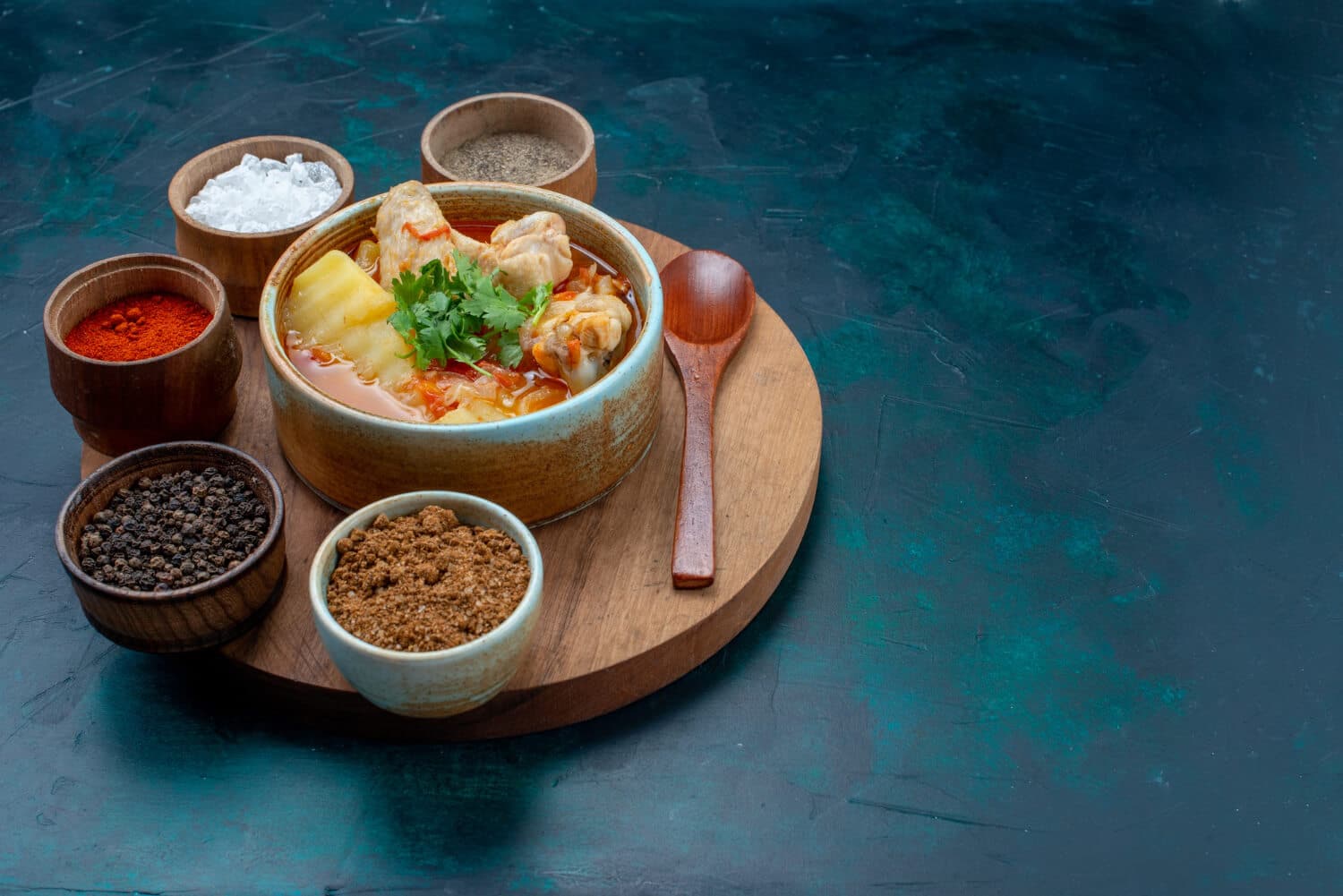
A bowl of chicken and potato stew garnished with cilantro served on a wooden board alongside various spices
Singapore cuisine is a multicultural food tradition that combines Chinese, Malay, Indian, and Peranakan influences, creating a diverse range of dishes known for bold flavours and balanced taste profiles. To understand its uniqueness, it’s important to look at how these influences come together in everyday cooking.
1. Multicultural Influences
Singapore’s food culture is built on generations of cultural exchange, in which each community contributes distinct ingredients, cooking styles, and flavour profiles. This fusion is not just variety; it’s integration, where influences coexist in a single dish.
Singaporean cuisine draws heavily on Chinese traditions, evident in its noodles, rice dishes, and stir-frying techniques, which form everyday staples. Malay influence adds bold spices, herbs, and rich coconut-based curries, while Indian flavours bring aromatic spices, hearty gravies, and breads like roti. Peranakan cuisine further blends Chinese and Malay elements into distinctive, flavour-packed dishes.
2. Balance of Flavours
One of the defining traits of Singapore cuisine is its ability to balance multiple flavours within a single dish. Instead of focusing on a single dominant taste, dishes are crafted to deliver a layered, satisfying experience.
Singaporean dishes strike a careful balance of flavours, where sweetness from sauces or caramelized elements softens bolder notes, while spice from chilli pastes and sambals adds heat and intensity. Saltiness, often from soy or fermented ingredients, enhances taste, and umami brings depth and richness.
3. Hawker Food Culture
Hawker centres are the heart of Singapore’s food scene, bringing together a wide variety of dishes under one roof. They represent not just convenience but a cultural experience in which authentic flavours are preserved and shared daily.
Singaporean food culture offers a wide variety of dishes, from noodles to curries, ensuring there is something for every preference. Meals are often prepared fresh on the spot, preserving authenticity and flavour, while affordable pricing keeps quality food accessible to people from all walks of life. Together, these elements make Singapore cuisine one of the most dynamic and flavour-rich food cultures in the world.
What Are the 25 Most Famous Singapore Food Dishes You Should Try?
Here are 20 must-try Singaporean dishes, each with a simple ingredients list and an easy-to-follow recipe. Whether you’re exploring the cuisine or cooking at home, this guide helps you recreate authentic flavours without overcomplicating the process:
1. Hainanese Chicken Rice
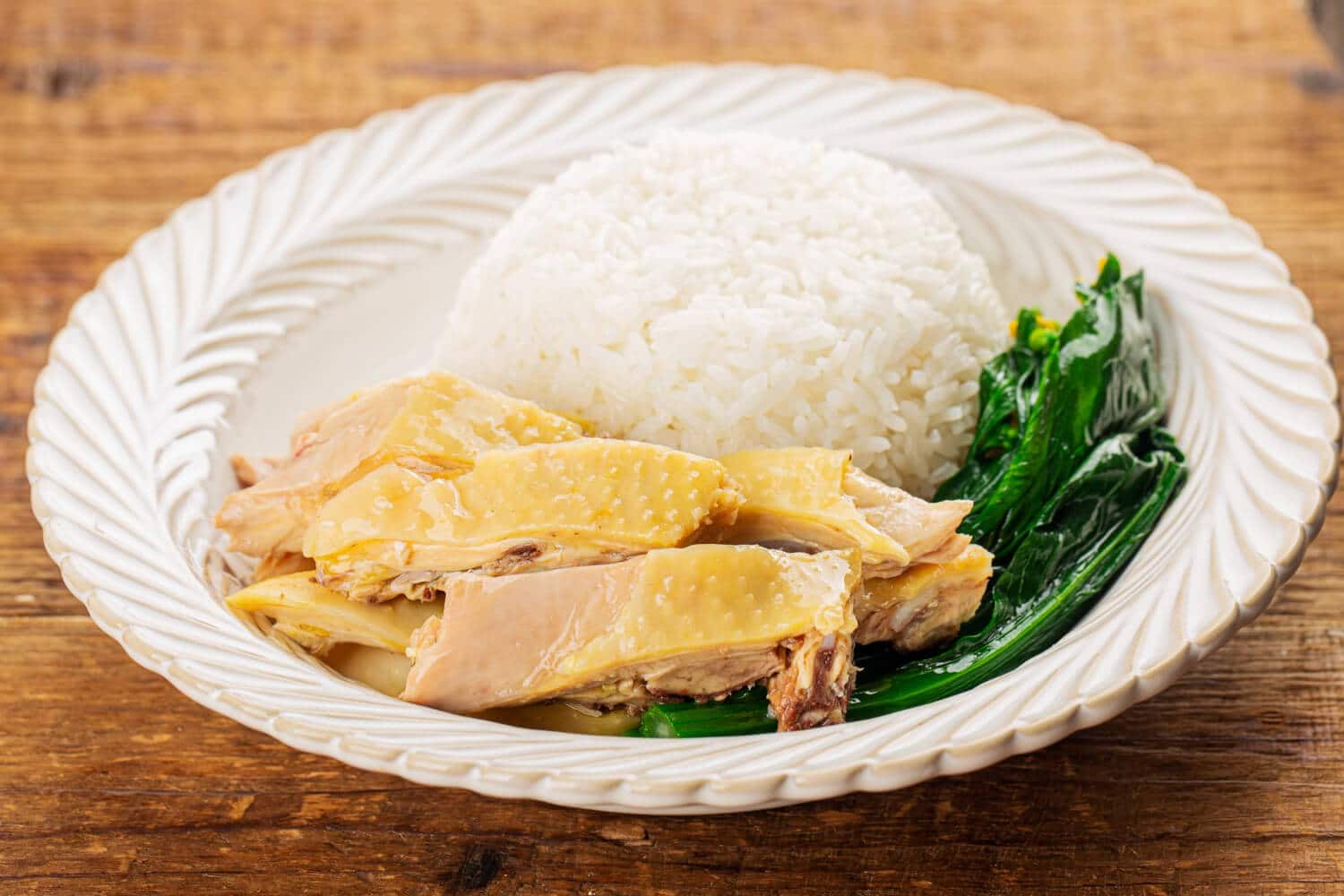
A plate of Hainanese chicken rice featuring sliced poached chicken
Hainanese Chicken Rice is widely regarded as Singapore’s national dish, showcasing precision in simplicity. The chicken is gently poached to retain moisture and tenderness, while the rice is cooked in chicken fat with garlic and ginger for a deeply aromatic base. Served with chilli sauce, soy sauce, and ginger paste, the dish delivers a clean yet layered flavour profile that appeals to both first-time diners and seasoned food enthusiasts.
Ingredients:
- Whole chicken
- Jasmine rice
- Garlic, ginger
- Chicken stock
- Pandan leaves (optional)
- Soy sauce, sesame oil
- Chilli sauce, spring onions
Recipe:
- Step 1: Poach chicken in water with ginger and garlic; simmer gently, do not boil
- Step 2: Remove chicken, place in ice bath, then chop
- Step 3: Use reserved stock to cook rice with garlic and chicken fat
- Step 4: Prepare dipping sauces
- Step 5: Plate rice, top with chicken, garnish, and serve with sauces
2. Laksa
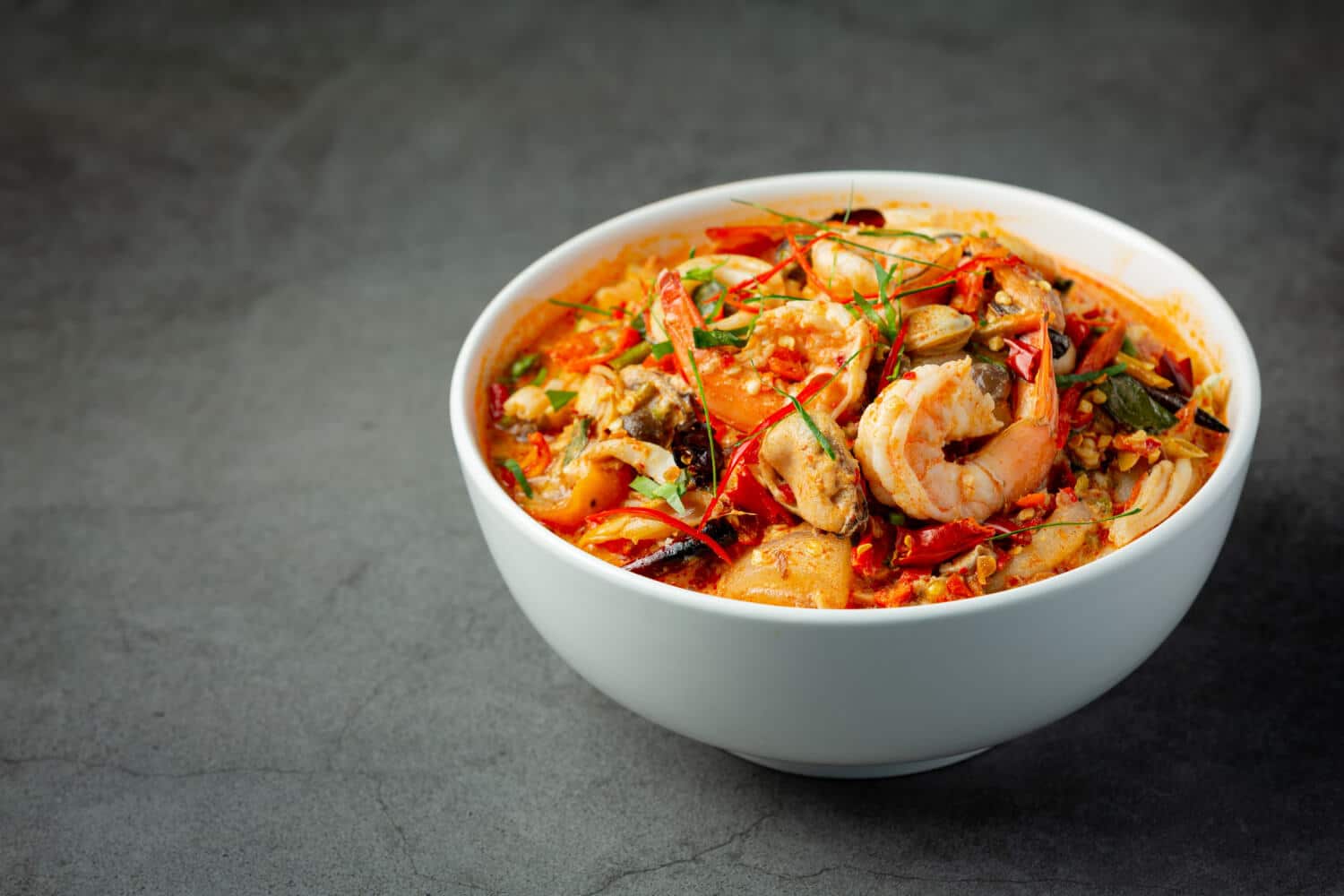
A white bowl filled with spicy Tom Yum Goong soup
Laksa is a rich, coconut-based noodle soup that reflects Peranakan culinary heritage. The broth combines coconut milk with a spice paste of chillies, lemongrass, and shrimp, creating a creamy yet robust base. Rice noodles are paired with prawns, tofu puffs, and fish cake, all of which absorb the flavourful broth. The result is a comforting dish that balances spice, richness, and aromatic depth in every spoonful.
Ingredients:
- Rice noodles
- Coconut milk
- Laksa paste (chilli, shrimp paste, lemongrass)
- Prawns, fish cake
- Tofu puffs, bean sprouts
Recipe:
- Step 1: Fry laksa paste in oil until aromatic
- Step 2: Add coconut milk and water; simmer to develop flavour
- Step 3: Add prawns and tofu puffs; cook briefly
- Step 4: Blanch noodles separately and place in a bowl
- Step 5: Pour hot broth over noodles, garnish, and serve immediately
3. Chilli Crab
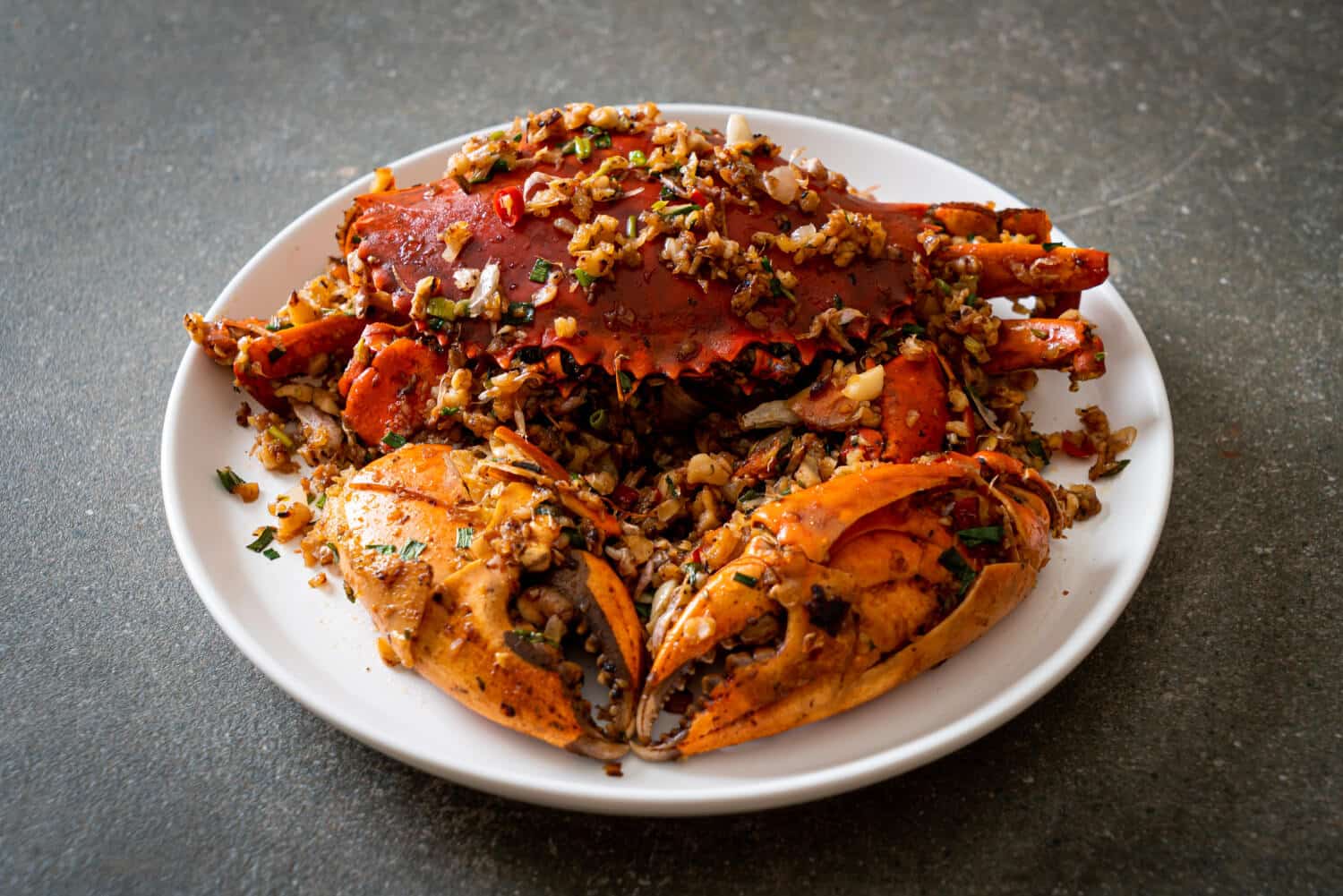
A whole stir fried mud crab topped with crispy garlic herbs and chilies
Chilli Crab is one of Singapore’s most iconic seafood dishes, known for its thick, tangy, and mildly spicy sauce. Fresh crab is stir-fried and simmered in a tomato-based gravy enriched with chilli paste and egg ribbons. The sauce strikes a balance between sweetness, acidity, and heat. Commonly served with fried mantou buns, this dish offers both bold flavour and an interactive dining experience centred on sharing.
Ingredients:
- Mud crab (cleaned, cut)
- Garlic, ginger
- Chilli paste, tomato sauce
- Eggs
- Sugar, vinegar
Recipe:
- Step 1: Stir-fry garlic, ginger, and chilli paste
- Step 2: Add crab pieces and coat well
- Step 3: Pour in tomato sauce, sugar, and water; simmer until crab cooks
- Step 4: Add beaten eggs slowly to create ribbons
- Step 5: Serve hot with fried mantou buns
4. Satay
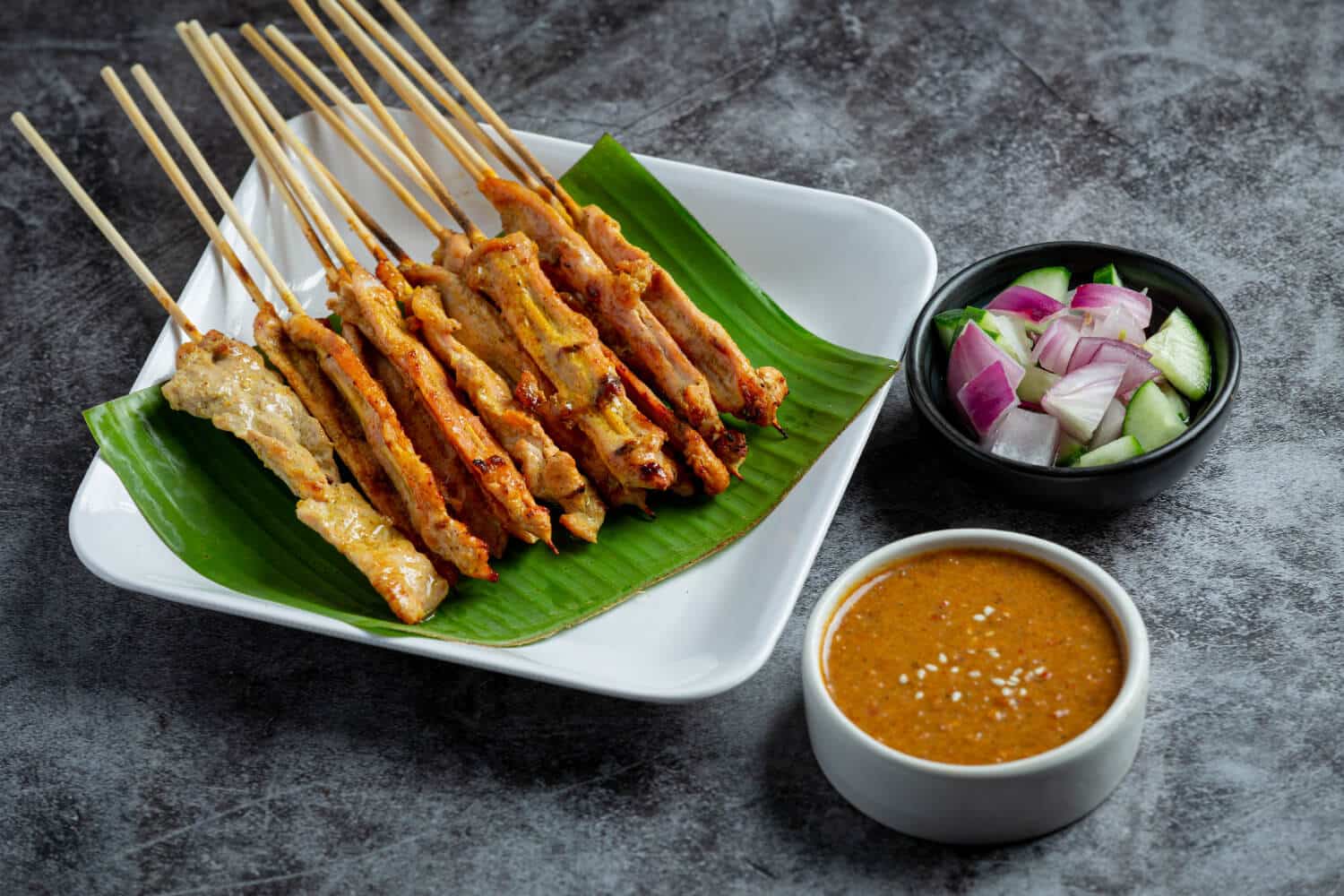
Grilled pork satay skewers served on a banana leaf atop a white plate
Satay consists of skewered meat marinated in a blend of spices and grilled over charcoal for a smoky finish. The marinade, typically containing turmeric, lemongrass, and sugar, enhances the meat’s flavour while keeping it tender. Served with a thick peanut sauce, cucumber, and rice cakes, satay offers a balanced combination of savoury, sweet, and nutty elements in compact, flavourful portions.
Ingredients:
- Chicken/beef
- Turmeric, lemongrass, garlic
- Sugar, soy sauce
- Skewers
- Peanut sauce
Recipe:
- Step 1: Marinate meat for at least 4–6 hours
- Step 2: Thread onto skewers evenly
- Step 3: Grill over medium heat, turning frequently
- Step 4: Baste with marinade for moisture
- Step 5: Serve hot with peanut sauce and sides
5. Char Kway Teow
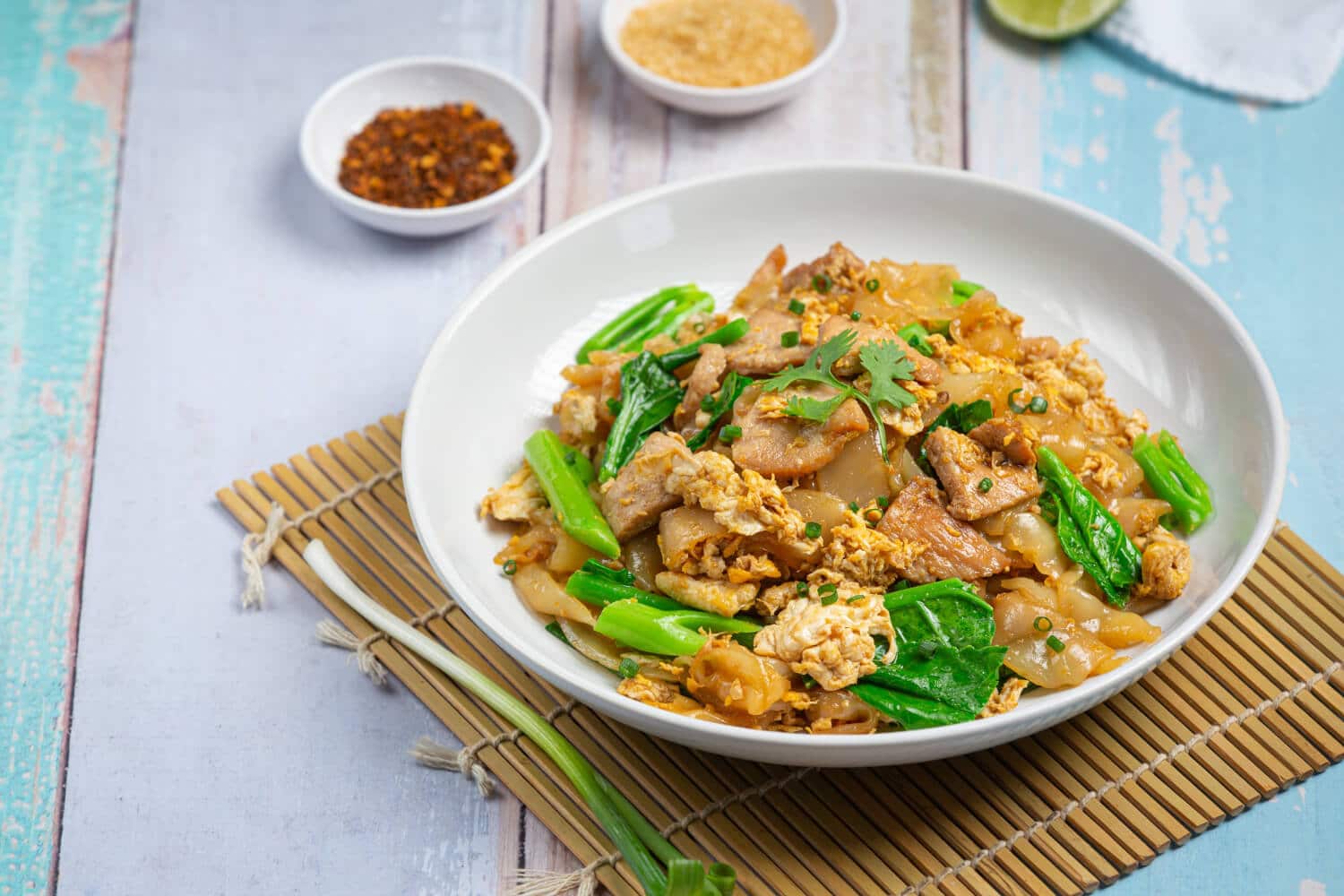
A white bowl of Pad See Ew consisting of stir fried wide rice noodles with pork egg and Chinese broccoli
Char Kway Teow is a wok-fried noodle dish celebrated for its smoky “wok hei” aroma. Flat rice noodles are stir-fried over high heat with eggs, prawns, Chinese sausage, and soy sauce. The dish is rich and slightly oily, with a balance of savoury and subtly sweet notes. Its appeal lies in the interplay of textures, from soft noodles to crisp edges, making it a hawker staple.
Ingredients:
- Flat rice noodles
- Prawns, Chinese sausage
- Eggs
- Soy sauce, dark soy
- Bean sprouts, garlic
Recipe:
- Step 1: Heat the wok until very hot
- Step 2: Fry garlic and sausage
- Step 3: Add noodles and sauces; toss quickly
- Step 4: Push aside, scramble eggs, then combine
- Step 5: Add prawns and bean sprouts; stir-fry briefly and serve
6. Hokkien Mee
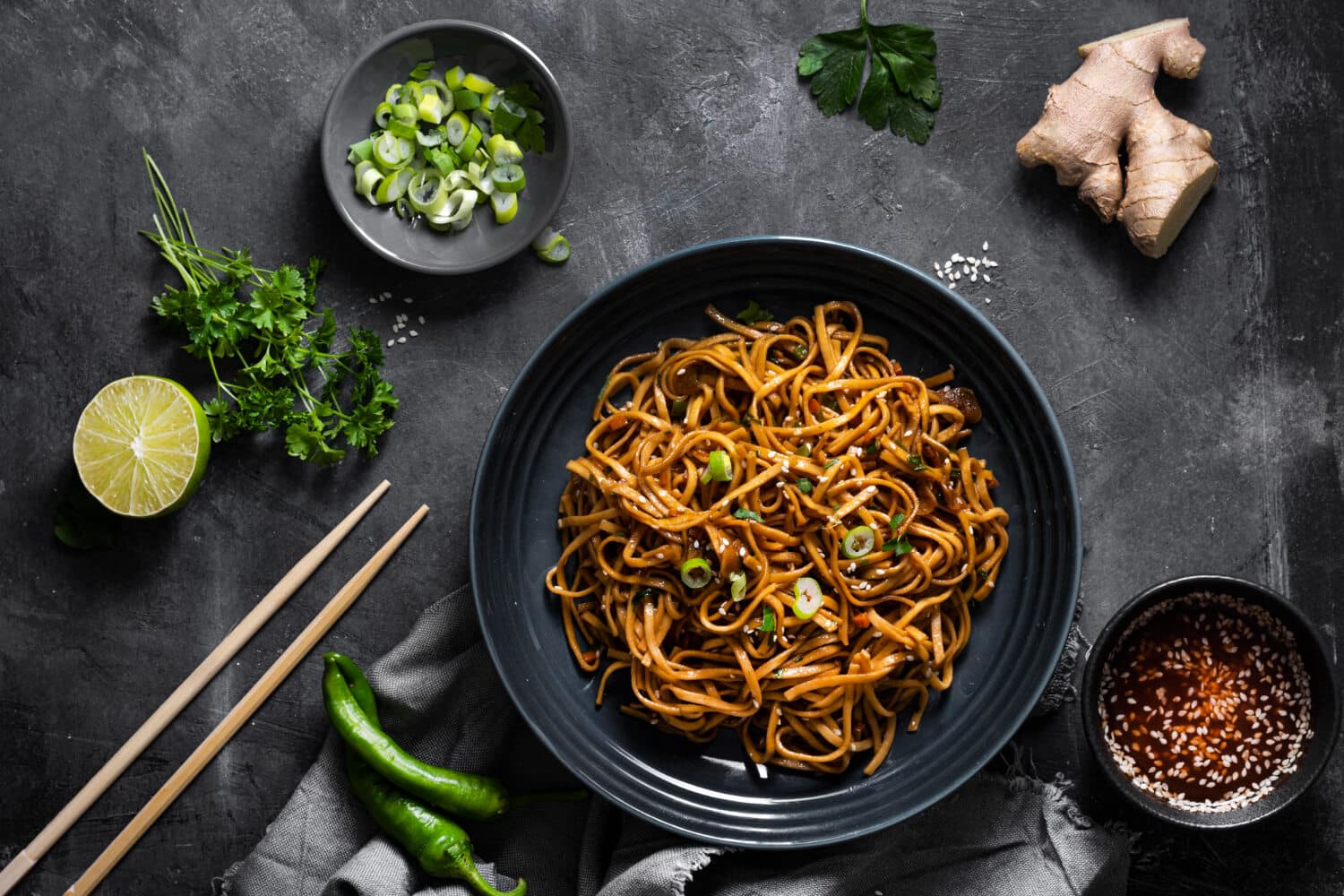
Top down view of a dark bowl of stir fried noodles garnished with sesame seeds and green onions
Hokkien Mee combines egg noodles and rice vermicelli cooked in a rich prawn stock. The noodles absorb the broth, resulting in a moist, umami-packed dish. Seafood such as prawns and squid enhances the flavour, while a squeeze of lime adds brightness. It is a balanced noodle dish that delivers depth without heaviness, making it a popular choice in Singapore’s hawker centres.
Ingredients:
- Egg noodles, vermicelli
- Prawns, squid
- Garlic
- Prawn stock
- Lime
Recipe:
- Step 1: Fry garlic and seafood until fragrant
- Step 2: Add noodles and mix well
- Step 3: Pour in stock and simmer until absorbed
- Step 4: Adjust seasoning
- Step 5: Serve with lime and sambal on the side
7. Nasi Lemak
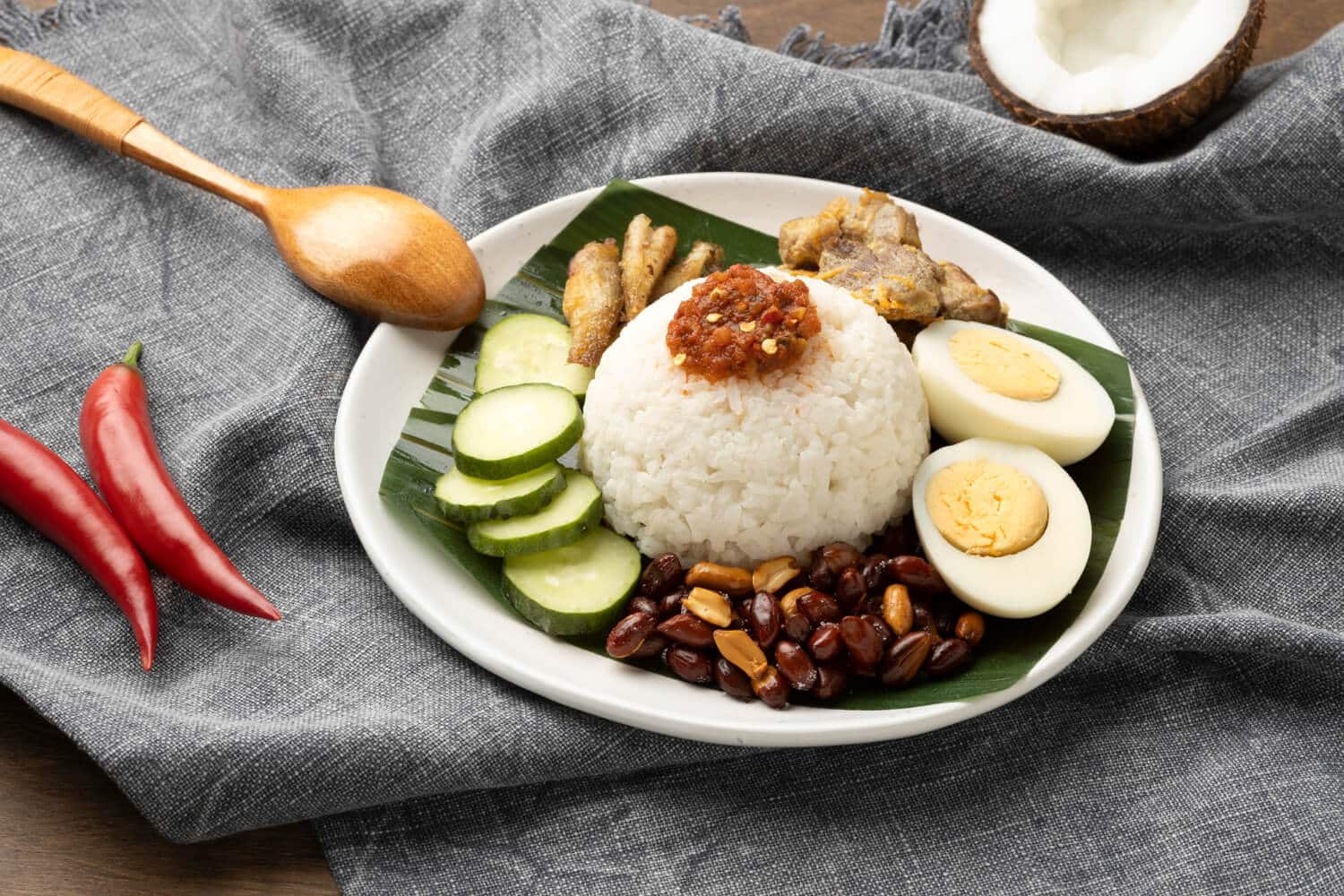
A plate of Nasi Lemak featuring a dome of coconut rice topped with sambal
Nasi Lemak is a fragrant rice dish cooked in coconut milk and pandan leaves, forming the base of a balanced meal. It is served with sambal, crispy anchovies, peanuts, and boiled egg, with optional proteins such as chicken or fish. The combination of creamy rice, spicy sambal, and crunchy sides creates a harmonious contrast of flavours and textures in a single plate.
Ingredients:
- Rice, coconut milk
- Pandan leaves
- Sambal
- Anchovies, peanuts
- Eggs
Recipe:
- Step 1: Cook rice with coconut milk and pandan
- Step 2: Fry anchovies until crisp
- Step 3: Prepare sambal separately
- Step 4: Boil eggs
- Step 5: Assemble all components neatly and serve
8. Roti Prata
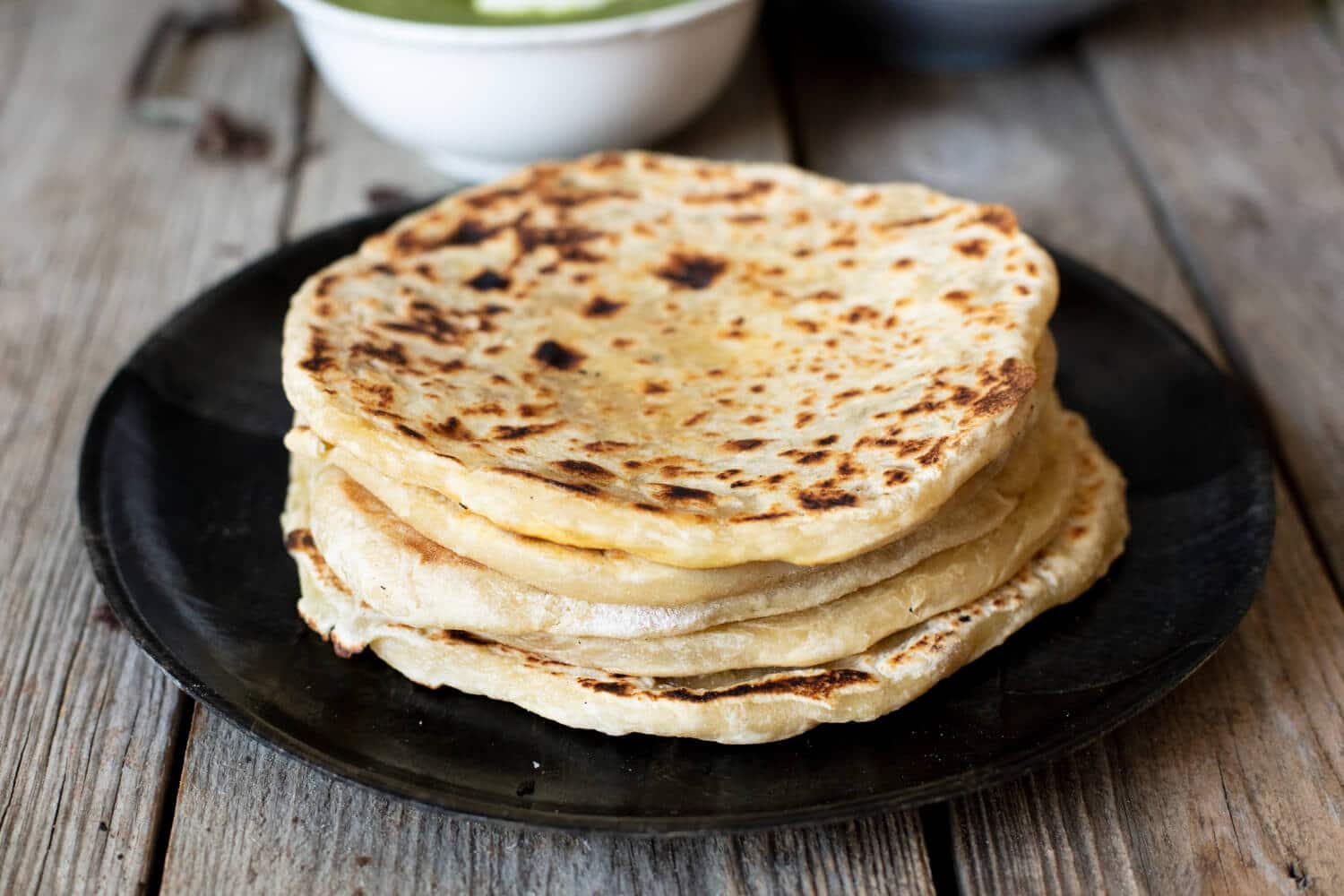
A stack of warm golden brown flatbreads with charred spots served on a black plate
Roti Prata is a South Indian-influenced flatbread known for its flaky layers and crisp exterior. Made from a simple dough of flour, water, and fat, it is stretched thin, folded, and pan-fried. It is typically served with curry for a savoury option or sugar for a sweet variation, making it a versatile and widely enjoyed dish in Singapore.
Ingredients:
- Flour
- Water
- Ghee or oil
- Salt
Recipe:
- Step 1: Knead the dough until smooth and elastic
- Step 2: Rest the dough for several hours
- Step 3: Stretch thin, fold into layers
- Step 4: Pan-fry on medium heat until golden
- Step 5: Serve hot with curry
9. Bak Kut Teh
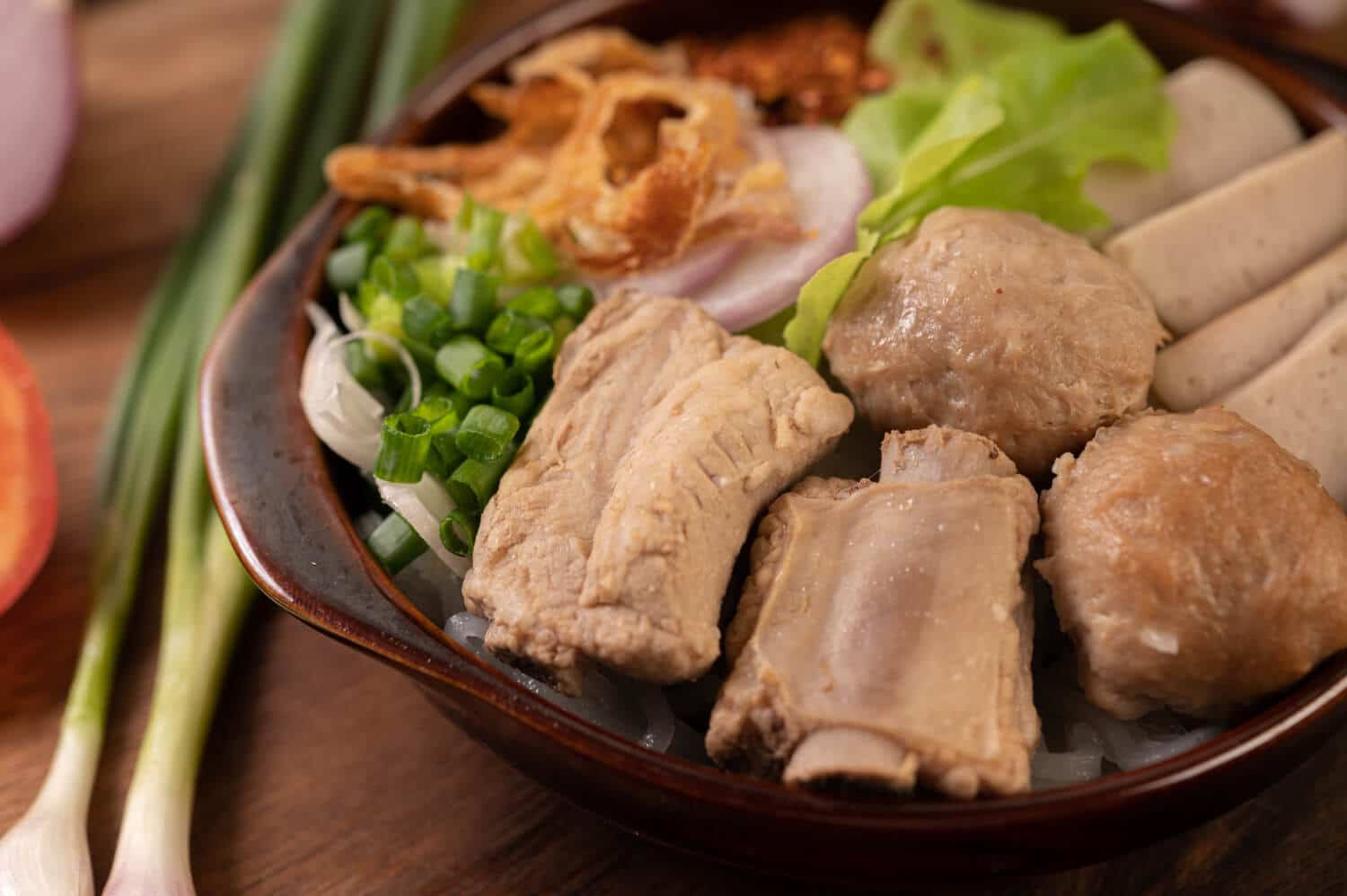
A close up of a noodle bowl topped with pork ribs large meatballs sliced pork roll crispy fried shallots
Bak Kut Teh is a pork rib soup simmered with garlic, white pepper, and herbs to create a deeply aromatic broth. The ribs become tender as they absorb the flavours of the soup. Depending on the style, the broth can be peppery or herbal. It is commonly served with rice and side dishes, offering a nourishing and comforting meal.
Ingredients:
- Pork ribs
- Garlic
- White pepper
- Soy sauce
- Herbs/spices
Recipe:
- Step 1: Blanch ribs briefly to remove impurities
- Step 2: Simmer with garlic and spices for 1-2 hours
- Step 3: Add seasoning to taste
- Step 4: Serve hot with rice and condiments
10. Ice Kachang
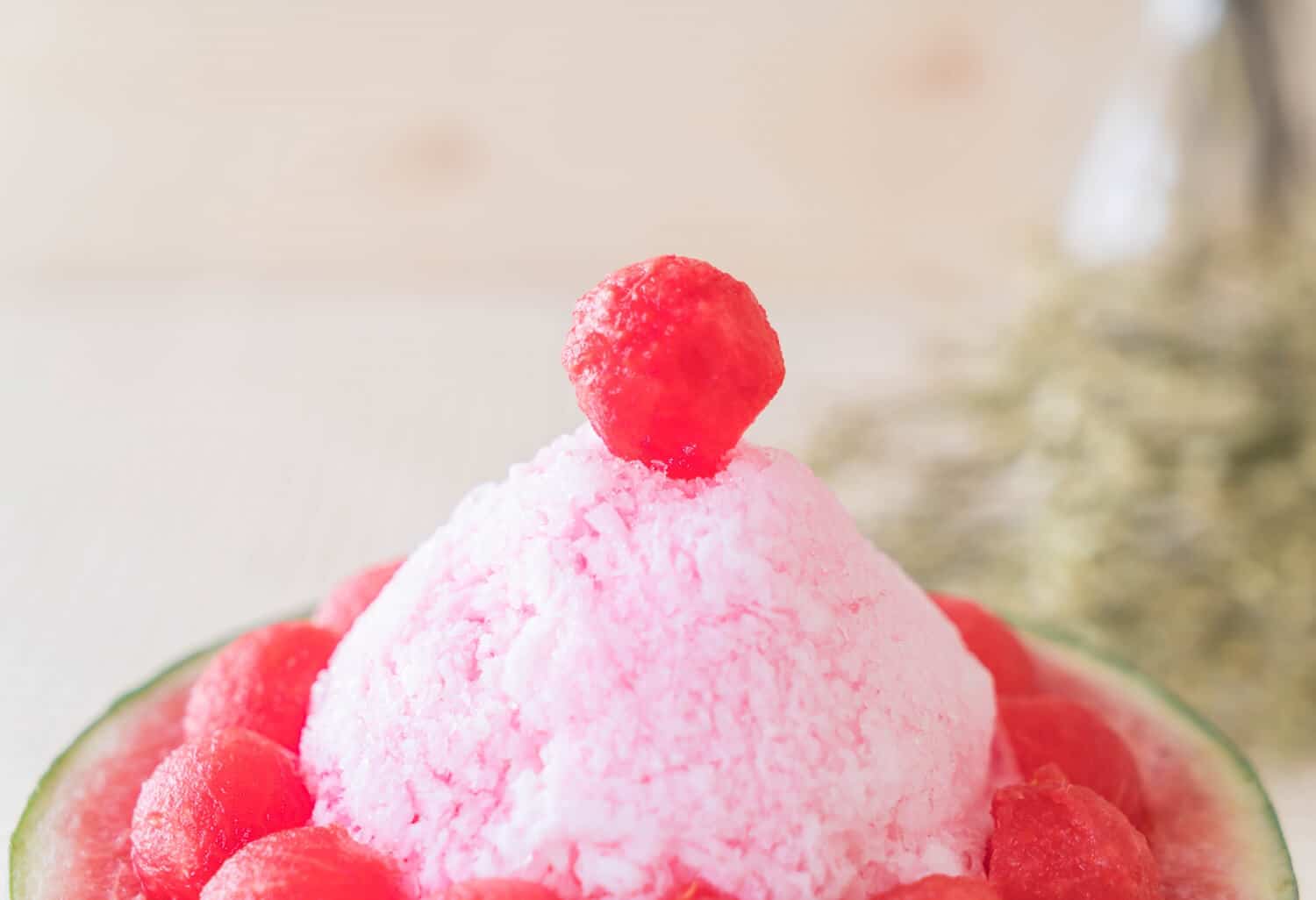
A close up of a watermelon bingsu dessert featuring a mound of pink shaved ice topped with a watermelon ball
Ice Kachang is a refreshing dessert made with finely shaved ice topped with colourful syrups, condensed milk, and assorted ingredients such as red beans and jelly. It provides a mix of textures, from crunchy ice to soft toppings. Popular in Singapore’s tropical climate, it serves as a cooling treat that combines sweetness with visual appeal.
Ingredients:
- Shaved ice
- Flavoured syrups
- Red beans, jelly
- Condensed milk
Recipe:
- Step 1: Prepare a shaved ice mound
- Step 2: Add beans and jelly inside or on top
- Step 3: Drizzle syrups evenly
- Step 4: Finish with condensed milk
- Step 5: Serve immediately
11. Kaya Toast
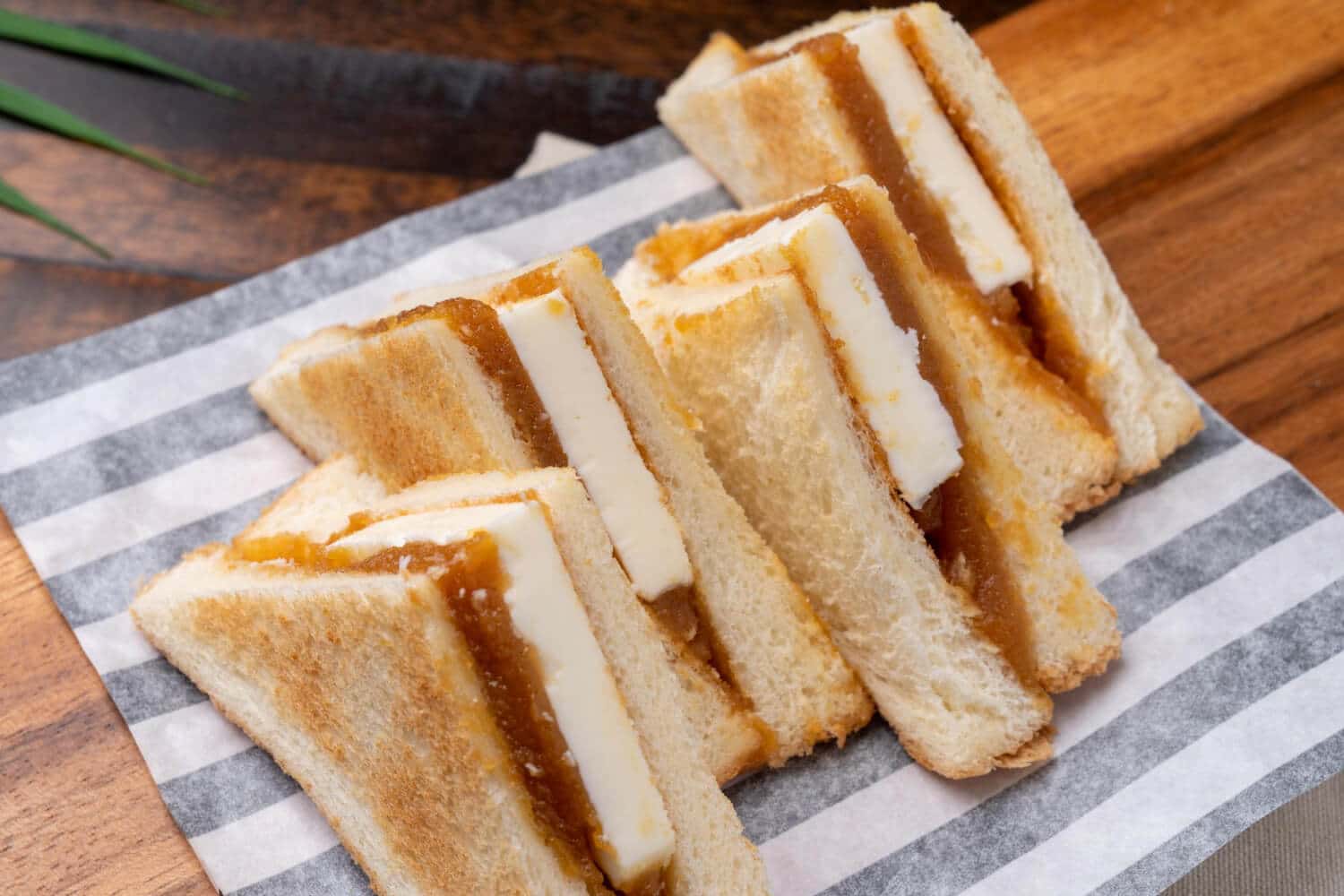
Several Kaya toast sandwiches sliced into triangles
Kaya Toast is a traditional Singaporean breakfast staple featuring crisp, toasted bread layered with kaya, a coconut-and-egg jam, and cold butter. The contrast between warm toast and chilled butter creates a rich, creamy texture. Typically served with soft-boiled eggs and coffee, it offers a balanced blend of sweetness and savoury notes, making it a simple yet culturally significant morning meal.
Ingredients:
- White bread
- Kaya (coconut, eggs, sugar, pandan)
- Butter
- Eggs (for serving)
- Soy sauce, white pepper
Recipe:
- Step 1: Toast bread until crisp and golden
- Step 2: Spread kaya evenly, add a slice of cold butter
- Step 3: Sandwich and slice into portions
- Step 4: Soft-boil eggs (6–7 minutes), crack into a bowl
- Step 5: Season eggs with soy sauce and pepper, and serve alongside toast
12. Fish Head Curry
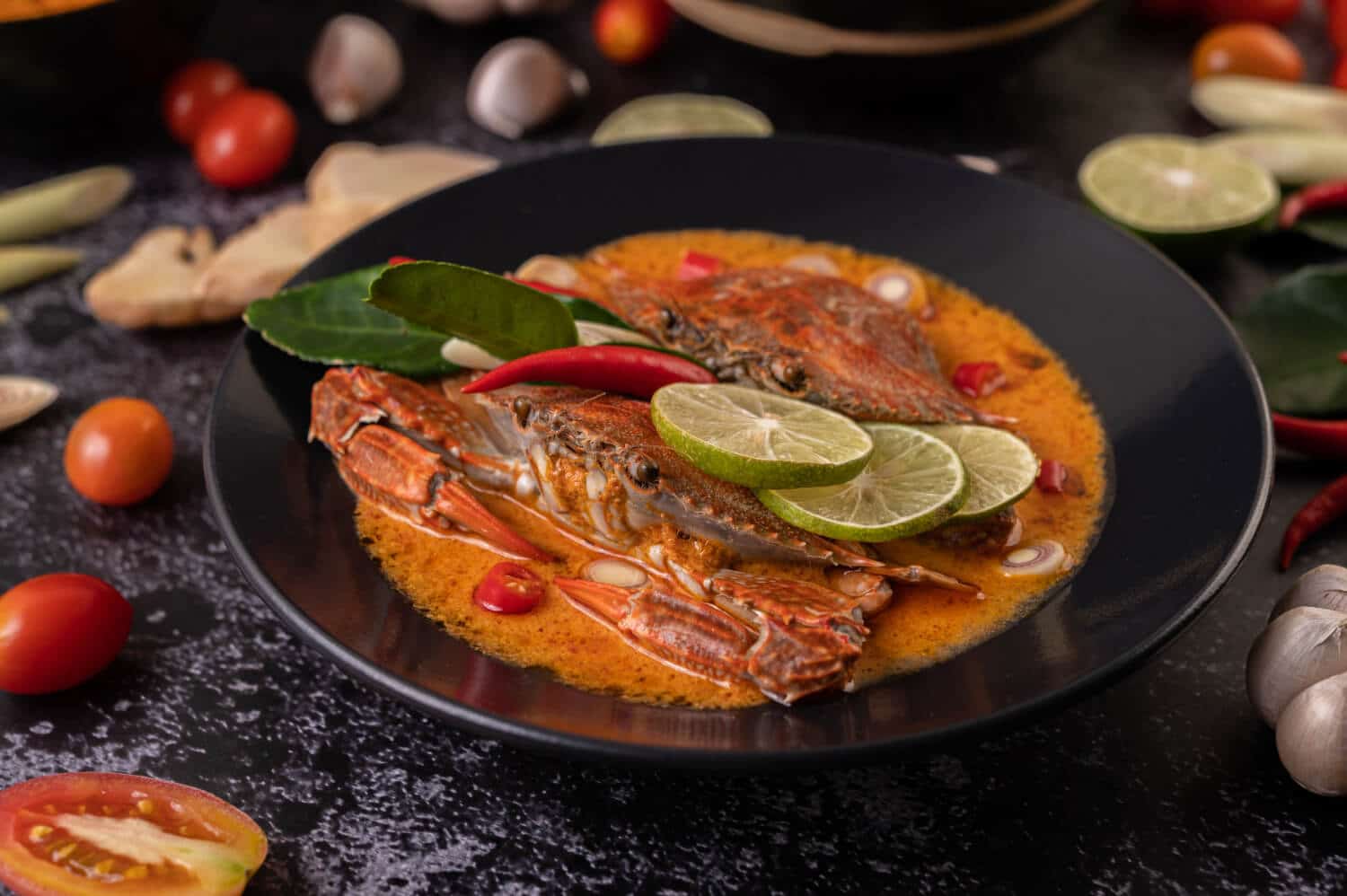
A black bowl of spicy red crab curry garnished with lime slices kaffir lime leaves and red chilies
Fish Head Curry is a bold fusion dish combining South Indian spices with Chinese culinary influences. A large fish head is simmered in a tangy, spicy curry enriched with tamarind and coconut milk, along with vegetables such as okra and eggplant. The dish offers deep, layered flavours with a balance of heat and acidity, making it robust and complex, and is typically enjoyed as a shared meal.
Ingredients:
- Fish head (snapper or similar)
- Curry paste
- Coconut milk
- Tamarind pulp
- Okra, eggplant, tomatoes
Recipe:
- Step 1: Fry curry paste in oil until aromatic
- Step 2: Add water and tamarind; bring to a simmer
- Step 3: Add vegetables and cook partially
- Step 4: Gently place the fish head and cook without stirring excessively
- Step 5: Finish with coconut milk, simmer briefly, and serve hot
13. Oyster Omelette (Orh Luak)
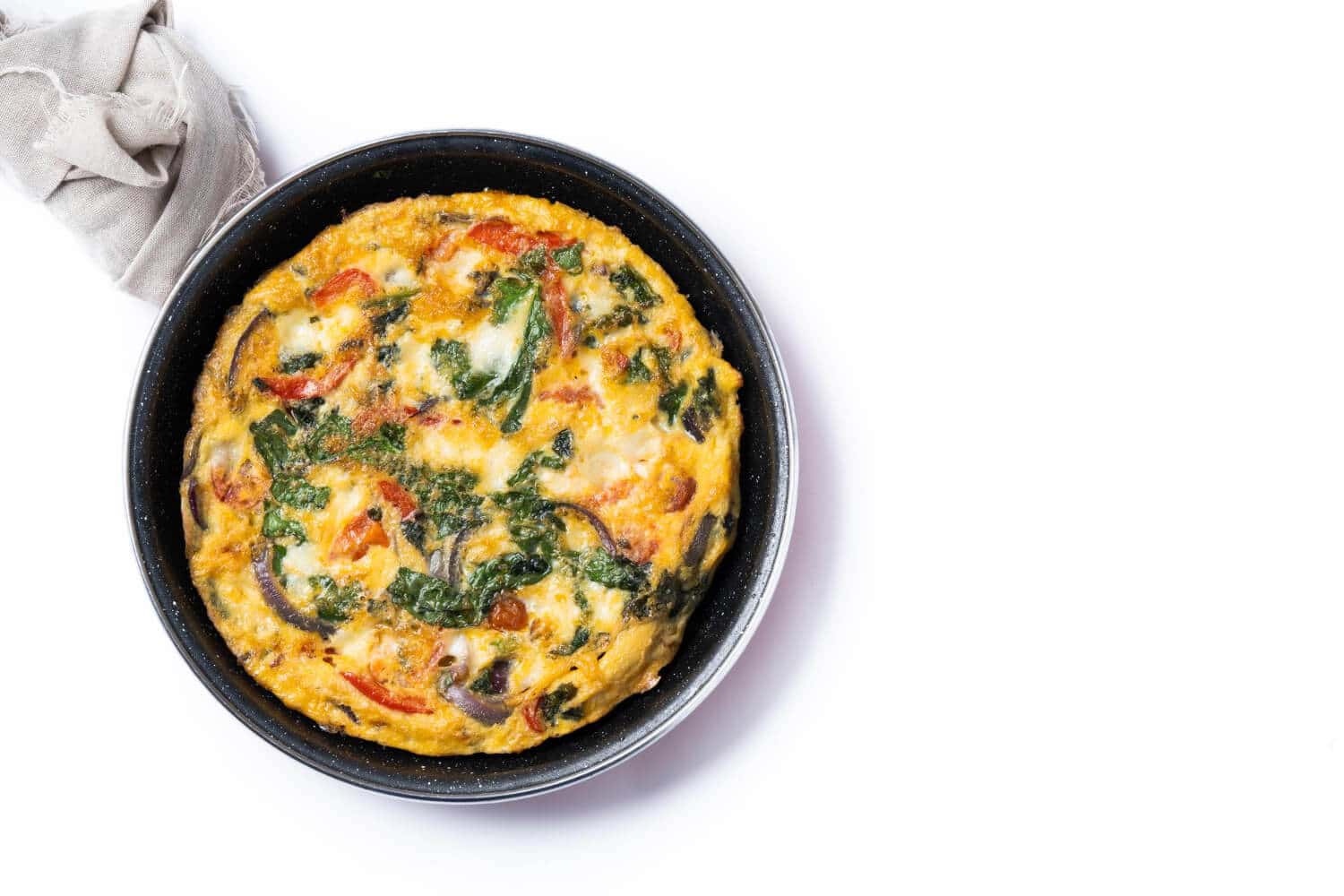
Top down view of a vegetable frittata with spinach red peppers and onions served in a black frying pan
Oyster Omelette, or Orh Luak, is a hawker favourite that combines fresh oysters with eggs and a starch mixture to create a dish that is both crispy and slightly chewy. The contrast between the soft oysters and crisp edges defines its texture. Typically served with a tangy chilli sauce, it delivers a rich, savoury flavour with a subtle briny freshness.
Ingredients:
- Fresh oysters
- Eggs
- Tapioca starch
- Garlic
- Fish sauce, pepper
Recipe:
- Step 1: Mix starch with water to form a slurry
- Step 2: Heat oil, fry garlic until fragrant
- Step 3: Add oysters briefly, then pour in the slurry
- Step 4: Crack eggs over the mixture and cook until crispy edges form
- Step 5: Fold lightly and serve with chilli sauce
14. Carrot Cake (Chai Tow Kway)
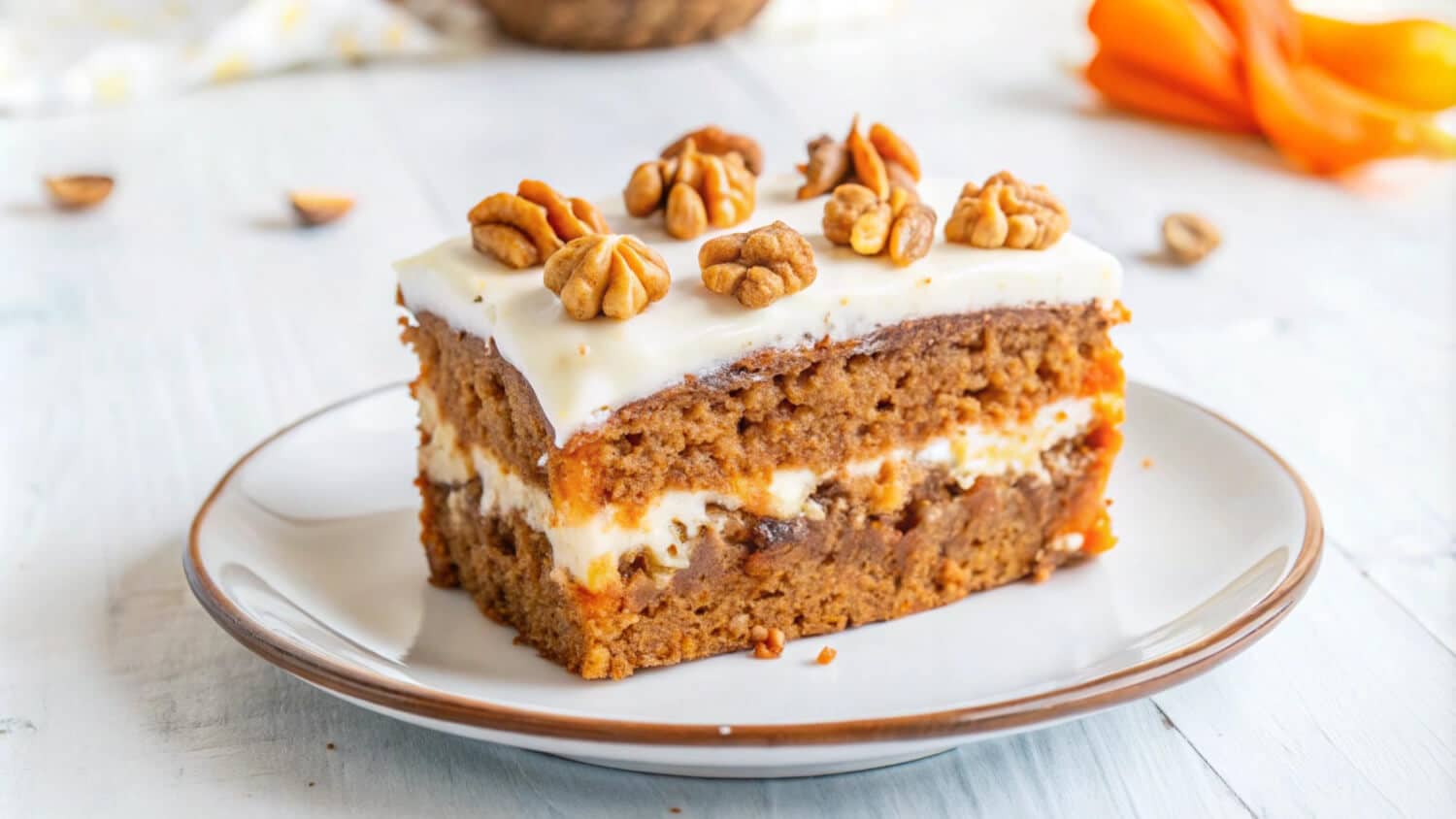
A rectangular slice of carrot cake with cream cheese frosting layers
Singaporean Carrot Cake, known as Chai Tow Kway, is a savoury dish made from radish cake stir-fried with eggs and preserved radish. Despite its name, it contains no carrots. The dish is either “white” (lighter, savoury) or “black” (with sweet soy sauce). Its appeal lies in the contrast between soft cubes and crispy edges, delivering a balanced umami-rich flavour.
Ingredients:
- Radish cake (daikon-based)
- Eggs
- Preserved radish (chai poh)
- Garlic
- Soy sauce, dark soy
Recipe:
- Step 1: Fry garlic and preserved radish
- Step 2: Add cubed radish cake, pan-fry until lightly crisp
- Step 3: Push aside, scramble eggs, then combine
- Step 4: Add soy sauce and stir-fry evecaramelized Cook until slightly caramelised and serve hot
15. Mee Goreng
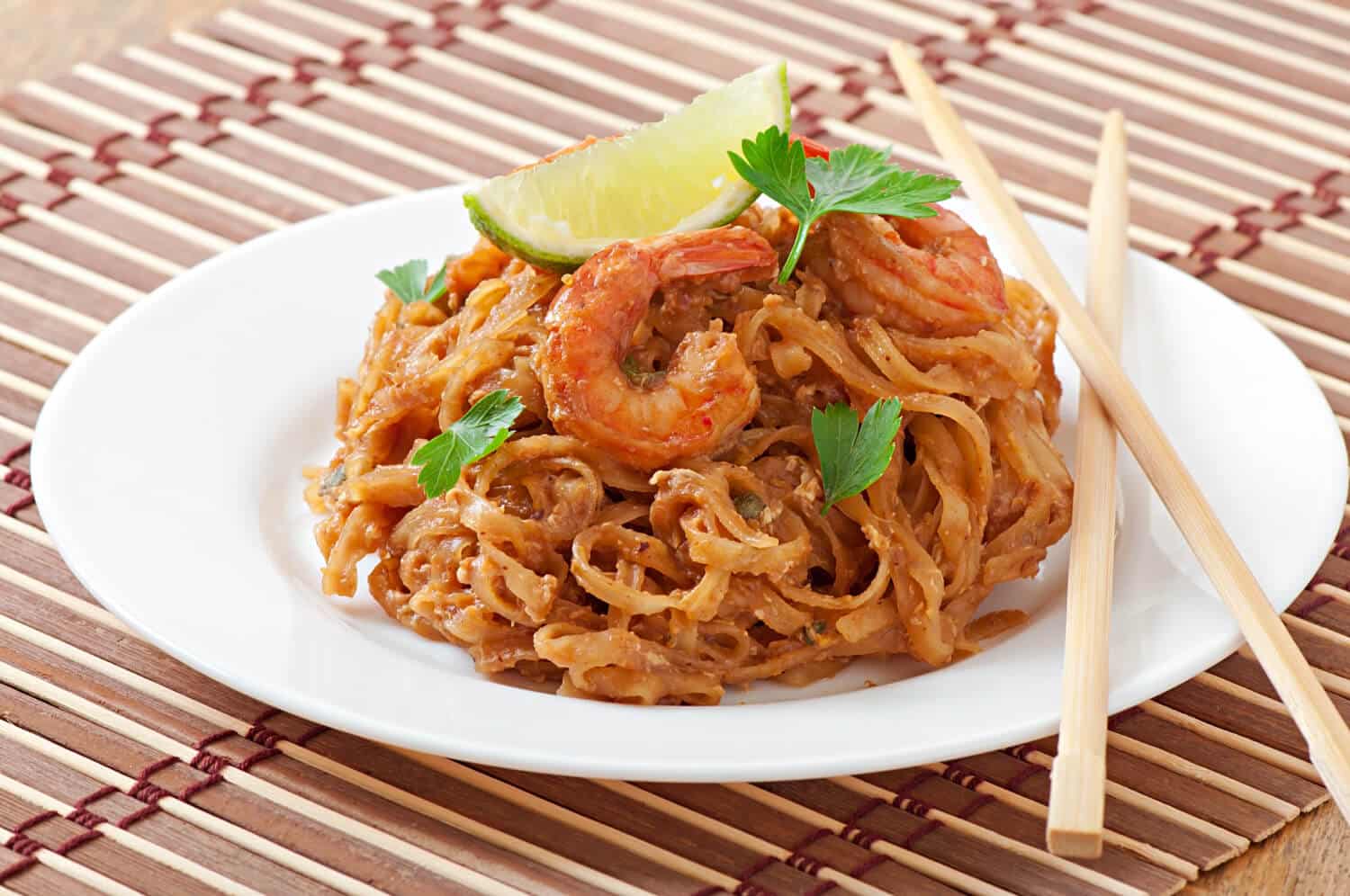
A plate of Pad Thai with large shrimp garnished with a lime wedge and parsley
Mee Goreng is a spicy fried noodle dish influenced by Indian-Muslim cuisine. Yellow noodles are stir-fried with chilli paste, garlic, tomatoes, and soy-based sauces, often combined with seafood or meat. The dish delivers a bold balance of sweet, spicy, and tangy flavours with a slightly saucy texture that coats each strand, making it both hearty and intensely flavourful.
Ingredients:
- Yellow noodles
- Garlic, chilli paste
- Tomato, cabbage
- Soy sauce, ketchup
- Protein (chicken/prawns)
Recipe:
- Step 1: Fry garlic and chilli paste until aromatic
- Step 2: Add protein and cook through
- Step 3: Add vegetables and noodles
- Step 4: Stir in sauces and toss until evenly coated
- Step 5: Cook briefly over high heat and serve
16. Popiah
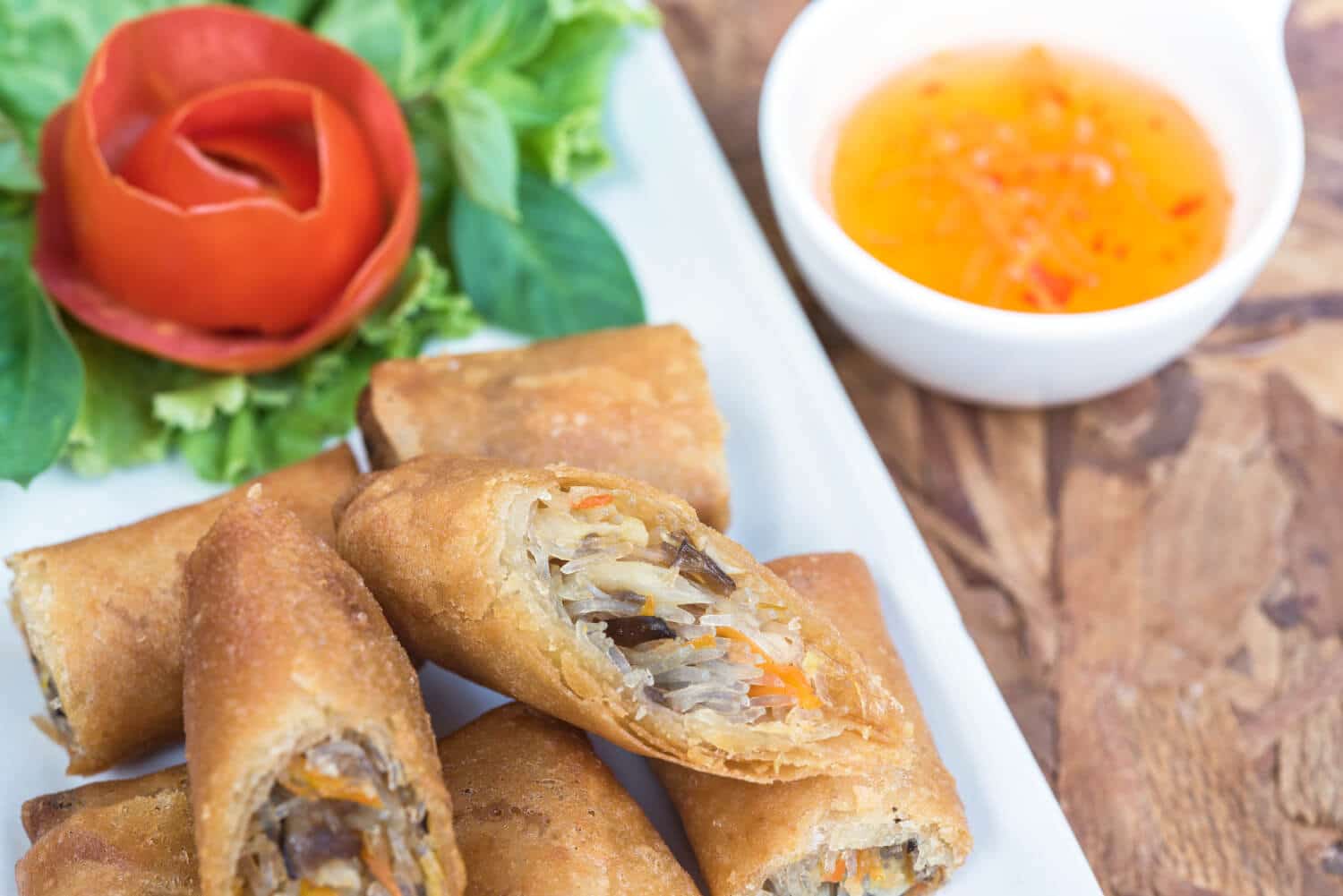
Crispy golden brown spring rolls one sliced open to reveal a vegetable and glass noodle filling
Popiah is a fresh spring roll filled with a mixture of stewed vegetables, often including turnip, bean sprouts, and sometimes meat or prawns. Wrapped in thin, soft crepe, it is served with sweet sauce and chilli for added flavour. The dish is light yet satisfying, offering a balance of textures from crunchy vegetables to the delicate wrapper.
Ingredients:
- Popiah skin (thin crepe)
- Turnip (jicama), bean sprouts
- Garlic, soy sauce
- Sweet sauce, chilli paste
Recipe:
- Step 1: Stir-fry garlic and vegetables until softened
- Step 2: Season and cool slightly
- Step 3: Lay the wrapper flat, spread the sauces
- Step 4: Add filling neatly and roll tightly
- Step 5: Slice and serve fresh
17. Wanton Mee
Several pieces of crispy golden brown fried chicken including a drumstick and wings
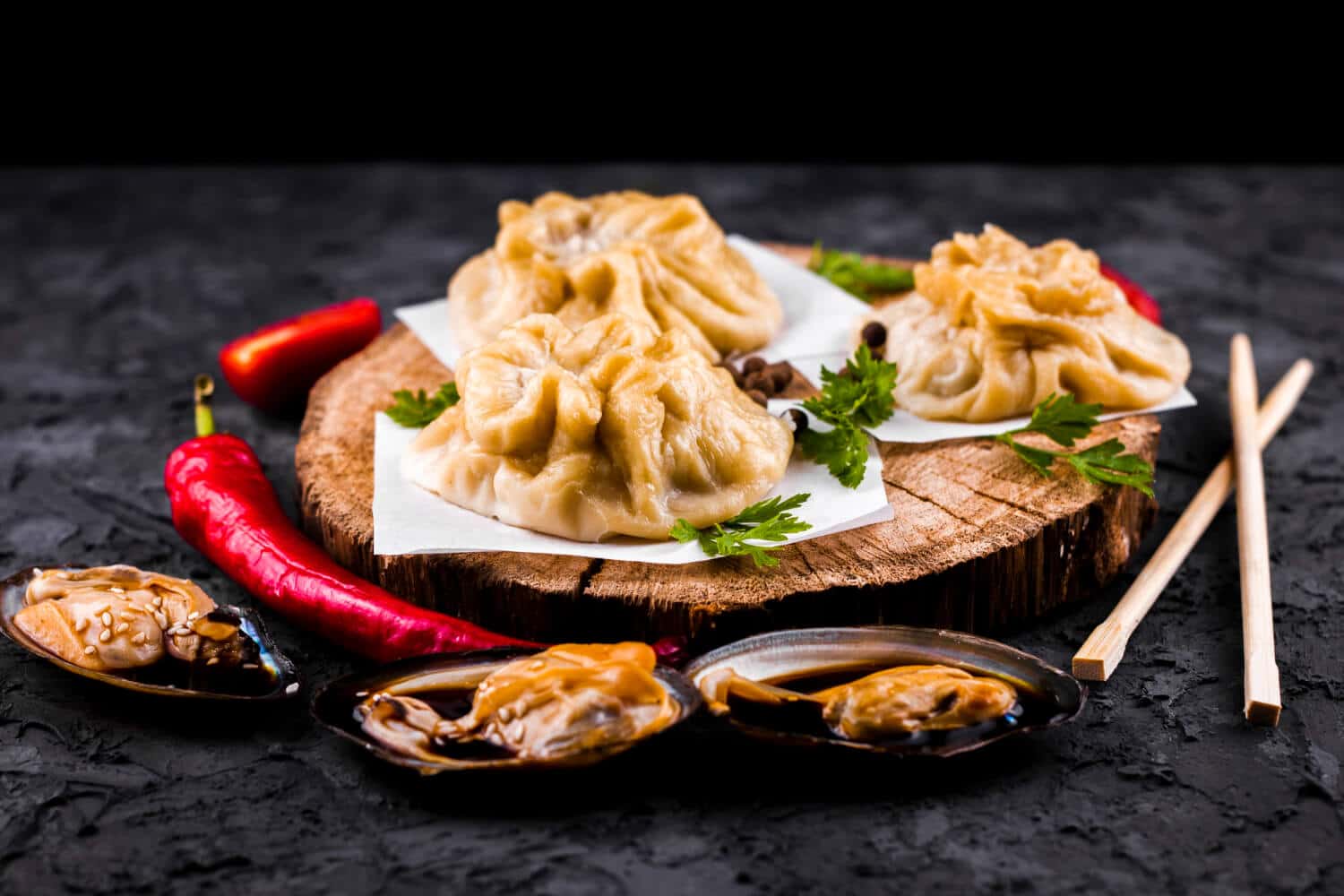
Wanton Mee features springy egg noodles tossed in a savoury sauce and served with dumplings, char siu (barbecued pork), and greens. The dish is known for its balanced seasoning and textural contrast between tender dumplings and firm noodles. It can be served dry or with soup on the side, making it a versatile and satisfying meal commonly found in hawker centres.
Ingredients:
- Egg noodles
- Wanton dumplings
- Char siu pork
- Soy sauce, oyster sauce
- Leafy greens
Recipe:
- Step 1: Cook noodles until just tender, then drain
- Step 2: Toss with soy and oyster sauce
- Step 3: Boil dumplings separately
- Step 4: Slice char siu
- Step 5: Assemble noodles, top with dumplings and pork, and serve with soup
18. Curry Puff
A top down view of six fresh Vietnamese spring rolls G i cu n filled with shrimp
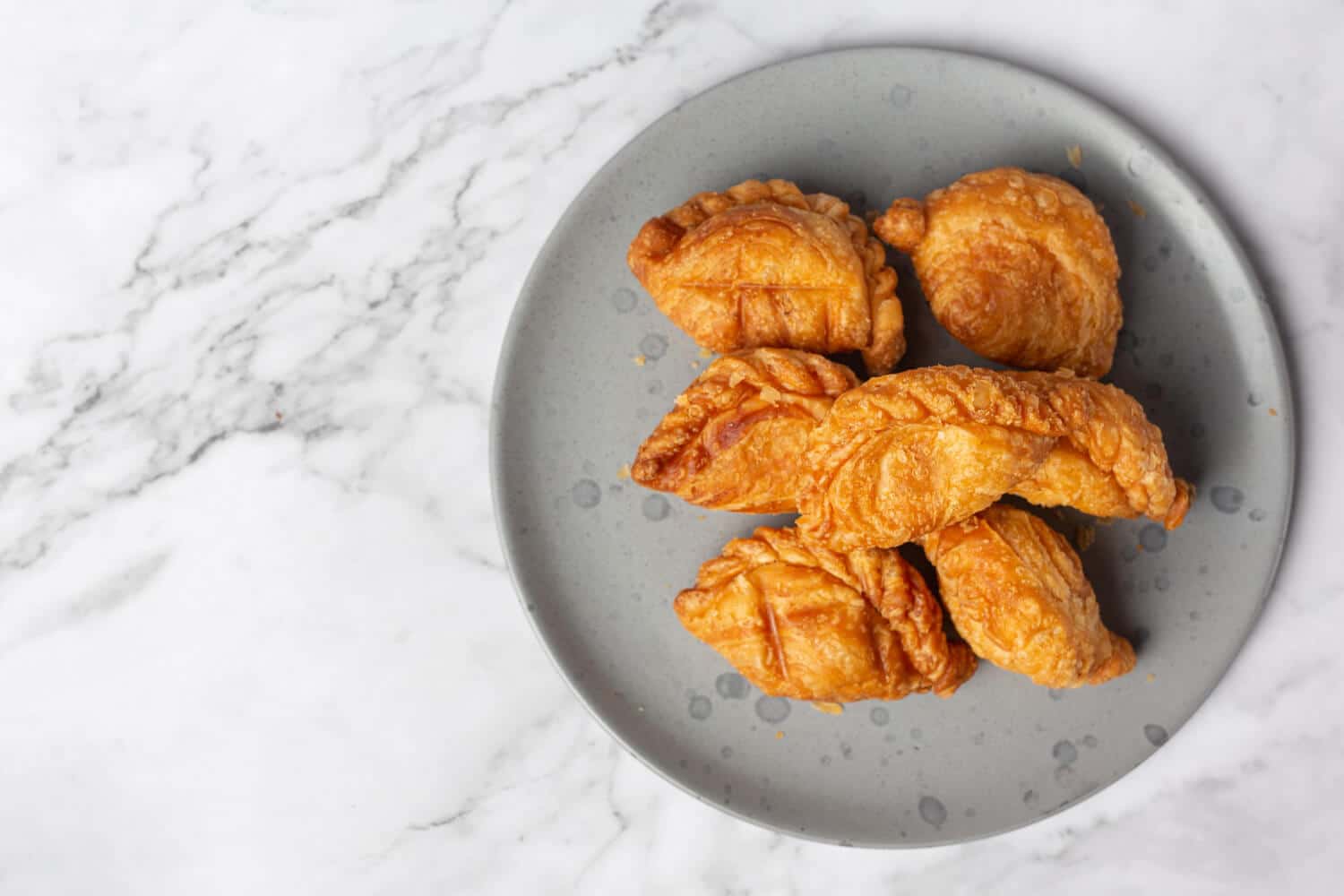
Curry Puff is a deep-fried pastry filled with a spiced mixture of potatoes, chicken, and curry. The outer crust is flaky and crisp, while the filling is soft and aromatic. It is a popular snack that combines rich, savoury flavours with a satisfying texture, making it widely enjoyed as a quick bite throughout Singapore.
Ingredients:
- Pastry dough
- Potatoes
- Chicken
- Curry powder
- Onion
Recipe:
- Step 1: Cook filling with potatoes, chicken, and spices until dry
- Step 2: Cool completely
- Step 3: Fill pastry, fold, and seal edges
- Step 4: Deep-fry until golden and crisp
- Step 5: Drain and serve warm
19. Sambal Stingray
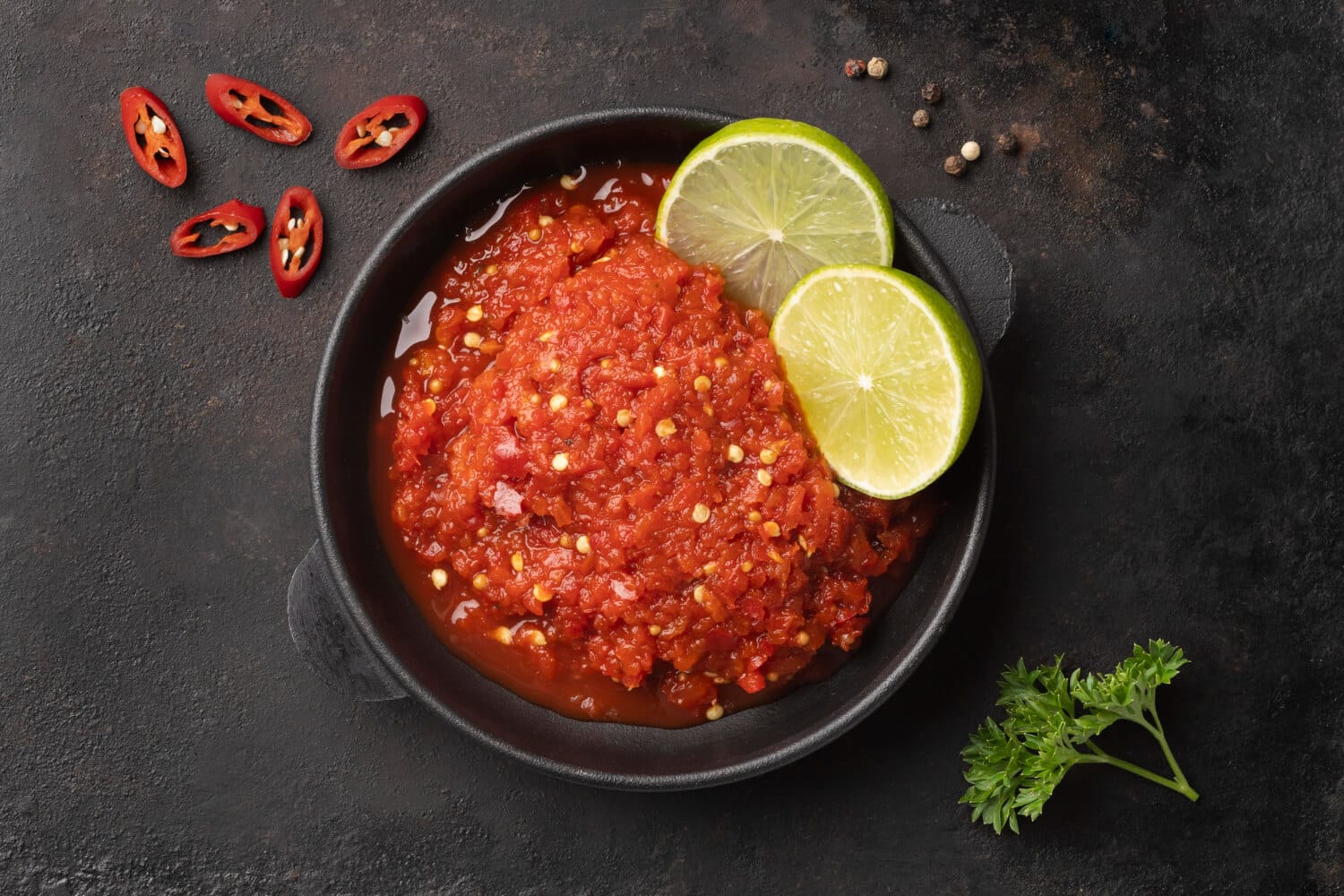
A top down view of a small black bowl filled with bright red chili sambal garnished with two lime slices
Sambal Stingray is a grilled seafood dish featuring stingray coated in a spicy sambal paste. Wrapped in a banana leaf and grilled, the fish remains moist while absorbing smoky flavours. The sambal adds heat and depth, balanced with a squeeze of lime. It is a distinctive dish that highlights Singapore’s love for bold, spicy seafood preparations.
Ingredients:
- Stingray fillet
- Sambal paste
- Banana leaves
- Lime
Recipe:
- Step 1: Clean and pat dry the stingray
- Step 2: Spread sambal paste evenly over the fish
- Step 3: Wrap in a banana leaf
- Step 4: Grill until cooked through and slightly charred
- Step 5: Serve with lime and extra sambal
20. Durian Dessert
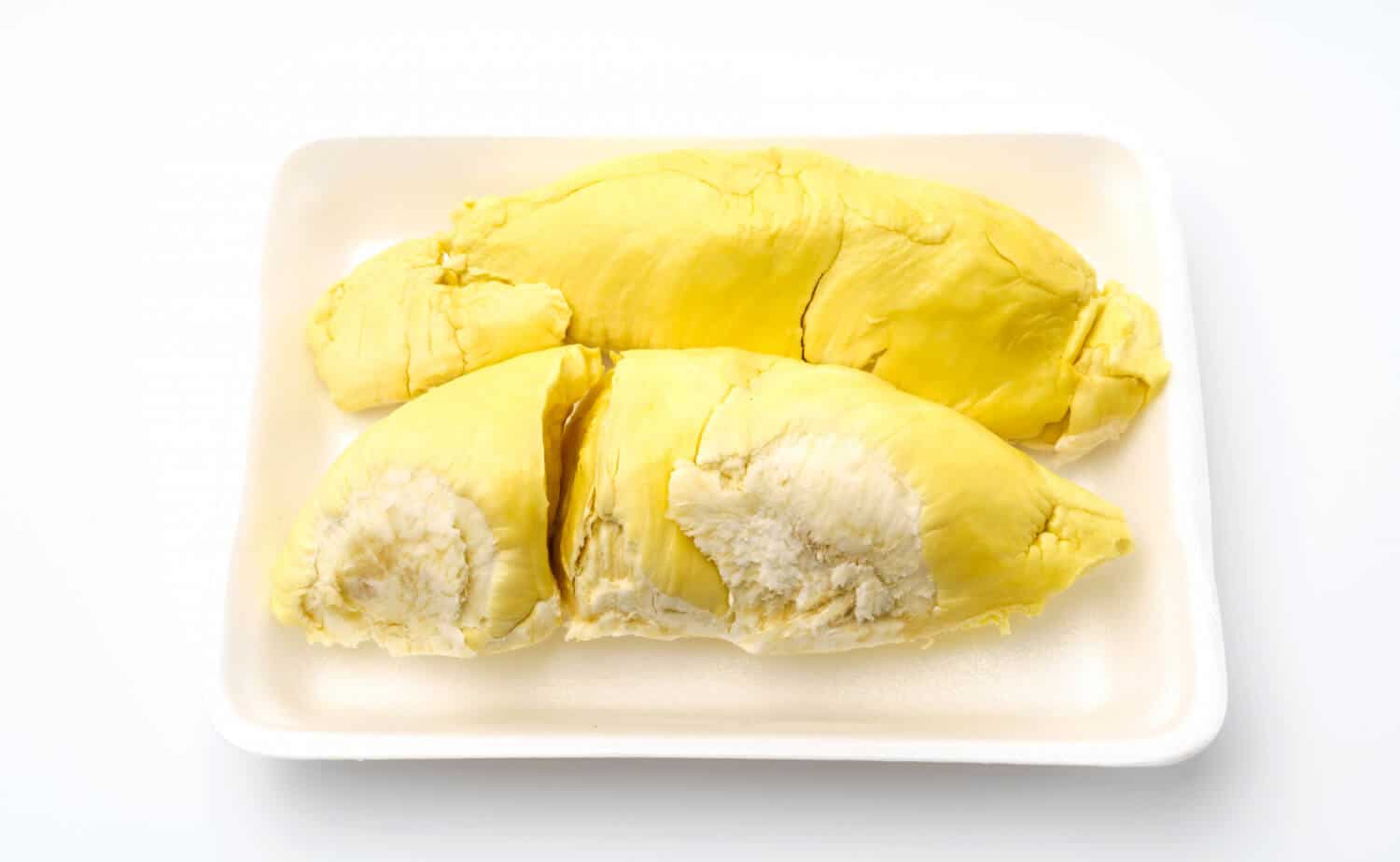
Three large segments of bright yellow ripe durian flesh arranged in a white styrofoam tray
Durian desserts showcase the fruit’s rich, custard-like texture and strong aroma, which is both loved and divisive. Common preparations include durian mousse, ice cream, or chilled pulp served with sticky rice. The flavour is intensely creamy with subtle sweetness, making it a unique culinary experience that reflects Southeast Asia’s appreciation for bold, distinctive ingredients.
Ingredients:
- Durian pulp
- Coconut milk or cream
- Sugar
- Sticky rice (optional)
Recipe:
- Step 1: Blend durian pulp with coconut milk and sugar
- Step 2: Chill the mixture for a mousse-like consistency or churn into ice cream
- Step 3: Prepare sticky rice separately if using
- Step 4: Serve chilled, either alone or paired with rice
21. Claypot Rice
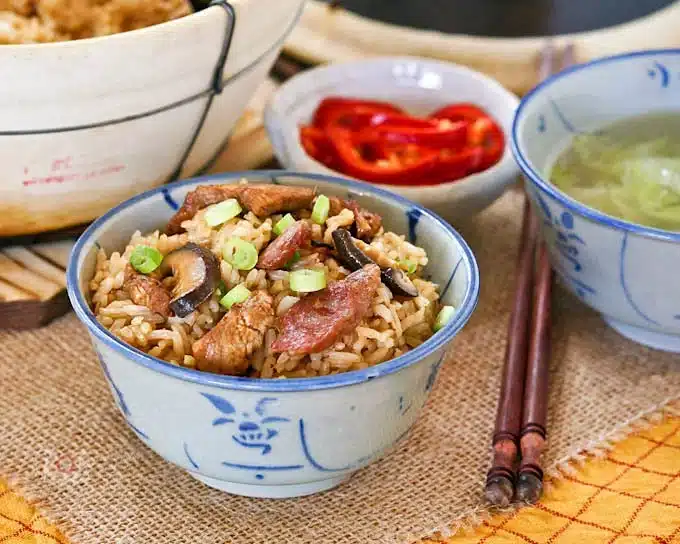
Claypot Rice
Claypot Rice is a comforting one-pot dish where rice is slow-cooked in a claypot with meats, sausages, and vegetables. The cooking method creates a smoky aroma and a crispy layer at the bottom, adding texture and depth to every bite.
Ingredients:
- Rice
- Chicken (marinated)
- Chinese sausage
- Mushrooms
- Soy sauce, oyster sauce
- Garlic, ginger
Recipe:
- Step 1: Heat the claypot with oil, sauté garlic and ginger
- Step 2: Add rice and water or stock, bring to a simmer
- Step 3: Layer marinated chicken, sausage, and mushrooms on top
- Step 4: Cover and cook on low heat until rice is done
- Step 5: Drizzle sauces, mix gently, and serve hot
22. Bak Chor Mee
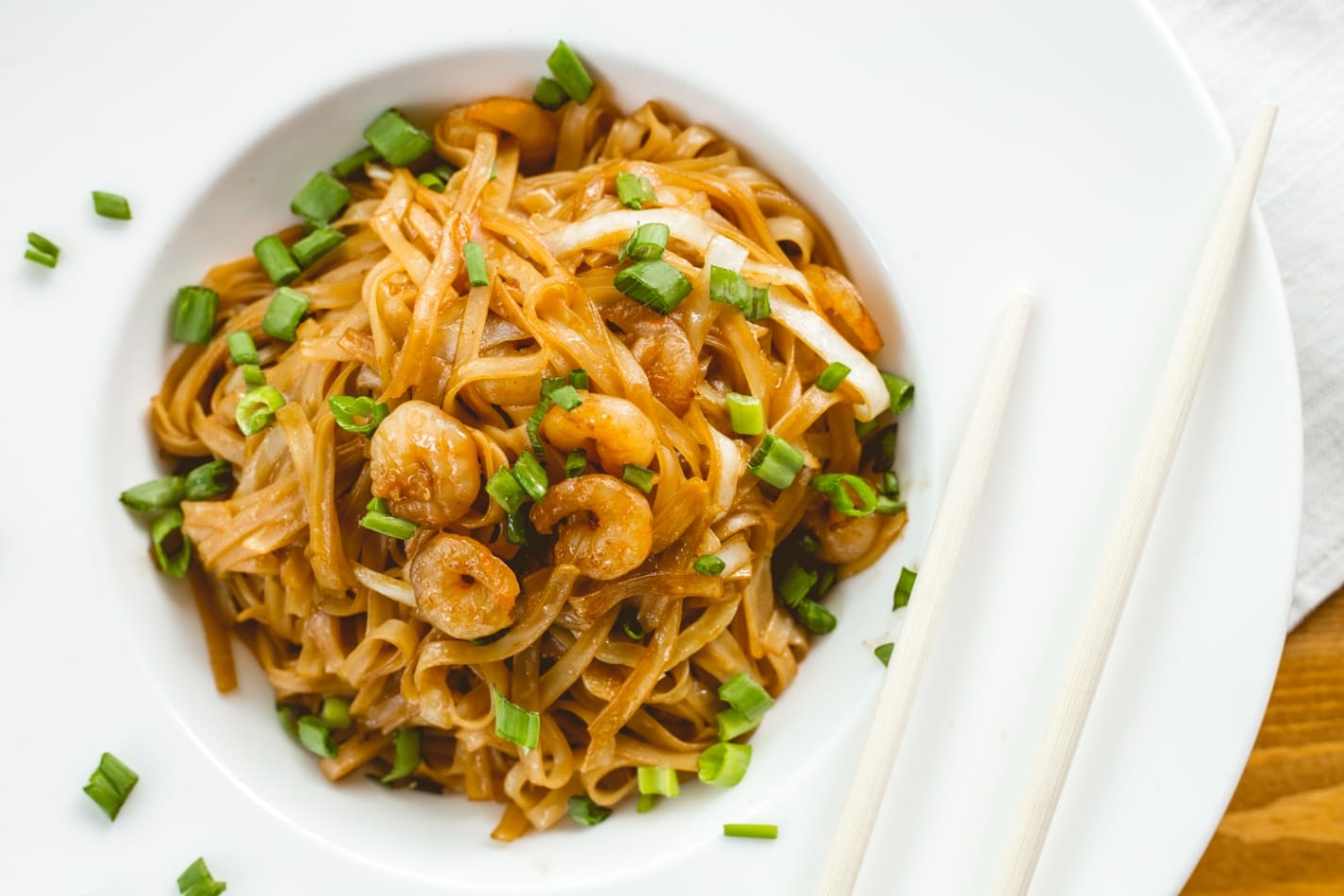
Bak Chor Mee
Bak Chor Mee is a popular noodle dish made with minced pork, vinegar, and chilli, resulting in a bold, tangy flavour. The combination of springy noodles, savoury meat, and an umami-rich sauce makes it a deeply satisfying hawker favourite.
Ingredients:
- Egg noodles
- Minced pork
- Vinegar, chilli paste
- Soy sauce
- Fish balls, mushrooms
Recipe:
- Step 1: Cook noodles and drain well
- Step 2: Fry the minced pork until cooked
- Step 3: Mix the sauces with chilli and vinegar in a bowl
- Step 4: Toss noodles in sauce, top with pork and sides
- Step 5: Serve immediately with soup on the side
23. Kway Chap
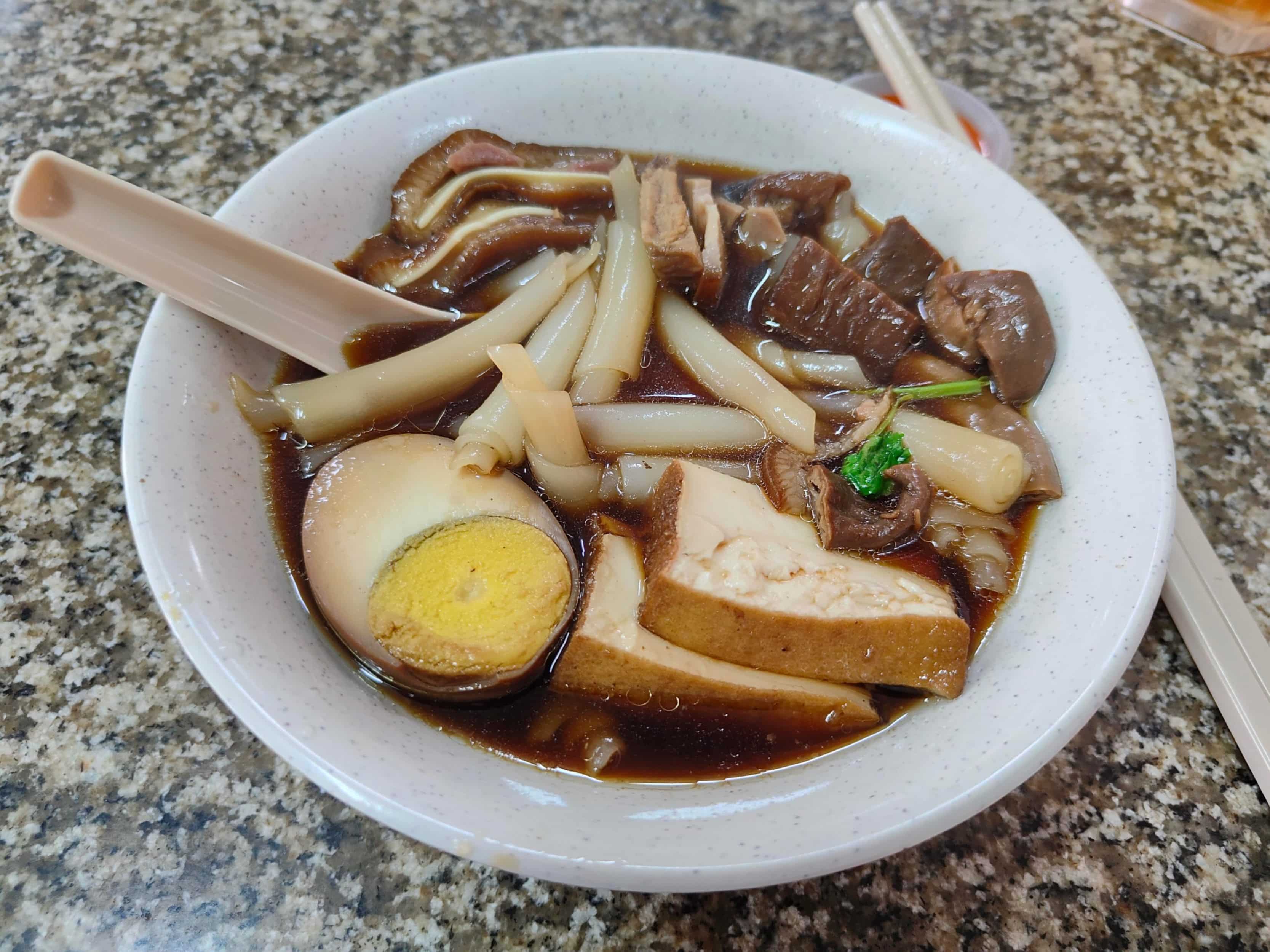
Kway Chap
Kway Chap is a Teochew-style dish featuring flat rice sheets served with braised pork and offal in a rich soy-based broth. It delivers deep, savoury flavours and a silky texture, making it a unique and traditional comfort food.
Ingredients:
- Flat rice sheets
- Pork belly, offal (optional)
- Soy sauce, star anise
- Garlic
- Boiled eggs
Recipe:
- Step 1: Prepare braising liquid with soy sauce, spices, and garlic
- Step 2: Simmer pork and eggs until tender
- Step 3: Cook rice sheets separately in hot water
- Step 4: Assemble in a bowl with broth and toppings
- Step 5: Serve hot with chilli on the side
24. Ayam Penyet
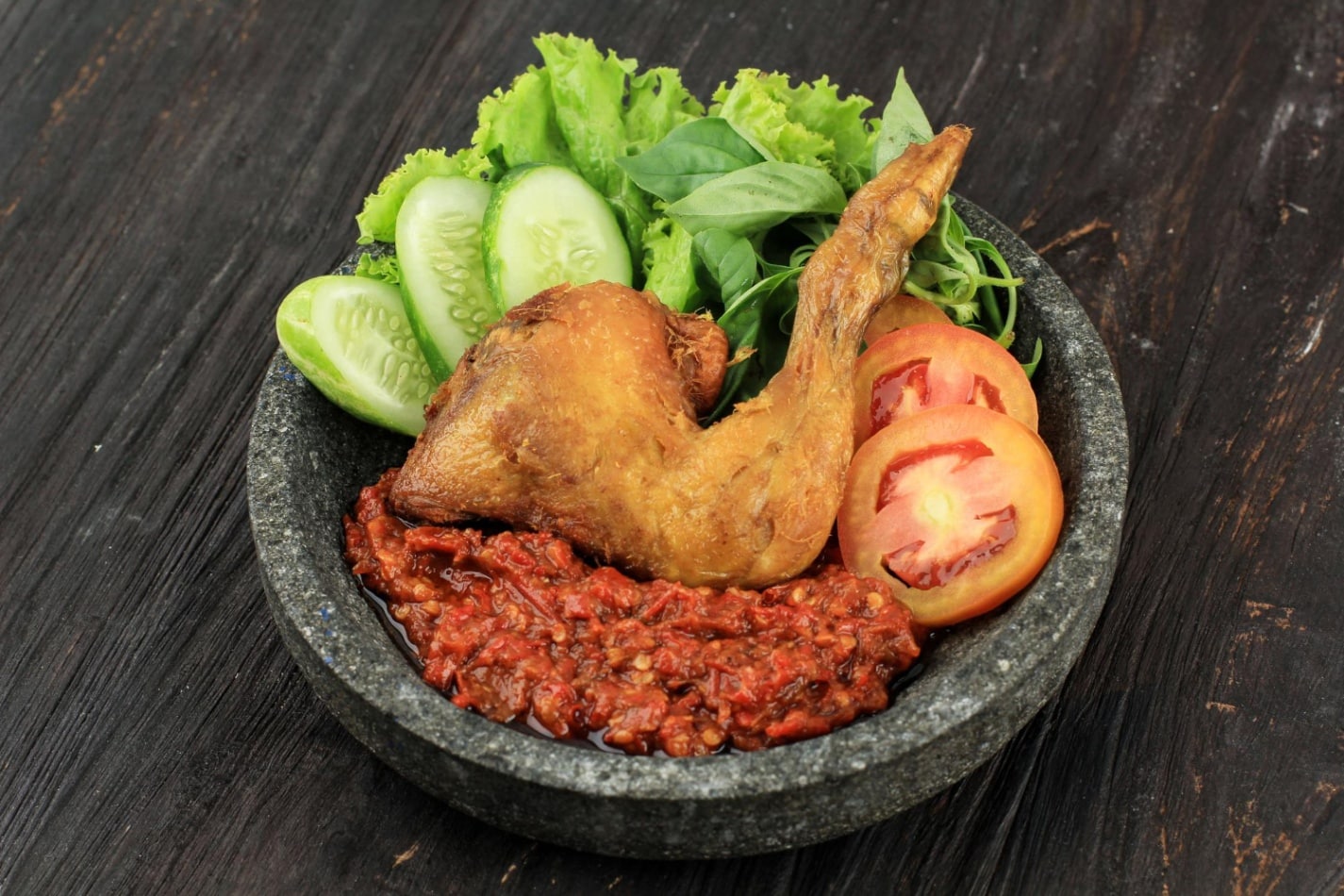
Ayam Penyet
Ayam Penyet is an Indonesian-influenced fried chicken dish widely popular in Singapore. The chicken is marinated, fried until crisp, then lightly smashed to tenderise it. Served with sambal, rice, and fresh vegetables, it offers a bold and spicy flavour profile.
Ingredients:
- Chicken
- Garlic, turmeric, and coriander
- Oil for frying
- Sambal
- Rice, cucumber
Recipe:
- Step 1: Marinate chicken with spices
- Step 2: Fry until golden and fully cooked
- Step 3: Lightly smash the chicken to soften
- Step 4: Serve with rice, sambal, and fresh sides
- Step 5: Garnish and serve hot
25. Tau Huay (Soybean Pudding)
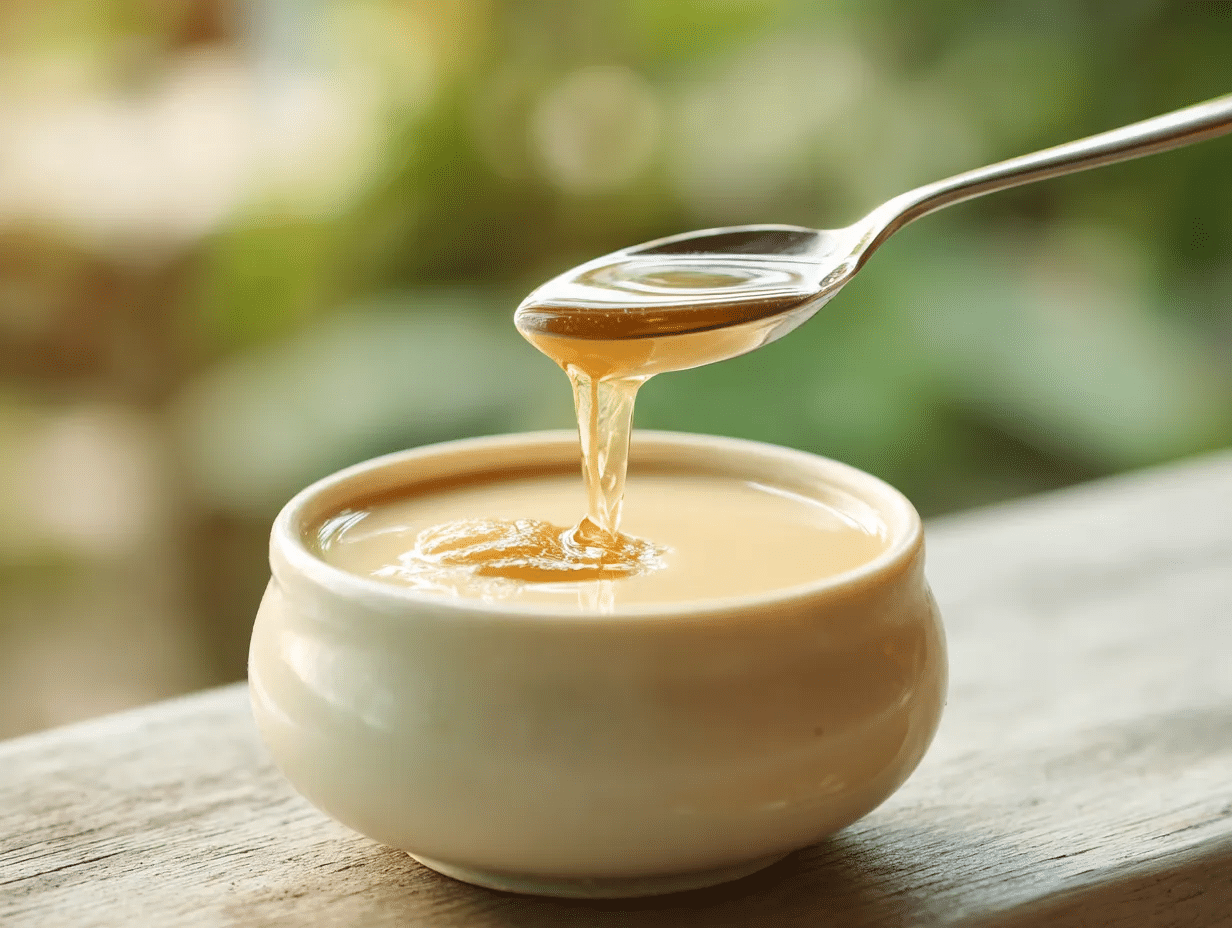
Tau Huay Soybean Pudding
Tau Huay is a soft, silky soybean dessert served warm or chilled with sugar syrup. Known for its delicate texture and subtle sweetness, it offers a light, refreshing contrast to Singapore’s rich, savoury dishes.
Ingredients:
- Soy milk
- Coagulant (gypsum or agar)
- Sugar syrup
- Pandan leaves (optional)
Recipe:
- Step 1: Heat soy milk gently without boiling
- Step 2: Add coagulant and let it set into a soft pudding
- Step 3: Preparea light sugar syrup separately
- Step 4: Scoop pudding into bowls carefully
- Step 5: Serve warm or chilled with syrup
From wok-fired noodles to spice-layered curries and iconic desserts, each dish reflects a distinct cultural influence, making Singapore one of the most diverse and rewarding food destinations globally.
Conclusion
Singapore’s cuisine is more than a collection of dishes; it’s a reflection of cultural harmony expressed through fLaksar. From comforting classics like Hainanese chicken rice to bold creations such as chilli crab and Laksa, each dish tells a story of heritage and innovation. With accessible ingredients and approachable techniques, many of these recipes can be recreated at home, making the experience even more rewarding.
Frequently Asked Questions
Where can you experience authentic Singaporean food culture?
Authentic Singaporean food thrives in hawker centres, food centres, coffee shops, and food courts across Chinatown Complex, Tanjong Pagar, Jalan Besar, and Little India. These hawker stalls reflect a melting pot of cultures shaped by Chinese and Hainanese immigrants, as well as Southeast Asian influences.
What are some must-try street food dishes beyond the popular ones?
Beyond chilli crab, explore bak chor mee, oyster omelette, sambal stingray, claypot rice, and fish head dishes. Often cooked with fish paste, egg noodles, Chinese sausage, sambal chilli, dark soy sauce, or sweet sauce, they highlight bold, savoury flavours.
What desserts and breakfast dishes are popular in Singapore?
Popular treats include kaya toast with coconut jam and pandan leaves, ice cream desserts with red beans and palm sugar, and drinks like teh tarik. Influences from Hong Kong and banana leaf traditions add diversity to these comforting local favourites.
How do you choose the right Singaporean dish based on your taste preferences?
If you prefer mild flavours, start with dishes like chicken rice or kaya toast. For richer options, try laksa or curry-based meals. Spicy food lovers can explore sambal-based dishes, while noodle and rice dishes offer balanced everyday choices.
What ingredients are worth stocking to cook Singaporean food at home?
Keep essentials like soy sauce, chilli paste, coconut milk, garlic, ginger, and rice or noodles. These core ingredients form the basis of many specialised dishes, making it easier to recreate a wide range of authentic Singaporean recipes without specialised ingredients.