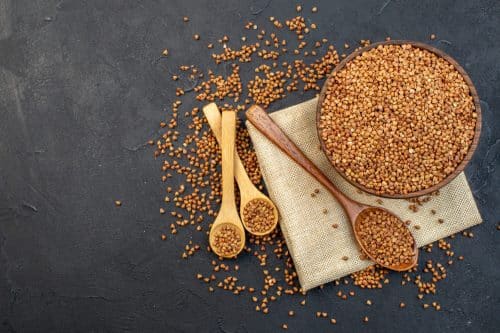
Table of Contents
Key Highlights
- Ragi is a nutrient-rich millet high in calcium, fiber, and essential minerals.
- It supports bone strength, digestion, and weight management.
- Ragi helps regulate blood sugar levels and provides sustained energy.
- It is naturally gluten-free and suitable for balanced diets.
- Ragi flour is versatile and easy to use in daily cooking.
- Simple recipes like ragi roti and ragi dosa make it easy to include ragi in everyday meals.
Ragi, also known as finger millet, has long been a part of traditional Indian diets and is now gaining renewed attention for its impressive nutritional value. According to the International Food Policy Research Institute, there has been a growing shift toward nutri-cereals (including millets like ragi) due to their role in improving nutrition security and sustainable diets.
Despite its benefits, many people are unsure how to incorporate ragi into their daily meals or whether it fits their dietary needs. Questions about its nutrition, calories, and preparation methods often make it seem more complicated than it actually is.
This guide simplifies everything. From understanding ragi nutrition and its key health benefits to exploring easy recipes and practical ways to include it in your diet, you’ll learn how to make the most of this versatile grain.
What Is Ragi (Finger Millet) and Why Is It Considered a Superfood?
Ragi, also known as finger millet, is a traditional grain widely grown and consumed in parts of India and Africa. It has been a staple in many households for generations, valued for its sustained energy and nourishment. Today, it’s gaining renewed attention as a “superfood” because of its impressive nutritional profile and health-supporting properties.
At its core, ragi is a whole grain that stands out for being naturally gluten-free and easy to incorporate into everyday meals like porridge, roti, or dosa. Its versatility, combined with its ability to keep you full for longer, makes it especially useful for modern diets focused on balanced eating and long-term wellness.
Here’s what makes ragi a superfood:
- Exceptionally high in calcium: Supports strong bones and teeth, making it one of the best plant-based calcium sources
- Rich in dietary fibre: Aids digestion, promotes satiety, and supports weight management
- Low glycaemic index: Helps maintain stable blood sugar levels, making it suitable for balanced diets
- Naturally gluten-free: Ideal for people with gluten intolerance or those choosing gluten-free options
- Packed with antioxidants: Helps reduce oxidative stress and supports overall cellular health
- Good source of plant-based protein: Contributes to muscle repair and overall body function
- Supports heart health: Helps manage cholesterol levels and supports cardiovascular function
- Provides sustained energy: Complex carbohydrates release energy slowly, reducing fatigue and energy crashes
Together, these qualities make ragi more than just a traditional grain; it’s a nutrient-dense, practical choice for anyone looking to build a healthier and more balanced diet.
Ragi Nutrition Facts: What Makes It So Powerful?
Ragi’s strength lies not just in tradition, but in its nutritional density. To truly understand why it’s considered a superfood, it helps to examine its nutrient composition in a clear, measurable way using standard serving values.
| Nutrient (per 100g Ragi) | Approximate Value | Why It Matters |
| Energy | 336 kcal | Provides sustained energy for daily activities |
| Carbohydrates | 72 g | Primary energy source, slow-digesting for steady release |
| Dietary Fibre | 3.6 g | Supports Digestion and helps regulate blood sugar levels |
| Protein | 7.3 g | Aids muscle repair and overall body function |
| Fat | 1.3 g | Naturally low-fat, suitable for balanced diets |
| Calcium | 344 mg | Exceptionally high; supports strong bones and teeth |
| Iron | 3.9 mg | Helps in oxygen transport and reduces fatigue |
| Magnesium | 137 mg | Supports muscle function and heart health |
| Phosphorus | 283 mg | Essential for bone strength and energy production |
| Potassium | 408 mg | Helps regulate blood pressure and fluid balance |
| Sodium | 11 mg | Naturally low, suitable for heart-friendly diets |
| Amino Acids (Methionine) | Present (trace) | Supports metabolism and tissue repair |
Together, these nutrients explain why ragi is more than just a grain; it’s a powerful, nutrient-dense food that supports overall health when included regularly in your diet.
What Are the Top Ragi Health Benefits?
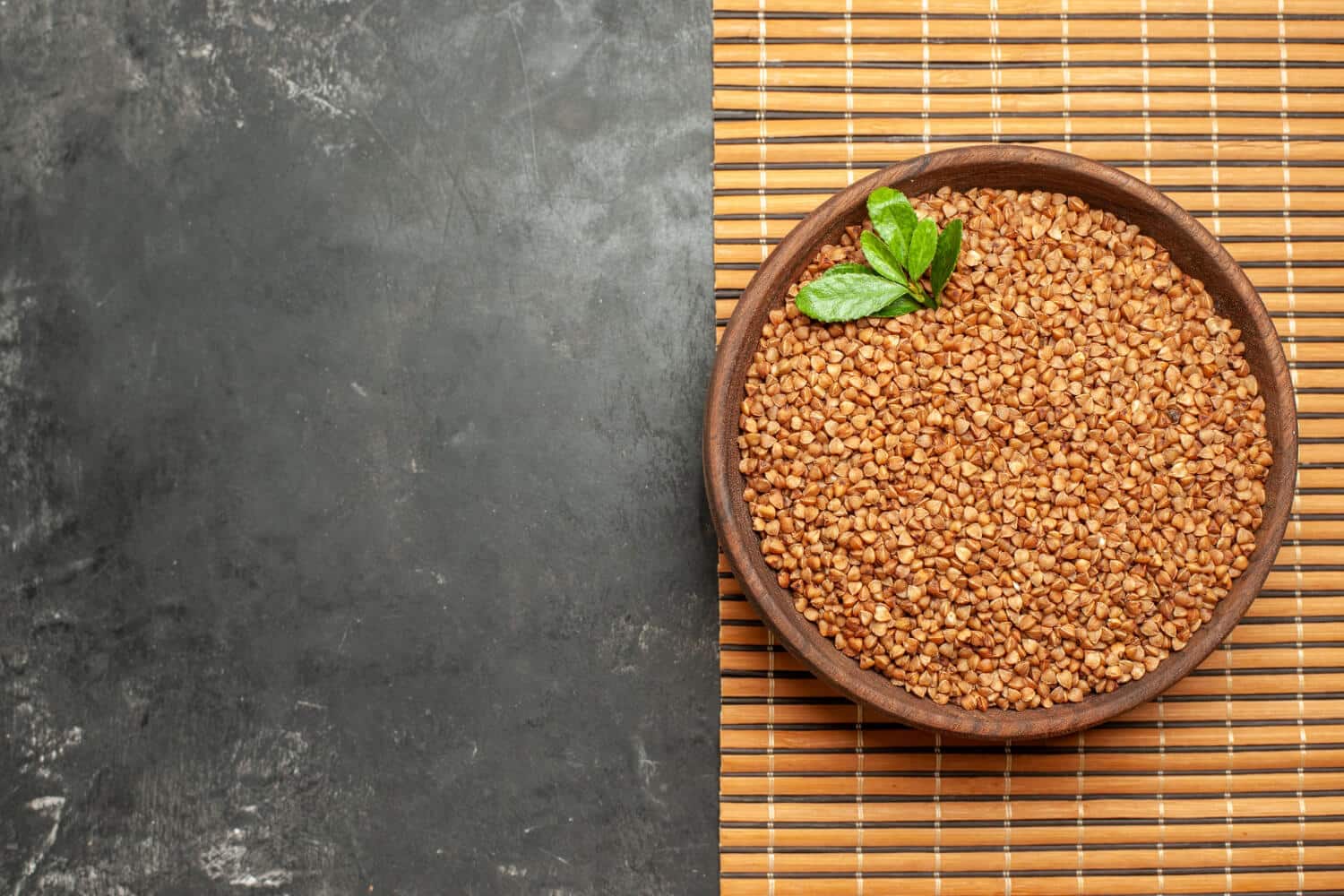
Research published in the International Journal of Research and Review states that finger millet (ragi) is rich in dietary fibre, essential minerals, and bioactive compounds, with documented antioxidant, anti-diabetic, and anti-inflammatory properties that support overall health. To understand its real impact, let’s take a closer look at how it works within the body and why it’s often recommended:
1. Supports Bone Health
Ragi is one of the richest plant-based sources of calcium, making it highly effective for maintaining strong bones. It is especially beneficial for children, older adults, and individuals with low calcium intake.
Regular consumption can improve bone density and reduce the risk of bone-related conditions over time.
- High calcium content: Helps strengthen bones and teeth
- Supports bone density: Reduces risk of osteoporosis
- Better natural absorption: Works efficiently within the body
Looking for a wholesome millet-based breakfast? Try this nourishing Ragi Adai recipe, a hearty South Indian pancake packed with flavour and nutrition.
2. Aids Weight Management
Ragi is high in dietary fibre, which slows digestion and helps you feel full for longer. This naturally reduces hunger and unnecessary snacking throughout the day.
When included in a balanced diet, it supports portion control and sustainable weight management.
- High fibre content: Promotes satiety
- Reduces overeating: Helps control calorie intake
- Supports metabolism: Aids long-term weight balance
3. Improves Digestion
Ragi supports a healthy digestive system due to its fibre-rich composition. It helps regulate bowel movements and improves overall gut function.
Consistent intake can reduce common digestive issues and support better nutrient absorption.
- Dietary fibre: Prevents constipation
- Supports gut health: Improves digestion
- Enhances nutrient absorption: Boosts overall health
4. Helps Manage Blood Sugar Levels
Ragi has a low glycaemic index, meaning it releases glucose slowly into the bloodstream. This helps prevent sudden spikes and drops in blood sugar levels.
It is especially useful for maintaining steady energy and supporting balanced diets.
- Low glycaemic index: Stabilises blood sugar
- Slow digestion: Prevents sugar spikes
- Supports glucose control: Ideal for balanced eating
5. Boosts Energy Naturally
Ragi contains complex carbohydrates that provide a steady and sustained release of energy. Unlike refined grains, it helps avoid sudden energy crashes.
This makes it a reliable option for maintaining energy levels throughout the day.
- Complex carbs: Provide long-lasting energy
- Reduces fatigue: Keeps you active longer
- Supports daily performance: Ideal for busy routines
6. Supports Heart Health
Ragi contributes to heart health by helping manage cholesterol levels and supporting proper blood circulation. Its fibre and nutrients play a key role in cardiovascular function.
Regular consumption may reduce long-term heart-related risks.
- Helps lower LDL: Improves cholesterol balance
- Supports circulation: Enhances blood flow
- Reduces heart strain: Promotes cardiovascular health
7. Rich in Antioxidants
Ragi contains natural antioxidants such as polyphenols that help protect the body from oxidative stress. These compounds support long-term cellular health.
This makes it beneficial for overall wellness and disease prevention.
- Polyphenols: Reduce oxidative stress
- Protects cells: Prevents damage
- Supports immunity: Improves resilience
8. Supports Iron Intake
Ragi is a good plant-based source of iron, which is important for maintaining healthy hemoglobin levels. It can support individuals with higher iron needs.
Including it regularly can help improve overall nutritional balance.
- Iron content: Supports hemoglobin levels
- Helps prevent deficiency: Reduces fatigue
- Plant-based source: Suitable for varied diets
9. Naturally Gluten-Free
Ragi is naturally gluten-free, making it a safe and suitable grain for people with gluten intolerance or sensitivities. It is also easy to digest compared to many other grains.
This makes it a practical option for diverse dietary needs.
- Gluten-free grain: Suitable for intolerance
- Easy to digest: Gentle on the gut
- Versatile use: Fits multiple diets
10. Supports Skin Health
Ragi contains antioxidants and amino acids that help protect the skin from damage and support overall skin health. It contributes to maintaining a healthy appearance.
Regular intake may help reduce signs of ageing over time.
- Antioxidants: Protect skin cells
- Supports elasticity: Maintains skin health
- Reduces damage: Slows ageing signs
11. May Help Lower Cholesterol
The fibre and plant compounds in ragi can help reduce total and LDL cholesterol levels. This supports better heart health when combined with a balanced diet.
It works gradually to improve lipid profiles over time.
- High fibre: Helps reduce cholesterol
- Supports lipid balance: Improves heart health
- Reduces risk factors: Supports long-term wellness
12. Supports Sustainable Eating
Ragi is a climate-resilient crop that requires less water and fewer resources compared to many staple grains. This makes it a sustainable and environmentally friendly food choice.
It supports both personal health and long-term food security.
- Low resource crop: Requires less water
- Environment-friendly: Supports sustainability
- Nutrient-dense: High value with low impact
Ragi isn’t just a traditional grain; it’s a nutrient-dense, practical addition to modern diets, offering a wide range of health benefits that support long-term wellness when included consistently in your daily meals.
What Are Some Easy Ragi Recipes You Can Try at Home?
Ragi doesn’t have to feel limited or repetitive, its real strength lies in how easily it adapts to everyday recipes. Whether you prefer traditional meals or modern options, these simple recipes help you include ragi naturally without complicating your routine.
1. Ragi Porridge – Healthy Breakfast Option
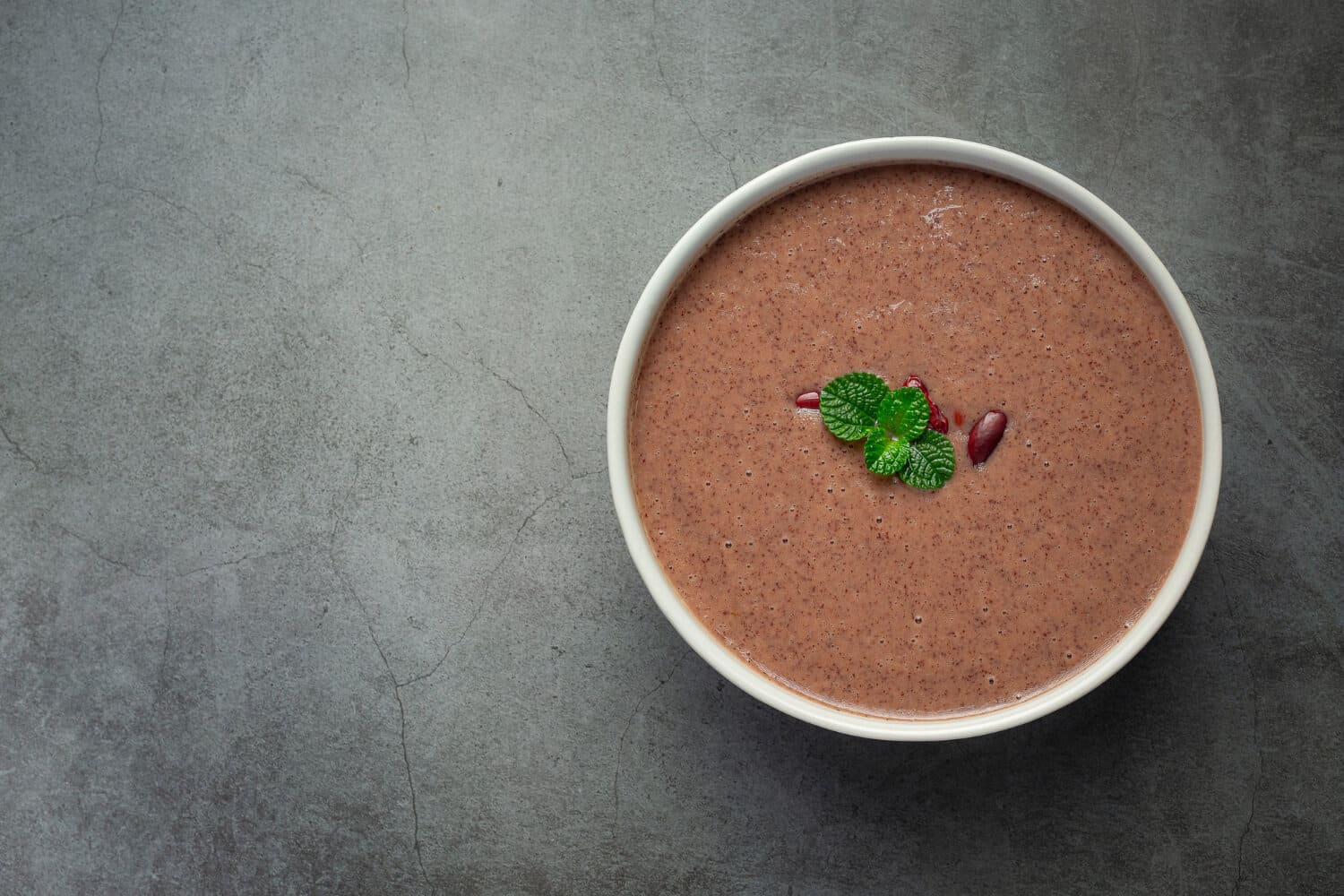
Ragi porridge is one of the simplest and most nourishing ways to start your day. Made by cooking ragi flour with milk or water, it creates a smooth, comforting dish that’s easy to digest and keeps you full for hours.
- Take 2 tablespoons ragi flour and mix with a little water to remove lumps
- Heat 1 cup water or milk in a pan and add the mixture
- Cook on low flame, stirring continuously until it thickens
- Add jaggery for sweetness or salt and spices for a savoury version
- Serve warm for a filling and nutritious breakfast
2. Ragi Roti – Everyday Meal
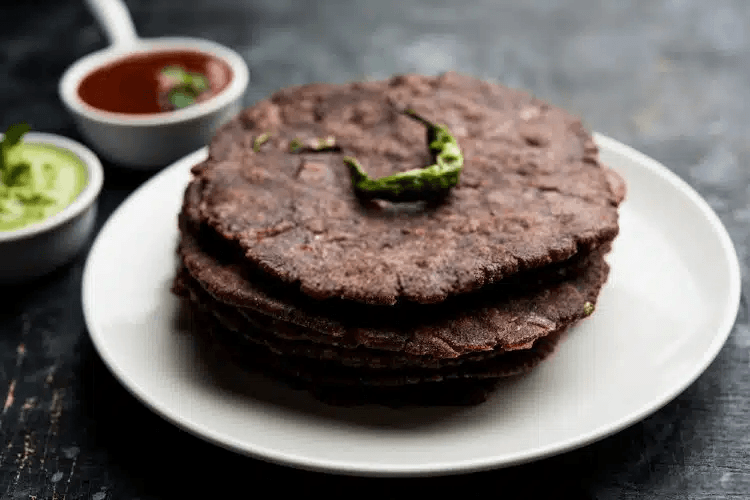
Ragi roti is a wholesome flatbread that can easily replace or complement regular wheat rotis. It pairs well with curries, vegetables, and chutneys, making it a practical addition to everyday meals.
- Mix ragi flour with warm water and a pinch of salt to form soft dough
- Divide into small portions and flatten gently by hand
- Place on a hot tawa and cook on both sides
- Lightly press and cook until soft and cooked through
- Serve hot with curry, chutney, or vegetables
3. Ragi Dosa – Light and Crispy
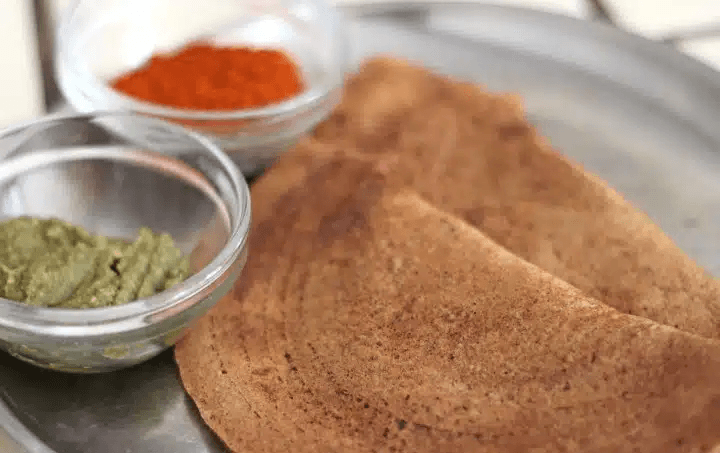
Ragi dosa is a light, crispy dish that combines the goodness of ragi with the benefits of fermentation. It’s a great option for breakfast or dinner, offering a balance of taste and nutrition.
- Mix ragi flour with water or fermented batter to form a thin consistency
- Add salt and optional spices like cumin or green chilli
- Pour and spread on a hot pan in a thin layer
- Cook until edges crisp and base turns golden
- Serve with chutney or sambar
4. Ragi Kozhukattai – Healthy Sweet Snack

Ragi kozhukattai is a wholesome steamed snack that combines traditional flavours with clean, nourishing ingredients. Made with ragi flour, coconut, and jaggery or a savoury filling, it delivers a balanced mix of fibre, minerals, and natural sweetness.
- Dry roast ragi flour lightly to remove rawness and enhance flavour
- Prepare a soft dough by mixing the flour with warm water and a pinch of salt
- For sweet filling, combine grated coconut with melted jaggery; for savoury, use spiced lentils or coconut
- Shape the dough into small dumplings and fill with the prepared mixture
- Steam until firm and cooked through, then serve warm
If you enjoy nutritious homemade sweets, don’t miss our delicious roasted gram and ragi laddu, perfect for guilt-free snacking.
5. Ragi Pancakes – Modern Twist

Ragi pancakes bring a modern and convenient twist to traditional ingredients. They’re perfect for those who enjoy quick breakfasts but still want to include healthier options in their routine.
- Mix ragi flour with milk, egg (optional), and a natural sweetener
- Add a pinch of baking powder for fluffiness
- Pour small portions onto a heated pan
- Cook both sides until golden brown
- Serve with fruits, honey, or nut butter
Add variety to your healthy meals with this simple ragi sweet dosa, a naturally nutritious recipe packed with the goodness of ragi.
These recipes show how effortlessly ragi can fit into different meals, making it easier to enjoy its benefits without changing your eating habits too drastically.
Conclusion
Ragi is a highly nutritious grain that offers a wide range of health benefits, from supporting bone strength to improving Digestion and energy levels. Its versatility makes it easy to include in everyday meals without major dietary changes.
By gradually adding ragi to your diet through simple recipes and balanced portions, you can build healthier eating habits over time. With consistent use, ragi can play an important role in supporting overall health and long-term wellness.
Frequently Asked Questions
What Ayurvedic benefits does ragi offer for overall health?
In Ayurveda, the benefits of finger millet include reducing oxidative stress, improving blood vessel health, and supporting skin health through vitamin E. The health benefits of ragi, including its low glycemic index, help control diabetes and manage lifestyle diseases effectively.
What are the potential side effects or risks of consuming ragi?
While whey protein offers numerous health benefits, excessive consumption may cause digestive issues, kidney stones, and, in rare cases, hair loss. People with specific health conditions should seek medical advice from a healthcare provider before regular intake.
How is ragi flour different from whole ragi in terms of benefits?
Ragi flour is easier to cook in dishes like ragi idli, ragi upma, or ragi halwa, while whole grains retain slightly higher fiber content. Both offer high fiber and support weight loss, making them an excellent choice in a healthy diet.
Is ragi suitable for people with gluten intolerance or celiac disease?
Yes, ragi is naturally gluten-free, making it suitable for celiac disease and gluten intolerance. Unlike wheat chapatis or rice flour products, ragi provides high fiber content, supporting Digestion and making it a safe, nutritious alternative.
What are some easy ways to include ragi in daily meals?
You can include ragi through ragi malt, ragi idli using idli batter, or savoury dishes like ragi upma with coriander leaves. For sweets, try ragi halwa with cardamom powder for a versatile addition to a balanced diet.