Table of Contents
Key Highlights
- Garlic contains bioactive compounds like allicin that support immunity and overall health.
- Regular consumption may help reduce the severity and frequency of common infections.s
- Supports heart health by helping regulate blood pressure and manage cholesterol levels
- Provides antioxidants that protect cells from oxidative stress and damage
- Contributes to digestion, detoxification, and overall metabolic function
- Offers benefits for bone health, skin health, and long-term wellness
- Easy to include in daily meals through simple recipes and cooking methods
Garlic may be a staple in everyday cooking, but its value goes far beyond flavour. This small clove is packed with bioactive compounds, such as allicin, that are known to support immunity, heart health, and overall wellness when consumed regularly.
With rising concerns around low immunity, poor digestion, and lifestyle-related conditions, many people are looking for simple, natural ways to improve their health. The challenge is finding something that is both effective and easy to include in a daily routine.
Garlic fits that need perfectly. In this blog, you’ll discover garlic benefits, understand what makes it nutritionally powerful, and learn practical ways to add it to your daily diet without overcomplicating your meals.
What Are the 12 Surprising Garlic Benefits for Your Health?
Regular garlic consumption offers a wide range of health benefits that support overall well-being. Most of these benefits come from sulfur compounds such as allicin, which are released when garlic is chopped or crushed. These compounds contribute to its medicinal properties, from improving immunity to supporting heart health.
Below are 12 key ways garlic can benefit your body when included regularly in your diet.
1. Boosts Immunity And Helps Fight Infections
According to the Manipalcigna report, garlic is well known for its ability to support the immune system and help the body fight infections more effectively. Its active compounds, especially those formed when garlic is crushed or chopped, enhance immune cell function and improve the body’s response to illness.
Regular consumption of garlic has been linked to fewer common colds and shorter recovery times. These compounds also exhibit antiviral and antibacterial properties, helping to limit the spread and impact of harmful pathogens. Overall, garlic plays a supportive role in strengthening immunity and reducing the severity of everyday infections.
2. Helps Regulate Blood Pressure Naturally
According to a report published in the Journal of Functional Foods, Volume 13, Garlic can support healthy blood pressure levels by improving blood flow and reducing strain on the heart. Its active compound, allicin, helps relax blood vessels and may limit the production of hormones that contribute to elevated blood pressure.
Regular consumption of garlic has been associated with noticeable reductions in blood pressure, particularly in individuals with hypertension. By promoting better circulation and easing pressure within the arteries, garlic acts as a natural aid in maintaining cardiovascular balance.
3. Supports Heart Health and Improves Cholesterol
Garlic plays an important role in supporting heart health by helping manage cholesterol levels and improving overall cardiovascular function. Research suggests that regular consumption can reduce total cholesterol and LDL (bad cholesterol), which are key risk factors for heart disease.
While its impact on HDL (good cholesterol) may be limited, garlic still contributes to healthier blood vessels by improving circulation and reducing strain on the heart. Together with its effect on blood pressure, garlic helps lower the overall risk of cardiovascular complications.
4. Contains powerful antioxidants for cell protection
Research shows that Garlic is rich in antioxidants that help protect the body from oxidative stress caused by free radicals, a key factor linked to ageing and various health conditions. These compounds support the body’s natural defence system by neutralising harmful molecules and preventing cellular damage.
By reducing oxidative stress, garlic supports better overall cellular function and long-term health. Its antioxidant properties have also been associated with supporting cognitive health, helping maintain brain function, and reducing the risk of age-related decline.
5. Promotes Detoxification and Cleanses The Body
As the report shows in GoodRx, garlic supports the body’s natural detoxification process by helping protect vital organs from harmful substances. Its organosulfur compounds play a key role in reducing the impact of toxins, particularly heavy metals, while supporting liver function, which is essential for cleansing the body.
Regular consumption has been linked to lower levels of certain toxins in the bloodstream and improved overall detox efficiency. By aiding the body’s internal cleansing mechanisms, garlic contributes to better organ health and overall well-being.
6. May Improve Bone Health and Strength
According to a report published by MedicalNewsToday, garlic may support bone health by helping reduce oxidative stress, a key factor linked to bone loss over time. Its antioxidant compounds extend their protective effects to the skeletal system, supporting bone strength and overall structure.
Some studies have shown that regular garlic intake may help lower markers associated with bone loss, particularly in postmenopausal women. Additionally, its nutrient content, including Vitamin C, helps maintain healthy bone tissue and may help ease joint discomfort associated with conditions like osteoarthritis.
7. Enhances Athletic Performance and Energy
According to the PubMed report, garlic has long been associated with improved stamina and reduced fatigue, with historical use suggesting its role in enhancing physical performance. While research in humans is still limited, existing studies indicate that garlic may help reduce exercise-induced oxidative stress and muscle damage, supporting better recovery.
Its ability to improve blood circulation also contributes to more efficient oxygen delivery during physical activity. Together, these effects may help maintain energy levels and support overall endurance over time.
8. Supports Digestive Health and Gut Function
According to GoodRx, Garlic supports digestive health by acting as a natural prebiotic, helping nourish beneficial gut bacteria that are essential for a balanced microbiome. A healthy gut environment plays a key role in digestion, nutrient absorption, and overall immune function.
By promoting the growth of good bacteria, garlic helps maintain digestive balance and improve how efficiently the body processes nutrients. However, for those sensitive to strong foods, especially in raw form, it’s best to consume garlic in moderate amounts to avoid digestive discomfort.
9. Contributes to Better Skin Health
According to the MDPI report, Garlic supports skin health through its antioxidant and anti-inflammatory properties, which help protect the skin from damage from free radicals and environmental stressors.
This protection can slow visible signs of ageing, such as fine lines and loss of elasticity. Garlic also provides Vitamin C, a key nutrient involved in collagen production that helps maintain firm and healthy skin structure.
With regular consumption as part of a balanced diet, garlic can contribute to a clearer, more resilient complexion.
10. May Support Healthy Weight Management
As per the Apollo Pharmacy report, Garlic can support weight management by enhancing flavour without adding significant calories, making it easier to maintain a balanced diet. Some research suggests it may help boost metabolism and support fat utilisation, while also contributing to better blood sugar control.
Stable blood sugar levels can reduce cravings and prevent energy dips that lead to overeating. Although not a standalone solution, garlic can be a useful addition to a healthy lifestyle focused on long-term weight management.
11. Can Reduce the Risk of Certain Chronic Diseases
Research shows that garlic may support long-term health by helping reduce the risk of certain chronic conditions. Its antioxidant compounds protect cells from damage caused by oxidative stress, which is linked to ageing and disease development.
Garlic also helps address key risk factors such as inflammation, high blood pressure, and high cholesterol levels. While ongoing research explores its full impact, regular consumption as part of a balanced diet may contribute to better protection against chronic health issues over time.
12. Supports Immune System Recovery and Reduces Inflammation
Research shows that garlic plays a key role in helping the body recover from inflammation caused by infections, stress, or physical strain. Its sulfur compounds, including allicin, help regulate inflammatory responses and support faster healing at a cellular level.
Regular consumption of garlic may help reduce markers of inflammation in the body, which are often linked to chronic conditions. By supporting both immune response and recovery processes, garlic contributes to overall resilience and long-term health maintenance.
Regularly including garlic in your meals can be an easy and practical step toward improving your overall health.
What Nutrients Make Garlic So Beneficial?
Garlic’s health benefits come from its rich mix of vitamins, minerals, and active compounds. When crushed or chopped, it releases sulfur compounds like allicin, known for their powerful health-supporting properties.
To better understand its nutritional contribution, here is a breakdown of key nutrients in a single clove of garlic.
| Nutrient | Amount per Clove (3g) |
| Calories | 4.5 |
| Protein | 0.2 g |
| Carbohydrates | 1 g |
| Manganese | 2% of the Daily Value (DV) |
| Vitamin B6 | 2% of the DV |
| Vitamin C | 1% of the DV |
| Selenium | 1% of the DV |
This nutrient profile highlights how even small amounts of garlic can contribute essential vitamins, minerals, and bioactive compounds that support overall health.
Is Raw Garlic Healthier Than Cooked Garlic?
The way garlic is prepared can influence how much of its active compounds your body receives. Raw garlic retains higher levels of certain bioactive components, while cooking can alter their potency due to heat exposure.
At the same time, cooking improves flavour and digestibility, making garlic easier to include in everyday meals. Understanding how preparation affects its nutritional value can help you choose the most effective way to consume garlic based on your needs and preferences.
Check out the table below to understand the differences in nutritional value between raw and cooked garlic:
| Aspect | Raw Garlic | Cooked Garlic |
| Allicin Content | High levels of allicin (fully active) | Reduced due to heat exposure |
| Active Enzymes | Enzymes remain intact and functional | Enzymes are partially deactivated during cooking |
| Antioxidant Properties | Strong antioxidant activity | Retains antioxidants, though slightly altered |
| Nutrient Stability | Heat-sensitive compounds preserved | Some heat-sensitive nutrients were reduced |
| Digestibility | Strong flavour, may be harder to digest for some | Milder taste, easier to digest |
| Overall Health Impact | More potent for therapeutic effects | Still beneficial for overall health and nutrition |
How Can You Easily Add Garlic to Your Daily Diet?
Adding garlic to your meals doesn’t require complicated recipes. With simple ingredients and familiar cooking methods, garlic can be easily incorporated into everyday dishes without overpowering the flavour or adding extra effort.
1. Garlic Butter Toast
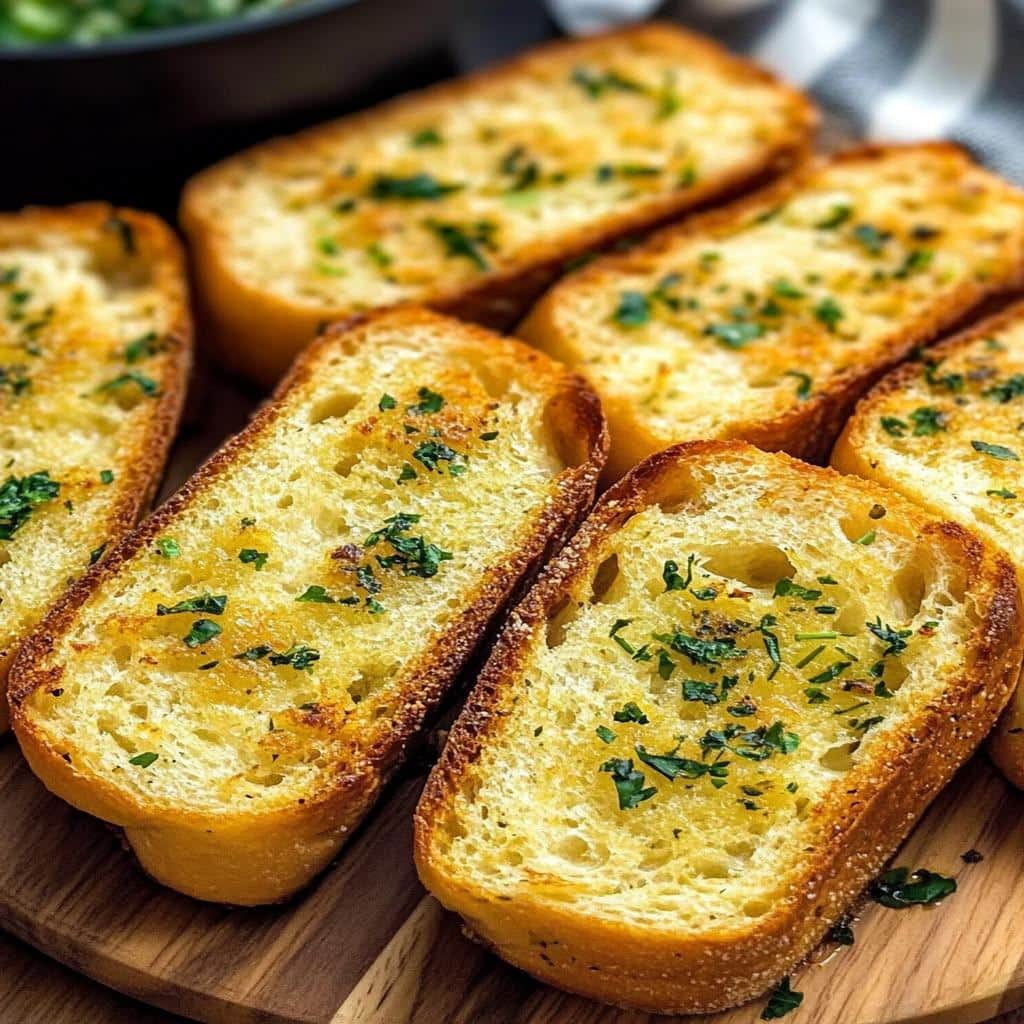
Garlic Butter Toast Crispy Herb Toast Recipe
Garlic butter toast is a quick, flavourful snack that pairs well with soups, pasta, or evening tea. Its crispy texture and rich garlic aroma make it a simple yet satisfying addition to everyday meals.
Ingredients
- Bread slices
- Butter (softened)
- Garlic (finely minced)
- Chopped coriander or parsley
- Salt
Recipe
- Mix butter, minced garlic, herbs, and salt in a bowl
- Spread the mixture evenly on bread slices
- Toast in a pan or bake until golden and crisp
- Serve warm
For a richer, more indulgent twist, try our homemade garlic bread, featuring a buttery flavour and perfectly crisp texture.
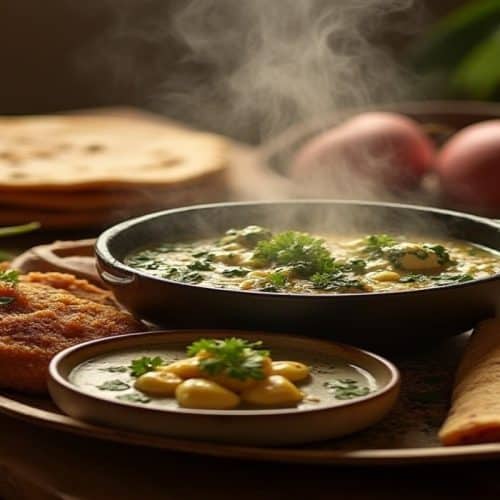
2. Garlic Dal Tadka
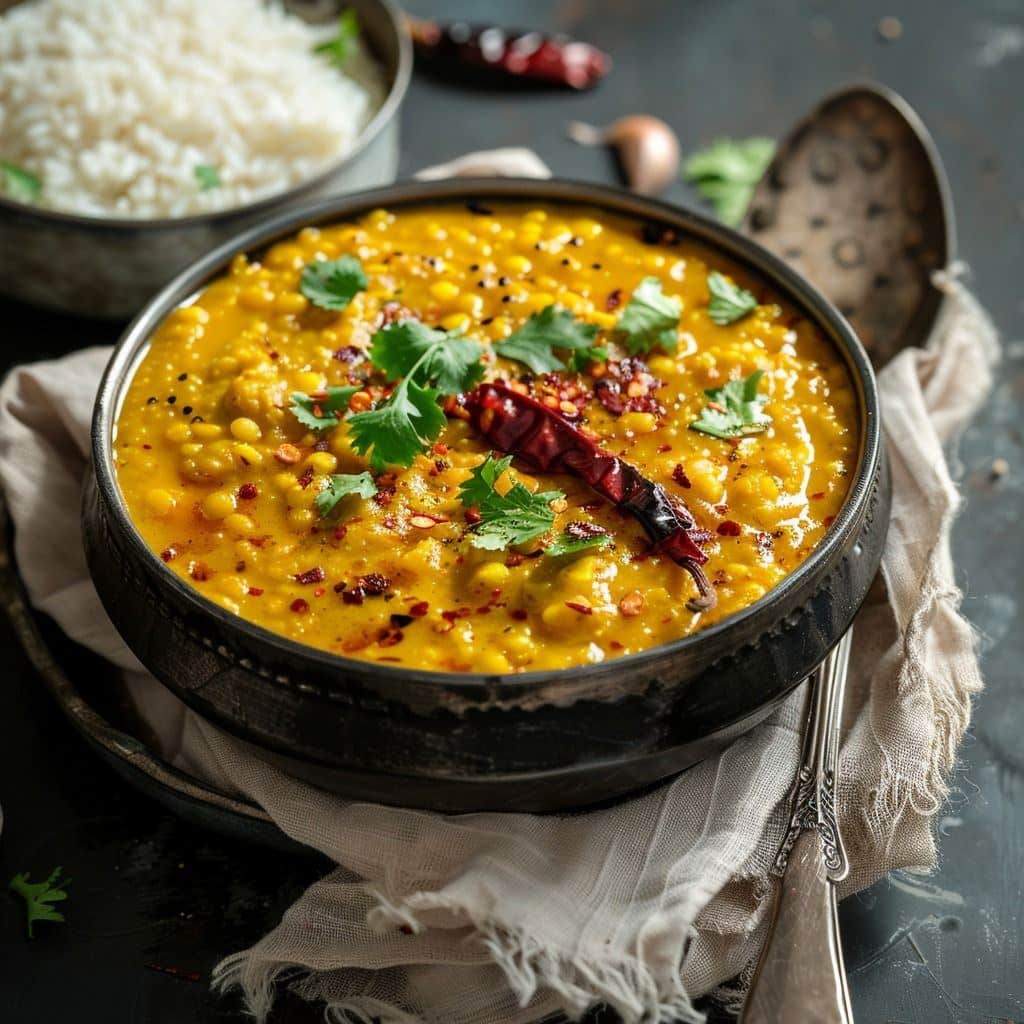
Garlic Dal Tadka Indian Lentil Dish with Garlic Tempering
Garlic dal tadka is a comforting and flavourful lentil dish that pairs perfectly with rice or roti. The aromatic garlic tempering enhances the taste while adding depth and warmth to a simple everyday meal.
Ingredients
- Cooked yellow lentils (toor dal or moong dal)
- Garlic (finely chopped)
- Onion (optional, finely chopped)
- Tomato (chopped)
- Turmeric powder
- Red chilli powder
- Cumin seeds
- Mustard seeds
- Ghee or oil
- Salt
- Fresh coriander leaves
Recipe
- Cook lentils until soft and mash lightly
- Heat ghee or oil in a pan and add cumin and mustard seeds
- Add chopped garlic and sauté until golden
- Add onion and tomato, cook until soft
- Mix in turmeric, chilli powder, and salt
- Pour in cooked dal and simmer for a few minutes
- Garnish with fresh coriander and serve hot
For a richer, more flavourful variation, try our Dal Tadka, infused with aromatic garlic and a comforting, well-balanced texture
3. Garlic Chutney
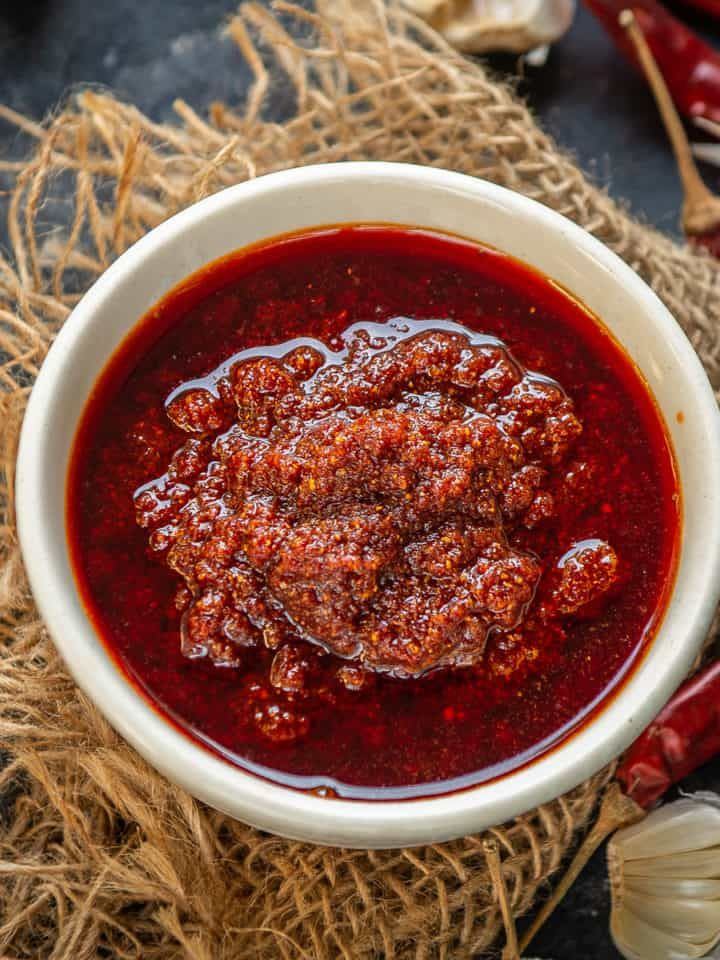
Spicy Garlic Chutney
Garlic chutney is a bold and spicy condiment that adds a punch of flavour to everyday meals. Its intense taste pairs well with rotis, snacks, and street-style dishes, making it a versatile addition to your plate.
Ingredients
- Garlic cloves
- Dry red chillies
- Roasted peanuts (optional)
- Tamarind (small piece)
- Salt
- Oil
Recipe
- Soak dry red chillies in warm water until soft
- Grind garlic, soaked chillies, peanuts, tamarind, and salt into a coarse paste
- Heat a little oil and mix it into the chutney
- Adjust consistency with a small amount of water if needed
- Serve fresh
Pair your meal with our bold and flavourful Tomato Garlic Spicy Chutney for a quick side that instantly enhances everyday dishes.
4. Roasted Garlic Spread
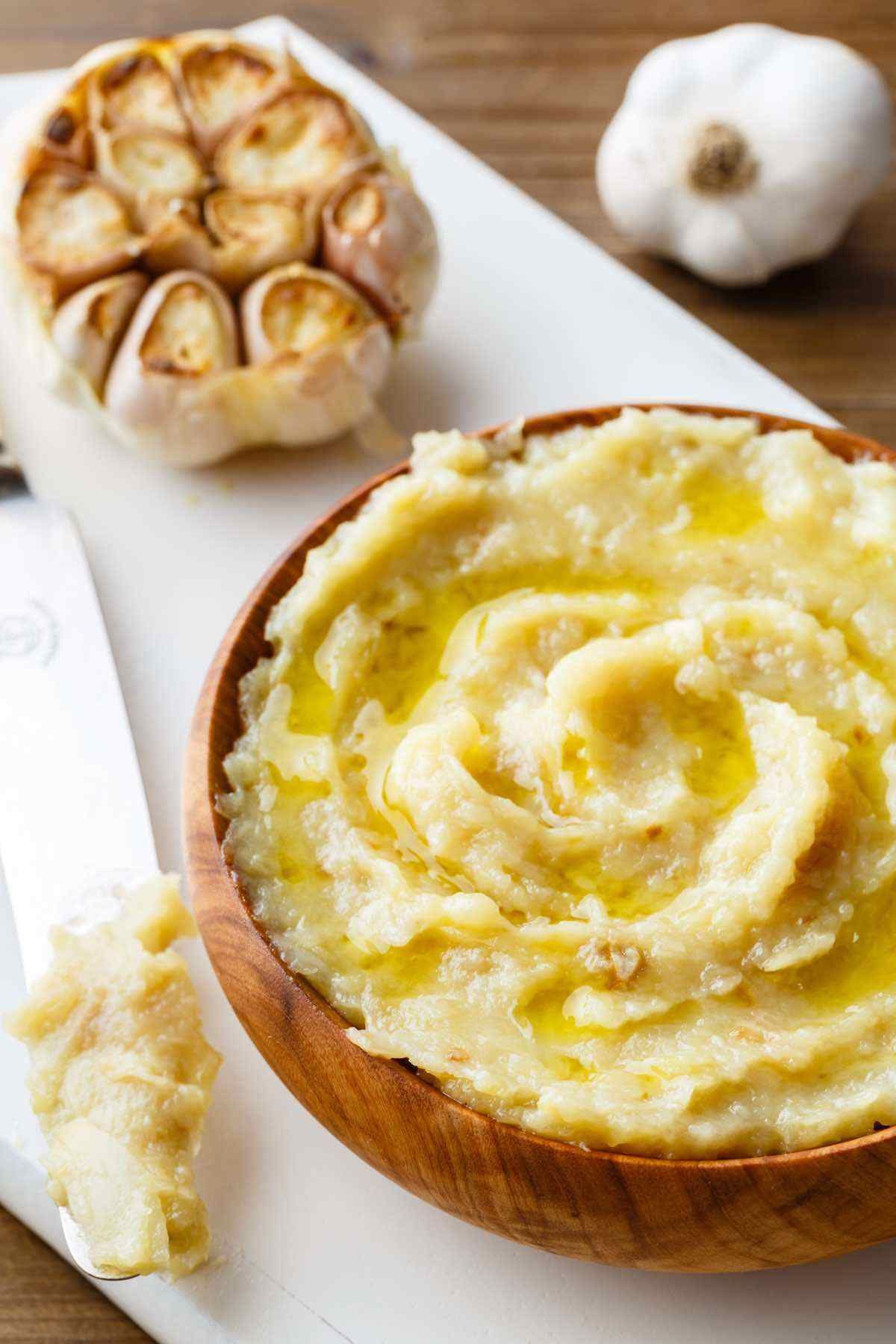
Roasted Garlic Mashed Potatoes with Olive Oil
Roasted garlic spread is smooth, mild, and slightly sweet, making it a great alternative to raw garlic for those who prefer a softer flavour. It works well as a spread for bread, a dip base, or a flavour enhancer in simple dishes.
Ingredients
- Whole garlic bulbs
- Olive oil
- Salt
- Black pepper (optional)
Recipe
- Cut the tops of the garlic bulbs to expose the cloves
- Drizzle with olive oil and wrap in foil
- Roast in a preheated oven until soft and golden
- Let it cool, then squeeze out the roasted cloves
- Mash into a smooth paste and season with salt and pepper
5. Garlic Stir-Fried Vegetables
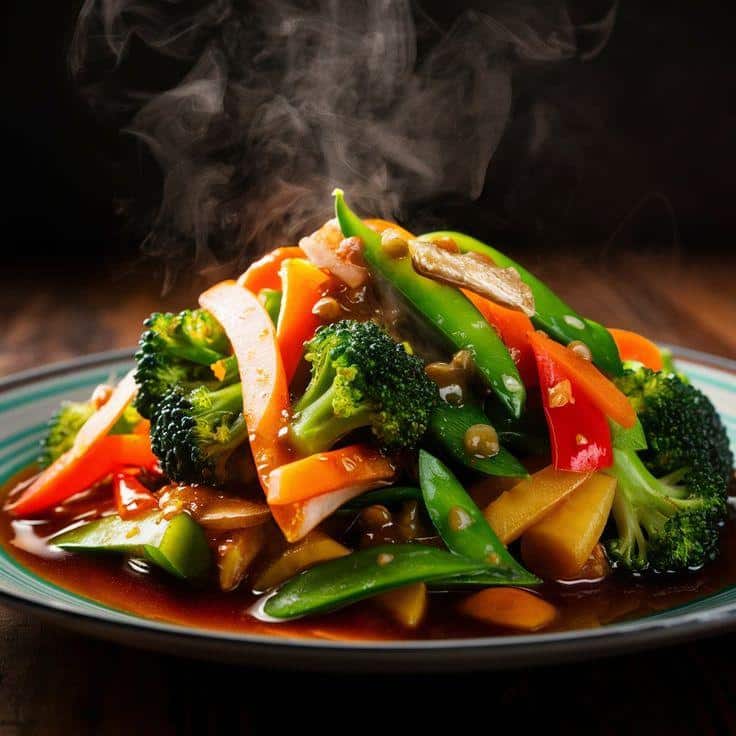
Garlic Stir Fried Vegetables
Garlic stir-fried vegetables are quick, light, and full of flavour, making them a great addition to everyday meals. The garlic enhances the natural taste of the vegetables while keeping the dish simple and nutritious.
Ingredients
- Mixed vegetables (carrot, beans, capsicum, broccoli)
- Garlic (finely chopped)
- Oil
- Salt
- Black pepper
- Soy sauce (optional)
Recipe
- Heat oil in a pan and add chopped garlic
- Sauté until fragrant but not browned
- Add vegetables and stir-fry on high heat
- Season with salt, pepper, and soy sauce if using
- Cook until vegetables are tender but still crisp
- Serve hot
For a quick and wholesome meal, try our Stir-fried Tofu with Vegetables, packed with vibrant flavours and a light, nutritious crunch.
Including simple garlic-based recipes like these in your daily meals makes it easy to enjoy its health benefits while keeping your diet flavourful, balanced, and practical.
Conclusion
Garlic stands out as a simple yet powerful ingredient that supports multiple aspects of health, from immunity and heart function to digestion and overall wellness, thanks to its strong taste. When exploring the health benefits of garlic, its nutritional profile and active compounds make it a valuable addition to a balanced diet when consumed consistently and in moderation.
By incorporating garlic into everyday meals through simple recipes and practical cooking methods, it becomes easy for healthy adults to enjoy both its flavour and nutritional value. Whether used raw or cooked, garlic offers a convenient way to support a healthier lifestyle while keeping your meals balanced, flavourful, and easy to prepare.
Frequently Asked Questions
Who should avoid eating garlic because of allergies or medical conditions?
People with garlic allergies, those with bleeding disorders, or those taking blood-thinning medications should limit their intake. Individuals with GERD or sensitive digestion may also need to avoid raw garlic, as it can trigger irritation or worsen symptoms.
Are there scientific studies supporting the benefits of garlic?
Yes, scientific studies support garlic’s benefits, including the effect of garlic on lowering blood pressure, improving cholesterol levels, and providing antioxidant and antimicrobial effects, mainly due to compounds such as allicin, and reducing cancer risk, though results can vary.
Are there any side effects or precautions when eating garlic?
Garlic is safe in moderation, but excess intake may cause bad breath, digestive discomfort, or a burning sensation of heartburn. Possible side effects may also include acting as a blood thinner, so those on medication or with medical conditions should consult a doctor before increasing consumption.
Is garlic at night beneficial for health or skin?
Eating garlic at night may support heart health and provide antioxidant benefits that contribute to overall wellness, including skin health and weight loss. However, it may cause digestive discomfort or acidity in some individuals, so moderate intake is recommended.
Should you take garlic supplements every day?
Garlic supplements can be taken daily in moderate doses, but it’s best to consult a doctor first, especially if you have medical conditions or take blood-thinning medications, to ensure safe and appropriate use.