Key Highlights
- A smoothie is a thick, creamy drink made by blending fruits, vegetables, yogurt, milk, or juice, customisable for weight loss, weight gain, or general nutrition.
- Smoothies can be tailored for different goals, including weight loss, weight gain, protein, detox, green, breakfast, post-workout, low-sugar, fruit, and vegetable options.
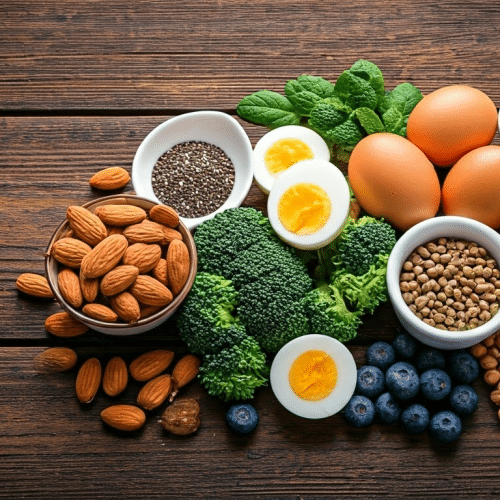
- Essential ingredients include a base liquid, fruits, vegetables, protein, healthy fats, optional sweeteners, superfoods, and ice or frozen ingredients for texture and nutrition.
- Making a perfect smoothie involves choosing the right base, adding fruits, vegetables, protein, and healthy fats, blending, and adjusting for consistency and flavor.
- Common mistakes include too much fruit, excessive sweeteners, high-calorie add-ins, overusing juice, or skipping protein; avoiding these ensures a nutrient-dense, filling smoothie.
- Daily smoothies can be healthy when made with nutrient-dense ingredients, avoiding added sugars, including protein and vitamin C-rich fruits, and using frozen ingredients or Greek yogurt for a creamy texture.
Are you struggling to create healthy smoothies that actually support your weight-loss or fitness goals? It’s easy to fall into the trap of making smoothies that are packed with sugar and lack the nutrients your body truly needs. Whether you’re aiming to shed a few pounds, build muscle, or simply improve your overall health, making the right smoothie can feel like a challenge.
Often, it’s not about the lack of ingredients, but how you combine them. Choosing the wrong base, adding excessive sweeteners, or forgetting the balance of nutrients can turn a healthy smoothie into an unhealthy calorie bomb. These small mistakes can sabotage your efforts and prevent you from seeing the results you want.
In this blog, we’ll dive into common smoothie mistakes that are preventing you from reaching your health goals and share actionable tips on how to fix them. By the end, you’ll be equipped to create the perfect smoothie for weight loss, muscle gain, or any other health goal you have in mind.
What are the 10 Types of Smoothies You Can Make?
A smoothie is a thick, creamy beverage created by blending fruits, vegetables, yogurt, milk, or juice. Packed with vitamins, minerals, and fiber, smoothies can be customised to support health goals like weight loss, weight gain, or simply as a nutritious, refreshing snack.
Here are 10 popular types of smoothies:
- Weight Loss Smoothies: Designed to be low in calories but nutrient-dense, these smoothies help you stay full, support fat loss, and provide essential vitamins, fiber, and protein to fuel your weight-loss journey.
- Weight Gain Smoothies: Packed with calorie-dense ingredients like nut butters and full-fat yogurt, these smoothies provide healthy fats and protein, promoting healthy weight gain while keeping you energized throughout the day.
- Protein Smoothies: Ideal for muscle recovery, these smoothies are high in protein, using ingredients like whey or plant-based protein powders to support muscle growth, tissue repair, and post-workout recovery.
- Breakfast Smoothies: A great start to the day, breakfast smoothies combine fruits, oats, and protein to provide a balanced mix of vitamins, minerals, and healthy fats for sustained energy throughout the morning.
- Healthy Green Smoothies: Green smoothies use leafy greens like spinach and kale for detoxification. Combined with fruits, they offer a boost of antioxidants, vitamins, and minerals that promote energy and overall health.
- Detox Smoothies: Aiming to cleanse the body, detox smoothies typically include ingredients like lemon, ginger, and cucumber to help flush out toxins, improve digestion, and provide a refreshing, revitalizing experience.
- Post-Workout Smoothies: These smoothies replenish glycogen stores and provide protein to repair muscles after exercise. They include ingredients like bananas, protein powder, and coconut water to support muscle recovery and reduce soreness.
- Low-Sugar Smoothies: Ideal for those watching sugar intake, these smoothies rely on naturally sweet ingredients like berries and use alternatives like stevia to keep sugar levels low while still delivering a refreshing taste.
- Fruit Smoothies: Naturally sweet, fruit smoothies are made with a variety of fresh fruits such as bananas, berries, and mangoes, making them a refreshing snack or light meal packed with vitamins and antioxidants.
- Vegetable Smoothies: Rich in nutrients, these smoothies are primarily made from vegetables like spinach, carrots, and beets. They are a great way to increase vegetable intake while keeping the taste enjoyable with fruit combinations.
What Are the Essential Ingredients for the Best Smoothies?
Creating the perfect smoothie goes beyond just blending fruits and liquids.
To make your smoothie both delicious and nutritious, choose the right combination of ingredients that provide a perfect balance of taste, texture, and health benefits.
Here’s a breakdown of the essential ingredients that can elevate your smoothies to the next level:
1. Base Liquids
The base liquid you choose is key to determining your smoothie’s texture. You can select dairy-based liquids or dairy-free alternatives. These liquids help blend all the ingredients smoothly and provide a creamy consistency.
2. Fresh or Frozen Fruits
Fruits are the backbone of most smoothies, contributing natural sweetness, vitamins, and antioxidants. Whether you’re making a weight-loss smoothie or a protein smoothie, fruits are the essential flavour and nutrient source. You can use fresh or frozen fruits, depending on your preference for texture and temperature.
3. Vegetables for Added Nutrition
If you’re looking to boost the nutritional value of your smoothie without affecting the taste, vegetables are a great addition. Leafy greens like spinach and kale are mild in flavour but rich in vitamins and minerals. For detoxification or a healthier option, green smoothies with added veggies are highly recommended.
4. Protein Sources
Including a source of protein in your smoothie can turn it into a filling, balanced meal. Protein helps to repair muscles and supports long-lasting energy. You can easily add protein by using protein powders or natural sources like nut butters, seeds, or Greek yogurt.
5. Healthy Fats
Healthy fats help improve the texture of your smoothie and provide energy while keeping you full for longer. Avocado is a common fat source that adds a creamy texture, while nuts, seeds, and coconut oil provide extra nutrition and richness. Nut-based sweets like Pista Sandesh also showcase how pistachios add healthy fats and flavour to energy-rich recipes.
6. Sweeteners (Optional)
While fruits add natural sweetness to your smoothies, you might want to enhance the flavour with additional sweeteners. Opt for natural, low-calorie options like honey, stevia, or agave syrup if needed. It’s essential to use them sparingly to avoid adding too much sugar.
For those who prefer using naturally sweet, nutrient-rich ingredients, recipes like Dates Payasam highlight how dates can be used to enhance flavour without refined sugar.
7. Superfoods and Add-Ins
To make your smoothie even more nutrient-dense, you can include superfoods and other functional ingredients. These may enhance the health benefits of your smoothie and support specific health goals, such as weight loss, muscle gain, or detox.
8. Ice or Frozen Ingredients
If you prefer a thick, cold smoothie, adding ice or frozen ingredients like frozen berries or banana slices is a great option. This not only keeps your smoothie refreshing but also enhances the texture, giving it a smoothie bowl consistency.
How to Make a Smoothie?
Making a smoothie is a simple and delicious way to fuel your body. Follow these easy steps for a healthy and tasty smoothie to kick-start your day:
Step 1: Choose Your Base
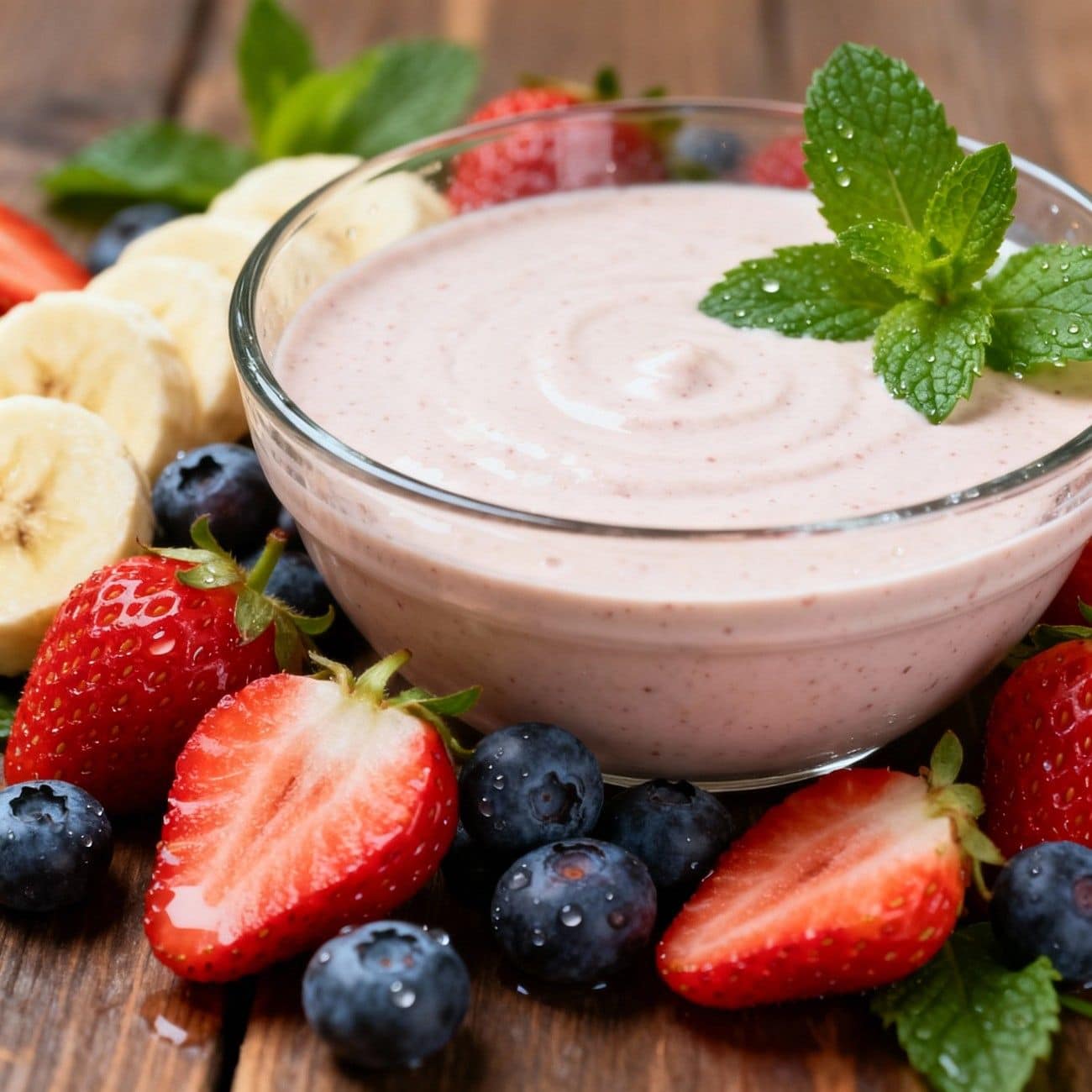
A creamy smoothie base
Select a liquid base that sets the texture and creaminess of your smoothie. Options include milk, yogurt, or dairy-free alternatives like almond or coconut milk. You can also use Greek yogurt or protein-rich bases to make your smoothie thicker and more satisfying.
Step 2: Add Fresh or Frozen Fruits
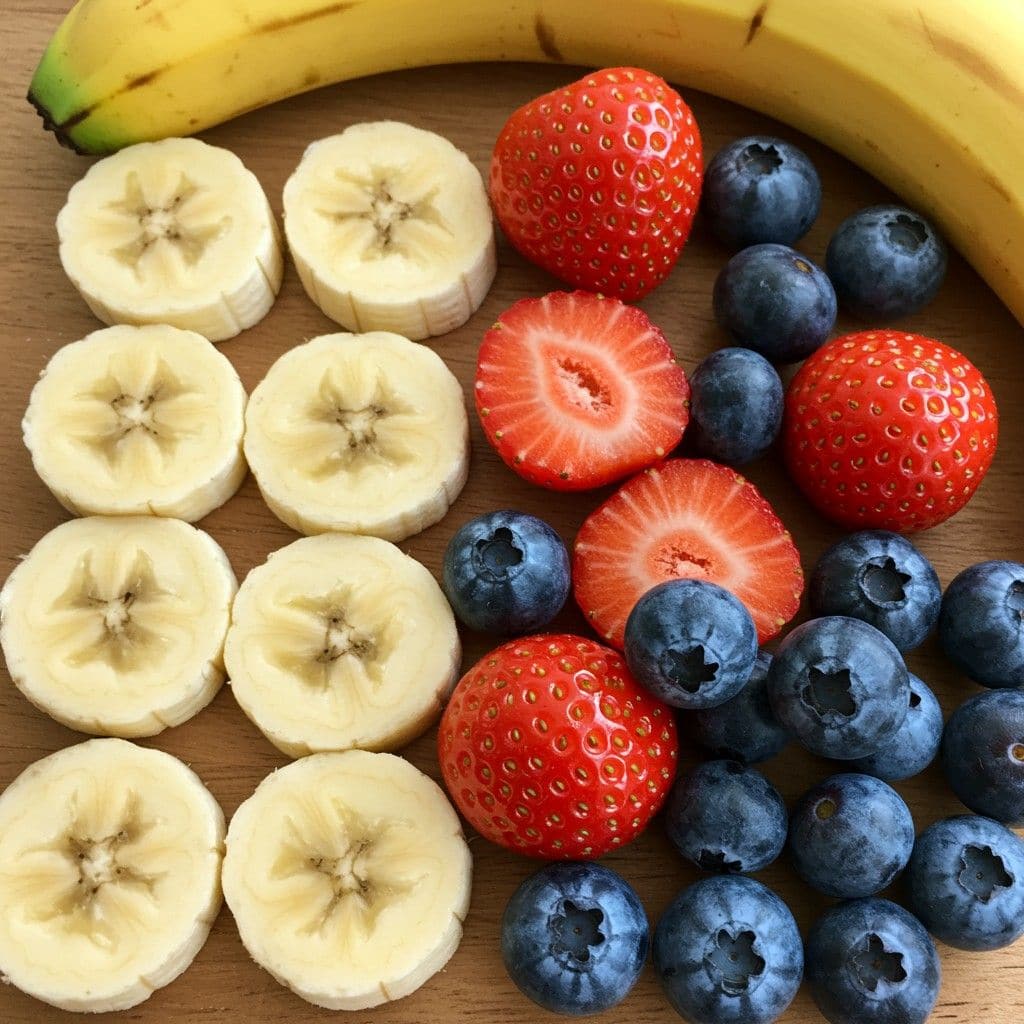
Fresh Fruits
Fruits bring natural sweetness, bright flavor, and essential nutrients to your smoothie. Fresh or frozen options both work well, and mixing different fruits adds variety. Frozen fruit also helps thicken the texture, creating a cool, refreshing drink packed with vitamins and fiber.
Step 3: Incorporate Vegetables for Added Nutrition
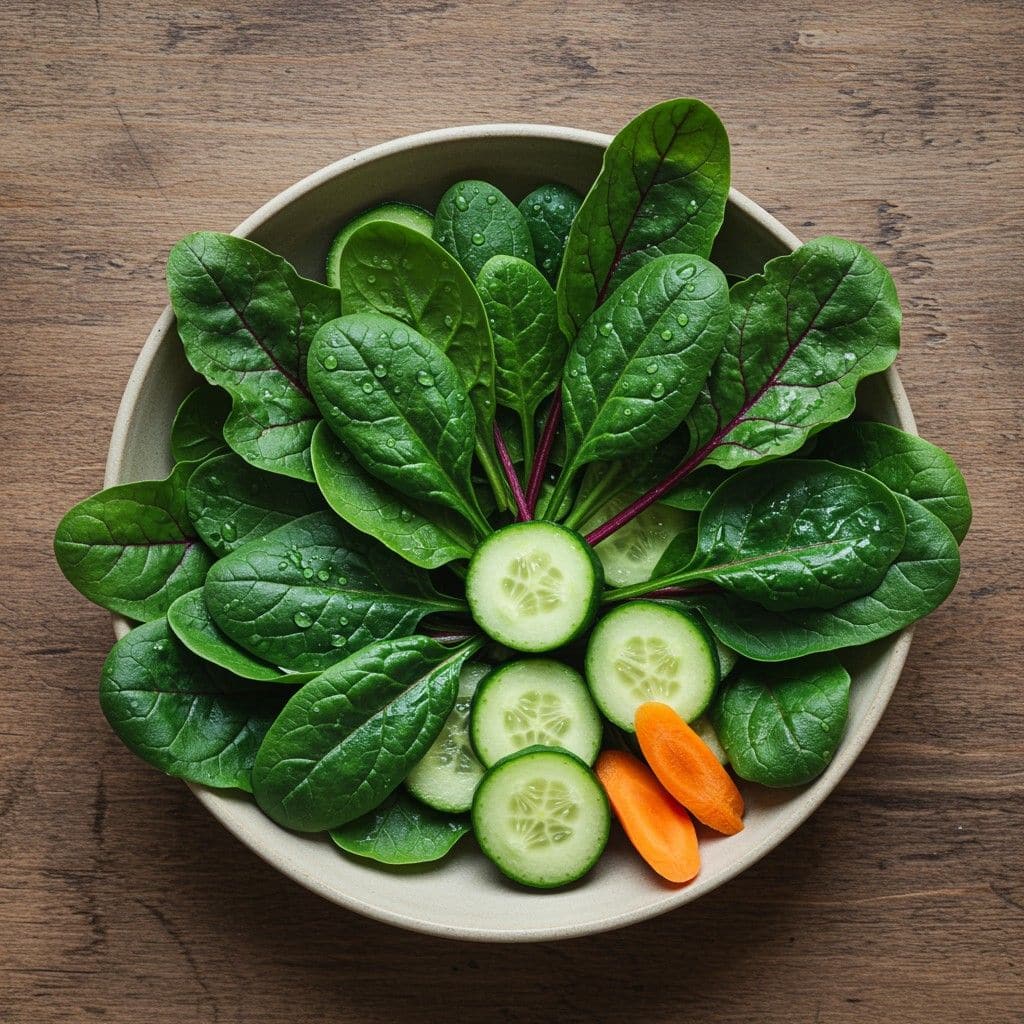
Fresh Vegetables
Adding veggies boosts nutrients without overpowering flavor. Greens like spinach or kale blend smoothly and pair well with fruit. Mild vegetables such as cucumber or carrot also work well, adding extra vitamins, minerals, and fiber while keeping the smoothie light and balanced.
Step 4: Add Protein for a Filling Smoothie
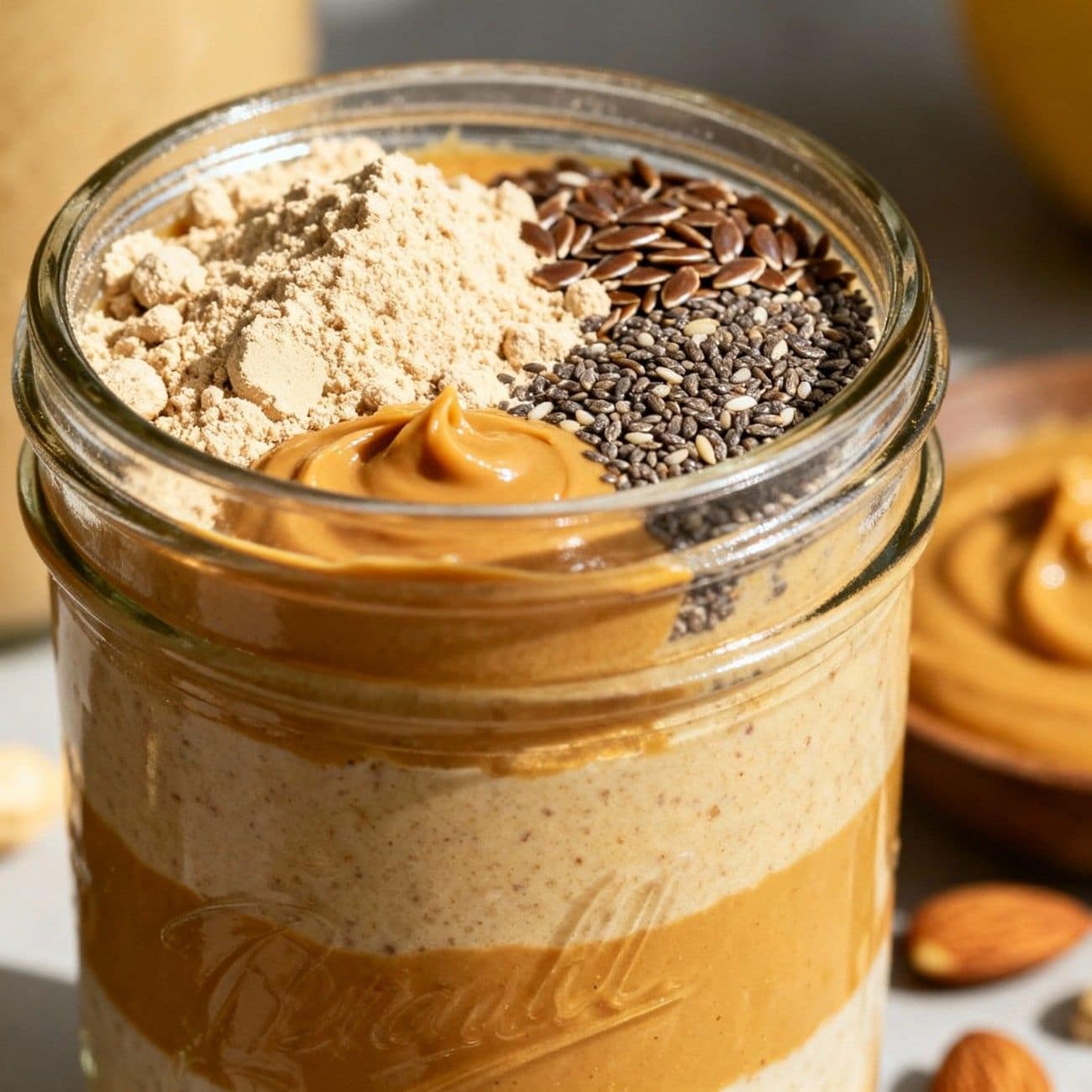
Protein powder peanut butter chia seeds flaxseeds almond butter
Protein keeps you full longer and adds structure to your smoothie. Choose from protein powder, nut butters, chia seeds, or flaxseeds. These ingredients help stabilize your energy, making your smoothie a satisfying meal or snack that supports muscle repair and overall wellness.
Step 5: Add Healthy Fats
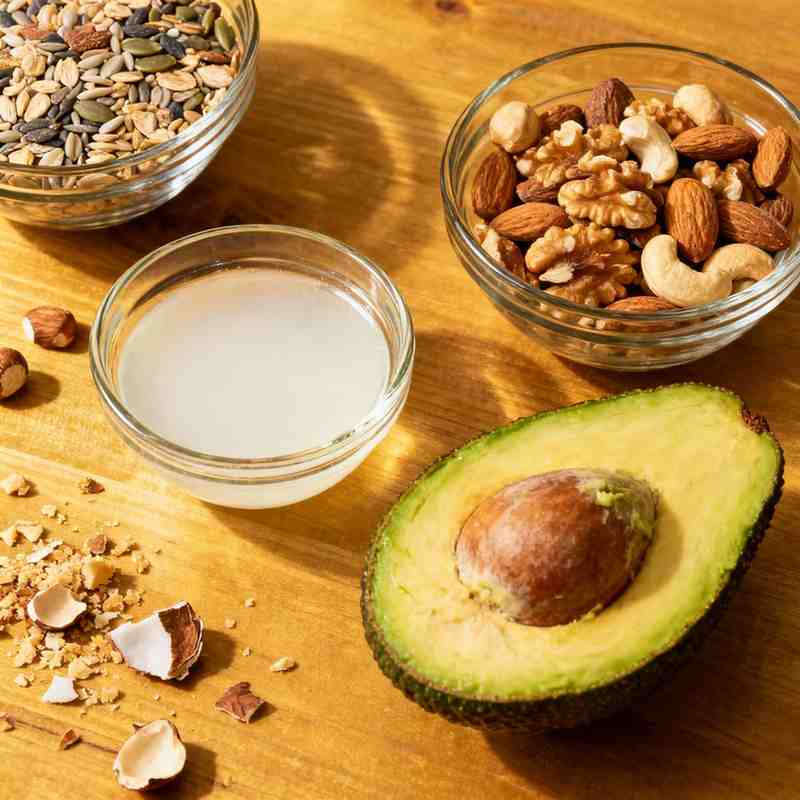
Avocado coconut oil nuts and seeds
Healthy fats enhance creaminess and provide long-lasting energy. Avocado, coconut oil, nuts, or seeds blend smoothly and improve texture. These ingredients support brain health, aid nutrient absorption, and make your smoothie richer and more satisfying without overwhelming the flavor profile.
Step 6: Blend Everything Together
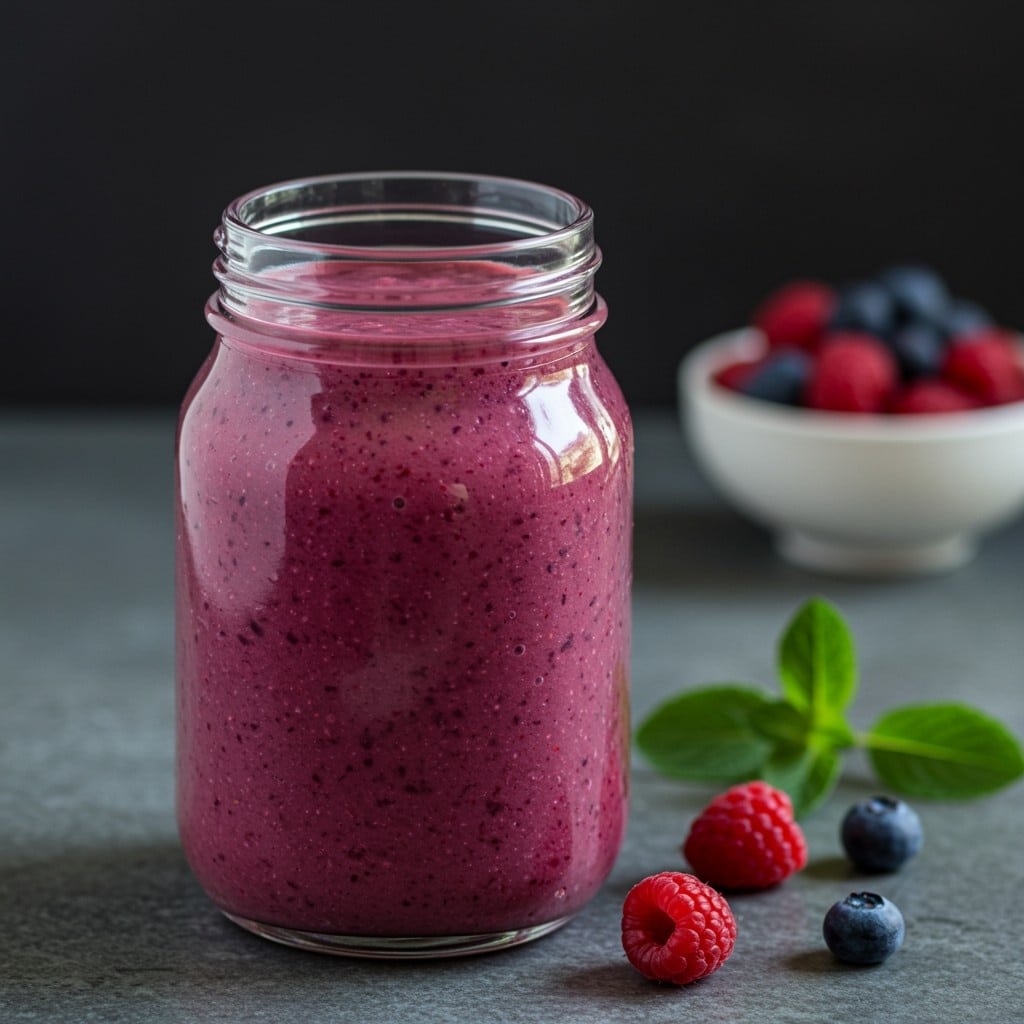
Thick Smoothie
Combine all ingredients in your blender and blend on low to gently break them down. Gradually increase the speed until everything becomes smooth and creamy. If it’s too thick, add more liquid; if too thin, add more fruit or ice.
Step 7: Taste and Adjust
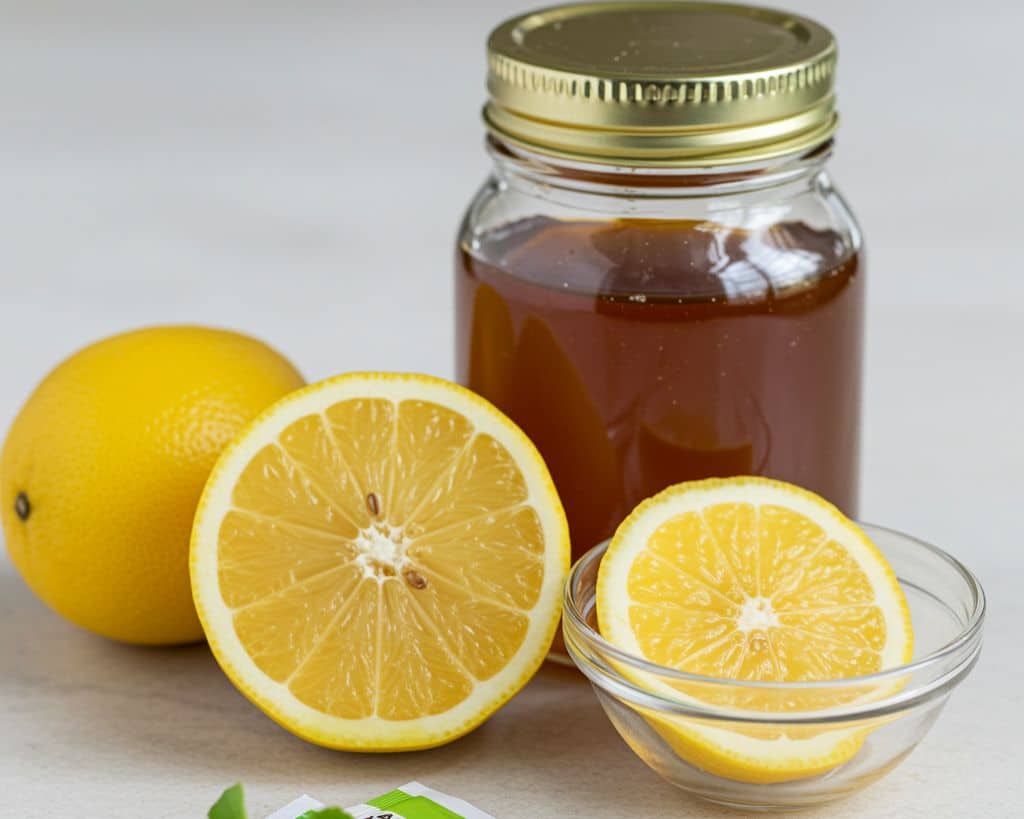
Lemon honey agave syrup stevia
Give your smoothie a quick taste and tweak the flavor as needed. Add lemon or more greens if it’s too sweet, or a touch of honey or agave if it’s not sweet enough. Adjusting ensures your smoothie tastes perfectly balanced.
What Are the 6 Healthy Smoothie Recipes You Can Try at Home?
Smoothies are not only delicious but also incredibly versatile, allowing you to experiment with different ingredients to meet your nutritional goals. Whether you’re looking to lose weight, gain energy, or simply enjoy a healthy snack, there’s a smoothie recipe for everyone.
Here are some healthy smoothie recipes you can easily try at home:
1. Green Detox Smoothie
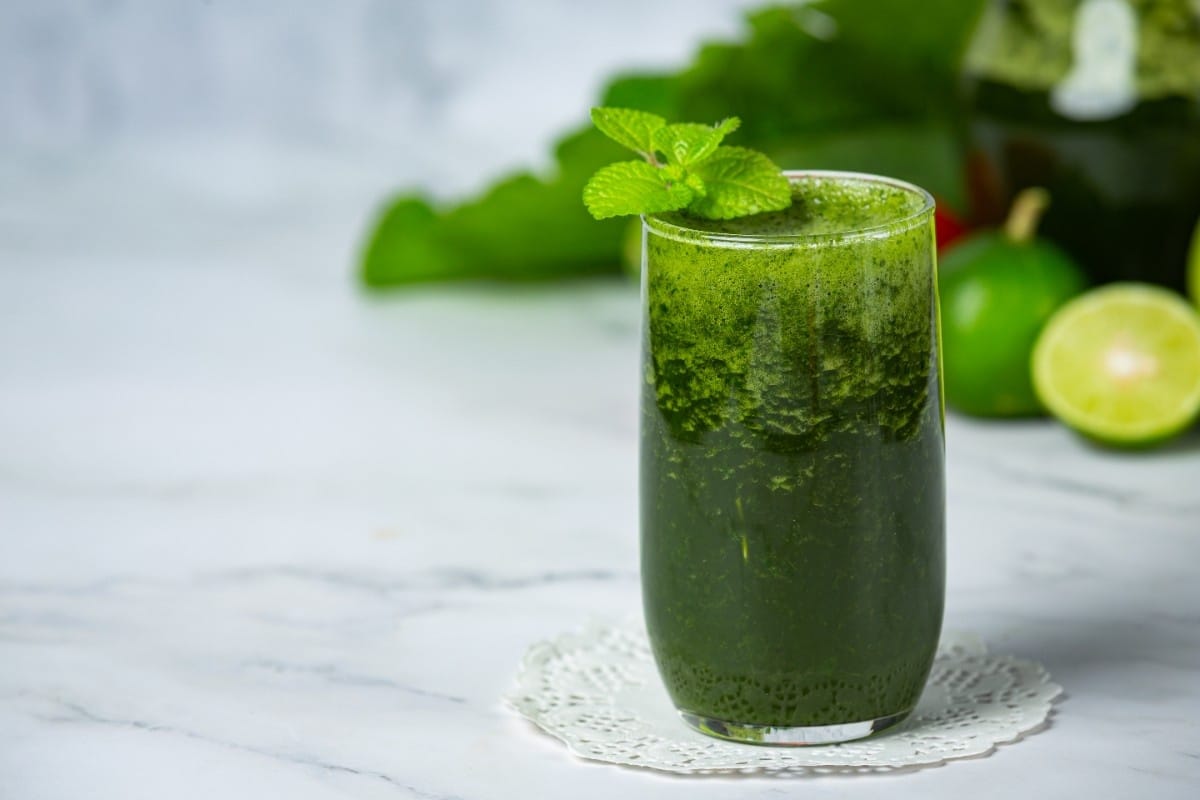
Green Detox Smoothie
Packed with greens and refreshing fruits, this detox smoothie helps cleanse the body, boost energy, and improve digestion. Perfect for starting your day or after a workout.
Ingredients:
- 1 cup spinach (or kale)
- 1/2 cucumber
- 1/2 apple
- 1/2 lemon (juice)
- 1 tsp ginger (fresh or ground)
- 1 cup coconut water
- Ice cubes (optional)
Instructions:
- Blend spinach, cucumber, apple, lemon juice, and ginger.
- Add coconut water and blend until smooth.
- Add ice cubes for a chilled texture, if desired.
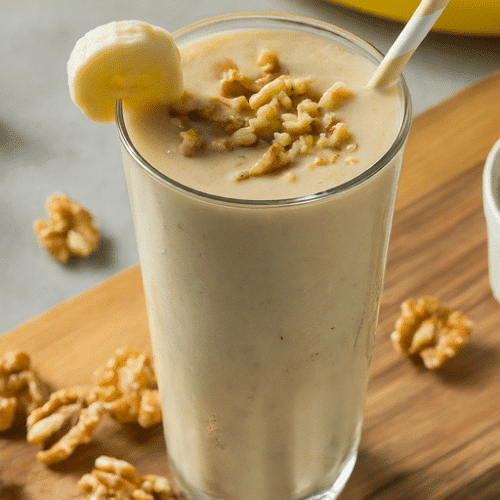
2. Protein-Packed Banana Smoothie
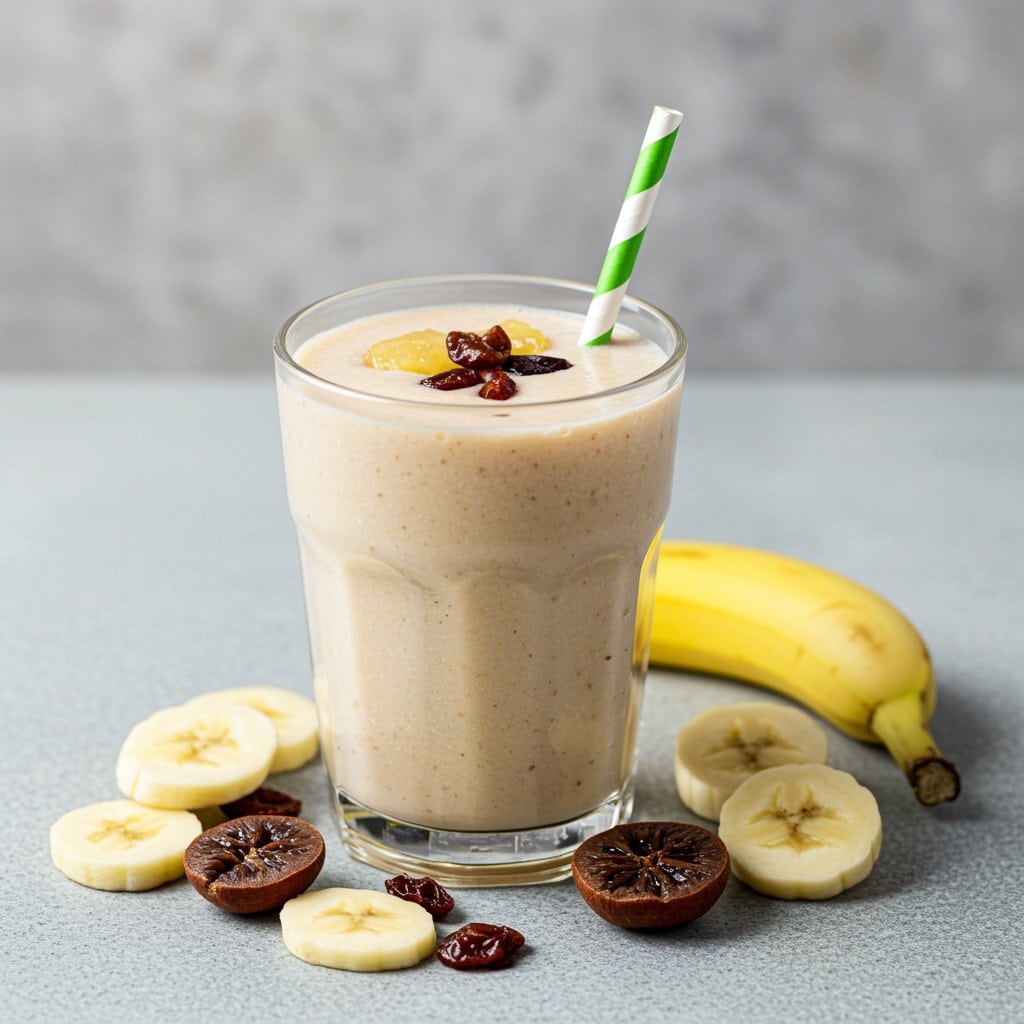
Protein Packed Banana Smoothie
This smoothie is perfect for post-workout recovery or as a meal replacement, packed with protein and healthy fats to keep you full for longer.
Ingredients:
- 1 banana (frozen or fresh)
- 1 scoop protein powder (whey or plant-based)
- 1 tbsp peanut butter or almond butter
- 1/2 cup almond milk (or your preferred milk)
- 1 tbsp chia seeds
Instructions:
- Blend the banana, protein powder, peanut butter, almond milk, and chia seeds.
- Adjust the consistency by adding more almond milk if needed.
- Serve chilled.
3. Berry Balance Smoothie
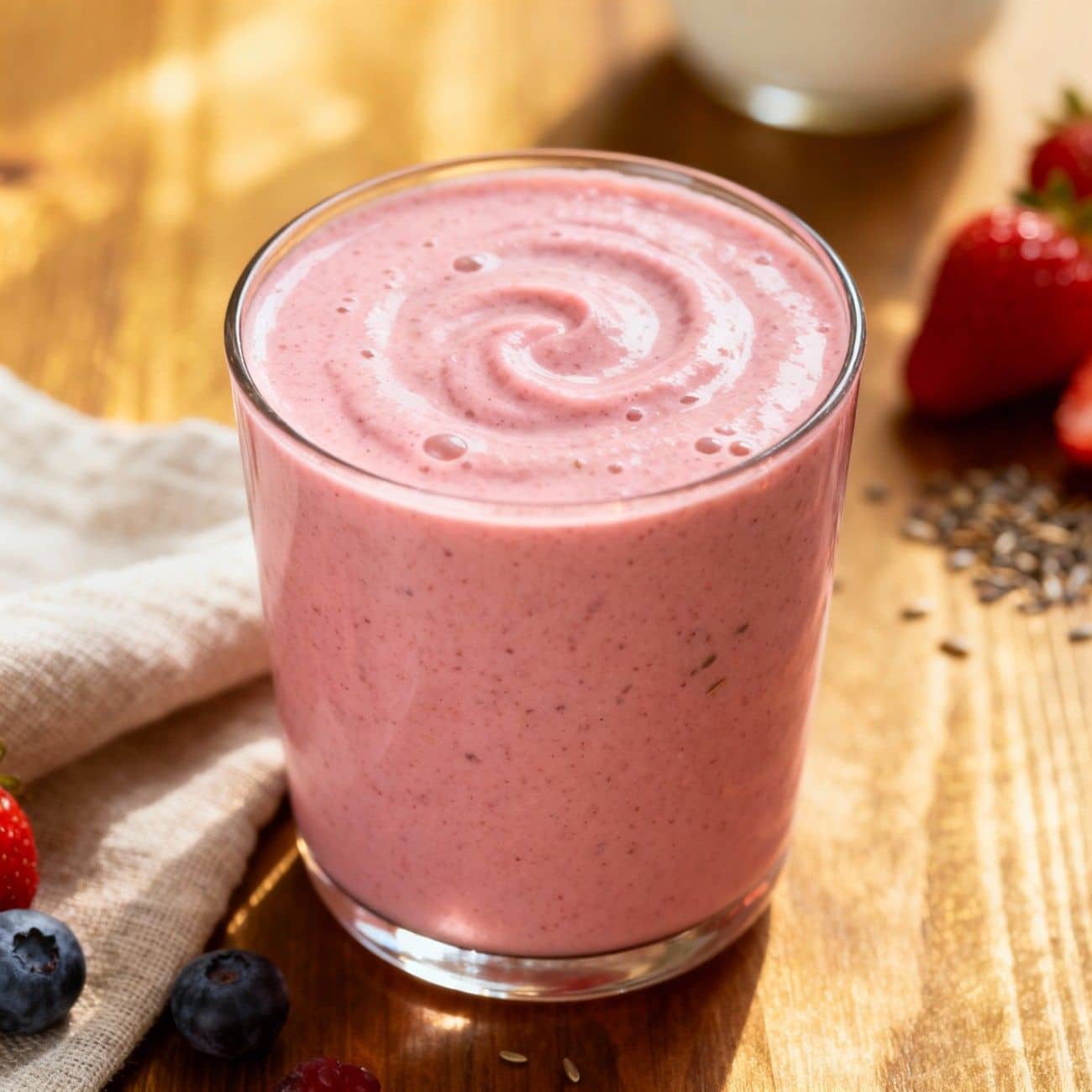
Berry Balance Smoothie
This smoothie is low in calories but packed with fiber and nutrients, making it perfect for weight-loss goals. It’s full of antioxidants and keeps you feeling full for longer.
Ingredients:
- 1/2 cup strawberries (fresh or frozen)
- 1/2 cup blueberries (fresh or frozen)
- 1/4 cup Greek yogurt (unsweetened)
- 1 tbsp flaxseeds or chia seeds
- 1 cup almond milk (unsweetened)
Instructions:
- Blend the strawberries, blueberries, Greek yogurt, flaxseeds, and almond milk.
- Adjust the consistency by adding more almond milk or water.
- Pour into a glass and enjoy!
4. Tropical Mango Smoothie

Tropical Mango Smoothie
This smoothie is like a vacation in a glass! Packed with tropical fruits, it’s rich in vitamins and antioxidants, making it a refreshing and healthy option.
Ingredients:
- 1 cup mango (fresh or frozen)
- 1/2 banana
- 1/2 cup coconut milk
- 1/4 cup pineapple (fresh or frozen)
- 1 tbsp chia seeds
Instructions:
- Blend mango, banana, coconut milk, pineapple, and chia seeds until smooth.
- Add more coconut milk if needed to reach your desired consistency.
- Serve chilled.
5. Chia & Almond Butter Smoothie
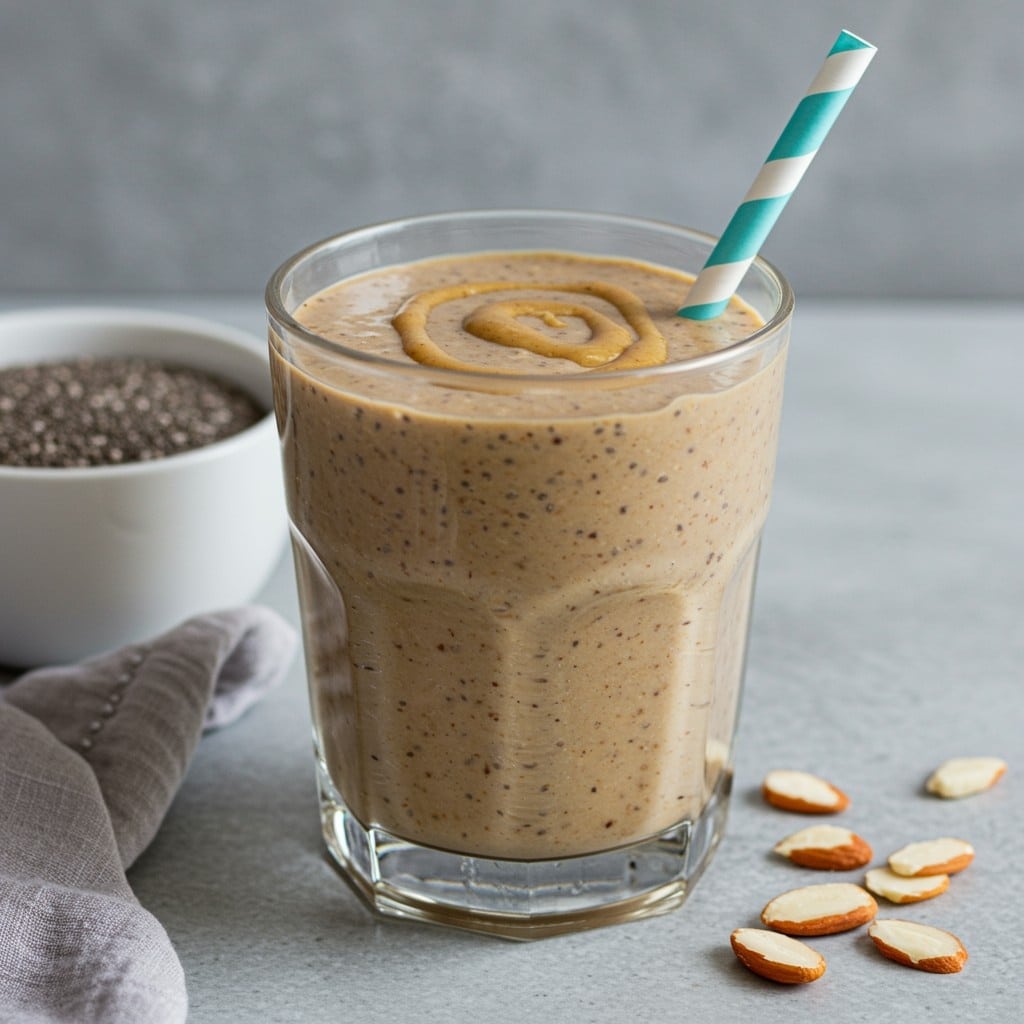
Chia Almond Butter Smoothie
A smoothie that’s rich in protein and healthy fats, this recipe provides long-lasting energy and keeps you feeling full. Perfect for a mid-morning snack or breakfast.
Ingredients:
- 1 tbsp almond butter
- 1 tbsp chia seeds
- 1 banana
- 1/2 cup oats (optional for extra thickness)
- 1 cup almond milk
Instructions:
- Blend almond butter, chia seeds, banana, oats, and almond milk together.
- Add more almond milk for a thinner consistency.
- Serve immediately.
6. Chocolate Smoothie
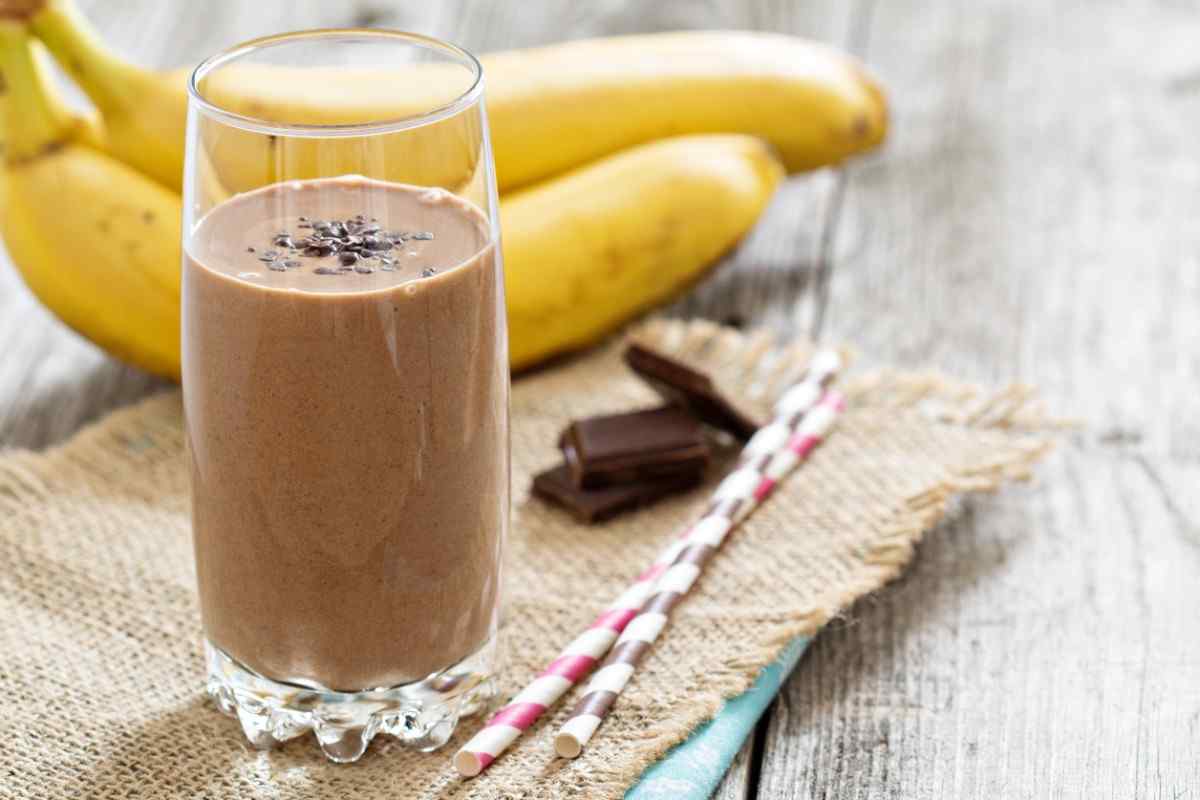
Chocolate Banana Smoothie
Craving chocolate? This healthy version satisfies your sweet tooth without the guilt. It’s rich in antioxidants and perfect for a post-workout treat or a light dessert.
Ingredients:
- 1 tbsp unsweetened cocoa powder
- 1/2 banana
- 1 cup almond milk
- 1 tbsp peanut butter
- 1/2 tsp cinnamon
Instructions:
- Blend all ingredients together until smooth.
- Add a little honey or maple syrup if you prefer extra sweetness.
- Enjoy chilled!
These healthy smoothie recipes are not only easy to make but also packed with essential nutrients to help you stay energized, fit, and healthy. Whether you’re looking for a protein smoothie recipe to boost your muscle recovery or a weight-loss smoothie to keep you feeling full, these recipes are great additions to your daily routine.
If you enjoy chocolate-based treats, you can also try dessert-style options like Chocolate Fridgecake for a richer, indulgent twist.
Can a Smoothie Diet Help You Lose or Gain Weight?
A smoothie diet can be an effective and convenient way to support your weight management goals, whether you’re aiming to lose weight or gain it. The key lies in choosing the right ingredients and balancing your smoothie intake with your overall diet and exercise routine.
Let’s explore how a smoothie diet can help with both weight-loss and weight gain.
Smoothie Diet for Weight Loss:
- Use low-calorie, nutrient-dense ingredients.
- Replacing heavier meals with smoothies can reduce overall calorie intake.
- Greens, berries, chia seeds, and high-fiber add-ins help keep you full longer.
Smoothie Diet for Weight Gain:
- Add high-calorie, nutrient-rich ingredients.
- Foods like peanut butter, full-fat yogurt, avocado, and oats increase energy intake.
- Protein-rich ingredients support healthy weight gain and muscle growth.
What Are the 5 Most Common Smoothie Mistakes to Avoid?
Smoothies can be a healthy and nutritious part of your diet, but it’s easy to make some common mistakes that can turn them into sugar-packed, calorie-heavy drinks. To make the most out of your smoothies, here are some common mistakes to avoid:
1. Using Too Much Fruit
Overloading your smoothie with fruit can lead to excessive sugar and calories. High-sugar fruits like bananas and mangoes, though tasty, can spike blood sugar levels.
How to Avoid:
Limit fruit portions to 1-1.5 cups per smoothie and balance with low-sugar fruits and vegetables.
2. Adding Excessive Sweeteners
Excess sweeteners like honey or maple syrup can quickly increase the calorie count and turn a healthy smoothie into a sugar-heavy drink.
How to Avoid:
Use natural sweetness from fruits. Opt for small amounts of honey, stevia, or skip added sweeteners when possible. Avoid pairing smoothies with high-sugar desserts like Christmas Cookies, as this can defeat your health goals.
3. Overloading with High-Calorie Ingredients
While ingredients like peanut butter or coconut milk are nutritious, too much can turn your smoothie into a high-calorie meal, hindering weight management.
How to Avoid:
Be mindful of portion sizes, using no more than 1 tbsp of nut butter or 1/4 avocado per smoothie.
4. Using Too Much Juice
Fruit juice is often high in sugar and lacks fiber. Overusing it can make your smoothie excessively sugary and low in essential nutrients.
How to Avoid:
Opt for unsweetened almond milk, coconut water, or water as your base instead of fruit juice to reduce sugar content.
5. Skipping Protein
Protein helps you stay fuller longer and aids in muscle repair. Without protein, your smoothie can lack satiety and essential nutrients.
How to Avoid:
Add protein-rich ingredients like Greek yogurt, protein powder, chia seeds, or hemp seeds to make the smoothie more filling and balanced.
Conclusion
To get the most out of your smoothies, focus on using the right ingredients and avoiding common mistakes. Keep portions balanced by adding protein, healthy fats, and fibre-rich vegetables, while limiting sugary fruits and sweeteners.
Whether you’re aiming for weight loss or muscle gain, smoothies can be tailored to your goals. Experiment with different combinations to find what works best for you.
By being mindful of your choices, smoothies can be a delicious, nutrient-dense part of your diet. So, start blending today and enjoy a healthier, more satisfying way to fuel your body!
Frequently Asked Questions
What is a Smoothie? Can you recommend smoothie recipes for specific dietary needs?
A smoothie is a blended drink made from fruits, vegetables, liquids, and optional add-ins. For specific dietary needs, try vegan green smoothies, high-protein berry blends, low-carb avocado mixes, or diabetic-friendly spinach and apple smoothies with unsweetened milk.
Is it healthy to have a smoothie every day?
Yes, having a smoothie every day can be healthy when you avoid added sugars and use nutrient-dense ingredients. A creamy smoothie made with fruits rich in vitamin C, veggies, and lean protein can support energy and overall wellness while keeping your next smoothie both wholesome and satisfying.
What are the healthiest things to put in a smoothie?
Great choices include berries like raspberries, leafy greens, flax seeds, and antioxidant-rich dragon fruit. Using bases like oat milk or adding plain Greek yogurt increases nutrient content and can add several grams of protein, helping you create a truly delicious smoothie every time.
What are some tips to get the perfect smoothie texture?
For a smoothie with a perfect texture, blend frozen fruits like peaches or bananas with a liquid base like soy milk. To achieve creaminess, add ingredients such as Greek yogurt or cashew butter, adjusting the amount as needed.
How can I make my smoothie more filling for breakfast?
To make your smoothie more filling, add protein-rich ingredients like plain Greek yogurt or cottage cheese. Including flax seeds, cashew butter, and a liquid base like soy milk will help keep you full until lunch.
What ingredients should I include for a nutrient-rich smoothie?
Include a mix of fruits, leafy greens, protein, and healthy fats. Combine ingredients like spinach, berries, Greek yogurt, chia seeds, and almond milk to create a balanced, nutrient-packed smoothie that supports energy, fullness, and overall wellness.
What fruits blend well together in a basic fruit smoothie?
Strawberries, bananas, and blueberries blend beautifully for a classic flavor. Mango with pineapple creates a tropical taste, while peach pairs well with berries. These combinations offer natural sweetness, a smooth texture, and refreshing flavor, making them perfect for a simple, delicious fruit smoothie.
How can I make my smoothie more filling for breakfast?
Add ingredients that boost protein, fiber, and healthy fats. Greek yogurt, oats, chia seeds, or nut butters increase fullness and steady energy. Using a thicker base, like banana or avocado, also helps create a satisfying breakfast smoothie.
What is the difference between smoothie and milkshake?
The main difference between a smoothie and a milkshake is in the ingredients. Smoothies are made with fruits, vegetables, yogurt, or protein, offering a nutrient-packed option, while milkshakes typically contain ice cream, milk, and sugar, making them sweeter and higher in calories.
How to make smoothies at home?
Make smoothies at home by blending fruits, greens, and a liquid base like oat milk or yogurt. Add extras such as chia seeds or a ripe banana for thickness, then blend until smooth for a quick, nutritious drink.