Key Highlights
- Beets offer health benefits ranging from improved circulation to enhanced energy levels daily.
- Beets are rich in nitrates, which your body converts into nitric oxide to help lower blood pressure.
- Adding this root vegetable to your diet can support your digestive health thanks to its high fibre content.
- Beets are loaded with powerful antioxidants that help protect your cells from damage.
- They are nutrient-dense yet low in calories, making them a fantastic addition to any balanced diet.
Have you ever wondered about the power packed into the humble beetroot? This vibrant root vegetable is more than just a colourful addition to your plate. It boasts an impressive nutritional profile that offers a wide range of health benefits of beets.
Often called a superfood, its earthy flavour and versatility make it easy to add to your meals. From supporting your heart to improving your general health, beets are a delicious way to boost your well-being.
Let’s explore why you should consider making them a regular part of your diet.
What Are the Key Health Benefits of Eating Beetroot?
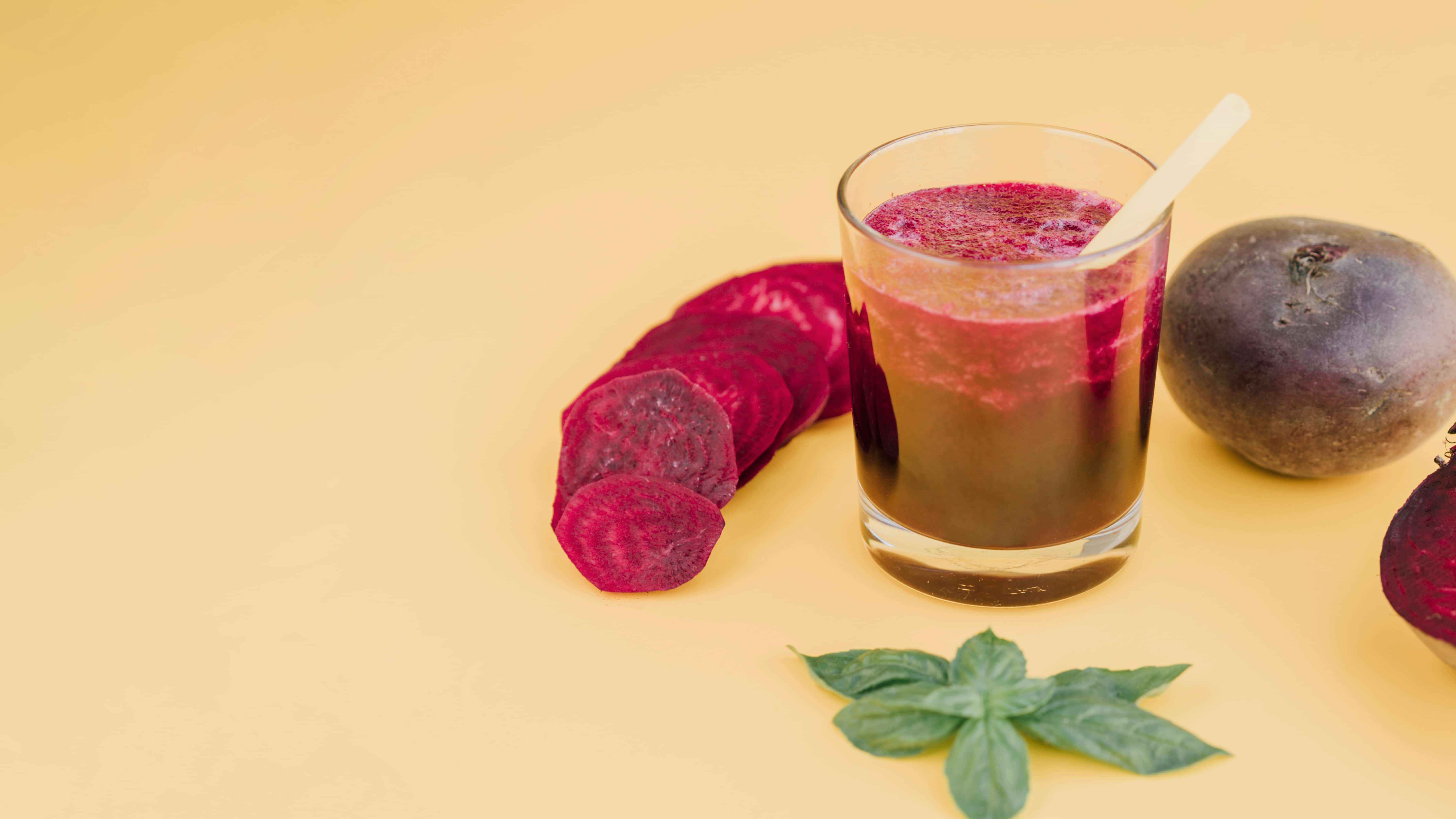
Beetroot juice and cut beetroot on the table
Beetroot is more than just a colourful vegetable commonly added to salads and juices. It offers a wide range of nutrients and natural compounds that support everyday health, from circulation and digestion to energy levels and overall wellness.
Below are 10 reasons that explain how including beetroot regularly can support your health and well-being.
1. Nutrient-Dense Fuel With Minimal Calories
Beetroot offers an impressive nutritional profile while staying naturally low in calories, making it easy to include in everyday meals without overloading your energy intake. It contains essential vitamins and minerals that support key body functions, including folate for cell growth and heart health, manganese for bone and brain support, and vitamin C for immune function.
Beets also provide important minerals such as potassium, iron, and copper, which help with circulation, oxygen transport, and metabolic processes. This combination makes beetroot a well-rounded, nutrient-dense vegetable that supports overall health while fitting well into a balanced diet.
2. Supports Healthy Blood Pressure Levels
Beetroot is well known for its role in supporting healthy blood pressure, which is closely linked to heart health. It contains naturally occurring nitrates that the body converts into nitric oxide, a compound that helps relax and widen blood vessels. This process supports smoother blood flow and improved circulation.
Regular inclusion of beetroot in meals may help maintain both systolic and diastolic blood pressure within a healthy range. Some evidence suggests raw beets may offer stronger effects, but consistent intake in any form can contribute to long-term cardiovascular support as part of a balanced diet.
3. Enhances Exercise Efficiency and Endurance
Beetroot may help improve physical performance by supporting how efficiently muscles use oxygen during activity. The nitrates in beets increase nitric oxide production, which can enhance blood flow to muscles and improve mitochondrial efficiency. This may help delay fatigue, support endurance, and improve overall workout efficiency.
Research has linked beetroot consumption to better stamina and oxygen use during sustained activities such as cycling or running, making it a useful dietary addition for active individuals.
Learn how to cook other delicious beetroot recipes from simple salads to hearty dishes, from beetroots in coconut milk to snacks and more!
4. Helps Manage Inflammation and Oxidative Stress
Beetroot contains natural pigments called betalains, which give it its deep colour and contribute to many recognised beetroot benefits. These compounds help the body manage inflammation and oxidative stress, both of which are linked to long-term health concerns.
Research into beetroot juice benefits suggests regular consumption may help reduce certain inflammatory markers. By supporting cellular health and antioxidant activity, beetroot enhances your skin, helping it look healthy and glowing over time from the inside out.
5. Supports Digestive Health and Gut Function
A key part of beetroot nutrition is its fibre content, which supports digestion by promoting regular bowel movements and feeding beneficial gut bacteria. Beetroot is naturally low in calories, making it easy to include in daily meals without adding excess energy.
The fibre in beetroot supports healthy digestion, helps balance metabolism, and contributes to long-term overall wellness.
6. May Support Brain Health and Cognitive Function
One of the lesser-known benefits of eating beetroot is its potential role in supporting brain health. Beets contain natural nitrates that help improve blood flow, including circulation to the brain, which is essential for memory and focus. This improved blood flow supports overall cognitive performance.
Whether consumed fresh or explored through beetroot powder benefits, regular intake reflects the broader benefits of beets for mental clarity and long-term brain support.
7. May Offer Protective Cellular Support
Beetroot contains several plant compounds that contribute to the overall benefits of beets, including betaine and flavonoids known for their antioxidant activity. Early research suggests these compounds may help protect cells from damage and support normal cell function.
While findings are still developing, this potential protective effect is often mentioned when discussing the benefits of eating beetroot as part of a varied, plant-rich diet that supports long-term health.
8. May Help Balance Energy Intake and Support Weight Management
Beets are often included in healthy eating plans because they help balance energy intake without feeling restrictive. They are low in calories and high in water content, which adds volume to meals and supports portion control. These qualities are commonly highlighted among the health benefits of beetroot.
Beets also contain fibre and small amounts of protein, which promote fullness. Whether eaten whole or explored through beet juice benefits, the advantages of eating beetroot make it easier to manage daily energy intake.
9. Versatile, Flavourful, and Easy to Use
One of the best things about beetroot is how easy it is to use in daily cooking. You can roast it, juice it, steam it, mix it into dips, or add it raw to salads.
It’s naturally earthy flavour pairs well with both sweet and savoury ingredients. Simple preparation methods help preserve nutrients, making beets a practical and enjoyable way to support a healthy diet.
10. Rich in Protective Antioxidants
One of the key benefits of eating beets is their high antioxidant content, which helps protect the body from oxidative stress. Beets contain vitamin C and unique plant pigments called betalains that support cellular protection by neutralising free radicals. Oxidative stress is linked to inflammation and long-term health concerns, making antioxidant-rich foods especially valuable.
Regularly including beets in meals supports the body’s natural defence systems. These benefits of eating beets, combined with their vitamins and minerals, make beetroot a powerful addition to a balanced, health-focused diet.
How Can You Add Beets to Your Diet Without Compromising on Taste?
Beets are highly nutritious, but many people avoid them because they are unsure how to cook them in a way that feels familiar and enjoyable. Using simple ingredients and everyday cooking methods, beets can be incorporated into meals without overpowering flavour or extra effort.
1. Beetroot & Yoghurt Raita

Beetroot Yoghurt Raita
Beetroot and yoghurt raita is a cooling, refreshing side dish that pairs well with warm, spiced meals. Its creamy texture and subtle sweetness make it ideal for balancing heavier dishes while adding colour and lightness to the plate.
Ingredients
- Boiled beetroot, grated
- Plain yogurt
- Roasted cumin powder
- Salt
- Grated ginger
Recipe
- Whisk the yoghurt until smooth
- Add grated beetroot and ginger
- Sprinkle cumin powder and salt
- Mix gently and chill before serving
This raita is best served well-chilled and makes an easy, flavour-balancing addition to everyday meals or festive spreads.
After enjoying this dish, also try the colourful and nutritious Beetroot Poriyal for a simple South Indian side that’s packed with flavour and veggies.
2. Roasted Beet & Chickpea Bowl
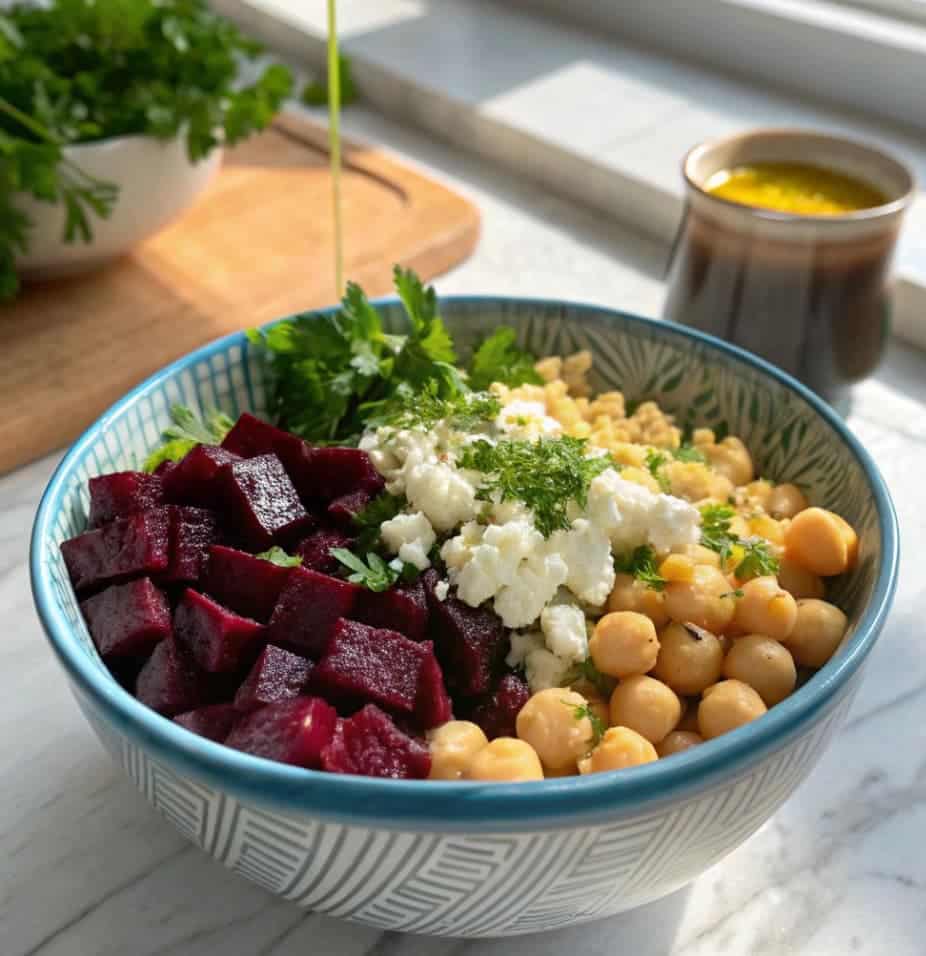
Roasted Beet Chickpea Bowl
This roasted beet and chickpea bowl is hearty, wholesome, and naturally satisfying. It combines earthy sweetness with protein and mild seasoning, making it suitable as a complete meal or a nourishing brunch bowl.
Ingredients
- Beetroot, cubed
- Boiled chickpeas
- Olive oil
- Black pepper
- Mild spices
- Lemon juice
Recipe
- Toss beets and chickpeas with oil and spices
- Spread on a baking tray
- Roast until tender and lightly caramelised
- Finish with lemon juice and serve warm
Serve this bowl fresh from the oven for the best texture and a comforting, balanced meal.
For a hearty meal, explore Beetroot Sambar, a wholesome lentil stew with vibrant beetroot that pairs beautifully with rice or dosas.
3. Beetroot Paratha

Beetroot Paratha
Beetroot paratha adds colour and nutrition to a familiar comfort food. Soft, mildly sweet, and filling, it’s a great option for breakfast or lunch when you want something wholesome yet satisfying.
Ingredients
- Beetroot, finely grated
- Whole wheat flour
- Salt
- Oil
Recipe
- Combine beetroot, flour, salt, and oil
- Knead into a soft dough
- Roll into flat discs
- Cook in a hot pan until evenly done
Enjoy these parathas warm with yoghurt or mint chutney for a comforting, home-style meal.
4. Beet & Carrot Soup

Beet Carrot Soup
Beet and carrot soup is smooth, gently sweet, and comforting without being heavy. Its vibrant colour and simple flavours make it a great starter or a light standalone meal.
Ingredients
- Beetroot, chopped
- Carrots, chopped
- Onion
- Garlic
- Water or vegetable stock
- Mild spices
Recipe
- Sauté the onion and garlic lightly
- Add vegetables and liquid
- Simmer until soft
- Blend until smooth and serve warm
This beetroot soup is perfect for cooler days when you want something warm and comforting, or anytime you’re looking for a light, nourishing reset meal that feels both soothing and satisfying.
5. Beetroot Smoothie
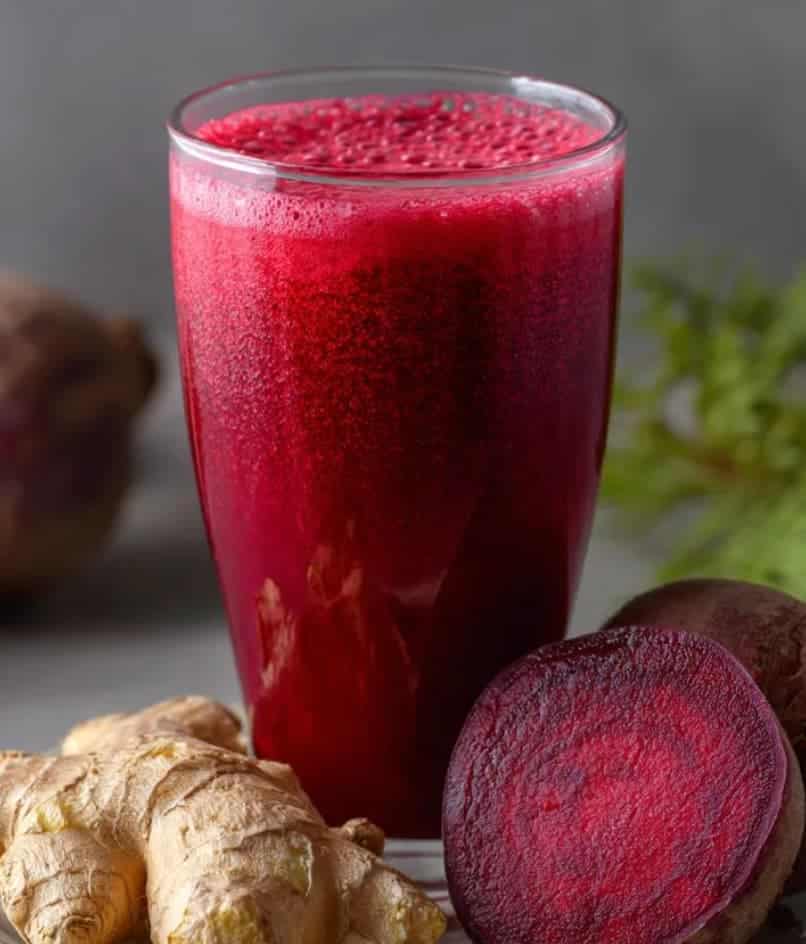
Beetroot Smoothie
Beetroot smoothies are an easy, refreshing way to enjoy this nutrient-rich vegetable. Paired with fruit, they offer natural sweetness and work well for quick breakfasts or post-workout nourishment.
Ingredients
- Beetroot, raw or cooked
- Apple or berries
- Yoghurt or water
Recipe
- Add all ingredients to a blender
- Blend until smooth
- Adjust consistency if needed
- Serve immediately
Drink it fresh for the best flavour and a naturally energising boost.
Conclusion
Incorporating beetroot into your diet can unlock a treasure trove of health benefits. From its rich nutrient profile to its potential in managing blood pressure and enhancing athletic performance, beetroot is a versatile superfood worth considering. Whether you’re enjoying it in salads, juices, or smoothies, this vibrant vegetable not only adds a delightful taste but also packs a punch with its antioxidants. Embrace the surprising advantages of beetroot and make it a staple in your meals for improved overall health and wellness.
Frequently Asked Questions
Is it good to eat beetroot every day?
Yes, eating beetroot daily in moderate portions is generally safe and may support heart disease prevention by lowering the risk of heart disease when included as part of a healthy diet, though excessive intake can occasionally cause side effects.
How many beetroots should you eat per day?
A practical daily amount is about one cup of cooked beets, providing low-calorie content, essential nutrients and helpful grams of fibre that support the digestive system while fitting well into weight loss-focused meal planning for most adults.
What makes beets so good for your health?
Beets are beneficial because their compounds help manage high blood pressure, including systolic blood pressure, support circulation and provide antioxidants linked to protection against chronic diseases and reduced growth signals associated with cancer cells in the body overall.
Are there any side effects to be aware of with beets?
Some people may notice concerns when overeating beets, as oxalates can raise the risk of kidney stones, and strong nitrate effects may contribute to low blood pressure in sensitive individuals, requiring moderation and medical guidance for specific health conditions occasionally.
Which is better between beetroot and carrot juice?
Choosing between beetroot and carrot juice depends on preference, as beet juice benefits include circulation support despite an earthy taste, while carrot juice offers a milder flavour and complementary nutrients that suit different dietary goals and daily routines well.
What’s the healthiest way to consume beets?
Raw beets in salads or fresh juice preserve nutrients, while roasting or steaming lightly maintains flavour. Avoid prolonged boiling since water-soluble compounds leach out, reducing overall nutritional value and functional benefits for everyday home cooking methods.
What is the best time to drink beet juice?
To enhance exercise performance, drinking beet juice two to three hours before training allows nitrate conversion to nitric oxide, improving blood flow endurance and workout efficiency during sustained physical activity for many recreational and endurance-focused athletes consistently.