Table of Contents
Key Highlights
- Turmeric is a powerful superfood known for its wide range of health benefits.
- It has ancient roots in traditional medicine and is now recognised for its modern therapeutic value.
- Supports key bodily functions, including digestion, immunity, and metabolism.
- Promotes healthy joints, skin, and heart through its anti-inflammatory and antioxidant properties.
- You can easily enjoy it by adding it to your food, drinks, or daily supplements.
- Incorporating turmeric into your meals adds flavour to your food while supporting long-term health and energy.
Turmeric is one of nature’s most powerful and versatile spices. Its key active ingredient, curcumin, is known for its strong anti-inflammatory and antioxidant effects. With its warm, slightly bitter flavor, turmeric is widely used to add colour and depth to curry powders, mustards, butters, and cheeses.
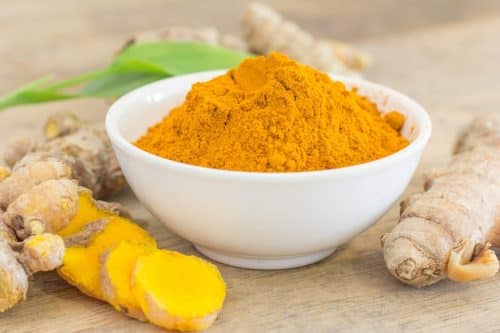
The turmeric botanical name is Curcuma longa; this root belongs to the ginger family and has gained global fame as a powerful superfood.
From traditional remedies to modern smoothies and lattes, turmeric has found its way into almost every corner of the wellness world. But what makes it so special? Is it really the miracle ingredient people claim it to be, or just another health trend?
In this blog, we’ll break down what science says about turmeric, explore its benefits, side effects, and usage to help you understand why this vibrant spice has stood the test of time.
Why is Turmeric Classified as a Superfood?
The medicinal plant turmeric, or haldi, is more than just a kitchen spice; it’s a natural immunity booster that keeps you strong and healthy.
A review by MDPI shows that curcumin helps neutralize free radicals, supports the immune system, and may even protect against chronic conditions like arthritis, heart disease, and prostate cancer. Scientists continue to explore the full range of curcumin effects on our bodies.
However, not all yellow root is real turmeric. Don’t confuse it with Javanese turmeric root, tree turmeric, zedoary, or goldenseal. They might look similar, but have totally different effects.
Here are some basic turmeric indicators:
- Bright yellow colour (almost fluorescent) can be due to added dyes.
- Perform simple home tests (e.g., mixing with water, acid tests) to check for chalk or other adulterants.
- Buy from reputable sources and brands with quality assurances.
- Prefer brands that disclose heavy metal testing and purity certificates.
9 Powerful Turmeric Benefits You Should Know About
The beneficial effects of turmeric are truly impressive. Whether you get it from your diet or through supplements, this spice can make a real difference in your health. Let’s look at some of the amazing turmeric benefits in simple terms:
1. Anti-Inflammatory Properties
This golden spice helps soothe swelling and joint pain. Its active ingredient, present in essential oils, can soothe arthritis or osteoarthritis pain. It’s a gentle, natural way to ease discomfort without relying on strong medicines.
2. Powerful Antioxidant
It works like a tiny shield inside your body, fighting off harmful “bad molecules” called free radicals that damage your cells. This helps you stay strong, healthy, and less likely to get sick as time goes on.
3. Boosts Immunity
This spice keeps your immune system active and ready to fight off germs. With natural antibacterial, antiviral, and antifungal powers, it supports your body’s defences. Add a pinch to warm milk, tea, or soup to stay healthy throughout the year.
4. Supports Brain Function
It helps your brain stay sharp and happy by improving memory, focus, and mood. It boosts “feel-good” chemicals like serotonin and dopamine while protecting brain cells from oxidative stress, alzheimer’s disease, and major depressive disorders.
5. Aids Digestion
Gentle on the stomach, this spice helps reduce bloating, gas, and heaviness after meals. It supports good gut bacteria, making digestion smoother and helping prevent inflammatory bowel disease.
6. Improves Skin Health
Known for its natural glow-enhancing powers, this spice fights germs, reduces redness, and helps small wounds heal faster. Whether used in food, drinks, or face masks, it promotes smoother, clearer, and healthier-looking skin.
7. Helps Regulate Blood Sugar
It supports balanced blood sugar by improving how your body uses insulin. This can help reduce sudden sugar spikes and may benefit people who are looking to manage or prevent diabetes.
8. Supports Heart Health
This golden ingredient helps care for your heart by lowering bad cholesterol and improving blood vessel health. It also reduces inflammation inside the arteries, supporting smoother blood flow and better overall heart health.
9. Cancer Treatment and Protection
Scientists are studying turmeric’s power to help stop bad cells from growing too fast. Some early studies show curcumin might help protect the body from certain types of cancer. However, further analysis of clinical trials is needed to ensure the benefit of turmeric in cancer treatment.
What Are Some Additional Medicinal Uses of Turmeric?
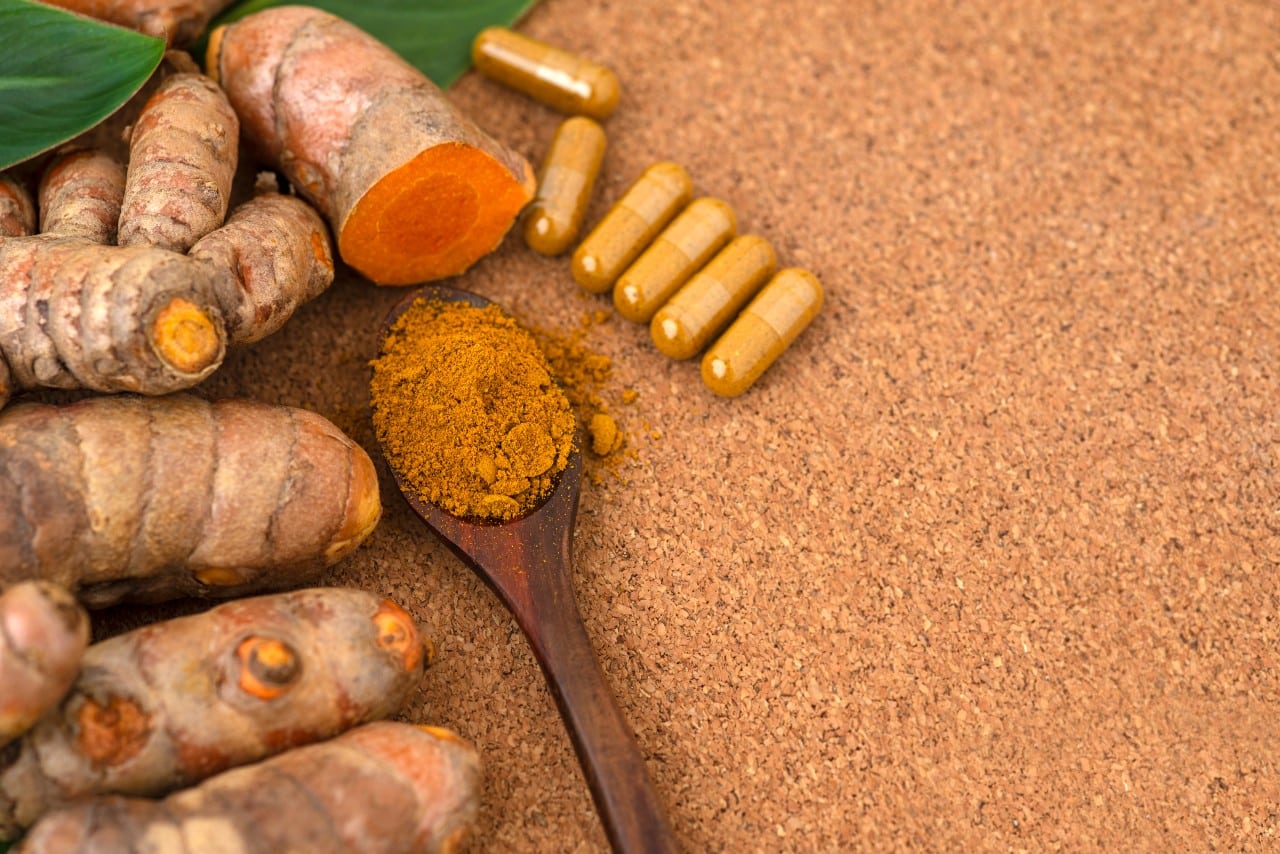
Enriched with bioactive compounds that help your body stay strong and healthy. Here are some potential health benefits of turmeric:
- Liver Support: Turmeric promotes natural detoxification, which helps in the prevention of nonalcoholic fatty liver disease.
- Improves Metabolism: Aids in weight management and reduces inflammation-related metabolic issues.
- Healthy Ageing: Rich in antioxidants that protect cells and slow down age-related decline.
- Eases PMS Symptoms: Helps reduce bloating, cramps, and mood swings during menstruation.
- Eye Health: Turmeric may help protect against vision problems like glaucoma and macular degeneration.
- Respiratory Relief: Traditionally used to ease asthma, bronchitis, and allergic inflammation.
- Gut health: Supports digestion and helps relieve discomfort from irritable bowel syndrome (IBS) and other digestive issues.
- Natural Pain Relief: Acts as a gentle, natural remedy for headaches, cramps, and knee osteoarthritis pain.
How Does the Turmeric Plant Bring Flavour and Health to Indian Food?
The turmeric plant is incredibly versatile, and almost every part of it offers unique benefits. From cooking, medicine, and wellness, turmeric plant uses are numerous. Let’s explore how different parts of this plant elevate the flavours of Indian cooking:
1. Turmeric Flower

The turmeric flower is a pretty bloom from the turmeric plant. It smells nice and tastes a little bitter, making it great for salads, chutneys, or quick stir-fries. In some places, people pickle it or cook it with coconut and spices to make a tasty seasonal treat.
2. Raw Turmeric
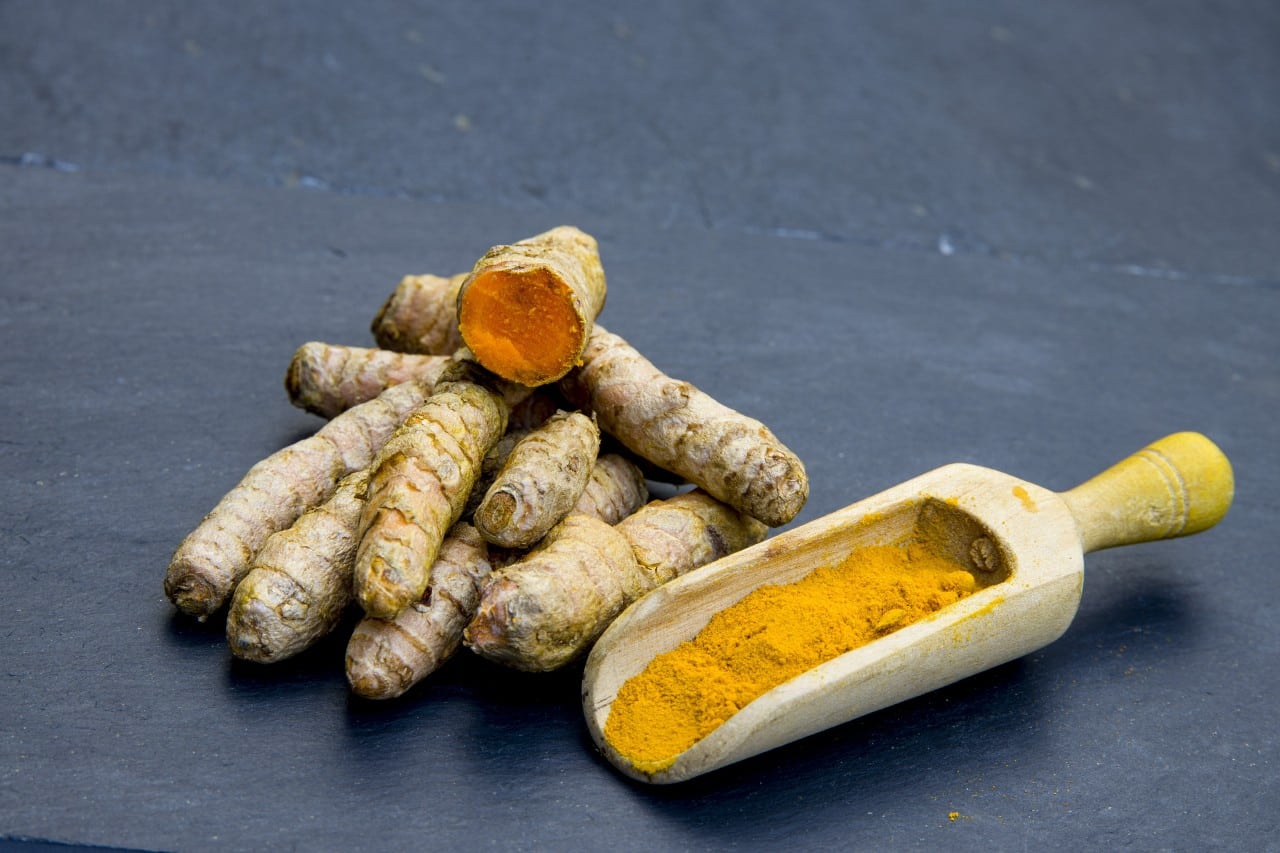
Raw turmeric is the fresh root of the turmeric plant. It’s stronger in flavour and full of natural oils and curcumin, which are good for your health and skin. You can grate it into smoothies, teas, or milk, or use it to derive essential oil.
3. Turmeric Leaves
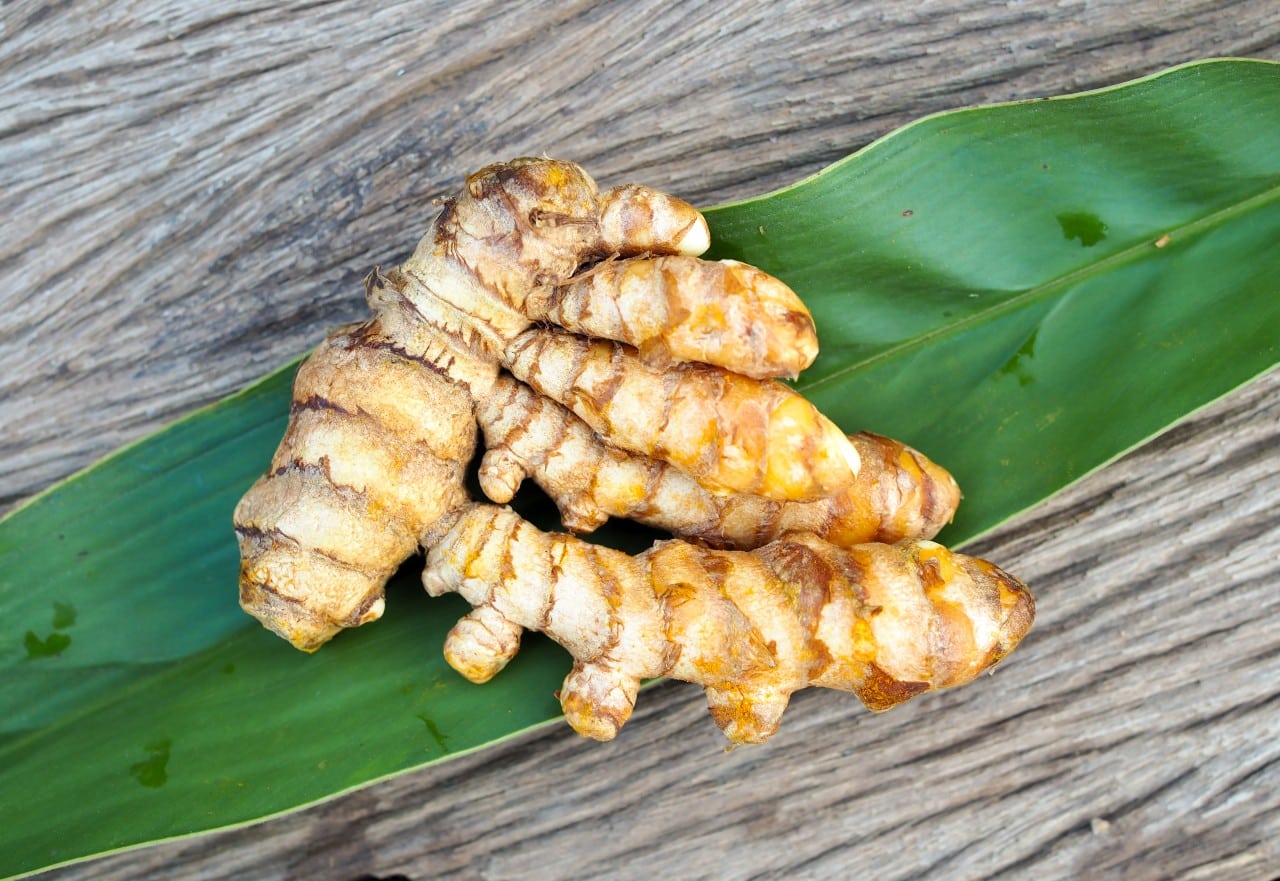
Turmeric leaves aren’t just fragrant; they add a hint of gingery warmth to dishes. You can use turmeric leaves to wrap rice cakes, fish, or steamed sweets. Finely chopped turmeric leaves can also be added to soups, curries, or rice dishes for a gentle herbal touch.
How Do Indian Dishes Showcase the Many Turmeric Uses?
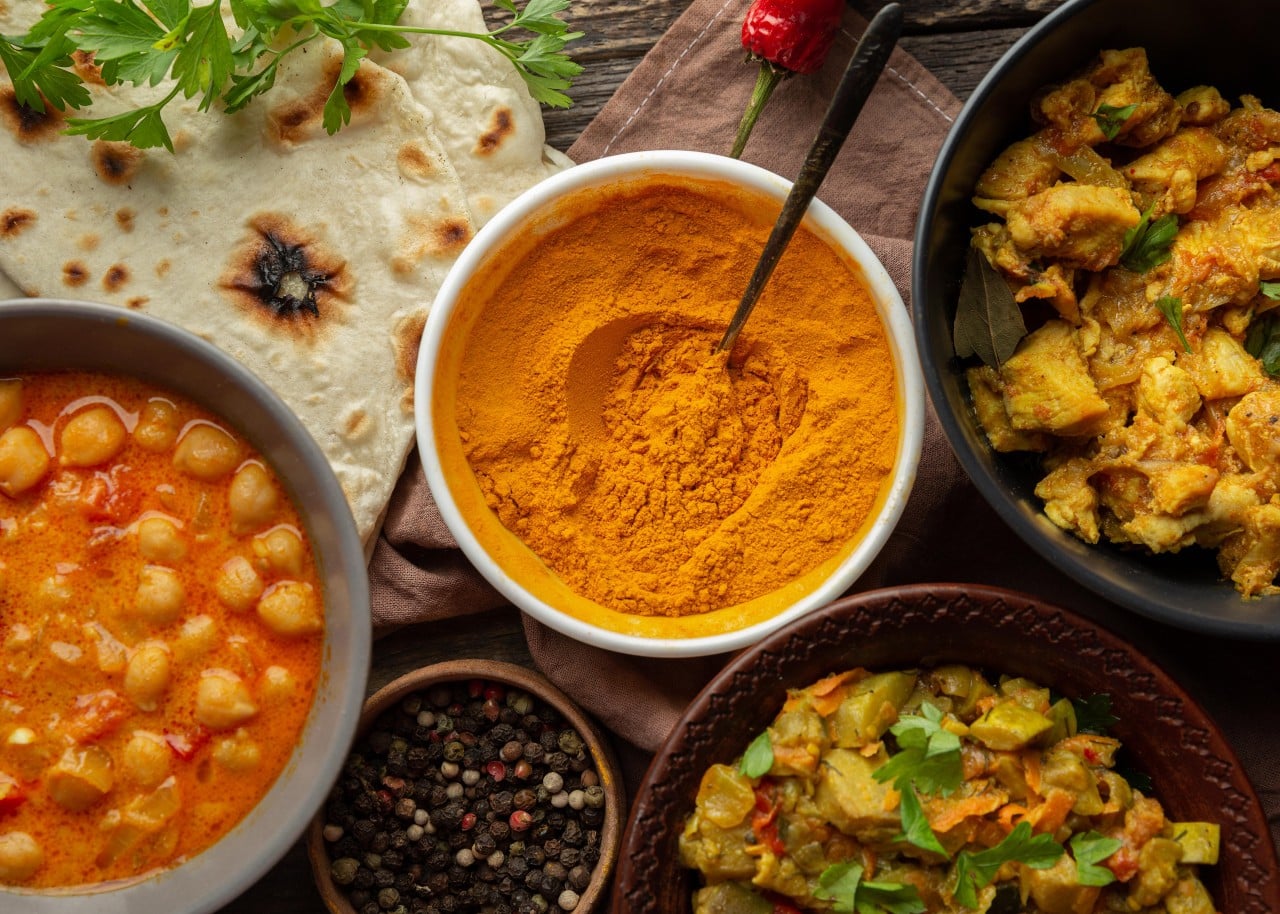
Turmeric is one of the most loved and versatile ingredients in Indian cooking, adding flavour, colour, and health benefits to almost every meal. Here’s how turmeric medical uses have become an essential part of Indian cooking:
- Curries: Turmeric gives curries their signature golden colour and warm, earthy flavour. It also helps support digestion and boosts immunity, making everyday meals both tasty and healthy.
- Rice Dishes: From fragrant pulao to tangy lemon rice, just a pinch of turmeric turns plain rice into a beautiful yellow dish. It adds mild spice and helps balance the flavours of other ingredients.
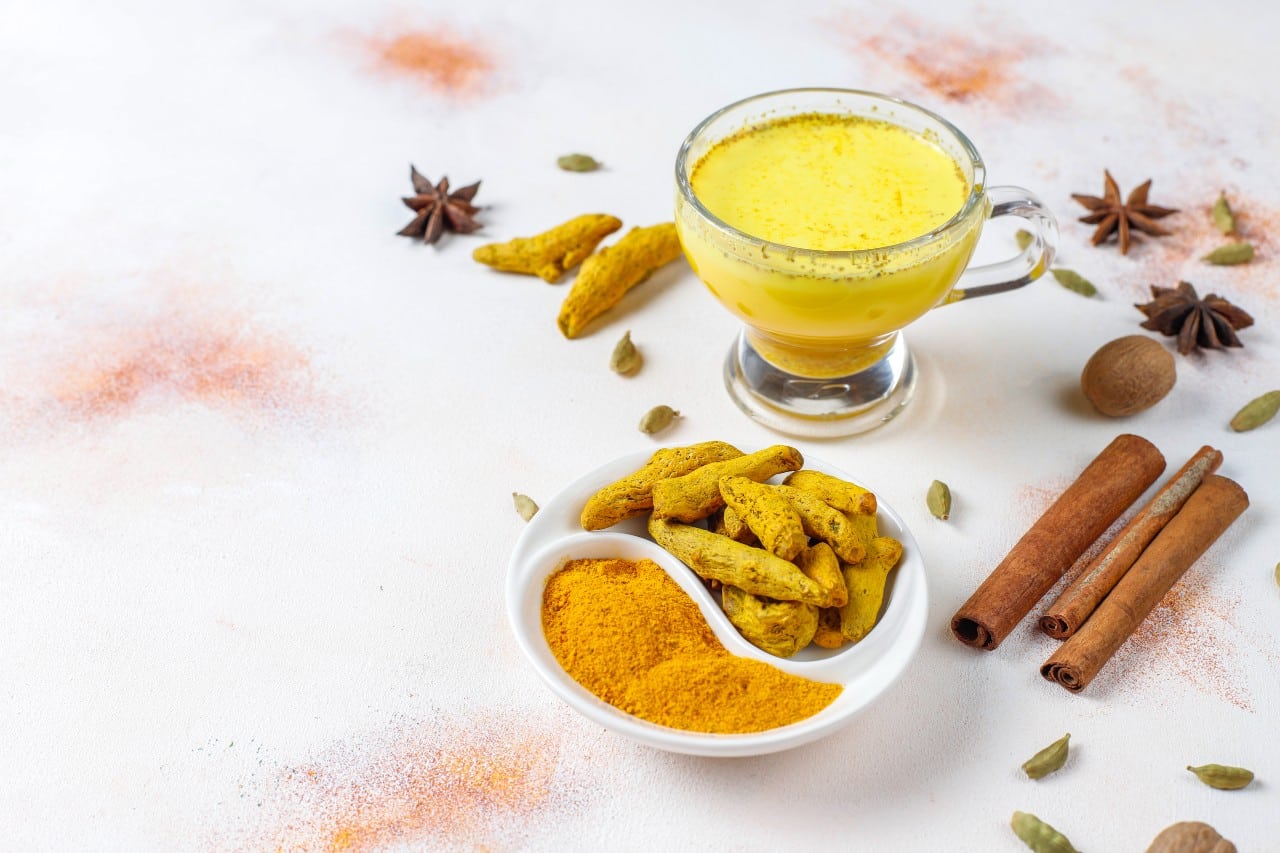
- Golden Milk: Turmeric is mixed with warm milk and sometimes honey or black pepper to make this soothing drink. It’s often enjoyed before bedtime to relax the body, improve sleep, and fight inflammation.
- Spice Blends: Turmeric is a key ingredient in spice mixes like sambar powder and curry powder. It adds depth and colour, tying together the flavours of other spices like cumin, coriander, and chilli.
- Desserts and Drinks: Turmeric’s subtle flavour and golden hue make it great for creative treats like smoothies or masala chai. These recipes show how turmeric can be both comforting and healthy at the same time.
What Turmeric Side Effects Should You Watch Out for When Consuming It?
Turmeric can do wonders for your body, but turmeric side effects may appear if it’s overused or mixed with certain medicines. Here’s how:
- Bleeding Risk: Turmeric can make your blood thinner. This means it might cause extra bleeding if you’re taking blood-thinning medicine (like aspirin or warfarin) or before surgery.
- Gallbladder Problems: Turmeric helps make bile, which is good for digestion. But if you have gallstones or a blocked bile duct, it can make things worse, so avoid it.
- Medicine Interactions: Turmeric, especially curcumin supplements, can change how some medicines work. It can lower blood sugar too much (with diabetes meds), affect antacids, or lower blood pressure too much if you already take medicine for it. Always check with your doctor first.
- During Pregnancy and Breastfeeding: A little turmeric in food is safe, but too much (like in pills or powders) isn’t. It might affect hormones or make the uterus tighten, so it’s best to be careful if you are pregnant or breastfeeding.
- Iron Absorption Interference: Turmeric may inhibit iron absorption. So, individuals with anemia or low iron levels should be cautious when using it frequently.
- Possible Allergic Reactions: Though rare, some people may experience skin rashes or irritation when using turmeric topically. When taken internally, it can sometimes trigger mild allergic responses.
- Digestive Issues: Too much turmeric or curcumin can sometimes cause inflammatory bowel disease. If you experience stomach upset, bloating, acid reflux, or diarrhea, try reducing your dosage.
How Much Turmeric Should You Take? Dosage Guidelines
One of the biggest challenges with turmeric is its poor absorption when taken orally in standard forms. Knowing how much turmeric to take can help you prevent turmeric side effects. Whether you’re using it in your cooking or as a supplement, it’s good to follow simple, safe amounts.
Here’s a simple guide to help you measure your daily turmeric intake:
| Form | Suggested Amount | How to Use | Notes |
| In Cooking | ½ to 1 teaspoon (approximately 1–3 grams) per day | Add to daily meals such as curries, soups, rice dishes, or golden milk | Safe for everyday use and commonly included in traditional cooking practices. |
| Turmeric Supplements | 500–2,000 mg of turmeric extract (standardized to curcumin) per day | Take in 2–3 divided doses throughout the day | Always follow the dosage instructions on your supplement label and consult a healthcare professional if needed. |
Final Thoughts
Turmeric truly stands out as a remarkable superfood. Spanning from traditional remedies to modern nutrition, remains a versatile and valuable part of a healthy diet. Whether you sprinkle it in your curries, sip it in golden milk, or take it as a supplement. Turmeric medicinal plants bring nature’s healing touch to everyday life.
So, the next time you reach for that bright yellow jar, remember it holds nature’s timeless secret to wellness. And let it remind you that good food doesn’t just feed the body, it heals the soul.
Frequently Asked Questions
Can turmeric be consumed safely every day?
Yes, consuming turmeric in culinary amounts daily is generally safe. It’s important to stick to the recommended dosage listed on the supplement label. Following dosage guidelines helps avoid potential side effects and ensures effective use.
Are there any common side effects of taking turmeric?
Though the side effects of taking turmeric are usually mild. The most common issues are related to digestion, stomach discomfort, abdominal pain, bloating, or nausea. In some rare cases, excessive intake has been linked to liver injury. It may also increase the risk of bleeding, particularly when combined with blood-thinning medications.
What are the main differences between turmeric and curcumin supplements?
Turmeric powder is the whole ground spice. Curcumin supplements are a type of dietary supplement. They contain a concentrated extract of curcumin, turmeric’s main active compound. These supplements are formulated to deliver a higher dose of curcumin than what you’d get from food alone.
Can I use fresh turmeric instead of turmeric powder in recipes?
Yes, you can use fresh turmeric in place of turmeric powder. It tastes a bit milder and gives food a bright yellow colour. Use about one inch of fresh turmeric for every teaspoon of powder. It’s great in smoothies, soups, curries, and turmeric tea. Just be careful, as it can stain your hands and the cutting board bright yellow.
What dishes or drinks can I make with turmeric?
Turmeric is one of the most versatile spices. You can use it in numerous foods and drinks. It tastes great in curries, soups, rice, eggs, and roasted veggies. You can also drink it in golden milk, tea, smoothies, or detox juices. For fun snacks, try adding it to hummus, roasted nuts, or even popcorn for a tasty, healthy twist.
Who should avoid turmeric or curcumin supplements?
Turmeric in food is safe, but supplements aren’t for everyone. Avoid them if you’re pregnant, have gallstones, or take blood, diabetes, or pressure meds. Stop before surgery, since it can cause extra bleeding. Always check with your doctor first.
What are some turmeric-inspired recipes beyond Indian cuisine?
Turmeric isn’t just for Indian food! It makes Middle Eastern rice and sauces tastier, adds flavour to Thai soups and curries, and even works in Western foods like roasted veggies, salad dressings, or oatmeal. You can also drink it in lemon tonics, smoothies, or juices with ginger. It gives food a warm taste, golden colour, and a healthy boost.
How can I identify high-quality turmeric powder?
Good turmeric powder should look bright orange-yellow, smell strong and earthy, and feel smooth, not clumpy. If it looks dull or pale, it might be old or mixed with fake stuff. Check the label for “organic” and “non-GMO,” and pick one with at least 3% curcumin for better quality.
Does turmeric lose its properties when cooked at high heat?
If you cook turmeric for too long or at very high heat, it can lose some of its benefits. To keep it healthy, add it near the end of cooking. Mixing it with black pepper helps your body absorb it more effectively. While cooking it with a little oil or ghee makes it even more effective. These simple tricks help you get the most benefits from turmeric!
What’s the best time of day to consume turmeric (morning or night)?
The best time to take turmeric depends on your goals. Morning intake can help wake up your body and digestion. While nighttime use can help you relax and sleep better (especially in warm golden milk). What matters most is taking it regularly, not the time of day.