
Key Highlights
- Plant-based foods include fruits, vegetables, whole grains, legumes, nuts, seeds, and minimally processed soy products that form the foundation of balanced eating.
- A whole-food, plant-based approach prioritises nutrient-dense ingredients while limiting refined grains, added sugars, ultra-processed foods, and excessive animal products.
- High protein plant-based foods such as lentils, tofu, beans, and quinoa can meet daily protein needs when eaten in variety.
- Plant-based foods for weight loss may support lower calorie density, improved satiety, and better metabolic health when meals are well structured.
- Key nutrients to monitor include vitamin B12, iron, calcium, vitamin D, and omega-3 fatty acids for long-term adequacy.
- Balanced meals combine vegetables, whole grains, plant proteins, and healthy fats using simple plate methods and practical meal planning.
- Research from cohort studies suggests potential health benefits, including a lower risk of cardiovascular diseases and improved cholesterol levels.
Many people are curious about plant-based foods but feel unsure about what they truly include or whether they provide complete nutrition. Questions around protein, nutrients, and practicality often create confusion.
The rise of social media trends and conflicting dietary advice has made it harder to distinguish evidence-based guidance from myths. Concerns about deficiencies, food restrictions, and meal planning can make the transition feel overwhelming.
This blog explains what plant-based foods are, outlines key food groups, clarifies nutritional benefits, addresses common myths, and provides practical guidance for building balanced, sustainable meals.
What Is a Whole Food Plant Based Diet?
A whole food plant based diet is an eating pattern that focuses primarily on foods that come from plants, including vegetables, fruits, whole grains, legumes, nuts, seeds, and plant oils. These foods are naturally rich in fibre, vitamins, minerals, antioxidants, and phytonutrients that support overall health. Rather than requiring the complete elimination of animal products, a whole food plant based approach emphasises making whole, minimally processed plant foods the foundation of daily meals.
Whole food plant based eating can range from including small amounts of animal products to following a fully vegetarian or vegan pattern, depending on individual preference. The core principle is prioritising nutrient-dense, minimally processed ingredients such as lentils, beans, leafy greens, oats, and seeds. By centring meals around these foods, a whole food plant based diet promotes balanced nutrition and long-term wellness.
What Are the Main Categories of Plant Based Foods?
Plant-based foods come from diverse natural sources that support balanced nutrition and everyday health. Organising them into clear groups makes meal planning easier and more practical.
Here are the five essential categories that form the foundation of plant-based eating:
1) Vegetables and Leafy Greens
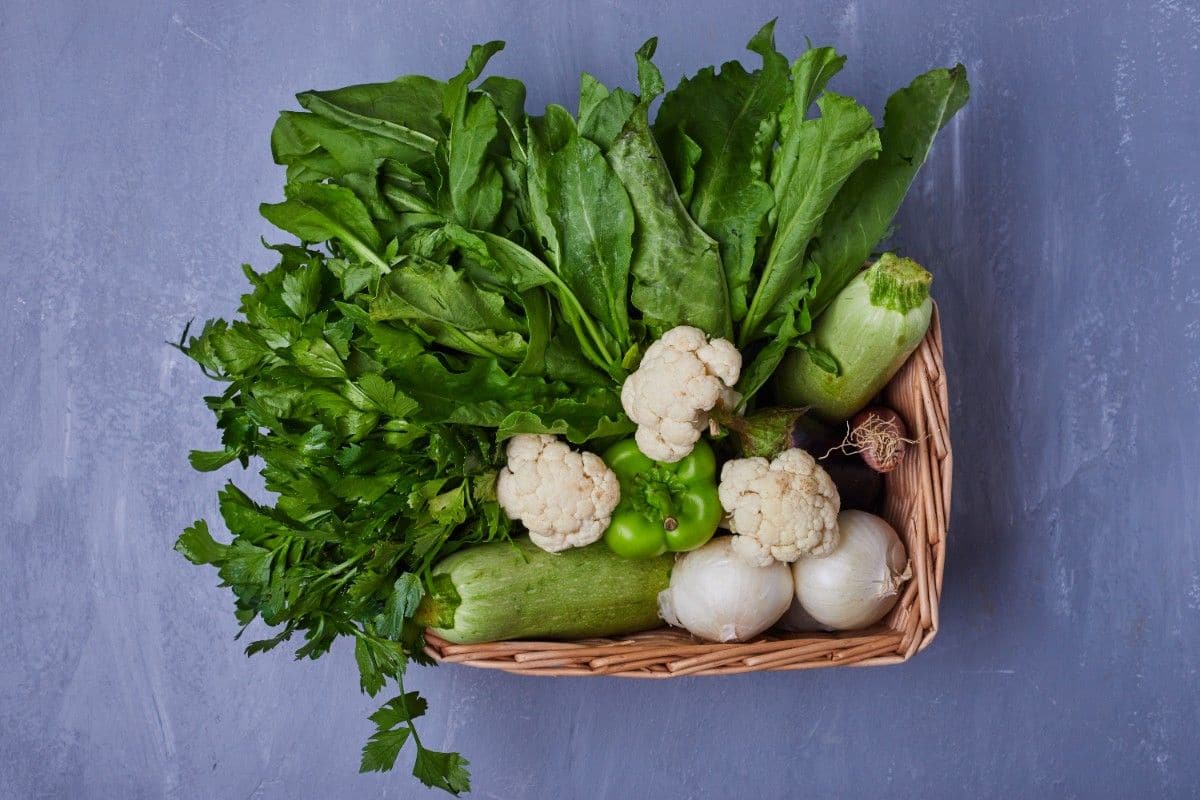
Vegetables and Leafy Greens
Vegetables and leafy greens are nutrient-dense and low in calories. They provide fibre, vitamins A, C, and K, plus important minerals like iron and calcium. Options such as broccoli, spinach, Brussels sprouts, asparagus, and sweet potatoes deliver antioxidants that support immunity, digestion, and overall metabolic health.
2) Fruits
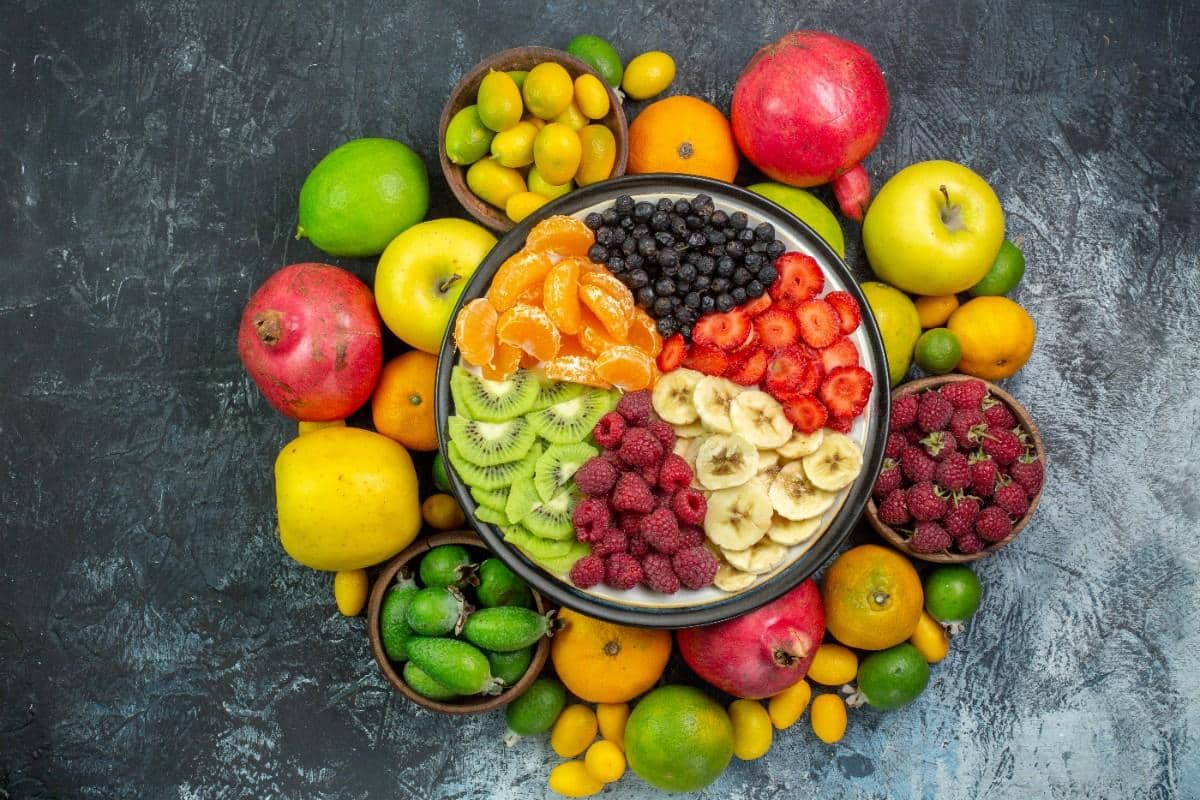
Fruits
Fruits offer natural sweetness along with vitamins, fibre, and hydration. Guava, blackberries, bananas, and nectarines supply vitamin C, potassium, and protective antioxidants. Regular fruit intake supports immune function, skin health, and digestive balance while providing a wholesome alternative to processed sugary foods.
Not sure if fruits alone are enough to start your day? Learn more in Are Fruits a Good Breakfast Substitute? and discover how to balance them for lasting energy and better nutrition.
3) Whole Grains
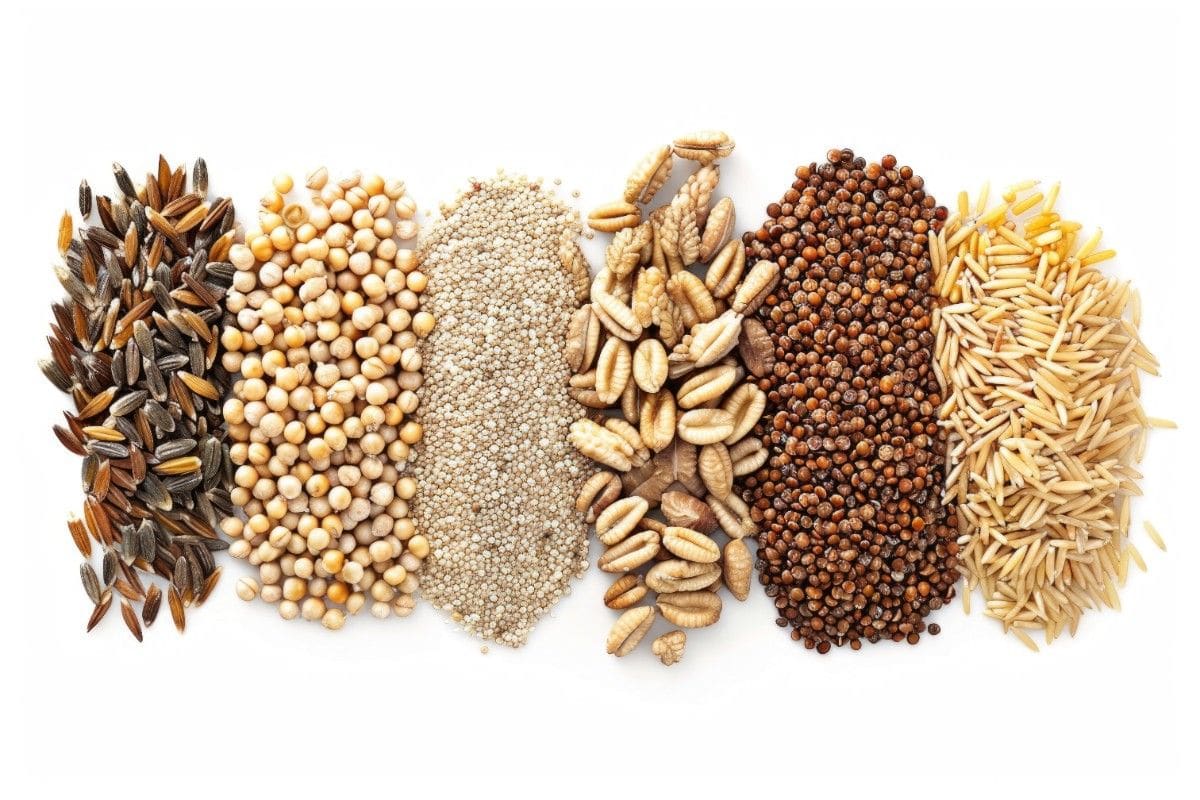
Whole Grains
Whole grains retain their bran and germ, preserving fibre, B vitamins, and iron. Oats, brown rice, spelt, and quinoa provide sustained energy and improved digestion. Choosing whole grains over refined grains helps stabilise blood sugar levels and contributes to long-term heart and metabolic health.
4) Legumes and Pulses
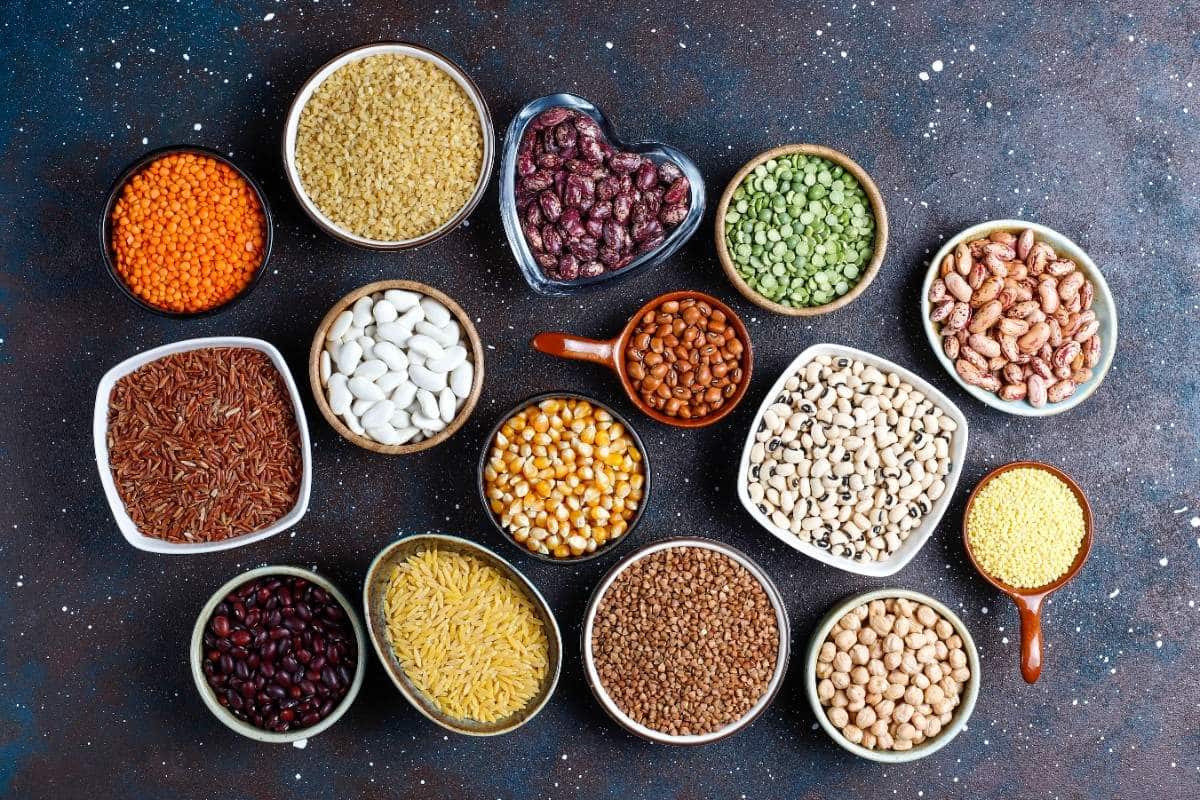
Legumes and Pulses
Legumes such as lentils, chickpeas, black beans, and kidney beans are powerful plant based protein foods. They are rich in fibre, iron, and complex carbohydrates. Regular inclusion supports muscle maintenance, digestive health, and stable energy levels, making them essential in high-protein, plant-based diets.
5) Nuts and Seeds
Nuts and Seeds
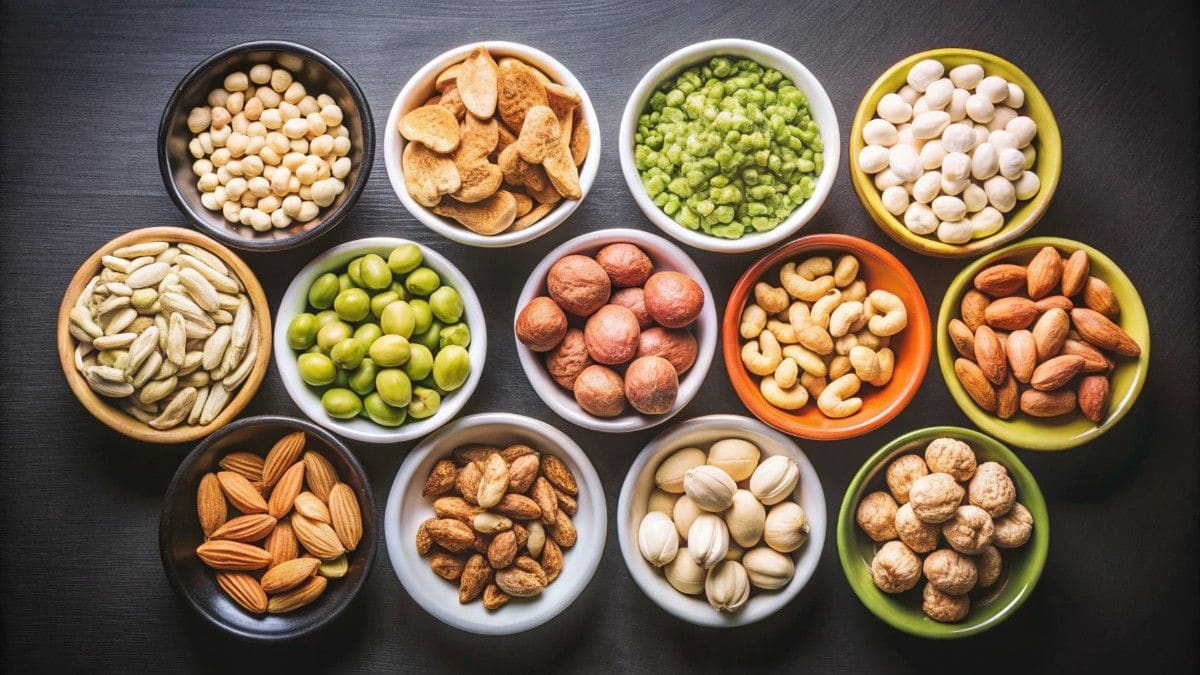
Nuts and seeds provide healthy fats, plant protein, and key micronutrients. Almonds, chia seeds, hemp seeds, and pumpkin seeds offer omega fatty acids, magnesium, and calcium. Small daily portions enhance satiety, support heart health, and contribute valuable nutrients to balanced plant-based meals.
Together, these five categories create a complete and diverse nutritional framework for sustainable plant-based eating.
What Foods Can Be Included in a Plant Based Diet?
A plant-based diet includes a wide range of minimally processed foods that come directly from plants. The emphasis is on variety, nutrient density, and balance across different food groups. Below are common categories and examples that form the foundation of plant-based eating.
- Fruits: Apples, mangoes, kiwi, grapes, pomegranate, figs, papaya, and seasonal produce.
- Vegetables: Cabbage, eggplant, zucchini, mushrooms, beetroot, green beans, cucumbers, and leafy greens.
- Starchy Vegetables: Yams, pumpkin, corn, taro, green peas, and squash varieties.
- Whole Grains: Buckwheat, millet, whole wheat pasta, sorghum, teff, steel-cut oats, and rye.
- Legumes: Mung beans, navy beans, adzuki beans, split peas, soybeans, and pigeon peas.
- Nuts and Seeds: Brazil nuts, pecans, hazelnuts, flaxseeds, hemp seeds, almond butter, and seed-based spreads.
- Healthy Fats: Olives, sesame oil, ground flaxseed, walnuts, and avocado.
- Unsweetened Plant Milks: Oat milk, soy milk, hemp milk, rice milk, and pea milk.
- Plant-Based Protein Sources: Edamame, seitan, lentil patties, chickpea flour, and unsweetened pea or brown rice protein powders.
- Herbs, Spices, and Condiments: Coriander, thyme, paprika, miso, tamarind, apple cider vinegar, mustard, and nutritional yeast.
- Beverages: Herbal teas, black coffee, green tea, infused water, and unsweetened smoothies.
This wide variety shows that a plant-based diet is flexible, culturally adaptable, and capable of meeting nutritional needs when foods are chosen thoughtfully.
What Foods Should Be Avoided or Minimised on a Plant Based Diet?
A plant-based diet focuses on whole, minimally processed foods. While flexibility is possible, certain foods are typically limited to improve nutritional quality and reduce excess sugar, unhealthy fats, and additives. Below are foods commonly minimised.
- Highly Processed Plant Foods: packaged snacks, sugary breakfast cereals, refined vegan desserts, and ultra-processed meat substitutes.
- Refined Grains: white bread, white rice, refined pasta, and baked goods made with refined flour.
- Added Sugars: sugary drinks, candy, syrups, sweetened plant milks, and heavily sweetened packaged foods.
- Deep-Fried Foods: fried snacks, chips, and foods cooked in large amounts of refined oils.
- Excess Refined Oils: large quantities of processed vegetable oils without a whole food balance.
- Artificial Additives: flavour enhancers, artificial sweeteners, preservatives, and colourings found in heavily processed products.
- Animal Products (in stricter versions): red meat, poultry, processed meats, full-fat dairy, and eggs may be reduced or eliminated depending on the individual approach.
Limiting these foods helps prioritise nutrient density over calorie density, supporting better metabolic health and long-term dietary balance.
What Nutritional Benefits Do Plant Based Foods Offer?
Plant-based foods are valued for their nutrient density and protective health effects. They provide essential vitamins, minerals, fibre, and beneficial plant compounds that support daily function and long-term wellbeing.
Here are the key nutritional benefits they offer:
1) High Fibre Intake and Lower Disease Risk
Plant based foods are naturally rich in dietary fibre, especially whole grains, legumes, fruits, and vegetables. Fibre supports digestive health, promotes satiety, and helps regulate blood sugar levels. Adequate fibre intake is also associated with improved gut microbiome balance and overall metabolic support.
Beyond these functional benefits, higher fibre intake is strongly linked to long-term disease prevention. According to a 2019 umbrella review published in The Lancet, individuals with the highest fibre intake had a 15 to 30 percent lower risk of all-cause mortality, along with significantly lower rates of coronary heart disease, stroke, type 2 diabetes, and colorectal cancer.
2) Reduced Cardiovascular Disease Risk
Whole plant foods such as whole grains, legumes, nuts, and seeds are naturally low in saturated fat and rich in fibre, potassium, magnesium, and unsaturated fats. These nutrients help maintain healthy cholesterol levels, support blood vessel function, and contribute to balanced blood pressure regulation.
According to a 2019 study published in the Journal of the American Heart Association, greater adherence to a plant-based dietary pattern was associated with a 16 percent lower risk of cardiovascular disease and a 32 percent lower risk of cardiovascular mortality.
3) Improved Blood Sugar Regulation
Plant based foods, especially whole grains, are rich in dietary fibre that slows glucose absorption and helps prevent blood sugar spikes. This supports improved insulin sensitivity and long term metabolic balance.
According to Harvard T.H. Chan School of Public Health, women who consumed 2 to 3 servings of whole grains daily were 30% less likely to develop type 2 diabetes compared to those who rarely ate whole grains. When results from multiple large studies were combined, eating an additional 2 servings per day was associated with a 21% lower risk of type 2 diabetes.
Looking to stabilise blood sugar through smarter food choices? Explore our blog on Low Glycemic Index Foods for Diabetics to understand which foods help prevent glucose spikes and support better metabolic control.
4) Healthy Fats from Whole Plant Sources
Nuts, seeds, avocados, and certain plant oils provide predominantly unsaturated fats, which support heart health and help improve cholesterol balance. These healthy fats also assist in the absorption of fat-soluble vitamins such as A, D, E, and K, making them an important part of balanced nutrition.
Strong evidence supports the benefits of these plant based fat sources. According to a large pooled analysis published in the New England Journal of Medicine, individuals who consumed nuts seven or more times per week had a 20% lower risk of death from any cause compared with those who rarely consumed nuts.
Can Plant Based Foods Support Weight Loss?
Plant-based foods are often associated with healthier body weight and improved metabolic balance. Their natural fibre content and lower calorie density can make meals more filling and satisfying.
Below are the key ways plant-based foods may support sustainable weight management:
1) Lower Calorie Density
Many whole plant foods, such as vegetables, fruits, and legumes, contain fewer calories per gram compared to processed or animal-based foods. This allows you to eat satisfying portions while consuming fewer overall calories.
According to the systematic review, Effects of Plant-Based Diets on Weight Status, on NCBI, “Overall, the results in this review suggest that a transition from an omnivore diet to a plant-based diet is associated with weight reduction in a majority of subjects, when applied in intervention studies.”
2) Higher Fibre for Satiety
Fibre slows digestion and increases fullness after meals. Legumes, whole grains, and vegetables help reduce hunger between meals and limit overeating.
According to the same NCBI systematic review, “Furthermore, higher intakes of fiber tend to result in increased satiety, reduced hunger, and therefore reduced intakes of energy.”
This directly supports your claim that fibre-rich plant foods can help with appetite control and reduce overeating.
3) Improved Blood Sugar Stability
Whole food plant-based diets have been studied in individuals with type 2 diabetes for their effects on glycaemic control.
In a randomized controlled trial published in Diabetes Care (Barnard et al., 2006), “Body weight decreased 6.5 kg in the vegan group and 3.1 kg in the ADA group (P < 0.001).”
This supports the statement that plant-based dietary patterns may improve glycaemic markers and body weight under controlled conditions.
Plant-based foods can support weight loss when built around whole, minimally processed ingredients. Balanced portions and overall dietary quality remain essential for sustainable results.
How Can You Build Balanced Meals Using Plant Based Foods?
Balanced plant-based meals rely on combining the right food groups to provide steady energy, adequate protein, healthy fats, and essential micronutrients. Structuring meals thoughtfully supports satiety and long-term nutritional adequacy.
Below are practical ways to build complete plant-based meals:
1) Use the Balanced Plate Method
Here are the key components of a balanced plant-based plate:
- Fill half your plate with vegetables and leafy greens for fibre and vitamins.
- Add one-quarter whole grains, such as brown rice, millets, or quinoa, for sustained energy.
- Include one-quarter plant-based protein foods like lentils, beans, tofu, or chickpeas.
- Aim for colour diversity to maximise antioxidants and micronutrients.
This method keeps meals balanced without complicated tracking.
2) Combine Protein Sources Wisely
Plant proteins differ in amino acid composition, so variety improves overall quality.
Below are simple ways to strengthen protein balance in your meals:
- Pair legumes with whole grains, such as rice with beans or dal with roti.
- Include soy-based foods like tofu or tempeh for higher protein density.
- Add nuts and seeds to enhance amino acid diversity and nutrient value.
- Rotate protein sources across the week to avoid nutritional gaps.
Thoughtful combinations help ensure adequate plant-based protein intake.
3) Include Healthy Fats and Micronutrients
Balanced meals require essential fats and key minerals for proper absorption.
Here are practical additions that improve nutrient density and satiety:
- Add small portions of avocado, almonds, chia seeds, or sesame seeds.
- Use minimally processed plant oils in moderation.
- Include dark leafy greens to boost iron and calcium intake.
- Pair iron-rich foods with vitamin C sources to enhance absorption.
Strategic additions improve both nutrient quality and meal satisfaction.
Consistent variety and balanced portions allow plant-based meals to remain complete, nourishing, and sustainable over time.
What Does a Sample Plant Based Meal Plan Look Like?
A sample meal plan helps translate food groups into practical daily eating. The focus remains on whole, minimally processed ingredients while ensuring balance across carbohydrates, protein, healthy fats, and micronutrients.
Breakfast
- Vegetable poha with peas and peanuts
- Oats porridge made with unsweetened soy milk
- Fresh fruit such as papaya or apple
- Green tea or black coffee
Mid-Morning Snack
- Handful of roasted chana or mixed nuts
- Seasonal fruit
Lunch
- Brown rice or millet roti
- Mixed vegetable sabzi
- Dal or rajma for plant-based protein
- Salad with cucumber, carrot, and lemon
Evening Snack
- Sprouts chaat with onions, tomatoes, and coriander
- Herbal tea
Dinner
- Quinoa or vegetable khichdi
- Stir-fried greens
- Tofu or chickpea curry
This sample plan demonstrates how traditional Indian meals can easily align with plant-based principles while maintaining variety, taste, and nutritional balance.
Looking to add more variety to your meals? Explore these delicious plant based food recipes to discover wholesome vegetarian dishes that are easy to make and packed with flavor.
Are the Most Common Myths About Plant Based Foods?
Plant-based eating is often misunderstood due to outdated assumptions and misinformation. Many concerns relate to protein, calcium, cost, and practicality rather than actual nutritional evidence.
Here are the most common myths and the facts behind them:
- Plant-based diets lack protein: Lentils, beans, tofu, tempeh, nuts, and seeds are rich plant based protein foods. With variety and adequate portions, protein needs can be met effectively.
- You cannot get enough calcium without dairy: Calcium-rich plant-based foods such as sesame seeds, fortified plant milks, tofu, and leafy greens support bone health.
- Plant-based eating is expensive: Staples like rice, oats, lentils, and seasonal vegetables are often affordable and widely accessible.
- It is too restrictive or difficult: A plant-forward approach can be flexible, allowing gradual adjustments rather than strict elimination.
Understanding these myths helps build confidence and encourages a more informed approach to plant-based nutrition.
What Should You Know Before Transitioning to Plant Based Foods?
Shifting toward more plant-based foods can improve dietary quality, but thoughtful planning is important for balance and sustainability. Gradual changes often work better than drastic restrictions.
Below are key considerations to support a smooth and nutritionally sound transition:
- Start gradually rather than eliminating everything at once: introduce one plant-based meal per day or replace specific ingredients step by step.
- Focus on whole, minimally processed foods: prioritise vegetables, legumes, whole grains, nuts, and seeds instead of heavily processed substitutes.
- Plan for adequate protein intake: Include lentils, beans, tofu, tempeh, nuts, and seeds regularly to meet daily needs.
- Monitor key nutrients: Pay attention to iron, calcium, vitamin B12, and omega fatty acids to ensure nutritional completeness.
- Build balanced meals consistently: combine fibre-rich carbohydrates, protein sources, and healthy fats for sustained energy and satiety.
A mindful and gradual approach helps ensure plant-based eating remains balanced, practical, and sustainable long-term.
Conclusion
Plant-based foods offer a flexible and nutrient-dense approach to healthy eating. By focusing on vegetables, fruits, whole grains, legumes, nuts, and seeds, individuals can support heart health, improve digestion, and maintain balanced energy levels. Research from cohort studies and systematic review findings suggests a lower risk of cardiovascular diseases, metabolic syndrome, and other lifestyle-related conditions when plant foods form the dietary foundation.
Whether the goal is general health, plant based foods for weight loss, or long-term sustainability, variety and mindful planning are essential. A balanced, minimally processed, plant-based approach can support both personal well-being and broader planetary health goals.
Frequently Asked Questions
Can you get enough protein from only plant-based foods?
Yes, it is entirely possible to meet protein needs through high protein plant based foods such as lentils, soy products, quinoa, nuts, and seeds. Combining diverse sources improves amino acid balance and supports muscle maintenance, human health, and overall metabolic function.
Are there any nutrients beginners should be careful about?
Beginners should monitor vitamin B12, iron, calcium, vitamin D, and omega-3 intake. Since some nutrients are limited in plant sources, fortified foods or supplements may help maintain immune system strength, general health, and stable cholesterol levels.
How is a plant-based diet different from a vegan diet?
A plant-based diet emphasises mostly plant foods but may include small amounts of dairy products or other animal foods. A vegan diet excludes all animal sources entirely. The distinction lies in flexibility rather than core healthy eating principles.
What are some easy plant-based meals for Indian kitchens?
Simple options include dal with brown rice, chana masala, vegetable upma, millet khichdi, and tofu bhurji. These plant based food recipes rely on legumes and whole grains, supporting plant based foods for weight loss and balanced nutrition.
What exactly does a plant-based diet include?
It includes fruits, vegetables, legumes, whole grains, nuts, seeds, and minimally processed soy products. Some flexible versions may include limited dairy foods. The focus remains on nutrient density, fibre, and reducing heavily processed animal protein.
Why do people choose to eat plant-based foods?
Many people choose plant-based foods for potential health benefits, including lower risk of cardiovascular diseases, improved body mass index, and better cholesterol levels. Cohort studies and systematic review data suggest associations with reduced risk factors.
How can I start switching to a plant-based diet as a beginner?
Begin gradually by replacing one daily meal with legumes, whole grains, and vegetables. Focus on balanced combinations rather than strict elimination. Planning meals and limiting ultra-processed food consumption helps maintain nutrient intake and long-term adherence.
Are there any essential nutrients I should watch out for on a plant-based diet?
Key nutrients include vitamin B12, iron, calcium, omega-3 fatty acids, and vitamin D. Paying attention to protein content and fortified options such as almond milk can support immune system health and reduce risk factors.
What are some good plant-based sources of protein?
Good sources include lentils, chickpeas, black beans, tofu, tempeh, quinoa, hemp seeds, and other high-protein plant-based foods. Many soy products offer complete protein comparable to certain animal sources without excess saturated fat.