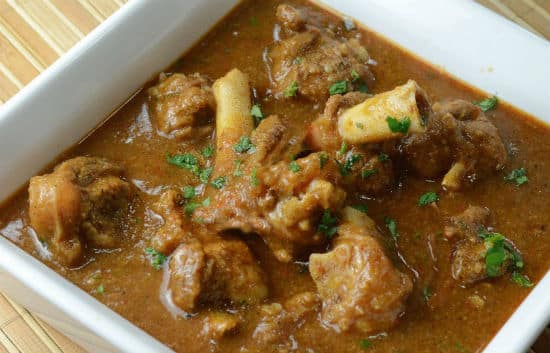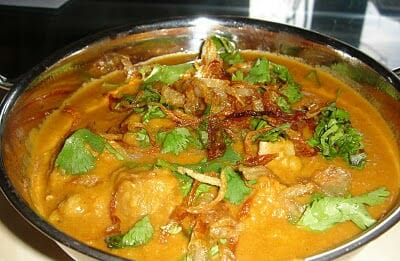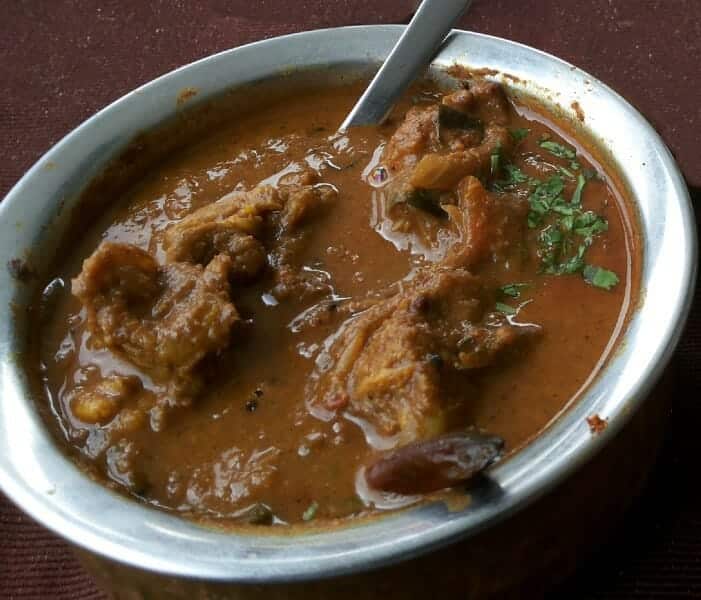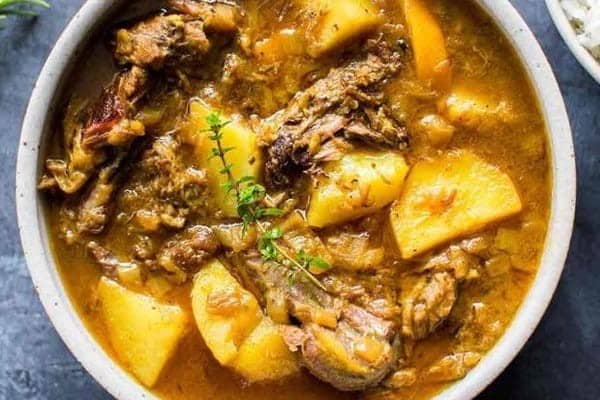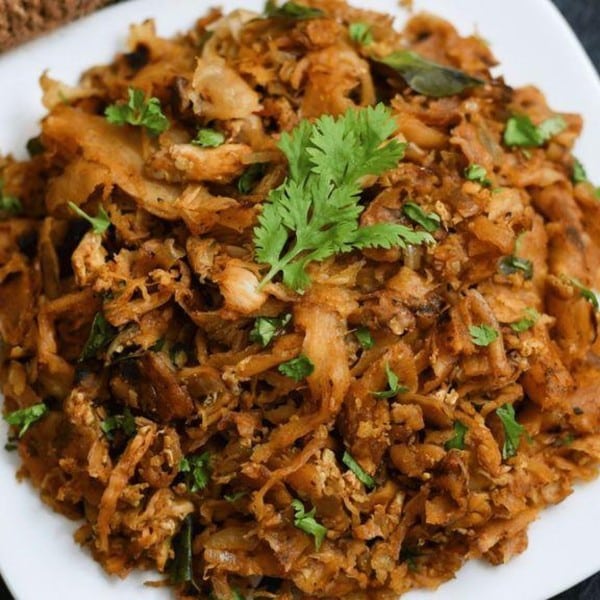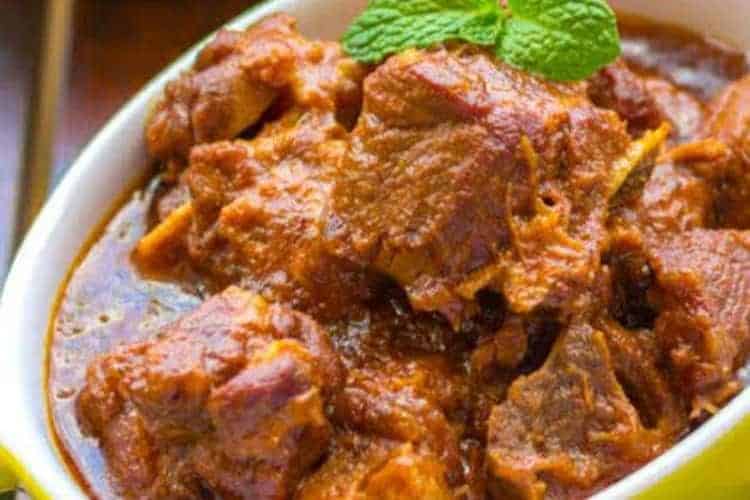
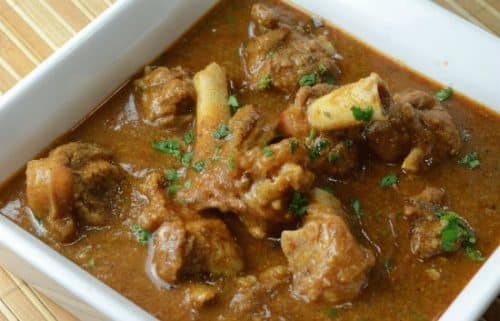
Chettinad Lamb Bone Sambar is one of those dishes I started making because of a meal I had at a colleague’s home years ago. She was from Karaikudi, and she had cooked this for a casual Sunday lunch with no ceremony whatsoever — just rice, this sambar, and a small portion of pickle. I could not stop eating.
What stayed with me was not the heat, though there was plenty of it, but the way the broth tasted like something slow-cooked even though she insisted the whole thing had come together in under an hour. The bones were the secret. I asked her how she handled the dal and the vegetables together, and she told me she always cooks the bones separately first. That single detail changed how I make sambar now. I have followed that method every time since, and it has not let me down.
About the Recipe
On most days, getting marrow-rich sambar on the table in under an hour feels like a stretch. This recipe makes it practical. The pressure cooker handles the bones and toor dal together while you prep the vegetables, so nothing waits around. The ingredients are split between everyday pantry spices and a short list of vegetables you likely already have.
I tend to make this on weekends when I want something satisfying but am not prepared to stand over the stove for two hours. It takes roughly 45 to 55 minutes from start to finish, and the payoff is a sambar that tastes far more considered than the time suggests.
Why you will love this recipe
The bones do most of the work before you even start the stovetop portion. Once the pressure cooker whistles and settles, the hard part is basically done. What you get from that step is a broth already layered with the richness of marrow and the earthiness of cooked toor dal — two things that make this sambar taste unlike a straightforward vegetable version.
The combination of saunf, black peppercorns, and dry red chillies tempered in oil adds a different kind of heat than chilli powder alone, which is something I notice every time I fry them. The brinjal and drumstick hold up well without turning to mush, and the potatoes thicken the sambar just enough so it coats the rice rather than running off it.
Cooking Tips
The most common beginner mistake here is adding the vegetable and bone mixtures together too early, before the vegetables have cooked through in the pan. The vegetables need at least 4 to 5 minutes on medium flame before the bone and dal mixture goes in, otherwise they end up slightly raw in the finished sambar.
Also, taste the broth from the pressure cooker before adding any extra salt — the dal absorbs quite a bit of the initial salt, and the final dish can easily turn salty if you season again without checking. Keep the flame low once everything is combined, and give it just 3 to 4 minutes to come together.
Top Tips
- Rinse the toor dal in two changes of water before pressure cooking. This reduces the foam that forms during cooking and keeps the broth cleaner.
- Use small brinjals if you can find them. They hold their shape better than large ones and do not turn waterlogged once the sambar comes together.
- If the sambar looks too thick after combining the bone mixture with the vegetables, add a small splash of hot water rather than cold — cold water can make the broth taste flat.
- I always break the dry red chillies before adding them to the oil so the heat distributes more evenly through the sambar rather than staying concentrated.
- Make sure the pressure cooker is fully depressurised before opening it. Rushing this step with bones inside is the one safety step worth being patient about.
- Leftover sambar thickens considerably once cooled. Add a few tablespoons of water when reheating and stir on low flame for 2 to 3 minutes before serving.
Serving and Storing Suggestions
This recipe serves 3 to 4 people comfortably with hot steamed rice. Prep time is about 20 minutes, with a total cooking time of around 35 to 40 minutes. Serve straight from the pan while it is still hot — this sambar loses its aroma quickly once it sits. Store leftovers in a sealed container in the refrigerator for up to 2 days. The bones tend to absorb the broth overnight, so you will likely need to add a little water when reheating.
Similar Recipes
- Chettinad Mutton Kuzhambu
- Paya Soup (Lamb Trotter Soup)
- Chettinad Chicken Kuzhambu
- Kerala Style Mutton Curry with Coconut
- Toor Dal Sambar with Drumstick
Nutrient Benefits
Lamb bones contribute collagen and gelatin to the broth when pressure cooked, which makes this sambar more substantial than a plain vegetable version. Toor dal adds a good amount of plant-based protein and fibre per serving. Drumstick is high in iron and vitamin C, and the combination of peppercorns and turmeric has been used in South Indian cooking for a long time to aid digestion. For a dish that reads as comfort food, the protein and fibre content is genuinely solid across one serving.

Chettinad Lamb Bone Sambar (Chettinad Elumbu Kuzhambu)
Ingredients
- 250 gms Mutton Bones
- 1/4 cup Toor Dal
- 3 to 4 Potatoes (about 100 gms, cubed)
- 4 to 5 Brinjal (about 100 gms, chopped)
- 1 Drumstick (chopped)
- Sambar Onions (Shallots - 50 gms, chopped)
- 1 Onion (big, chopped)
- 2 to 4 Tomatoes (chopped)
- 5 Green Chillies (chopped)
- 4 to 5 Dry Red Chillies (broken)
- 1/2 tsp Cumin Seeds
- 1/2 tsp Black Peppercorns
- 1/2 tsp Saunf
- Cinnamon (1 inch piece)
- 1 small Bay Leaf
- 1/2 tsp Turmeric Powder
- 1 tsp Sambar Powder
- Oil as required
- Coriander Leaves - few,chopped
Instructions
- Add the bones and toor dal to a pressure cooker.
- Add turmeric powder, little salt and 2 1/2 to 3 cups of water.
- Pressure cook until 4 to 5 whistles or until cooked.
- Heat little oil in a frying pan over medium flame.
- Add the cumin seeds, saunf, peppercorns, cinnamon, bay leaf, green chillies and dry red chillies.
- Fry for 30 to 45 seconds.
- Add the onions and tomatoes.
- Saute for 2 to 3 minutes.
- Add the drumsticks, brinjals and potatoes.
- Cook for another 2 minutes.
- Add sambar powder and stir well.
- When the vegetables are cooked, add the lamb bone mixture and mix well.
- Add salt to taste.
- Cook for a few minutes.
- Garnish with coriander leaves.
- Serve with hot rice.
Sign up for our newsletter
Add Awesome Cuisine as a Preferred Source
Frequently Asked Questions
Can I use mutton with bone-in pieces instead of just bones?
Yes, you can replace or supplement the plain bones with bone-in mutton pieces. Keep the quantity similar to 250 grammes and increase the pressure cooking time slightly to 5 to 6 whistles to make sure the meat is fully cooked through before you add it to the sambar base.
My sambar turned out too watery. What went wrong?
This usually happens when too much water is added during pressure cooking. Stick to 2.5 cups of water for 250 grammes of bones and a quarter cup of dal. If it is already too thin, simmer the combined sambar uncovered on medium-low flame for 5 to 7 minutes and it will reduce to a better consistency.
Can I make this without a pressure cooker?
You can, but the cooking time changes considerably. Simmer the bones and toor dal in a covered heavy-bottomed pot with enough water for at least 60 to 75 minutes on low flame until the dal is fully soft and the meat near the bones starts to loosen. Only then should you add this mixture to the vegetable base.
The sambar tastes bland even though I followed the quantities. What should I check?
Check two things first — the sambar powder and the salt. Sambar powder loses its potency once the jar has been open for a few months. If yours is old, add an extra half teaspoon. On the salt side, taste the broth before combining it with the vegetable base, and season in stages rather than all at once at the end.
How do I know when the vegetables are cooked enough before adding the bone mixture?
Press a piece of potato with the back of a spoon against the side of the pan. If it gives way without much resistance, the vegetables are ready. The brinjal will look slightly darker and softened around the edges. This usually takes 6 to 8 minutes on medium flame from the point you added sambar powder.

1 comment
I like non-veg very much. Last week I ordered mutton and prepared Chettinad elumbu kulambu with this recipe. It was yummy. Keep posting more recipes.