Table of Contents
Key Highlights
- Easter food blends cultural symbolism, seasonal ingredients, and long-standing family food traditions.
- Festive menus typically include sweet breads, roasted mains, savoury pies, soups, and celebratory desserts.
- Many Easter dishes symbolise renewal, abundance, and the resurrection of Christ.
- Global cuisines influence Easter celebrations, from European bakes to Latin American and African specialities.
- Seasonal cooking highlights fresh flavours and comforting meals shared during Easter Sunday gatherings.
- Traditional recipes continue to evolve with modern cooking styles and lighter preparations.
- A balanced Easter menu combines heritage dishes with practical, easy-to-prepare recipes.
Easter is more than just a celebration. It’s a time when tables come alive with meaningful dishes, family traditions, and festive flavours passed down through generations. From freshly baked breads to hearty mains and sweet treats, Easter food carries both cultural significance and comforting familiarity.
But with so many traditional recipes and global variations, deciding what to serve can quickly become overwhelming. Creating a menu that feels festive, balanced, and easy to manage often requires careful planning.
This guide brings together the most popular foods of Easter, including classic dishes, global specialties, and simple recipes to help you plan a celebration that is both memorable and effortless.
What Are the 15 Top Easter Day Foods That You Must Try?
Easter celebrations are centered around a variety of traditional dishes that bring together flavor and cultural significance. From sweet bakes to hearty mains, the following list highlights the most popular foods of Easter you can include in your festive menu.
1. Chocolate Easter Eggs – Festive Sweet Treat
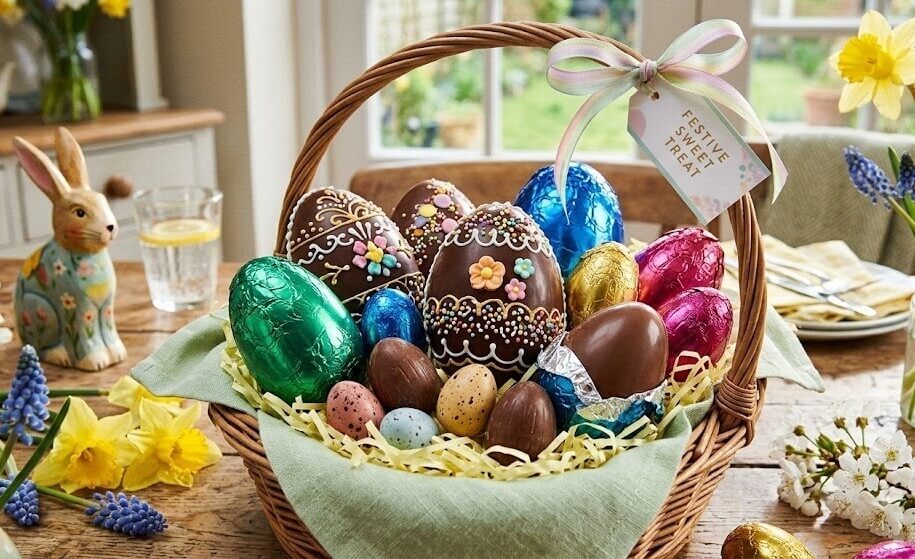
Chocolate Easter eggs are among the most recognisable symbols of Easter Sunday, representing new life and the arrival of spring. Loved by children and adults alike, these sweet treats are closely linked to the Easter Bunny and gifting traditions followed across the United States, Great Britain, and many parts of the world.
Whether enjoyed during Easter breakfast, shared at an Easter brunch menu, or gifted as part of festive celebrations, chocolate eggs remain a joyful highlight of Easter day food and modern Easter food traditions.
Key Ingredients
- Dark or milk chocolate
- White chocolate (optional for decoration)
- Sour cream or butter (for smooth texture)
- Vanilla essence
- Chocolate eggs moulds
Recipe
- Melt the chocolate using a double boiler until smooth.
- Stir gently to maintain a glossy finish.
- Pour melted chocolate into egg moulds and coat evenly.
- Chill until set, then add another layer for thickness.
- Join halves using slightly melted chocolate.
- Decorate with drizzled white chocolate or festive toppings.
- Refrigerate until firm and serve at room temperature.
Enjoy these festive treats with family, or customise them with fillings and decorations to make your Easter celebrations extra special.
2. Hot Cross Buns – Sweet Easter Bread

Soft, lightly spiced buns marked with a cross are closely associated with Good Friday, symbolising faith and reflection before Easter celebrations begin. These gently sweet Hot Cross Buns are often enjoyed warm with tea or coffee, making them a comforting addition to Easter morning gatherings.
Popular all around the world, they remain a classic example of how baked goods became an important part of seasonal food traditions tied to springtime celebrations.
Key Ingredients
- All-purpose flour
- Yeast
- Warm milk
- Butter
- Sugar
- Raisins or currants
- Cinnamon
- Orange zest
- Salt
Recipe
- Activate yeast in warm milk with sugar until foamy.
- Combine flour, spices, and salt in a bowl.
- Add butter and yeast mixture to form a soft dough.
- Knead well and let it rise until doubled in size.
- Mix in dried fruits and shape into buns.
- Pipe crosses using flour paste.
- Bake until golden and lightly glazed.
Serve warm with butter and tea, and let these soft, spiced buns bring comforting Easter morning flavours to your table.
3. Tsoureki – Greek Easter Bread
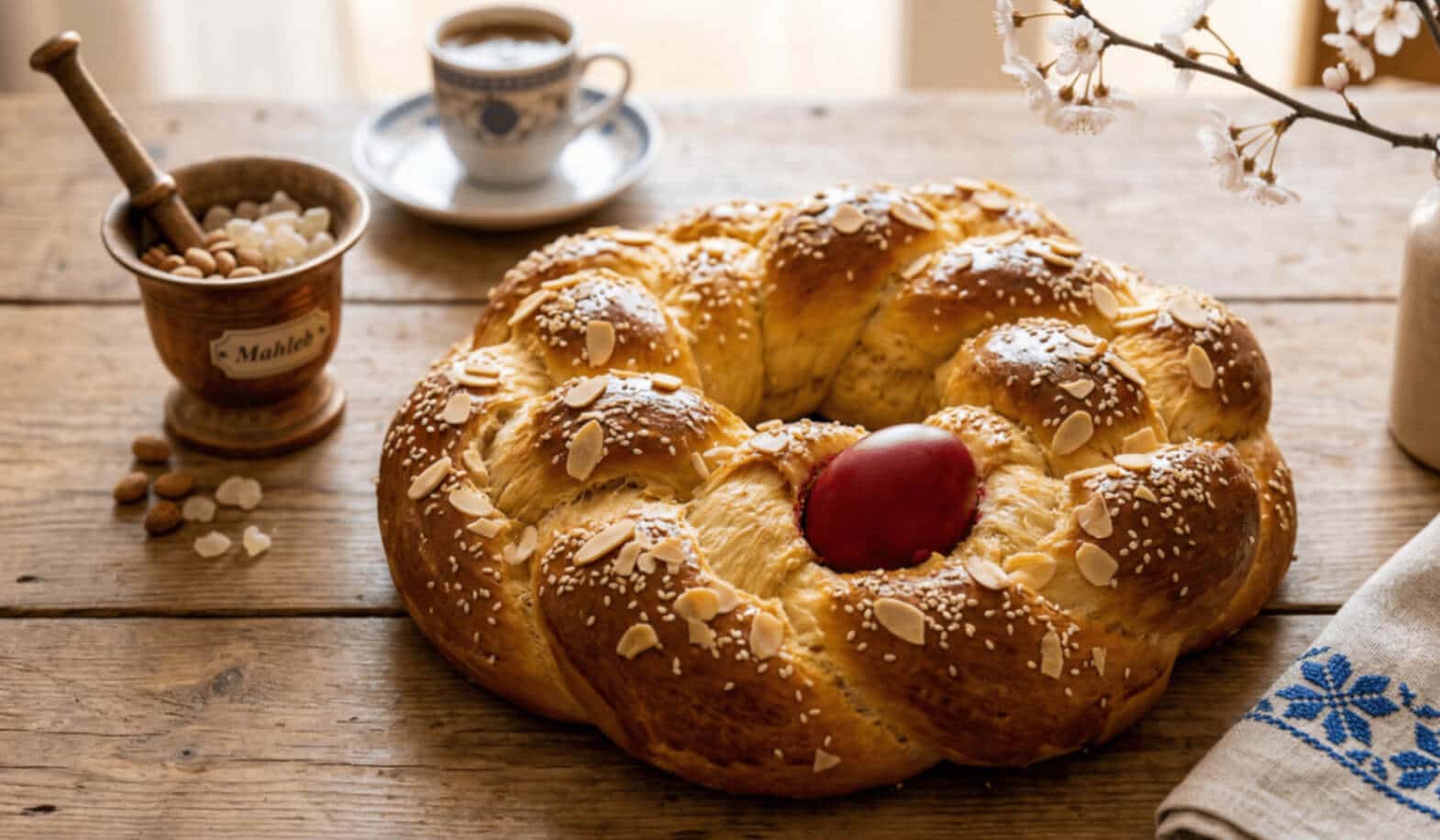
Braided and lightly sweet, Tsoureki is traditionally prepared to celebrate the resurrection of Christ, making it a meaningful part of celebrations across Eastern Europe and Greece.
Often placed at the centre of the holiday table, the bread’s soft texture and aromatic flavour reflect the richness of spring festivities. Its distinctive shape and slightly sweet profile make it ideal for sharing during family gatherings and festive meals, showcasing how regional baking styles influence global Easter recipes.
Key Ingredients
- All-purpose flour
- Yeast
- Warm milk
- Eggs
- Butter
- Sugar
- Orange zest
- Greek yogurt
- Vanilla essence
Recipe
- Activate yeast in warm milk with a little sugar.
- Mix flour, sugar, and flavourings in a bowl.
- Add eggs, butter, yogurt, and yeast mixture to form dough.
- Knead until smooth and elastic; allow it to rise.
- Divide the dough, roll it into strands, and braid gently.
- Let it rest again until puffy.
- Bake until golden brown and cool before slicing.
Slice and share this aromatic bread with loved ones, adding a traditional yet delightful touch to your Easter celebration spread.
If you’d like to try baking your own festive loaves from scratch, explore this basic homemade bread recipe to master simple techniques that work beautifully for many traditional Easter breads.
4. Colomba di Pasqua – Italian Easter Cake
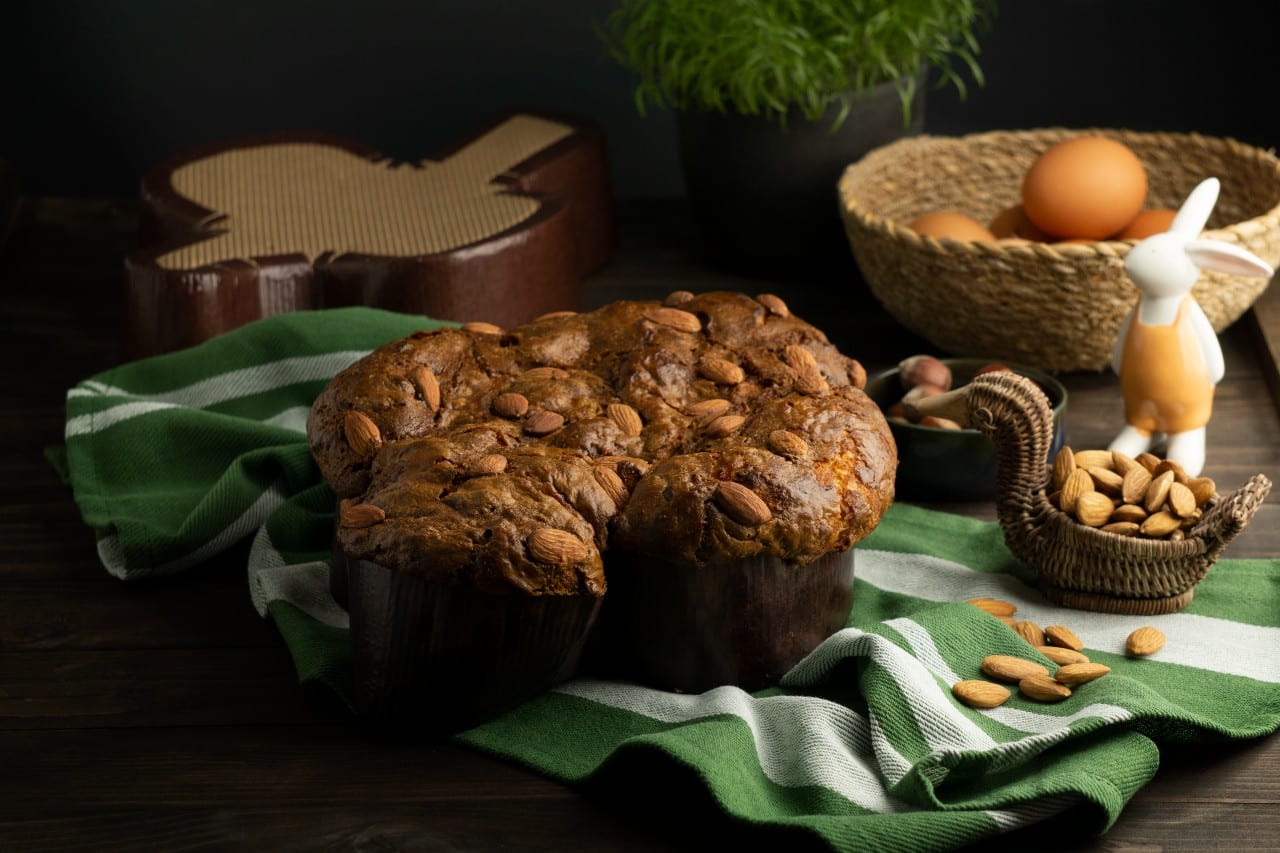
Shaped like a dove to symbolise peace and renewal, this traditional Italian bake is closely linked with festive spring celebrations. Light, airy, and mildly sweet, Colomba di Pasqua is often served as a celebratory dessert after a festive meal, reflecting classic European Easter food traditions.
The soft crumb and delicate citrus notes make it a popular choice among Easter cake recipes, bringing a refined touch to seasonal gatherings without being overly rich.
Key Ingredients
- All-purpose flour
- Yeast
- Eggs
- Butter
- Sugar
- Orange zest
- Almonds
- Candied peel
- Vanilla essence
Recipe
- Activate yeast in warm milk and a little sugar.
- Mix flour, eggs, butter, and flavourings to form a soft dough.
- Knead well until smooth and elastic.
- Fold in candied peel and allow the dough to rise.
- Shape into a dove-like form or a loaf tin.
- Top with almonds and light sugar glaze.
- Bake until golden and cool completely before slicing.
Pair this light Italian cake with coffee or dessert wine for a simple yet elegant Easter dessert experience at home.
5. Kulich – Russian Easter Bread
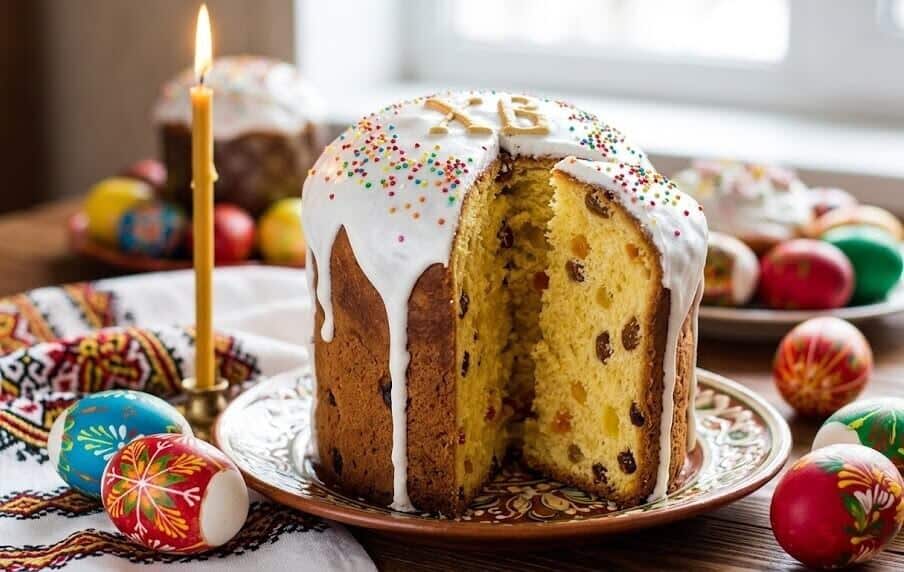
Tall and cylindrical, Kulich is traditionally prepared to mark the end of fasting and celebrate joyful spring gatherings. Decorated with icing and sprinkles, it reflects rich baking customs found across Eastern Europe, where families prepare special dishes to honour seasonal renewal.
Slightly sweet with a soft crumb, it is commonly sliced and shared after church services, making it a cherished part of celebratory meals during this festive time of year.
Key Ingredients
- All-purpose flour
- Yeast
- Warm milk
- Eggs
- Butter
- Sugar
- Raisins
- Vanilla essence
- Lemon zest
Recipe
- Activate yeast in warm milk with sugar until bubbly.
- Combine flour, eggs, butter, and flavourings to make a soft dough.
- Knead thoroughly until smooth and elastic.
- Fold in raisins and allow the dough to rise well.
- Transfer to tall moulds or lined tins.
- Let it proof again until slightly risen.
- Bake until golden and finish with a simple icing once cooled.
Celebrate the season by sharing slices of this festive bread, perfect for ending Easter meals on a sweet and joyful note.
Another option to end your Easter feast on a sweet note is this vanilla cream cake.
6. Kozunak – Bulgarian Sweet Bread
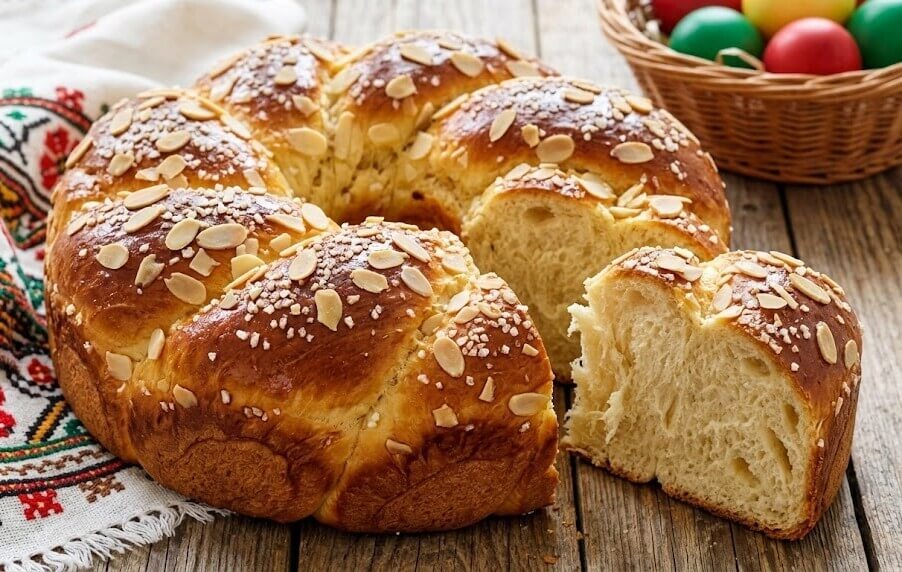
A beloved Easter tradition in Bulgaria, Kozunak is known for its soft, pull-apart texture and rich, buttery flavour. Prepared to mark the arrival of spring and renewal, it is often shared with family during festive meals and gatherings.
The dough is gently scented with citrus zest and vanilla, creating a warm, aromatic loaf with a delicate sweetness. Its golden crust and tender interior make it equally enjoyable on its own or paired with tea or coffee during holiday celebrations.
Key Ingredients
- All-purpose flour
- Eggs
- Sugar
- Milk
- Butter
- Yeast
- Lemon zest
- Vanilla
- Raisins or sliced almonds (optional)
Recipe
- Activate yeast in warm milk with a little sugar until foamy.
- Mix flour, sugar, eggs, butter, vanilla, and lemon zest to form a soft dough.
- Knead thoroughly until smooth and elastic.
- Fold in raisins or nuts if using.
- Allow the dough to rise until doubled in size.
- Divide, braid, or shape into loaves.
- Let it proof again for a light, fluffy texture.
- Brush with egg wash and sprinkle sugar or almonds on top.
- Bake until golden brown and fragrant.
- Cool slightly before slicing and serving.
Enjoy this soft, buttery loaf fresh from the oven, ideal for festive breakfasts or relaxed Easter evening gatherings with family.
7. Roast Lamb – Classic Easter Main
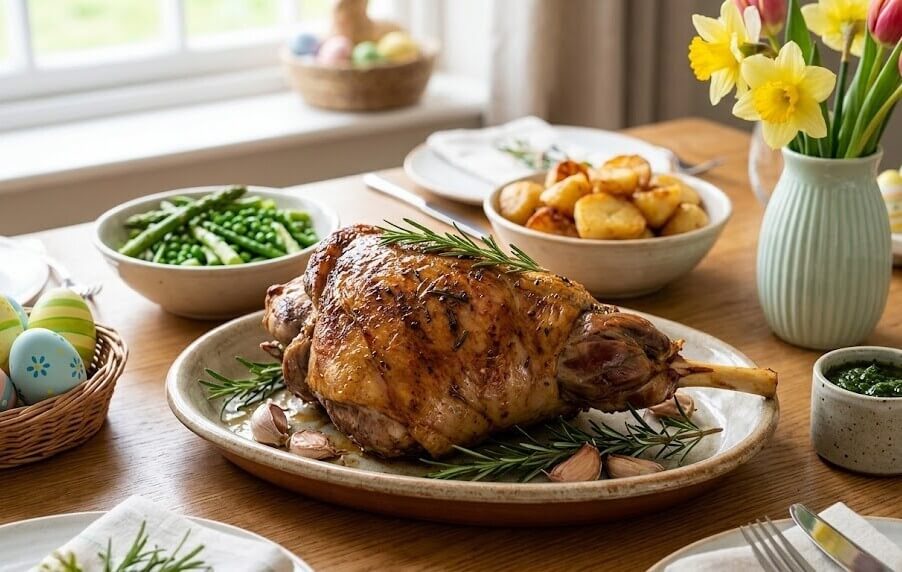
Served as a hearty main course, Lamb Roast holds strong roots in traditional feasting and is especially popular for a traditional Easter dinner shared with family. Slow roasting allows the meat to turn tender and flavourful, while aromatic seasonings highlight the freshness of seasonal cooking.
Often paired with spring vegetables and simple sides, a roast leg of lamb brings warmth and elegance to the festive table, making it one of the most recognised savoury dishes prepared for Easter gatherings.
Key Ingredients
- Leg of lamb
- Garlic cloves
- Olive oil
- Fresh herbs (rosemary, thyme, parsley)
- Lemon juice
- Salt and pepper
- Potatoes or seasonal vegetables
Recipe
- Preheat the oven to a moderate temperature.
- Mix olive oil, crushed garlic, lemon juice, salt, pepper, and chopped herbs.
- Rub the marinade evenly over the lamb.
- Let it rest briefly so flavours absorb well.
- Place the lamb in a roasting tray with the vegetables.
- Roast slowly, basting occasionally for moisture.
- Cook until tender and browned on the outside.
- Rest the meat before slicing and serving.
Serve alongside seasonal vegetables and savour every bite of this comforting centrepiece that brings warmth to Easter celebrations.
Want to switch things up this Easter? This Easter Chicken Roast is a flavour-packed centrepiece that offers a delicious twist on traditional holiday mains while still feeling perfectly celebratory.
8. Easter Ham – Savoury Festive Dish
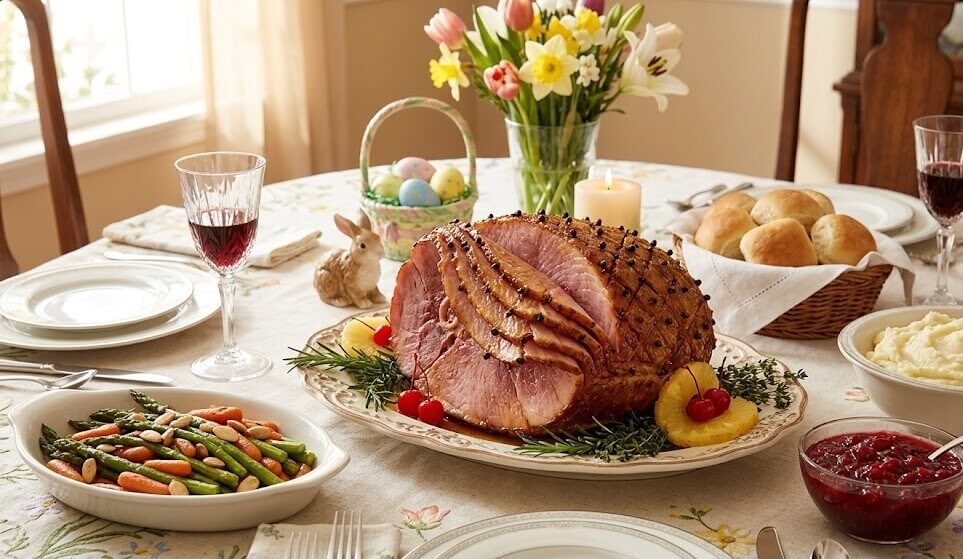
A glazed ham is a popular centrepiece for Easter celebrations. Known for its balance of sweet and savoury flavours, Easter Ham is often prepared for a relaxed Easter lunch or shared during festive get-togethers.
Slow baking enhances the tenderness of the meat while a glossy glaze adds depth and aroma, making it a crowd-pleasing addition to seasonal feasts. Its rich flavour pairs beautifully with fresh sides and lighter dishes, reflecting evolving yet cherished holiday cooking traditions.
Key Ingredients
- Whole ham (bone-in or boneless)
- Brown sugar
- Honey or maple syrup
- Dijon mustard
- Cloves (optional)
- Orange juice or pineapple juice
- Butter
- Black pepper
Recipe
- Preheat the oven and place the ham in a roasting tray.
- Score the surface lightly to help absorb flavours.
- Mix sugar, honey, mustard, juice, and butter to prepare the glaze.
- Brush glaze generously over the ham.
- Cover loosely with foil and bake slowly.
- Baste occasionally for a glossy finish.
- Remove foil toward the end to caramelise the top.
- Rest before slicing and serve warm.
Slice generously and serve warm, allowing its sweet and savoury flavours to become the highlight of your festive Easter table.
For a flavourful addition to your Easter dinner spread, these lamb chops make a delicious alternative to traditional ham while keeping the festive spirit intact.
9. Fanesca – Ecuadorian Easter Soup
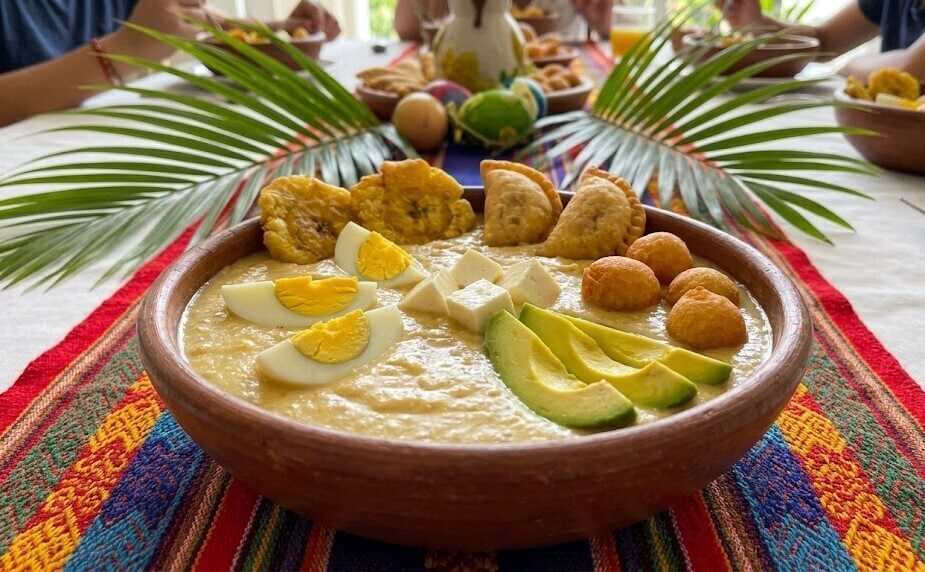
Rich, comforting, and deeply symbolic, this traditional Ecuadorian soup (Fanesca) is prepared during Holy Week as a way of bringing families together through shared cooking. Made with a mix of grains, beans, and vegetables, it reflects seasonal abundance and community-based food traditions connected to Easter celebrations.
The hearty texture and layered flavours make it a satisfying dish often served as part of a special festive meal. Prepared slowly and enjoyed together, it highlights how regional cuisines interpret Easter through nourishing, wholesome recipes rooted in culture and faith.
Key Ingredients
- Dried beans and lentils (mixed varieties)
- Pumpkin or squash
- Milk
- Cheese
- Onion and garlic
- Peanuts or peanut paste
- Salted cod (optional traditional addition)
- Fresh herbs
- Spices (cumin, pepper)
Recipe
- Soak beans and lentils overnight and cook until tender.
- Boil pumpkin or squash separately until soft.
- Sauté onion, garlic, and spices in a large pot.
- Add cooked legumes and mashed pumpkin.
- Stir in milk and peanut paste for richness.
- Add shredded cod if using.
- Simmer gently until thick and flavourful.
- Finish with cheese and chopped fresh herbs before serving.
Gather everyone around the table and enjoy this nourishing soup that beautifully reflects the spirit of shared Easter traditions.
Looking for an alternative to classic Easter mains? This lamb soup offers a warm, comforting option that works beautifully as a hearty starter for your festive meal.
10. Pasqualina Cake – Italian Easter Pie
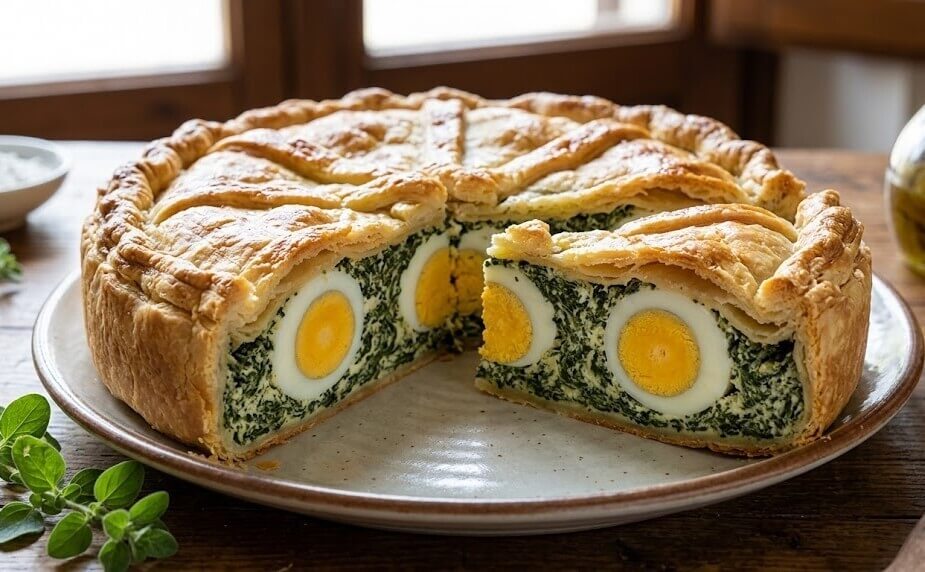
Made with layers of delicate pastry filled with greens, cheese, and eggs, Pasqualina Cake reflects the use of fresh, seasonal produce after the fasting period.
The hidden whole eggs baked inside symbolise renewal and new beginnings, making the dish deeply connected to festive customs. Light yet satisfying, it is often served warm or at room temperature as part of a shared celebratory spread.
Key Ingredients
- Puff pastry or shortcrust pastry
- Spinach or Swiss chard
- Ricotta cheese
- Eggs
- Onion
- Parmesan cheese
- Olive oil
- Nutmeg
- Salt and pepper
Recipe
- Sauté chopped greens and onion in olive oil until softened.
- Mix cooked greens with ricotta, parmesan, nutmeg, salt, and pepper.
- Line a baking dish with pastry, leaving edges hanging.
- Spread the filling evenly and create small wells.
- Crack whole eggs carefully into the wells.
- Cover with another pastry layer and seal the edges.
- Brush with egg wash for colour.
- Bake until golden and crisp.
- Rest before slicing to help the filling set.
Serve warm or at room temperature and let this savoury pie add a wholesome, comforting touch to your Easter feast.
11. Jollof Rice – Easter Celebration Version

Known for its rich tomato base and aromatic spices, Jollof Rice brings a lively, communal feel to the table and reflects how global cultures adapt seasonal meals to local tastes.
Served alongside grilled meats or vegetables, it adds colour and warmth to celebratory spreads, making it a popular choice for large family feasts and shared holiday moments.
Key Ingredients
- Long-grain rice
- Tomatoes (fresh or puréed)
- Tomato paste
- Onion
- Garlic and ginger
- Bell peppers
- Vegetable or chicken stock
- Thyme and curry powder
- Cooking oil
- Salt and pepper
Recipe
- Blend tomatoes, peppers, onion, garlic, and ginger into a smooth paste.
- Heat the oil and sauté the tomato paste until slightly caramelised.
- Add blended mixture and cook until thick and fragrant.
- Stir in spices and seasoning.
- Add rice and mix well to coat with sauce.
- Pour in stock and cook on low heat, covered.
- Allow rice to steam until tender and fluffy.
- Rest briefly before fluffing and serving hot.
Fluff gently before serving and enjoy a vibrant, flavour-packed rice dish that brings colour and celebration to your Easter menu.
Another tomato-based rice recipe you can try this Easter is our Capsicum Tomato Rice, a colourful and flavourful dish that brings together warm spices, juicy tomatoes, and fluffy rice for a simple yet satisfying festive meal.
12. Simnel Cake – Traditional Easter Dessert
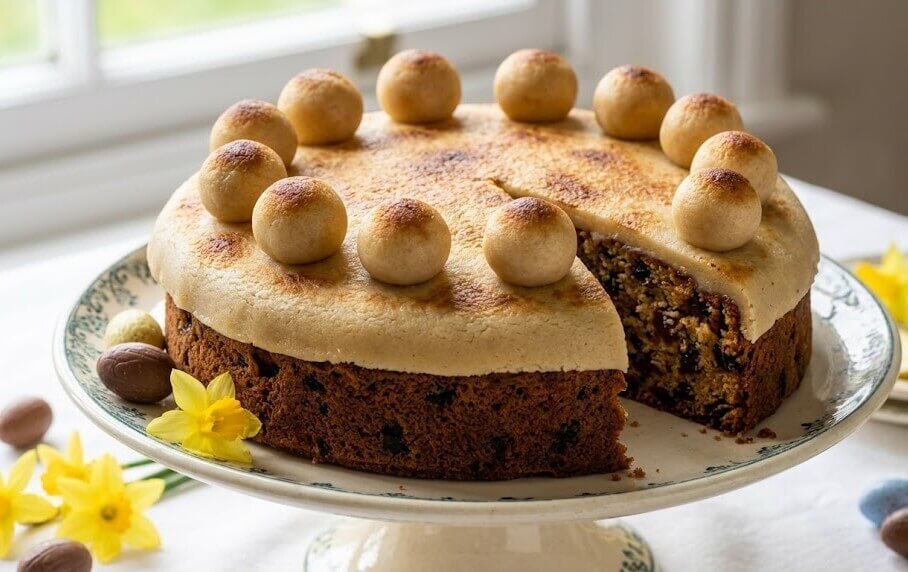
Rich yet delicately spiced, this fruit cake is closely associated with Easter celebrations in Great Britain, where it is traditionally prepared to mark the end of Lent. Topped with a layer of marzipan and decorative balls symbolising the apostles, Simnel Cake carries deep cultural meaning while remaining a festive dessert enjoyed during spring gatherings.
The balance of dried fruits and subtle sweetness makes it a classic seasonal bake, often served in slices alongside tea as families come together to celebrate the occasion.
Key Ingredients
- All-purpose flour
- Butter
- Sugar
- Eggs
- Mixed dried fruits
- Almond flour or marzipan
- Lemon zest
- Baking powder
- Milk
- Mixed spice
Recipe
- Cream butter and sugar until light and fluffy.
- Add eggs gradually, mixing well after each addition.
- Fold in flour, baking powder, spices, and dried fruits.
- Pour half the batter into a lined cake tin.
- Add a layer of marzipan, then cover with the remaining batter.
- Bake until firm and golden.
- Top with another marzipan layer and shape small balls.
- Lightly brown the topping before cooling completely.
Slice and serve with tea, making this traditional cake a charming and meaningful dessert for Easter afternoon gatherings.
To add a rich chocolate finale to your Easter spread, you can try our indulgent Devil’s Food Cake.
13. Pashka – Creamy Easter Dessert
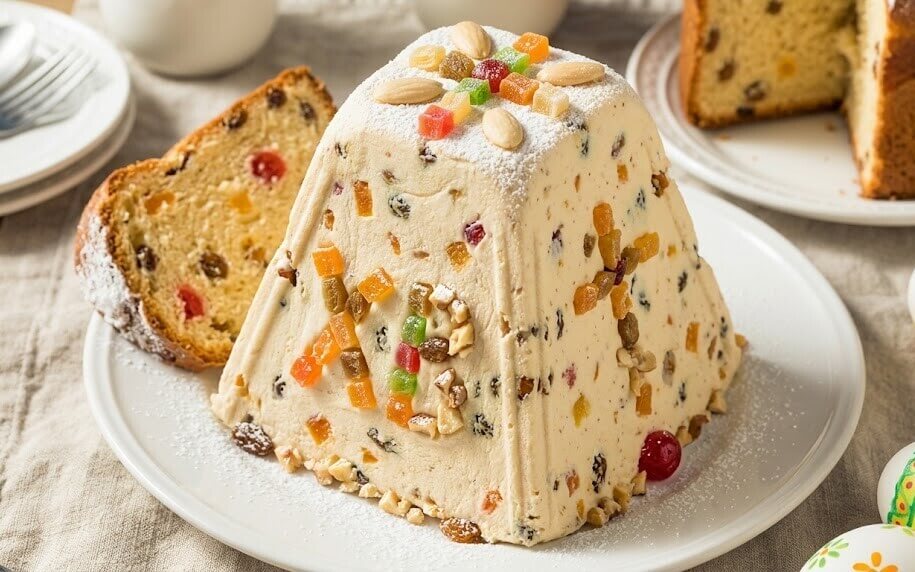
This rich, no-bake dessert is closely linked with festive Easter celebrations following the Lenten fast. Made using fresh dairy and gently sweet flavours, it symbolises abundance and joy after a period of restraint.
Moulded into a distinctive pyramid shape, Pashka is often decorated with religious symbols and served chilled, making it a refreshing yet indulgent addition to springtime feasts. Its smooth texture and delicate sweetness offer a pleasant contrast to heavier baked dishes on the celebratory table.
Key Ingredients
- Fresh cottage cheese or hung curd
- Butter
- Cream
- Sugar or powdered sugar
- Vanilla essence
- Sour cream
- Chopped nuts
- Candied fruits or raisins
Recipe
- Strain cottage cheese or hung curd until smooth and thick.
- Cream butter and sugar until light.
- Mix in sour cream, vanilla, and fresh cream.
- Fold the mixture into the cheese until well combined.
- Add nuts and candied fruits for texture.
- Line a mould or sieve with muslin cloth.
- Fill with the mixture and press gently.
- Refrigerate overnight to set firmly.
- Unmould carefully and serve chilled.
Serve chilled and savour its creamy richness; a refreshing dessert that balances heavier Easter dishes beautifully.
14. Mämmi – Finnish Easter Dessert
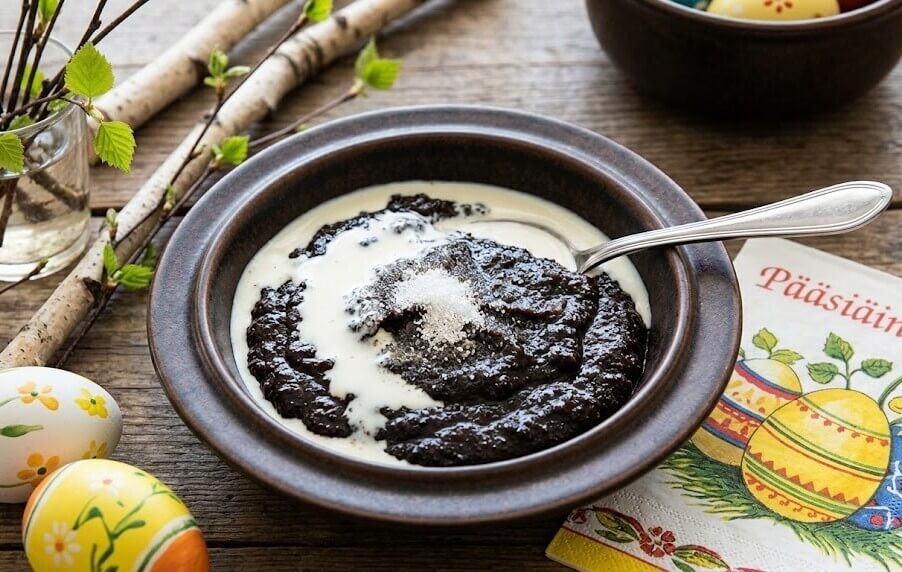
Made from rye and malt, Mämmi has a dark colour and a naturally sweet, earthy flavour developed through slow baking. Though modest in appearance, it reflects centuries-old Easter food traditions connected to the arrival of spring and mindful eating after long winters.
Typically served cold with cream or milk, it offers a comforting balance to richer dishes commonly found on an Easter dinner spread.
Key Ingredients
- Rye flour
- Malted rye powder
- Molasses or dark syrup
- Orange zest (optional)
- Water
- Salt
- Cream or milk for serving
Recipe
- Mix rye flour, malted rye, water, and syrup into a smooth batter.
- Allow the mixture to rest so the natural sweetness develops.
- Slowly cook the mixture on low heat, stirring continuously.
- Pour into baking dishes or traditional containers.
- Bake at a low temperature until thick and set.
- Cool completely at room temperature.
- Refrigerate for several hours before serving.
- Serve chilled with cream or milk for added richness.
Enjoy slowly with cream or milk, appreciating this traditional dessert’s unique flavour and comforting seasonal character.
15. Capirotada – Mexican Bread Pudding
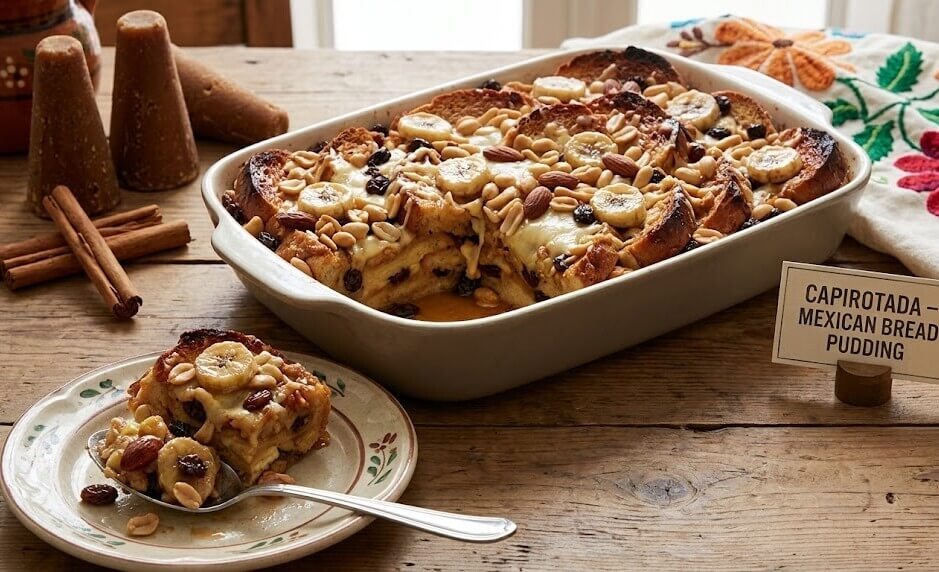
Commonly prepared between Good Friday and Easter Sunday, Capirotada reflects meaningful food traditions passed through generations. The dish combines sweet and savoury elements, representing balance and renewal during this special time of year.
Layers of toasted bread soaked in spiced syrup create a warm, nostalgic flavour, making it a beloved addition to festive gatherings.
Key Ingredients
- Bolillo or crusty bread slices
- Jaggery or brown sugar syrup
- Cinnamon sticks
- Cloves
- Raisins
- Peanuts or almonds
- Butter
- Cheese slices (traditional touch)
Recipe
- Toast bread slices lightly until crisp.
- Prepare a syrup by simmering water, jaggery, cinnamon, and cloves.
- Grease a baking dish with butter.
- Layer toasted bread, nuts, raisins, and cheese.
- Pour warm syrup evenly over each layer.
- Repeat layers until ingredients are used.
- Bake until the pudding absorbs the syrup and sets softly.
- Rest briefly before serving warm or at room temperature.
Serve warm and let its sweet, spiced flavours create a nostalgic ending to your Easter celebration meal.
Craving a nostalgic dessert for your Easter table? This classic bread pudding brings warm spices, soft baked textures, and comforting sweetness, a simple yet satisfying treat perfect for festive gatherings.
Looking for Ideas to Add Modern Twists to Your Easter Menu? Try These Ideas
Easter celebrations continue to evolve as families blend cherished traditions with modern tastes. Adding contemporary touches, through lighter ingredients, creative presentation, or seasonal flavours, helps refresh the menu while preserving its festive essence. The goal is not to replace classics, but to reimagine them for today’s gatherings.
Here are ways you can add modern twists to your Easter menu:
- Refresh classic recipes: Introduce global flavours or spice blends to familiar dishes for a subtle upgrade.
- Focus on seasonal produce: Highlight spring vegetables and fresh herbs to create lighter, vibrant plates.
- Create fusion dishes: Combine cultural influences, such as Mediterranean-inspired sides or Asian-style glazes.
- Offer plant-forward options: Include vegetarian mains or colourful Easter salads for balanced dining.
- Upgrade presentation: Serve dishes in individual portions or grazing-style platters for a contemporary feel.
- Experiment with desserts: Reduce the level of sweetness or add fresh fruit elements for a lighter finish.
- Design a flexible brunch spread: Mix sweet and savoury items to suit relaxed Easter morning gatherings.
These small yet thoughtful changes help create a memorable holiday table that feels both timeless and modern.
Conclusion
Easter food brings together tradition, flavour, and celebration, offering a diverse range of dishes that reflect cultural heritage and seasonal ingredients. From classic recipes like roast lamb and hot cross buns to globally inspired dishes and festive desserts, each item adds depth and meaning to the Easter table.
By combining traditional favourites with simple modern touches, you can create a menu that is both balanced and easy to manage. With thoughtful planning and a mix of flavours, your Easter celebration can feel enjoyable, memorable, and truly special.
Frequently Asked Questions
What are some traditional Easter foods people serve for dinner?
Traditional Easter dinner often includes roast lamb or ham, spring vegetables, cheesy potatoes, fresh salads, and bread-based dishes. These meals symbolise celebration, seasonal renewal, and family gatherings during Easter Sunday.
What are the best ideas for an Easter brunch menu?
An Easter brunch menu can include cinnamon rolls, breakfast casseroles, deviled eggs, fresh fruit, coffee cake, and egg-based dishes. A mix of sweet and savoury options works best for relaxed morning celebrations.
Which Easter desserts are most popular to make at home?
Popular homemade Easter desserts include carrot cake with cream cheese frosting, hot cross buns, sponge cakes, chocolate eggs, and fruit-filled bakes that reflect festive traditions and the joyful arrival of spring.
How can I plan a no-stress Easter feast with make-ahead recipes?
Prepare desserts, casseroles, and sauces a day earlier, chop vegetables in advance, and choose oven-friendly mains. Planning a simple menu with make-ahead dishes helps reduce cooking pressure on Easter day.
What vegetarian options work well for Easter meals?
Vegetarian Easter meals can feature spring salads, roasted seasonal vegetables, savoury pies, baked pasta, and egg-based dishes. These options highlight fresh ingredients while keeping the festive menu balanced and satisfying.
Can you recommend some fresh and seasonal Easter side dishes?
Seasonal Easter sides include roasted asparagus, herbed potatoes, carrot dishes, green bean salads, and light spring salads made with fresh herbs and citrus dressings that complement heavier festive mains.
Which Easter recipes are quick to make for last-minute hosts?
Choose fast dishes like breakfast bakes, fresh fruit platters, salads, and no-fuss desserts. Using pantry staples and seasonal produce helps hosts prepare a celebratory meal without spending hours in the kitchen.
What is the traditional food for Easter?
Traditional Easter food varies globally but commonly includes lamb, bread, eggs, sweet cakes, and seasonal vegetables. These dishes symbolise renewal, abundance, and the cultural significance of Easter celebrations.