
Key Highlights
- Pomegranates offer powerful antioxidant activity, even more than green tea, protecting your body from cellular damage.
- They are packed with essential nutrients, including high levels of vitamin C and vitamin K.
- Regular consumption can significantly support your heart health by improving cholesterol levels and lowering blood pressure.
- The anti-inflammatory properties of pomegranates help combat chronic inflammation linked to various diseases.
- Eating pomegranate seeds can aid digestion and promote a healthy gut microbiome.
Have you ever wondered what makes the vibrant pomegranate one of the healthiest fruits on the planet? For centuries, this fruit has been cherished not just for its unique taste but also for its incredible health benefits.
Packed with powerful antioxidant properties and a significant amount of vitamin C, the pomegranate is a true superfood.
From supporting your heart health to protecting your cells from damage, its benefits are vast and worth exploring. This blog explores these benefits in detail to help you understand how pomegranate can support your health and why it deserves a place in your daily diet.
What Makes Pomegranate So Powerful? 15 Benefits You Should Know
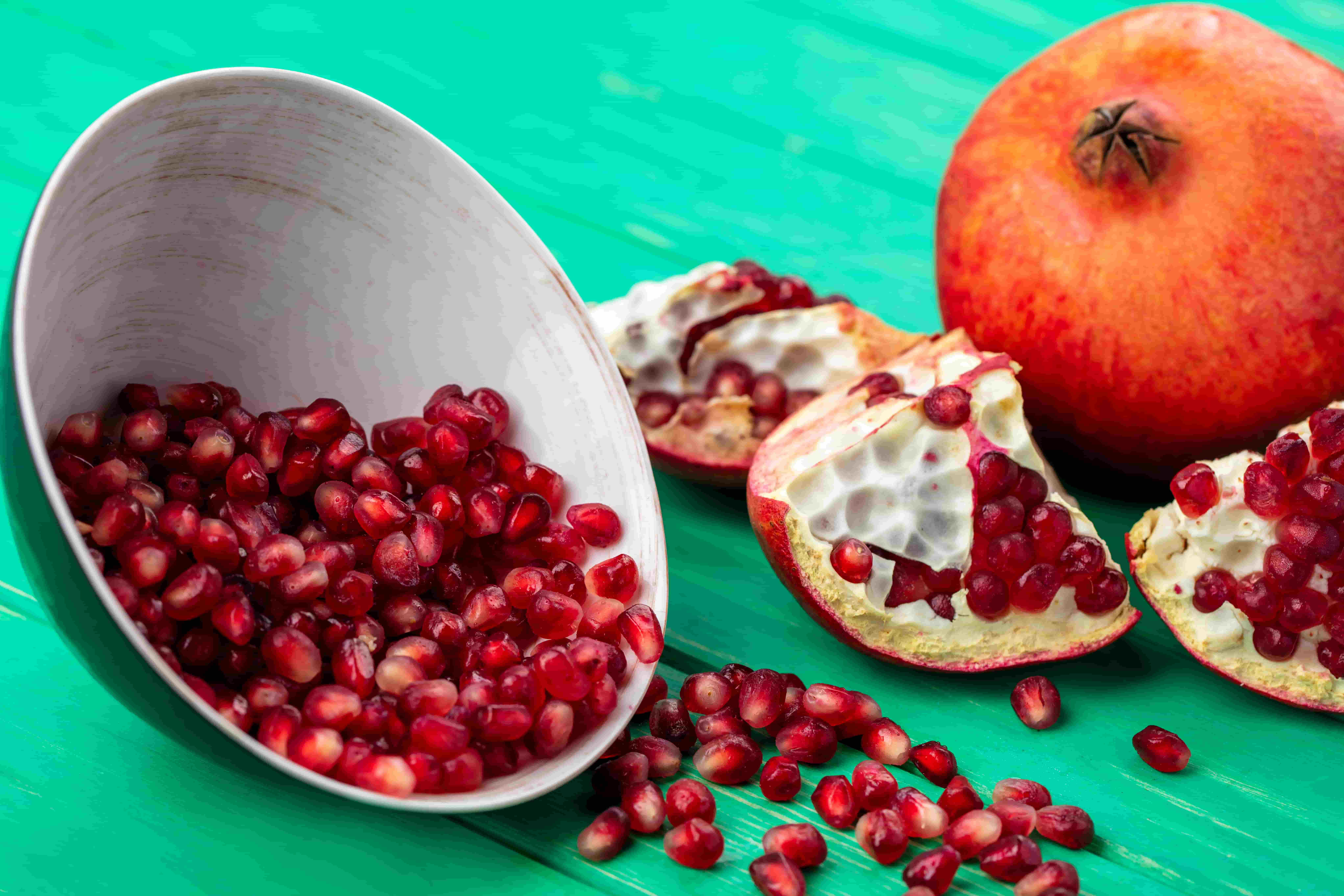
Pomegranate seeds in a bowl
The unique composition of pomegranates is responsible for their wide-ranging positive effects on your health. The benefits of pomegranate stem from its potent plant compounds, particularly its high antioxidant activity, which you won’t find in many other foods.
Whether you enjoy the whole fruit or its juice, the regular consumption of pomegranate can be a simple and delicious way to boost your overall well-being. Let’s look into the 15 specific ways this fruit can make a difference in your life.
1. Pomegranates Are Packed With Essential Nutrients
Pomegranates, known scientifically as Punica granatum, are round, red fruits with a thick, inedible skin. Inside, you will find hundreds of edible seeds, called arils, which are surrounded by a sweet, juicy pulp. These arils are part of the fruit you eat, and they are loaded with important nutrients.
Just one cup of these arils (about 174 grams) provides you with a substantial amount of your daily nutritional needs. This serving contains 7 grams of fibre, 3 grams of protein, and an impressive 30% of your recommended daily value for vitamin C.
Furthermore, it offers 36% of the daily value for vitamin K, 16% for folate, and 12% for potassium. This nutrient-dense profile makes the pomegranate seeds a fantastic addition to any healthy diet.
2. Rich Source of Antioxidants for Cellular Protection
One of the most celebrated qualities of pomegranates is their incredible antioxidant activity. They contain unique and powerful antioxidants called punicalagins, which are found in both the juice and the peel. These compounds are so effective that pomegranate juice has been shown to have three times the antioxidant power of red wine and green tea.
These antioxidants play a crucial role in protecting your body’s cells from damage caused by free radicals. An excess of free radicals can lead to a state known as oxidative stress, which is linked to chronic diseases and ageing.
By neutralising these harmful molecules, the antioxidants in pomegranates, which also include vitamin E, help safeguard your cells. Pomegranate extract, often made from the peel, is especially high in these protective compounds.
3. Supports Heart Health and Healthy Blood Pressure
Pomegranates are a fantastic ally for your heart health. The main fatty acid in pomegranates, punicic acid, may help protect against several steps in the heart disease process. The antioxidants in the fruit also help prevent the thickening of artery walls and reduce the buildup of plaque and cholesterol in your blood vessels.
Studies have shown that pomegranate juice can help lower LDL cholesterol (the “bad” kind) and increase HDL cholesterol (the “good” kind), which reduces your risk of strokes and heart attacks. It also appears to protect LDL cholesterol particles from oxidative damage, a key step towards heart disease.
Additionally, daily consumption of pomegranate juice can lead to a significant reduction in blood pressure. Research has noted this effect, particularly for systolic blood pressure, which is a major risk factor for heart attacks. The fruit may also boost nitric oxide, which helps improve blood flow.
4. Pomegranates Aid in Reducing Inflammation
Chronic inflammation is a key contributor to many of the most serious modern diseases, including heart disease, type 2 diabetes, and obesity. Pomegranates possess potent anti-inflammatory properties, largely thanks to the antioxidant properties of compounds called punicalagins.
These compounds work to reduce inflammatory activity throughout your body. This helps protect your body from the long-term damage that low-grade, chronic inflammation can cause.
In one 12-week study involving people with diabetes, drinking 250 ml of pomegranate juice daily lowered key inflammatory markers by over 30%. If you are looking to reduce inflammation and protect yourself from oxidative stress, adding pomegranates to your diet is an excellent choice.
5. Promotes Digestive and Gut Health
Your digestive health can get a significant boost from pomegranates. The whole pomegranate seeds are an excellent source of dietary fibre, which is essential for maintaining a healthy digestive tract. Fibre helps keep your bowel movements regular and prevents constipation.
Beyond just fibre, pomegranates also have prebiotic effects. This means they can help feed the beneficial bacteria living in your gut. A healthy gut microbiome is crucial for overall wellness and plays a role in protecting you from numerous chronic diseases.
By supporting these good bacteria, you are not only improving your digestion but also strengthening your body’s ability to absorb nutrients and fight off harmful pathogens. Including pomegranate seeds in your diet is a delicious way to support your gut health.
6. May Help Combat Certain Types of Cancer
The powerful compounds in pomegranates show promise in the fight against certain cancers. Laboratory studies have indicated that pomegranate extract can slow down the reproduction of cancer cells and even trigger apoptosis, which is the programmed death of cancer cells. This is particularly noted in relation to prostate cancer, a common cancer in men.
In one study, drinking pomegranate juice daily significantly increased the time it took for PSA (a blood marker for prostate cancer) levels to double, suggesting a slowing of the disease’s progression. Similar effects have been observed with punicalagin-rich pomegranate peel extract, which is derived from the outer peel of the fruit and contains concentrated polyphenols.
While these findings are promising, they are currently limited to laboratory studies, and more research in humans is needed to confirm these effects against oxidative damage.
7. Boosts Immunity and Fights Infections
Looking to strengthen your body’s natural defences? Pomegranates can help. They are loaded with vitamin C, a key nutrient for a healthy immune system. A single cup of pomegranate arils can provide nearly a third of your daily vitamin C needs.
The impressive antioxidant activity of pomegranates also plays a role in immunity by protecting immune cells from damage. Beyond just boosting your defences, the plant compounds in pomegranates have been shown to actively fight harmful microorganisms.
For example, they can combat certain types of bacteria and the yeast Candida albicans. These effects may also help protect against infections and inflammation in your mouth, such as gingivitis and periodontitis, keeping your gums healthy.
8. Supports Skin Radiance and Hair Growth
The nutrients in pomegranates can also contribute to glowing skin and healthy hair. Pomegranate seed oil contains punicic acid and vitamin E, both of which are known for their beneficial effects on the skin. These compounds help nourish and protect your skin cells.
The high vitamin C content in pomegranates is vital for the production of collagen, a protein that gives your skin its structure and elasticity. A healthy supply of collagen helps keep your skin firm and youthful-looking, reducing the appearance of fine lines and wrinkles.
By protecting your cells from oxidative damage, the antioxidants in pomegranates can also help shield your skin from environmental stressors. This combination of nutrients supports overall skin and hair health from the inside out.
Check out this flavorful Prawn with Pomegranate Seeds recipe, juicy prawns marinated in spices and baked with tangy pomegranate seeds for a delicious blend of sweet, tart, and savory flavors.
9. Assists in Weight Management and Metabolism
If you are focused on weight management, pomegranates can be a helpful addition to your diet. The juicy seeds are rich in dietary fibre, which helps you feel full and satisfied, reducing the likelihood of overeating. This makes fresh pomegranate a great snack choice.
One clinical trial found that individuals who were overweight and took pomegranate extract for 30 days saw a reduction in their body weight. The main fatty acid in pomegranate seeds, punicic acid, is a type of conjugated linoleic acid that is thought to have potent biological effects on your metabolism.
By incorporating pomegranates into a balanced diet, you can leverage their nutrient density and fibre content to support your weight management goals while enjoying a delicious and satisfying fruit.
10. Enhances Memory and Cognitive Function
Some studies in older adults with memory complaints found that drinking pomegranate juice daily significantly improved markers of both verbal and visual memory.
The antioxidants in pomegranates, known as ellagitannins, are believed to help by reducing inflammation and combating the effects of oxidative stress in the brain. This protective effect may be beneficial in fighting against age-related cognitive decline.
Furthermore, some studies suggest that pomegranates may even help in the fight against neurodegenerative conditions like Alzheimer’s disease.
11. May Support Kidney Health
Pomegranates may also play a role in maintaining good kidney health. It is thought to help prevent the formation of stones by lowering the concentration of certain chemicals in the blood that contribute to them, such as oxalates and calcium. This effect is likely due to the polyphenols found in the fruit.
12. Contributes to Joint and Bone Health
The powerful anti-inflammatory properties of pomegranate make it a promising food for supporting joint health, especially for those dealing with arthritis. Since most forms of arthritis involve inflammation in the joints, the compounds in pomegranates can offer relief.
Laboratory studies have shown that pomegranate extract can block enzymes known to damage joints in people with osteoarthritis, the common wear-and-tear type of arthritis. This suggests it could help preserve joint function and reduce pain.
While evidence from human studies is still limited, the potent antioxidant properties of pomegranate indicate it may help protect both joint and bone health. This could be particularly beneficial for conditions like rheumatoid arthritis and inflammatory bowel disease, which are linked to systemic inflammation.
13. Improves Exercise Endurance and Recovery
Pomegranate is increasingly recognised for supporting physical performance and recovery. Its rich antioxidant profile and natural nitrates contribute to improved blood flow and oxygen delivery to muscles, which can enhance stamina. These effects are often highlighted among pomegranate benefits, particularly for endurance and circulation.
Drinking fresh juice is one of the common pomegranate uses, with many people noting anar juice benefits for reducing exercise-related oxidative stress and supporting faster post-workout recovery.
14. Balances Hormones and Supports Fertility
The benefits of anar extend beyond performance into hormonal and reproductive health. Thanks to its strong antioxidant content and impressive pomegranate nutritional value, this fruit helps protect cells from oxidative damage that can affect hormone balance. Pomegranate benefits for skin are also linked to these antioxidants.
Regular intake is often mentioned among the benefits of eating pomegranate daily, supporting fertility and overall reproductive health in both men and women.
Learn how to make pomegranate-based rice dishes that combine fragrant spices, nuts, and jewel-like seeds for festive and everyday meals.
15. Helps Maintain Healthy Blood Sugar Levels
Pomegranate can be a helpful addition to balanced eating for blood sugar management when consumed in moderation. Its unique plant compounds support insulin sensitivity while delivering steady energy.
These effects are part of the wider benefits of eating pomegranate daily, making it suitable for people focused on metabolic health. Including whole arils rather than excessive juice helps maximise benefits while keeping natural sugars in check.
How Can You Add Pomegranate to Your Diet Without Overcomplicating Meals?
Pomegranate is rich in antioxidants, but many people limit it to snacking or garnishing because they are unsure how to use it in everyday dishes. With simple pairings and familiar formats, pomegranate can be easily included in regular meals.
Here are 5 healthy pomegranate recipes:
1. Pomegranate & Mint Raita

Pomegranate Mint Raita
Pomegranate and mint raita is a refreshing, lightly sweet side dish that adds brightness to any meal. The juicy pop of pomegranate balances creamy yoghurt and fresh herbs, making it ideal alongside rice dishes, grilled foods, or warm flatbreads.
Ingredients
- Pomegranate arils
- Plain yogurt
- Fresh mint, finely chopped
- Roasted cumin powder
- Salt
Recipe
- Whisk the yoghurt until smooth
- Fold in pomegranate arils and mint
- Add cumin powder and salt
- Chill briefly before serving
This raita is best enjoyed cold and adds instant freshness and colour to the plate.
2. Pomegranate Chickpea Salad
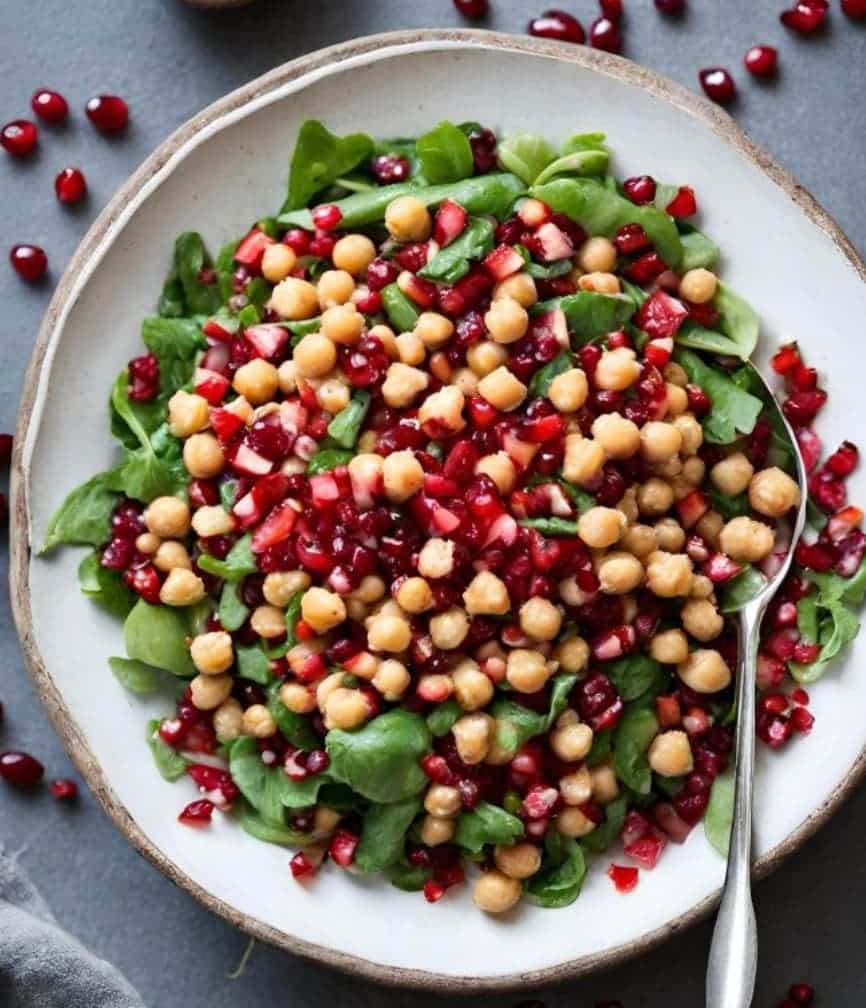
Pomegranate Chickpea Salad
This pomegranate chickpea salad is light, protein-rich, and full of texture. Sweet-tart fruit paired with earthy chickpeas makes it a great option for brunch, lunch, or a quick, nourishing bowl that doesn’t feel heavy.
Ingredients
- Boiled chickpeas
- Pomegranate arils
- Cucumber, chopped
- Onion, finely sliced
- Lemon juice
- Olive oil
- Salt and pepper
Recipe
- Combine chickpeas, cucumber, onion, and pomegranate
- Drizzle with olive oil and lemon juice
- Season with salt and pepper
- Toss gently and serve fresh
Serve immediately for maximum crunch and brightness.
3. Pomegranate Smoothie

Pomegranate Smoothie
A pomegranate smoothie is vibrant, refreshing, and naturally energising. Its balance of sweetness and tang makes it perfect for mornings or mid-day breaks when you want something light yet flavourful.
Ingredients
- Pomegranate arils or juice
- Banana or berries
- Yoghurt or water
Recipe
- Add all ingredients to a blender
- Blend until smooth
- Adjust thickness as needed
- Pour and serve immediately
Enjoy it fresh for the best flavour and a naturally uplifting finish.
4. Pomegranate Vegetable Stir-Fry

Pomegranate Vegetable Stir Fry
This pomegranate vegetable stir-fry adds a fresh, juicy twist to everyday vegetables. The warm, lightly spiced veggies pair beautifully with the burst of sweetness from pomegranate, making it a quick and colourful side or light main.
Ingredients
- Mixed vegetables (carrot, beans, bell peppers)
- Pomegranate arils
- Olive oil
- Garlic, finely chopped
- Salt and pepper
Recipe
- Heat olive oil in a pan
- Sauté garlic and vegetables until just tender
- Season with salt and pepper
- Add pomegranate arils at the end and toss gently
Serve warm for a fresh, flavour-packed dish.
Learn how to make pomegranate and orange cake for a sweet-tangy treat.
5. Pomegranate Brown Rice Bowl

Pomegranate Brown Rice Bowl
This pomegranate brown rice bowl is filling, balanced, and perfect for a wholesome lunch or dinner. The nutty rice, vegetables, and juicy arils come together for a meal that feels both nourishing and satisfying.
Ingredients
- Cooked brown rice
- Pomegranate arils
- Steamed or roasted vegetables
- Olive oil or light dressing
- Salt and pepper
Recipe
- Place cooked brown rice in a bowl
- Top with vegetables and pomegranate arils
- Drizzle lightly with olive oil or dressing
- Season and mix before serving
Enjoy warm or at room temperature for an easy, everyday meal.
Conclusion
Pomegranates are not just delicious; they are a powerhouse of health benefits that can significantly enhance your overall well-being. From supporting heart health and boosting immunity to aiding weight management and improving cognitive function, incorporating pomegranates into your diet can yield remarkable rewards. With their rich nutritional profile, these fruits provide essential nutrients that contribute to a balanced lifestyle.
Frequently Asked Questions
Is pomegranate good for daily consumption in India?
Yes, daily consumption of pomegranate is excellent for your health in India. The pomegranate seeds are packed with nutrients that contribute to your daily value of vitamins. Including them in a healthy diet offers numerous health benefits, but be mindful of the natural sugar content, especially with juice.
Can pomegranate help manage blood pressure levels?
Absolutely. Pomegranate has been shown to help manage blood pressure. Studies indicate that its high antioxidant activity can significantly lower systolic blood pressure, which is a major factor in heart health. Daily consumption of pomegranate juice can be an effective natural strategy to support healthy blood pressure.
What is the best way to include pomegranate in your diet?
The best way to enjoy pomegranate is by eating the whole fruit’s arils to get the fibre. You can also drink 100% pomegranate juice in moderation. Sprinkling the vibrant pomegranate seeds on salads, yoghurt, oatmeal, or even using them in smoothies are all delicious and healthy options.
How many calories and carbs are in a pomegranate?
Pomegranate contains roughly 83 calories per cup with natural carbohydrates from sugars and fibre. These pomegranate calories make it a nutrient-dense fruit that fits moderate portions, supporting energy needs without excessive intake when eaten as part daily.
What nutrients are found in pomegranate?
Pomegranate nutrition includes vitamin C, potassium, folate, fibre, and powerful antioxidants like polyphenols. These nutrients support immunity, digestion, and cellular health while contributing to overall wellness when the fruit is consumed regularly within a varied diet by adults.
What organ is the pomegranate good for?
Pomegranate is good for the heart, supporting blood flow and vascular function. The benefits of eating pomegranate also extend to brain and liver health due to antioxidants that help reduce oxidative stress and support long-term organ protection.
Is it okay to eat pomegranate seeds?
Eating pomegranate seeds is safe and beneficial when chewed or swallowed whole. Pomegranate benefits for female health include hormonal support, while pomegranate benefits for men relate to circulation, antioxidants, and heart health when eaten regularly by most adults.