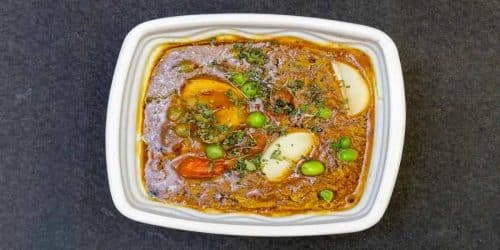
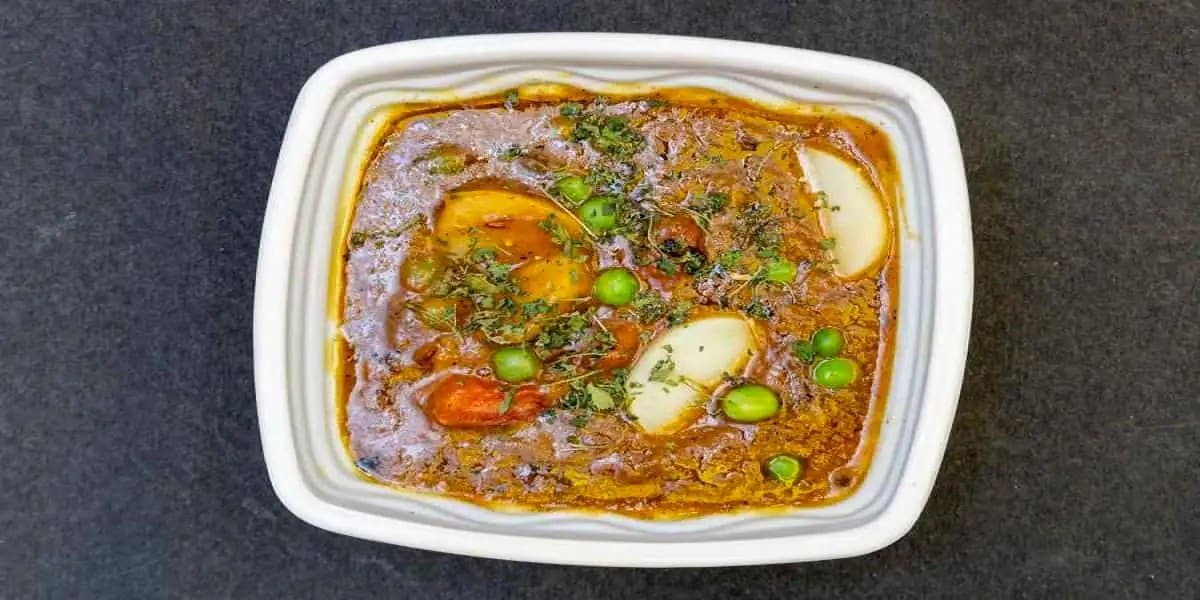
Paneer Egg Peas Kurma was not something I got right the first time. My original version had the coconut going in too early, and by the time the peas were cooked, the gravy had split and turned grainy. I kept trying to fix it by adding more water, which only made things worse. Eventually I realised the coconut had to wait until the peas were fully tender, because coconut cannot take long cooking without breaking down.
Once I made that one change, everything else fell into place. I make this at least twice a month, usually on weekends when I have a bit more time to let the paste come together properly. The smell of cloves and cinnamon hitting hot oil is the moment I know the base is going to be good.
About the Recipe
Most of the ingredients here are things you likely have on hand — whole spices, onions, tomatoes, dried coconut, eggs, and paneer. The fresh coconut adds body to the gravy without needing cream or any thickening agent. From start to finish, the whole dish takes around 45 to 50 minutes, including the grinding.
I make it on Sunday afternoons when I want something substantial without spending the whole day in the kitchen. It pairs well with plain rice or a simple roti, and the leftovers hold up well the next day.
Why you will love this recipe
A kurma with this many whole spices usually takes serious time. Here, the trick is that you toast and grind everything together into one paste, so you are not building layers across several steps. The base does most of the work.
Once the paste goes in, the dish comes together quickly — the peas cook down, the coconut thickens the gravy, and the eggs absorb just enough of the spiced broth to taste like they belong there rather than being added as an afterthought. I particularly like the way the gasa gasa (poppy seeds) and coconut together give the gravy a slightly nutty, full-bodied texture that feels different from a regular tomato-onion curry.
Cooking Tips
The most common mistake is adding the ground coconut too early. If it goes in before the peas are fully cooked, the gravy will turn grainy and slightly bitter. Wait until the peas are completely tender before adding the coconut, then reduce the heat to medium-low so the coconut simmers gently rather than boiling hard. Also, when you pierce the boiled eggs with a fork before adding them, do not skip that step — it lets the gravy soak into the eggs rather than just coating the outside.
Top Tips
- Soak the paneer in plain water for 15 to 20 minutes before using. This keeps it soft and stops it from turning rubbery as it cooks in the gravy.
- Grind the coconut with a small amount of warm water to get a smooth, lump-free paste. A coarse coconut paste will make the gravy feel gritty.
- If you are using frozen green peas, reduce the initial cooking time by about half — they soften much faster than fresh peas and can turn mushy if overcooked.
- Keep the heat at medium when you add the ground spice paste. High heat at that stage will cause the paste to stick and scorch at the bottom of the pan before the water goes in.
- The kurma thickens as it sits. If you are making it ahead, add a small splash of water when reheating and stir gently so the paneer does not break apart.
Serving and Storing Suggestions
Serves 3 to 4 people. Prep and cook time combined is roughly 50 minutes. Serve hot, straight from the pan, with steamed rice or plain roti. A side of sliced onion and a wedge of lime works well alongside.
Leftovers keep in the refrigerator for up to two days in an airtight container. Reheat on low heat with a little water, as the coconut-based gravy tends to thicken once cooled.
Similar Recipes
- Egg Kurma
- Paneer Butter Masala
- Vegetable Kurma
- Egg and Potato Curry
- Chana Paneer Curry
Nutrient Benefits
This dish brings together three good sources of protein in one bowl — eggs, paneer, and green peas. Eggs provide B vitamins and healthy fats, paneer contributes calcium and protein, and green peas add plant-based protein along with dietary fibre. Coconut adds some healthy fat that helps the body absorb the fat-soluble spices in the gravy. For a meal that is not specifically designed as a health dish, it happens to be reasonably well-balanced.
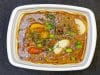
Paneer Egg Peas Kurma
Ingredients
- 4 Eggs (boiled, shells removed, pierced with a fork)
- 1 cup Green Peas
- 1 cup Paneer (soaked in water)
- 1/4 cup Small Onions (peeled)
- 2 Tomatoes (chopped)
- 1 cup Coconut (grated, ground)
- 2 Dry Red Chillies
- 2 Green Chillies
- Ginger (1 inch piece)
- 5 cloves Garlic
- 2 Cloves
- Cinnamon (2 one inch sticks)
- 1/2 tsp Gasa Gasa
- 1/4 tsp Cumin Seeds
- 1/2 tsp Saunf
- 1/4 tsp Peppercorns
- 1/2 tsp Coriander Seeds
- 1/2 tsp Bengal Gram Dal
- 1/4 tsp Turmeric Powder
- Salt as per taste
- 4 tsp Oil
- 1/4 tsp Mustard Seeds
- Coriander Leaves - handful, chopped
- Curry Leaves - handful, chopped
Instructions
- Heat 1 tsp oil in a pan.
- Add the onions, tomato, 1/4 tsp saunf, cumin seeds, peppercorns, coriander seeds, dal, gasa gasa, cloves, cinnamon, ginger, garlic, green chillies and dry red chillies.
- Stir-fry for a minute or two.
- Remove and grind to a smooth paste.
- Heat 2 tsp oil in the pan.
- Fry the mustard seeds, saunf and curry leaves for 30 to 45 seconds.
- Add the green peas and cook until half done.
- Then add the paneer, ground paste, turmeric powder and salt.
- Stir to mix well.
- Pour 2 cups of water and bring to a boil.
- When the peas is cooked and tender, add the ground coconut.
- Add the eggs and cook until the kurma starts to thicken.
- Garnish with coriander leaves.
- Serve hot with rice or roti.
Sign up for our newsletter
Add Awesome Cuisine as a Preferred Source

Frequently Asked Questions
My gravy turned grainy and separated. What went wrong?
This usually happens when the coconut is added too early or cooked on high heat after it goes in. Coconut paste breaks down if it boils hard or cooks for too long. Add it only after the peas are fully tender, then keep the heat at medium-low and stir gently until the kurma just thickens.
Can I use desiccated coconut instead of fresh grated coconut?
You can, but the gravy will be slightly less rich and may have a drier texture. If using desiccated coconut, soak it in warm water for 10 minutes before grinding. Fresh or frozen grated coconut gives a much smoother result.
The eggs are not absorbing any flavour. What should I do differently?
Make sure you pierce the boiled eggs all the way through with a fork before adding them to the gravy. The holes allow the spiced gravy to get into the egg rather than just sitting on the surface. You can also lightly score the whites with a knife if the fork does not go deep enough.
Can I make this without paneer and just use eggs?
Yes. Skip the paneer and increase the eggs to 6 if you want a similar volume. The gravy and method stay exactly the same. The dish will be slightly less rich without the paneer, but it works well as an egg-only kurma.
How do I know when the kurma is thick enough to serve?
When you drag a spoon across the bottom of the pan and the gravy takes a second or two to fill back in, it is ready. It should coat the back of the spoon lightly. Keep in mind it thickens further once it cools, so take it off the heat just before it reaches the consistency you want on the plate.