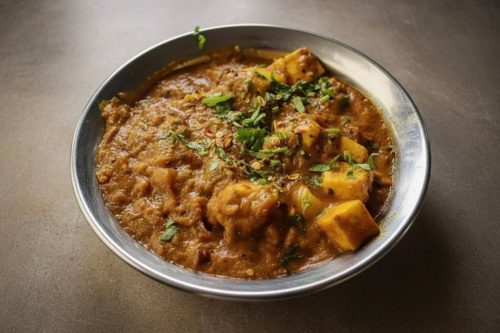
Gosht Lababdar is one of those restaurant curries I avoided making at home for years because I assumed it needed a tandoor or some secret technique. Then a friend served it at a dinner party and walked me through her method, which turned out to be straightforward tempering and patient simmering.
What stuck with me was how she added the capsicum only in the last few minutes so it stayed crisp, cutting through the buttery gravy. Now I make it when I want something rich but not overly complicated, and I always think of that evening when I stir in the cream at the end. The whole spices release their oils early, and that fragrance stays with the dish all the way through.
About the Recipe
This recipe takes about an hour start to finish, with most of that time spent simmering the lamb until tender. You do not need any hard-to-find ingredients beyond kasuri methi, which most Indian grocery stores stock and lasts months in the cupboard. I make this when I have a weekend afternoon free or when family visits and I want something that feels festive without being fussy. The spices are the usual whole ones you likely already have, and the technique is mostly about timing each layer correctly.
Why you will love this recipe
The whole spices go into hot oil first, so they release their fragrance before the onions and ginger-garlic paste hit the pan. That early blooming builds a base that tomato and cream enhance rather than mask. The lamb cooks in its own juices with just enough water to keep it from drying out, and the capsicum added near the end gives you a slight crunch that balances the soft, saucy meat.
White pepper and kasuri methi add a gentle heat and bitterness that stop the cream from feeling too heavy. It works well with naan or rice, and the leftovers actually improve overnight as the flavors settle.
Cooking Tips
Beginners often add the tomato puree too early, before the onions have browned properly. If you do that, the raw tomato flavor dominates and the oil will not separate cleanly. Let the onions go golden, then add the masala powders and lamb, and only after that the tomato. If the gravy looks too thick before the meat is tender, add water in small amounts rather than all at once. The oil floating to the surface is your signal that the base is cooked through, so do not rush that step or the dish will taste raw.
Top Tips
- Use boneless lamb shoulder or leg for the best texture. Tougher cuts will need longer simmering.
- Crush the kasuri methi between your palms before adding to release its aroma.
- If you cannot find white pepper powder, substitute with extra red chilli powder but reduce the quantity slightly.
- Add the cream off the heat or on very low heat so it does not split.
- This dish freezes well without the cream. Add cream fresh when you reheat.
Serving and Storing Suggestions
This recipe serves three to four people as a main dish. Total prep and cooking time is about an hour. Serve it hot with naan, paratha, or steamed basmati rice. I sometimes add a side of raita or a simple salad to balance the richness.
Store leftovers in an airtight container in the fridge for up to three days. Reheat gently on the stovetop with a splash of water to loosen the gravy. You can freeze the cooked lamb in its gravy for up to a month, but leave out the cream and stir it in fresh after thawing and reheating.
Similar Recipes
- Butter Chicken
- Mutton Rogan Josh
- Chicken Lababdar
- Mutton Korma
- Paneer Lababdar
Nutrient Benefits
Lamb provides good quality protein and iron, which supports energy levels and muscle health. The ginger and garlic have anti-inflammatory properties and aid digestion. Tomatoes add vitamin C and lycopene, while capsicum contributes fiber and additional vitamin C. The whole spices like cloves and cinnamon have antioxidants that support overall wellness.
Cream and butter add richness and fat-soluble vitamins, though you can reduce the quantities if you prefer a lighter version. Kasuri methi offers a small amount of iron and helps with digestion.
Gosht Lababdar
Ingredients
- 250 to 300 gms Lamb (boneless, cleaned and cut into 2 inch cubes)
- 4 tbsp Oil - 4 tblsp
- 2 Black Cardamoms - 2
- 3 Green Cardamoms
- 3 Cloves
- 2 blades Mace
- 1 inch Cinnamon
- 1 Bay Leaf
- 1 1/2 tbsp Ginger Garlic Paste
- 1 Onion (chopped)
- 1 1/2 tsp Red Chilli Powder
- 1 1/2 tsp White Pepper Powder
- 3/4 tsp Kasuri Methi (Dried Fenugreek Leaves)
- 1/2 cup Tomato Puree
- 3/4 tsp Green Chillies (chopped)
- 1 Green Capsicum (sliced)
- Salt as per taste
- 1 tbsp Butter
- 1/2 cup Cream
Instructions
- Heat oil in a heavy pan.
- Add whole spices and bay leaf.
- Stir over moderate heat for 2 to 3 minutes.
- Add ginger-garlic paste and saute for 2 to 3 minutes.
- Add onion and fry, stirring continously, till golden brown.
- Add the lamb cubes, masala powders and fenugreek leaves.
- Cook for a few minutes stirring well to coat meat.
- Add tomato puree and green chillies.
- Cook till the oil floats to the surface.
- Pour in 3 cups of water and mix well.
- Cover pan and cook for 20 to 30 minutes, stirring occasionally, till meat is tender and semi-dry.
- Mix in capsicum and salt.
- Saute for 2 to 3 minutes over high heat.
- Add butter and stir till it melts.
- Pour in cream and stir.
- Remove from heat.
- Garnish with green chillies.
- Serve hot.
Sign up for our newsletter
Add Awesome Cuisine as a Preferred Source

Frequently Asked Questions
My gravy is watery even after simmering for 30 minutes. What went wrong?
You likely added too much water at once or did not cook the tomato puree long enough before adding water. Next time, let the oil separate clearly after adding tomato, then add water gradually. Simmer uncovered for the last 10 minutes to evaporate excess liquid.
Can I use chicken instead of lamb, and does the cooking time change?
Yes, boneless chicken works well but cooks faster. Reduce the simmering time to 15 to 20 minutes, checking for doneness earlier. Chicken can dry out if overcooked, so watch it closely after the first 15 minutes.
The cream curdled when I added it. How do I prevent that?
Cream curdles if the gravy is too hot or if you add it all at once. Always remove the pan from heat or turn the flame to the lowest setting, then pour the cream slowly while stirring constantly. You can also temper the cream by mixing a spoonful of hot gravy into it first.
I do not have kasuri methi. Can I skip it or use something else?
You can skip it, but the dish will lack a subtle bitter note that balances the cream. Fresh fenugreek leaves are too strong and taste different. If you have dried oregano, use a tiny pinch, but it will not be the same. Kasuri methi is worth keeping on hand for North Indian curries.