Table of Contents
Key Highlights
- The cuisine of Andaman & Nicobar is a paradise for seafood lovers, with dishes like Fish Curry and Grilled Lobsters being local favourites.
- Many recipes are heavily influenced by Indian cultures, particularly Bengali and South Indian, creating a unique flavour profile.
- Key ingredients you’ll find are fresh seafood, coconut milk, and an array of local spices that give the food its distinct taste.
- Port Blair and Havelock Island host some of the best restaurants to start your culinary adventure.
- Vegetarian options and delicious street foods are widely available, ensuring there’s something for every palate.
- The food culture reflects a blend of traditions, offering a tantalising journey through spicy, flavourful dishes.
Curious about the unique flavours of the Andaman Islands? Beyond scenic beaches, Andaman cuisine offers delicious local dishes made with fresh seafood, tropical ingredients, and Indian influences.
From fish curries to grilled seafood, these simple, flavourful recipes are worth discovering and even recreating at home.
This blog helps you explore must-try dishes, local flavours, and where to start, so you can experience the islands through their food, not just their scenery.
What Are the Top 20 Delicious Andaman and Nicobar Food Dishes To Try at Home?
Embarking on a culinary adventure across the Andaman & Nicobar Islands is an experience in itself. The food culture here is a vibrant tapestry woven from the various communities that have settled on these shores.
The following list covers the most iconic dishes, blending fresh ingredients and local spices to give you a true taste of Andaman’s rich food heritage.
1. Fish Curry
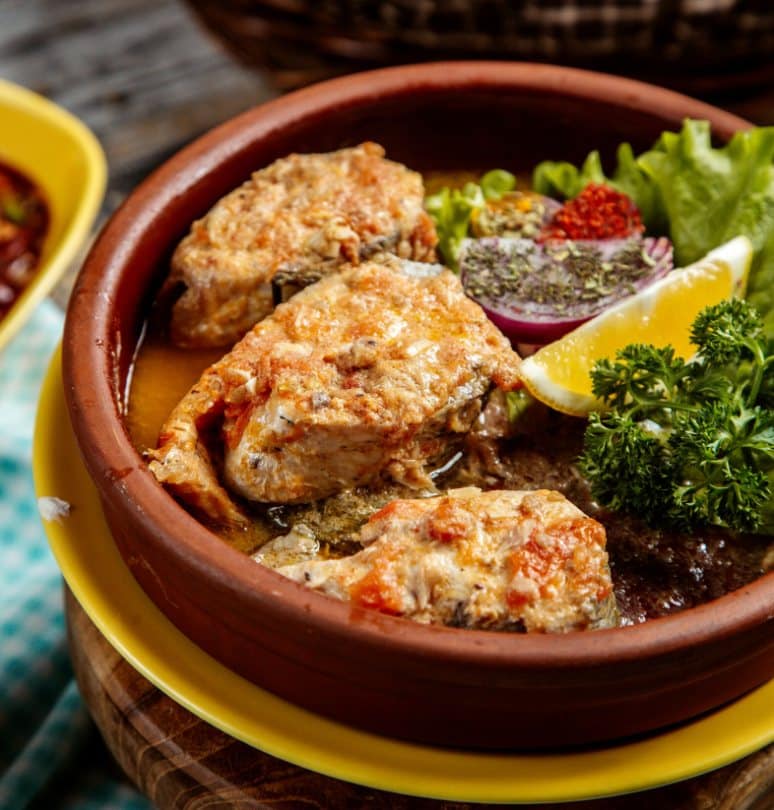
A staple in the Andaman and Nicobar islands, fish curry reflects the simplicity and freshness of coastal cooking. Made with freshly caught fish, coconut milk, and balanced spices, it delivers a comforting and authentic island experience.
Why try it: It represents everyday island cuisine at its best.
Taste & when to eat: Light yet flavourful, with a mild tang and creamy base. Best enjoyed for lunch with rice when you want something satisfying but not too heavy.
Ingredients:
- Fresh fish.
- Coconut milk.
- Turmeric.
- Red chilli powder.
- Tamarind.
- Garlic.
- Ginger.
- Onions.
- Curry leaves.
- Mustard seeds.
- Oil.
- Salt.
Recipe:
- Heat oil and add mustard seeds and curry leaves.
- Sauté onions, garlic, and ginger until fragrant.
- Add spices and cook briefly.
- Pour coconut milk and bring to a gentle simmer.
- Add fish pieces and cook until tender.
- Adjust tanginess with tamarind and season well.
This dish pairs perfectly with steamed rice, allowing the rich gravy to shine. It offers a comforting and authentic taste of island life with every bite.
Love Regional Indian food? Discover delicious dishes of South India with authentic flavours and regional specialities.
2. Coconut Prawn Curry
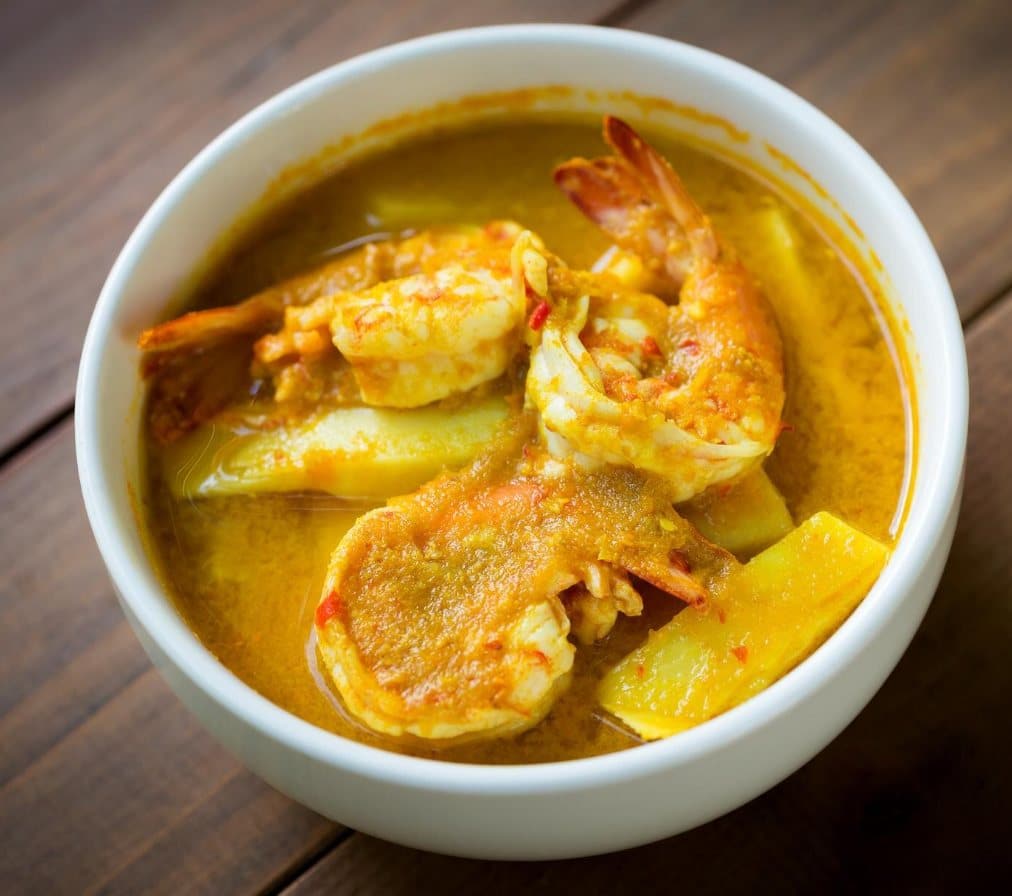
This dish combines tender prawns with a smooth coconut-based gravy, highlighting the richness of coastal ingredients. It is widely loved for its balance of flavour and texture.
Why try it: A great introduction to seafood curries with a creamy twist.
Taste & when to eat: Slightly sweet, mildly spiced, and rich. Ideal for weekend meals or special lunches when you want something indulgent yet balanced.
Ingredients:
- Prawns.
- Coconut milk.
- Turmeric.
- Chilli powder.
- Garlic.
- Ginger.
- Onions.
- Green chillies.
- Curry leaves.
- Oil.
- Salt.
Recipe:
- Heat oil and sauté onions, garlic, and ginger.
- Add spices and cook until aromatic.
- Pour coconut milk and bring to a simmer.
- Add prawns and cook until tender.
- Finish with curry leaves and adjust seasoning.
Serve it hot with a side of rice to enjoy every bit of the creamy, spiced gravy. Made with a wide variety of ingredients and native spices, it delivers a rich flavour and satisfying coastal taste that feels both comforting and refreshing.
3. Amritsari Kulcha
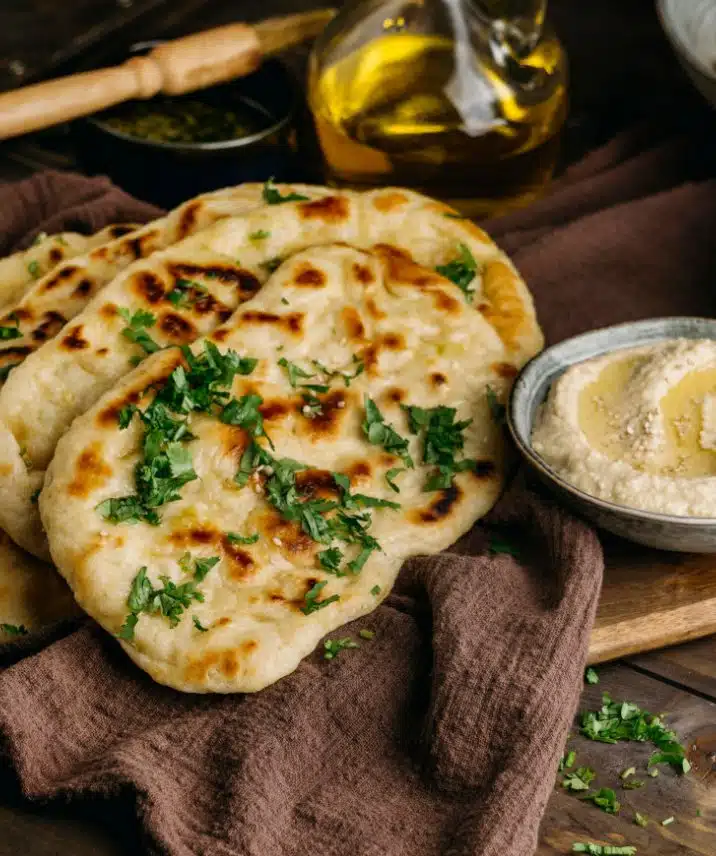
A popular mainland addition, this stuffed flatbread brings variety to the island’s food scene. Its crispy exterior and spiced potato filling make it a satisfying vegetarian option.
Why try it: Offers a break from seafood while still being filling.
Taste & when to eat: Crisp outside, soft inside, with warm spices. Best enjoyed as breakfast or brunch with chutney or curry.
Ingredients:
- Maida flour.
- Boiled potatoes.
- Onions.
- Coriander.
- Green chillies.
- Cumin.
- Garam masala.
- Butter.
- Salt.
Recipe:
- Prepare the dough using flour and water.
- Mix mashed potatoes with spices and herbs.
- Stuff the dough and roll gently.
- Cook on a hot tawa or in an oven until golden.
- Brush with butter before serving.
Enjoy it with chutney or a simple curry for a filling and flavourful meal. It stands out as a comforting option that balances crisp texture with a soft, spiced centre.
Short on time but want variety? Try one-pot Indian vegetarian meals that are convenient, filling, and full of flavour.
4. Chilli Curry
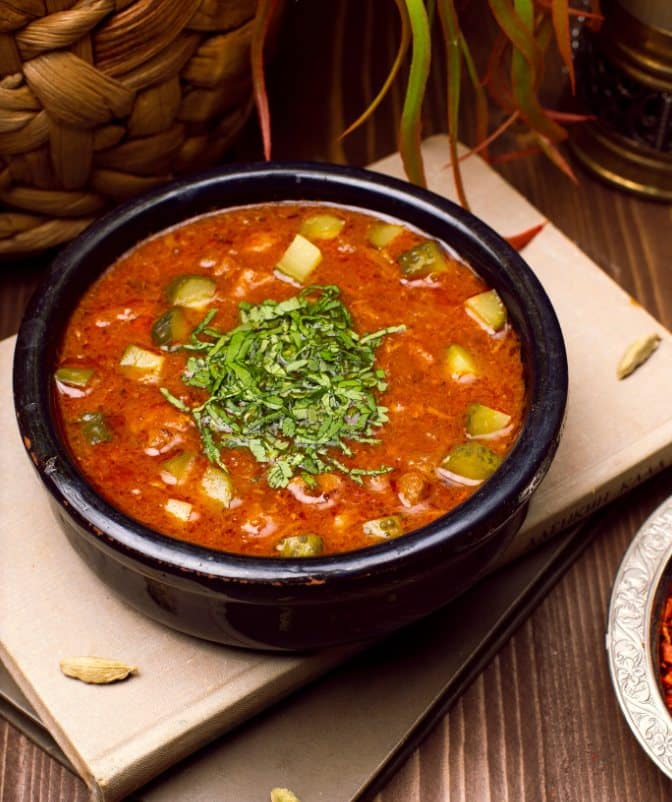
Chilli curry stands out for its bold use of green chillies and tangy tomato base. It is a simple yet powerful dish that highlights strong flavours without heavy ingredients.
Why try it: Perfect for those who enjoy spicy food with character.
Taste & when to eat: Sharp, spicy, and slightly tangy. Works well for lunch alongside rice to balance the heat.
Ingredients:
- Green chillies.
- Onions.
- Tomatoes.
- Turmeric.
- Garlic.
- Ginger.
- Oil.
- Salt.
Recipe:
- Heat oil and sauté onions, garlic, and ginger.
- Add chopped tomatoes and cook until soft.
- Mix in turmeric and other spices.
- Add green chillies and cook thoroughly.
- Simmer until the curry thickens and flavours blend.
This dish brings a fiery punch to your plate while still feeling well-balanced. It is perfect for those who enjoy bold, spicy flavours with a tangy twist.
5. Macher Jhol
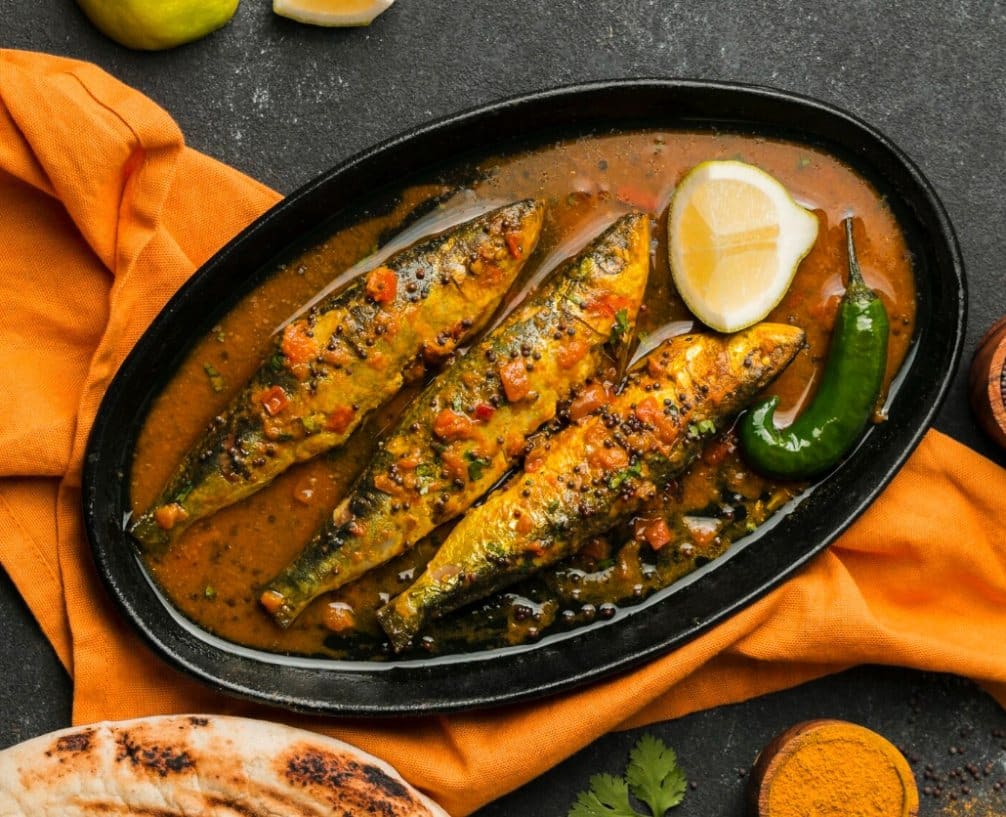
A light fish curry influenced by Bengali cooking, macher jhol focuses on subtle flavours and simple preparation. It is widely enjoyed for its comforting nature.
Why try it: A lighter alternative to rich curries.
Taste & when to eat: Mild, aromatic, and clean. Best suited for everyday meals, especially lunch or early dinner.
Ingredients:
- Fresh fish.
- Potatoes.
- Turmeric.
- Cumin.
- Coriander seeds.
- Green chillies.
- Mustard oil.
- Salt.
Recipe:
- Heat mustard oil and lightly fry the fish pieces.
- Sauté spices, green chillies, and potatoes.
- Add water and bring to a boil.
- Add fried fish and simmer gently.
- Cook until potatoes are tender and flavours combine.
This light curry is ideal for a simple, nourishing meal. Its mild yet aromatic taste makes it suitable for any time of the day.
Need quick, everyday meals? Check out easy North Indian lunch recipes for simple, home-style cooking.
6. Fish Pakoras
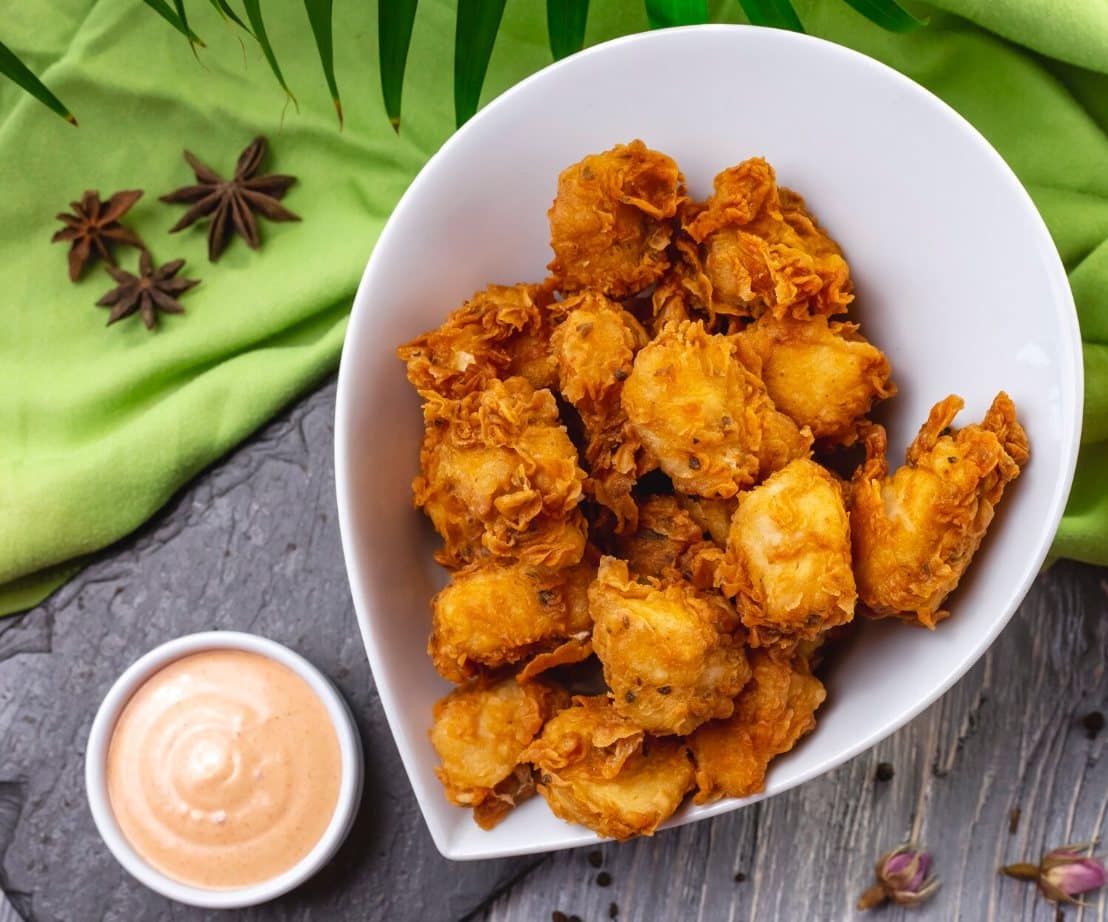
These crispy fried fish bites are a popular snack across the islands. Coated in spiced batter and deep-fried, they offer a quick and satisfying option.
Why try it: Perfect for casual snacking or appetisers.
Taste & when to eat: Crunchy outside and soft inside, with bold seasoning. Best enjoyed hot during evenings or as a starter.
Ingredients:
- Fish pieces.
- Gram flour.
- Turmeric.
- Chilli powder.
- Garlic.
- Ginger.
- Salt.
- Oil for frying.
Recipe:
- Prepare a thick batter using gram flour and spices.
- Coat fish pieces evenly in the batter.
- Heat oil in a pan for deep frying.
- Fry coated fish until golden and crispy.
- Remove and drain excess oil before serving.
These crispy bites are best enjoyed hot with chutney or a squeeze of lemon. They capture the lively and flavourful spirit of Andaman’s street food culture perfectly.
7. Cutlets and Samosas
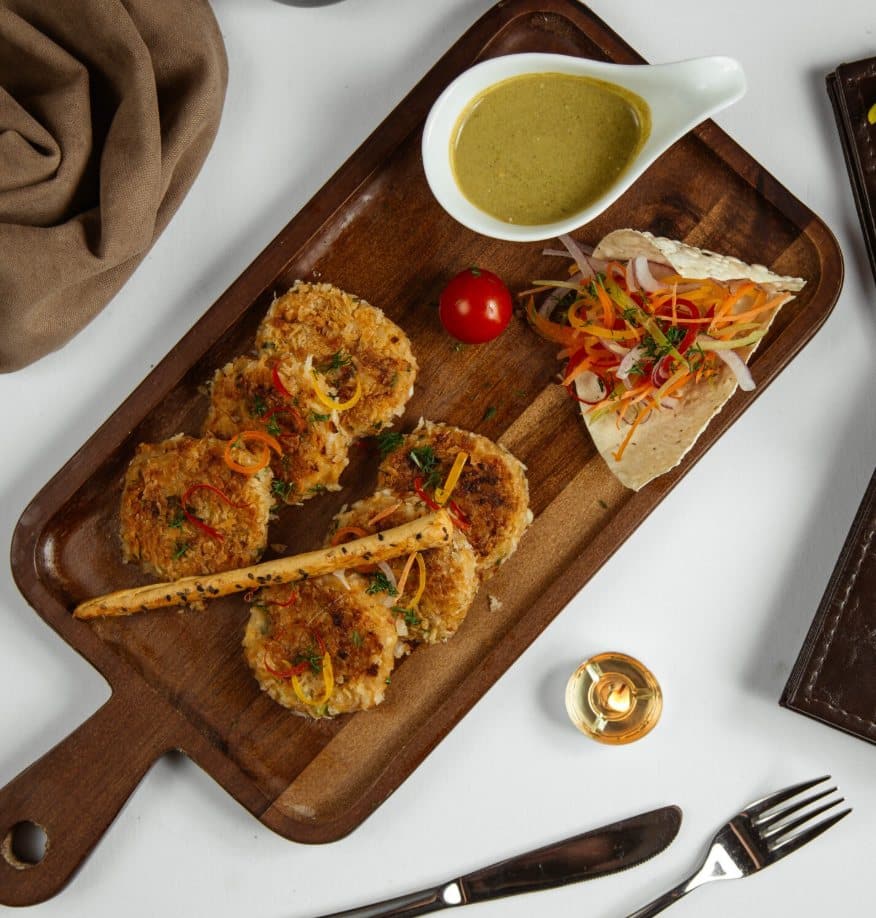
A common street snack, these fried delights offer a comforting vegetarian option made with spiced vegetables. They are widely available and easy to prepare.
Why try it: A familiar yet flavourful snack option.
Taste & when to eat: Crispy and mildly spiced. Ideal for tea-time or quick bites during the day.
Ingredients:
- Potatoes.
- Peas.
- Carrots.
- Onions.
- Breadcrumbs.
- Green chillies.
- Spices.
- Oil.
- Salt.
Recipe:
- Boil and mash potatoes with vegetables and spices.
- Shape into cutlets or fill into samosa pastry.
- Coat cutlets with breadcrumbs.
- Heat oil for deep frying.
- Fry until golden and crispy.
These snacks are best enjoyed hot with chutney or sauce. They offer a crispy, comforting bite that highlights the variety of vegetarian flavours found across the islands.
Want lighter dinner ideas? Explore healthy light Indian dinner recipes that are nutritious and easy to prepare.
8. Grilled Seafood
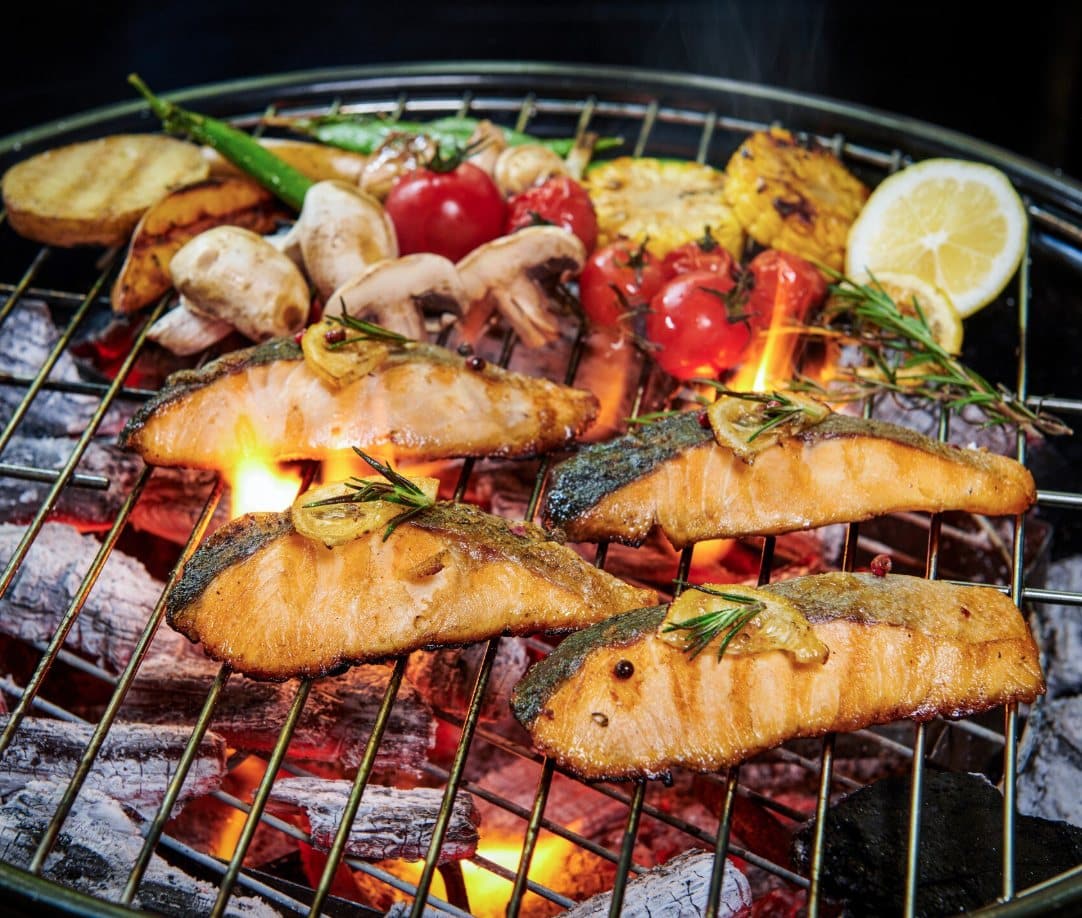
Grilled seafood showcases the natural freshness of the island’s catch. Cooked over open flames, it enhances flavour without heavy spices.
Why try it: One of the most authentic coastal experiences.
Taste & when to eat: Smoky, juicy, and lightly seasoned. Best enjoyed for dinner or outdoor meals.
Ingredients:
- King prawns.
- Mackerel.
- Sardines.
- Crab.
- Lemon juice.
- Garlic.
- Spices.
- Oil.
- Salt.
Recipe:
- Clean and marinate seafood with spices, garlic, and lemon juice.
- Preheat the grill or open flame setup.
- Place seafood on the grill and cook evenly.
- Turn occasionally for even charring.
- Remove once cooked and lightly crisped.
Enjoy it fresh off the grill while soaking in scenic beach views. The smoky aroma and natural flavours make it an unforgettable part of the island dining experience.
Planning seasonal meals? Discover Indian winter recipes that are warm, hearty, and perfect for colder days.
9. Momos
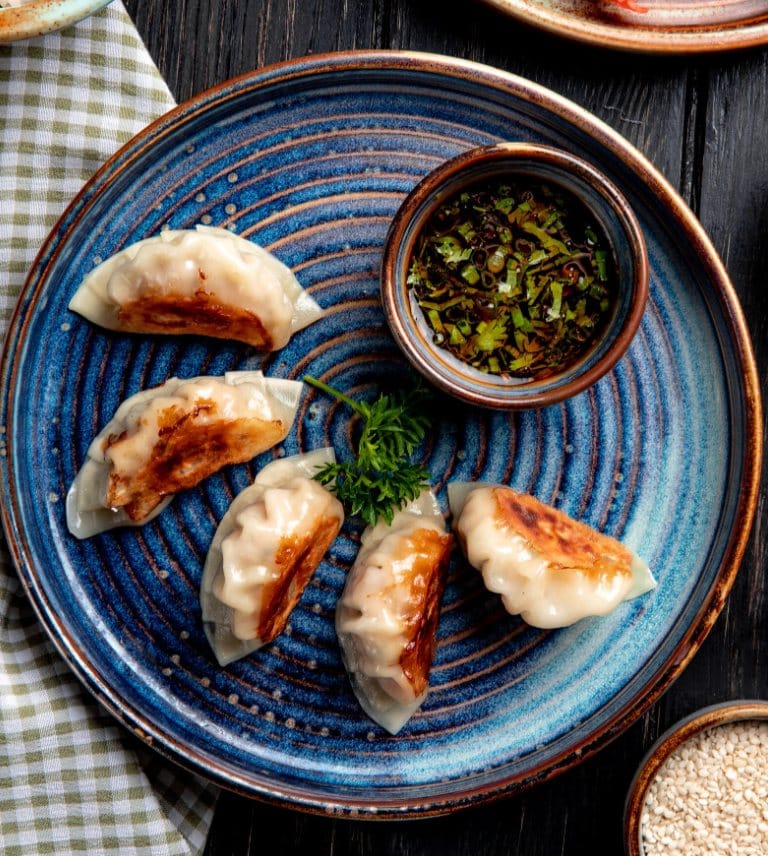
These soft dumplings bring a mix of Tibetan influence into the island’s food culture. Filled with vegetables or meat, they are widely loved as a snack.
Why try it: A versatile and filling street food option.
Taste & when to eat: Soft, juicy, and mildly spiced. Perfect for evening snacks or light meals.
Ingredients:
- Flour dough.
- Chicken or vegetables.
- Cabbage.
- Carrots.
- Onions.
- Garlic.
- Ginger.
- Soy sauce.
- Salt.
Recipe:
- Prepare the dough and roll it into small circles.
- Mix filling ingredients with spices and seasoning.
- Place filling inside and fold into dumplings.
- Steam momos until cooked through.
- Serve hot with spicy dipping sauce.
These dumplings are perfect for a quick and satisfying snack. Their soft texture and bold flavours reflect the diverse and evolving food culture of the Andaman Islands.
Looking for easy seafood snacks? Make fish cutlets that are crispy, flavourful, and great for tea-time or starters.
10. Fresh Fruit
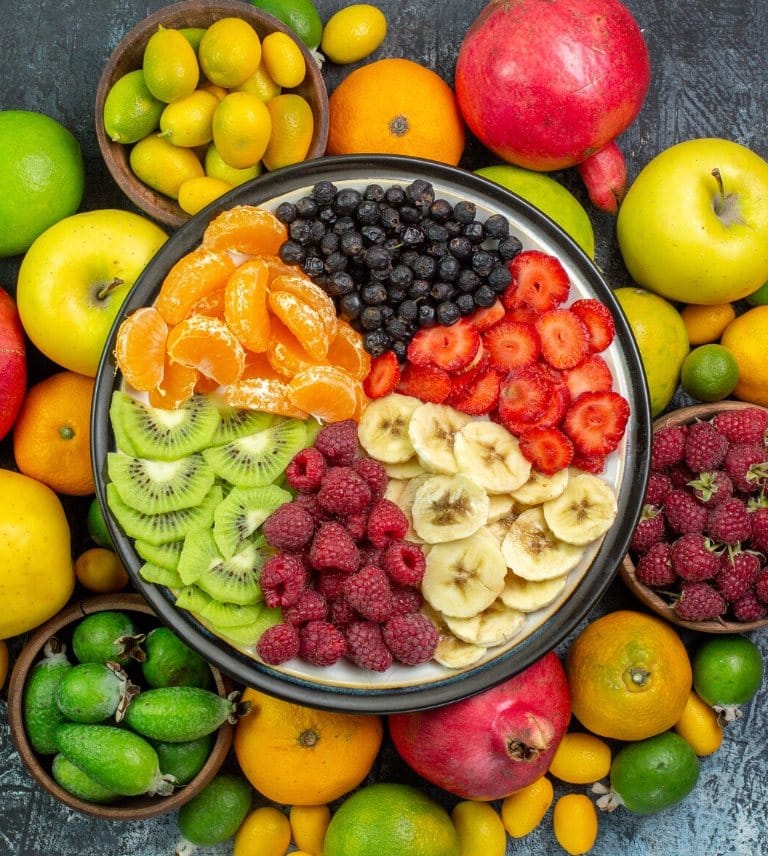
Fresh tropical fruits are a natural part of island dining, offering a refreshing contrast to rich dishes. Locally grown fruits add to their appeal.
Why try it: A simple and healthy option in warm climates.
Taste & when to eat: Sweet, juicy, and refreshing. Ideal for breakfast, snacks, or after meals.
Ingredients:
- Mangoes.
- Bananas.
- Pineapples.
- Guava.
- Fresh coconut.
Recipe:
- Wash and peel fruits as needed.
- Cut into bite-sized pieces.
- Arrange neatly on a plate or bowl.
- Serve fresh or slightly chilled.
- Optionally add a pinch of salt or chilli powder.
Enjoy it as a light snack, breakfast, or dessert after meals. It provides a naturally sweet and refreshing way to stay cool while exploring the islands.
11. Tandoori Fish
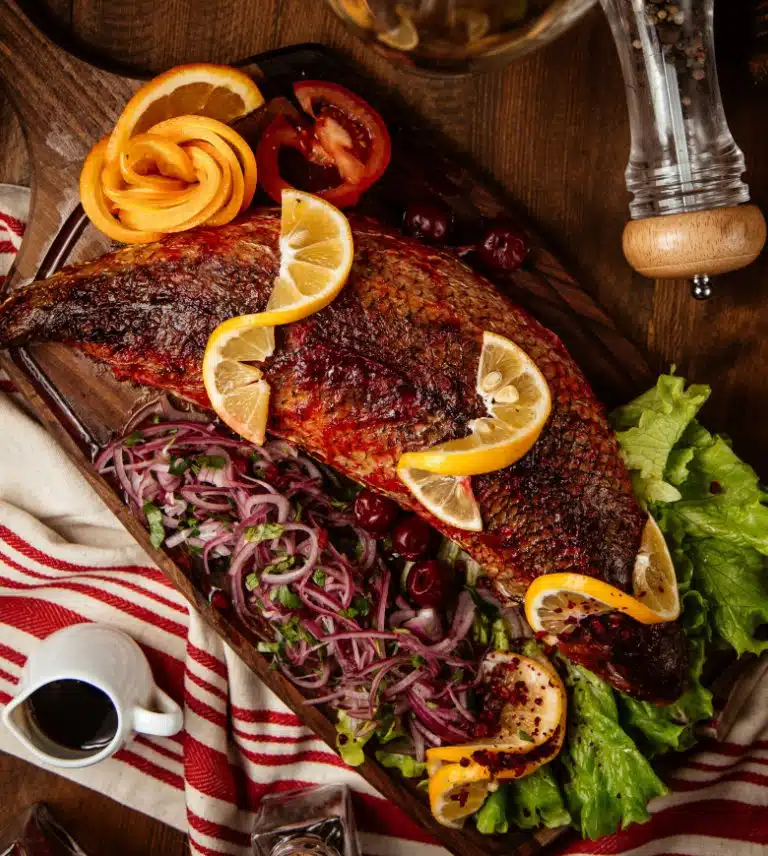
Tandoori fish blends smoky cooking techniques with coastal ingredients. Marinated in spices and cooked until tender, it is both flavourful and satisfying.
Why try it: A balanced mix of spice and smokiness.
Taste & when to eat: Slightly charred, juicy, and aromatic. Best served for lunch or dinner with light sides.
Ingredients:
- Fish fillets or whole fish.
- Yoghurt.
- Turmeric.
- Chilli powder.
- Garlic.
- Ginger.
- Lemon juice.
- Spices.
- Salt.
Recipe:
- Prepare marinade with yoghurt, spices, garlic, ginger, and lemon juice.
- Coat the fish thoroughly and let it marinate.
- Preheat tandoor or oven.
- Cook fish until tender and slightly charred.
- Remove and rest briefly before serving.
Serve it hot with lemon wedges and salad for a complete meal. The smoky flavour and juicy texture make it a memorable seafood dish.
Craving something rich and spicy? Cook a spicy fish curry that’s perfect with rice for a comforting meal.
12. Grilled Lobsters
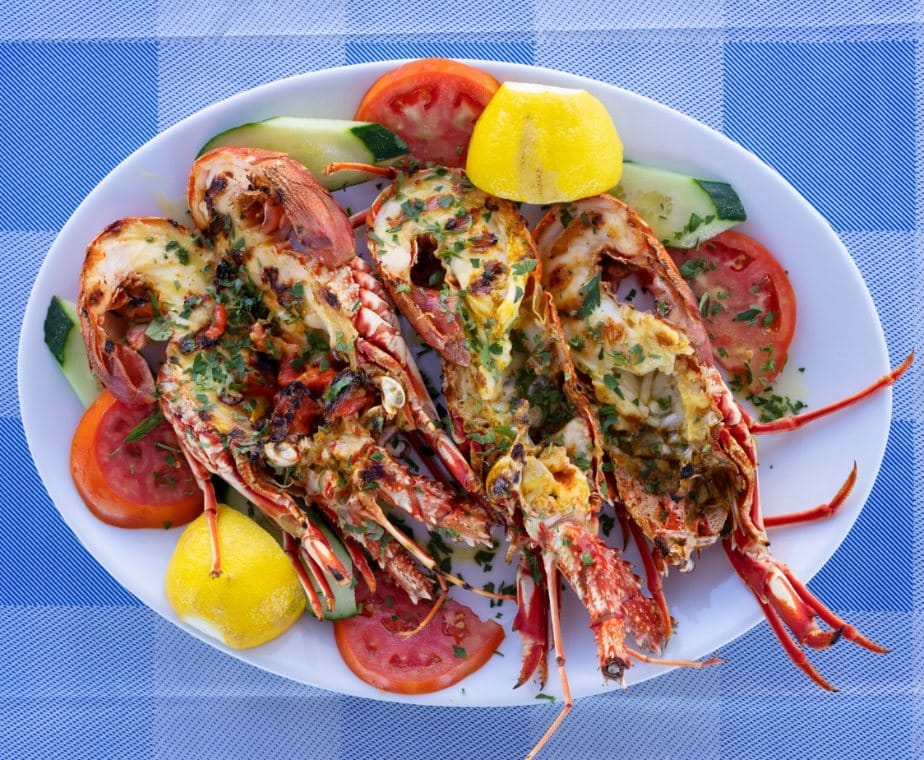
A premium seafood dish, grilled lobsters highlight the richness of fresh catch with minimal seasoning. It is often associated with special meals.
Why try it: A luxurious seafood experience.
Taste & when to eat: Rich, slightly sweet, and buttery. Best enjoyed during dinner or special occasions.
Ingredients:
- Lobster.
- Butter.
- Garlic.
- Parsley.
- Lemon juice.
- Chilli flakes.
- Salt.
Recipe:
- Clean and split the lobster in half.
- Brush with butter, garlic, and seasoning.
- Preheat grill or open flame.
- Place the lobster on the grill and cook evenly.
- Remove once tender and slightly charred.
This dish is best enjoyed fresh off the grill with scenic island views. Its rich flavour and simplicity make it a perfect choice for a special seafood meal.
13. Squid Fry
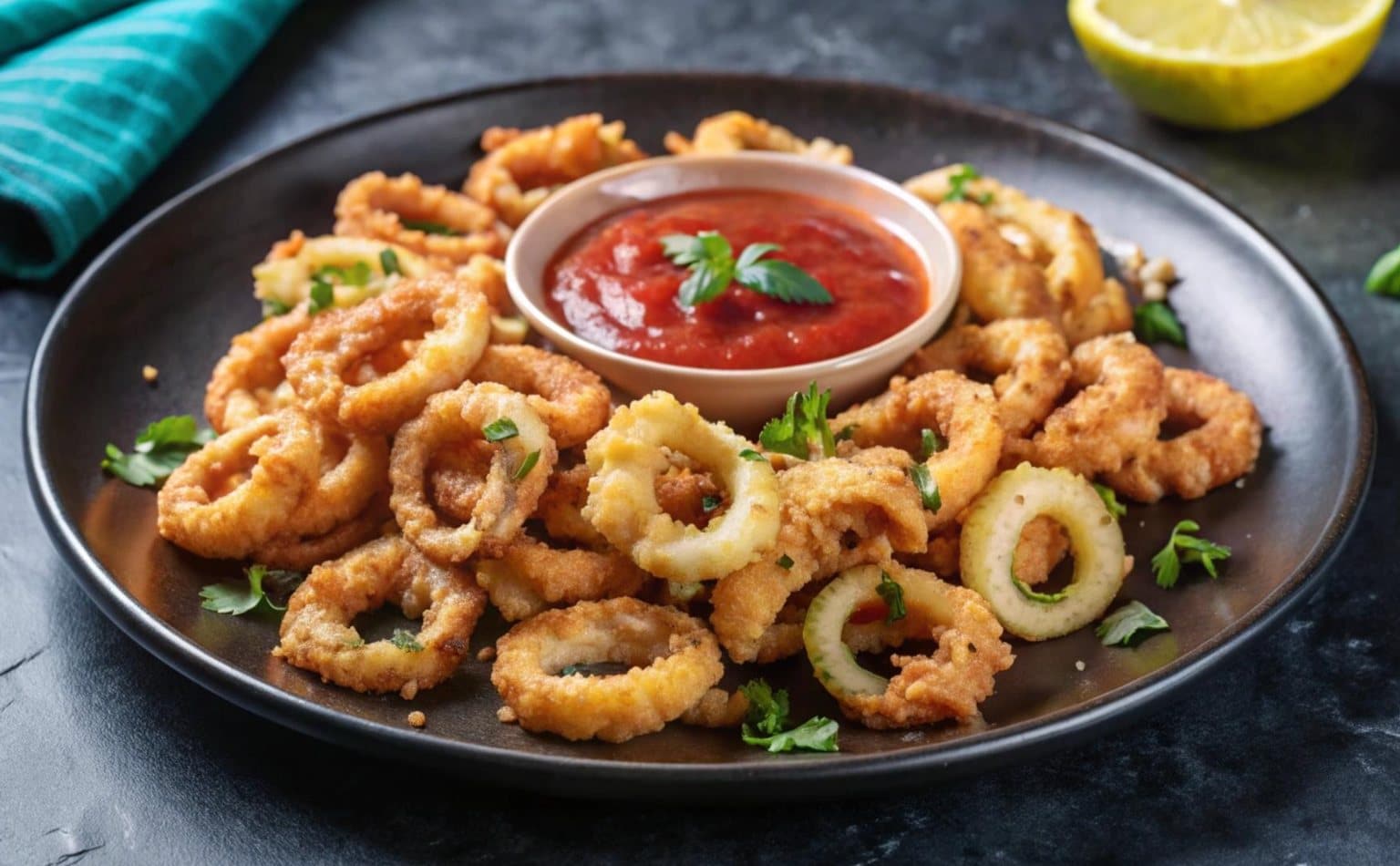
Squid fry is a light and crispy seafood snack that focuses on texture and freshness. It is simple yet flavourful.
Why try it: A quick and unique seafood option.
Taste & when to eat: Crispy with a mild seafood flavour. Ideal as a starter or evening snack.
Ingredients:
- Squid rings.
- Gram flour.
- Turmeric.
- Chilli powder.
- Garlic.
- Ginger.
- Salt.
- Oil for frying.
Recipe:
- Clean and cut squid into rings.
- Prepare a spiced batter using gram flour and seasonings.
- Coat squid pieces evenly in the batter.
- Heat oil and fry until golden and crispy.
- Remove and drain excess oil before serving.
Serve it hot with a squeeze of lemon or a dipping sauce. Its crispy texture and mild seafood flavour make it a perfect snack to enjoy by the beach.
14. Khadi Crabs
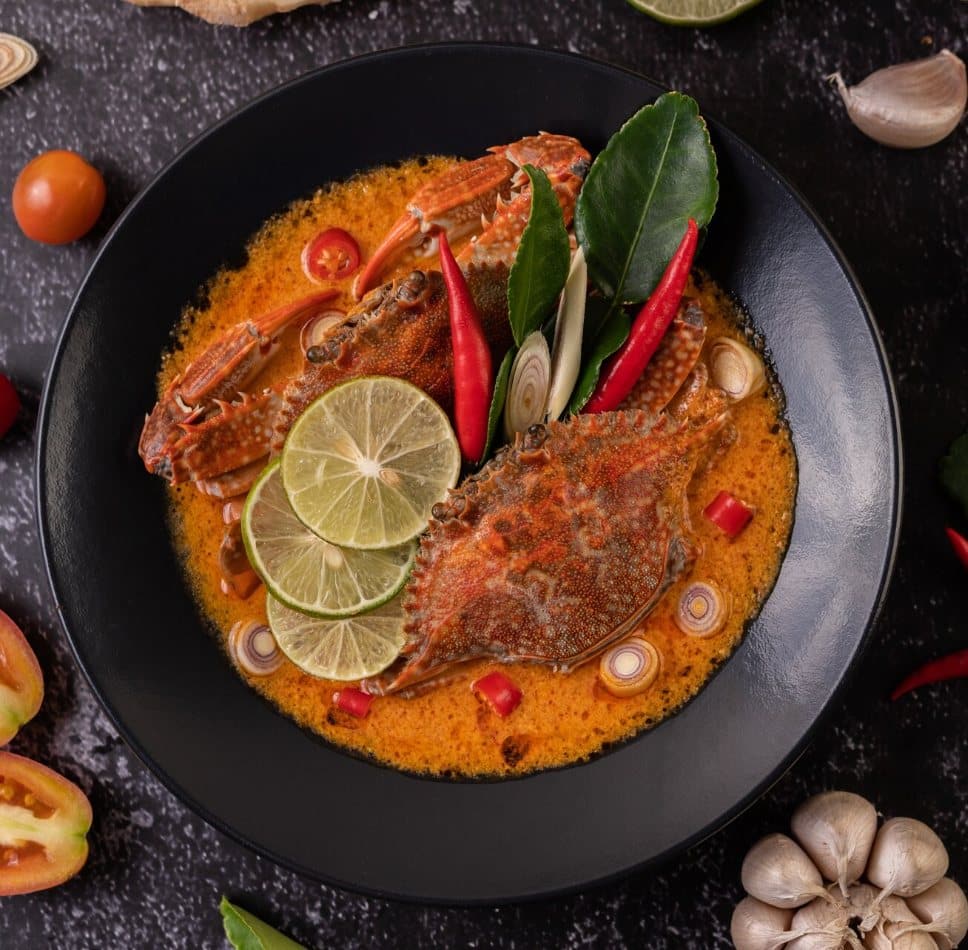
This crab curry is known for its bold spices and rich gravy. It offers a hands-on eating experience that is both messy and satisfying.
Why try it: A flavour-packed dish for seafood lovers.
Taste & when to eat: Spicy, rich, and slightly sweet from the crab meat. Best enjoyed for lunch with rice.
Ingredients:
- Fresh crabs.
- Onions.
- Tomatoes.
- Garlic.
- Ginger.
- Coriander seeds.
- Turmeric.
- Chilli powder.
- Oil.
- Salt.
Recipe:
- Clean and prepare the crabs properly.
- Heat oil and sauté onions, garlic, and ginger.
- Add tomatoes and cook until soft.
- Mix in spices and cook until aromatic.
- Add crabs and cook until fully done and coated in gravy.
Enjoy it with rice or bread to soak up the rich curry. The hands-on experience and bold flavours make it a memorable part of the island’s seafood culture.
Love bold and tangy flavours? Try an achari fish tikka recipe packed with spices and smoky goodness.
15. Lobster Thermidor (Andaman Style)
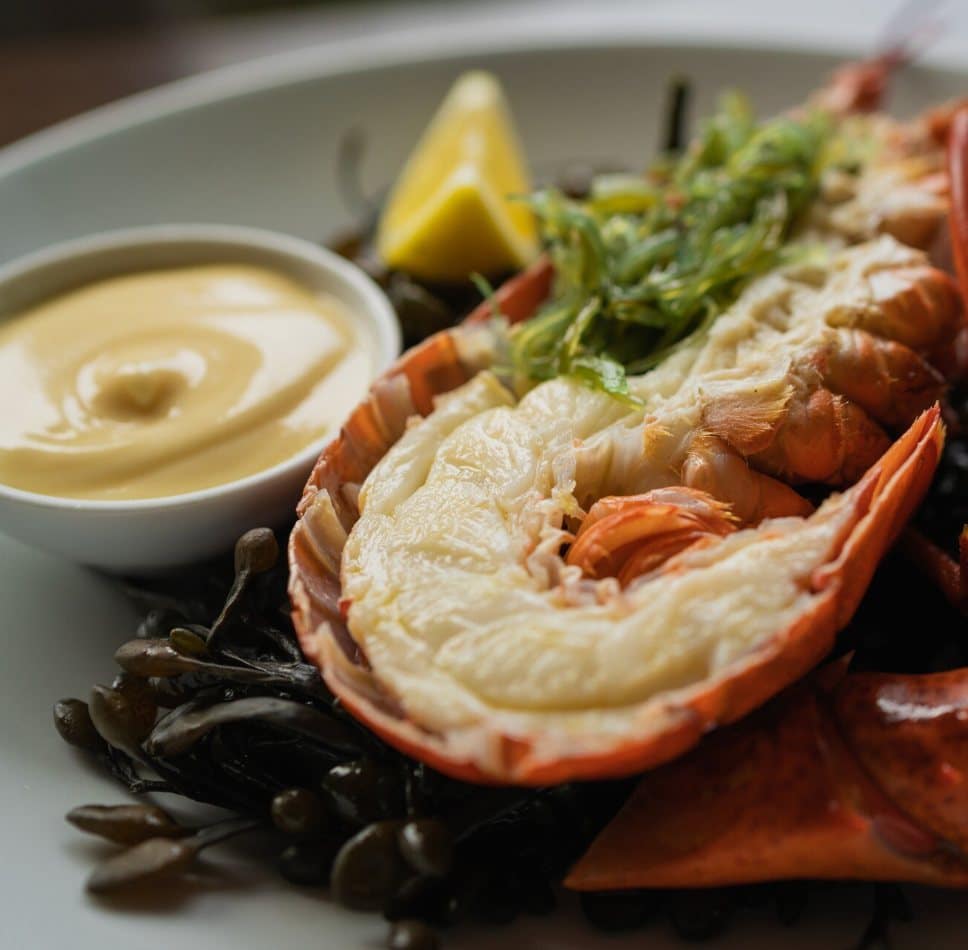
This dish combines global cooking techniques with local ingredients, creating a rich and creamy seafood preparation.
Why try it: A fusion dish with a refined taste.
Taste & when to eat: Creamy, slightly smoky, and indulgent. Ideal for special dinners.
Ingredients:
- Lobster meat.
- Butter.
- Garlic.
- Cream.
- Mustard paste.
- Cheese.
- Lemon juice.
- Salt.
Recipe:
- Cook lobster meat and remove from the shell.
- Sauté garlic in butter and add cream.
- Mix in mustard, lemon juice, and seasoning.
- Add lobster meat and coat well.
- Fill shells, top with cheese, and bake until golden.
This dish offers a luxurious seafood experience with a local twist. It perfectly represents how island flavours blend with global cooking styles.
16. Nicobari Chicken
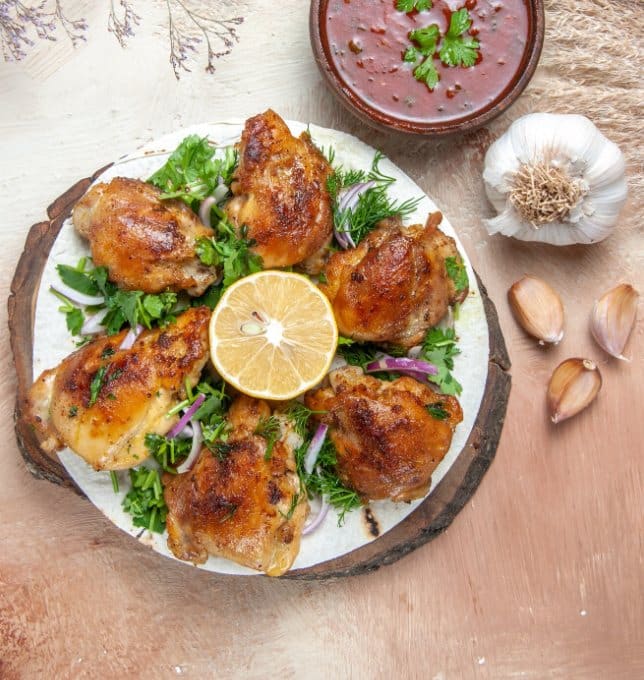
A traditional dish, Nicobari chicken is slow-cooked with coconut and minimal spices, focusing on natural flavours.
Why try it: Represents authentic tribal cooking.
Taste & when to eat: Mild, creamy, and comforting. Best for lunch or dinner when you want something simple yet satisfying.
Ingredients:
- Chicken.
- Coconut milk.
- Garlic.
- Ginger.
- Green chillies.
- Salt.
Recipe:
- Clean and cut the chicken into pieces.
- Add garlic, ginger, and green chillies.
- Pour coconut milk and mix well.
- Cook slowly on low heat.
- Simmer until the chicken is tender, and the flavours blend.
This dish is simple yet deeply flavourful, highlighting authentic tribal cooking methods. It delivers a comforting taste that feels both natural and wholesome.
Curious about coastal flavours? Explore the best cuisine of the Andaman and Nicobar Islands and discover unique seafood-rich dishes.
17. Breadfruit Curry
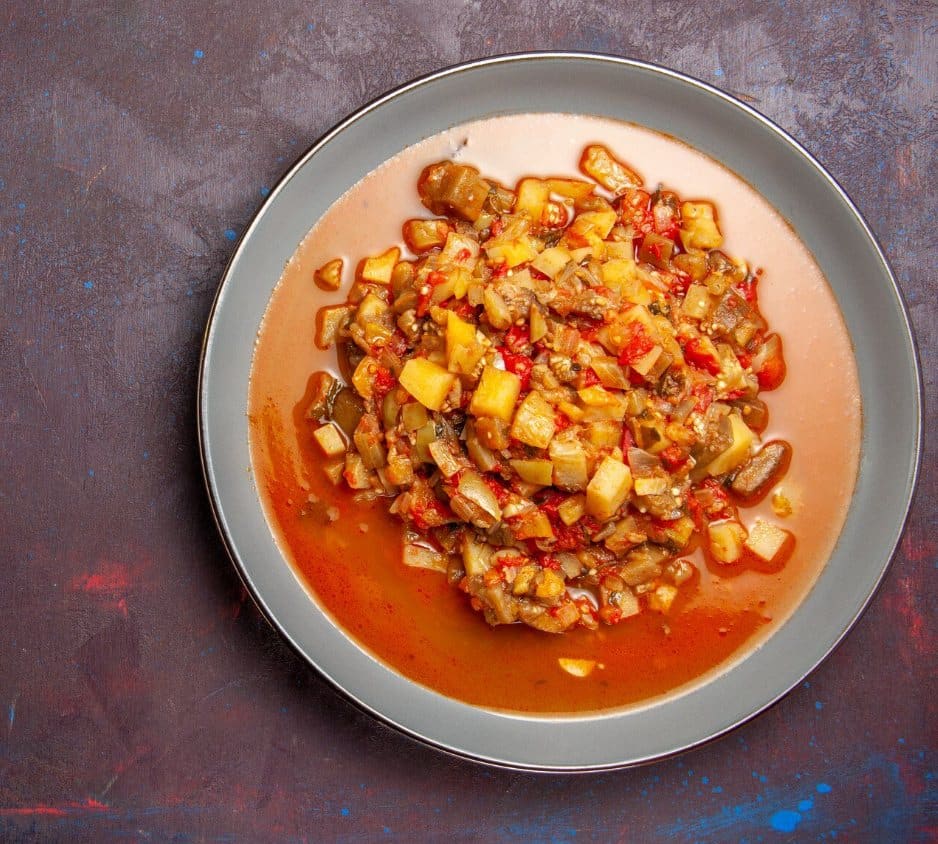
This unique dish uses breadfruit as a vegetable, offering a different texture and flavour compared to typical curries.
Why try it: A lesser-known but interesting vegetarian option.
Taste & when to eat: Soft, mildly spiced, and slightly creamy. Suitable for everyday meals.
Ingredients:
- Breadfruit.
- Coconut milk.
- Turmeric.
- Garlic.
- Curry leaves.
- Oil.
- Salt.
Recipe:
- Peel and cut breadfruit into chunks.
- Heat oil and sauté garlic and curry leaves.
- Add breadfruit and spices.
- Pour coconut milk and simmer gently.
- Cook until soft and well-coated.
Serve it with rice for a wholesome island-style meal. Its unique texture and flavour make it a must-try vegetarian dish.
18. Tribal Smoked Fish
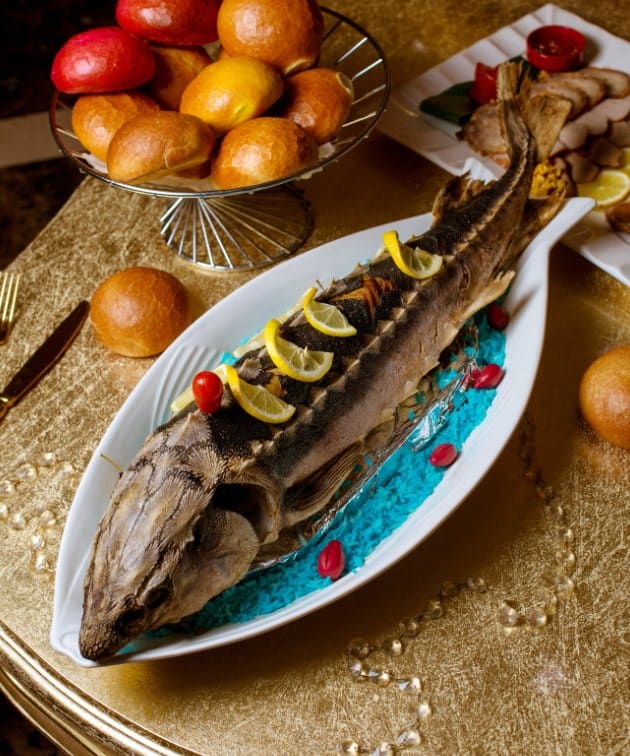
Prepared using traditional smoking methods, this dish delivers a deep and earthy flavour rarely found in regular seafood dishes.
Why try it: A true representation of indigenous cooking.
Taste & when to eat: Smoky, intense, and rustic. Best enjoyed for dinner or special cultural meals.
Ingredients:
- Fresh fish.
- Salt.
- Local herbs.
- Wood fire for smoking.
Recipe:
- Clean and season the fish with salt and herbs.
- Prepare a low wood fire for smoking.
- Place the fish over the smoke and cook slowly.
- Turn occasionally for even smoking.
- Remove once fully cooked and aromatic.
This dish delivers a bold, rustic flavour rooted in indigenous cooking. It offers an authentic taste of island traditions rarely found elsewhere.
19. Pumpkin Coconut Curry
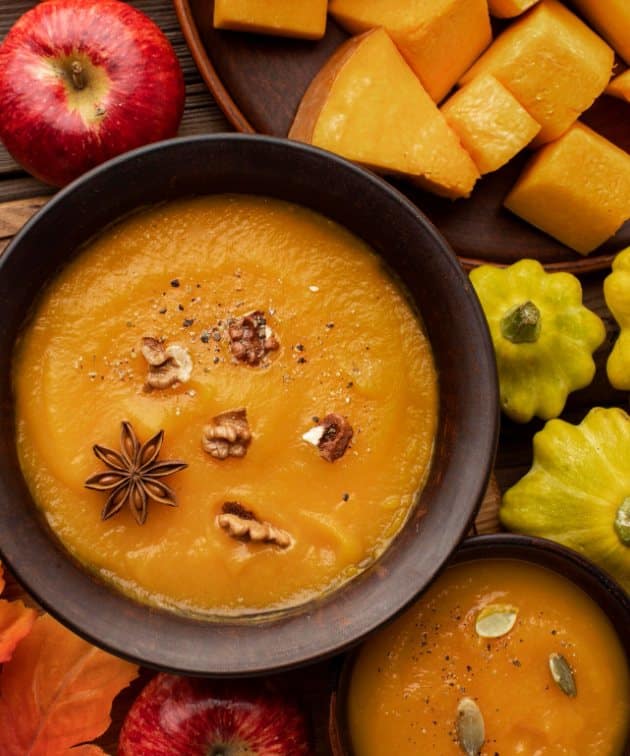
This vegetarian curry combines pumpkin with coconut, creating a balanced dish that is both light and flavourful.
Why try it: A simple yet satisfying vegetarian choice.
Taste & when to eat: Mildly sweet, creamy, and comforting. Perfect for lunch or light dinners.
Ingredients:
- Pumpkin.
- Coconut milk.
- Mustard seeds.
- Curry leaves.
- Green chillies.
- Oil.
- Salt.
Recipe:
- Cut the pumpkin into small pieces.
- Heat oil and add mustard seeds and curry leaves.
- Add pumpkin and sauté briefly.
- Pour coconut milk and simmer.
- Cook until the pumpkin is soft and the flavours blend.
This dish pairs well with rice and offers a light yet satisfying meal. Its gentle sweetness makes it appealing to all taste preferences.
20. Reef Fish Curry
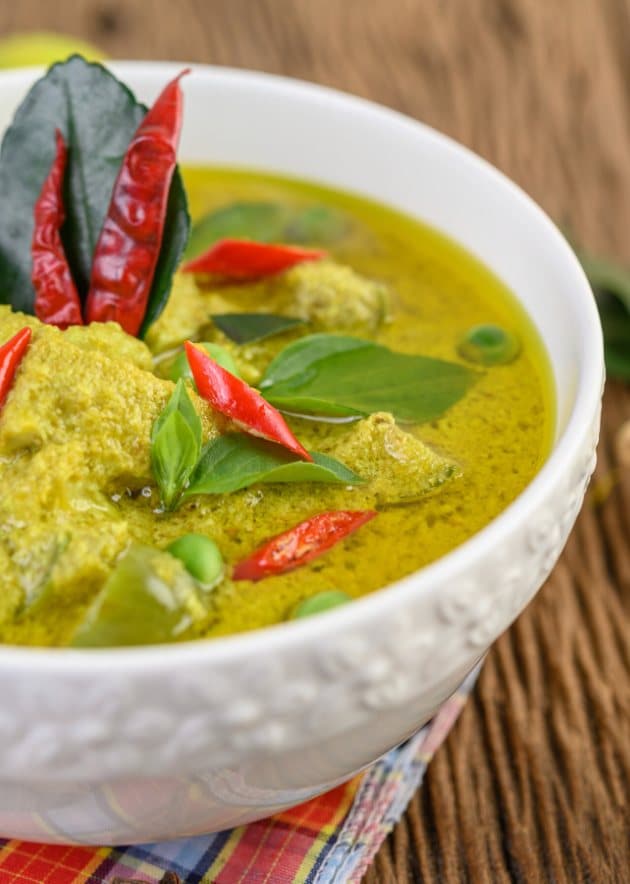
Reef fish curry highlights the freshness of locally sourced fish combined with coconut and spices. It is a signature coastal dish.
Why try it: Offers a distinct island flavour.
Taste & when to eat: Fresh, slightly tangy, and well-balanced. Best enjoyed with rice for lunch or dinner.
Ingredients:
- Reef fish.
- Coconut milk.
- Turmeric.
- Garlic.
- Ginger.
- Tamarind.
- Oil.
- Salt.
Recipe:
- Clean and cut the fish into pieces.
- Heat the oil and sauté the garlic and ginger.
- Add spices and cook briefly.
- Pour coconut milk and tamarind.
- Add fish and simmer until cooked.
Enjoy it with steamed rice for a complete coastal meal. The freshness of the fish and bold flavours of various spices make it a true island speciality.
What Makes Andaman and Nicobar Cuisine Unique?
The cuisine of the Andaman and Nicobar Islands is shaped by its geography, blending fresh seafood with locally grown spices and diverse cultural influences, creating flavours that are both rich, distinct, and deeply rooted in island life.
Food here reflects a mix of ocean-driven ingredients and traditional cooking styles, where coconut, spices, and fresh produce come together to create dishes that feel both familiar and unique.
How Are Seafood and Local Spices Used in Andaman Cuisine?
At the core of Andaman cuisine is the abundant use of fresh seafood combined with locally sourced spices, creating dishes that are flavourful, aromatic, and strongly influenced by the surrounding environment.
- Fresh Seafood Selection: Fish, prawns, crab, and lobster form the base of many dishes.
- Native Island Spices: Cinnamon, cloves, nutmeg, and pepper add depth and aroma.
- Balanced Flavour Profiles: Coconut, chillies, and turmeric create rich, layered tastes.
What Ingredients Define Andaman and Nicobar Food?
The distinct taste of Andaman cuisine comes from a combination of fresh ocean ingredients and tropical produce, which together create a unique and memorable culinary experience.
- Seafood Variety: Tuna, mackerel, prawns, squid, and lobster are widely used.
- Spice Combinations: Local and Indian spices blend to create familiar yet exotic flavours.
- Coconut-Based Elements: Coconut milk and water are essential in many dishes.
Conclusion
Exploring the culinary treasures of the Andaman and Nicobar Islands reveals a vibrant tapestry of flavours that reflect the region’s rich heritage. From the zesty Fish Curry to the delightful Coconut Prawn Curry, these dishes showcase the unique blend of local seafood and island spices.
Barbeque food in the Andaman Islands especially enhances the whole eating experience, delighting taste buds with smoky flavours and attracting foreign tourists looking for authentic coastal dining.
Whether you are indulging in street food favourites or gourmet seafood delicacies, each bite offers an experience steeped in culture and tradition.
Frequently Asked Questions
What are the main differences between Andaman and Nicobar cuisine and mainland Indian food?
The cuisine of Andaman leans heavily on seafood, unlike mainland indian cuisines which feature diverse meats and grains. Coastal cooking uses coconut and lighter gravies, creating a simpler, fresher flavour profile shaped by island life and ocean access.
Are there vegetarian options available in Andaman and Nicobar food?
Yes, vegetarian choices are widely available across the best places in Andaman, including restaurants and cafes. From vegetable curries to breads and rice dishes, travellers can enjoy satisfying meals that reflect both island flavours and familiar mainland cooking styles.
What desserts or sweets are traditional to the Andaman and Nicobar Islands?
Desserts are simple and refreshing, often featuring tropical fruits and coconut-based preparations. Fresh juices and coconut water are commonly enjoyed after meals, offering a naturally sweet finish that suits the warm climate and enhances the overall dining experience.
What are the must-try traditional dishes of Andaman and Nicobar Islands?
Must-try local dishes include fish curry, coconut prawn curry, grilled seafood, and Nicobari chicken. These dishes highlight fresh ingredients and coastal flavours, giving visitors an authentic taste of island cooking that reflects both tradition and regional diversity.
Can you describe the main ingredients commonly used in Andaman and Nicobar food?
Common ingredients include fresh seafood, coconut, rice, and aromatic elements like turmeric powder and herbs. These are combined with simple cooking techniques to create balanced dishes that emphasise natural flavours rather than heavy or overly complex spice blends.
Are there any unique seafood dishes in the Andaman and Nicobar Islands cuisine?
Yes, dishes like grilled lobster, reef fish curry, and crab preparations showcase the freshest seafood available. These recipes focus on minimal seasoning, allowing the natural taste of the ocean to stand out while still delivering rich and satisfying flavours.
Where can I find authentic local food in Port Blair?
You can find authentic food at popular spots like the New Lighthouse Restaurant, known for seafood and local flavours. Small eateries and markets also serve traditional meals loved by both locals and visitors.
What is the main food crop of Andaman and Nicobar Islands?
Rice is the main food crop and forms the base of most meals in the Andaman. It is commonly paired with curries, seafood, and vegetables, creating balanced plates that reflect the island’s agricultural practices and reliance on simple, staple ingredients.
What is the most popular street food of Andaman and Nicobar Islands?
Popular street foods include fish pakoras, samosas, and cutlets, often sold by street vendors across busy areas. These snacks are quick, affordable, and flavourful, making them a favourite choice for both locals and travellers exploring the islands.
What is the traditional food of Andaman Nicobar?
Traditional food focuses on seafood, coconut-based curries, and simple preparations influenced by tribal cooking. Combined with local spices of Andaman, these dishes create a unique flavour profile that reflects the island’s culture, geography, and connection to the sea.