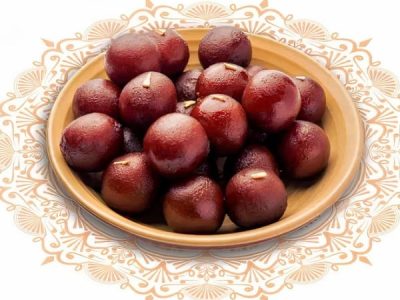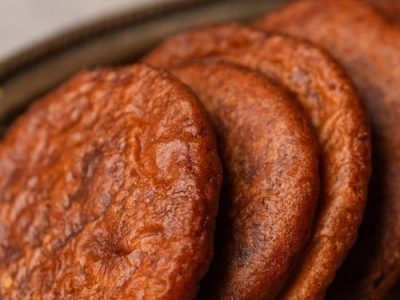
Kheerer Chop has earned its place in my kitchen for one simple reason: it uses up a large quantity of milk in a way that feels genuinely worth the effort. I often find myself with two litres sitting in the fridge that need to be used, and this is the recipe I reach for on those days. The process of reducing the milk down slowly, watching it thicken and pull away from the sides of the pan, is almost meditative.
What I find most familiar about this recipe is the nutmeg. That single sliver, powdered and stirred in right at the end, gives the kheer a warmth that I would notice immediately if it were missing. It is a small detail, but it is the one that makes this taste like mine.
About the Recipe
Every ingredient in this recipe is a kitchen staple – milk, flour, sugar, a little ghee, suji, and bread for the kheer filling. Nothing here requires a special trip to a market. The whole process from start to finish takes roughly one to one and a half hours, with the kheer reduction taking the longest stretch.
I would make this for a small gathering or a festive occasion at home where I want to serve something handmade without spending an entire day cooking. The yield is generous, and the chops hold their shape well once fried.
Why you will love this recipe
The filling is what sets this apart from most fried sweets. Reducing two litres of milk down to a thick, concentrated kheer gives the inside a richness that no shortcut can replicate. The powdered toast mixed into the kheer acts as a binder, which means the filling holds together cleanly when you bite through the fried shell.
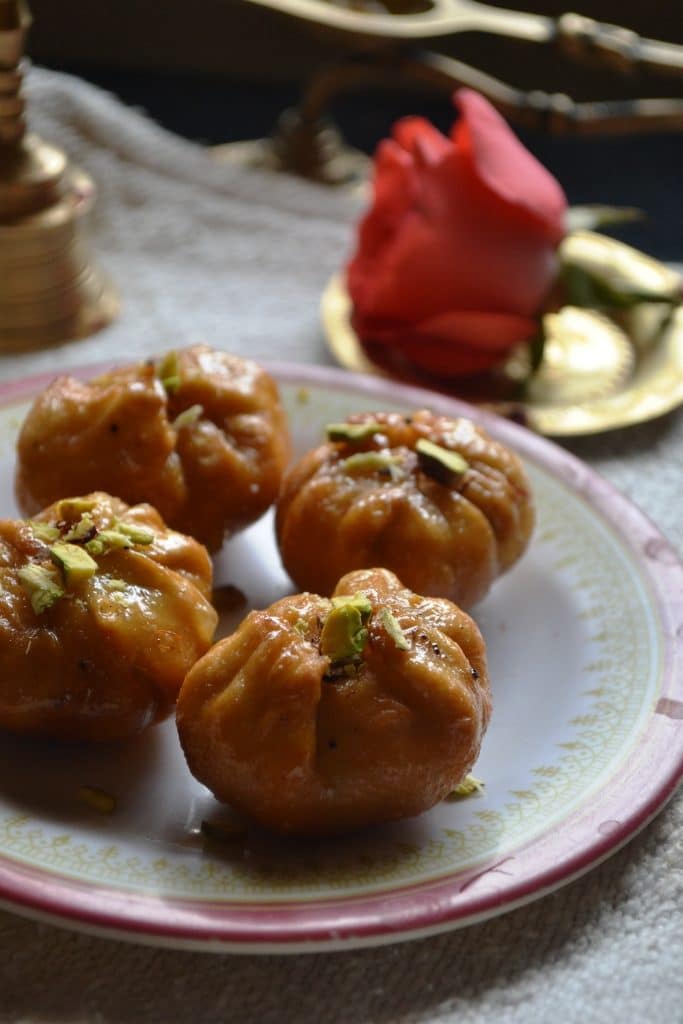
That contrast, the faint crunch of golden dough giving way to soft, milky kheer, is something you do not get from store-bought sweets. The sugar syrup adds another layer without being heavy. A quick toss is all it takes, and the syrup clings to the surface rather than soaking in, so the outer shell stays crisp for a while after serving.
Cooking Tips
The most common mistake beginners make is rushing the kheer. If you reduce the milk at too high a flame, it scorches at the bottom and the whole batch picks up a burnt taste. Keep the heat medium to low and stir regularly, especially once the suji and powdered toast go in and the mixture starts to thicken. When sealing the dough around the filling, make sure there are no cracks or gaps. Any opening will let hot oil into the chop while frying, and the filling will ooze out and burn.
Top Tips
- Reduce the milk on medium heat and stir every few minutes once the sooji goes in, because the mixture catches and scorches faster at this stage than earlier in the cooking.
- Toast the bread until it is stiff and dry but still pale; if it browns, it will add a slightly bitter note to the kheer that you do not want.
- Keep the dough on the firmer side rather than soft. A slack dough will tear when you stretch it over the filling and will not hold its shape during frying.
- Fry the chops on medium heat rather than high. High heat will brown the outside before the dough cooks through, leaving a doughy interior.
- Let the sugar syrup cool to room temperature before tossing the chops in it. Hot syrup on freshly fried chops can make the shell go soft.
- Make the kheer ahead of time if needed; it keeps well covered in the fridge for a day, and cold kheer is actually easier to work with when filling the dough.
Serving and Storing Suggestions
Prep time is about 30 minutes for the dough and syrup, with the kheer taking an additional 40 to 50 minutes to reduce. Frying time is roughly 15 to 20 minutes depending on batch size. This recipe makes about 12 to 15 chops, serving 6 to 8 people as a dessert. Serve them at room temperature shortly after frying.
Leftovers can be stored in an airtight container at room temperature for up to one day, or refrigerated for up to two days. Reheat lightly in a dry pan if you prefer them warm.
Kheerer Chop
Ingredients
- 200 gms Flour
- 2 tsp Sugar
- 1 1/2 - 2 litres Milk
- 3 tsp Suji
- 2 - 3 Bread (toasted stiff but not brown and powdered)
- 1 sliver Nutmeg (powdered)
- Ghee and oil as required
To make dough:
- 250 gms Flour
- 4 tsp Sugar
- Water as required
- 2 tsp Ghee
For sugar syrup
- 4 cups Water
- 2 cups Sugar
Instructions
To make kheer:
- Boil the milk in a pan.
- Add about 2 tsp of sugar and 1 tsp of suji.
- Let the mixture thicken and be reduced to about half its original quantity.
- Add another 2 tsp of sooji and the powdered toast.
- Let the kheer thicken a little more.
- Finally add the nutmeg.
- Remove from heat and set aside.
To make dough:
- Make the dough by mixing the flour, ghee, sugar and water.
To make sugar syrup:
- Boil water in a pan and add sugar to it.
- Stir and heat the mixture till it acquires a very thick consistency.
- Remove from flame and set aside to cool.
- Method for chop
- Take a portion of the dough and put a little kheer in the centre.
- Seal the mixture by stretching the dough over it very slowly.
- Form an oval shape with it by gently putting it with the hand.
- Heat some oil in a shallow pan.
- Deep fry the chops till they turn golden brown in colour.
- When cooked, gently toss them in the sugar syrup and serve.
Sign up for our newsletter
Add Awesome Cuisine as a Preferred Source

Frequently Asked Questions
My kheer filling is too runny and keeps spilling out when I try to fill the dough. What went wrong?
The kheer was not reduced enough. It needs to be thick enough to hold its shape when spooned, almost like a soft set. If it is still flowing loosely, return it to the heat and cook it down further, stirring constantly. You can also spread it on a plate and refrigerate it for 20 to 30 minutes before filling, which firms it up considerably.
The dough kept tearing when I tried to stretch it over the filling. How do I prevent this?
The dough is likely too soft or was rolled too thin. Keep the dough slightly firm when mixing and do not overwork it once it comes together. When filling, take a portion that is large enough to wrap generously around the kheer without being stretched to its limit. Work slowly and press the seam firmly to close it.
Can I use semolina flour instead of regular flour for the outer dough?
It is best to stick with plain flour for the dough. Semolina on its own does not bind the same way and will give you a grainy, crumbly shell that does not fry evenly. The sooji in this recipe belongs only in the kheer filling, where it helps with thickening.
The chops turned dark brown on the outside, but the dough inside still tasted raw. Where did I go wrong?
The oil was too hot when you added the chops. Deep frying on high heat browns the surface quickly without giving the dough time to cook through. Bring the oil to a medium heat, around 160 to 170 degrees Celsius, and fry the chops slowly, turning them gently so they colour evenly on all sides.
How do I know when the sugar syrup is thick enough?
Drop a small amount of the syrup onto a cold plate. It should sit in a thick pool rather than spreading out like water. Another way to check is to dip a spoon in and let the syrup drip off; it should fall in slow, heavy drops rather than a thin stream. If it sets into a hard thread on the plate, it has gone too far and will crystallise on the chops.