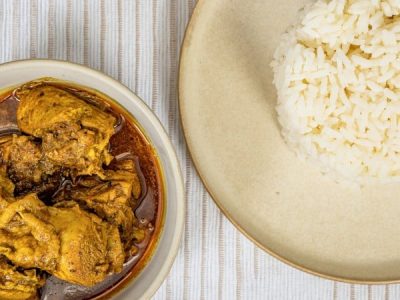
Stir Fried Chicken showed up in my weekly rotation after a particularly hectic month when I needed something that tasted complex but did not ask for constant attention. My neighbour had made a version during a lunch gathering, and I noticed how the gravy clung to the chicken without pooling at the bottom of the serving dish.
That balance between dry and saucy struck me as ideal for pairing with rotis or even plain rice. I started making it at home and found that the two step cooking method, searing first and then simmering briefly, keeps the chicken from turning rubbery. The tamarind tang also makes it taste less heavy than cream based curries, which I appreciate when cooking for a full meal.
About the Recipe
This recipe uses ingredients that are easy to find in most Indian kitchens. The marinade takes half an hour, and the cooking itself wraps up in under thirty minutes if you have everything prepped. I reach for this when I want something flavourful but not too rich, especially on nights when I am serving it with plain parathas or steamed rice.
The spice blend leans warm rather than fiery, so you can adjust the red chilli powder if you prefer more heat. It also reheats well the next day, which makes it useful for meal planning.
Why you will love this recipe
The two stage cooking gives you tender chicken with a concentrated coating of spices rather than a watery gravy. Searing the marinated pieces first locks in moisture and adds a slight caramelized edge, while the second simmer with tamarind and spice powders builds depth without much hands on stirring.
The aromatics, curry leaves and ginger garlic, bloom twice in the oil, which strengthens their presence in the final dish. The finish of lemon juice and crushed black pepper adds brightness that balances the earthy spices. It pairs well with both Indian breads and rice, and the flavour holds up even after a day in the fridge.

Cooking Tips
Do not skip the step of removing and reserving the oil after the first sear. If you leave the chicken in while frying the onions and tomatoes, it overcooks and turns chewy. The tamarind pulp can turn bitter if you add too much of the outer husk, so squeeze it well and discard the fibres. When the recipe says cook till oil separates, watch for small pools of oil forming at the edges of the masala.
That is your signal to add the chicken back in. If the gravy looks too thick towards the end, add a few tablespoons of water rather than letting it stick to the pan.
Top Tips
- Use boneless thighs instead of breast if you want juicier results. Thighs handle the double cooking better without drying out.
- Pound the black peppercorns just before adding them. Pre ground pepper loses its punch and tastes flat in this dish.
- If fresh curry leaves are not available, skip them rather than using dried. Dried curry leaves add bitterness instead of fragrance.
- You can marinate the chicken the night before and keep it in the fridge. Bring it to room temperature fifteen minutes before cooking.
- Adjust the tamarind quantity based on how sour your batch is. Taste the pulp before adding it all at once.
Serving and Storing Suggestions
This recipe serves four people comfortably when paired with rice or rotis. The total prep time, including marination, is around one hour, though the active cooking takes about thirty minutes. Serve it hot, garnished with fresh coriander leaves, alongside steamed basmati rice or whole wheat parathas. It also pairs well with plain raita or a simple onion salad.
Store leftovers in an airtight container in the fridge for up to two days. Reheat gently on the stovetop with a splash of water to loosen the gravy. Freezing is possible but the texture of the chicken softens slightly after thawing.
Similar Recipes
- Chicken Chettinad
- Pepper Chicken Fry
- Andhra Chicken Curry
- Gongura Chicken
Nutrient Benefits
Chicken provides lean protein, which supports muscle repair and keeps you full longer. Ginger and garlic offer anti inflammatory properties and aid digestion, especially helpful in spice heavy meals. Turmeric contains curcumin, which has antioxidant benefits and supports joint health. Tamarind adds vitamin C and helps with iron absorption when paired with protein.
Black pepper contains piperine, which can improve nutrient absorption and support metabolism. Curry leaves add small amounts of iron and calcium, and their aroma can stimulate digestive enzymes. Using groundnut oil instead of saturated fats keeps the dish lighter while still allowing the spices to bloom properly.

Stir Fried Chicken
Ingredients
- 1 kg Chicken
- 1/2 tsp Red Chilli Powder
- 1 tsp Turmeric Powder
- Salt to taste
- 3 tbsp ginger Paste
- 2 tbsp Garlic Paste
- 1/2 cup Groundnut Oil
- 5 tsp Tamarind
- 12 Curry Leaves
- 5 tsp Onions (chopped)
- 1/2 cup Tomatoes (chopped)
- 1/2 tsp Green Cardamom Powder
- 1/2 tsp Coriander Powder
- 1/2 tsp Clove Powder
- 1/2 tsp Cinnamon Powder
- 1/2 tsp Black Peppercorns (pounded)
- 3 tbsp Lemon Juice
- 4 tsp Coriander Leaves (chopped)
Instructions
- Clean the chicken, debone and cut into 1 1/2 inch cubes.
- Mix red chilli powder, turmeric powder and salt with half of the ginger and garlic pastes and rub this marinade onto the chicken pieces.
- Keep aside for 30 minutes.
- Heat oil in a kadai.
- Add the marinated chicken and saute over medium heat until evenly light brown.
- Remove and reserve oil.
- Soak the tamarind in 5 tsp water for 10 minutes.
- Mash well, squeeze out pulp and discard.
- Reheat the reserved oil, add the curry leaves and stir.
- Add onions and saute until light brown.
- Add the remaining ginger and garlic pastes and tomatoes.
- Cook till oil separates.
- Stir in cardamom, coriander, clove and cinnamon powders along with tamarind.
- Cook for 5 minutes.
- Add chicken pieces and 1 cup water.
- Bring to a boil.
- Cook till the gravy coats the chicken pieces.
- Sprinkle black peppercorns and lemon juice.
- Garnish with coriander leaves.
- Serve hot.
Sign up for our newsletter
Add Awesome Cuisine as a Preferred Source

Frequently Asked Questions
My chicken turned dry and stringy even though I followed the timing. What went wrong?
You likely used breast meat or cooked it on high heat during the first sear. Use boneless thighs if possible, and keep the heat at medium when browning the chicken. Thighs have more fat and stay moist through two rounds of cooking.
The gravy turned out watery and did not coat the chicken. How do I fix this?
You probably added too much water in step fifteen or did not cook it long enough after adding the chicken back. Let it simmer uncovered on medium heat until the liquid reduces and the masala thickens enough to cling. Stir occasionally to prevent sticking.
Can I skip the tamarind or use something else instead?
You can substitute with two tablespoons of lemon juice or one tablespoon of amchur powder, but add it at the end rather than cooking it with the masala. Tamarind gives a deeper sour note, so the flavour will change slightly.
The oil separated during the first stage but not when I cooked the onions and tomatoes. Should I wait longer?
Yes, keep cooking on medium heat and stir occasionally. If the masala starts sticking to the pan before the oil separates, add a tablespoon of water and scrape the bottom. This helps the tomatoes break down and release their moisture.
How do I store leftover tamarind pulp if I soaked more than I needed?
Keep it in a small airtight container in the fridge for up to three days. You can also freeze it in ice cube trays for up to a month and thaw as needed for other curries or rasam.