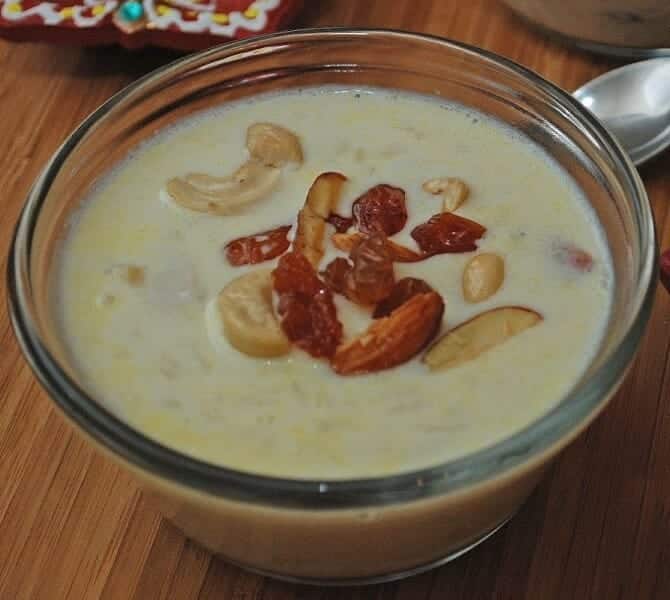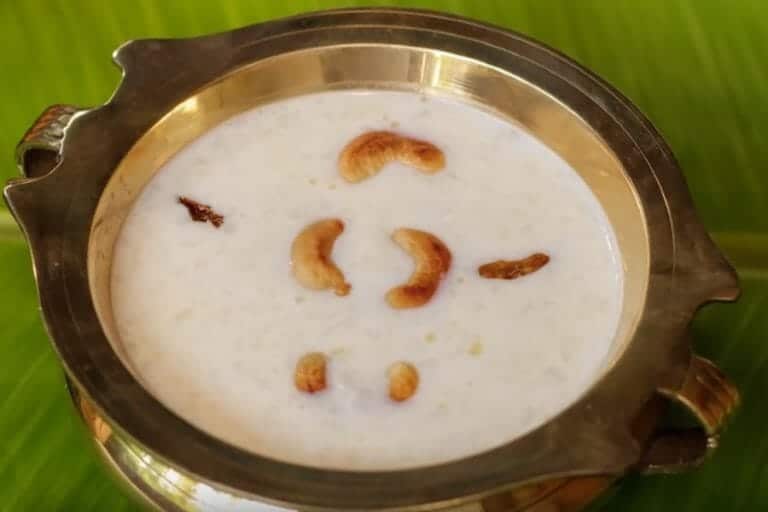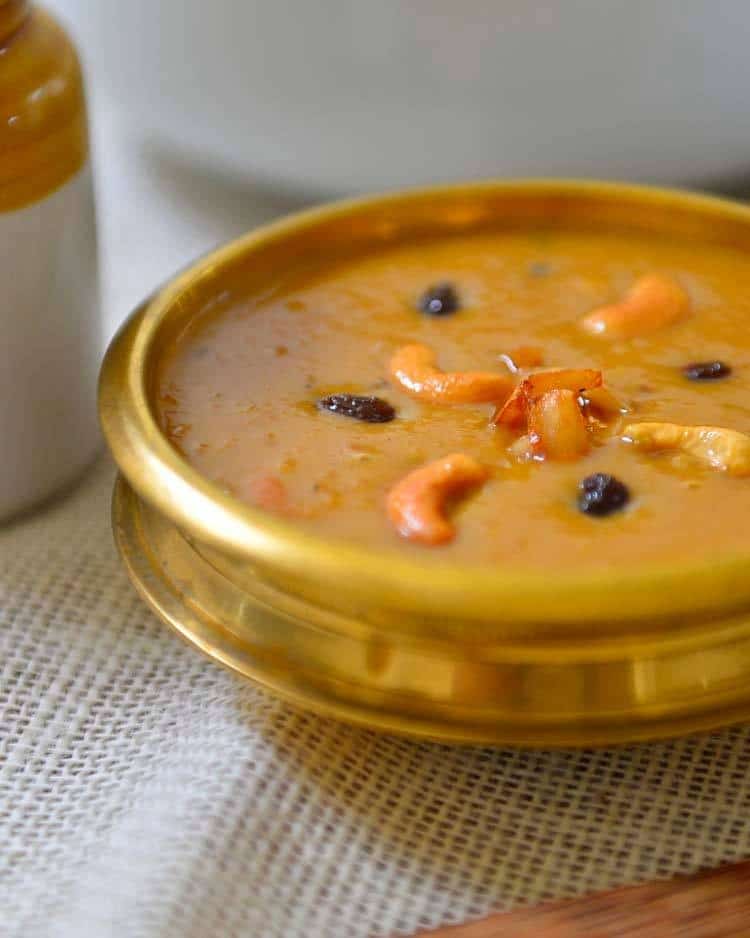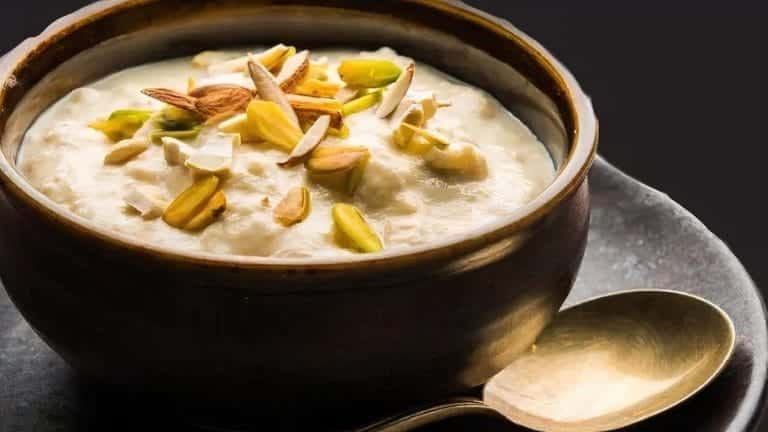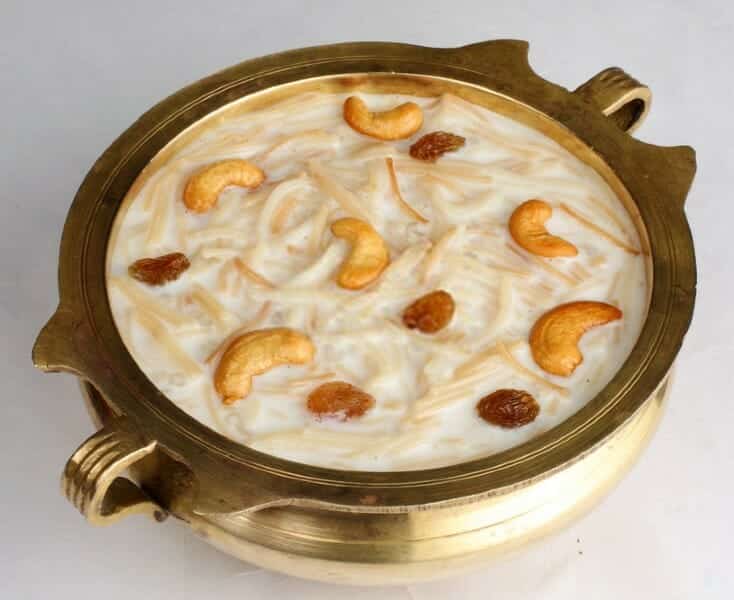
Nendram Pazham Pradhaman is one of those desserts my grandmother made for Onam sadhya every year, and I still remember the smell of ghee and banana hitting the hot pan. She always insisted on using nendram pazham, the firm plantain variety, because it holds its shape better and does not turn mushy the way regular bananas do.
I started making this at home a few years ago when I wanted something festive but quicker than the traditional ada pradhaman. The trick is to cook the mashed banana in ghee until it darkens slightly and smells almost caramelized. That step makes all the difference between a flat dessert and one that tastes like you put in real effort.
About the Recipe
This recipe uses ingredients you can find at any Indian grocery store, and the whole process takes about thirty-five to forty minutes from start to finish. The sabudana needs a quick soak, but you can do that while you prep the bananas and jaggery. I make this for Vishu or Onam when I want a traditional payasam but do not have the time for something that requires constant stirring. The combination of boiled milk and coconut milk gives you richness without making the dessert too heavy, and the jaggery sweetness feels warmer and less sharp than white sugar.
Why you will love this recipe
The mashed banana cooked in ghee creates a texture that holds up even after the payasam sits for a while, so it does not turn watery or separate the way some milk-based desserts do. The sabudana adds little pockets of chew that break up the smoothness, and the jaggery brings a depth that plain sugar never gives you.
You get a dessert that tastes rich and festive without needing to stand over the stove for an hour reducing milk. The coconut milk goes in at the end, which keeps its flavor bright instead of letting it cook off. I also like how the cardamom and fried cashews add just enough contrast without crowding the banana flavor.
Cooking Tips
Beginners often skip straining the jaggery water, and you end up with gritty bits in the payasam that ruin the texture. Always strain it through a fine mesh. Another common mistake is adding the coconut milk too early. If you let it boil for too long, it can split and turn oily.
Add it in the last few minutes and just let it heat through. If your sabudana turns sticky or clumps together, it means you soaked it too long. Thirty minutes is usually enough. Also, cook the banana in ghee until it darkens a shade or two. If you rush this step, the pradhaman tastes flat.
Top Tips
- Use ripe nendram pazham, not regular bananas. The firm texture holds up better during cooking and does not turn slimy.
- Soak the sabudana for only thirty minutes. Over-soaking makes it mushy and sticky.
- Strain the jaggery water even if it looks clean. Small impurities will settle at the bottom and affect the texture.
- Add the thick coconut milk at the very end and do not let it boil hard. Just warm it through to keep it from splitting.
- Fry the cashews separately in ghee until golden. Adding them raw leaves a floury taste.
- If the pradhaman thickens too much as it cools, stir in a few tablespoons of warm milk to loosen it.
Serving and Storing Suggestions
This recipe serves about six people and takes around forty minutes including prep and cooking time. Serve the pradhaman warm or at room temperature. I prefer it warm because the ghee stays fragrant and the coconut milk tastes creamier. You can store leftovers in the fridge for up to three days in an airtight container.
Reheat gently on the stove with a splash of milk to bring back the consistency. The sabudana will absorb liquid as it sits, so the payasam thickens overnight. Just thin it out before serving.
Similar Recipes
- Ada Pradhaman
- Paal Payasam
- Semiya Payasam
- Parippu Pradhaman
- Gothambu Payasam
Nutrient Benefits
Nendram pazham provides potassium and dietary fiber, which support digestion and heart health. Jaggery supplies iron and trace minerals that refined sugar lacks, and it releases energy more slowly. Coconut milk adds healthy fats that help your body absorb fat-soluble vitamins. The sabudana offers easily digestible carbohydrates, making this dessert a quick energy source.
Ghee contains butyric acid, which supports gut health, and cardamom aids digestion. Cashews add protein and healthy fats along with magnesium. While this is a sweet dish meant for occasional enjoyment, the ingredients do bring some nutritional value beyond empty calories.

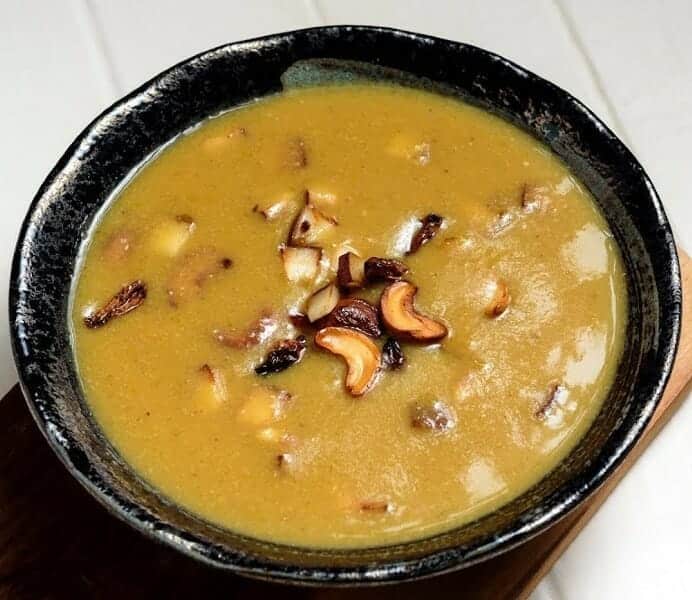
Nendram Pazham Pradhaman
Ingredients
- 4 Nendram Pazham (Ripe Bananas)
- 1/3 cup Sabudana (Javvarisi)
- 3 tbsp Ghee - 3 tblsp
- 1 cup Boiled Milk
- 2 cup Jaggery Powder
- 1/2 cup Thick Coconut Milk
- a pinch Cardamon Powder
- few Fried Cashews
Instructions
- Soak the sabudana in water for sometime and cook them separately.
- Add 1 cup of water to the jaggery and mix them.
- Strain the jaggery water and keep it.
- Take a heavy bottomed pan and heat it under medium flame.
- Add ghee and melt it.
- Add the mashed banana to the ghee and cook it.
- Add the boiled sabudana and jaggery water.
- Mix thoroughly.
- Add the boiled milk, grated coconut, cardamon powder, and cashews and boil it.
- Serve hot.
Sign up for our newsletter
Add Awesome Cuisine as a Preferred Source

Frequently Asked Questions
Can I use regular bananas instead of nendram pazham?
Regular bananas work in a pinch, but they turn mushy and the pradhaman ends up with a baby food texture. Nendram pazham holds its shape better and has a less sweet, more complex flavor. If you use regular bananas, reduce the cooking time in ghee or they will break down completely.
My sabudana turned into a sticky lump after soaking. What went wrong?
You soaked it too long or used too little water. Sabudana only needs about thirty minutes in enough water to cover it by an inch. Drain it well before cooking. If it clumps while cooking, add a bit more water and stir gently to separate the pearls.
The coconut milk split and looks oily. Can I fix it?
Once it splits, you cannot fully fix it, but you can stir in a tablespoon of warm milk to help it blend a bit better. Next time, add the coconut milk in the last few minutes and keep the heat low. Do not let it come to a rolling boil.
How do I know when the banana is cooked enough in the ghee?
The mashed banana should darken slightly and smell sweet and caramelized, almost like it is starting to toast. This usually takes about five to seven minutes on medium heat. If it stays pale, the pradhaman will taste flat and raw.
Can I make this ahead for a festival meal?
Yes, you can make it a day ahead. Store it in the fridge and reheat gently on the stove with a splash of milk. The flavors actually improve overnight as the jaggery and cardamom settle in. Just do not add the fried cashews until right before serving so they stay crunchy.