Nobody thinks about their bones until something makes them. For a lot of people that moment arrives quietly: a knee that complains on the stairs, an aunt’s hip replacement after a fall that should have been nothing, or a doctor circling a number on a scan and saying, mildly, that it’s “a bit low for your age.”
Bones are the quietest organ you own. They don’t announce themselves the way your stomach or your skin do. They just keep a running account, year after year, of everything you’ve put in and everything you haven’t, and they only mention the shortfall decades later, usually in a tone nobody wants to hear. The good news is that this account is still open. What you eat this week, this month, this year, is still going into it.
Here’s the part that makes this more urgent than it used to be: in 2020, the Indian Council of Medical Research and the National Institute of Nutrition (ICMR-NIN) raised the recommended calcium intake for Indian adults. Almost overnight, the target most of us were quietly failing to hit got harder to hit. If your idea of bone health is still “drink milk, walk a bit,” it’s worth a closer look at what’s actually on your plate.
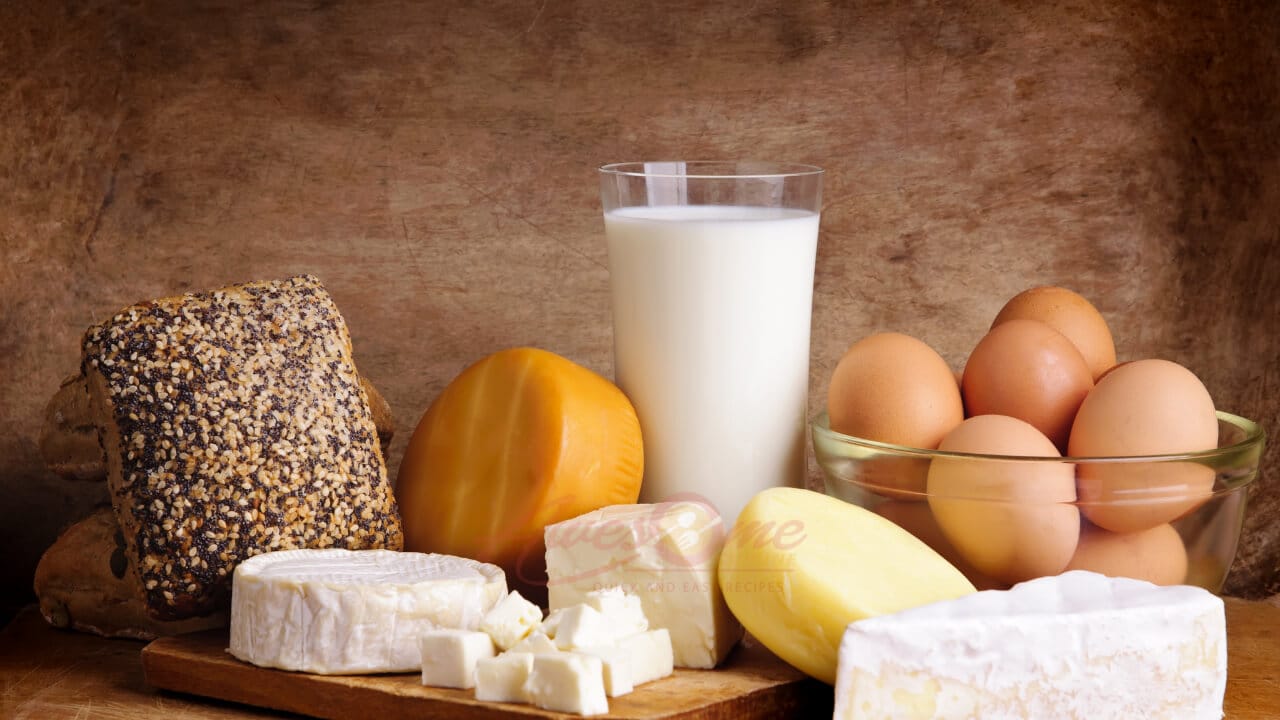
Table of Contents
Key Takeaways
- India’s calcium target for adults nearly doubled in 2020. The ICMR-NIN raised the adult RDA to 1000mg a day, up from 600mg under the older 2010 guidelines.
- Ragi beats milk on calcium, gram for gram. Finger millet carries roughly three times the calcium of milk by weight, making it one of the most accessible bone-building staples in an Indian kitchen.
- Calcium alone won’t build strong bones. Vitamin D, magnesium, vitamin K and protein all play a part, and most of them come from sunlight, greens, nuts and pulses rather than a glass of milk.
- A few everyday habits quietly work against your bones. Excess salt, fizzy drinks and very high caffeine intake all reduce how much calcium your body actually retains.
- Bone loss in India isn’t a distant problem. Roughly one in three Indian women past menopause already has osteoporosis, which is exactly why the habit needs to start decades earlier.
Osteoporosis is a bone condition marked by low bone density and a sharply higher risk of fracture. It develops slowly and silently, as bone breaks down faster than the body can rebuild it, which is exactly why the food choices you make in your twenties and thirties matter just as much as the ones you make after fifty.
How Much Calcium Do You Actually Need?
Most Indian adults need 1000mg of calcium a day, and that number climbs higher for growing teenagers, pregnant and lactating women, and anyone past menopause. This is the figure the ICMR-NIN’s 2020 nutrient guidelines set after revisiting decades of intake data from across the country, and it’s noticeably higher than what most of us grew up hearing.
The table below shows where the bar sits now, and how far it moved from the 2010 recommendation. If you’ve been mentally budgeting calcium against the older, lower number, this is worth recalculating.
| Life Stage | RDA 2020 (mg/day) | RDA 2010 (mg/day) |
| Children, 1-3 years | 500 | 400 |
| Children, 4-9 years | 550-650 | 400 |
| Adolescents, 10-18 years | 850-1050 | 500-600 |
| Adults (men and women) | 1000 | 600 |
| Pregnant women | 1000 | 1000 |
| Lactating women | 1200 | 1000 |
| Post-menopausal women | 1200 | – |
The ICMR-NIN’s 2020 nutrient guidelines set the adult calcium RDA at 1000mg a day, up from 600mg in the 2010 recommendation – a 1.5x increase reflecting newer intake and absorption data for Indians (ICMR-NIN, 2020).
Which Foods Give You Calcium Without Relying on Dairy?
Ragi (finger millet) is the standout here. It carries more calcium per 100g than any commonly eaten cereal in India, which makes it one of the few whole foods that can genuinely compete with dairy on bone-building terms, dairy aside or dairy alongside.
This isn’t a new discovery dressed up as a superfood trend. Ragi mudde has been the daily bread of Karnataka for generations, ragi porridge is often the first solid food handed to a baby in many South Indian homes, and till now, most of that calcium math was happening without anyone doing the math. If you haven’t cooked with it much, our ragi benefits guide and this list of ragi recipes for dinner are good places to start – rotis, dosas and porridge all work, and none of it requires a special trip to a health food store.
Ragi (finger millet) contains about 364mg of calcium per 100g, roughly three times the calcium found in the same weight of cow’s milk, according to the Indian Food Composition Tables (IFCT 2017, National Institute of Nutrition).
Sesame seeds (til) are the other quiet workhorse. A fistful of white or black til, roasted and ground into a chutney powder or pressed into jaggery laddoos every winter, is one of those grandmother habits that turns out to have been correct all along. Drumstick leaves (moringa), amaranth leaves and the humble methi also carry meaningful calcium alongside magnesium and vitamin K, which matter just as much as calcium itself, as you’ll see in a moment.
A fistful of til every winter wasn’t superstition. It was calcium, delivered with better timing than most of us ever managed with a supplement bottle.
A Quick Bone-Friendly Snack: Til-Gud Laddoo
This is the kind of recipe that needs no special occasion. It keeps well in an airtight jar for weeks, travels fine in a lunchbox, and gives you a calcium-and-iron hit that’s far more interesting than a pill.
Key Ingredients
- White sesame seeds (til) – 1 cup
- Jaggery (gud), grated – ¾ cup
- Ghee – 1 teaspoon
- Cardamom powder – a pinch
Method
- Dry roast the sesame seeds on low heat until they turn light golden and start to smell nutty. Set aside to cool slightly.
- In the same pan, melt the jaggery with the ghee on low heat until it forms a thick, sticky syrup. Don’t let it harden.
- Add the roasted sesame seeds and cardamom powder to the jaggery syrup and mix quickly and thoroughly.
- While the mixture is still warm, grease your palms lightly with ghee and roll it into small balls.
- Let the laddoos cool completely before storing them in an airtight container.
What About Milk, Curd, Paneer and Fish?
Dairy still earns its reputation. Milk and curd deliver calcium in a form the body absorbs easily, paneer adds protein alongside it, and a daily bowl of curd does double duty for digestion. None of that has changed. What has changed is the assumption that dairy alone can carry the whole job, especially now that the daily target sits at 1000mg.
Small bony fish are an underused option, particularly in households that already cook fish regularly. Sardines and similar small fish, when the soft bones are eaten along with the flesh, contribute calcium that’s easy to overlook if you’re picturing fish purely as a protein source. If seafood is already part of your week, our seafood benefits guide covers how to get the most out of it. Eggs, meanwhile, won’t move the calcium needle much, but the vitamin D in the yolk helps your body actually use the calcium you’re getting from elsewhere.
What Else Do Your Bones Need Besides Calcium?
Calcium without vitamin D is like sending a delivery to an address with no door. Vitamin D is what allows your gut to actually absorb the calcium you eat, and it comes mainly from sunlight on skin, not food. Ten to fifteen minutes of midday sun on your arms and face, a few times a week, does more for this than most diets manage on their own. Fortified milk and fatty fish add a smaller amount on top of that.
Magnesium and vitamin K round out the picture, and they’re easier to come by than calcium is. Leafy greens like spinach, methi and drumstick leaves carry both, while nuts, seeds and whole grains contribute magnesium on their own. If you already cook with spinach, our spinach benefits piece goes into how to cook it so you keep more of the iron and calcium intact, and curry leaves, tempered into almost anything, quietly add to the same basket of minerals.
Your skeleton isn’t something you’re handed once and stuck with. It’s closer to a savings account that’s being deposited into and withdrawn from constantly, whether or not you’re paying attention to the statement.
What Foods Quietly Work Against Your Bones?
A few everyday habits chip away at bone density without ever feeling like a bone problem. Excess salt makes your body excrete more calcium through urine than it otherwise would. Fizzy drinks, particularly cola, are linked to lower bone density with regular heavy use. Very high caffeine intake has a similar, smaller effect. None of this means cutting these out entirely, just being aware that they’re working against the very foods discussed above, not alongside them.
| Helps Your Bones | Works Against Them | Why |
| Ragi, sesame seeds, leafy greens | Excess table salt and salty packaged snacks | High sodium increases calcium loss through urine |
| Milk, curd, paneer, small bony fish | Regular cola and other fizzy soft drinks | Linked to lower bone density with frequent, heavy intake |
| Sunlight, fortified milk, fatty fish | Very high caffeine intake (multiple strong cups daily) | Mildly increases calcium excretion over time |
| Nuts, seeds, pulses, whole grains | Crash diets and chronic under-eating | Deprives the body of the protein and minerals bones need to rebuild |
Can Vegetarians Get Enough Calcium Without Dairy?
Yes, though it takes a bit more deliberate planning than reaching for a glass of milk. A vegetarian Indian diet that regularly includes ragi, sesame seeds, drumstick leaves, soya and a daily portion of dairy can comfortably meet the 1000mg target. The harder case is a fully vegan diet without fortified alternatives, where it’s worth actively tracking intake rather than assuming it’ll average out.
| Nutrient | Vegetarian Sources | Non-Vegetarian Sources |
| Calcium | Ragi, sesame seeds, milk, curd, paneer, drumstick leaves | Small bony fish (sardines), milk, curd, paneer |
| Vitamin D | Sunlight, fortified milk, mushrooms | Sunlight, fatty fish, egg yolk |
| Magnesium | Nuts, seeds, whole grains, pulses | Nuts, seeds, whole grains, fish |
| Protein (for bone repair) | Dal, soya, paneer, milk | Eggs, fish, chicken, dairy |
Strong bones aren’t built in one dramatic meal. They’re built in a thousand ordinary ones, most of which you’ve probably already eaten without giving them any credit.
Among postmenopausal Indian women, osteoporosis prevalence is 33.1%, roughly one in three, according to a multi-centre Indian study covering 31,238 adults (International Journal of Research in Orthopaedics, 2021).
How Do You Actually Build This Into a Normal Day?
Start small and specific rather than overhauling everything at once. A glass of milk or a bowl of curd at one meal, a ragi roti or dosa swapped in once or twice a week, a spoon of til chutney powder on rice, and ten minutes of sunlight before 11am cover most of the gap for an average adult. The most common mistake isn’t eating the wrong foods, it’s assuming dairy alone is doing all the work while ignoring vitamin D and the quiet calcium-draining habits altogether.
If you’re managing an existing diagnosis of low bone density or osteoporosis, or considering a calcium supplement, that’s a conversation for your doctor rather than a food guide. Supplements interact with other medication, and more isn’t automatically better; the body can only absorb so much calcium at once, and excess intake over a long period carries its own risks.
Your bones aren’t asking for a dramatic intervention. They’re asking for the kind of attention you’d give any quiet, reliable thing in your life, easy to take for granted right up until it isn’t. Tonight’s dal, tomorrow’s ragi dosa, and that fistful of til you’ve been meaning to roast are all small deposits into an account you’ll be glad you kept paying into.
Frequently Asked Questions
What foods are best for bone health?
Ragi, sesame seeds, milk, curd, paneer and leafy greens like drumstick leaves and spinach are the strongest everyday choices for bone health in an Indian diet. Ragi and sesame are particularly valuable because they deliver calcium without requiring dairy, which matters given that the current adult target is 1000mg a day. Pairing any of these with some sunlight exposure and a source of magnesium, such as nuts or whole grains, rounds out what your bones actually need.
Is ragi really better than milk for bone health?
Ragi contains roughly three times the calcium of milk by weight, gram for gram, according to the Indian Food Composition Tables. That doesn’t make milk redundant, since dairy calcium is easily absorbed and ragi is usually eaten in smaller portions than milk is drunk, but it does mean ragi deserves a regular place on the table rather than being treated as an occasional millet experiment.
What foods should I avoid for strong bones?
Excess salt, regular heavy intake of cola and other fizzy drinks, and very high caffeine consumption all interfere with how much calcium your body retains over time. None of these need to be eliminated outright for an otherwise healthy adult, but treating them as occasional rather than daily habits protects the calcium you’re already working to get from food.
Can vegetarians get enough calcium without dairy?
Yes, a vegetarian Indian diet that regularly includes ragi, sesame seeds, drumstick leaves, soya, and at least one dairy serving a day can meet the 1000mg adult target comfortably. It takes a little more deliberate variety than simply relying on milk, but none of the ingredients involved are unusual or hard to find in an Indian kitchen.
Does drinking milk alone prevent osteoporosis?
No, milk alone is not enough to prevent osteoporosis, even though it’s a strong calcium source. Bone health depends on vitamin D for absorption, magnesium and vitamin K for bone structure, adequate protein, and weight-bearing movement, none of which milk provides on its own. Osteoporosis still affects roughly one in three postmenopausal Indian women, which reflects how many of these other factors typically go unaddressed.