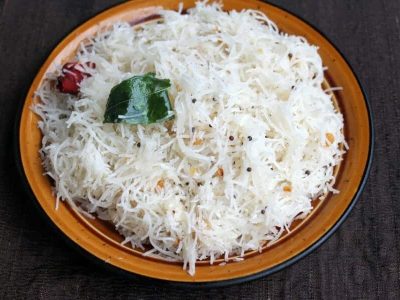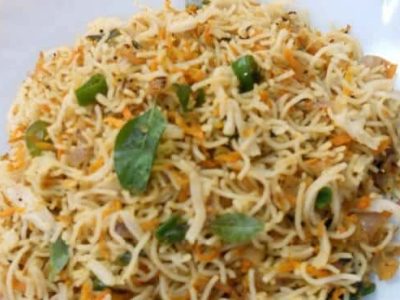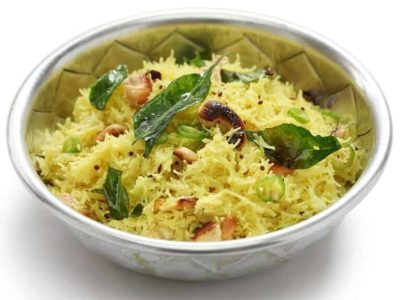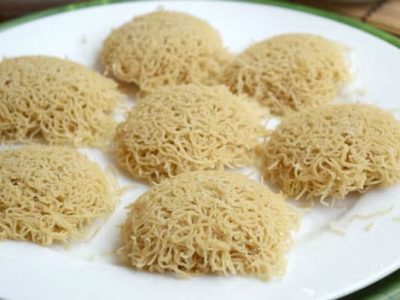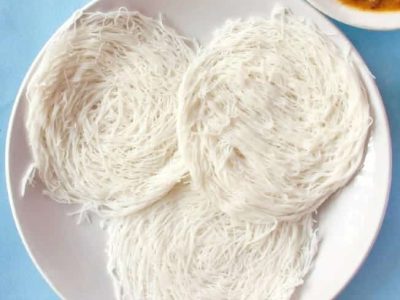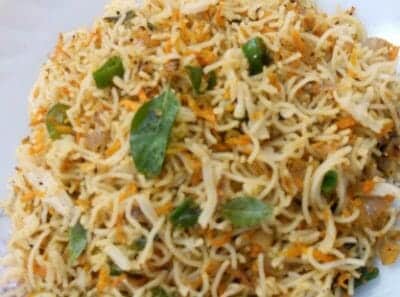
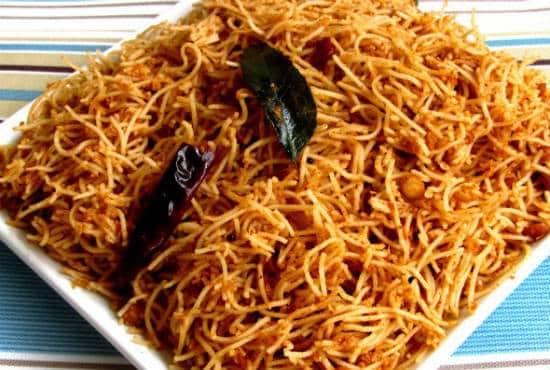
Tamarind Idiyappam is one of those recipes that surprises you with how much flavor you can pack into humble rice noodles. The tangy tamarind base gets a boost from toasted mustard seeds and split lentils, while shallots add a gentle sweetness. You steam the idiyappam first, then break it into soft crumbles before mixing it with the warm tamarind sauce.
The result is a dish that tastes bright and satisfying without being heavy. I often make this when I want something quick yet interesting, especially on mornings when plain idiyappam feels too bland. The technique is straightforward enough for beginners, and the ingredients are pantry staples in most South Indian kitchens.
About the Recipe
This recipe takes steamed idiyappam and makes it into something zesty and full of character. The tamarind sauce is the star here, bringing a sharp tang that wakes up your palate. You temper the sauce with mustard seeds, dals, and red chillies, which adds texture and warmth. Shallots soften into the mix, lending a mild sweetness that balances the acidity.
Once the sauce thickens and the oil separates, you know it is ready. Crumbling the cooled idiyappam into this mixture ensures every strand gets coated with flavor. It is a dish that feels homey yet special, and you can prepare it in under half an hour if you have readymade idiyappam flour on hand.
Why you will love this recipe
Tamarind Idiyappam offers a welcome change from the usual coconut or plain versions. The tangy sauce brings a brightness that feels refreshing, especially in warm weather. You get a nice contrast between the soft noodles and the crunchy bits of tempered dal. The recipe comes together quickly since the flour mix is available readymade, so you skip the soaking and grinding steps.
I appreciate how forgiving the dish is. If your sauce turns out a bit thick, you can loosen it with a splash of water. If it is too thin, just simmer a little longer. The flavors improve as the idiyappam sits in the sauce, so even leftovers taste good. It is filling without feeling heavy, and the sourness from tamarind makes it quite memorable.
Cooking Tips
Use thick tamarind extract so the sauce does not become watery. If your extract is thin, simmer it longer until it reduces and coats the back of a spoon. Mix the idiyappam flour off the heat once you add it to the boiling water, otherwise lumps will form. I always grease my idli plates well with a little oil before pressing the noodles through the maker.
That way, they release easily once steamed. Let the idiyappam cool completely before crumbling, as warm noodles turn mushy and clump together. Taste the tamarind sauce before mixing and adjust salt if needed, since the idiyappam itself has no seasoning.
Serving and Storing Suggestions
This recipe serves two to three people as a light meal or breakfast. Prep time is about ten minutes, and cooking takes around twenty minutes. Serve the Tamarind Idiyappam warm, garnished with fresh coriander and curry leaves. It pairs well with coconut chutney or a simple raita on the side.
Store leftovers in an airtight container in the refrigerator for up to two days. Reheat gently in a pan with a spoonful of water to loosen the sauce. The flavors meld overnight, so day old Tamarind Idiyappam often tastes even better than freshly made.
Similar Recipes
- Lemon Sevai
- Coconut Idiyappam
- Tamarind Rice (Puliyogare)
- Upma
- Curd Idiyappam
Nutrient Benefits
Idiyappam is made from rice flour, which is naturally gluten free and easy to digest. Tamarind provides vitamin C and antioxidants, while also aiding digestion. The dals used in the tempering add a small amount of protein and fiber. Shallots contribute vitamins and minerals, including potassium and folate.
Using minimal oil keeps the dish light, and you can control the salt level to suit your needs. The recipe is low in fat compared to many fried snacks, making it a sensible choice when you want something tangy and satisfying without too much heaviness.
Tamarind Idiyappam (Puli Idiyappam)
Ingredients
- 1 cup Idiyappam Flour (available readymade)
- 1/2 cup Tamarind Extract (thick)
- 5 to 6 Sambar Onions (Shallots, chopped)
- Turmeric Powder (a small pinch)
- 2 Dry Red Chillies
- 1/2 tsp Bengal Gram Dal
- 1/2 tsp Urad Dal
- Asafoetida Powder (a small pinch)
- 1/4 tsp Mustard Seeds
- 2 tsp Oil
- Salt as per taste
- Coriander Leaves (few)
- Curry Leaves (few)
Instructions
- Heat oil in a pan.
- Fry the mustard seeds, bengal gram dal, dry red chillies, urad dal and asafoetida powder for 30 to 45 seconds.
- Add the chopped onions and saute for a minute.
- Add the tamarind extract, turmeric powder and salt.
- Stir well and simmer until thickened and oil starts to separate.
- Remove from flame and keep aside.
- Heat 1 1/2 cups of water over medium flame and bring to a boil.
- Add the idiyappam flour and mix well without any lumps.
- Remove from flame and mix until thickened, without any lumps.
- Add some of the dough into a idiyappam maker and press over greased idly plates.
- Steam cook until done and keep aside to cool.
- Once cool enough to handle, crumble the idiyappams.
- Add this to the tamarind mixture and mix well.
- Garnish with coriander leaves and curry leaves.
- Serve at once.
Sign up for our newsletter
Add Awesome Cuisine as a Preferred Source

Frequently Asked Questions
Can I use store bought tamarind paste instead of extract?
Yes, you can dissolve tamarind paste in warm water to make your own extract. Use about two tablespoons of paste mixed with half a cup of water, then strain if needed.
What if I do not have an idiyappam maker?
You can use a chakli press or even a strong piping bag with a large round nozzle. The noodles might be slightly thicker, but the recipe will still work.
How thick should the tamarind sauce be before mixing?
The sauce should coat the back of a spoon and have a jam like consistency. If it runs off quickly, simmer a bit longer until the oil separates at the edges.
Can I make this recipe in advance?
You can prepare the tamarind sauce a day ahead and store it in the fridge. Steam the idiyappam fresh, then mix with the reheated sauce just before serving for the best texture.
Is it possible to add vegetables to this dish?
Yes, finely chopped tomatoes or small pieces of cooked carrot blend in well. Add them when you sauté the shallots so they soften before you pour in the tamarind extract.