
Table of Contents
Key Highlights
- Jamun is rich in antioxidants, fibre, and essential nutrients that support overall health.
- It plays a key role in maintaining stable blood sugar levels naturally.
- The fruit supports digestion by improving gut function and nutrient absorption.
- Its nutrients contribute to heart health by supporting circulation and blood pressure balance.
- Jamun juice and seed powder provide additional functional benefits beyond fresh consumption.
- The fruit is low in calories and helps manage appetite and daily energy intake.
Have you ever wondered why jamun is often recommended in traditional diets, especially during the summer season? This deep purple fruit is more than just a refreshing treat. It carries a reputation for supporting overall health in simple yet effective ways.
Jamun, also known as black plum or naval fruit, is loved for its mildly sweet and slightly tangy flavour. But beyond its taste, it offers a range of health benefits that many people overlook. From helping maintain blood sugar balance to supporting digestion and immunity, this humble fruit has far more to offer than it appears.
In this guide, we explore the key jamun benefits, its nutritional value, and practical ways to include it in your daily diet. Whether enjoyed fresh, as juice, or in powdered form, jamun can be a smart and natural addition to a balanced lifestyle.
What Is Jamun and Why Is It Considered Beneficial?
Jamun is a tropical fruit recognised for its deep purple colour, tangy-sweet taste, and nutrient-rich composition. It contains antioxidants, fibre, and essential micronutrients that support blood sugar balance, digestion, and overall metabolic health when included in a balanced diet.
To better understand its composition, explore the nutritional value of jamun, highlighting the vitamins, minerals, and plant compounds that contribute to its health-supporting properties.
Beyond its basic nutrients, jamun contains bioactive compounds, including flavonoids and anthocyanins, that enhance its functional properties. These compounds help protect cells, support circulation, and maintain internal balance over time. Its natural composition also makes it suitable for regular consumption without requiring complex preparation.
As a result, jamun is often included in seasonal diets not only for its flavour but also for its role in supporting long-term wellness through simple and consistent dietary habits.
Nutritional Value of Jamun (Per 100g)
According to data from Metropolis Healthcare, 100 grams of jamun provides a combination of carbohydrates, fibre, and key micronutrients that contribute to overall wellness.
| Nutrient | Amount |
| Energy | 60 kcal |
| Carbohydrates | 15.56 g |
| Protein | 0.72 g |
| Fat | 0.23 g |
| Fibre | 0.9 g |
| Vitamin C | 14.3 mg |
| Calcium | 19 mg |
| Potassium | 79 mg |
| Iron | 0.19 mg |
| Magnesium | 15 mg |
This rich jamun fruit’s nutritional value highlights why it is considered a smart choice if you’re seeking natural ways to support overall health and daily nutrition.
What Are the 10 Key Jamun Benefits You Should Know?
Jamun is valued for its ability to support multiple aspects of health. Its nutritional profile includes essential vitamins, minerals, and plant compounds that work together to support key body functions. This combination makes jamun a practical choice for those looking to improve their diet with natural, nutrient-rich foods.
Below are 10 key benefits that highlight how including jamun in your diet can support everyday health.
1. Rich in Nutrients and Antioxidants
Jamun contains essential nutrients such as vitamin C, iron, potassium, and dietary fibre that support key body functions. It is also rich in antioxidants that help reduce oxidative stress and protect cells, contributing to overall health, nutritional balance, and regulation of blood glucose levels.
According to Apollo 24/7, Jamun (Syzygium cumini) fruit provides essential nutrients per 100g: 18 mg of vitamin C (30% DV), 1.4 mg of iron, 55 mg of potassium, and 0.6 g of dietary fibre, supporting immunity, blood health, heart function, and digestion.
Rich in anthocyanin antioxidants, jamun neutralises free radicals, reduces oxidative stress, and protects cells; studies show seed extracts lower fasting blood glucose while boosting enzymes like SOD and GPx in diabetics, aiding metabolic balance and glucose regulation.
2. Helps Regulate Blood Sugar Levels
One of the most recognised jamun fruit benefits, including the leaves of jamun, is its role in supporting healthy blood sugar levels. Compounds present in jamun may help slow down the conversion of starch into sugar, supporting better glucose control. Additionally, the benefits of jamun seed powder are often highlighted for their role in managing blood sugar when consumed appropriately.
Jamun fruit, seeds, and leaves contain jamboline and jambosine, which slow starch-to-sugar conversion and enhance insulin function for better glucose control.
According to the Journal of Medical Science and Clinical Research Report, Jamun seed powder (10g twice daily) significantly improved glycemic control in type 2 diabetes over 90 days.
3. Supports Healthy Digestion and Gut Function
The fibre content in jamun plays a key role in maintaining digestive health and showcasing its antibacterial properties. It supports regular bowel movements, improves stool consistency, and helps maintain a balanced gut environment. By aiding digestion and nutrient absorption, jamun contributes to better metabolic efficiency and reduced digestive discomfort.
According to the Apollo 24/7 report, Jamun contains 0.6g of dietary fibre per 100g, promoting regular bowel movements and helping prevent constipation. Its astringent and antibacterial properties treat diarrhoea and stomach infections while balancing gut flora for better nutrient absorption and reduced discomfort.
4. Promotes Heart Health and Circulation
Jamun contains potassium and bioactive compounds that support cardiovascular function. Potassium helps maintain normal blood pressure levels, while antioxidants contribute to vascular health. Together, these nutrients support efficient blood flow and reduce strain on the heart, promoting long-term cardiovascular stability and helping to manage high blood pressure.
However, as per Pharmaeasy, Jamun provides 55 mg of potassium per 100g, helping regulate blood pressure by counteracting sodium effects. Antioxidants like anthocyanins reduce LDL cholesterol oxidation, prevent arterial plaque buildup, improve circulation, and lower cardiovascular disease risk.
5. Helps with Weight Management
Low in calories and naturally hydrating, jamun fits well into calorie-conscious diets and supports weight loss. Its fibre content helps promote satiety, reducing the likelihood of overeating. This makes it easier to manage portion sizes and maintain consistent energy intake without feeling restricted.
According to the Metropolis, Jamun offers 60 kcal per 100g with 0.6-1g fibre, promoting satiety and preventing overeating. Its high water content (83%) hydrates while low glycemic index supports steady energy, aiding portion control and sustainable weight loss.
6. Enhances Skin Health Naturally
Jamun’s antioxidant profile supports skin health by protecting cells from environmental stressors. Regular intake of jamun, also known as java plum, may help maintain skin clarity and overall texture by supporting internal balance. Its nutrients contribute to a natural approach to skin care through diet rather than external treatments alone.
Studies in dermatological nutrition indicate that antioxidant-rich diets reduce free radical damage, which is linked to premature skin ageing. This supports a healthier skin appearance over time.
7. Boosts Immunity and Overall Wellness
Jamun contains vitamin C and other protective compounds that support immune function. These nutrients help strengthen the body’s natural defence mechanisms and improve its ability to respond to everyday health challenges. Consistent intake helps maintain overall resilience.
According to Apollo 24/7, Jamun delivers 18 mg vitamin C per 100g (30% DV), strengthening immune defences against respiratory infections like colds and coughs. Its flavonoids, phenols, and antioxidants enhance white blood cell function and reduce inflammation, building resilience to daily health challenges.
8. Supports Oral and Dental Health
Jamun has traditionally been used for maintaining oral hygiene due to its natural astringent properties. It may help support gum health and reduce minor oral discomfort. While it does not replace regular dental care, it can complement routine hygiene practices.
According to research published by Manipal Cigna, the natural astringent and antibacterial properties of Jamun’s leaves, bark, and fruit strengthen gums, reduce inflammation and bleeding, combat infections such as gingivitis, and freshen breath. Traditionally used as tooth powder, it complements dental hygiene without replacing professional care.
9. May Support Liver Health and Detoxification
The antioxidants present in jamun may help protect liver cells from damage caused by toxins and oxidative stress. By supporting normal liver function, jamun contributes to the body’s natural detox processes and helps maintain internal metabolic balance.
Jamun’s antioxidants, including anthocyanins and flavonoids, protect liver cells from toxin-induced oxidative damage and reduce elevated liver enzymes (ALT/AST). Studies show extracts promote detoxification, support bile production, and aid liver regeneration, maintaining metabolic balance.
10. Versatile Fruit with Multiple Forms of Consumption
Jamun can be consumed in various forms, including fresh fruit, juice, smoothies, and seed powder, making it easy to include in daily meals with warm water. Jamun juice benefits include hydration and improved nutrient intake, while kala jamun benefits and black jamun benefits are often associated with traditional dietary uses.
According to the Apollo 24/7 report, Jamun offers flexible consumption: fresh fruit for natural sweetness; juice/smoothies for hydration and vitamins; seed powder (1-2 tsp in warm water daily) for blood sugar control; and vinegar for digestion. Traditional kala jamun preparations enhance the bioavailability of its antioxidants and minerals.
Regularly including jamun in your diet can offer a simple, natural way to support overall health while benefiting from its diverse nutritional and functional properties.
What Are Simple Ways to Enjoy Jamun in Your Diet?
Jamun can be easily included in everyday meals using simple preparation methods that preserve its natural nutrients and flavour. Whether eaten fresh or blended into drinks, these ideas make it easy to enjoy jamun regularly without adding complexity to your routine.
Here are some simple and effective ways to include jamun in your diet:
1. Fresh Jamun Snack Bowl

Fresh Jamun Snack Bowl Healthy Black Plum Snack
A fresh jamun bowl is the simplest way to enjoy the fruit while retaining its natural nutrients. Its tangy-sweet flavour makes it a refreshing option for quick snacking.
Ingredients
- Fresh jamun
- A pinch of salt (optional)
Recipe
- Wash the jamun thoroughly
- Place in a serving bowl
- Add a pinch of salt if preferred
Enjoy it as a quick and refreshing snack during the day.
2. Jamun Juice
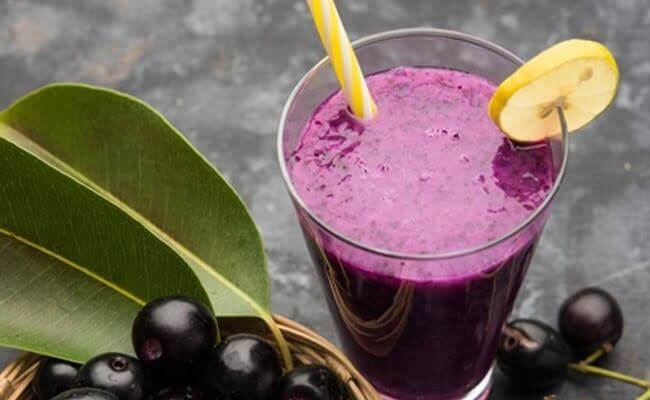
Fresh Jamun Juice Healthy Black Plum Drink
Jamun juice is a light and refreshing drink that supports hydration while delivering essential nutrients. It is one of the easiest ways to include jamun juice benefits in your diet.
Ingredients
- Fresh jamun
- Water
- Honey or salt (optional)
Recipe
- Blend jamun with water
- Strain to remove seeds if needed
- Add honey or salt to taste
- Serve chilled
Drink it fresh for better flavour and nutrient retention.
3. Jamun Smoothie
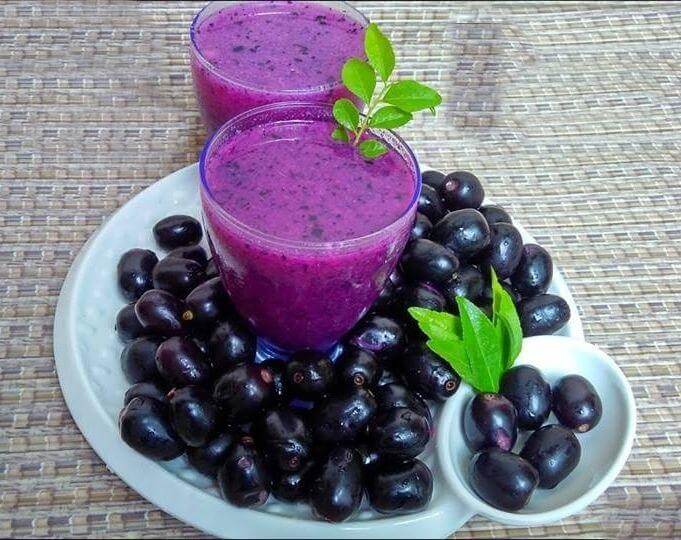
Jamun Smoothie Healthy Black Plum Drink
Jamun smoothies offer a convenient way to combine nutrition and flavour, including beneficial compounds like ellagic acid, in one serving. They work well as a quick breakfast or a light mid-day option.
Ingredients
- Jamun pulp
- Yoghurt or milk
- Honey
Recipe
- Add all ingredients to a blender
- Blend until smooth
- Adjust consistency if required
- Serve immediately
Consume it fresh for a naturally energising option.
4. Jamun Ice cream

Jamun Ice Cream Creamy Black Plum Dessert
Jamun Ice cream is a refreshing dessert that combines the fruit’s tangy flavour with a creamy texture. It is a simple way to enjoy jamun in a chilled, indulgent form during warmer days.
Ingredients
- Fresh jamun pulp
- Milk
- Fresh cream
- Sugar or honey
- A few drops of lemon juice (optional)
Recipe
- Blend the jamun pulp with sugar until smooth
- Add milk and cream, then mix well
- Adjust the sweetness and add lemon juice if needed
- Pour into a container and freeze for 6–8 hours
- Stir once midway for a smoother texture
Serve chilled for a creamy and refreshing dessert experience.
5. Jamun Yoghurt Bowl

Jamun Yogurt Bowl Healthy Black Plum Yogurt Snack
Jamun yoghurt bowl is a light and nutritious option that combines the tangy flavour of jamun with creamy yoghurt. It works well as a refreshing breakfast or a quick snack.
Ingredients
- Fresh jamun (deseeded)
- Yogurt
- Honey
- Chopped nuts (optional)
Recipe
- Mash or blend the jamun lightly
- Add yoghurt to a bowl
- Mix in jamun and honey
- Top with chopped nuts if desired
Serve immediately for a balanced and refreshing meal.
Conclusion
Jamun, scientifically known as Syzygium cumini, stands out as a nutrient-dense fruit that supports multiple aspects of health, including blood sugar balance, digestion, heart function, and immunity. Its natural composition makes it easy to include in everyday meals without requiring major dietary changes.
Adding jamun to your routine through fresh servings, juices, or seed powder can support long-term wellness in a simple, practical way. Start incorporating it into your diet in small, consistent amounts to experience its benefits over time.
Frequently Asked Questions
Are there any side effects of consuming jamun?
Jamun is generally safe in moderation, but consuming it on an empty stomach may lead to mild digestive discomfort or lower blood sugar levels. Its astringent nature can also lead to slight dryness. People with specific health conditions, including a risk of allergic reactions, should consume it carefully.
Are there any seasonal benefits to eating jamun?
Yes, jamun offers seasonal benefits, especially during summer markets. Its high water content supports hydration, while its nutrients help maintain energy levels and digestion. It also complements seasonal dietary needs by providing light, refreshing nourishment.
What are the medicinal uses of jamun?
Jamun is traditionally used to support blood sugar management, improve digestion, and promote oral health, with products such as tooth powder. Its seed powder is often used for glucose control, while its antioxidants help protect cells and support overall metabolic function.
How many jamuns should I eat in a day?
A moderate portion of about 8–10 jamun fruits per day, including the beneficial seeds of jamun, is generally suitable for most adults. This amount provides nutrients without excessive intake, supports digestion, blood sugar balance, and overall health while maintaining a low calorie count.
Is eating jamun good for the skin?
Yes, eating jamun can support skin and hair health. Its antioxidants help protect skin cells from damage, while vitamin C supports collagen production. Moreover, regular intake may contribute to clearer, healthier-looking skin from within by reducing water retention.
Which is better, jamun or blueberry?
Both are nutritious. Jamun supports blood sugar control and improves insulin sensitivity and digestion, while blueberries are richer in antioxidants linked to brain and heart health. The better choice depends on your health needs and availability.
How can you easily add Jamun to your diet?
Jamun can be added to your diet by eating it fresh, blending it into juices or smoothies, or using its seed powder in small amounts. Its versatility makes it easy to include in everyday meals.














1 comment
This is awesome…I love jamun..as a kid we used to get so much Jamun for free .. Now you have to buy each and everything…It feels bad