
Table of Contents
Key Highlights
- The rainy season heightens the risk of infections and food poisoning due to increased humidity.
- Your food choices during the monsoon season are crucial for preventing health issues.
- It is best to avoid street food, fried items, and raw leafy greens to minimise the risk of contamination.
- Seafood should be limited as this is the breeding season for fish, increasing the chance of infections.
- Fermented foods and leftovers can spoil quickly, leading to digestive problems.
- Prioritise fresh, home-cooked meals to maintain good health throughout the monsoon.
There is something so magical about the rain, that earthy scent, the soothing rhythm of raindrops, and the irresistible urge for crispy pakoras or tangy pani puri. But as comforting as these moments feel, the monsoon also brings a hidden downside: humidity, bacterial growth, and a higher risk of foodborne infections. It’s the season when extra care in what you eat can make all the difference between joy and discomfort.
Many of us end up with stomach upsets or fatigue simply because we do not realise how quickly food can spoil during this season. The combination of damp weather and a slightly weakened immune system can easily turn your favourite snack into a health hazard. Even seemingly fresh food can harbour unseen bacteria, which makes understanding the rainy season diet and the food to avoid in the monsoon even more important.
The good news? You don’t have to give up all your rainy-day cravings. This blog will help you discover the list of food to avoid in monsoon and share smarter, safer eating tips to support your digestive system. With the proper monsoon diet, you can maintain your energy, immunity, and mood while enjoying the cosy charm of rainy weather.
Why Does Monsoon Upset Digestion?
Ever wondered why your stomach feels bloated or uneasy during the rainy season? That is because higher humidity and temperature often make you less active and reduce your appetite. This, in turn, can affect metabolism and make you feel heavier or sluggish after meals. It encourages bacteria to grow faster in food.
Even a minor hygiene lapse can trigger unnecessary health complications, such as gastrointestinal problems or diarrhoea, especially when the food to avoid in monsoon is commonly consumed. During the rainy season, your immune system works harder, making you more susceptible to infections.
Knowing which foods to eat and which to avoid during the monsoon, especially those high in fat or sugar, helps you stay healthy and energised all season long. A little mindfulness can help your body stay light, healthy, and happy, no matter how gloomy it gets outside.
Why Do We Crave Certain Foods During the Monsoon?
When the skies turn grey and the rain begins to fall, our cravings seem to take on a life of their own. Suddenly, hot pakoras, samosas, and masala chai sound irresistible, not just for the taste but for the comfort they bring. There’s actually more science behind this than simple nostalgia, and it’s also why knowing the food to avoid in monsoon is crucial for maintaining balance.
During the monsoon, limited sunlight causes a drop in serotonin levels, the hormone that keeps you happy and balanced. Less sunlight also means lower Vitamin D production, which can leave you feeling tired or low. Naturally, your body seeks quick mood-lifters, and carb-rich snacks do that job perfectly.
These warm, crispy foods offer temporary comfort by boosting serotonin levels and creating a sense of cosiness. They also help counter the damp, cool atmosphere outside, giving your body a feeling of warmth and satisfaction. No wonder that plate of hot pakoras feels like an instant pick-me-up.
According to research available on the National Library of Medicine (NCBI), people with darker skin tones produce less Vitamin D because of higher melanin levels, which means their bodies may crave more energy and warmth during cloudy days. So, your monsoon snack habits aren’t just emotional, they’re physiological too. The key is to enjoy these treats mindfully while balancing them with light, nourishing meals.
Which 8 Monsoon Foods Should Be Off Your Plate This Season?
As the rain sets in, the chances of contamination rise, making some foods less safe than usual. Even familiar dishes can turn risky if not handled properly. Understanding the foods to eat and foods to avoid in monsoon becomes essential for staying healthy during the season. Let’s explore food not to eat in monsoon and the items that are better avoided.
1. Pani Puri

We know the struggle, monsoon arrives, the drizzle begins, and suddenly the craving for pani puri hits hard. That crispy shell filled with tangy, spicy goodness is almost impossible to resist. However, the reality is that street-side pani puri is often prepared with unfiltered or contaminated water and handled in humid, unhygienic conditions, which make it unsafe during this season. This is why pani puri is a classic food to avoid in monsoon.
Monsoon humidity allows bacteria to multiply quickly, and food left exposed, even briefly, can become a breeding ground for them. Many versions also contain high-fat content in the puris themselves, making them even more challenging to digest during damp weather. With this increased risk of contamination, health experts often stress that it’s better not to eat street food in monsoon, especially items like pani puri that rely heavily on water-based preparations.
The experience doesn’t have to be lost, though. Making pani puri at home lets you recreate the same irresistible flavours using clean water, fresh ingredients, and proper hygiene, making it a far safer choice during the rains. If you’re ready to enjoy this classic snack without the risks, here’s a simple monsoon-friendly version to prepare at home.
Try this at home – Monsoon-Friendly Pani Puri:
- Puris: Use store-bought baked puris or make them at home by rolling small balls of dough, flattening them, and baking/air-frying until crisp.
- Filling: Boil 2–3 medium potatoes and ½ cup chickpeas. Mash the potatoes and mix with chickpeas, finely chopped onions, coriander, green chillies, and a pinch of salt and chaat masala.
- Tamarind-Mint Water: Soak 2 tbsp tamarind in warm water for 10 minutes. Blend with fresh mint, coriander leaves, green chilli, a pinch of black salt, roasted cumin, and enough water to get a tangy, flavorful drink. Chill slightly if desired.
- Assemble: Crack the top of each puri, stuff with the potato-chickpea mix, pour the tamarind-mint water, sprinkle chaat masala, and serve immediately for the perfect monsoon snack.
2. Samosa

It’s hard to imagine a rainy evening without a hot, crispy samosa in hand. That golden crust, the spicy filling, and a hot cup of tea, it’s the ultimate comfort combo. But while your heart says yes, your stomach might not agree. The truth is, fried snacks like samosas can become heavy on the digestive system during the monsoon, leading to bloating, acidity, or sluggishness.
Street samosas come with an added risk; reused oil, open-air storage, and damp surroundings can easily invite bacteria, turning your cosy snack into a digestive nightmare. So, what’s the fix? You don’t need to banish samosas from your life; just give them a healthy twist. By switching to air-fried or oven-baked versions, you get all that familiar crunch without the heaviness or health worries.
This small change protects your gut and helps you enjoy your favourite rainy season food without the regret that usually follows. The purpose isn’t to stop indulging, it’s to make your indulgence smarter. When you replace excess oil with lighter cooking methods and avoid fried food monsoon, you let your taste buds and your health win together. If you’re wondering how to give your vegetable samosa cravings a healthier twist this season, here’s an easy way to make them at home.
How to make it at home – Healthier Monsoon Samosas:
- Prepare a light filling with boiled potatoes, peas, coriander, and mild spices.
- Use whole-wheat dough, roll it out thin, and shape the samosas.
- Brush lightly with oil and air-fry or bake at 180°C until crisp and golden.
- Serve with mint chutney or warm masala chai for that perfect monsoon evening comfort.
3. Spinach
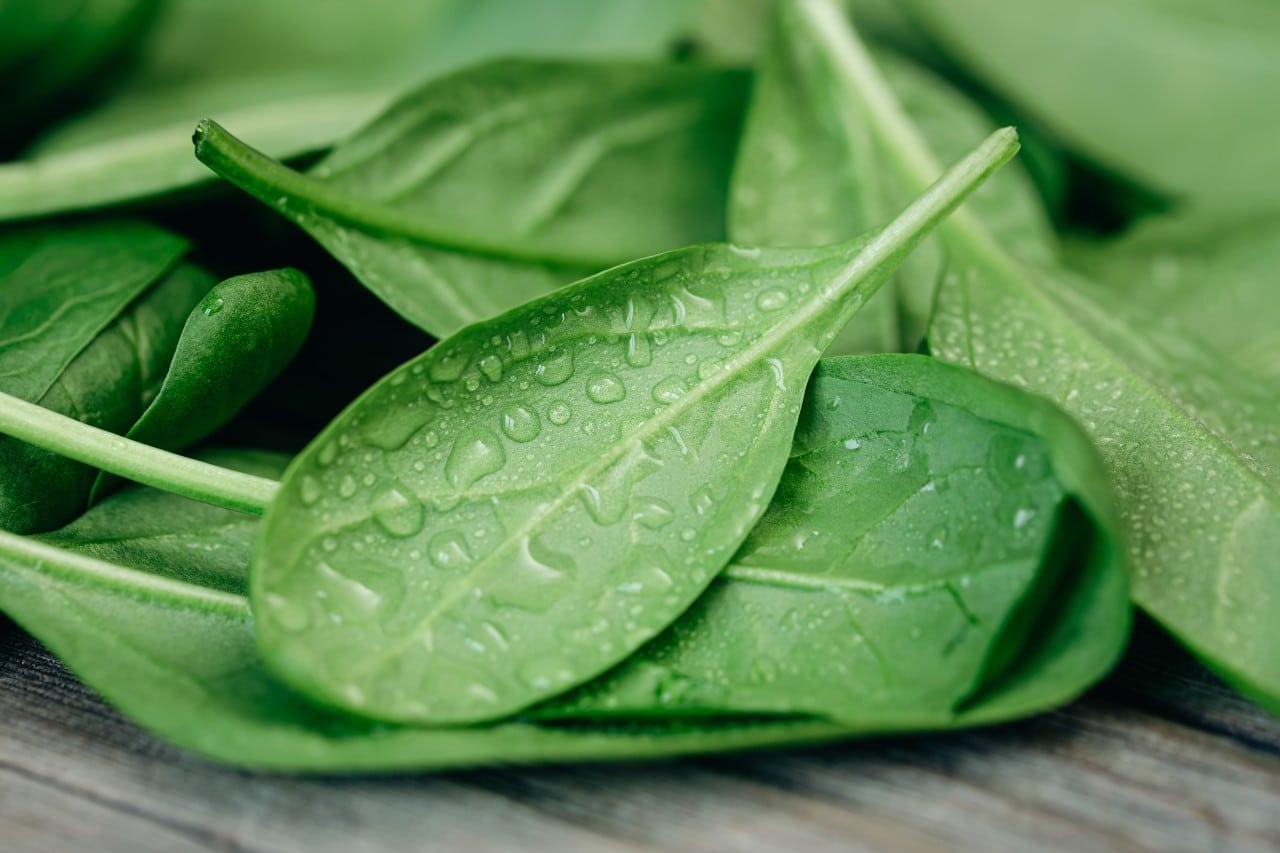
Spinach is known for its iron, fiber, and vitamin-packed goodness, yet it becomes a little tricky to handle during the monsoon. The continuous rainfall leaves the soil damp and heavy, creating ideal conditions for harmful bacteria, tiny worms, and grime to settle on leafy greens. Much like other raw veggies, spinach can hold onto these hidden impurities, even when washed thoroughly, which may upset your digestive system.
Luckily, enjoying spinach safely is still very much possible. Cooking it well, whether through boiling, sautéing, or steaming, helps eliminate contaminants while preserving its essential nutrients. This simple shift turns spinach into a monsoon-friendly ingredient rather than something to avoid altogether.
The focus should be on preparing it wisely rather than cutting it out. Opting for cooked greens lets you enjoy their nourishment without compromising your digestion. And if you’re looking for a safe, simple way to add spinach to your monsoon meals, here’s a quick-cooked version to try at home.
How to make it at home – Safe and Simple Cooked Spinach:
- Rinse spinach leaves 2–3 times in clean, filtered water.
- Boil for a few minutes or lightly sauté with garlic, cumin, and a pinch of salt.
- Drain excess water and serve warm as a side dish or mix into dal or soups.
- Add a squeeze of lemon juice before serving to boost iron absorption and flavour.
4. Fish

A plate of crispy fried fish on a rainy day sounds heavenly, doesn’t it? But the monsoon is the one season when even your favourite seafood can betray you. The truth is that most fish breed during this time, which makes them more susceptible to contamination and spoilage. That’s exactly why experts advise you to avoid seafood during monsoon for the sake of your health.
Humidity and fluctuating temperatures make storage even more challenging. Even fish kept in the fridge can deteriorate faster than expected, increasing the risk of stomach infections or food poisoning. What usually feels like a comforting meal can quickly turn into a source of discomfort during the rainy months.
The safest approach is to make thoughtful swaps; freshwater fish or plant-based proteins, such as paneer and tofu, offer a cleaner, more easily digestible alternative without compromising on satisfaction. These options allow you to enjoy familiar textures while keeping your gut healthier in damp weather.
Small adjustments like these help you embrace monsoon flavours while staying protected. And if you’d like a monsoon-safe way to recreate that crispy, comforting experience at home, here’s a simple alternative worth trying.
How to make it at home – Safe Alternative to Fried Fish:
- Marinate paneer or tofu slices with turmeric, salt, lemon juice, and mild spices.
- Air-fry or grill until golden and slightly crisp.
- Garnish with coriander and serve with mint chutney or lemon wedges for a clean, comforting monsoon treat.
5. Paneer
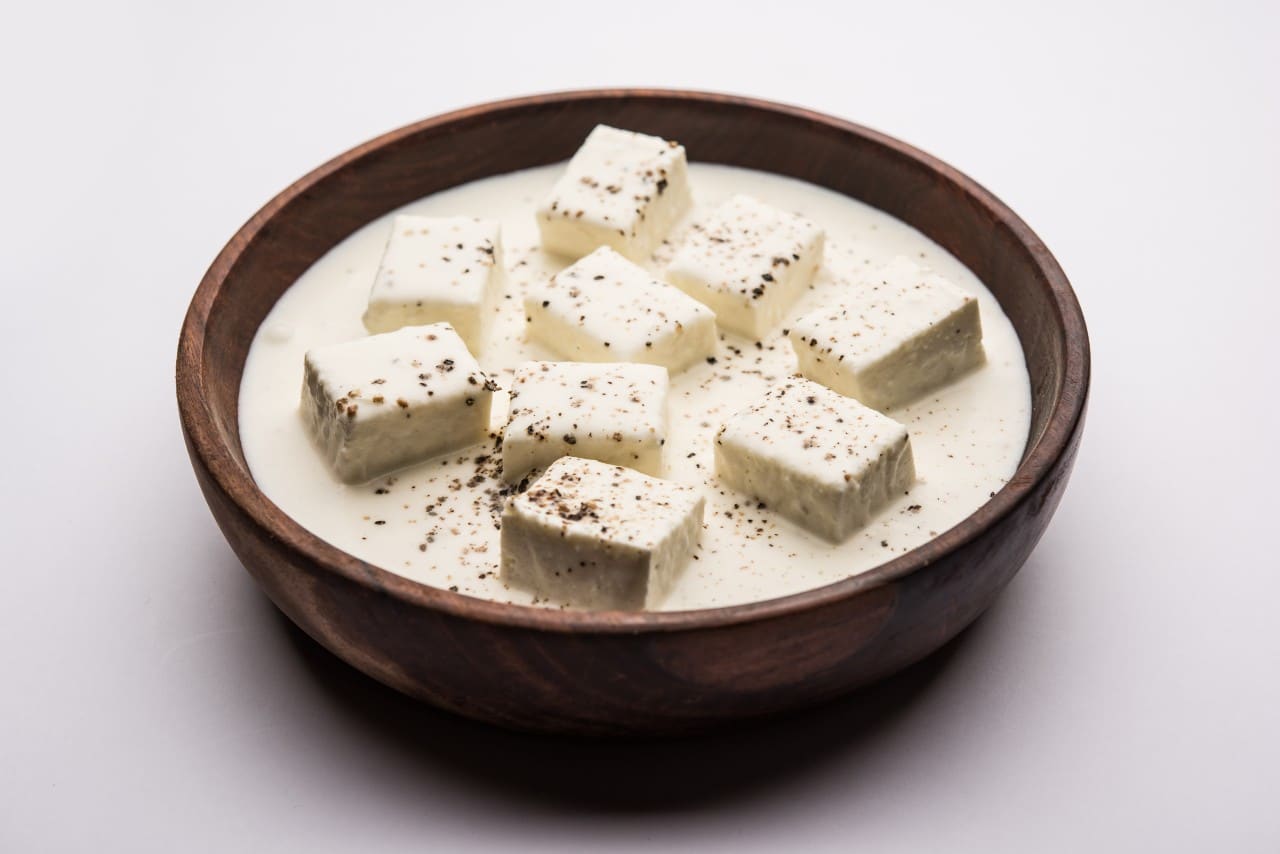
Soft, creamy paneer is a staple in many Indian households, especially on cool monsoon evenings. But the rainy season brings higher humidity, which causes paneer to spoil much faster than usual, even when it’s kept in the refrigerator. This change in weather makes proper handling more important than ever.
Paneer that has turned even slightly sour or hasn’t been stored hygienically can trigger acidity, cramps, or digestive issues. The damp environment encourages bacterial growth, turning a normally healthy source of protein into something potentially unsafe during the monsoon.
A safer approach is to prepare paneer fresh at home or purchase it only from trusted, hygienic sources. Freshly made paneer is softer, cleaner, and far gentler on the stomach, especially when cooked the same day. This simple shift ensures your paneer dishes stay wholesome and comforting without the seasonal risks.
With a bit of extra care, paneer can remain a delicious part of your monsoon meals. And if you’re looking for a clean, safe way to enjoy it this season, here’s an easy homemade method to guide you.
How to make it at home – Fresh and Safe Paneer Delight:
- Boil full-cream milk and add lemon juice or vinegar to curdle it.
- Strain through a muslin cloth and press lightly to form soft cubes.
- Use immediately in curries, bhurji, or stir-fries.
- Serve warm and avoid refrigerating leftovers to keep them light and gut-friendly.
6. Cold Drinks

An ice-cold soda on a humid monsoon day may feel refreshing at first, but it often works against your body. The sudden drop in internal temperature can weaken your immunity at a time when seasonal infections are already common, making cold beverages less ideal during this weather.
Fizzy drinks bring their own set of issues. With high sugar content, artificial additives, and zero real hydration, they tend to slow digestion and leave you feeling bloated or sluggish. Instead of offering relief, they weigh the body down when warmth and balance are exactly what your system needs. That’s why many people turn to comforting alternatives, such as herbal tea, which supports digestion rather than stressing it.
Choosing warm, soothing beverages during the monsoon helps your body stay balanced and more resilient. Drinks served at a gentle temperature support digestion, keep your system calm, and strengthen your natural defences against seasonal illnesses.
Making this slight shift can improve how energised and comfortable you feel throughout the monsoon. And if you’re looking for an easy, restorative drink to replace cold sodas, here’s a simple warm option to prepare at home.
How to make it at home – Healthy Drink Swap:
- Heat a cup of water and mix in one teaspoon of honey and lemon juice.
- Add a pinch of cinnamon or freshly grated ginger for an immune boost.
- Stir well and sip slowly while warm for a soothing, refreshing experience.
- Enjoy it mid-morning or in the evening to stay hydrated and light throughout the day.
7. Gulab Jamun

There’s something magical about enjoying warm, syrupy gulab jamuns while the rain patters outside. Their soft texture and rich aroma bring instant comfort. But during the monsoon, this favourite sweet can become unsafe if it hasn’t been prepared or stored properly.
Humidity causes sugar syrup to ferment quickly, and sweets kept uncovered or purchased from street vendors may collect bacteria or fungi. What seems like a harmless indulgence can lead to stomach infections or simply intensify the risk of foodborne illnesses, making gulab jamun one of the seasonal treats to be cautious about.
Preparing them fresh at home is a simple way to keep the joy without the worry. Freshly made gulab jamuns are safer, cleaner, and allow better control over hygiene and sweetness levels. This ensures every bite remains comforting rather than risky.
With just a bit of extra care, this classic dessert can stay a monsoon favourite without causing trouble for your gut. For a warm, safe, and homemade version that’s perfect for rainy evenings, here’s an easy way to make it yourself.
How to make it at home – Fresh and Safe Gulab Jamun:
- Mix milk powder, ghee, a pinch of baking soda, and milk into a soft dough.
- Roll into small balls and fry gently on a low flame until golden brown.
- Soak immediately in warm sugar syrup infused with cardamom or rose water.
- Serve warm and fresh, avoid storing overnight to keep it safe and satisfying
8. Ice Cream

A scoop of creamy ice cream on a dull, rainy day can feel like instant comfort, but monsoon weather makes frozen treats far riskier than usual. Constant moisture and shifting temperatures can affect how well ice cream stays frozen, increasing the likelihood that it will become unsafe without anyone noticing.
When ice cream melts even slightly and then refreezes, it creates conditions that allow bacteria to thrive. Add power cuts, frequent freezer openings, or improper storage, and that comforting dessert can quickly lead to a sore throat, digestive issues, or general discomfort. It also disrupts the body’s fluid balance, making it one of the foods best avoided in the rainy season.
Therefore, choosing alternatives that are fresh and naturally prepared is a much safer approach. Desserts made at home allow better control over ingredients and temperature, making them gentler on the stomach while still offering that sweet satisfaction. They keep the indulgence intact without putting your immunity at risk.
The idea is to enjoy treats that leave you feeling good, not weighed down. With a slight shift toward cleaner, homemade options, dessert time can still be a highlight of your monsoon days. And if you’re looking for a simple, safe alternative to conventional ice cream, here’s a refreshing homemade version to try.
How to make it at home – Safe Monsoon Dessert Swap:
- Blend ripe bananas or mangoes with thick yogurt until smooth and creamy.
- Freeze the mixture for a few hours to create a creamy, natural “nice cream.”
- Drizzle honey or sprinkle chopped nuts for flavor and texture.
- Serve immediately for a refreshing, gut-friendly monsoon dessert.
Conclusion
The monsoon season is nature’s reminder to slow down, and that includes how we eat. It is not about avoiding everything you love, but about making smarter choices that suit the season. When you pick clean, freshly prepared, and warm foods, you are not just protecting your stomach; you are nurturing your overall well-being. Listen to your body, respect what the weather demands, and let every meal add comfort, not chaos, to your rainy days. Stay mindful, stay cosy, and let the rains bring you health, not hassles.
Frequently Asked Questions
Which vegetarian snacks are considered unsafe during the monsoon?
During the monsoon, vegetarian snacks like pakoras, samosas, and street chaat are unsafe due to high humidity and poor hygiene. These conditions promote bacterial growth, increasing the risk of food poisoning and stomach infections.
Are dairy products risky to consume in the rainy season?
Yes, dairy products like milk, curd, and paneer can spoil quickly in the rainy season due to high humidity. Consuming stale or improperly stored dairy increases the risk of stomach infections and foodborne illnesses.
Why is street food best avoided during monsoon months in India?
Street food is best avoided during monsoon months in India because high humidity and contaminated water increase the risk of bacterial growth. Unhygienic preparation and storage can lead to food poisoning, stomach infections, and other digestive issues.
Why are certain vegetables more susceptible to contamination in the monsoon?
Leafy vegetables, such as spinach, lettuce, and cabbage, are more prone to contamination during the monsoon due to excess moisture and stagnant water. These conditions promote bacterial growth, making non-leafy, easily cooked vegetables like bottle gourd or pumpkin safer choices.
How does the monsoon influence our food preferences beyond just taste?
The monsoon influences our food preferences by enhancing sensory responses. The cool, humid air heightens cravings for warm, spicy, and comforting foods, making soups, fried snacks, and rich flavours more appealing as our bodies seek warmth and satisfaction.
What are the digestive problems in monsoons?
Common digestive problems during the monsoon include bloating, acidity, diarrhoea, and indigestion. The humid weather slows metabolism and promotes bacterial growth in food, increasing the risk of gastrointestinal infections and stomach discomfort.
Which common fruits should I avoid during monsoon?
Avoid fruits with high water retention or contamination risk during the monsoon, such as watermelon, muskmelon, papaya, and mangoes sold pre-cut. Also, avoid roadside-cut fruits, as they’re more prone to bacteria, contamination, and digestive issues.