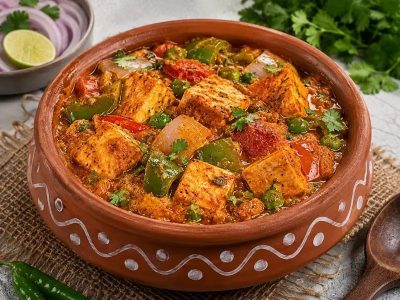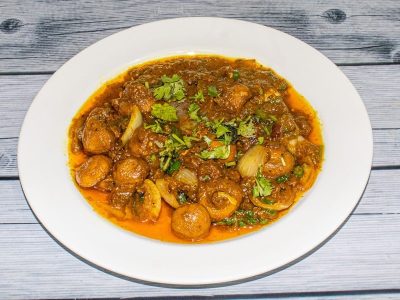
Capsicum Kairas is one of those recipes my aunt used to make during the monsoon months when we wanted something warm but not too heavy. She would pressure cook the peanuts early in the morning and let them sit until dinner, which made the whole process feel less rushed.
The first time I made it on my own, I underestimated how much the roasted coconut would thicken the gravy, and I ended up with something closer to a paste. Now I keep extra water nearby and add it slowly while the curry simmers. The smell of sesame seeds toasting in oil still reminds me of her kitchen, and the way the tamarind cuts through the richness of the peanuts makes this dish feel complete without needing much else on the plate.
About the Recipe
This recipe takes about an hour from start to finish, including the time the capsicums spend simmering. Most of the ingredients are pantry staples if you cook South Indian food regularly. Fresh capsicums and grated coconut are the only things you might need to pick up. I make this when I want a vegetable curry that does not rely on onions or tomatoes, or when I have leftover peanuts sitting in the cupboard.
The spice paste can be ground a few hours ahead, which helps if you are cooking after work. It pairs well with plain rice or soft chapatis, and the leftovers taste even better the next day once the flavours settle.
Why you will love this recipe
The roasted sesame and coconut paste gives this curry a nutty richness that balances the sharp tamarind and the slight bitterness of capsicum. Peanuts add body without making it feel heavy, and the jaggery rounds out the sourness just enough. The capsicums stay firm but tender after simmering, which gives the curry some texture instead of turning mushy.
It comes together in one pot after the initial roasting and grinding, so cleanup is minimal. The spice level is moderate, and you can adjust the tamarind and jaggery to suit your taste without throwing off the rest of the dish.

Cooking Tips
The most common mistake is not frying the chana dal long enough. If it does not turn golden, the spice paste will taste raw even after simmering. Stir the dal constantly over moderate heat and wait until you can smell the roasted aroma before adding the coconut. Another issue is adding too little water when grinding the paste.
A thick paste will not mix smoothly into the curry and will form lumps. Use enough water to get a pourable consistency. If your tamarind is very sour, start with a smaller piece and taste the curry before adding jaggery. You can always add more sweetness, but you cannot take it back.
Top Tips
- Pressure cook the peanuts until they are soft but not falling apart. Four to five whistles usually works, but older peanuts may need an extra minute.
- Roast the sesame seeds on low to moderate heat. They burn quickly and will turn bitter if the heat is too high.
- Add the grated coconut after you remove the pan from the heat. It will toast slightly from the residual heat without burning.
- Sprinkle water over the capsicums before covering the pan. This helps them steam and soften without frying.
- If the curry looks too thick after adding the peanuts, stir in half a cup of warm water and simmer for another two minutes.
- Leftover kairas thickens as it cools. Thin it with a little water when reheating.
Serving and Storing Suggestions
This recipe serves four people as a main vegetable dish alongside rice or chapati. Prep time is about 15 minutes, and cooking takes 40 to 45 minutes. Serve it hot, ideally with plain steamed rice and a dollop of ghee on the side. It also pairs well with jowar or bajra roti if you want something heartier.
Store leftovers in an airtight container in the fridge for up to three days. Reheat gently on the stovetop with a splash of water to loosen the gravy. The flavours deepen overnight, so the second day is often the best.
Similar Recipes
- Peanut Masala Curry
- Coconut Capsicum Stir Fry
- Tamarind Rasam with Peanuts
- South Indian Mixed Vegetable Kootu
- Sesame Brinjal Curry
Nutrient Benefits
Capsicums are rich in vitamin C and antioxidants, which support immunity and skin health. Peanuts add plant based protein and healthy fats, making this curry more filling than a simple vegetable dish. Sesame seeds contribute calcium and iron, while coconut provides fibre and medium chain fatty acids. Tamarind aids digestion and adds a small amount of vitamin B and potassium.
Jaggery offers a gentler sweetness than refined sugar and contains trace minerals like iron and magnesium. This dish is naturally gluten free and can fit into a balanced vegetarian diet without much adjustment.

Capsicum Kairas
Ingredients
- 5 to 6 Capsicums (cut into 1/2 inch squares)
- Salt as per taste
- 1 tbsp Jaggery (powdered)
- 1/2 cup Peanuts (shelled)
- 2 tsp Oil
- 2 tsp Coriander Seeds
- 2 tsp White Sesame Seeds
- 1/2 tsp Asafoetida Powder
- 4 Red Chillies (dry)
- 1 tsp Chana Dal
- 3 tbsp Coconut (grated)
- Tamarind - a small marble sized ball
For Tempering:
- 2 tsp Oil
- 1 tsp Mustard Seeds
- 1/2 tsp Cumin Seeds
- 1 Dry Red Chilli (halved)
- 1 Curry Leaves (sprig)
Instructions
- Pressure the peanuts with 3/4 cup water for 4 to 5 minutes.
- Heat oil in a kadhai over moderate heat.
- Add coriander seeds, sesame seeds, asafoetida, red chillies and chana dal.
- Fry till dal turns golden.
- Remove from heat.
- Add the grated coconut and tamarind.
- Grind to a smooth paste with 1/4 cup water.
- Heat oil for tempering in a pan.
- Add the tempering ingredients.
- When mustard seeds start spluttering, add capsicum pieces.
- Sprinkle a little water.
- Cover pan and simmer for 10 minutes till cooked.
- Remove and set aside.
- Add salt, jaggery and ground masala with 1 1/2 to 2 cups of water.
- Stir well and bring to a boil.
- Lower heat and simmer for another 10 minutes till the raw smell of tamarind disappears.
- Add peants and capsicums.
- Simmer for 5 more minutes.
- Serve hot with plain rice or chapati.
Sign up for our newsletter
Add Awesome Cuisine as a Preferred Source

Frequently Asked Questions
Can I use roasted peanuts instead of pressure cooking raw ones?
Yes, but soak them in warm water for 15 minutes first so they soften slightly. Roasted peanuts will stay firmer even after simmering, which changes the texture a bit but still works.
My spice paste turned out grainy. What went wrong?
You probably did not grind it long enough or added too little water. Grind for at least two to three minutes after the paste looks smooth, and scrape down the sides of the grinder once or twice. Add water in small amounts until it becomes creamy.
The curry tastes too sour even after adding jaggery. How do I fix it?
Add another tablespoon of jaggery and a pinch of salt, then simmer for two more minutes. If it is still sharp, stir in a tablespoon of grated coconut and let it cook for another minute. That will mellow the sourness without making it sweet.
Can I make this without capsicum?
Yes, use bottle gourd, ridge gourd, or even potatoes. Cut them into similar sized pieces and adjust the simmering time. Potatoes will need about 15 minutes, and gourds will need 12 to 14 minutes.
The gravy split after I added the peanuts. What happened?
The curry was likely boiling too hard when you added them. Always lower the heat to a simmer before adding peanuts or any cooked legumes. Stir gently and do not let it boil vigorously after that.