Creating a clean and efficient beverage station isn’t just about presentation – it’s about safety, flow, and confidence. Whether you’re serving lassi, iced tea, fresh juice, or just a mix of everyday drinks, a good setup keeps things smooth and sanitary from start to finish. The goal is simple: fewer touchpoints, less mess, and more peace of mind for everyone using it.
This guide walks through everything – layout, cleaning schedules, filtration, ice handling, dairy safety, and even a printable checklist you can hang nearby. You’ll also find simple staff or household training cues that make good hygiene a habit, not an afterthought.
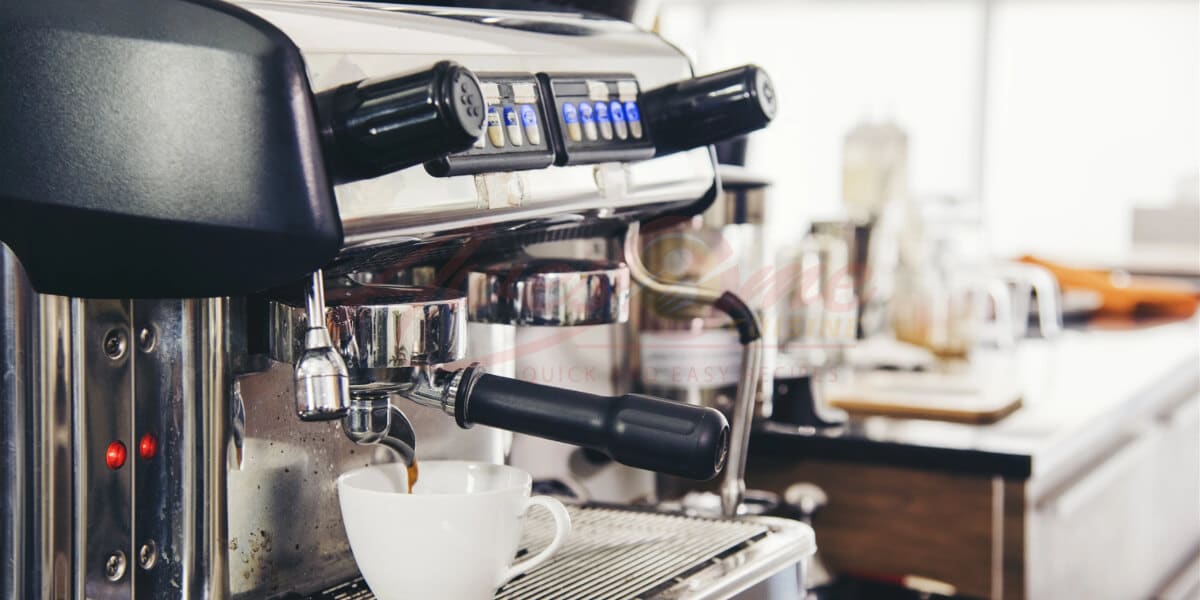
Cafe Counter
Step 1: Plan the Flow
Think of your beverage station like a small production line. You want movement to feel natural – no doubling back or crossing paths. Start by mapping out the workflow on paper before moving anything.
Here’s the basic flow:
- Prep zone: where ingredients (like milk, fruits, tea bags, or syrups) are stored and prepped.
- Dispense zone: where drinks are poured or served.
- Cleaning zone: where utensils and machines are rinsed, wiped, and sanitized.
Try to keep those zones distinct. A counter or divider helps separate “clean” from “used.” If you’re working in a small space, you can still zone efficiently by labeling shelves and using trays or color-coded containers.
Labeling matters more than people think – it keeps things intuitive for new users or guests and limits accidental cross-contamination.
Step 2: Prioritize Hand Hygiene
Even with a fancy setup, hand hygiene is still the backbone of food safety. Keep a handwashing station nearby or a bottle of sanitizer right next to your prep area. If your setup includes an ice maker and water dispenser combination, make sure it’s in a clean, easy-to-reach spot so people don’t skip the sanitizer on the way over.
If this is a public or semi-public setup (like a café corner, community event, or workplace break room), install a touchless sanitizer dispenser. Touchless systems cut down on germs and set a tone – everyone notices when hygiene feels easy.
Encourage a simple rule: wash or sanitize before touching anything that goes near a cup, straw, or lid.
You can post a small reminder sign:
“Clean hands make clean drinks.”
It sounds simple, but it works.
Step 3: Choose Low-Contact Equipment
Whenever possible, choose low-contact or touchless gear. Automatic dispensers for ice, water, ice cream, and juices keep hands off shared handles.
Look for:
- Touchless water dispensers or foot-pedal options
- Lever-style taps instead of push buttons
- Dispensers with drip trays for easy cleanup
And yes, don’t forget ice machines. Ice is technically food – and one of the most mishandled items in drink service. Always use a scoop (never hands or cups), and store the scoop in a clean holder outside the ice bin, not inside it.
If you’re researching new units, check out guides that explain the safest commercial ice maker and water dispenser units – they’re designed for lower contact and easier sanitizing, which keeps service safer and faster.
Step 4: Maintain Proper Temperatures
Temperature control is key, especially for dairy-based drinks like lassi or milk tea and fresh fruit juices. Warm milk, yogurt, or juice can spoil quickly, even after a short time on the counter.
Follow these basics:
- Keep dairy under 41°F (5°C).
- Serve cold drinks immediately or keep them chilled in a cooler or display fridge.
- Discard leftovers that have sat out for more than two hours.
If you’re serving hot beverages, keep them above 135°F (57°C). Anything in between those ranges – 41°F to 135°F – is what food safety pros call “the danger zone,” where bacteria multiply fast.
Thermometers are your friend. Clip one inside your fridge or cooler so you can check it at a glance.
Step 5: Sanitation and Cleaning Schedule
A beverage station – whether you’re serving coffee, tea, smoothies, or cold drinks – only stays hygienic if it’s cleaned on a strict schedule. The easiest way to keep everyone consistent is to make it visual. Tape a cleaning chart on the wall and have each person initial the boxes after each task.
Daily tasks:
- Wipe all surfaces with food-safe sanitizer before and after service.
- Empty and wash drip trays.
- Rinse all jugs, pitchers, and utensils with hot, soapy water.
- Wash cutting boards and replace paper towels or cloths.
- Sanitize handles, buttons, and refrigerator doors.
Weekly tasks:
- Deep-clean all machines (follow the manufacturer’s cleaning cycle instructions).
- Wash the ice scoop and holder with sanitizer.
- Check filters for buildup or mildew.
- Clean drains and floor mats.
Monthly tasks:
- Replace filters for your water or ice machines as needed.
- Inspect seals and gaskets for wear.
- Do a full audit – check for expired syrups, loose lids, and missing labels.
Consistency matters more than perfection. When you turn cleaning into a routine, you prevent problems before they start.
Step 6: Focus on Water and Filtration
Clean water equals clean drinks. A good filtration system keeps impurities, odors, and bacteria out of your beverages.
For small setups, an under-sink carbon filter is fine. For larger ones, consider a reverse-osmosis system – it removes minerals and contaminants more thoroughly.
Change filters on time. Most need swapping every six months, but if you notice slower flow or odd taste, change it sooner.
Remember to flush lines after replacing filters, so the first few gallons don’t taste chalky.
Step 7: Handle Ice Safely
Ice safety gets overlooked constantly. People assume ice can’t “go bad,” but it can harbor bacteria from unclean scoops, trays, or even hands.
Follow this simple SOP (standard operating procedure):
- Always use a clean scoop.
- Store the scoop outside the ice bin in a separate holder.
- Never use glassware or cups to collect ice.
- Wash the scoop and holder daily.
- Keep the ice bin covered when not in use.
If you use bags of ice from a store, avoid touching the inside of the bag when pouring. A pair of disposable gloves for that one step makes a difference.
And please – never dump ice into a sink used for washing dishes. It’s a cross-contamination trap.
Step 8: Manage Dairy and Perishables
Lassi, milk, and creamers can spoil fast. To stay safe:
- Store dairy products on the lowest shelf of the fridge.
- Keep containers sealed tightly.
- Never pour leftovers back into the original container.
- Label everything with the opening date.
If you’re blending or mixing lassi, make small batches – enough for a couple of hours of service. Keep the pitcher on ice between servings, not on the counter.
A quick tip: stainless steel pitchers retain cold better than glass or plastic.
Step 9: Train Everyone – Even at Home
If more than one person uses your beverage station, even casually, it’s worth setting a few ground rules. Training doesn’t have to mean a formal meeting – just a 10-minute talk or a printed sheet that says what’s expected.
Here are a few cues you can use for staff or family:
- “Wash hands before touching any ingredients.”
- “Use scoops, not cups, for ice.”
- “Clean as you go – don’t wait until the end.”
- “If something spills, wipe and sanitize right away.”
These reminders keep everyone aligned without nagging.
If you’re managing a café or shared space, post laminated reminders near sinks or prep counters. Visual cues reinforce habits faster than long checklists.
Step 10: Set Up a Printable Checklist
A printed checklist helps everyone stay accountable. Here’s a simple template you can use (or modify):
Daily Beverage Station Checklist
☐ Hands washed before prep
☐ Counters wiped and sanitized
☐ All pitchers washed and air-dried
☐ Ice scoop sanitized and stored properly
☐ Filters checked and lines flushed
☐ Dairy products stored at 41°F or below
☐ Temperature log updated
☐ Floor mats cleaned and dried
☐ Trash removed
☐ Surfaces wiped before closing
Stick this near the prep area or inside a cabinet door. For digital setups, you can even keep a shared checklist on a tablet or phone using a free notes app.
Step 11: Keep It Simple and Sustainable
Sustainability ties directly into hygiene. When your station is tidy and efficient, you waste less – less water, fewer napkins, fewer disposable cups.
You can make a big impact by switching to:
- Reusable stainless steel or glass pitchers instead of single-use plastic
- Cloth towels washed daily instead of paper
- Bulk syrup bottles to cut down packaging waste
And when cleaning, opt for non-toxic, food-grade sanitizers. They’re just as effective and safer to breathe in during daily use.
Step 12: Audit and Adjust
After your station’s been running for a few weeks, step back and observe. Watch how people actually move through the space. Are they bumping into each other? Is something awkward to reach?
Make small changes and see how it feels the next day. Hygiene isn’t just about cleanliness – it’s about creating a space that’s easy to keep clean. If your layout fights your workflow, you’ll constantly battle clutter and spills.
Sometimes even a small fix, like raising a dispenser or adding a second trash bin, can make the entire setup more efficient.
Stay Ahead of Problems
A beverage station should run like clockwork. When it doesn’t, you’ll know – things will start smelling sour, filters clog, or ice melts too fast.
Keep a short “maintenance diary” to jot notes. Write down when you last changed a filter or ran a cleaning cycle. That small habit helps you spot patterns before they become headaches.
And if you ever notice residue, rust, or cloudy water, pause service until it’s resolved. It’s better to delay one round of drinks than risk contamination.
Set Up a Hygienic Beverage Station
A hygienic beverage station doesn’t need to look like a lab. It just needs structure, habits, and tools that make clean handling second nature.
Whether it’s for your home, café, or community event, a smart layout, clear cleaning plan, and good equipment choices make all the difference. When you build the space right, everything else – flavor, freshness, and even teamwork – falls into place naturally.
Print your checklist, set your schedule, and start simple. One clean pour at a time, you’ll build a system that runs smoothly, safely, and confidently.