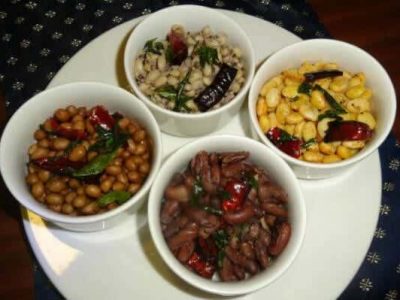
There is a particular kind of silence that falls over an Indian dinner table the moment a child spots methi in their sabzi. It is not a loud silence. It is a calculating one. The fork goes still. The eyes do a slow survey of the plate, hunting for an escape route around the green bits. Somewhere in the background, a grandmother is already murmuring that in her day, children ate what was put in front of them and liked it.
You know this scene. Maybe it is karela in your house, or the slimy bite of bhindi, or just a general, weary refusal to touch anything that isn’t rice, roti, or curd. You’ve tried the airplane spoon. You’ve tried bargaining. You’ve tried, on a particularly tired Tuesday, simply giving up and serving dal and rice for the third night running.
None of it feels like a real solution, and you’re not wrong. Most of what gets repeated as vegetable-getting wisdom is either useless or actively counterproductive. The good news is that there is a smaller, more honest set of things that actually work, and most of them have nothing to do with willpower, on yours or your child’s part.
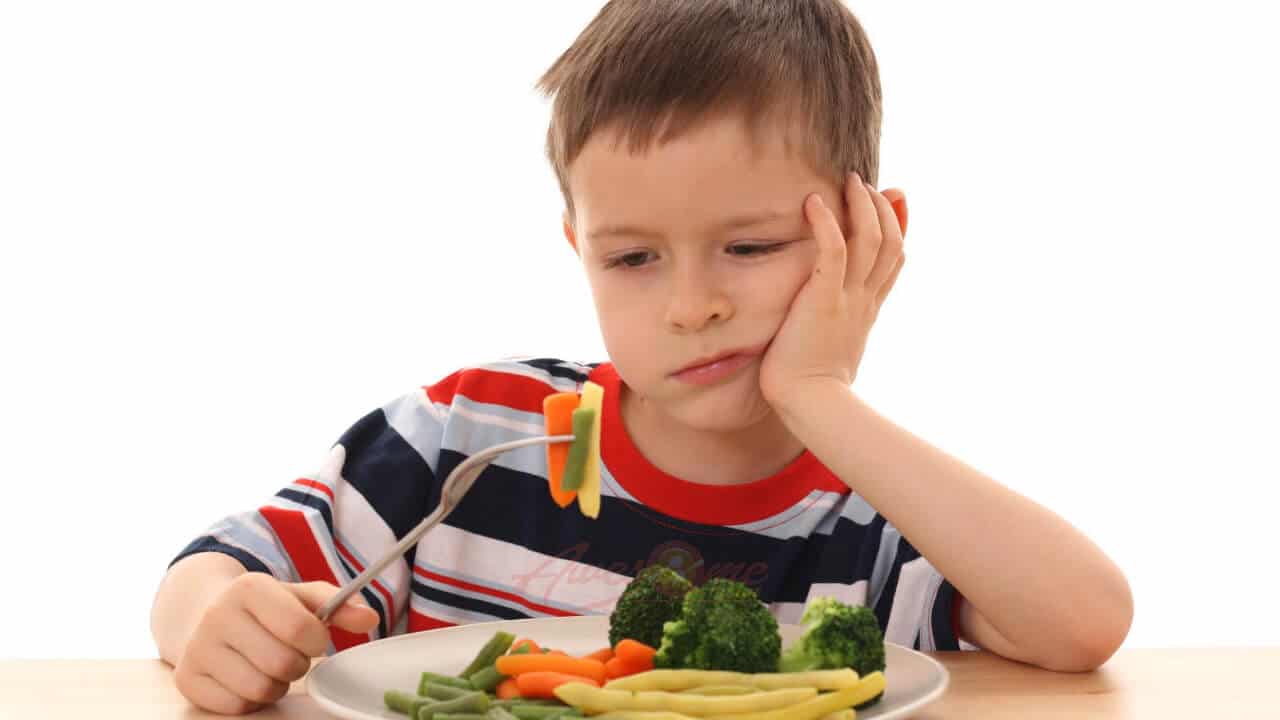
Table of Contents
Key Takeaways
- Refusing vegetables is a normal, almost universal developmental phase, not a parenting failure or a sign your child will eat badly forever.
- Most children need to see and taste a new vegetable many more times than parents expect before they’ll accept it. Giving up after two or three tries is the single biggest reason vegetables stay “hated.”
- Bribing, forcing, and “clean your plate” rules tend to backfire over time, even though they sometimes work in the short term.
- How a vegetable is cooked changes everything. The same vegetable your child rejects boiled and mushy might disappear happily when roasted, fried, or worked into a familiar dish.
- Indian cooking already has a head start here: batters, doughs, and gravies are natural places to hide or showcase vegetables without inventing anything new.
- What works shifts as your child grows, so a tactic that fails with a two-year-old might work perfectly at age seven, and vice versa.
Why This Actually Matters Right Now
It’s easy to treat vegetable refusal as a minor, almost comic parenting hurdle, something to vent about with other parents over chai and otherwise let slide. But the stakes are a little higher than “my child won’t eat broccoli.” Vegetables are one of the few food groups Indian children are consistently shown to under-eat, and the eating patterns formed now have a habit of sticking around well into adulthood. Sorting this out while your child is still young and impressionable is genuinely easier than trying to retrain an adult palate later. None of which means you need to panic over tonight’s dinner. It just means the small things you do over the next few months are worth getting right.
What is food neophobia? Food neophobia is the well-documented tendency, strongest in toddlers and preschoolers, to be wary of new or unfamiliar foods on sight, especially ones with strong colours, smells, or textures. It isn’t fussiness for its own sake. It’s a developmental phase rooted in caution, the same instinct that once stopped a toddler from eating something genuinely harmful, and for most children it eases with age and repeated, low-pressure exposure.
Why Does My Child Suddenly Refuse a Vegetable They Used to Eat?
The short answer is that this is developmentally normal, not a sign that something has gone wrong. Many toddlers go through a phase, often starting around age two, where foods they once ate without complaint suddenly become suspect. Vegetables get hit hardest because many of them carry naturally bitter compounds, and a child’s taste buds are, at this age, more sensitive to bitterness than an adult’s. What reads to you as “being difficult” is often your child’s palate doing exactly what it’s supposed to do at that stage of development.
This phase is also closely tied to food neophobia, the wariness of new or visually unfamiliar food described above. A vegetable that’s been roasted, or chopped into a different shape than usual, or appears in a dish where your child doesn’t expect it, can trigger the same suspicion as something entirely new, even if they’ve technically eaten it before. Texture matters as much as taste here. The stringy bite of cooked spinach or the slight sliminess of bhindi can be genuinely unpleasant for a child whose sensory processing is still developing, in a way that has nothing to do with stubbornness.
How Many Times Do I Actually Need to Offer a Vegetable Before It Works?
More times than feels reasonable, and that’s exactly why most parents give up too soon. Research on repeated food exposure consistently finds that children need roughly eight to ten exposures, sometimes more, before a previously rejected food starts to register as acceptable. Most parents, by contrast, give up after two or three tries.
8 to 10 or more repeated tastings of a vegetable are typically needed before a young child’s acceptance of it noticeably increases, according to a systematic review conducted for the U.S. Dietary Guidelines’ Birth to 24 Months Project. Source: USDA Nutrition Evidence Systematic Review, 2019 – ncbi.nlm.nih.gov
This matters because the instinct to stop offering a vegetable the moment it’s rejected is exactly backwards. Each calm, low-pressure exposure, even one where your child only pokes at it or smells it, is doing quiet work. Nothing about exposure number four has to look like success for exposure number nine to land. The trick is keeping the stakes low enough that your child doesn’t dread the vegetable showing up again, which a forced bite or a stern lecture will reliably undo.
Should I Hide Vegetables in Their Food, or Let Them See What They’re Eating?
Both have a place, but they’re not doing the same job, and leaning on only one creates problems later. Hiding vegetables, grating carrot into idli batter, blending spinach into a dosa mix, works well for getting nutrients in on a hard night, but it teaches a child nothing about accepting vegetables on their own terms. If every vegetable your child eats is disguised, you haven’t solved the underlying wariness, you’ve just routed around it. Showing vegetables, serving them visibly and letting your child decide whether to try them, is slower and messier, but it’s the only approach that actually builds long-term acceptance.
| Approach | What It Actually Does | Best Used When |
| Hiding (grated, blended, or pureed into a familiar dish) | Gets nutrients in without a fight, but doesn’t build comfort with the vegetable on its own | Tired weeknights, very young or extremely resistant eaters |
| Showing (served visibly, vegetable recognisable on the plate) | Builds genuine long-term acceptance through repeated exposure | Most meals, especially when your child isn’t already exhausted or rushed |
| Combining both | Balances short-term nutrition with long-term acceptance | The realistic everyday default for most families |
The honest answer most paediatric dietitians land on is a mix: use disguised vegetables for the nights you need the win, but make sure visible, recognisable vegetables show up regularly too, even ones you expect to be rejected. The rejected plate isn’t a failure. It’s exposure number six.
A vegetable that’s been roasted until its edges go dark and faintly sweet has very little in common with the same vegetable boiled into grey submission. Before deciding your child hates a vegetable, it’s worth asking whether they’ve actually met it at its best.
What Actually Works Better Than Bribing or Forcing?
Bribing and forcing both tend to backfire, even when they appear to work in the moment, because they teach a child to treat vegetables as a punishment to get through rather than food to enjoy. “Two more bites and you get dessert” links vegetables to deprivation. Forcing a clean plate teaches a child to override their own fullness signals, which has its own long tail of problems. What works instead is less dramatic and takes longer to show results, which is exactly why it gets skipped.
Forcing a bite rarely produces a vegetable lover. It produces a child who’s very good at hiding peas under the rice.
Letting your child see you eat and visibly enjoy vegetables does more than any lecture about nutrients. Children, especially younger ones, are watching what you eat far more closely than they’re listening to what you say about it. Involving them in the kitchen, even in a small way, washing vegetables, tearing coriander, picking which sabzi to make tonight, builds a sense of ownership that makes the eventual tasting feel like their idea rather than yours. And changing the cooking method before changing the vegetable is almost always the faster fix. A child who refuses boiled cauliflower may happily eat it roasted with a little chaat masala, or fried into a crisp pakoda.
India’s actual vegetable problem at scale is bigger than any one fussy eater.
56% of Indian children aged 6 to 23 months consumed zero vegetables or fruit on the day before they were surveyed, the most recent nationally representative data available, one of the highest rates in the region. Source: PLOS Global Public Health, 2023 – journals.plos.org
The numbers among older children aren’t much better.
Fewer than 10% of Indian adolescents currently meet recommended levels of fruit and vegetable intake, according to a 2025 study on adolescent eating habits. Source: BMC Public Health, 2025 – bmcpublichealth.biomedcentral.com
Seen against that backdrop, the daily effort of getting one more bite of lauki into one specific child stops looking like a personal failure and starts looking like part of a much wider, very fixable pattern.
What Indian Kitchen Tricks Actually Get Vegetables Onto the Plate?
This is where Indian cooking has a genuine advantage over a lot of Western advice on this topic, because batters, doughs, and gravies already give vegetables a dozen places to hide or shine without you inventing anything new. Grated carrot, finely chopped capsicum, and peas fold easily into vegetable dosa batter, turning a breakfast staple into a genuine vegetable delivery system without changing the dish your child already loves. Cabbage, often a hard sell on its own, becomes something else entirely once it’s shredded fine and fried into a crisp cabbage pakoda; the crunch does most of the persuading. A simple bowl of tomato noodles with carrots, beans, and capsicum stirred through a naturally sweet tomato sauce rarely gets questioned the way a plain vegetable side dish does.
Texture and shape changes work especially well with younger children. Cutting vegetables into the same finger-food shapes as foods they already accept, sticks, rounds, small cubes, lowers the unfamiliarity that triggers food neophobia in the first place. A pulao studded with vegetables, a stuffed paratha, or a tucked-away handful of grated beetroot in chapati dough all use the same underlying trick: let a food your child already trusts carry the vegetable in.
These same swaps carry over neatly into school-day food too. If lunchboxes are where the real battle happens, our guide to healthy Indian lunch box ideas for school and fibre-rich foods for kids both build on the same hide-and-show principle.
The goal isn’t a single magic recipe. It’s a rotating cast of dishes where vegetables show up so often, in so many different forms, that no single one of them gets to become “the enemy.”
Vegetable-Getting Tactics by Age
What actually works shifts meaningfully as your child grows, which is why a tactic that flops at age three can work beautifully by age seven.
| Age Group | What’s Happening Developmentally | What Tends to Help |
| Toddlers (1-3 years) | Food neophobia peaks; taste buds are especially sensitive to bitterness | Tiny portions, finger-food shapes, zero pressure, repeated low-key exposure |
| Preschoolers (4-6 years) | Growing independence; responsive to involvement and choice | Letting them choose between two vegetables, simple kitchen tasks, fun shapes |
| School-age (7-12 years) | More receptive to reasoning; peer influence increasingly strong | Explaining the “why,” cooking together, normalising vegetables in lunchboxes and outings |
Common Mistakes Parents Make (and the Easy Fix)
A few patterns show up again and again, and most are easy to course-correct once you can name them. Giving up after one or two rejections is the most common one; remember the eight-to-ten exposure rule above, and treat early rejections as data, not defeat. Serving the disliked vegetable only when your child is already tired, hungry-cranky, or distracted by screens stacks the deck against it; try offering new or rejected vegetables earlier in the meal, when your child is genuinely hungry and food tastes better generally. Announcing a vegetable with anxious enthusiasm, “just TRY it, it’s SO good”, tends to backfire too, since children are quick to sense when a parent is performing rather than simply offering. A calm, neutral “here’s some lauki if you want it” usually lands better than a sales pitch.
Lastly, cooking every vegetable the same way and concluding your child “doesn’t like vegetables” overall is a common trap. Disliking boiled spinach and disliking all spinach in every form are very different things, and it’s worth testing both before writing a vegetable off entirely.
Frequently Asked Questions
Is it bad to force my child to eat vegetables?
Forcing bites or enforcing a strict clean-plate rule tends to backfire over time. It can create a negative association with the specific vegetable and teaches children to override their own fullness signals rather than learn to actually like the food. Repeated, low-pressure exposure works better, even though it takes longer to show results.
How many vegetables should my child eat in a day?
This varies by age, but most dietary guidelines suggest aiming for a few servings of vegetables daily as part of a varied diet, alongside fruit, grains, and protein. Rather than chasing an exact number, focus on offering vegetables consistently at most meals; consistency matters more day-to-day than hitting a precise target.
Is it normal for my child to suddenly stop eating a vegetable they used to like?
Yes, this is genuinely common and usually temporary. It often coincides with broader developmental phases around toddlerhood when food neophobia peaks. Continuing to offer the food occasionally, without pressure or comment, is usually enough to see it return to favour eventually.
What are the easiest vegetables to start with for a picky eater?
Naturally sweeter, milder vegetables tend to have an easier time getting accepted: carrots, sweet corn, peas, and pumpkin are common first wins. Strongly bitter vegetables like karela or methi are usually easier to introduce later, once a child has built up some general trust in trying new foods.
Should I always hide vegetables in food, or sometimes let my child see them?
Both have a role. Hidden vegetables are useful for getting nutrients in on harder days, but relying on them exclusively doesn’t build real acceptance. Make sure visible, recognisable vegetables show up regularly too, even ones your child currently rejects, since each calm exposure is doing quiet, cumulative work.
One Vegetable at a Time
There’s no single dinner that fixes this, and no single recipe in this guide is the trick that finally works. What actually moves the needle is unglamorous: the same vegetable, shown up calmly and without comment, again and again, in a few different forms, over a few more months than feels patient. Tonight doesn’t have to be the night your child suddenly loves karela. It just has to be one more quiet exposure on the way there. Pick one trick from this guide, try it this week, and let the rest wait.