
Table of Contents
Key Highlights
- Natural nitrates in beetroot may help support circulation and workout stamina.
- Beetroot works well in juices, curries, salads, soups, and healthy snacks.
- Fibre, folate, potassium, and antioxidants contribute to its nutritional value.
- Beetroot leaves can also be used in dals, stir-fries, and soups.
- Traditional and modern recipes make beetroot easy to include regularly.
- Beetroot juice is commonly consumed as a refreshing pre-workout drink.
- Antioxidants and vitamin C in beetroot are often linked to skin wellness.
- Homemade beetroot recipes offer practical ways to add more vegetables to everyday meals.
Beetroot has become increasingly popular in everyday diets, especially in juices, salads, smoothies, and home-style meals. Its vibrant colour and naturally earthy sweetness make it stand out in both traditional recipes and modern wellness trends, from café smoothie bowls to simple Indian curries served at home.
At the same time, the growing popularity of beetroot has also created curiosity around its actual benefits. Many people include beetroot in pre-workout drinks, lighter meal plans, and healthy recipes, but often want to understand whether its reputation is based on real nutritional value or simply wellness trends online.
In this guide, we’ll explore the health benefits of beetroot, beetroot juice benefits, practical ways to include it in meals, and easy beetroot recipes you can prepare at home.
What Makes Beetroot a Nutrient-Rich Vegetable?
Beetroot stands out because it adds both colour and substance to everyday meals. Its naturally earthy sweetness works well in juices, salads, curries, and soups, while also providing fibre, folate, and plant compounds that make it more nutritious than many heavily processed convenience foods.
Another reason beetroot is widely used in healthy cooking is its versatility. It can be roasted for a deeper flavour, blended into smoothies, grated into parathas, or cooked into simple home-style dishes without needing complicated preparation.
Nutritional Content in 100 Grams of Boiled Beetroot
| Nutrient | Amount |
| Calories | 44 |
| Protein | 1.68 g |
| Carbohydrates | 9.96 g |
| Fibre | 2 g |
| Folate | 20% DV |
| Manganese | 14% DV |
| Potassium | 7% DV |
Its naturally occurring nitrates are also one of the reasons beetroot is commonly included in fitness-focused drinks and pre-workout recipes.
Why Beetroot Is Easy to Include in Everyday Meals?
Beetroot is widely valued for its nutritional profile and versatility in everyday meals. Rich in fibre, antioxidants, folate, and natural nitrates, this colourful root vegetable is commonly included in wellness-focused diets, refreshing juices, and wholesome home-cooked dishes. From supporting circulation to adding natural sweetness to meals, beetroot offers several practical health benefits when consumed as part of a balanced diet.
1. Beetroot May Help Support Heart Health
One of the most recognised health benefits of beetroot is its connection to heart health. Beetroot contains naturally occurring nitrates that the body converts into nitric oxide, a compound that helps relax blood vessels and improve circulation. Better blood flow may help support healthy blood pressure levels and overall cardiovascular function.
According to research published by the PubMed Report, dietary nitrate supplementation from beetroot may help improve vascular function and support blood pressure management.
This is one reason beetroot juice is often included in heart-conscious diets and lighter wellness-focused meal plans.
2. Beetroot Can Help Improve Workout Stamina
Beetroot has become especially popular in fitness and active lifestyles because of its natural nitrate content. Many people drink beetroot juice before exercise because it may help muscles use oxygen more efficiently during physical activity.
Studies published in the American Physiological Society Journal suggest that dietary nitrates may help improve exercise endurance and oxygen efficiency during workouts. Unlike sugary energy drinks, beetroot provides a more natural option for people looking to support stamina through whole foods.
3. Beetroot Supports Healthy Digestion
Beetroot contains dietary fibre, which plays an important role in supporting regular digestion and gut health. Fibre-rich vegetables also help meals feel more satisfying, making it easier to maintain balanced eating habits throughout the day.
According to the PubMed Report, fibre supports digestive health and contributes to regular bowel movements. Whether eaten roasted, steamed, or added to curries and salads, beetroot can help increase overall fibre intake in a practical way.
4. Beetroot Provides Antioxidants That Help Protect Cells
The deep red-purple colour of beetroot comes from betalains, which are natural antioxidants found in the vegetable. Antioxidants help protect cells from oxidative stress caused by free radicals generated through everyday environmental exposure and lifestyle factors.
Research published in Nutrients highlights the antioxidant and anti-inflammatory properties of betalains. Including colourful vegetables like beetroot in regular meals may contribute to long-term overall wellness.
5. Beetroot Can Contribute to Better Hydration
According to the PubMed Report, fresh beetroot contains a high amount of water, especially when consumed in juices, smoothies, or lighter salads. During warmer weather, beetroot-based drinks and meals can help add both hydration and nutrients to your diet without feeling too heavy. Its refreshing taste also pairs well with ingredients like mint, orange, carrot, and cucumber.
6. Beetroot Contains Nutrients Important for Iron Intake
Beetroot is commonly included in iron-conscious diets because it contains iron and folate, nutrients involved in healthy red blood cell production. Folate also plays a role in cell growth and development.
According to the Harvard T.H. Chan School of Public Health, folate is essential for healthy cell function and red blood cell formation. While beetroot alone is not a replacement for medical treatment, it can still be a nutritious addition to iron-rich meal plans.
7. Beetroot May Help Support Healthy-Looking Skin
Beetroot health benefits for skin are linked to its antioxidant content and vitamin C. These nutrients may help support collagen production and protect skin from oxidative stress caused by pollution and environmental exposure. According to the PubMed Report, Vitamin C is widely recognised for its role in collagen synthesis and skin health support. Combined with proper hydration and a balanced diet, beetroot can be a useful addition to skin-friendly eating habits.
8. How May Beetroot Support Gut Health?
Beetroot contains dietary fibre, which plays an important role in supporting healthy digestion and regular bowel movements. Fibre-rich vegetables also help make meals feel more filling, which can support balanced eating habits throughout the day.
According to the PubMed Report, fibre supports digestive health and helps maintain regular bowel function. Whether eaten raw in salads, blended into smoothies, or cooked into curries and soups, beetroot can be a practical way to increase fibre intake through everyday meals.
9. Beetroot Fits Easily Into Family-Friendly Meals
One of the biggest practical benefits of eating beetroot is its versatility in everyday cooking. It can be blended into smoothies, grated into parathas, added to curries, or shaped into crispy cutlets for snacks and lunchboxes.
According to the PubMed Report, adding colourful vegetables to family meals is an effective way to improve overall vegetable intake and encourage balanced eating habits. Its mild sweetness also makes beetroot easier to include in family-friendly recipes compared to stronger-tasting vegetables that children may avoid.
10. Beetroot Works Well in Both Traditional and Modern Recipes
Beetroot adapts easily to different cooking styles, which makes it practical for regular use in everyday meals. Traditional dishes like beetroot poriyal, beetroot halwa, and beetroot curry continue to remain popular, while modern recipes such as smoothie bowls, roasted salads, and fresh juices have introduced beetroot to newer wellness-focused diets.
According to dietary guidance from Harvard T.H. Chan School of Public Health, including a variety of colourful vegetables in meals helps improve nutrient diversity and supports balanced eating habits. This versatility allows beetroot to fit naturally into both comforting home-cooked dishes and lighter modern recipes without feeling repetitive.
What Are the Best Ways to Eat Beetroot?
Beetroot is one of the easiest vegetables to include in everyday meals because it works well in both raw and cooked preparations. Its earthy flavour and natural sweetness make it suitable for salads, juices, curries, soups, snacks, and even desserts. Different cooking methods can also slightly change its texture and taste, making beetroot more versatile than many people expect.
While raw beetroot adds crunch and freshness to salads, cooked beetroot develops a softer texture and slightly sweeter flavour. This flexibility allows it to fit naturally into both lighter wellness-focused meals and comforting home-style recipes.
Which Cooking Methods Work Best for Beetroot?
The way beetroot is prepared can affect both its flavour and texture. Some methods help retain more nutrients, while others bring out its natural sweetness and make it easier to include in everyday cooking.
Cooking methods such as steaming and roasting can help preserve nutrients while improving texture and flavour in vegetables.
Popular Ways to Prepare Beetroot
- Roasting: Brings out natural sweetness and creates a slightly caramelised texture.
- Steaming: Helps retain moisture and nutrients without making beetroot too soft.
- Grating Raw: Works well in salads, slaws, and wraps for extra crunch.
- Juicing: A convenient option for pre-workout drinks and refreshing beverages.
- Boiling: Commonly used for curries, soups, and mashed beetroot recipes.
Roasted beetroot paired with herbs and olive oil is especially popular because the cooking process softens its earthy flavour while enhancing sweetness.
What Foods Pair Naturally With Beetroot?
Beetroot pairs best with ingredients that balance its earthy taste and natural sweetness. Creamy textures, citrus flavours, herbs, and crunchy ingredients all work well with beetroot in both traditional and modern recipes.
Ingredients That Pair Well With Beetroot
| Ingredient | Why It Works Well |
| Yoghurt | Adds a cooling and creamy contrast |
| Citrus fruits | Brightens the earthy flavour |
| Paneer or goat cheese | Balances sweetness with richness |
| Walnuts and nuts | Adds crunch and texture |
| Leafy greens | Creates freshness in salads |
| Mint and herbs | Makes dishes taste lighter |
These combinations work particularly well in beetroot salads, smoothie bowls, raitas, and roasted vegetable dishes.
Can Beetroot Leaves Be Used in Cooking?
Yes, beetroot leaves are completely edible and can be cooked in many of the same ways as spinach or other leafy greens. They contain fibre and essential nutrients, making them a practical addition to everyday meals instead of being discarded. Beetroot leaves can be sautéed with garlic, added to dals and soups, or lightly stir-fried as a simple side dish. Their mild earthy flavour also works well in mixed vegetable recipes and healthy smoothies.
What Are the Best Beetroot Recipes to Try at Home?
Beetroot works well in both simple everyday meals and more creative healthy recipes. Its natural sweetness, vibrant colour, and soft texture after cooking make it suitable for juices, salads, curries, soups, snacks, and even desserts.
From light summer dishes to comforting home-style recipes, beetroot can be prepared in several ways without requiring complicated ingredients. Whether you prefer refreshing drinks or filling meals, these beetroot recipes make it easier to include this nutrient-rich vegetable in your everyday diet.
1. Beetroot Juice
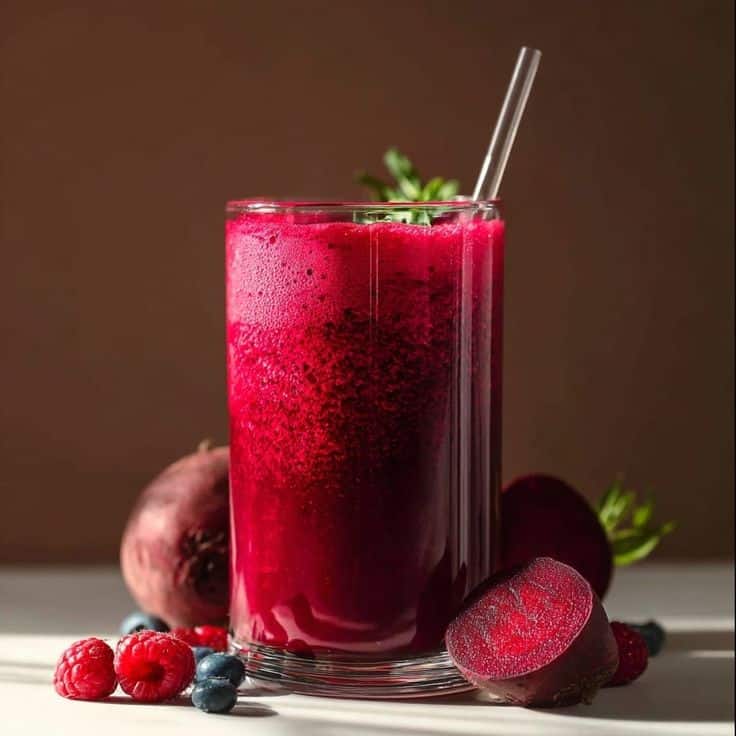
Refreshing, naturally sweet, and slightly earthy, drinking beet juice made from beetroot is one of the easiest ways to enjoy this colourful vegetable while staying hydrated. It pairs well with ingredients like carrot, apple, ginger, and orange, making it suitable for both wellness-focused diets and everyday breakfasts. Served chilled, this vibrant juice works well as a morning drink, a pre-workout beverage, or a light summer refresher.
Ingredients:
- 1 medium beetroot, peeled and chopped
- 1 carrot, chopped
- 1 apple, chopped
- 1/2 inch ginger
- 1 cup chilled water
- 1 teaspoon lemon juice (optional)
- Mint leaves for garnish
Recipe:
- Wash and chop all the ingredients into small pieces for easier blending
- Add beetroot, carrot, apple, ginger, and chilled water to a blender
- Blend for about 1–2 minutes until smooth
- Strain the juice using a fine sieve if you prefer a lighter texture
- Stir in lemon juice if using and mix well
- Pour into serving glasses and chill for 10–15 minutes if desired
- Garnish with mint leaves and serve fresh
For more refreshing drink ideas beyond this beetroot juice, you can also explore these juice and smoothie recipes to add more variety to your everyday beverages.
2. Beetroot Salad
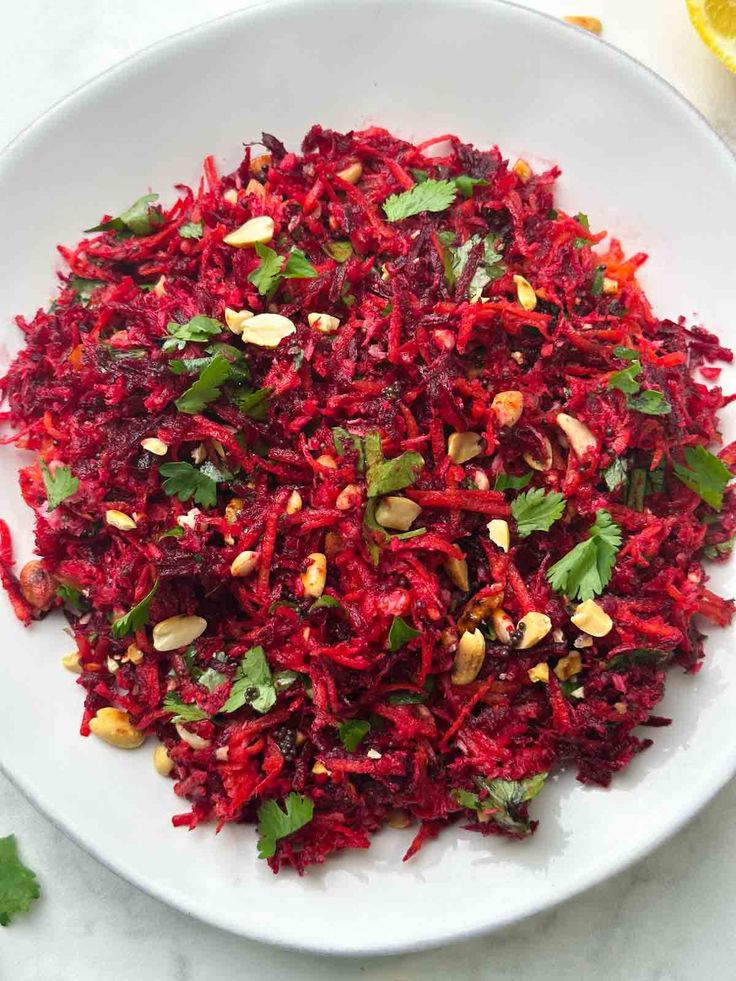
Fresh, colourful, and lightly crunchy, beetroot salad is a simple way to add more vegetables to everyday meals as part of a healthy diet. The natural sweetness of beetroot pairs well with crisp vegetables, citrus dressing, and herbs, creating a salad that feels both refreshing and filling. It works well as a light lunch, a side dish, or a healthy addition to summer meals.
Ingredients:
- 1 medium beetroot, boiled or roasted and diced
- 1 cucumber, chopped
- 1 carrot, grated
- 1 small onion, thinly sliced
- 1 tablespoon lemon juice
- 1 tablespoon olive oil
- Salt and pepper to taste
- Fresh coriander or mint leaves
Recipe:
- Wash and prepare all the vegetables before assembling the salad
- If using raw beetroot, boil it for 20–25 minutes or roast it for 30–35 minutes until tender, then allow it to cool slightly
- Add beetroot, cucumber, carrot, and onion to a large mixing bowl
- Drizzle lemon juice and olive oil evenly over the vegetables
- Add salt and pepper, and toss gently for 1–2 minutes until everything is well combined
- Garnish with fresh coriander or mint leaves
- Serve immediately or chill for 10–15 minutes before serving for a more refreshing flavour
For more light and refreshing meal ideas beyond this beetroot salad, you can also explore these summer salad recipes for easy everyday dishes packed with fresh ingredients.
3. Beetroot Curry
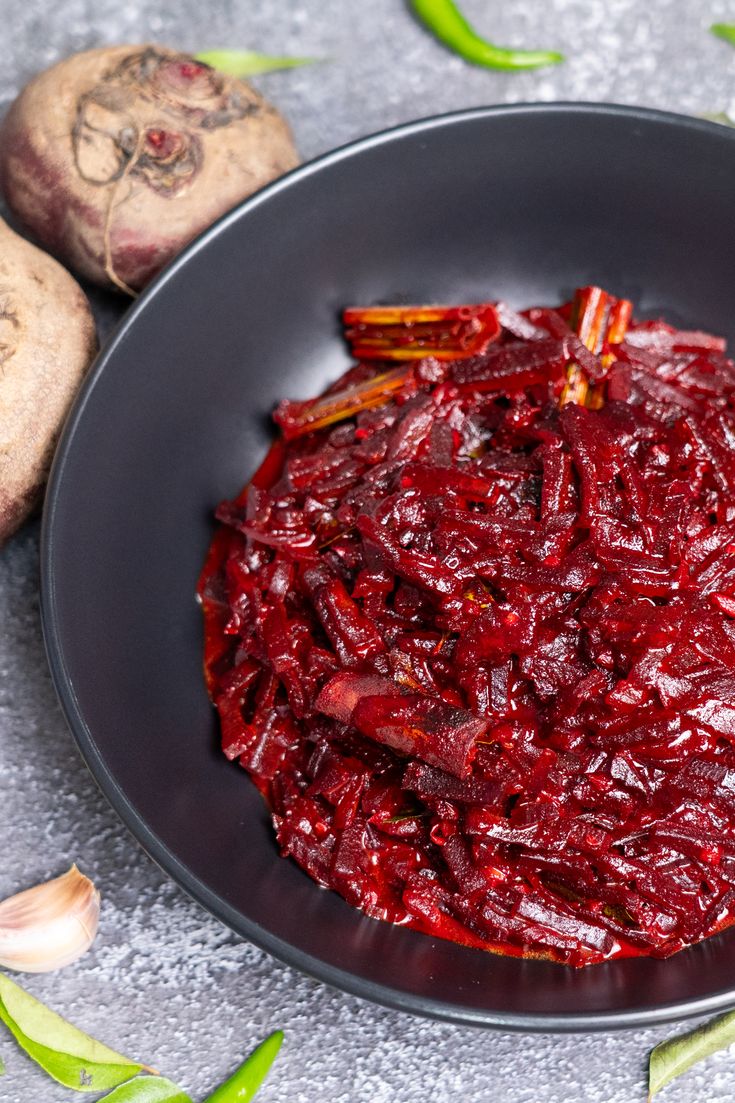
Soft, mildly sweet, and packed with comforting flavours, beetroot curry is a simple Indian dish that works well for everyday lunches and dinners. Cooking beetroot with onions, tomatoes, and mild spices helps balance its earthy taste while giving the curry a rich texture. It pairs especially well with steamed rice, roti, or dal-based meals.
Ingredients:
- 2 medium beetroot, peeled and diced
- 1 onion, finely chopped
- 1 tomato, chopped
- 1 green chilli, sliced
- 1/2 teaspoon mustard seeds
- 1/2 teaspoon cumin seeds
- 1/4 teaspoon turmeric powder
- 1 teaspoon chilli powder
- 1 tablespoon oil
- Salt to taste
- Fresh coriander for garnish
Recipe:
- Heat oil in a pan for about 30 seconds on medium heat
- Add mustard seeds and cumin seeds, and let them crackle for 20–30 seconds
- Add chopped onion and sauté for 4–5 minutes until soft and lightly golden
- Stir in chopped tomato and green chilli, then cook for 3–4 minutes until the tomatoes soften
- Add turmeric powder and chilli powder and mix well for 30 seconds
- Add diced beetroot and stir well so the pieces are coated evenly with the spices
- Pour in about 1/4 cup of water, cover the pan, and cook on low heat for 15–20 minutes until the beetroot becomes tender
- Add salt, mix gently, and cook uncovered for another 2 minutes
- Garnish with fresh coriander and serve warm with rice or roti
4. Beetroot Poriyal
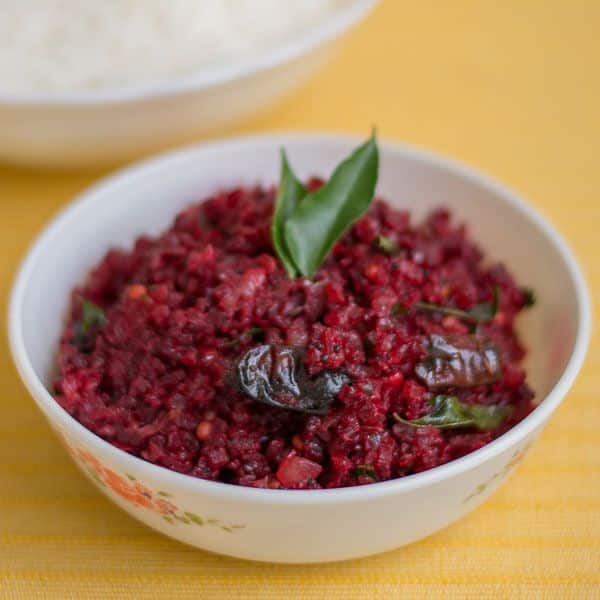
Lightly spiced, mildly sweet, and finished with fresh coconut, beetroot poriyal is a comforting South Indian side dish that pairs beautifully with rice and sambar. The soft texture of cooked beetroot combined with mustard seeds, curry leaves, and coconut creates a simple dish that feels both wholesome and flavourful for everyday meals.
Ingredients:
- 2 medium beetroot, peeled and grated
- 1 tablespoon grated coconut
- 1/2 teaspoon mustard seeds
- 1/2 teaspoon urad dal
- 1 dried red chilli
- A few curry leaves
- 1 tablespoon oil
- Salt to taste
Recipe:
- Heat oil in a pan for about 30 seconds on medium heat
- Add mustard seeds and allow them to crackle for 20–30 seconds
- Add urad dal, dried red chilli, and curry leaves, then sauté for 1 minute until fragrant
- Stir in the grated beetroot and mix well with the tempering
- Add salt and cook on low heat for 8–10 minutes, stirring occasionally, until the beetroot softens
- Mix in the grated coconut and cook for another 1–2 minutes
- Serve warm as a side dish with rice, sambar, or rasam
5. Beetroot Soup
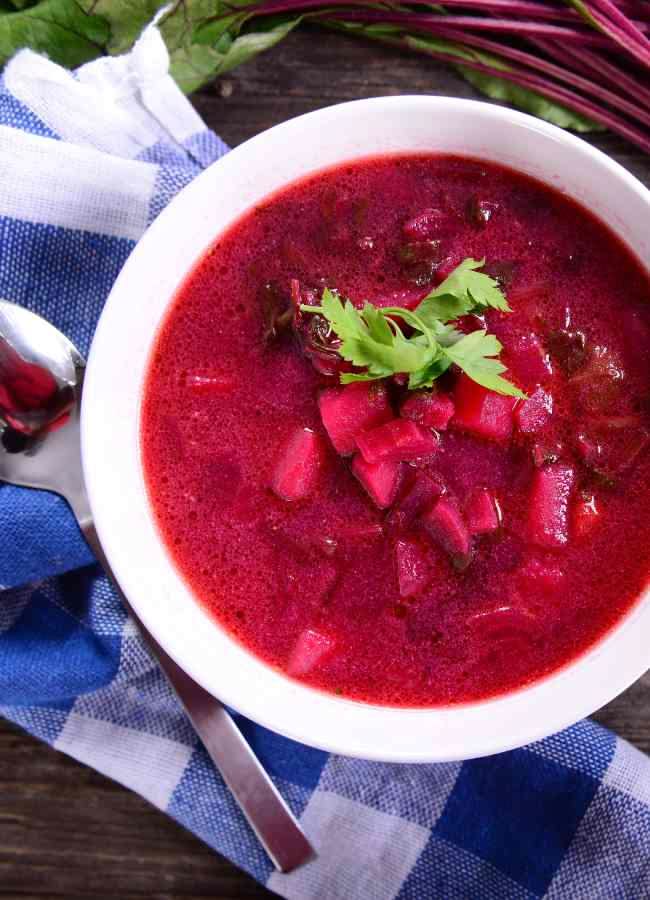
Warm, smooth, and naturally earthy, beetroot soup is a comforting dish that works well for lighter lunches or cosy evening meals. Cooking beetroot with garlic, onions, and mild seasoning helps soften its earthy flavour while creating a rich texture and vibrant colour. Served warm with herbs or yoghurt, this soup feels both filling and refreshing without being too heavy.
Ingredients:
- 2 medium beetroot, peeled and chopped
- 1 onion, chopped
- 2 garlic cloves, chopped
- 1 small potato, chopped
- 3 cups vegetable stock or water
- 1 tablespoon olive oil or butter
- Salt and pepper to taste
- Fresh cream or yoghurt for garnish (optional)
Recipe:
- Heat olive oil or butter in a pan for about 30 seconds on medium heat
- Add chopped onion and garlic, then sauté for 3–4 minutes until soft and lightly golden
- Add chopped beetroot and potato, and cook for another 4–5 minutes while stirring occasionally
- Pour in vegetable stock or water and bring the mixture to a boil for 2–3 minutes
- Cover the pan and simmer on low heat for 20–25 minutes until the vegetables become tender
- Blend the soup until smooth using a blender or hand blender
- Add salt and pepper to taste and simmer for another 2 minutes
- Serve warm with fresh cream or yoghurt if preferred
6. Beetroot Paratha
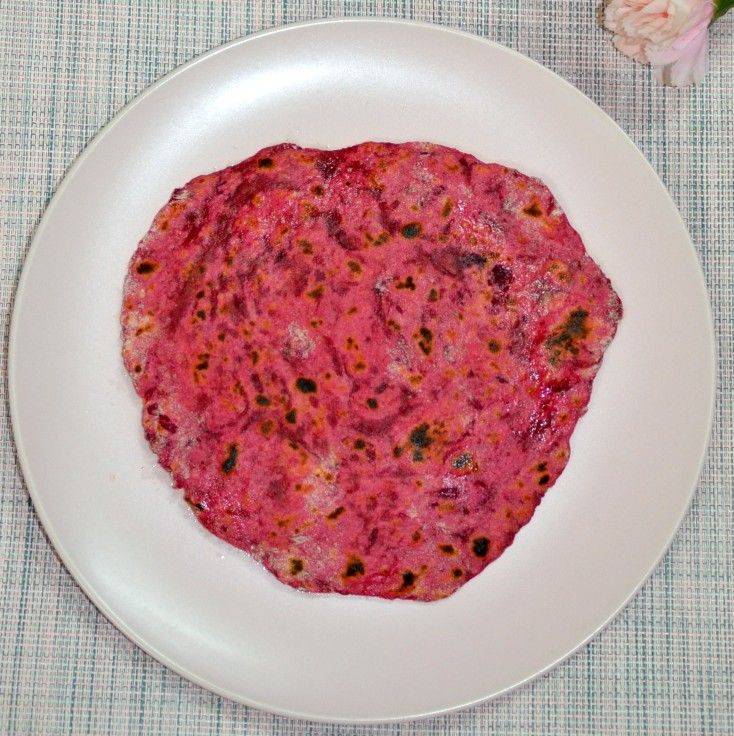
Soft, colourful, and lightly spiced, beetroot paratha is a wholesome variation of the traditional Indian flatbread. Grated beetroot adds natural sweetness, moisture, and a vibrant pink-red colour that makes these parathas both visually appealing and filling. They work especially well for breakfast, lunchboxes, or simple home-style dinners served with yoghurt, pickle, or curry.
Ingredients:
- 1 medium beetroot, peeled and grated
- 2 cups whole wheat flour
- 1 green chilli, finely chopped
- 1/2 teaspoon cumin powder
- 1/4 teaspoon turmeric powder
- 1 tablespoon chopped coriander leaves
- Salt to taste
- Water as needed
- Oil or ghee for cooking
Recipe:
- Add whole wheat flour, grated beetroot, green chilli, cumin powder, turmeric powder, coriander leaves, and salt to a large mixing bowl
- Mix everything well and gradually add water to form a soft dough
- Knead the dough for about 5–6 minutes until smooth
- Cover and let the dough rest for 10–15 minutes
- Divide the dough into equal portions and roll each portion into round parathas
- Heat a tawa or flat pan on medium heat for 1–2 minutes
- Place a paratha on the hot tawa and cook for about 1 minute until small bubbles appear
- Flip the paratha, apply a little oil or ghee, and cook for another 1–2 minutes on each side until golden spots appear
- Serve warm with yoghurt, pickle, or curry
7. Beetroot Raita
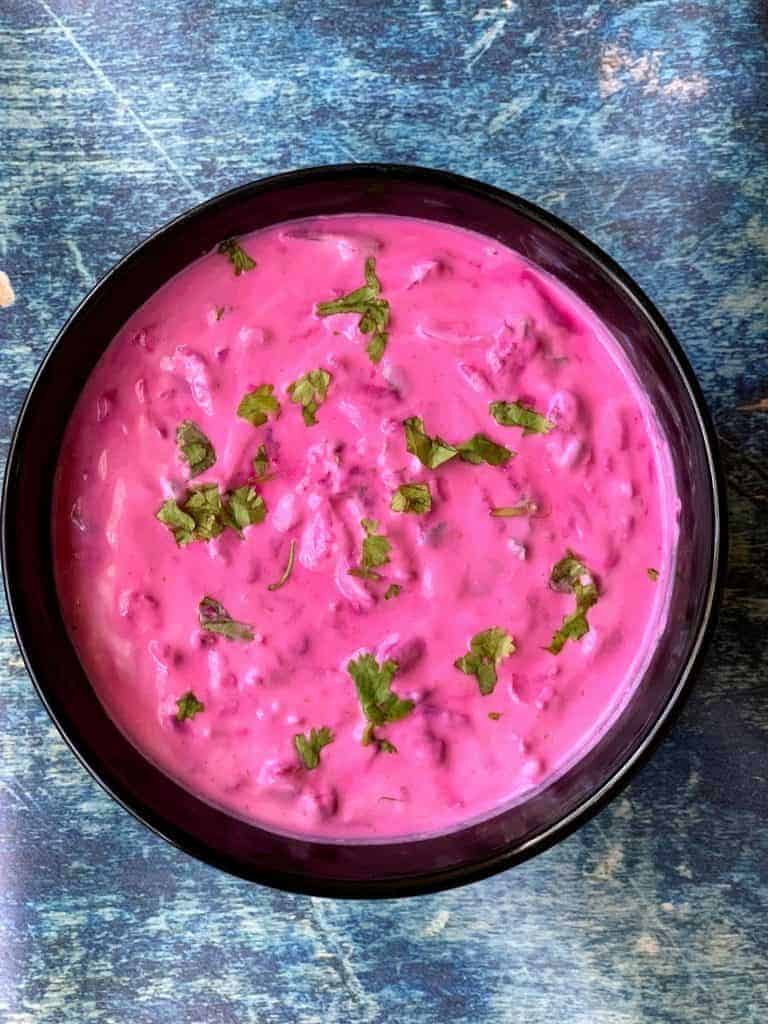
Cool, creamy, and lightly sweet, beetroot raita is a refreshing side dish that pairs especially well with spicy Indian meals. The combination of soft grated beetroot and chilled yoghurt creates a balanced flavour with a vibrant colour that makes everyday meals feel more appealing. It works well alongside pulao, biryani, parathas, or simple rice dishes.
Ingredients:
- 1 medium beetroot, boiled and grated
- 1 cup chilled yoghurt
- 1 green chilli, finely chopped (optional)
- 1/4 teaspoon roasted cumin powder
- Salt to taste
- 1 tablespoon chopped coriander or mint leaves
Recipe:
- Boil the beetroot for 20–25 minutes until tender, then allow it to cool slightly
- Peel and grate the beetroot finely
- Add chilled yoghurt to a mixing bowl and whisk for 1 minute until smooth
- Stir in grated beetroot, green chilli, roasted cumin powder, and salt
- Mix everything well until evenly combined
- Refrigerate for 10–15 minutes for a cooler flavour
- Garnish with fresh coriander or mint leaves before serving
- Serve chilled with rice dishes, parathas, or spicy curries
8. Beetroot Cutlets

Crispy on the outside and soft inside, beetroot cutlets are a colourful snack that works well for evening tea, party platters, or lunchboxes. The natural sweetness of beetroot combines well with potatoes, herbs, and spices, creating a flavourful snack that feels both comforting and filling. These cutlets can be shallow-fried, air-fried, or baked, depending on your preference.
Ingredients:
- 1 medium beetroot, boiled and grated
- 2 potatoes, boiled and mashed
- 1 small onion, finely chopped
- 1 green chilli, chopped
- 1/2 teaspoon garam masala
- 1/2 teaspoon cumin powder
- 2 tablespoons breadcrumbs
- Salt to taste
- 2 tablespoons oil for shallow frying
- Fresh coriander leaves
Recipe:
- Heat 1 teaspoon of oil in a pan for 30 seconds on medium heat
- Add chopped onion and green chilli and sauté for 2–3 minutes until soft
- Add grated beetroot and cook for 4–5 minutes to remove excess moisture
- Transfer the mixture to a bowl and allow it to cool slightly
- Add mashed potatoes, garam masala, cumin powder, breadcrumbs, coriander leaves, and salt
- Mix everything well until the mixture holds its shape
- Divide into small portions and shape into round or oval cutlets
- Heat oil in a flat pan for 1 minute on medium heat
- Place the cutlets in the pan and cook for 3–4 minutes on each side until crisp and golden
- Serve warm with mint chutney, ketchup, or yoghurt dip
9. Beetroot Smoothie Bowl
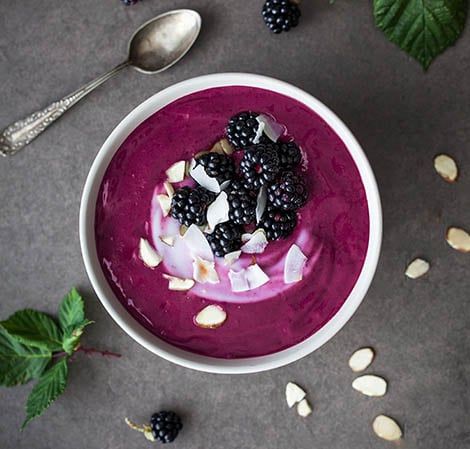
Bright, creamy, and naturally colourful, a beetroot smoothie bowl is a refreshing breakfast option that combines fruits, yoghurt, and seeds into one filling meal. Beetroot adds natural sweetness and a vibrant pink colour, while ingredients like banana and berries help create a smooth texture, contributing natural sugars. Topped with nuts, granola, and seeds, this bowl works well for lighter breakfasts or post-workout meals.
Ingredients:
- 1/2 medium beetroot, boiled and chopped
- 1 banana
- 1/2 cup yoghurt
- 1/2 cup mixed berries or strawberries
- 2 tablespoons oats
- 1 teaspoon honey (optional)
- Granola, chia seeds, and sliced fruits for topping
Recipe:
- Boil the beetroot for 15–20 minutes until soft, then allow it to cool slightly
- Add beetroot, banana, yoghurt, berries, oats, and honey to a blender
- Blend for about 1–2 minutes until thick and smooth
- Pour the smoothie into a serving bowl
- Top with granola, chia seeds, and sliced fruits
- Serve immediately while chilled for the best texture and flavour
10. Beetroot Halwa
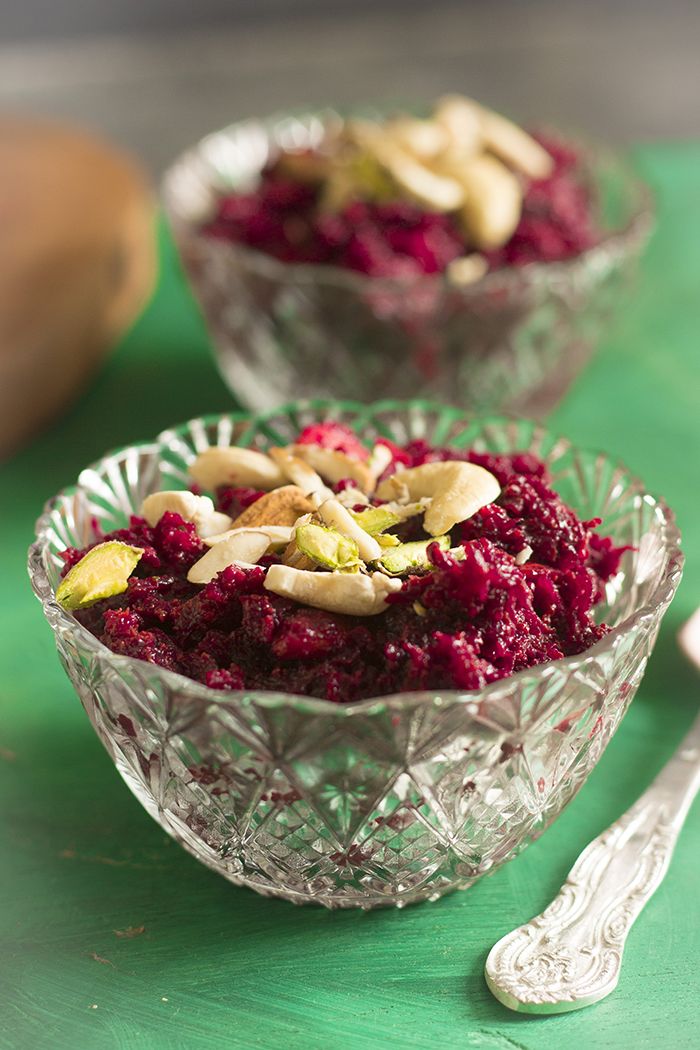
Rich, mildly sweet, and comforting, beetroot halwa is a colourful dessert that brings together the earthy flavour of beetroot with milk, cardamom, and nuts. Similar in texture to carrot halwa, this dish develops a soft and creamy consistency as the beetroot cooks slowly. It is often prepared during festivals, family gatherings, or colder evenings when warm homemade desserts feel especially satisfying.
Ingredients:
- 2 medium beetroot, peeled and grated
- 2 cups milk
- 3–4 tablespoons sugar or jaggery
- 2 tablespoons ghee
- 1/4 teaspoon cardamom powder
- 2 tablespoons chopped cashews or almonds
- Raisins for garnish (optional)
Recipe:
- Heat 1 tablespoon of ghee in a pan for about 30 seconds on medium heat
- Add grated beetroot and sauté for 5–6 minutes until the raw smell reduces slightly
- Pour in milk and stir well
- Cook on medium-low heat for 15–20 minutes, stirring occasionally, until the milk reduces and the beetroot softens
- Add sugar or jaggery and continue cooking for another 5–7 minutes until the mixture thickens
- Stir in cardamom powder and the remaining ghee
- Add chopped nuts and cook for 1–2 minutes
- Garnish with raisins or extra nuts and serve warm
These beetroot recipes show how easily this vibrant vegetable can fit into everyday cooking, from refreshing drinks and light salads to comforting curries and homemade desserts. Whether you prefer traditional Indian dishes or modern wellness-style meals, beetroot offers plenty of practical and flavourful ways to add more colour, variety, and nutrition to your diet.
Conclusion
Beetroot is a practical and versatile vegetable that fits easily into everyday cooking. From refreshing juices and colourful salads to comforting curries and homemade snacks, a cup of beetroot offers several simple ways to add more fibre, antioxidants, and nutrients to balanced meals. Its natural sweetness and vibrant colour help keep blood sugar levels balanced, making dishes feel fresher and more appealing without requiring complicated ingredients, which can be beneficial for those managing inflammatory bowel disease (IBD).
Whether you prefer traditional Indian recipes or lighter wellness-focused meals, raw beets and small beets adapt well to different cooking styles and flavours. Regularly including beetroot in your diet can help add more variety, texture, and nutrient-rich ingredients to everyday meals, highlighting the health benefits of beets in a simple and enjoyable way.
Frequently Asked Questions
Are there any side effects or risks of eating beetroot every day?
Eating beetroot daily is generally safe in moderation, but excessive intake may cause digestive discomfort or reddish urine and stools. People with low blood pressure, kidney stone concerns, and those taking blood pressure medications should also monitor their beetroot intake due to its oxalate content.
Is beetroot juice more beneficial than cooked or raw beetroot?
Beetroot juice provides a concentrated source of nutrients and is commonly preferred for quick hydration and pre-workout support, contributing to the improvement of hypertension. Whole beets, along with raw beetroot, retain more fibre, while cooked beetroot offers a softer texture and sweeter flavour, making all three forms useful in balanced diets.
Can beetroot help improve athletic performance and stamina?
Yes, beetroot may help support athletic performance because its natural nitrates can improve oxygen efficiency and blood flow during exercise, contributing to enhanced exercise performance and physical performance. This is why beetroot juice is commonly consumed before workouts, running, cycling, and endurance-based physical activities.
What Are the Health Benefits of Beetroot Juice?
Beetroot juice is commonly consumed for hydration, workout support, and circulation because it contains natural nitrates, antioxidants, and essential nutrients that can help reduce systolic blood pressure, making it beneficial for individuals with heart failure. It is also a refreshing way to include beetroot in everyday diets.
What Are the Health Benefits of Beetroot for Babies?
Beetroot can provide fibre, folate, and natural nutrients for babies when introduced in age-appropriate portions. Soft-cooked beetroot purée or mashed beetroot is often easier for babies to consume.
What Are the Health Benefits of Beetroot Leaves?
Beetroot leaves contain fibre, vitamins, and minerals similar to other leafy greens. They can be sautéed, added to dals, or included in soups and stir-fries for extra nutrition.
Are there any side effects or risks to eating beetroot daily?
Eating beetroot daily is generally safe in moderation, but excessive intake may cause digestive discomfort or pink-red urine and stools, especially considering that one cup of beetroot contains 3.4 grams of fiber. People prone to kidney stones should also monitor intake because beetroot contains natural oxalates.
How does beetroot consumption impact liver health?
Beetroot contains antioxidants and plant compounds like betalains that are commonly associated with supporting liver function and protecting cells from oxidative stress, as well as aiding nitric oxide production. It is often included in balanced diets focused on nutrient-rich foods and overall wellness.