Food is more than nourishment; it is a reflection of history, geography, and everyday life. Every cuisine tells a story shaped by climate, local ingredients, traditions, and generations of shared knowledge.
When people explore local food cultures, they gain more than memorable meals; they gain insight into how and why certain dishes are cooked the way they are.
Tasting regional food often reveals techniques and flavor combinations that cannot be learned from recipes alone. The way spices are layered, how ingredients are prepared, or how a dish is served all offer lessons that can transform everyday cooking.
These experiences encourage home cooks to think beyond instructions and start understanding the principles behind good food.
Exploring local food cultures also builds respect for authenticity. Instead of copying dishes blindly, cooks learn to appreciate balance, simplicity, and tradition.
Ultimately, learning from food cultures around the world helps cooks grow. Each experience adds a new perspective, making home cooking not just an activity, but an evolving craft shaped by culture and curiosity.
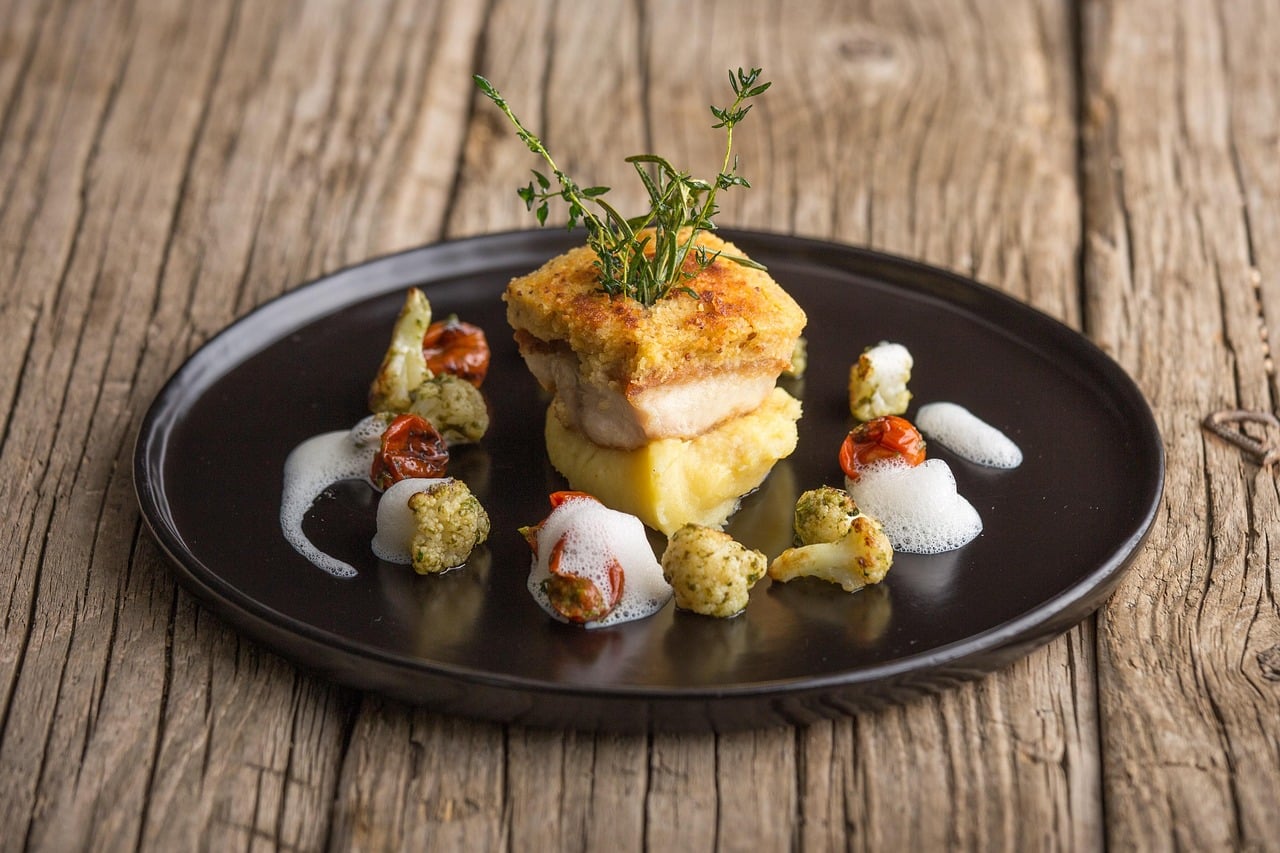
Image by Martin Schotte from Pixabay
Learning Cooking Techniques by Observing Local Kitchens
One of the most valuable lessons food lovers gain from exploring local food cultures comes from observing how people cook in their own kitchens.
Many traditional cooking methods are passed down through families, relying more on experience than written instructions. These methods often reflect years of refinement and adaptation to local ingredients and conditions.
Understanding Heat, Timing, and Technique
Local cooks instinctively understand when to adjust heat, when to let a dish rest, and how long ingredients should cook. Observing these subtle decisions reveals details that recipes often overlook.
Whether it is slow simmering, open-flame roasting, or quick stir-frying, understanding timing and temperature plays a crucial role in achieving authentic flavors.
Simplicity in Tools, Depth in Flavor
In many cultures, remarkable dishes are created using minimal tools and ingredients. Stone grinders, clay pots, or simple pans are used to produce deep, complex flavors.
Developing Cooking Intuition
Watching real cooking in action helps build intuition. Home cooks learn when to taste, how to balance seasoning, and how to adjust recipes based on instinct rather than strict measurements.
These lessons translate directly into better cooking at home, making meals more confident and expressive.
Understanding Ingredients Through Regional Food Traditions
Every cuisine is built around ingredients that are native to the region. Climate, soil, and seasons determine what grows locally, and over time, these ingredients become the foundation of traditional dishes.
From olive oil in Mediterranean cooking to rice and spices in Asian cuisines, local ingredients define flavor profiles and cooking styles.
Seasonality and Freshness in Traditional Cooking
Many local food cultures rely heavily on seasonal cooking. Ingredients are used at their peak, ensuring better taste and nutrition.
Understanding seasonality teaches home cooks when certain vegetables, fruits, or proteins deliver the best results. This knowledge encourages mindful shopping and better meal planning at home.
Learning Ingredient Preparation and Pairing
Different cultures prepare the same ingredients in unique ways. An onion may be slowly caramelized in one cuisine, finely chopped and sautéed in another, or used raw for sharpness and contrast.
Observing how ingredients are cut, cooked, and paired helps cooks understand balance how acidity, sweetness, spice, and texture work together.
Finding Substitutes Without Losing Authenticity
Not all ingredients are easily available everywhere. Exploring food cultures helps cooks learn which elements are essential and which can be substituted.
Understanding the role an ingredient plays in a dish makes it easier to adapt recipes at home while preserving their original character.
Documenting Recipes and Cooking Methods for Home Use
Experiencing local food is exciting, but without proper documentation, many details fade over time. The flavors may be memorable, yet the exact techniques, ingredient proportions, or preparation order can be hard to recall later.
Food lovers who actively document their experiences are better able to recreate dishes accurately once they return home.
Noting Techniques, Flavors, and Preparation Styles
Writing down observations such as cooking temperature, texture changes, spice balance, or finishing techniques helps preserve the authenticity of a dish.
These small details often make the difference between a good attempt and a truly satisfying recreation. Taking notes immediately after tasting or observing a dish ensures accuracy and depth.
Researching Ingredients and Cooking Methods
Understanding unfamiliar ingredients or regional cooking terms often requires quick research.
Looking up traditional preparation methods, regional variations, or ingredient substitutes helps cooks deepen their knowledge. Staying connected during this process allows food explorers to clarify details, compare techniques, and build a more complete understanding of a recipe.
Tools like Simify can quietly support this learning process by making it easier to access culinary references and document food knowledge without interrupting the experience.
Creating a Personal Collection of Recipes
Over time, these notes turn into a valuable personal recipe collection, one that reflects real experiences rather than copied instructions.
This approach allows home cooks to build confidence, refine techniques, and develop a cooking style inspired by authentic food cultures.
Recreating Authentic Dishes in Your Own Kitchen
Recreating dishes inspired by local food cultures does not mean copying them exactly. Home kitchens differ in equipment, ingredient availability, and cooking conditions.
The key is understanding the core technique and flavor profile of a dish, then adapting it thoughtfully. This approach allows cooks to stay true to the spirit of a recipe while making it practical for everyday cooking.
Balancing Authenticity and Accessibility
Authentic cooking is not about perfection; it is about intention. When certain ingredients are unavailable, knowing suitable alternatives helps maintain balance without compromising taste.
For example, substituting herbs, adjusting spice levels, or modifying cooking times can make a dish approachable while preserving its identity.
Practicing Techniques Through Repetition
Traditional cooking techniques improve with practice. Whether it is kneading dough, tempering spices, or controlling heat, repetition builds confidence and skill.
Each attempt offers feedback, allowing cooks to fine-tune textures and flavors. This hands-on process transforms inspiration into real culinary growth.
Developing Personal Style Through Global Influence
As cooks recreate dishes from different food cultures, they naturally begin to develop their own style. Combining techniques learned from various cuisines encourages creativity while respecting tradition. This fusion of learning and experimentation leads to more confident and expressive cooking at home.
Exploring Multiple Food Cultures and Their Influence on Cooking
Exploring multiple food cultures exposes cooks to a wide range of techniques, flavor combinations, and ingredient philosophies.
Each cuisine approaches cooking differently, from the olive-oil-focused simplicity of Mediterranean dishes to the spice layering and balance found in many Asian traditions.
Comparing Ingredients and Cooking Styles Across Regions
When studying various cuisines, cooks begin to notice patterns. Some cultures emphasize slow cooking, others rely on quick, high-heat methods. Certain regions highlight fresh herbs, while others build depth through fermentation or aging.
Comparing these approaches helps cooks understand why certain methods suit specific ingredients and climates.
Learning Through Cross-Cultural Culinary Exploration
Exploring food traditions across countries allows cooks to see how similar dishes evolve regionally.
Bread, stews, sauces, and rice-based dishes appear in many cuisines, each adapted to local tastes and resources. Researching and documenting these variations becomes easier when culinary learning continues uninterrupted across regions.
For those studying European food cultures in particular, solutions like eSIM Europe can quietly support ongoing culinary research by enabling consistent access to food references and cultural insights across multiple countries.
Applying Global Influences Thoughtfully
The goal of exploring multiple cuisines is not to mix everything indiscriminately, but to apply what is learned with care.
Understanding why a technique works in one cuisine helps cooks decide when and how to adapt it at home.
Learning International Recipes and Cooking Styles
Many traditional recipes are written or explained in local languages, using cooking terms that may be unfamiliar to home cooks. Understanding these instructions accurately is essential to recreating dishes the right way.
Translating ingredient names, measurements, and techniques helps prevent mistakes and ensures that flavors and textures remain true to the original dish.
Exploring Regional Variations of Popular Dishes
A single dish can vary widely from one country to another. Pasta sauces, curries, breads, and soups all change depending on local preferences and ingredients.
Learning these variations allows cooks to appreciate the flexibility of recipes while understanding what makes each version unique. Researching these differences deepens culinary knowledge and encourages thoughtful experimentation.
Learning and Preserving Authentic Cooking Methods
Some cooking styles rely heavily on technique rather than precise measurements. Methods such as slow braising, spice tempering, or dough fermentation are best understood through observation and research.
Staying informed while learning international cooking styles allows food lovers to study these methods carefully and apply them correctly at home.
For those exploring recipes across different regions, tools like UK International eSIM can support continuous access to culinary resources without disrupting the learning process.
Building Confidence in Global Home Cooking
As cooks become more comfortable learning international recipes, their confidence grows.
They begin to understand how to adjust flavors, textures, and techniques based on experience rather than guesswork. This confidence turns global inspiration into consistent, enjoyable home cooking.
Bringing Cultural Food Knowledge Into Everyday Cooking
The most valuable outcome of exploring local food cultures is the ability to apply what is learned to everyday cooking.
Techniques such as proper seasoning, heat control, and ingredient pairing can elevate even the simplest meals. Instead of reserving these methods for special occasions, cooks can integrate them into daily routines.
Cooking With Greater Intention and Awareness
Understanding the cultural background of dishes encourages mindful cooking. Knowing why certain ingredients are combined or how a technique developed helps cooks approach recipes with respect and purpose.
This awareness leads to more balanced flavors and thoughtful preparation.
Improving Flavor, Texture, and Presentation
Cultural food knowledge enhances not just taste, but texture and appearance as well. Learning how different cuisines balance crunch, softness, acidity, and richness improves overall dish composition.
Presentation also becomes more deliberate, influenced by traditional serving styles and plating techniques.
Making Cooking a Continuous Learning Process
Food exploration teaches that cooking is never static. Each meal becomes an opportunity to practice, refine, and experiment. This mindset keeps home cooking engaging and encourages long-term growth in the kitchen.
Supporting Local Food Traditions Through Cooking
Every traditional dish carries cultural meaning shaped by history, geography, and community. When cooks explore and recreate these dishes, it is important to acknowledge their origins.
Respecting traditional methods and ingredient choices helps preserve the integrity of the cuisine rather than reducing it to a trend.
Sharing Food Stories Responsibly
Food experiences often come with stories about family traditions, local markets, or regional celebrations.
Sharing these stories responsibly helps others understand the deeper value behind a dish. It also encourages appreciation rather than imitation, keeping culinary traditions alive and respected.
Encouraging Preservation of Traditional Cooking Methods
Many traditional cooking techniques risk fading as modern convenience takes over. By practicing and sharing these methods at home, cooks contribute to their preservation.
Teaching others, cooking for family, and passing down recipes help ensure that cultural food knowledge continues across generations.
Giving Back Through Thoughtful Cooking
Supporting local food traditions does not end with learning recipes. It also involves choosing ethically sourced ingredients, respecting seasonal availability, and promoting small producers whenever possible. Thoughtful cooking becomes a way to honor the communities that inspire it.
Conclusion
Exploring local food cultures helps home cooks grow beyond recipes by teaching them how ingredients, techniques, and traditions come together to create meaningful dishes. By observing local kitchens, understanding regional ingredients, documenting cooking methods, and thoughtfully applying these lessons at home, cooking becomes more confident, intentional, and creative.