
Table of Contents
Key Highlights
- Mallika Badrinath kitchen tips focus on smarter and more organised home cooking methods.
- Traditional storage ideas help keep pantry ingredients fresh for longer periods.
- Popular dishes like dosa, appam, and capsicum rice remain trusted family favourites.
- Fermentation, batter consistency, and heat control improve South Indian cooking results.
- Many mallika badrinath cookbooks are known for beginner-friendly and reliable recipes.
- Simple ingredient handling techniques help improve flavour, texture, and meal preparation.
- Awesome Cuisine features traditional recipes and practical cooking ideas inspired by trusted Indian home cooking methods.
Struggling with ingredients losing freshness, burnt cookware, uneven flavours, or pantry staples spoiling too quickly is a common challenge in many homes. These small but frequent issues can make meal preparation feel unnecessarily tiring and time-consuming.
Many home cooks also find it difficult to manage traditional food habits alongside fast-paced modern routines. From preventing moisture in salt during humid weather to keeping rice and lentils free from insects, these recurring problems often affect both food quality and preparation time. Over time, such inconveniences can add extra effort to preparing meals regularly.
This is where Mallika Badrinath kitchen tips continue to remain useful for home cooks across generations. Her trusted methods focus on ingredient storage, flavour balancing, cleaning hacks, and time-saving techniques that help make meal preparation smoother, more organised, and far less stressful.
Who Is Mallika Badrinath?
Mallika Badrinath is a renowned Indian food writer, chef, and cookbook author from Salem, Tamil Nadu, widely loved for making traditional Indian cuisine cooking simple and approachable for everyday home kitchens. For many Tamil households, her recipes are closely tied to memories of comforting home-cooked meals, festive dishes, and reliable everyday cooking.
What made her recipes stand out was their practicality. Her methods used familiar ingredients, clear instructions, and simple techniques that genuinely worked in real kitchens. From beginners learning dosa batter for the first time to families preparing quick daily meals, generations of home cooks found confidence through her guidance.
Her interest in cooking grew after marriage, eventually leading to the publication of her first cookbook, 100 Vegetarian Recipes, in 1988. Over the years, Mallika Badrinath’s cookery books became trusted kitchen companions across Indian homes because they simplified traditional recipes without losing authentic flavours.
Apart from books, she also hosted television cookery shows for over 15 years and launched Mallika Home Products in 1999, further strengthening her connection with everyday home cooks.
Why Are Mallika Badrinath Kitchen Tips Still Popular Today?
Mallika Badrinath kitchen tips remain popular because they solve real cooking problems using simple methods, affordable ingredients, and practical techniques that work well in busy Indian households.
Unlike overly technical cooking advice, her guidance feels realistic for everyday kitchens. Her methods help home cooks improve texture, flavour, storage, and meal consistency without needing specialised equipment.
Some reasons why these tips continue to stand out include:
- Easy ingredient substitutions
- Faster meal preparation
- Better food storage practices
- Balanced spice combinations
- Reliable dosa and batter techniques
- Traditional South Indian cooking knowledge
- Beginner-friendly explanations
Many people also appreciate how Mallika Badrinath cooking focuses on comfort food that feels achievable rather than intimidating.
Are Traditional Kitchen Tips Still Useful in Modern Cooking?
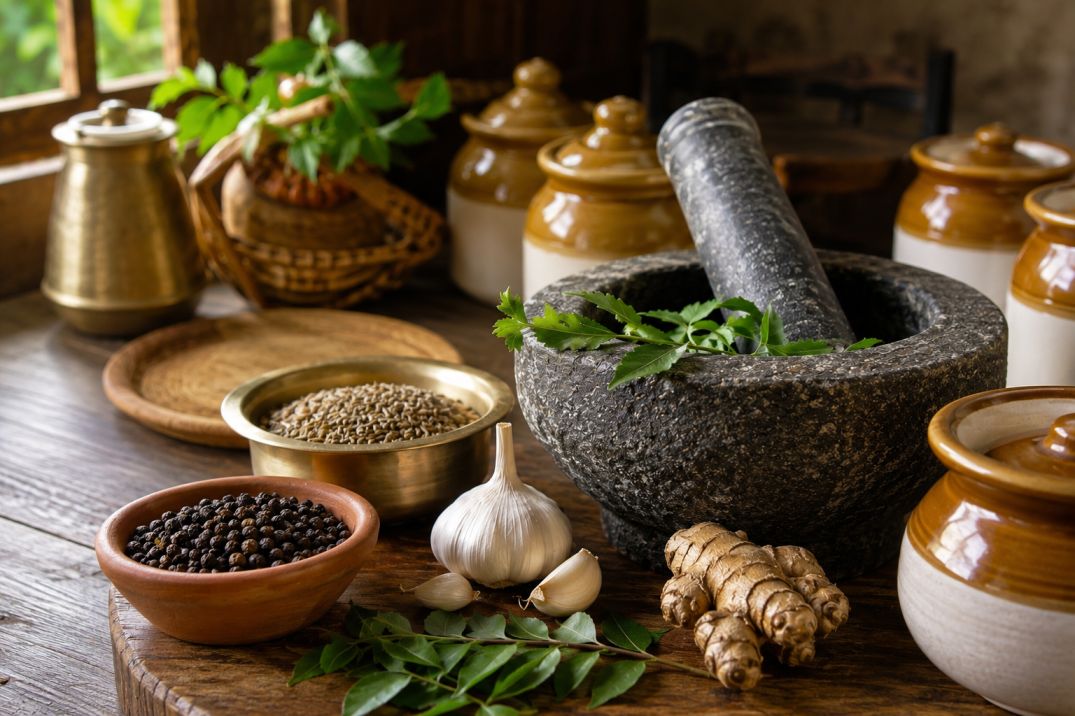
Modern kitchens may have advanced appliances and ready-made solutions, but issues like ingredient spoilage, moisture buildup, cluttered storage, and inconsistent cooking results still remain common in many homes. This is why traditional kitchen methods continue to stay relevant across Indian households.
Built around smart household habits and trusted food practices, these techniques help improve efficiency without making meal preparation feel complicated or overwhelming.
These traditional kitchen tips continue to remain useful because they:
- Help pantry ingredients stay fresh for longer
- Reduce food waste caused by moisture, insects, or poor storage
- Improve texture and consistency in dishes like dosa, rice, and curries
- Save preparation time through smarter ingredient handling
- Make kitchens easier to clean and maintain
- Reduce dependence on expensive gadgets or specialised equipment
- Support smoother meal preparation during busy routines
- Blend easily with both traditional and modern cooking styles
Their long-standing relevance comes from how naturally they fit into real home kitchens while helping cooks save time, effort, and ingredients.
What Are the Most Useful Mallika Badrinath Kitchen Tips?
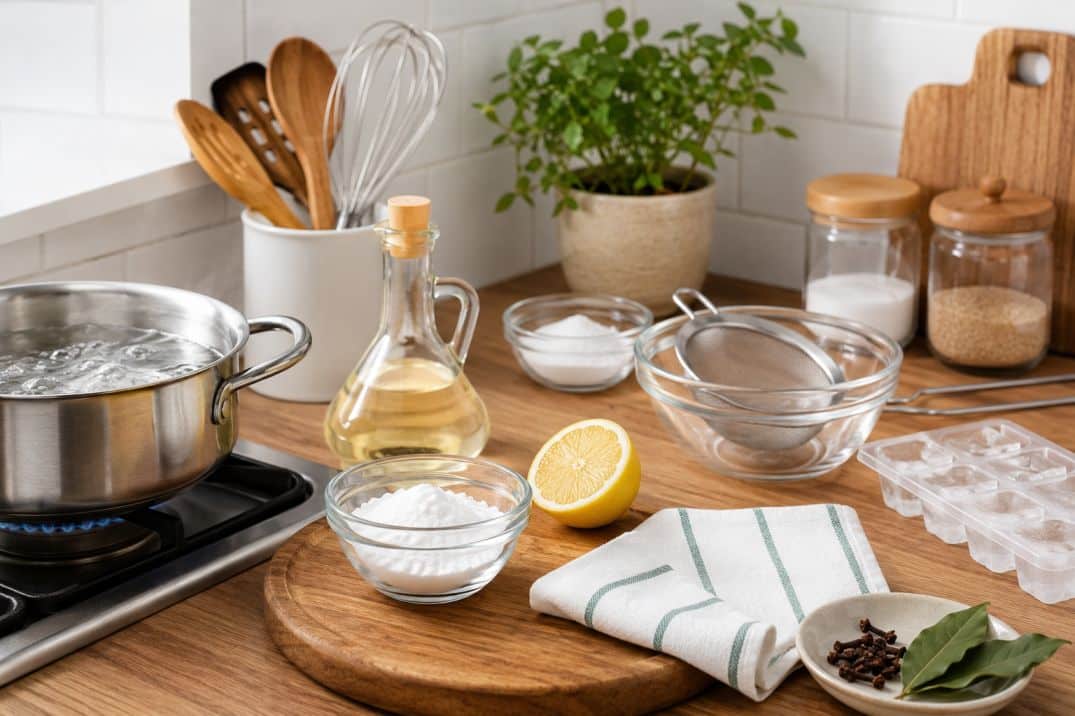
Some of the best Mallika Badrinath kitchen tips focus on ingredient storage, flavour balancing, batter consistency, rice preparation, and improving cooking efficiency in everyday meals.
These practical methods can make a noticeable difference in daily cooking.
1. Ingredient Storage Tips
Good cooking often starts with proper ingredient storage. Several Mallika Badrinath kitchen tips focus on preserving freshness and preventing food waste.
Some useful tricks include:
- Store rice and lentils with neem leaves to reduce pests.
- Dry roast semolina before storing to prevent insects.
- Keep bay leaves inside flour containers to absorb moisture.
- Roast salt lightly before storing to prevent clumping.
These small habits help maintain ingredient quality for longer periods.
2. Spice and Seasoning Tips
Balanced seasoning is one of the foundations of Mallika Badrinath kitchen tips.
Useful seasoning guidance includes:
- Roast spices gently instead of burning them.
- Add salt gradually when scaling recipes.
- Use fresh ginger and garlic for a stronger flavour.
- Temper spices in hot oil to release aroma properly.
Her recipes often prioritise flavour clarity over excessive spice heat.
3. Rice Cooking Tips
Perfect rice texture is essential in Indian cooking, especially for dishes like lemon rice, carrot rice, or capsicum rice.
Helpful Mallika Badrinath kitchen tips for rice include:
- Rinse rice thoroughly before cooking.
- Cook rice separately for mixed rice recipes.
- Cool rice slightly before combining with masalas.
- Avoid over-stirring cooked rice to prevent breakage.
These simple methods help maintain separate grains and a better texture.
4. Batter and Fermentation Tips
Fermented foods are central to South Indian cooking, and Mallika Badrinath kitchen tips often focus heavily on batter consistency.
Important batter tips include:
- Soak rice and lentils adequately.
- Grind batter smoothly but not excessively thin.
- Allow fermentation in a warm place overnight.
- Add fenugreek for improved fermentation and texture.
These techniques improve softness, crispness, and flavour in dosas and appams.
These trusted Mallika Badrinath kitchen tips continue to remain useful because they help home cooks handle common kitchen problems more efficiently. From better ingredient storage to easier cleaning and smoother meal preparation, these methods still fit naturally into modern Indian kitchens.
What Are Some Popular Recipes Associated With Mallika Badrinath?
Several dishes remain closely associated with her cooking because they combine comforting flavours with approachable methods. Many home cooks continue searching for classic Mallika Badrinath recipes that work well for regular meals, family lunches, festive occasions, and traditional South Indian food preparation. These dishes are especially popular because they focus on balanced flavours, familiar ingredients, and reliable results that suit Indian home kitchens.
1. Paneer Butter Masala
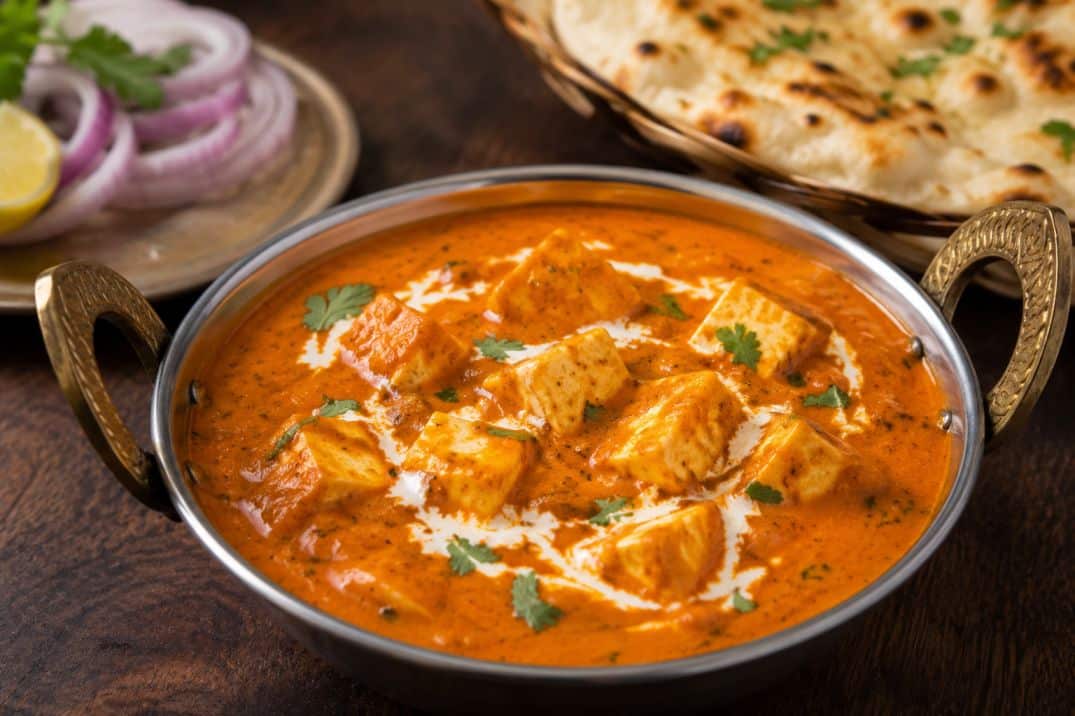
Creamy curries often become too rich, overly sweet, or loaded with heavy cream, making them difficult to enjoy regularly at home. Paneer Butter Masala takes a more balanced approach by combining mild spices, soft paneer, and a smoother tomato-based gravy that feels flavourful without becoming overly heavy.
The recipe focuses on practical home-style cooking while still delivering the rich texture and comforting taste commonly associated with classic paneer butter masala.
Ingredients
- 200 g paneer cubes
- 2 tomatoes, chopped
- 1 onion, chopped
- 1 tbsp butter
- 1 tsp ginger garlic paste
- 1 tsp red chilli powder
- ½ tsp garam masala
- ¼ cup milk or fresh cream
- 1 tbsp cashew paste
- Salt as required
- 1 tsp kasuri methi
- Coriander leaves for garnish
Basic Preparation Method
- Heat butter in a pan and sauté onions until soft.
- Add ginger garlic paste and cook briefly before adding tomatoes.
- Cook until the mixture softens and the oil starts separating.
- Blend the mixture into a smooth gravy and return it to the pan.
- Add chilli powder, salt, garam masala, and cashew paste.
- Mix in paneer cubes and simmer for a few minutes.
- Add milk or cream and finish with crushed kasuri methi.
- Garnish with coriander leaves and serve hot.
Helpful Cooking Tips
- Soak paneer cubes briefly in warm water before adding them to the gravy for a softer texture.
- Cook onions and tomatoes until the oil separates to build a richer curry base.
- Use cream or cashew paste sparingly to avoid making the gravy too heavy.
- Add crushed kasuri methi towards the end for better aroma and flavour.
- Adjust salt gradually, especially when increasing recipe quantities.
Mallika Badrinath’s Paneer Butter Masala remains a popular choice for home cooks looking for a curry that feels rich yet balanced. Its mild flavours, soft paneer texture, and practical cooking style make it suitable for both everyday meals and special occasions.
2. Capsicum Rice
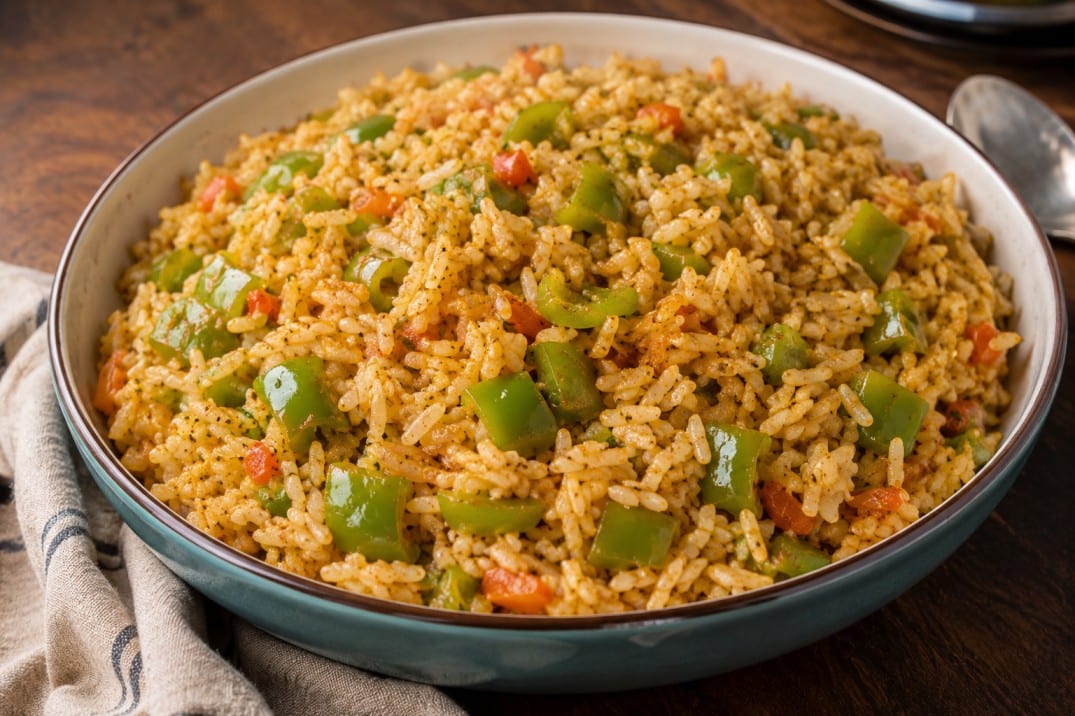
Busy weekdays often leave little time for elaborate meals, making quick rice recipes a practical choice for many homes. Capsicum Rice combines soft rice, lightly sautéed capsicum, and simple spices to create a meal that feels flavourful without becoming too heavy.
The slight crunch of capsicum, balanced seasoning, and straightforward preparation give the dish a light and comforting texture. Its colourful appearance and simple cooking process make it suitable for lunchboxes, light dinners, and everyday homemade meals.
Ingredients
- 2 cups cooked rice
- 1 large capsicum, finely sliced
- 1 onion, sliced
- 1 tsp mustard seeds
- 1 tsp cumin seeds
- 2 green chillies, slit
- ¼ tsp turmeric powder
- 1 tbsp oil
- Salt as required
- Fresh coriander leaves for garnish
Basic Preparation Method
- Heat oil in a pan and add mustard and cumin seeds.
- Sauté onions and green chillies until slightly soft.
- Add sliced capsicum and cook briefly while retaining some crunch.
- Mix in turmeric powder and salt evenly.
- Add cooked rice and combine gently without breaking the grains.
- Garnish with fresh coriander leaves and serve warm.
Helpful Cooking Tips
- Finely dice or julienne capsicum for even cooking.
- Temper mustard and cumin seeds before sautéing onions.
- Cook the capsicum briefly to help retain a slight crunch.
- Use basmati or sona masoori rice for better texture.
- Add turmeric and salt early for even flavour distribution.
- Garnish with fresh coriander before serving.
Mallika Badrinath’s Capsicum Rice is a reliable option for quick homemade meals because of its balanced flavours and simple preparation. The mild seasoning, colourful vegetables, and light texture make it suitable for everyday lunches, busy weekdays, and comforting family meals.
3. Broccoli Soup
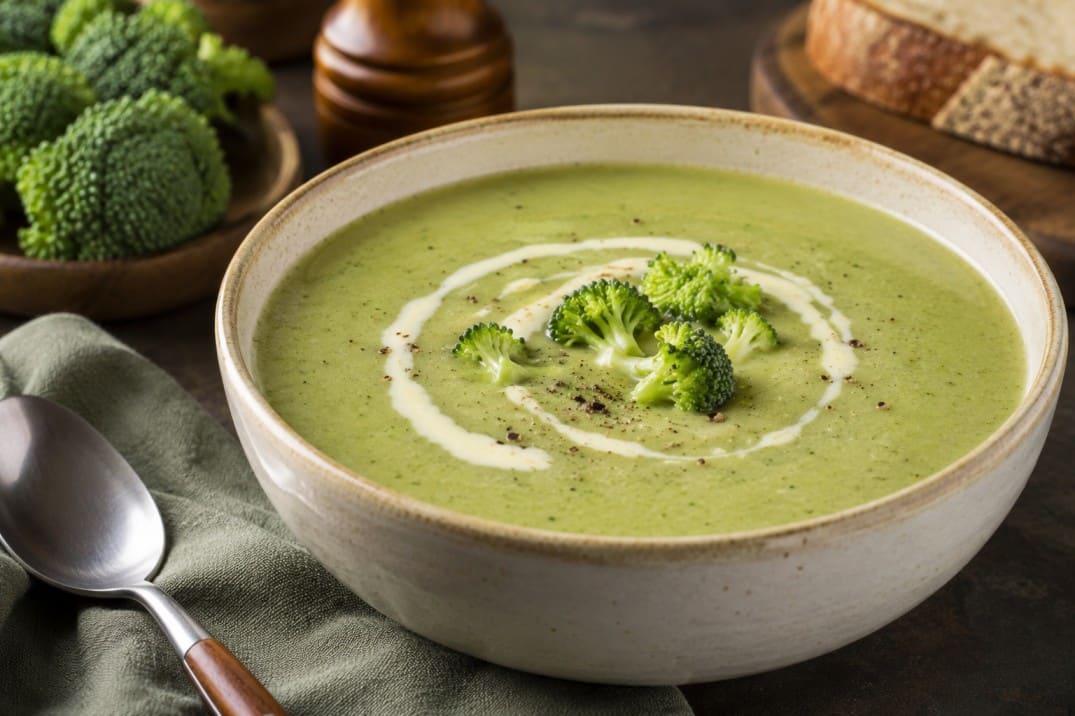
Heavy soups often use excess cream or strong seasoning that can overpower the natural taste of vegetables. Broccoli Soup uses a lighter combination of broccoli, onions, pepper, and mild seasoning to create a smooth and comforting soup without feeling too heavy.
The fresh flavour of broccoli, balanced texture, and simple preparation make this soup easy to include in everyday meals. Its mild seasoning and light consistency make it suitable for light dinners, evening meals, and quick homemade soups.
Ingredients
- 2 cups broccoli florets
- 1 small onion, chopped
- 2 garlic cloves, chopped
- 2 cups vegetable stock or water
- ¼ cup milk or fresh cream
- 1 tsp pepper powder
- 1 tbsp butter or oil
- Salt as required
Basic Preparation Method
- Heat butter or oil in a pan and sauté onions and garlic briefly.
- Add chopped broccoli and cook lightly for a few minutes.
- Pour in vegetable stock or water and simmer until the broccoli softens.
- Blend the soup partially or fully based on preferred texture.
- Add milk, pepper, and salt over low heat before serving.
- Serve hot while the soup remains fresh and smooth.
Helpful Cooking Tips
- Chop broccoli finely and include the stems for added flavour and fibre.
- Sauté broccoli and onions lightly before simmering.
- Blend only part of the soup for a slightly chunky texture.
- Add milk or cream at low heat before serving.
- Avoid overcooking broccoli to help preserve colour.
Mallika Badrinath’s Broccoli Soup offers a mild flavour, balanced texture, and simple preparation that works well for everyday meals. Its light consistency and comforting taste make it suitable for quick dinners, lighter meals, and homemade soups without requiring heavy seasoning or complicated ingredients.
4. Carrot Rice
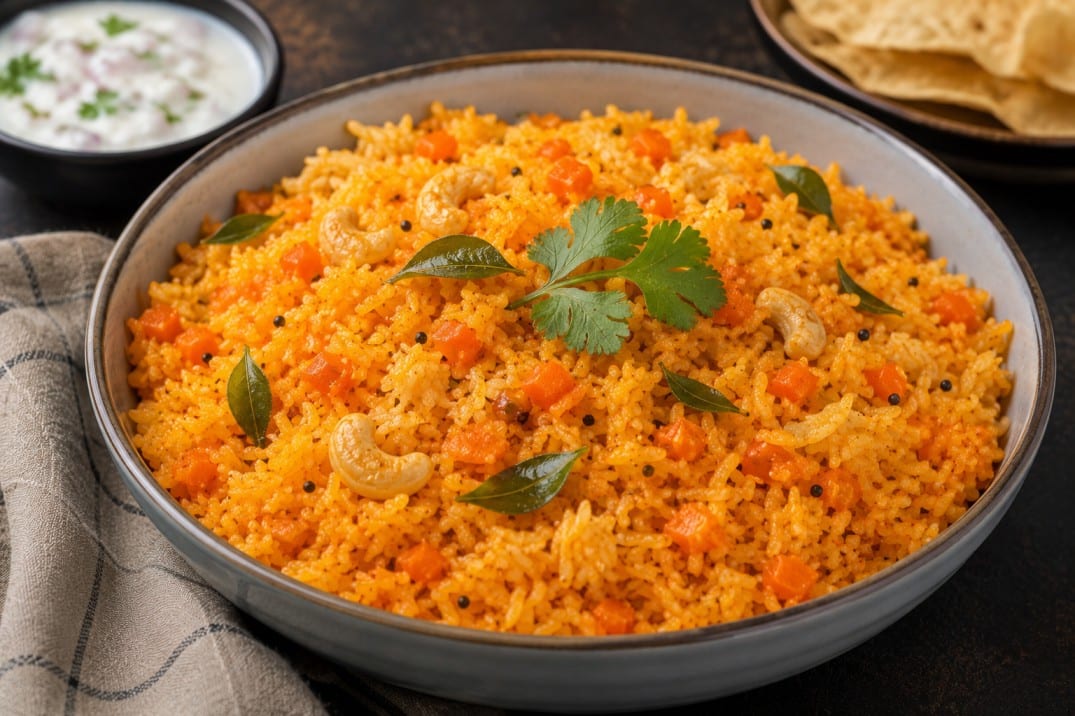
Mildly spiced rice dishes often work best when they feel comforting without requiring elaborate preparation. Carrot Rice combines soft rice, sautéed carrots, tempered spices, and gentle South Indian flavours to create a meal that feels light, colourful, and satisfying.
The natural sweetness of carrots pairs well with tempered spices, curry leaves, and roasted nuts without overpowering the dish. Its easy preparation and gentle seasoning make it suitable for lunchboxes, light dinners, and everyday homemade meals enjoyed by both children and adults.
Ingredients
- 2 cups cooked rice
- 1 cup grated carrot
- 1 onion, sliced
- 1 tsp mustard seeds
- 1 tsp urad dal
- 1 tsp cumin seeds
- 2 dry red chillies
- Curry leaves
- 2 tbsp roasted peanuts or cashews
- 1 tbsp ghee or oil
- Salt as required
Basic Preparation Method
- Heat ghee or oil in a pan and add mustard seeds, urad dal, cumin, chillies, and curry leaves.
- Sauté onions until slightly soft.
- Add grated carrots and cook lightly until just tender.
- Mix in salt and roasted peanuts or cashews.
- Add cooked rice and combine gently without breaking the grains.
- Serve warm with additional roasted nuts if preferred.
Helpful Cooking Tips
- Grate or finely shred carrots for even cooking.
- Lightly sauté carrots until just tender.
- Use separate cooked rice grains to maintain texture.
- Prepare a mild spice mix using coriander, cumin, chilli, coconut, or peanuts.
- Add ghee for a richer flavour and garnish with roasted nuts.
Mallika Badrinath’s Carrot Rice stands out for its mild flavours, colourful appearance, and simple preparation. The balanced seasoning, soft rice texture, and natural sweetness of carrots make it suitable for quick lunches, light dinners, and comforting everyday meals.
5. Appam
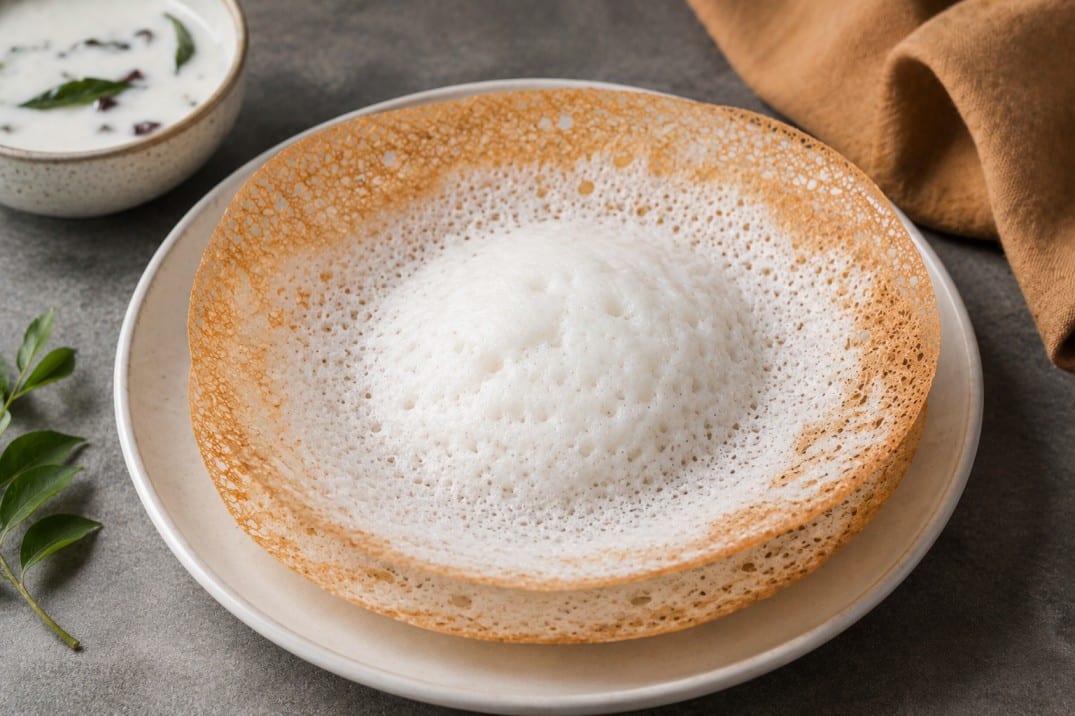
Fermented breakfast recipes can often feel difficult for beginners, especially when the batter does not rise properly or the texture turns dense. The Mallika Badrinath Appam recipe simplifies the preparation process while helping home cooks achieve soft centres and delicate lacy edges more consistently.
Prepared using fermented rice batter and coconut, appam offers a light texture and mild flavour that pairs well with vegetable stew, coconut milk curries, and lightly spiced gravies. Its approachable cooking method also makes it suitable for everyday South Indian breakfasts at home.
Ingredients
- 2 cups raw rice
- ½ cup cooked rice or poha
- 1 cup grated coconut
- 1 tsp sugar
- ¼ tsp yeast or 2 tbsp fermented batter starter
- Salt as required
- Water as needed
Basic Preparation Method
- Soak raw rice for a few hours and drain well.
- Grind rice, cooked rice or poha, and coconut into a smooth batter.
- Add sugar, salt, and yeast or starter if using.
- Allow the batter to ferment overnight in a warm place.
- Heat an appam pan and pour a ladle of batter into the centre.
- Swirl the pan gently to create thin edges.
- Cover and cook until the centre becomes soft and cooked through.
Helpful Cooking Tips
- Use a mix of raw rice and cooked rice or poha for better fermentation.
- Grind rice and coconut into a smooth batter.
- Add a small amount of yeast or starter if needed.
- Allow the batter to ferment overnight in a warm place.
- Keep the batter slightly thin for softer centres and lacy edges.
- Swirl the batter quickly around the hot appam pan.
The Mallika Badrinath Appam recipe is known for its soft texture, balanced flavour, and approachable preparation method. The light batter, delicate edges, and simple fermentation process make appam suitable for comforting South Indian breakfasts and homemade weekend meals.
6. Dosa
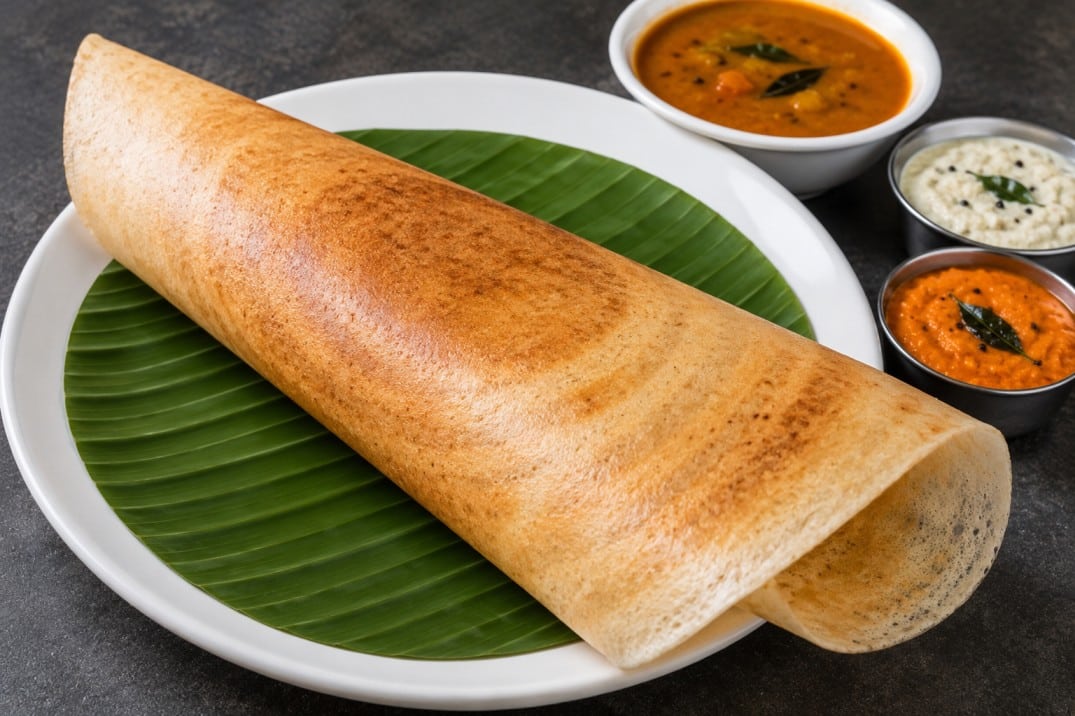
Making crisp dosas at home often depends on getting the batter consistency, fermentation, and pan temperature right. The Mallika Badrinath Dosa recipe simplifies these common cooking challenges through practical preparation methods that help improve texture and even browning.
Prepared using fermented rice and urad dal batter, these dosas develop crisp edges while maintaining a soft centre. Simple soaking, grinding, and cooking techniques make the recipe easier to follow for everyday South Indian breakfasts and dinners.
Ingredients
- 3 cups raw rice
- 1 cup urad dal
- 1 tsp fenugreek seeds
- Salt as required
- Water as needed
- Oil for cooking
Basic Preparation Method
- Soak rice, urad dal, and fenugreek seeds separately for at least four hours.
- Grind the ingredients into a smooth and slightly pourable batter.
- Mix the salt and allow the batter to ferment overnight.
- Stir the batter well before preparing dosas.
- Heat a lightly greased dosa pan and pour a ladle of batter.
- Spread the batter thinly in circular motions.
- Cook on medium heat until golden and crisp before serving.
Helpful Cooking Tips
- Soak rice and urad dal with a little fenugreek for at least four hours.
- Grind the batter until smooth and slightly pourable.
- Allow the batter to ferment overnight in a covered container.
- Stir the batter well before making dosas.
- Use a well-seasoned pan lightly greased with oil.
- Spread the batter thinly from the centre for crisp dosas.
- Cook on medium heat until golden and evenly browned.
The Mallika Badrinath Dosa recipe helps simplify dosa preparation through balanced fermentation, proper batter consistency, and controlled cooking techniques. The crisp texture, even browning, and approachable cooking process make these dosas suitable for everyday South Indian breakfasts and homemade meals.
Which Mallika Badrinath Cookbooks Are Most Popular?
Several Mallika Badrinath cookbooks have become trusted favourites in Indian households because they focus on approachable recipes, familiar ingredients, and reliable cooking methods. Many home cooks appreciate how her books simplify traditional South Indian and Indian dishes without losing authentic flavour, establishing her as a celebrated figure in the culinary world.
Some of her most well-known titles include:
| Cookbook | Focus Area |
| 100 Vegetarian Recipes | Everyday vegetarian meals and home-style cooking |
| Breakfast Specialties | South Indian breakfast dishes like idli, dosa, and pongal |
| 100 Chutney Varieties | Traditional chutneys and accompaniments |
| 100 Vegetarian Gravies | Curry, gravy, and side dish recipes |
| Millet-Based Recipe Collections | Health-focused and traditional millet dishes |
What makes these books especially popular is their practical approach to cooking. The recipes are usually written in a clear and beginner-friendly manner, making them easy to follow for both experienced cooks and those learning traditional Indian cooking for the first time.
Conclusion
Managing an Indian kitchen becomes far less stressful when cooking methods are practical, reliable, and easy to follow. That is why Mallika Badrinath kitchen tips continue to remain relevant across generations of home cooks. Her advice focuses on helping people handle common kitchen challenges with smarter preparation methods and more organised cooking habits.
The approachable techniques seen across Mallika Badrinath’s cooking and her cookbooks continue to help people prepare traditional meals with greater confidence. Exploring more of her recipes can also offer useful ideas for South Indian breakfasts, rice dishes, gravies, and everyday home-style cooking.
Frequently Asked Questions
What are the top beginner tips from Mallika Badrinath?
Mallika Badrinath kitchen tips for beginners focus on simple methods that make everyday cooking easier. Common beginner-friendly tips include avoiding excess salt, adding oil while cooking dal for faster cooking, and dry roasting rawa before storage to prevent spoilage.
How does Mallika Badrinath simplify Indian cooking for home cooks?
Mallika Badrinath cooking methods simplify Indian recipes through easy steps, practical shortcuts, and everyday ingredients. Her recipes focus on manageable techniques that help home cooks prepare traditional meals without making the cooking process feel complicated.
Can You List Mallika Badrinath’s Kitchen Hacks for Saving Time?
Many Mallika Badrinath kitchen tips focus on reducing kitchen effort through simple methods like soaking dal before cooking, using airtight storage, and preparing pantry ingredients properly to make everyday cooking faster and easier.
What are Mallika Badrinath’s recommendations for keeping ingredients fresh?
Mallika Badrinath kitchen tips recommend using neem leaves in rice containers to avoid worms, bay leaves in flour storage, and airtight containers to reduce moisture and pest problems. She also suggests storing ginger and turmeric in dry, well-ventilated spaces to maintain freshness longer.
Can You Share Mallika Badrinath’s Secrets to Perfect South Indian Recipes?
Mallika Badrinath kitchen tips for South Indian cooking often focus on proper ingredient preparation, balanced seasoning, and simple cooking methods that help improve texture, flavour, and consistency in traditional recipes.
How Does Mallika Badrinath Suggest Organising a Kitchen for Efficient Cooking?
Many Mallika Badrinath kitchen tips encourage using clean airtight containers, moisture-free storage, and organised pantry arrangements to make ingredients easier to access and everyday kitchen management more efficient.
What Are Mallika Badrinath’s Recommended Techniques for Cooking Millet Recipes?
Mallika Badrinath cooking methods for millet recipes focus on simple preparation techniques like proper soaking, balanced seasoning, and controlled cooking time. Her millet-based recipes are known for being practical, nutritious, and suitable for everyday Indian meals
What Are Some Common Mistakes in Indian Cooking That Mallika Badrinath Warns About?
Mallika Badrinath kitchen tips often caution against adding excess salt, overcooking vegetables, improper ingredient storage, and rushing seasoning adjustments. Her cooking methods focus on maintaining flavour balance, texture, and better kitchen efficiency during everyday Indian cooking.

Dear mam,
we use to watch all the programs from Java TV & we are excited to hear ur tips its quite useful for freshers like us. I want to ask one query that in North India they are telling that tamarind will reduce our children’s Height ,is that true.