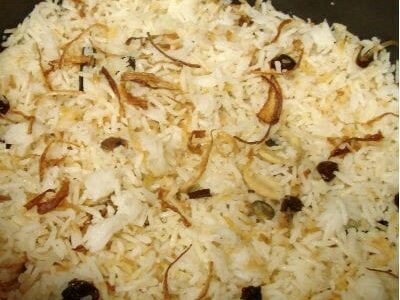
Tehari is one of those dishes that entered my life through a college mess hall, of all places. I was studying in Lucknow, and the canteen served it every Thursday for lunch. Most of us complained about the rotation, the way you do when you are twenty and opinionated about food. But I kept finishing my plate.
There was something about the way the rice absorbed the tomato and spice, staying wet and almost saucy, that made it different from every pulao I had grown up eating. After I came back home, I tried to recreate it from memory. It took me four or five attempts to stop draining too much water out of habit. The moment I kept it loose and let it sit on low heat without lifting the lid too often, it finally tasted right.
About the Recipe
Every ingredient here is something you likely already have at home. Basmati rice, a mix of whatever vegetables are in the fridge, basic whole spices, and a handful of masala powders are all you need. The full cooking time runs to around 35 to 40 minutes, including soaking the rice. I make this on evenings when I want something warm and filling without pulling out several pots. It works well for two to three people and scales up without much fuss if you have guests staying over midweek.
Why you will love this recipe
A single pan handles everything from tempering the spices to finishing the rice. That means less washing up, which matters more than people admit when they are cooking after a long day.
The combination of cauliflower, carrot, peas, and potato gives the dish enough body so it does not feel like plain rice, and the tomatoes break down into the water as everything cooks, giving you that saucy base without any extra effort. Cumin seeds blooming in hot oil and dry red chillies releasing their warmth into the fat sets up a base that carries the whole dish. It is also genuinely filling without being heavy, which makes it practical for lunch as much as dinner.
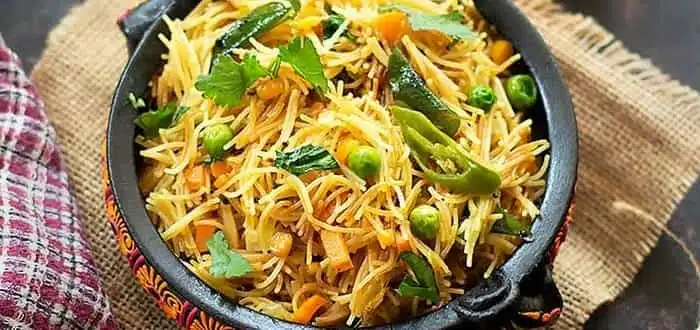
Cooking Tips
The biggest mistake beginners make with Tehari is treating it like a pulao and trying to keep the rice separate and dry. Resist that. Use the full 3 cups of water and do not reduce it. If the rice looks a little wet when you lift the lid, that is correct.
Stir-frying the cauliflower first before adding it back in is not optional. Skipping that step leaves the cauliflower mushy and pale by the time the rice finishes cooking. Also, once you add the rice and close the lid, keep the flame low and leave it alone for the full 10 minutes. Lifting the lid repeatedly lets steam escape and dries out the dish.
Top Tips
- Soak the basmati rice for at least 20 minutes before you start cooking. This helps it cook evenly and shortens the time on the flame, so the vegetables do not overcook while waiting for the rice to soften.
- Use a wide, heavy-bottomed pan with a tight-fitting lid. A thin pan will cause the bottom layer of rice to catch before the top cooks through.
- When you add the masala powders, keep the flame low and stir constantly for those 30 seconds. Masala powders burn quickly on a hot pan and turn bitter if left unattended even briefly.
- I always add the tomatoes right after the masalas and not before, because the acid in tomatoes slows down how fast the onions and ginger garlic paste cook. Sequence matters here.
- If you want a slightly deeper colour and flavour, you can substitute one tablespoon of the oil with ghee during the tempering step. It changes the aroma noticeably as the cumin seeds hit the fat.
Serving and Storing Suggestions
Tehari serves two to three people as a main meal. Prep and cooking time together is around 40 minutes. Serve it hot, straight from the pan, with plain yogurt or cucumber raita alongside. The wet consistency means it firms up as it cools, so eat it fresh.
If you do have leftovers, store them in an airtight container in the refrigerator for up to one day. To reheat, add two to three tablespoons of water, cover, and warm over low heat so the rice loosens back up without drying out.
Similar Recipes
- Vegetable Khichdi – another one-pot rice dish cooked with lentils and vegetables, though thicker and softer in texture than Tehari
- Peas Pulao – a simpler, drier rice dish that uses green peas and whole spices, without the wet gravy base
- Bisi Bele Bath – a South Indian rice and lentil dish that, like Tehari, is cooked with vegetables and has a wet, saucy consistency
- Vegetable Biryani – a more layered and time-intensive rice dish that shares some of the same spice profile but is cooked using a different method altogether
Nutrient Benefits
Tehari brings together a useful mix of vegetables in a single meal. Peas add plant protein and fibre, carrots provide beta-carotene, and cauliflower contributes folate and vitamin C. Turmeric, which goes into every batch, contains curcumin and has long been used in Indian cooking for its anti-inflammatory properties. Because the vegetables cook in the same water as the rice rather than being boiled and drained separately, more of their water-soluble nutrients stay in the dish rather than going down the drain.

Tehari
Ingredients
- 1 cup Basmati Rice (soaked in water)
- 1/2 cup Green Peas
- 1/3 cup Tomatoes (chopped)
- 1/4 cup Cauliflower (chopped)
- 1/4 cup Carrot (chopped)
- 1/4 cup Potato (chopped)
- 1/2 cup Onions (finely chopped)
- 2 to 3 Green Chillies (chopped)
- Coriander Leaves (chopped)
- 1/2 tsp Cumin Seeds
- 1 tsp Coriander Powder
- 3/4 tsp Turmeric Powder
- 1/2 tsp Red Chilli Powder
- 1/4 tsp Cumin Seeds (powdered)
- 1 tbsp Ginger Garlic Paste
- 1 to 2 Bay Leaf
- 1 to 2 Dry Red Chillies
- 3 tbsp Oil - 3 tblsp
- 3 cups Water
- Salt as per taste
Instructions
- Heat 1/2 tblsp oil in a pan over medium flame.
- Stir-fry the cauliflower pieces for 3 minutes and remove.
- Add the remaining oil.
- Fry the cumin seeds, dry red chillies, bay leaf for 1 minute.
- Add the chopped onions and saute well.
- Add the ginger garlic paste and stir to mix.
- Add the peas, potatoes, carrots and green chillies.
- Cook for 2 to 3 minutes.
- Now add all the masala powders and mix well.
- After 30 seconds, add the tomatoes and salt as per taste.
- Cover the pan with a lid and cook over low flame for 3 minutes.
- Add the soaked rice and cauliflower.
- Mix well and cover with the lid.
- Simmer for 10 minutes or until the rice is cooked.
- Garnish with coriander leaves.
- Serve hot with raita.
The consistency of Tehari is different than a pulao. It should have a gravy texture and must be wet.
Sign up for our newsletter
Add Awesome Cuisine as a Preferred Source

Frequently Asked Questions
My Tehari turned out dry and the rice clumped together. What went wrong?
You most likely lost too much steam during cooking. Either the lid was not fitting tightly enough, or you lifted it several times while the rice was simmering. Another possibility is that the flame was too high, which caused the water to evaporate before the rice had time to absorb it properly. Next time, use a pan with a snug lid, keep the flame on its lowest setting for the full 10 minutes, and do not lift the lid until the time is up.
Can I use regular long grain rice instead of basmati?
Yes, you can. The texture and aroma will be slightly different since basmati has a natural fragrance that regular long grain rice does not, but the dish will still work. Keep the water quantity the same and check for doneness after 10 minutes since some varieties of long grain rice may need a minute or two more.
The dish came out too spicy. How do I balance it next time?
Reduce the dry red chillies to one and cut the red chilli powder down to a quarter teaspoon. The green chillies also carry heat, so you can deseed them before chopping to keep the flavour without as much burn. Serving with a generous spoonful of plain yogurt or raita on the side also helps balance the spice at the table.
Can I add paneer or another protein to this?
Paneer works well. Cut it into small cubes and shallow fry them separately in a little oil until golden, then add them along with the rice and cauliflower in step 12. Adding paneer raw without frying first tends to make it break apart and turn rubbery as it cooks. Boiled chickpeas are another option if you want to keep it vegan.
How far in advance can I soak the rice?
Twenty to thirty minutes is enough. If you soak it longer than an hour, the grains become fragile and break apart during cooking, which affects the final texture. I usually put the rice to soak right before I start chopping the vegetables, and by the time everything is prepped, the soaking time is just about right.