Hyderabadi Korma is one of those recipes I got badly wrong the first time. I rushed the onions, added the curd before the ghee had come back up to temperature, and ended up with a thin, slightly sour gravy that had none of the depth I was expecting. I made it again the following Sunday and slowed everything down, and that was when it finally clicked.
The almond masala is the detail I keep coming back to – that paste of chironji, poppy seeds, and dry coconut thickens the gravy in a way that feels substantial without being heavy. It also means you do not need to rely on too much cream or extra fat to get that body. This is the version I have settled on after probably six or seven rounds of adjustments, and it is the one I make when I want something that tastes like genuine effort went into it.
About the Recipe
Most of the ingredients here are straightforward pantry staples for an Indian kitchen – whole spices, curd, ginger garlic paste, and basic aromatics. The almond masala requires a short grinding step, but nothing about it is difficult. Chironji can be found in most Indian grocery stores, though I will mention substitutions in the tips below. From start to finish, this takes around an hour and a half. I make it on Saturday afternoons when I have people coming for dinner and want something that holds well without losing texture or flavour.
Why you will love this recipe
The almond and coconut paste does something to this gravy that no amount of cream can replicate. It gives the sauce a slightly nutty weight that coats the lamb properly rather than just sitting around it.
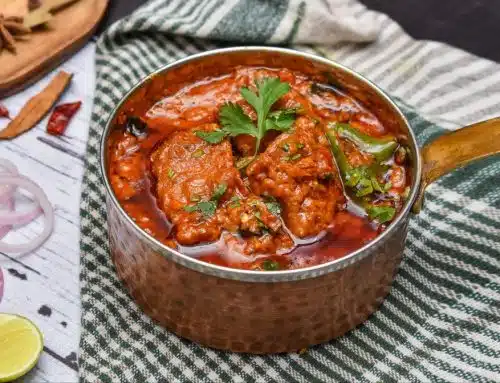
The hara masala – mint, coriander, and green chillies ground together – goes in midway through cooking, and by the time the dish is done, that sharpness has mellowed into something that balances the richness of the ghee beautifully. The saffron soaked in warm milk at the very end adds both colour and a faint floral note that lifts the whole pot.
It sounds like a small thing, but skipping it leaves the korma feeling slightly flat. If you have ever wondered what separates a decent korma from one that tastes specifically Hyderabadi, this is a significant part of that answer.
Cooking Tips
The most common beginner mistake here is adding the curd too early, before the masala has had time to fry properly. If the ghee has not surfaced and the masala still smells raw, adding curd at that point will make the gravy sour and slightly gritty. Wait for the ghee to separate from the masala before you move forward. Also, when you add the almond paste, keep the flame at medium and sprinkle water gradually – the paste can catch and burn in under a minute on high heat, and scorched almonds will make the whole dish bitter.
Top Tips
- Soak the saffron in warm milk at least 15 minutes before you need it – cold milk does not draw out the colour or aroma as well.
- If you cannot find chironji, a small extra quantity of almonds or cashews can fill in, though the texture of the final masala will be slightly different.
- Brown the potatoes until they have a golden crust before removing them from the pan – this helps them hold their shape during the final simmer instead of falling apart.
- I always grind the almond masala with just a tablespoon of water to get a smooth paste – dry grinding leaves it grainy and it will not incorporate into the gravy evenly.
- Let the onions go properly golden, not just translucent. Pale onions at this stage mean a flat, slightly sweet gravy rather than a deep one.
- The hara masala goes in during cooking, not as a garnish, so do not skip grinding it – the texture matters here.
Serving and Storing Suggestions
Serves 4 people. Total time including prep is about 1 hour 45 minutes. Serve hot with steamed basmati rice or plain roti. I usually set it out in a wide, shallow serving bowl so the saffron colour shows properly.
Leftovers keep well in the refrigerator for up to 2 days in an airtight container. Reheat on a low flame with a splash of water, because the ghee will have solidified and the gravy thickens considerably once cold. The flavour is actually better the next day, once everything has had time to settle.
Similar Recipes
- Hyderabadi Mutton Biryani
- Mughlai Lamb Curry
- Nihari
- Shahi Paneer (for a vegetarian alternative with similar richness)
- Lamb Rogan Josh
Nutrient Benefits
Lamb is a good source of protein and iron, which matters particularly in a dish where the serving portion is substantial. The almond and chironji paste adds some healthy fats and a small amount of fibre. Saffron has long been used in Indian cooking for its digestive properties, though the quantity here is modest. Ghee, used in a controlled amount, aids in the absorption of fat-soluble vitamins from the spices. This is not a light dish, but its ingredients carry genuine nutritional weight alongside the flavour.

Hyderabadi Korma
Ingredients
- 500 gms Lamb (cut into 1 1/2 inch pieces)
- 1/2 cup Ghee
- 3 Potatoes (peeled and quartered)
- 5 Green Cardamoms
- 5 Cloves
- 1 inch Cinnamon
- 3 Onions (finely sliced)
- 1 tbsp Ginger Garlic Paste
- 1/4 tsp Turmeric Powder
- 1 cup Curd
- Red Chilli Powder as per taste
- 3 cups Water
- 1/2 tsp Saffron (soaked in 1 tsp milk)
- Salt as per taste
Grind Together for Almond Masala:
- 1 tsp Shah Jeera
- 1 tsp Chironji
- 8 Almonds (peeled)
- 1 tsp Poppy Seeds
- 1 inch Dry Coconut
- Grind Together for the Hara Masala
- Mint (few sprigs)
- 1 bunch Coriander Leaves
- 4 Green Chillies
- Salt as per taste
Instructions
- Heat ghee and fry potatoes.
- Remove from pan.
- In the same ghee, fry cardamoms, cloves and cinnamon.
- Fry onions till golden brown.
- Add ginger, garlic and turmeric.
- Fry together till garlic loses its raw smell.
- Add curd mixed with red chilli powder.
- Saute well.
- When ghee gloats to the surface, add lamb and suate on high flame till well browned.
- Add ground almond masala and cook, sprinkling a little water so it does not stick to the pan.
- Cook on a medium flame.
- Add salt and hara masla.
- Add 3 cups of water after ghee surfaces again.
- Allow lamb to cook.
- When meat is almost cooked, add potatoes and saffron.
- Simmer for about 15 to 20 minutes till the meat and potatoes are done.
- Serve with rice or roti.
Sign up for our newsletter
Add Awesome Cuisine as a Preferred Source

Frequently Asked Questions
My gravy turned out thin and watery. What went wrong?
This usually happens if the lamb released too much moisture before it had a chance to brown properly. Make sure you sear the lamb on high flame and do not cover the pan at that stage. Also check that the almond masala was cooked long enough – it needs a few minutes on medium heat to dry out and thicken the sauce before you add water.
Can I use chicken instead of lamb in this recipe?
Yes, chicken works in this recipe, but reduce the cooking time greatly. Chicken thigh pieces on the bone will take around 30 to 35 minutes total, and you should add the potatoes earlier than you would with lamb so both finish at the same time. The gravy will be slightly lighter in body because chicken releases less collagen than lamb.
The korma tastes sour. Where did I go wrong?
Sourness almost always comes from adding the curd before the masala was ready, or from using curd that was already quite sour to begin with. Next time, taste your curd before adding it. If it is very sharp, whisk it with a small pinch of sugar before it goes into the pan. Also make sure the ghee has floated back to the surface before you add the curd – this tells you the moisture has cooked off and the masala is ready.
I cannot find dry coconut at my local store. Can I skip it or substitute it?
You can substitute with desiccated coconut in the same quantity. Fresh coconut will also work, but it changes the paste consistency slightly and makes it a little wetter, so you may need to cook the masala a minute or two longer to dry it out. Skipping coconut entirely does change the flavour noticeably – the almond masala loses some of its characteristic depth.
How do I know when the lamb is properly cooked and not just tender on the outside?
Press a piece of lamb with a spoon against the side of the pot. If it yields easily without resistance, it is done. If it pushes back or feels springy, give it another 10 minutes and check again. You can also cut into the thickest piece – there should be no pink at the centre and the meat should pull apart without much effort.