
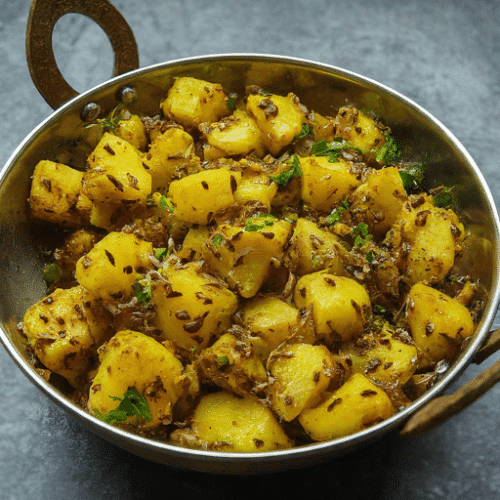
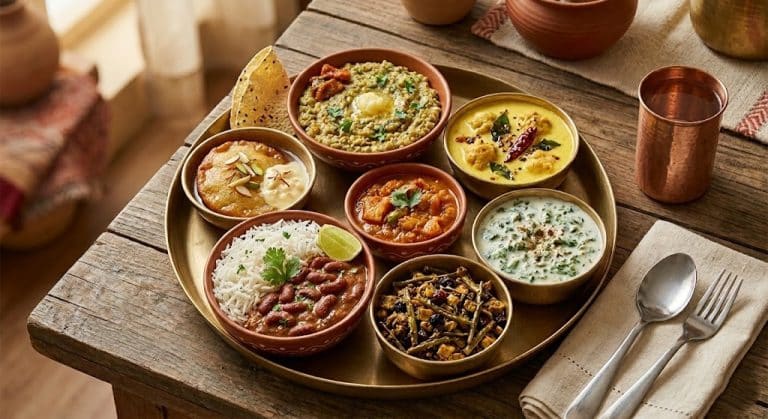
The smell hits you before you even walk into the kitchen. Ghee sizzling with cumin, a faint nuttiness from roasting kuttu ka atta, the particular sweetness of sabudana pearls turning translucent in the pan. In most Indian homes, that smell means one thing: Navratri has arrived, and someone is cooking for the vrat.
Every family does it a little differently. Some fast for all nine days on fruit and milk. Some eat one sattvic meal after sundown. Some, especially in the South, are not fasting at all but are busy arranging dolls for golu and simmering sundal for the evening’s guests. What everyone shares is the same short list of ingredients, reinvented into dozens of dishes: sabudana, kuttu, singhara, rajgira, samak rice, potatoes, and a fair amount of ghee.
This is your one-stop Navratri kitchen companion: what the fast actually involves, what’s allowed and what isn’t, a day-by-day plan if you want structure, and 22 recipes worth cooking whether you’re observing all nine days or just craving the food.
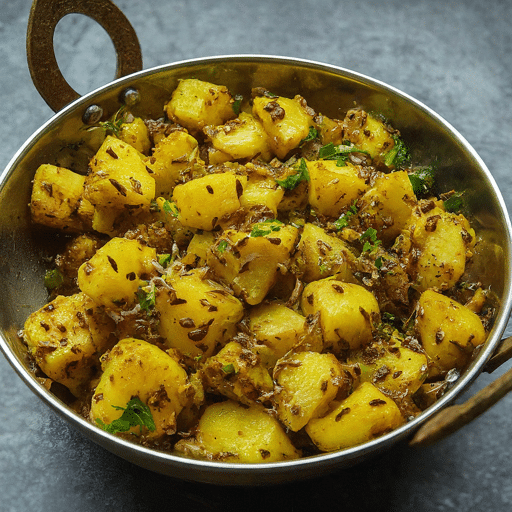
Table of Contents
Key Takeaways
- Navratri vrat allows sattvic, grain-free foods: sabudana, kuttu, singhara, rajgira, and samak rice replace wheat, rice, and lentils for nine days.
- Onion, garlic, regular table salt, and most legumes are off the menu; sendha namak (rock salt) stands in for salt.
- A simple day-by-day plan (below) helps you avoid eating the same three dishes on repeat for over a week.
- Kuttu ka atta and singhara are genuinely nutrient-dense, not just fasting substitutes, according to the ICMR’s Indian Food Composition Tables.
- If you’re doing golu at home, sundal deserves its own separate menu; we’ve covered that in detail in our sundal roundup, linked further down.
Whether you observe the fast strictly, loosely, or not at all, knowing what goes into a Navratri kitchen makes the festival easier to plan for, and honestly, more fun to cook through.
What Does the Navratri Fast Actually Involve?
Navratri vrat is a nine-day dietary discipline observed during the Hindu festival of Navratri, in which cereals, pulses, onion, garlic, and processed salt are set aside in favour of sattvic, grain-free alternatives.
Navratri, literally “nine nights,” honours nine forms of Goddess Durga over nine days that fall twice a year, most prominently in the post-monsoon Sharad Navratri.
The idea behind the fast isn’t punishment, it’s a reset. Heavy grains, alliums, and fermented or aged foods are believed to weigh down both body and mind, so the vrat diet leans on foods that are light, quick to digest, and easy on the system during a period meant for prayer and reflection. That’s a very different starting point from a weight-loss diet, and it shows in how forgiving the ingredient list actually is once you know it.
Not every region observes it the same way. North and West India tend to fast strictly for all nine days. In Bengal and Odisha, the focus shifts to Durga Puja, with less emphasis on fasting and more on elaborate bhog. In Tamil Nadu, Karnataka, and Andhra Pradesh, families set up golu dolls and serve sundal to visitors each evening, a tradition worth its own deep dive.
What Can You Eat During Navratri Fasting?
You can eat a surprising amount during Navratri vrat, just not the grains, pulses, and aromatics you’d normally reach for. Sattvic substitutes cover almost every category, from flours to fats, so meals stay varied rather than restrictive.
| Category | Allowed | Avoid |
| Grains & flours | Kuttu, singhara, rajgira, samak rice, sabudana | Wheat, rice, maida, suji, corn flour, oats |
| Vegetables | Potato, sweet potato, bottle gourd, pumpkin, arbi, raw banana, cucumber | Onion, garlic, tomato, cauliflower, cabbage, mushroom |
| Pulses & legumes | None (avoided almost entirely) | Chana, dal, rajma, and other lentils |
| Dairy & fats | Milk, dahi, paneer, ghee, peanut oil | Processed cheese, margarine, refined oils |
| Seasoning | Sendha namak (rock salt), cumin, green chilli, ginger | Regular table salt, hing (in strict households) |
Why Kuttu Ka Atta Carries Its Weight
Buckwheat flour (kuttu ka atta) delivers 13.3 grams of protein and 10 grams of dietary fibre per 100 grams, according to the Indian Food Composition Tables 2017 (ICMR-National Institute of Nutrition).
That’s a genuinely useful protein number for a flour, not just a wheat substitute pressed into service for nine days. It’s also naturally gluten-free, so kuttu ki puri and kuttu ka dosa work for anyone avoiding gluten year-round, Navratri or not.
Can You Plan All Nine Days of Navratri Recipes in Advance?
Yes, and it saves you from defaulting to sabudana khichdi every single day. Here’s a simple nine-day structure that spreads flours, textures, and effort levels across the fast so day six doesn’t feel as long as day one.
| Day | Recipe | Why it fits |
| 1 | Sabudana Khichdi | Light, quick, eases you into the fast |
| 2 | Kuttu Ka Dosa | A South Indian breakfast habit, made vrat-friendly |
| 3 | Singhara Atta Cheela | Different flour, keeps texture from getting repetitive |
| 4 | Vrat Ki Kadhi with Sama Rice | A proper sit-down meal for the midpoint slump |
| 5 | Banana Walnut Lassi + Roasted Makhana | A lighter day; good for travel or a busy schedule |
| 6 | Arbi Kofta with Mint Yoghurt Dip | Worth the extra effort once energy has stabilised |
| 7 | Vratwale Chawal Ka Dhokla | Steamed, not fried, a gentler day before the finale stretch |
| 8 | Kebab-e-Kela | A snack-forward day, easy to make in batches for Ashtami guests |
| 9 | Sonth Ki Chutney with Makhana Kheer | A tangy-sweet finish to close out the vrat |
22 Navratri Recipes Worth Making This Fast
These cover breakfast, mains, and something sweet, roughly in the order you’d want to reach for them. Every one sticks to vrat rules: no onion, no garlic, no regular grains.
Breakfast and Snacks
- Sabudana Khichdi. Soaked tapioca pearls cooked with peanuts, potato, and cumin until they turn glossy and translucent. It’s the dish most people associate with Navratri, and for good reason: it’s filling without being heavy, and forgiving enough that a slightly overcooked batch still tastes right. Get the full Sabudana Khichdi recipe here.

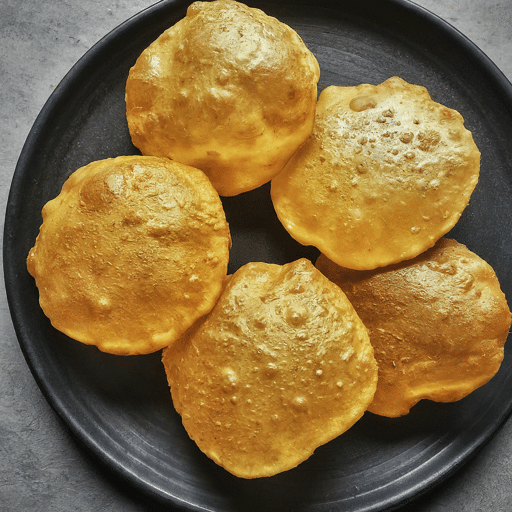
Sabudana Khichdi - Kuttu Ki Puri. Buckwheat flour dough, rolled thin and deep-fried until it puffs up golden. The earthy, slightly nutty flavour of kuttu comes through best here, and it’s the natural partner for a bowl of vrat ki kadhi or aloo sabzi.
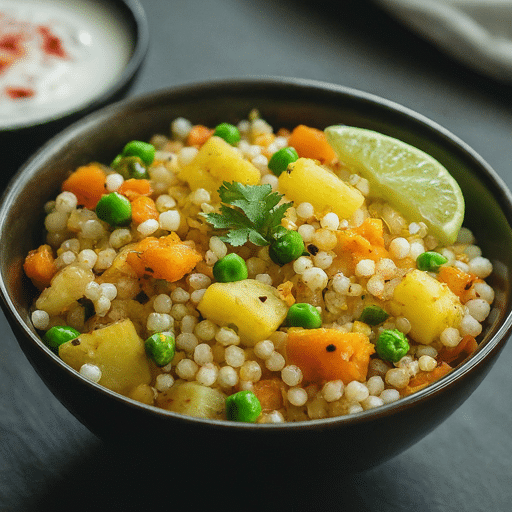
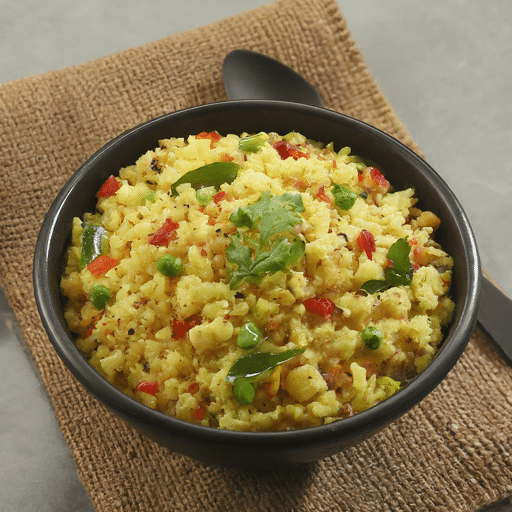
Kuttu ki puri - Sama Rice Pulao. Barnyard millet, cooked the way you’d normally make pulao, with cumin, green chilli, and diced potato. It’s gentle on digestion and cooks faster than you’d expect, which makes it a good weeknight option even outside the fast.
Sama Rice Upma - Rajgira Paratha. Amaranth flour flatbreads, bound with mashed potato so they roll out without cracking. Rajgira has a mild sweetness that pairs surprisingly well with a tangy yoghurt dip.
- Singhara Atta Cheela. Water chestnut flour thinned into a batter with chopped green chilli and coriander, then cooked on a tawa like a savoury pancake. Crisp at the edges, soft in the middle, and ready in under fifteen minutes.
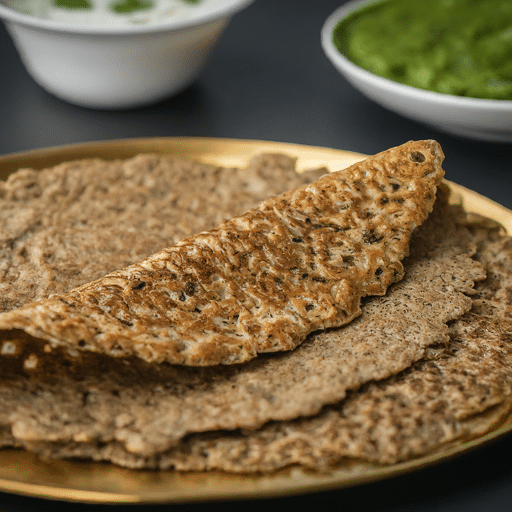
- Kuttu Ka Dosa. A buckwheat-flour take on the South Indian classic, thinned with mashed potato for a softer crumb. Serve it with coconut chutney and nobody will guess it’s fasting food.
Kuttu ka cheela - Sabudana Vada. The fried cousin of sabudana khichdi: tapioca pearls, mashed potato, and crushed peanuts, shaped into patties and deep-fried until the outside shatters. This is the one people request by name. Full Sabudana Vada recipe here.
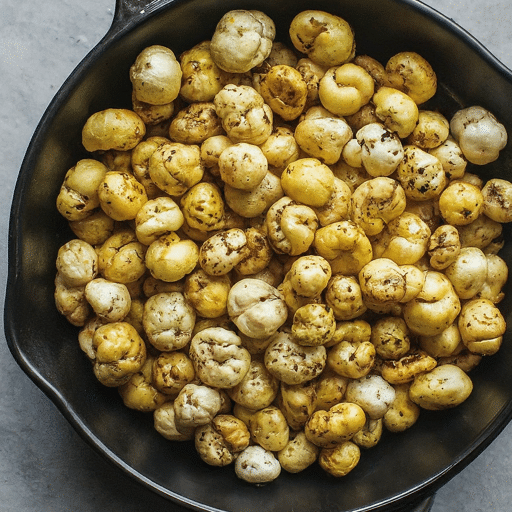
- Roasted Makhana. Fox nuts, roasted in ghee with a pinch of rock salt until they turn crisp. Snack on them by the handful between meals, they’re light enough that you won’t feel like you’re breaking the spirit of the fast.
Roasted Makhana Recipe
Mains and Curries
- Aloo Jeera. Boiled potatoes tossed in ghee with cumin seeds, kept simple on purpose. It’s the dish that goes with everything else on this list, from puris to cheelas.
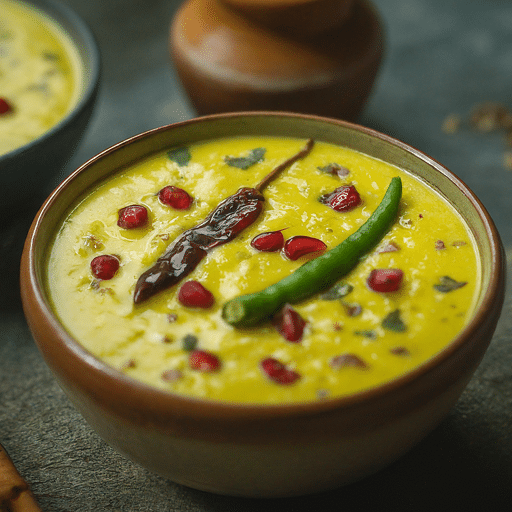
Aloo Jeera - Vrat Ki Kadhi (Aloo Ki Kadhi). A yoghurt-based curry thickened with singhare ka atta instead of besan, studded with potato cubes. Tangy, warming, and the closest thing to comfort food the vrat diet allows.
Vrat Ki Kadhi - Arbi Kofta with Mint Yoghurt Dip. Boiled and mashed colocasia root, shaped into koftas and shallow-fried, served with a cooling mint-yoghurt dip. It takes more effort than most items here, which is exactly why it’s worth saving for a day when you have the energy.
Arbi Cutlets - Paneer Tikka. Cubes of paneer marinated in yoghurt, cumin, and rock salt, then grilled or pan-seared until lightly charred. A genuinely high-protein option for anyone worried about running low on energy mid-fast.
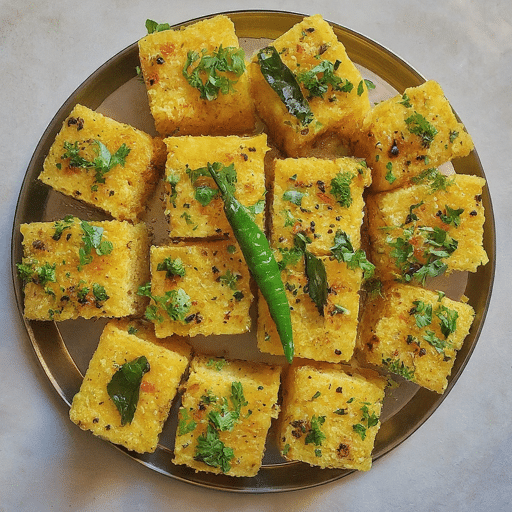
- Vratwale Chawal Ka Dhokla. A steamed cake made from ground samak rice batter, fermented briefly and tempered with cumin and green chilli. Lighter than most fried snacks on this list, and a nice change of texture on day seven or eight.
Vratwale Chawal Ka Dhokla - Quinoa Pulao. Not traditional, but increasingly common in vrat kitchens: quinoa cooked with mild vegetables and ghee, permissible because it’s technically a seed, not a grain. A good option if you want more protein without frying anything.
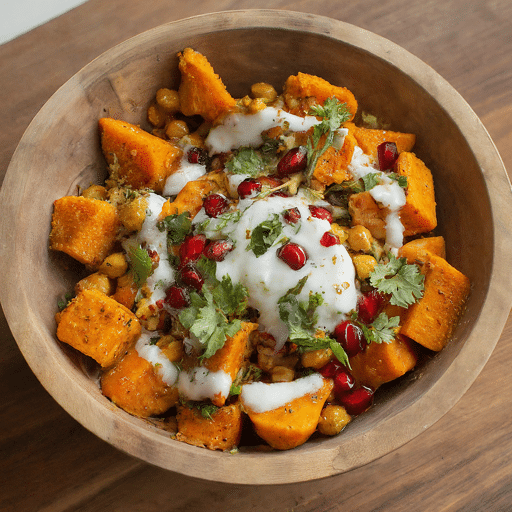
- Sweet Potato Chaat. Boiled sweet potato tossed with lemon juice, rock salt, and black pepper. Quick enough to make while something else is cooking, and it covers the craving for something tangy and street-food-adjacent.
Sweet Potato Chaat
Sweets and Drinks
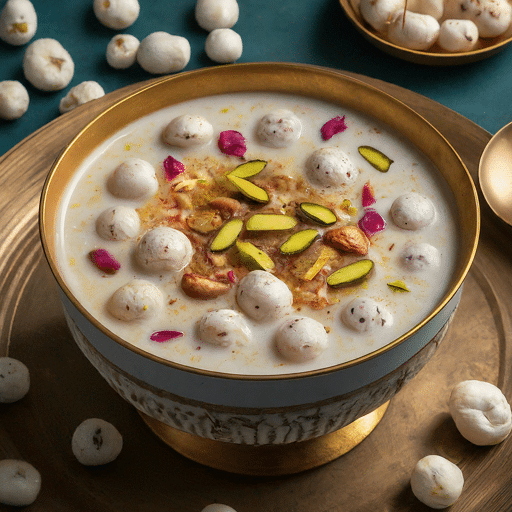
- Makhana Kheer. Roasted fox nuts simmered in milk with sugar and cardamom until the kheer thickens and the makhana softens at the edges while staying slightly crisp in the centre. It’s the dessert most families make for the ninth-day close.
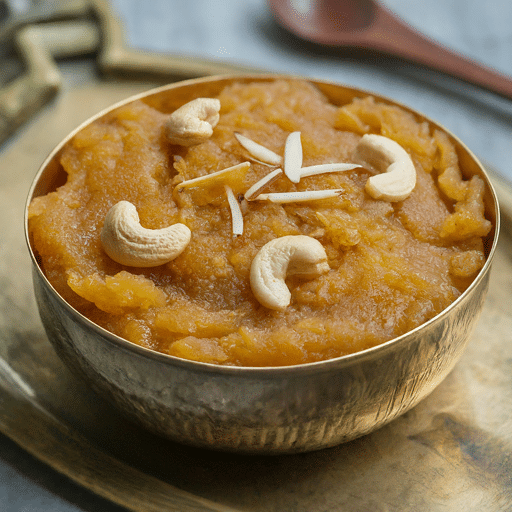
Makhana Kheer - Singhare Ke Atte Ka Halwa. Water chestnut flour roasted in ghee, then cooked with sugar and water until it turns glossy and pulls away from the pan. Cardamom and a few strands of saffron push it firmly into celebration territory.
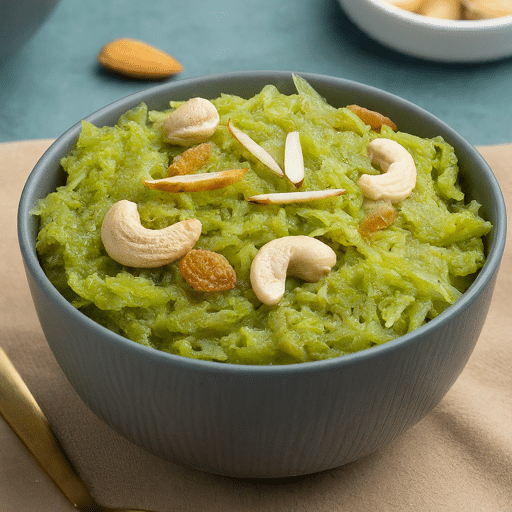
Singhare Ke Atte Ka Halwa - Lauki Ka Halwa. Grated bottle gourd, cooked down in milk and ghee with sugar until it’s soft and fragrant. Bottle gourd’s cooling nature makes this a good pick if you’re fasting through a hot Sharad Navratri.
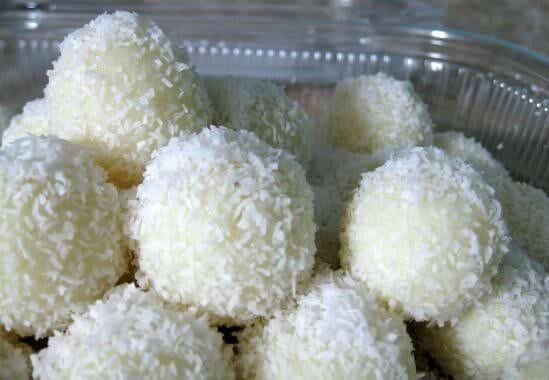
Lauki Ka Halwa - Coconut Ladoo. Grated coconut and condensed milk, rolled into balls with a hint of cardamom. No cooking skill required, and kids gravitate toward these faster than anything else on the table.

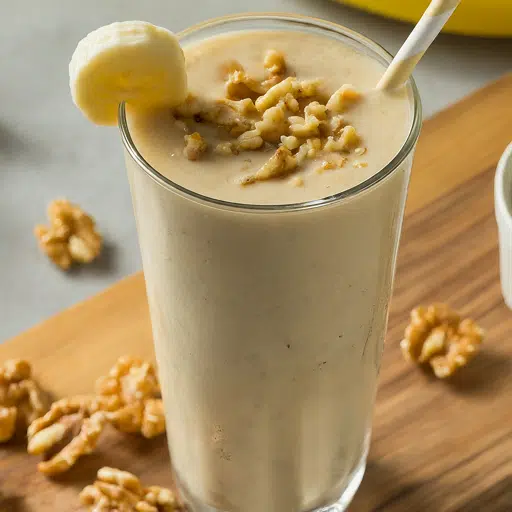
- Banana Walnut Lassi. Ripe bananas blended with yoghurt and crushed walnuts until smooth. It works as breakfast, a midday pick-me-up, or dessert, depending on how thick you make it. If this becomes a habit beyond Navratri, our guide to lassi varieties has more directions to take it.
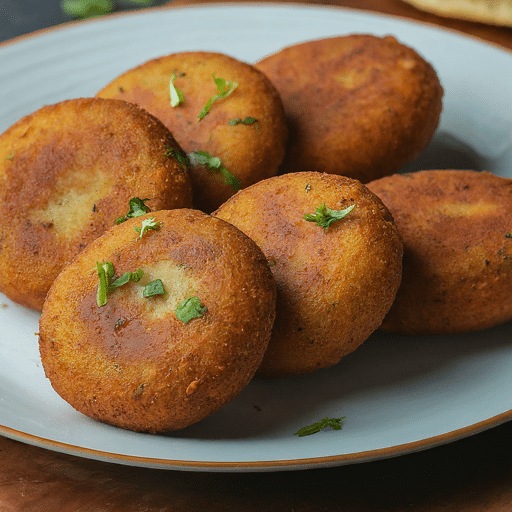
Banana Walnut Smoothie - Kebab-e-Kela. Mashed raw banana, seasoned with cumin and rock salt, shaped into patties and shallow-fried. The natural starchiness of raw banana holds the shape well, so these are far less fragile than they look.
- Sonth Ki Chutney. Dried ginger powder cooked down with jaggery and lemon juice into a tangy-sweet chutney. Traditionally the last dish added to a North Indian vrat thali, and it doubles as a digestive after a heavier meal.
Fasting food in most Indian households was never about deprivation. It was always about what’s in season, what settles well, and what can be made without stepping outside during a nine-day stretch of prayer.
What Mistakes Do People Make During Navratri Fasting?
Most Navratri fasting mishaps come down to overcorrecting, either eating too little and running out of energy, or leaning so hard on fried snacks that the “light, sattvic” point of the fast gets lost entirely.
- Skipping meals instead of eating smaller ones: the vrat diet is meant to be lighter, not absent. Regular small meals keep energy steadier than one large one.
- Over-frying: sabudana vada and kuttu ki puri are traditional, but a fast built entirely on fried food will leave you sluggish by day four. Balance with dhokla, cheela, or a simple lassi.
- Forgetting hydration: buttermilk, coconut water, and fresh fruit juice all count and help offset the diuretic effect of skipping regular salt.
- Assuming every packaged “vrat” product is compliant: some namkeens and mixes sneak in corn flour or asafoetida blends with wheat starch. Check the label if you’re fasting strictly.
Water chestnut (singhara) provides 95.6 kilocalories, 0.86 grams of protein, and 382 milligrams of potassium per 100 grams, per the Indian Food Composition Tables 2017, making it a genuinely low-calorie base for vrat flatbreads and cheelas.
If your golu is up and the doorbell keeps ringing with guests expecting sundal, you’re fasting for a very different nine days than someone eating one sabudana meal after sunset. Both are Navratri.
A Word on Makhana
Mithila Makhana holds an official Geographical Indication tag and was shipped in a seven-tonne consignment to New Zealand, Canada, and the United States in September 2025, according to a Press Information Bureau release.
The fox nuts that go into your makhana kheer and roasted makhana snack most likely trace back to the wetlands of Bihar’s Mithila region, a detail that’s easy to miss until you’re standing in front of a bag at the store wondering why one costs twice as much as another.
What About Sundal for Golu?
If you’re setting up golu and expecting a steady stream of evening visitors, sundal deserves a separate menu of its own rather than a single entry on this list. We’ve put together a full guide to 20 Navratri sundal varieties, from the everyday chana sundal to lesser-known regional versions, worth bookmarking alongside this one.
Frequently Asked Questions
Can I eat oats during Navratri fasting?
Oats are not traditionally allowed during Navratri vrat because they’re classed as a cereal grain, the category the fast specifically avoids. If you’re fasting for health reasons rather than strict religious observance, some people substitute oats for samak rice, but it isn’t considered sattvic in most households.
Is quinoa allowed during Navratri vrat?
Yes, quinoa is generally permitted because it’s botanically a seed rather than a true cereal grain, similar to rajgira (amaranth) and buckwheat. It’s become a popular modern addition to vrat kitchens for its protein content, though it isn’t part of the traditional ingredient list.
What are good high-protein Navratri recipes?
Paneer tikka, makhana in any form, and a banana walnut lassi are the easiest ways to add protein to a vrat diet without breaking any rules. Buckwheat flour also contributes more protein than most people expect from a fasting-day flour, so kuttu-based dishes pull their weight here too.
Can I follow Navratri recipes for weight loss?
Navratri recipes can support weight management if you go easy on the deep-fried options and lean toward dishes like sama rice pulao, roasted makhana, and sweet potato chaat instead. The fast naturally cuts out processed grains and refined sugar, but ghee-heavy halwas and vadas can offset that if eaten in large quantities.
What’s the difference between North Indian and South Indian Navratri food?
North Indian Navratri cooking centres on strict fasting with kuttu, singhara, and sabudana-based dishes eaten once or twice a day. South Indian households, particularly in Tamil Nadu, focus less on fasting and more on golu celebrations, with sundal served daily to visiting guests rather than a restrictive vrat diet.
Ready to Start Cooking?
Pick two or three dishes from this list, stock up on kuttu ka atta and a bag of makhana, and you’re set for the first few days without much planning. The rest tends to sort itself out once the festival gets going, someone will suggest sabudana vada by day three whether you planned for it or not.
Whichever nine days you’re observing, whether that’s a strict fast, a loosened one, or a golu full of guests expecting sundal, may your kitchen smell like roasted kuttu and simmering makhana all the way through to Dussehra.


11 comments
very nice recipies.awesome! Thanks for sending it to me
During Navaratri, the focus should be on preparing different variety of CHUNDALS.
Thanks for sending super delicious items on the eve of Navratri. But demo is needed with exact quantity.
ROMBA NALLA RECIPES! PONDATTI KI ROMBA PIDDITHADU!
NANRI! VANAKKAM!
Very very useful items mentioned here. Thanks for sending it to me.
THANKS A LOT………………………………LOT,
REALY SALAIVA STARTING FLOWING. BUT A PERSON LIKE ME OF THE AGE OF 78 CAN ONLY TASTE ALL OF THEM ONE ONE SPOON ONLY. FOR YOUNGESTERS IT IS REALLY A UNFORTOTTABLE FEAST.
MAY GODDESS DURGA BLESS US ALL.
MANI
The recipes are very good. They look very tasty. Regards
Your item 13 reminds me to make and eat(Puranas poli) and about 15 years ago your list item 20 I personally made and served to my relations ofcourse not during Navaratri but on Deepavali.
Thanks for posting.
Thyagarajan
nice recipies.
gps
Photos are awesome! But No mention of even the very basics of the Full Recipe and “How to Do it”
Thank you. You can click on the names to see the full recipe.