Table of Contents
Key Highlights
- Smoothies and juices provide a convenient way to increase fruit and vegetable intake.
- Smoothies retain fibre, while juices offer quicker nutrient absorption and hydration support.
- Both drinks can support digestion, energy levels, and overall daily nutrition.
- Ingredients such as berries, spinach, oranges, and carrots provide vitamins and antioxidants.
- Smoothies are generally more filling because they contain fibre and protein-rich ingredients.
- Homemade smoothies and juices allow better control over sugar, ingredients, and portion sizes.
- Adding balanced ingredients can help improve nutritional value and reduce excessive sugar intake.
Many people struggle to maintain balanced eating habits when busy schedules make it difficult to prepare fresh meals or consistently consume enough fruits and vegetables. Over time, this can lead to lower nutrient intake, irregular eating patterns, and a growing reliance on processed foods or convenient snacks.
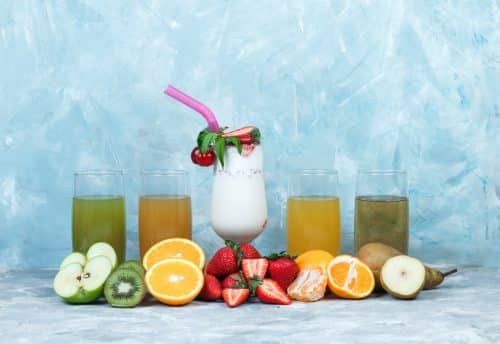
Smoothies and juices have become a practical solution because they make it easier to combine fruits, vegetables, and other nutrient-rich ingredients into a quick and convenient drink. From supporting hydration to increasing vitamin and fibre intake, they offer a flexible way to improve daily nutrition without requiring major dietary changes.
While smoothies and juices are often discussed together, they differ significantly in texture, fibre content, preparation methods, and nutritional value. This guide explores the benefits of smoothies and juices, compares smoothie vs juice benefits, explains the nutrients they commonly provide, and shares simple recipes that can support healthier everyday habits.
What Nutrients Are Commonly Found in Smoothies and Juices?
Smoothies and juices commonly contain vitamins, minerals, antioxidants, and fibre depending on the ingredients used. Fruits, vegetables, seeds, and yoghurt are often included to improve nutritional value and create more balanced drinks.
| Nutrient | Common Sources |
| Vitamin C | Oranges, berries, pineapple |
| Vitamin A | Carrots, mangoes, spinach |
| Potassium | Bananas, coconut water |
| Antioxidants | Berries, beetroot, kale |
| Fibre | Oats, spinach, chia seeds |
The nutritional profile of smoothies and juices can vary significantly depending on ingredient combinations, portion sizes, and added ingredients such as sweeteners or protein sources.
What Are the Main Health Benefits of Smoothies and Juices?
Smoothies and juices provide a practical way to increase fruit and vegetable intake while supporting hydration, digestion, and overall nutrition. Because they combine multiple nutrient-rich ingredients into one serving, they can help improve dietary balance without requiring complicated meal preparation.
Their nutritional benefits vary depending on the ingredients and preparation method. Smoothies retain fibre from whole fruits and vegetables, while juices provide concentrated vitamins and minerals in a lighter, faster-absorbing form. When prepared with balanced ingredients, both can support different health and wellness goals.
1. Helps Increase Fruit and Vegetable Intake
Including enough fruits and vegetables in everyday meals can sometimes feel difficult, especially during busy routines or irregular eating habits. Smoothies and juices provide a more convenient way to combine multiple nutrient-rich ingredients into a single serving.
According to the PubMed report, blending or juicing ingredients together makes it easier to consume a wider variety of produce, such as leafy greens, berries, citrus fruits, bananas, and carrots. This can help improve the intake of vitamins, minerals, antioxidants, and other nutrients that support overall health.
A single smoothie or juice can include:
- spinach
- berries
- oranges
- bananas
- carrots
This variety helps make healthier eating habits more practical and easier to maintain consistently.
2. Supports Better Hydration
Staying properly hydrated is important for maintaining energy levels, supporting digestion, and helping the body function efficiently throughout the day. According to the PubMed Report, smoothies and juices can contribute to daily fluid intake while also providing vitamins, minerals, and natural electrolytes from fruits and vegetables.
Many ingredients commonly used in smoothies and juices, such as watermelon, cucumber, oranges, celery, and coconut water, naturally contain high amounts of water. Juices, in particular, provide hydration in a lighter form that the body can absorb quickly, while smoothies combine hydration with fibre and additional nutrients.
Including hydrating fruits and vegetables in daily drinks can make it easier to maintain better fluid balance while adding more nutritional value than many processed beverages.
3. Supports Digestion
Smoothies support digestion because they retain fibre from whole fruits and vegetables. According to the PubMed Report, fibre helps regulate bowel movements and supports better digestive function, especially when ingredients like oats, spinach, bananas, and chia seeds are included regularly.
Juices contain little fibre because the pulp is removed during extraction, but their lighter consistency may feel easier to digest for some people. This difference is one of the main reasons smoothies are commonly associated with digestive support, while juices are often preferred for lighter nutrient intake.
4. Helps Improve Energy Levels
According to research, smoothies and juices provide natural carbohydrates, vitamins, and minerals that help support energy production throughout the day. Fruits such as bananas, berries, oranges, and mangoes contain natural sugars that the body can use as a quick energy source without relying heavily on processed snacks or sugary drinks.
Juices are often consumed for faster energy because nutrients are absorbed more quickly in liquid form. Smoothies, however, usually provide more sustained energy because their fibre content slows digestion and helps reduce sudden energy crashes.
5. Supports Immune Function
According to a PubMed report, smoothies and juices often contain ingredients rich in vitamin C, antioxidants, and other nutrients that support normal immune function. Fruits and vegetables such as oranges, berries, spinach, carrots, and kiwi are commonly used because they provide nutrients associated with immune health.
Including a variety of nutrient-rich ingredients in smoothies and juices can help improve overall nutritional intake, which plays an important role in supporting the body’s natural defence system.
6. Provides Antioxidant Support
According to the British Soft Drinks Association, many fruits and vegetables used in smoothies and juices naturally contain antioxidants that help protect cells from oxidative stress. Ingredients such as berries, spinach, beetroot, carrots, and citrus fruits are commonly included because they provide antioxidant compounds along with essential vitamins and minerals.
Regularly consuming antioxidant-rich ingredients through smoothies and juices can help support overall wellness while increasing the intake of plant-based nutrients in a convenient form.
7. Helps Support Skin Health
According to the PubMed Report, smoothies and juices can support skin health because many fruits and vegetables contain vitamins, antioxidants, and water-rich nutrients associated with skin maintenance and hydration. Ingredients such as oranges, berries, carrots, cucumbers, and spinach are commonly used because they provide nutrients associated with collagen production and skin repair.
Their high water content may also help support hydration, which helps maintain smoother, healthier-looking skin.
8. Supports Heart Health
According to the British Heart Foundation, smoothies and juices can support heart health when they include ingredients rich in fibre, antioxidants, and potassium. Fruits and vegetables such as berries, spinach, beetroot, bananas, and citrus fruits are commonly used because they contain nutrients associated with cardiovascular function.
Smoothies may provide additional benefits because their fibre content can help support balanced cholesterol and blood sugar levels, while vegetable-based juices offer concentrated nutrients in a lighter form.
9. Helps Promote Fullness
As per the research published by PubMed report, smoothies are generally more filling than juices because they retain fibre from whole fruits and vegetables. Fibre slows digestion and helps maintain fullness for longer periods, especially when ingredients such as oats, chia seeds, yoghurt, or nut butters are included.
This can help reduce unnecessary snacking and make smoothies a more practical option for meal replacements or balanced snacks during busy routines.
10. Provides Convenient Nutrition
In today’s fast-paced world, finding time for healthy meals can be tough. Smoothies and juices offer a perfect solution for convenient nutrition, whether you’re at home or on the go.
They take just minutes to prepare, giving you a nutritious meal or snack without the hassle of cooking. You can pack a huge amount of nutrition into a single, portable cup.
This makes them an ideal choice for a quick breakfast, a post-workout refuel, or a healthy afternoon snack. It’s an easy way to ensure you’re getting the vitamins and minerals you need, even on your busiest days.
How Do You Choose Between Smoothies and Juices?
Choosing between smoothies and juices depends mainly on your nutrition goals, digestion preferences, and the type of ingredients you want to include in your daily routine. While both provide vitamins and minerals, their fibre content and texture create different nutritional benefits.
When Smoothies May Be a Better Choice
Smoothies are often preferred when the goal is to create a more filling and balanced drink. Because they retain fibre from whole fruits and vegetables, they can help improve fullness and provide slower energy release throughout the day.
Smoothies are commonly chosen for:
- meal replacements
- breakfast drinks
- fibre intake
- post-workout recovery
- longer-lasting fullness
When Juices May Be a Better Choice
Juices are usually preferred for lighter hydration and quicker nutrient absorption. Since most of the fibre is removed during juicing, they create a smoother texture that some people find easier to consume.
Juices are commonly chosen for:
- hydration support
- quick refreshment
- lighter nutrient intake
- pre-workout drinks
- vegetable-based beverages
How to Choose Based on Your Health Goals
Smoothies are generally more suitable for people looking for balanced nutrition, fibre, and fullness, while juices work better for hydration and lighter nutrient intake. Choosing ingredients carefully and balancing portions can help both options fit into a healthy daily routine.
What Are the Best Smoothie and Juice Ingredients for Different Health Goals?
Choosing the right ingredients can help smoothies and juices support different nutrition and wellness goals more effectively. Combining fruits, vegetables, fibre-rich ingredients, and protein sources can improve overall nutritional balance while helping target specific health needs.
Best Ingredients for Energy
Ingredients rich in natural carbohydrates and potassium are commonly used to help maintain energy levels throughout the day.
Common ingredients include:
- bananas
- mangoes
- oats
- berries
- coconut water
These ingredients are often included in breakfast smoothies and pre-workout drinks because they provide natural sugars and hydration-supporting nutrients.
Best Ingredients for Digestion
Fibre-rich ingredients are commonly added to support digestion and improve smoothie texture.
Common ingredients include:
- spinach
- oats
- chia seeds
- bananas
- yoghurt
These ingredients may help improve fullness and support more balanced digestion when included regularly.
Best Ingredients for Immunity
Ingredients high in vitamin C and antioxidants are often used to support immune function and increase nutrient intake.
Common ingredients include:
- oranges
- kiwi
- berries
- carrots
- spinach
These fruits and vegetables are commonly used because they provide vitamins and antioxidant compounds associated with immune health.
Best Ingredients for Hydration
Water-rich fruits and vegetables are commonly included in juices and lighter smoothies for hydration support.
Common ingredients include:
- watermelon
- cucumber
- celery
- oranges
- coconut water
These ingredients help create lighter drinks while contributing to daily fluid intake.
Best Ingredients for Skin Health
Ingredients containing antioxidants, vitamin C, and hydration-supporting nutrients are commonly used in skin-focused smoothies and juices.
Common ingredients include:
- berries
- oranges
- carrots
- cucumber
- avocado
These ingredients are often associated with hydration and nutrients linked to skin maintenance.
Best Ingredients for Fullness
Fibre, protein, and healthy fats can help make smoothies more filling and balanced.
Common ingredients include:
- oats
- peanut butter
- chia seeds
- Greek yoghurt
- avocado
These ingredients are commonly used in meal replacement smoothies and higher-protein recipes because they help improve texture and promote longer-lasting fullness.
What Is the Best Time to Drink Smoothies and Juices?
The best time to drink smoothies and juices depends on the ingredients used and your nutrition goals. Some drinks work better for hydration and energy in the morning, while others are more suitable for post-workout recovery, meal replacements, or lighter evening snacks.
Morning Smoothies and Juices
Morning smoothies and juices are commonly consumed to increase fruit and vegetable intake early in the day. Ingredients such as bananas, berries, spinach, oats, and oranges are often used because they provide fibre, natural carbohydrates, and vitamins.
Pre-Workout Drinks:-
Lighter smoothies and juices made with fruits or coconut water are often preferred before workouts because they provide hydration and quick energy without feeling too heavy.
Common pre-workout ingredients include:
- bananas
- oranges
- berries
- coconut water
Post-Workout Drinks:-
Post-workout smoothies are commonly made with protein- and carbohydrate-rich ingredients to support recovery and replenish energy after exercise.
Common post-workout ingredients include:
- Greek yoghurt
- bananas
- peanut butter
- berries
- milk or almond milk
Meal Replacement Smoothies:-
Smoothies containing fibre, protein, and healthy fats are often used as meal replacements because they are more filling than juices. Ingredients such as oats, yoghurt, chia seeds, flaxseeds, and avocado help improve fullness and nutritional balance.
Evening or Light Snack Options:-
Lighter smoothies and juices are sometimes consumed in the evening as refreshing snacks or hydration-focused drinks. Ingredients such as cucumber, watermelon, pineapple, and mint are commonly used because they create lighter textures and fresher flavours.
What Are Some Healthy Smoothie and Juice Recipes You Can Try at Home?
Homemade smoothies and juices make it easier to control ingredients, reduce added sugars, and customise drinks based on personal nutrition goals. Using fresh fruits, vegetables, seeds, and protein-rich ingredients can help create balanced recipes that support hydration, digestion, energy levels, and overall wellness.
These recipes combine practical ingredients with simple preparation, making them suitable for breakfast, snacks, post-workout drinks, or light refreshments throughout the day.
1. Spinach and Orange Juice Smoothie
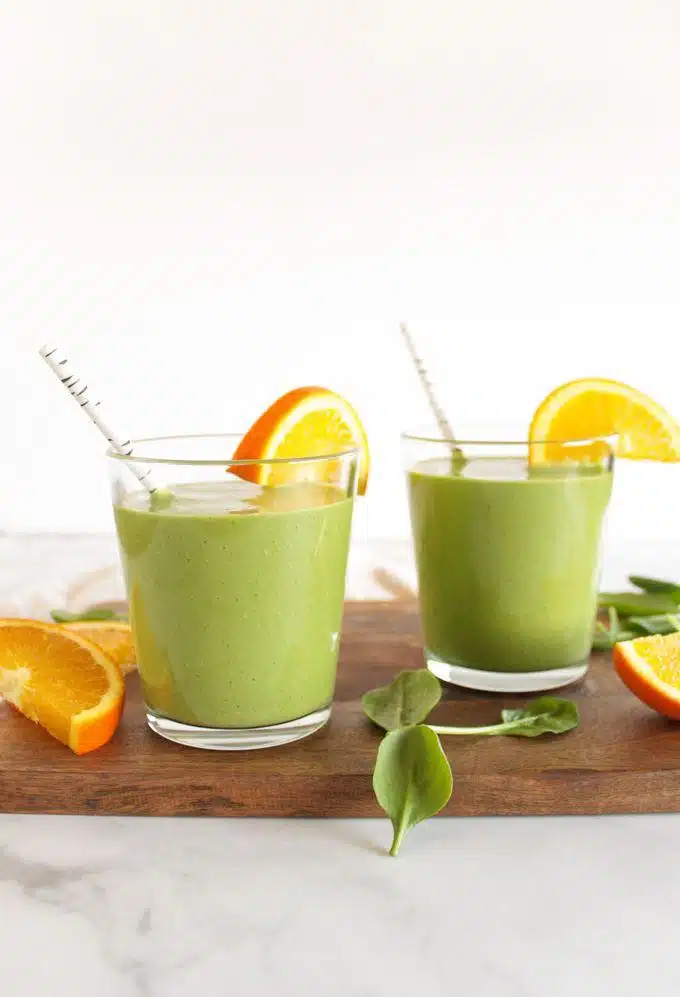
Spinach Orange Smoothie combines leafy greens, fresh fruit, and natural hydration into a light drink that works well for quick breakfasts or simple morning nutrition. The combination of spinach, orange, banana, and coconut water creates a mildly sweet smoothie with a refreshing texture while also providing fibre, potassium, vitamin C, and hydration support.
To prepare this smoothie, add fresh spinach, one peeled orange, a banana, and coconut water to a blender. Blend until smooth and creamy. If the texture feels too thick, adjust the consistency with a little extra coconut water before serving immediately for the freshest flavour.
The banana helps soften the earthy flavour of spinach, while the orange adds natural citrus freshness that balances the drink without needing additional sugar. Coconut water keeps the smoothie light and refreshing, making it easier to enjoy even during warmer weather.
This smoothie is best for people looking for light breakfast drinks, simple morning smoothies, post-workout hydration, or easy ways to increase vitamin C intake during the day. It also works well for those who prefer fruit-based smoothies that feel refreshing rather than heavy.
2. Berry Oat Smoothie
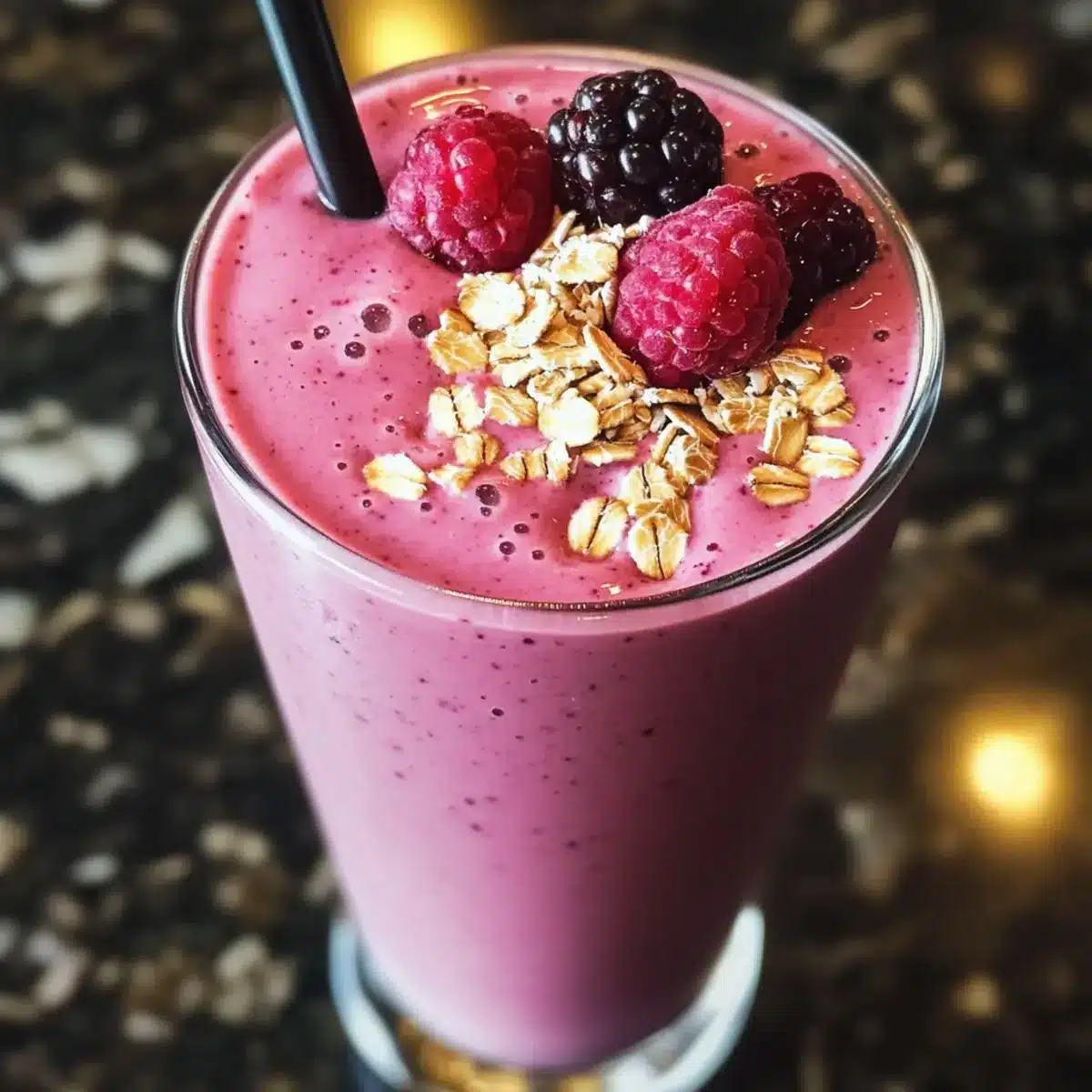
A mix of berries and oats creates a thicker smoothie that works well for breakfast or more filling snacks during the day. Mixed berries add natural sweetness and antioxidants, while oats help improve texture and make the smoothie feel more balanced without becoming overly heavy. Greek yoghurt adds creaminess and protein, and chia seeds contribute extra fibre that improves consistency. This smoothie is commonly preferred for quick breakfasts because it combines simple ingredients while helping provide longer-lasting fullness and steadier energy levels.
Ingredients:
- 1 cup mixed berries
- 1/2 cup oats
- 1/2 cup Greek yoghurt
- 1/2 cup almond milk
- 1 tablespoon chia seeds
Recipe:
- Add all ingredients to a blender
- Blend until smooth and creamy
- Add extra almond milk if needed
- Serve chilled
Best For:
- Breakfast smoothies
- Fibre-rich drinks
- Sustained energy support
- Filling snacks
This berry oat smoothie combines fibre-rich ingredients with balanced texture and natural sweetness, making it a practical option for quick breakfasts, filling snacks, or steadier energy support throughout the day.
3. Green Detox Juice
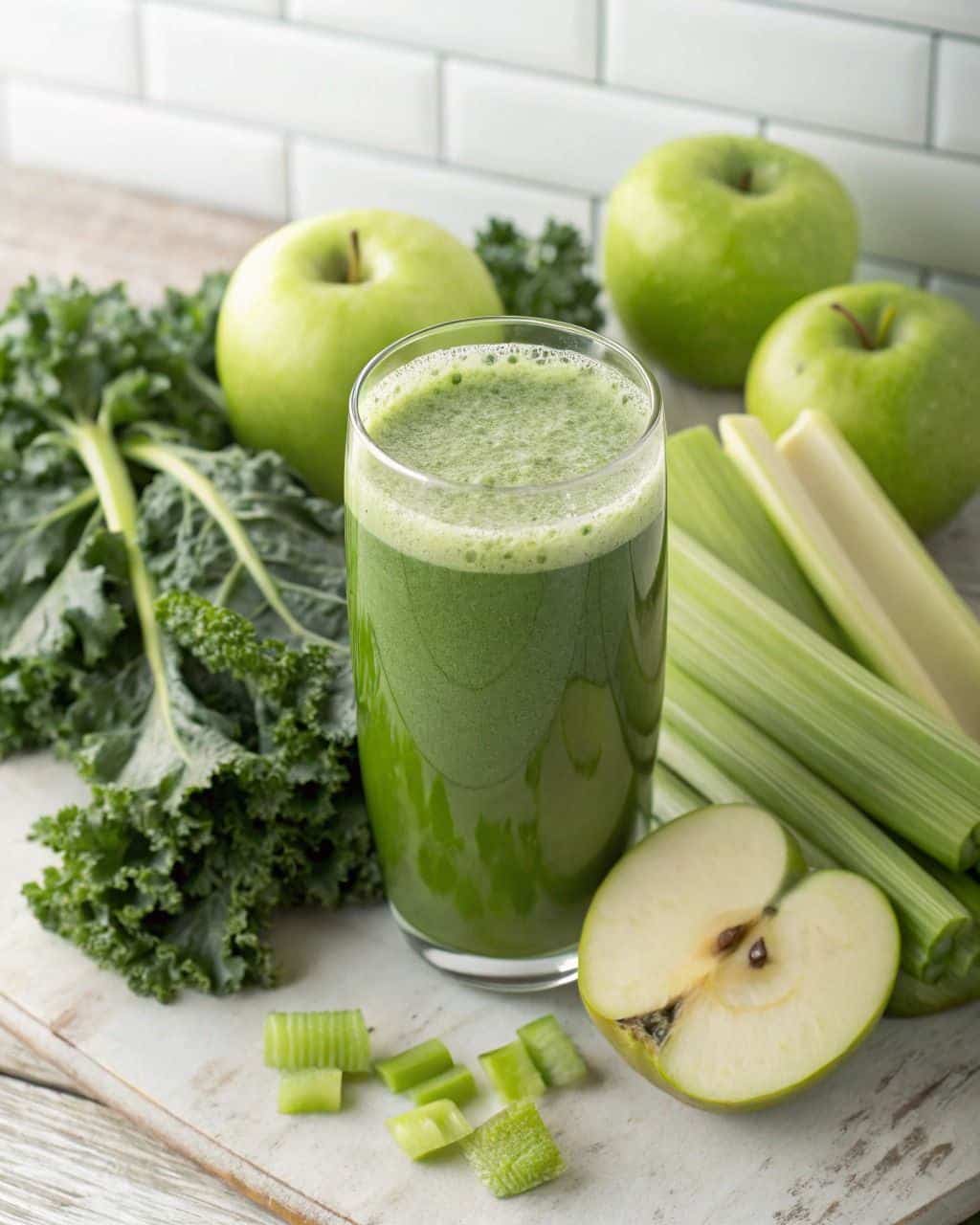
A combination of cucumber, celery, spinach, and green apple creates a lighter juice with a fresh and balanced flavour. Cucumber and celery add high water content that helps keep the drink refreshing, while spinach increases the nutritional value without making the juice too heavy. Green apple adds mild sweetness that balances the stronger vegetable flavours, and lemon juice gives the drink a fresher finish. This juice is commonly preferred for hydration-focused drinks because it feels lighter and easier to consume throughout the day.
Ingredients:
- 1 cucumber
- 2 celery stalks
- 1 cup spinach
- 1 green apple
- 1 tablespoon lemon juice
Recipe:
- Wash and chop all ingredients
- Add ingredients to a juicer
- Mix well before serving
- Serve fresh and chilled
Best For:
- Hydration support
- Light morning drinks
- Vegetable-based juices
- Refreshing nutrient intake
This green detox juice combines hydrating vegetables and fresh fruit to create a lighter drink that works well for quick refreshment, hydration support, and simple vegetable-based nutrition.
4. Carrot and Orange Juice
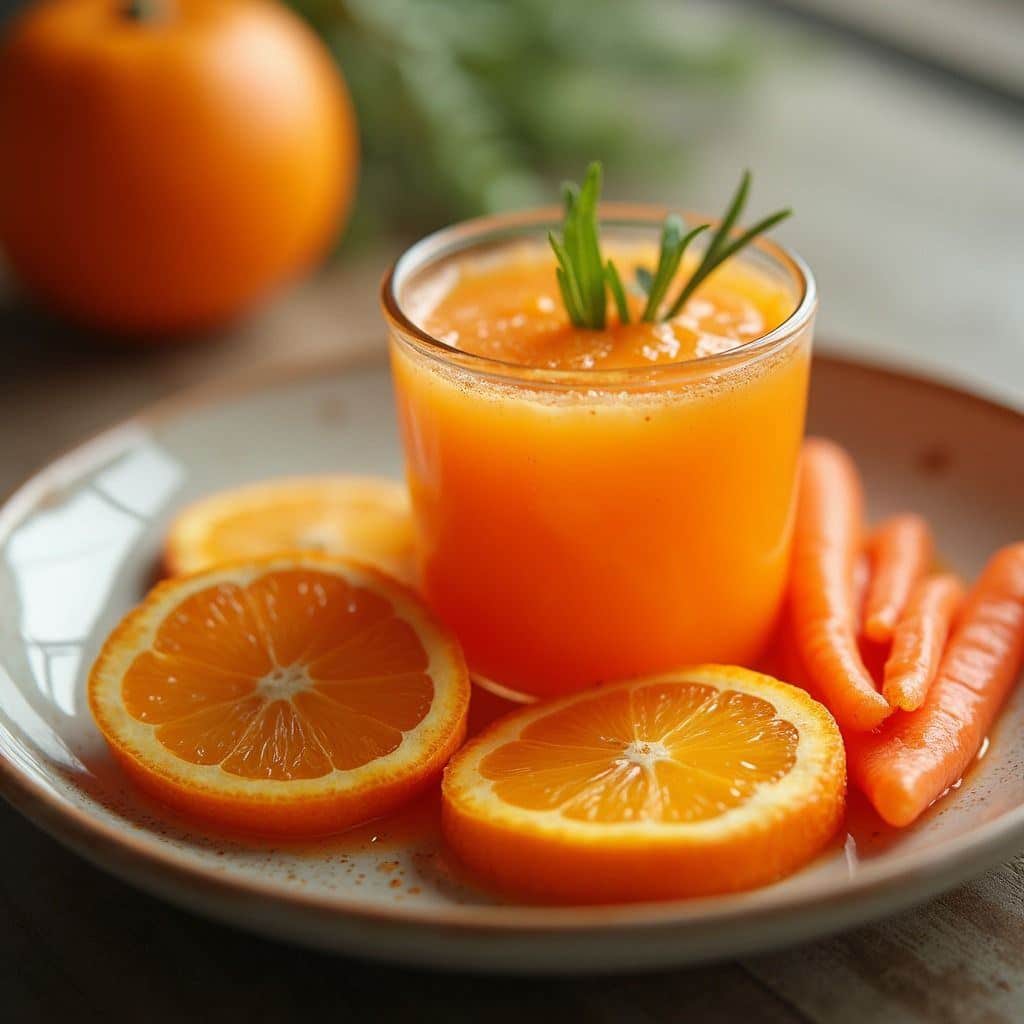
Fresh carrots and oranges create a naturally sweet juice with a lighter citrus flavour and smooth texture. Carrots add vitamin-rich nutrients and a slightly earthy taste, while oranges balance the flavour with natural sweetness and freshness. Ginger gives the juice a sharper finish without overpowering the drink, making it feel more refreshing. This juice is commonly preferred as a simple morning drink because it combines fruit and vegetables in a lighter form that feels easy to consume throughout the day.
Ingredients:
- 2 fresh carrots
- 2 oranges
- Small piece of ginger
- 1/4 cup water if needed
Recipe:
- Peel and chop the ingredients
- Add them to a juicer
- Stir well after juicing
- Serve immediately
Best For:
- Vitamin-rich juices
- Morning refreshment
- Hydration support
- Naturally sweet drinks
This carrot and orange juice combines citrus freshness with vegetable-based nutrition, making it a practical option for lighter morning drinks, hydration, and natural sweetness without added sugar.
5. Banana Peanut Butter Smoothie
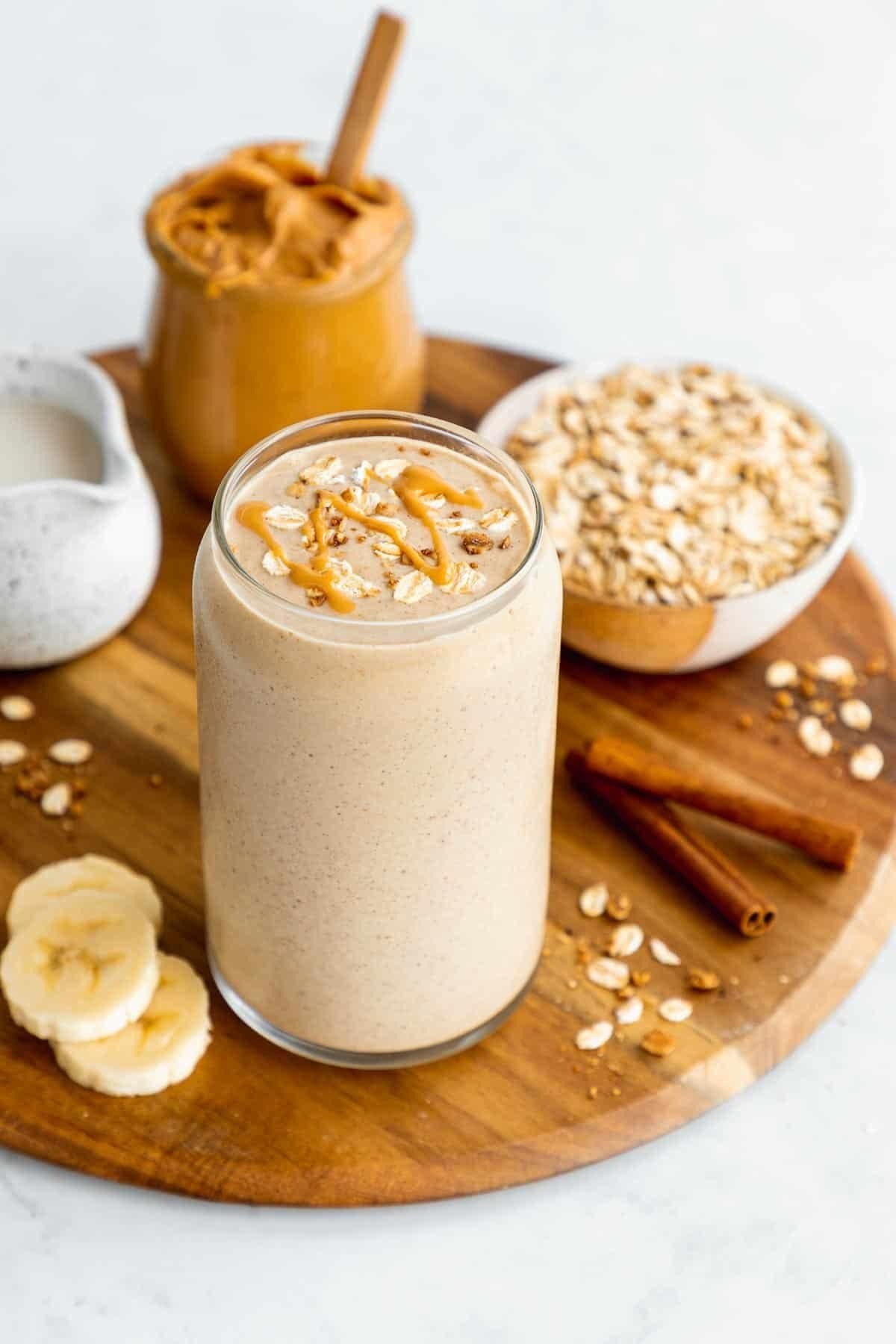
Banana and peanut butter create a thicker smoothie with a creamier texture and more filling consistency. The banana adds natural sweetness and helps improve smoothness, while peanut butter contributes protein and healthy fats that make the drink feel more balanced. Greek yoghurt increases creaminess and adds extra protein, while flaxseeds provide additional fibre and texture. This smoothie is commonly preferred for breakfast or post-workout drinks because it feels more satisfying than lighter fruit-only smoothies.
Ingredients:
- 1 banana
- 1 tablespoon peanut butter
- 1/2 cup Greek yoghurt
- 1/2 cup milk or almond milk
- 1 tablespoon flaxseeds
Recipe:
- Add all ingredients to a blender
- Blend until smooth and creamy
- Adjust thickness if needed
- Serve fresh
Best For:
- Post-workout smoothies
- Filling breakfast drinks
- Protein-rich snacks
- Sustained energy support
This banana peanut butter smoothie combines protein, healthy fats, and natural sweetness to create a more filling drink that works well for quick breakfasts, recovery drinks, or balanced snacks.
6. Mango Yoghurt Smoothie
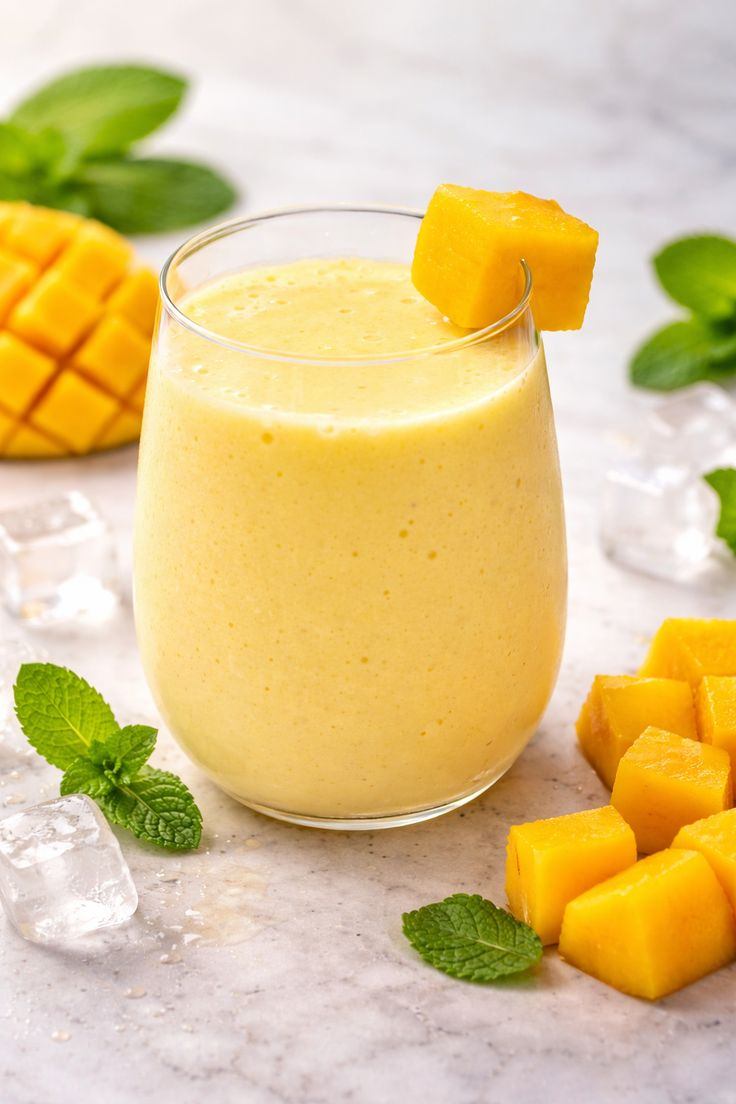
Mango and yoghurt create a creamy smoothie with a naturally sweet flavour and smoother texture. Mango adds tropical flavour and natural sweetness, while Greek yoghurt helps improve creaminess and adds protein that makes the smoothie feel more balanced. Coconut milk gives the drink a lighter tropical taste, while ice cubes help create a colder and more refreshing texture. This smoothie is commonly preferred during warmer weather because it feels lighter, smoother, and easier to enjoy as a quick breakfast or refreshing snack.
Ingredients:
- 1 cup fresh or frozen mango
- 1/2 cup Greek yoghurt
- 1/2 cup milk or coconut milk
- 1 teaspoon honey, if needed
- Ice cubes
Recipe:
- Add all ingredients to a blender
- Blend until smooth
- Adjust consistency if required
- Serve chilled
Best For:
- Creamy breakfast smoothies
- Summer drinks
- Protein-rich snacks
- Refreshing fruit smoothies
This mango yoghurt smoothie combines tropical flavour with creamy texture, making it a refreshing option for lighter breakfasts, quick snacks, or simple fruit-based smoothies.
7. Beetroot and Apple Juice
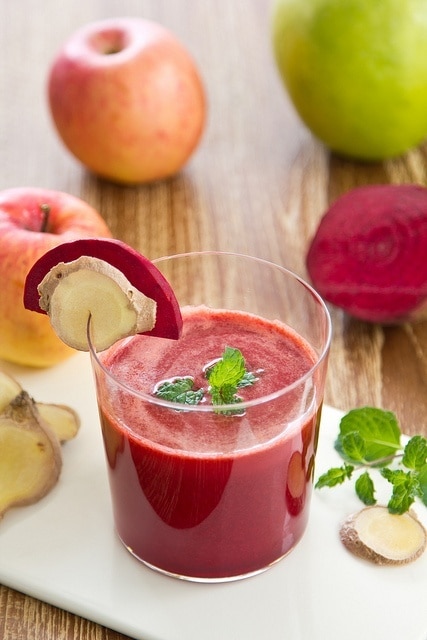
Beetroot and apple create a balanced juice with an earthy flavour and natural sweetness. The apple helps soften the stronger taste of beetroot while adding freshness that makes the drink lighter and easier to consume. Carrot contributes additional sweetness and helps balance the vegetable flavour, while lemon juice gives the drink a fresher finish. This juice is commonly preferred by people looking for vegetable-based drinks that still taste naturally sweet without relying on added sugar or processed ingredients.
Ingredients:
- 1 small beetroot
- 1 apple
- 1 carrot
- 1 tablespoon lemon juice
Recipe:
- Wash and chop all ingredients
- Add them to a juicer
- Stir well before serving
- Serve fresh
Best For:
- Antioxidant-rich juices
- Morning refreshment
- Vegetable-based drinks
- Natural energy support
This beetroot and apple juice combines vegetable-based nutrition with natural sweetness, making it a practical option for lighter morning drinks, refreshing juices, and simple daily hydration support.
8. Avocado Banana Smoothie
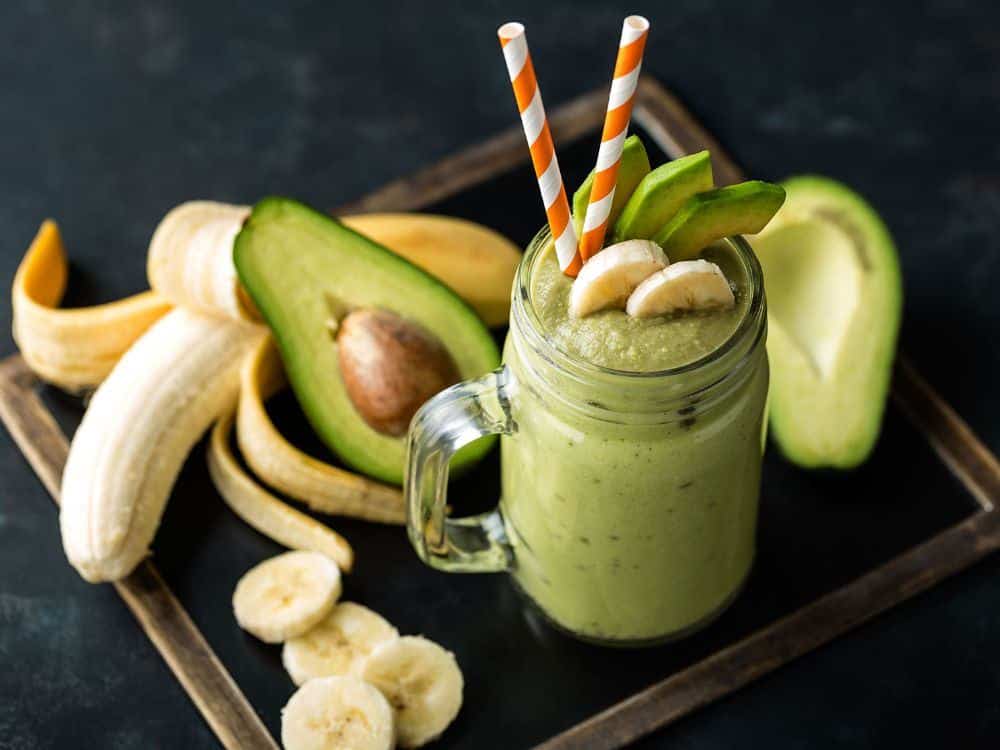
Avocado and banana create a creamy smoothie with a thicker texture and smoother consistency. The banana adds natural sweetness and helps blend the ingredients more evenly, while avocado contributes healthy fats that make the drink feel richer and more filling. Greek yoghurt improves creaminess and adds protein, while chia seeds help increase fibre and texture. This smoothie is commonly preferred for breakfast or meal replacement drinks because it feels more balanced and satisfying than lighter fruit-based smoothies.
Ingredients:
- 1/2 avocado
- 1 banana
- 1/2 cup milk or almond milk
- 1/2 cup Greek yoghurt
- 1 tablespoon chia seeds
Recipe:
- Add all ingredients to a blender
- Blend until smooth and creamy
- Adjust thickness if needed
- Serve immediately
Best For:
- Filling breakfast smoothies
- Healthy fat intake
- Creamy smoothie recipes
- Sustained energy support
This avocado banana smoothie combines creamy texture with balanced ingredients, making it a practical option for more filling breakfasts, smoother meal replacement drinks, and longer-lasting fullness.
9. Pineapple Mint Juice
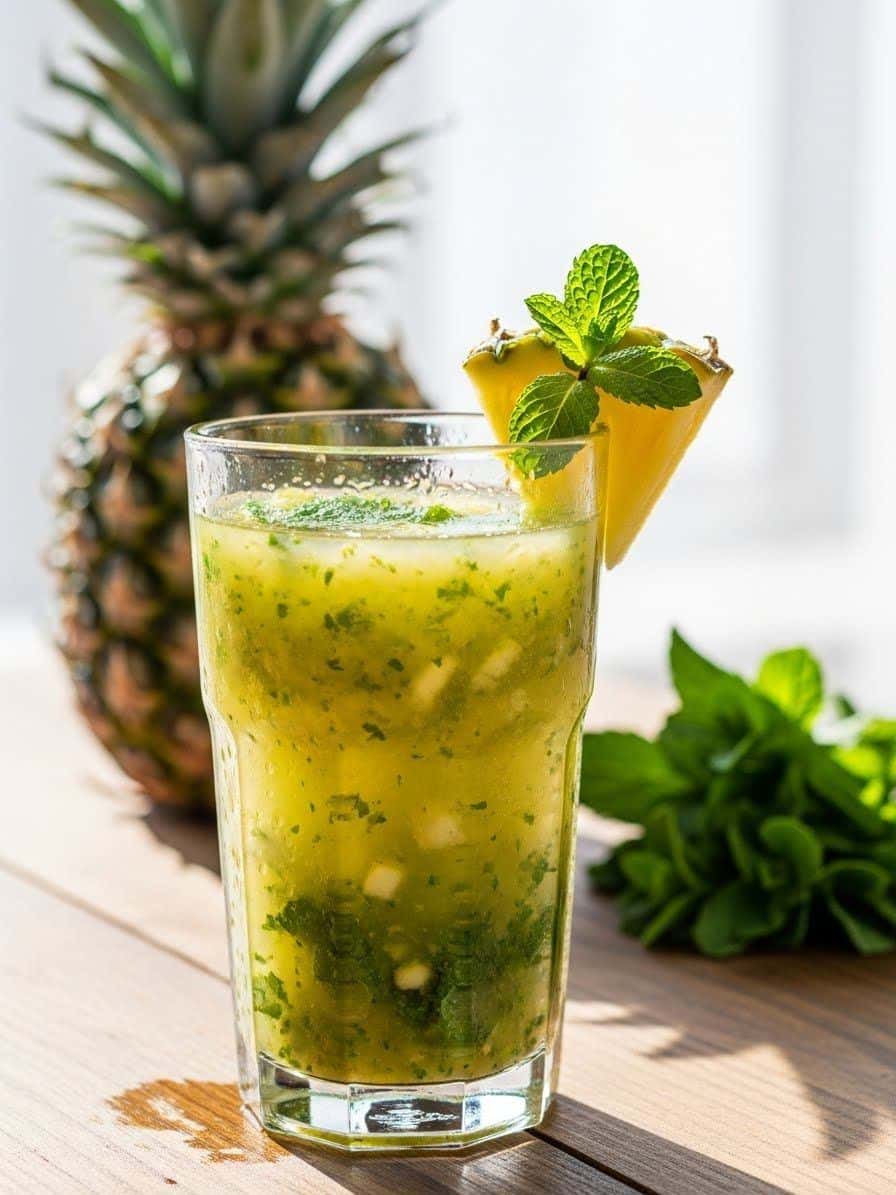
Pineapple and mint create a lighter juice with a fresh tropical flavour and smoother finish. Pineapple adds natural sweetness that helps balance the drink without needing extra sugar, while mint gives the juice a cooler and more refreshing taste. Lemon juice adds a mild citrus flavour that helps brighten the overall texture of the drink, especially when served chilled. This juice is commonly preferred during warmer weather because it feels lighter, more refreshing, and easier to consume throughout the day.
Ingredients:
- 1 cup fresh pineapple
- 6–8 mint leaves
- 1 tablespoon lemon juice
- Cold water or ice
Recipe:
- Chop the pineapple into small pieces
- Add ingredients to a blender or juicer
- Blend or juice until smooth
- Serve chilled
Best For:
- Summer drinks
- Hydration support
- Refreshing fruit juices
- Light afternoon beverages
This pineapple mint juice combines tropical sweetness with refreshing flavour, making it a practical option for lighter juices, hydration-focused drinks, and chilled afternoon refreshments.
10. Strawberry Chia Smoothie
Strawberries and chia seeds create a refreshing smoothie with a thicker texture and balanced flavour. The strawberries add natural sweetness and a lighter berry taste, while chia seeds help improve consistency and increase fibre content. Greek yoghurt adds creaminess and protein that makes the smoothie feel more balanced without becoming too heavy. Almond milk helps keep the texture smooth and lighter, making this smoothie a popular option for quick breakfasts, refreshing snacks, or simple fruit-based drinks during warmer weather.
Ingredients:
- 1 cup fresh strawberries
- 1 tablespoon chia seeds
- 1/2 cup Greek yoghurt
- 1/2 cup milk or almond milk
- 1 teaspoon honey, if needed
Recipe:
- Add all ingredients to a blender
- Blend until smooth
- Let the smoothie rest briefly so the chia seeds expand
- Serve chilled
Best For:
- Fibre-rich smoothies
- Light breakfast drinks
- Refreshing snacks
- Berry-based smoothie recipes
This strawberry chia smoothie combines refreshing flavour with fibre-rich ingredients, making it a practical option for lighter breakfasts, quick snacks, and balanced berry-based smoothies. If you enjoy fruit-based smoothie recipes, you can also try this Strawberry Banana Smoothie recipe for another refreshing and easy-to-make option.
What Are Some Common Smoothie and Juice Myths?
Smoothies and juices are often linked with healthy eating, but many common claims can be misleading. Their nutritional value depends largely on ingredients, portion sizes, and overall dietary balance rather than the drink alone.
Common smoothie and juice myths include:
- “Juices are always healthier than soft drinks”
- “Smoothies automatically help with weight loss”
- “Detox juices cleanse toxins from the body”
- “Fruit smoothies cannot contain too much sugar”
- “Store-bought smoothies are always healthy”
- “Juices are healthier than whole fruits”
Smoothies and juices can support healthier eating habits when prepared with balanced ingredients, but they should still be consumed as part of an overall balanced diet rather than treated as instant health solutions.
Conclusion
Smoothies and juices provide a convenient way to include more fruits, vegetables, and nutrient-rich ingredients in everyday meals. While smoothies retain fibre and promote fullness, juices offer lighter hydration and quicker nutrient absorption. Both can support daily nutrition when prepared with balanced ingredients and consumed in moderation.
The overall nutritional value of smoothies and juices depends largely on ingredient quality, portion sizes, and preparation methods. Using fresh produce, limiting added sugars, and combining fruits with vegetables, protein, or fibre-rich ingredients can help create healthier drinks that support hydration, digestion, energy levels, and long-term wellness.
Frequently Asked Questions
Do smoothies and juices really boost energy?
Smoothies and juices contain natural carbohydrates, vitamins, and minerals that can help support energy levels. Smoothies usually provide steadier energy because their fibre content slows digestion and helps reduce sudden energy crashes.
Which is more helpful for heart health, smoothies or juices?
Smoothies are often considered more supportive for heart health because they retain fibre, which may help manage cholesterol and blood sugar levels. However, vegetable-based juices can also provide antioxidants and nutrients associated with cardiovascular wellness.
Are There Specific Nutrients Found Only in Smoothies or Juices?
Smoothies and juices often contain similar vitamins and minerals, but smoothies usually provide more fibre because they retain whole fruits and vegetables. Juices, however, contain lower fibre levels due to the removal of pulp during extraction.
What are the benefits of a spinach and orange juice smoothie?
Spinach and orange juice smoothies provide vitamin C, antioxidants, iron, and hydration-supporting nutrients. The vitamin C from oranges may also help improve iron absorption from spinach while adding natural sweetness to the smoothie.
How do smoothies help with meeting your daily fruit and vegetable intake?
Smoothies make it easier to combine multiple fruits and vegetables into one serving. Ingredients such as spinach, berries, bananas, and carrots can be blended together quickly, helping improve nutrient intake without requiring extensive meal preparation.
Is there a difference in fibre content between smoothies and juices?
Yes, smoothies generally contain more fibre because they retain the pulp and skin from whole fruits and vegetables during blending. Juices remove most of the fibre during extraction, resulting in a lighter drink with quicker nutrient absorption.