
Key Highlights
- Fennel seeds are commonly used as a post-meal ingredient and can be included in daily routines in multiple ways.
- This guide explains their nutritional profile and how they function within a balanced diet.
- Covers structured benefits across digestion, metabolism, and system-level health.
- Includes practical methods such as fennel water, tea, and everyday usage in meals.
- Provides clear guidance on when and how to use fennel seeds effectively.
- Highlights potential side effects and factors that may affect tolerance.
After a heavy meal, many people experience bloating, stomach heaviness, gas, or a sluggish feeling that can make the rest of the day uncomfortable. Irregular eating habits, oily foods, overeating, or spicy meals can often trigger these digestive issues and affect appetite and overall gut comfort.
Fennel seeds, commonly known as saunf, have long been consumed after meals as a simple way to support digestion and freshness. Along with their mildly sweet taste, they contain fibre, antioxidants, and natural compounds that may help ease bloating, support smoother digestion, and promote better digestive balance.
This guide explains the benefits of fennel seeds, their nutritional value, practical ways to incorporate them into your diet, and simple methods for preparing fennel seed water, along with important considerations for safe consumption.
What are Fennel Seeds and Why Are They Used?
Commonly known as saunf in Indian households, these aromatic seeds are widely consumed after meals as a natural digestive aid. Their mild, slightly sweet flavour makes them easy to include in daily routines, either eaten directly or prepared as herbal tea.
They contain fibre, essential oils, and plant compounds that support digestive function and overall gut activity. In addition to digestion, they are often used to refresh breath and support appetite regulation, making them a practical addition to daily routines.
Traditionally, fennel seeds have been valued for supporting digestion and relieving common concerns such as bloating and discomfort. Their natural compounds help stimulate digestive activity, which explains their consistent use in daily diets and traditional wellness practices.
What Is the Nutritional Value of Fennel Seeds?
Despite their small size, fennel seeds contain fibre, essential minerals, and antioxidants that support digestion, metabolism, and overall wellness. Their nutrient profile includes calcium, iron, potassium, and Vitamin C, making them a useful addition to a balanced diet when consumed in moderation.
They are also valued for their natural plant compounds and essential oils, which contribute to both digestive support and general health benefits. The table below highlights the nutritional value of fennel seeds per 100 grams.
| Nutrient | Amount |
| Energy | 345 kcal |
| Protein | 15.8 g |
| Carbohydrates | 52.3 g |
| Dietary Fibre | 39.8 g |
| Calcium | 1200 mg |
| Iron | 18.5 mg |
| Potassium | 1690 mg |
| Vitamin C | 21 mg |
What Are the Key Fennel Seeds Benefits You Should Know?
It is known for supporting digestion and reducing common issues like bloating and stomach discomfort. Fennel seeds are often added to meals, teas, and traditional remedies. Their natural compounds help improve digestive function and promote better gut health when used regularly.
Beyond digestion, fennel seeds also provide antioxidants, fiber, and essential nutrients that support overall wellness. The following benefits highlight how adding fennel seeds to your routine may contribute to better daily health.
1. Improves Digestion and Reduces Bloating
According to Apollo 24/7, Fennel seeds are commonly used to support digestion because they help relax the muscles of the gastrointestinal tract. This allows food to move more efficiently through the system, reducing pressure and discomfort after meals. Their compounds also support the release of digestive enzymes, which improves how the body processes food and helps reduce bloating.
2. Supports Gut Function
According to the Report published by PubMed, the fibre present in fennel seeds plays an important role in maintaining digestive regularity. It helps promote consistent bowel movements and supports a balanced gut environment. This not only improves digestion but also enhances nutrient absorption, allowing the body to function more efficiently over time.
3. Helps Regulate Appetite
According to research, Fennel seeds can support appetite control by promoting a sense of fullness. Their fibre slows down digestion, which helps reduce frequent hunger and unnecessary snacking. This can be useful for maintaining more structured eating habits and improving portion control.
4. Supports Metabolism
As per the Pharmacy, Fennel seeds contribute to metabolic activity by helping the body process nutrients more effectively. Their natural compounds support enzymatic functions that are involved in breaking down food, which helps maintain energy balance and overall metabolic efficiency.
5. Helps Reduce Water Retention
According to the Meteropolisindia, Fennel seeds have mild diuretic properties that help the body eliminate excess fluids. This can reduce temporary swelling and the feeling of heaviness caused by water retention. As a result, they support better fluid balance and overall physical comfort.
6. Supports Heart Health
According to Apollo 24/7, Fennel seeds contain nutrients such as potassium that help regulate blood pressure levels. By balancing sodium levels in the body, they support proper blood circulation and reduce strain on the cardiovascular system. This contributes to overall heart health when included regularly in the diet.
7. Provides Antioxidant Protection
According to the Pubmed, Fennel seeds contain plant compounds that help neutralise free radicals, which are unstable molecules that can damage cells. By reducing oxidative stress, these compounds help protect the body at a cellular level and support long-term health.
8. Supports Immune Function
As per the Apollo 24/7, the antioxidants and micronutrients in fennel seeds help strengthen the body’s natural defence system. This supports the immune response and helps the body manage infections and environmental stress more effectively.
9. Freshens Breath Naturally
According to TATA 1mg, fennel seeds are often used as a natural mouth freshener due to their aromatic oils. These compounds help reduce odour-causing bacteria in the mouth, making them an effective and simple option for improving breath after meals.
10. Supports Fluid Balance
As per the medanta, Fennel seeds help maintain fluid balance through their mild diuretic effect. By supporting the removal of excess fluids, they help prevent discomfort associated with fluid retention and contribute to better metabolic balance.
By supporting multiple body functions, fennel seeds offer a simple yet effective way to improve daily health and maintain overall balance.
What Are Simple Ways to Use Fennel Seeds in Your Daily Diet?
It is easy to include fennel seeds in your daily diet because of their mild, slightly sweet flavour and simple preparation methods. They pair well with both drinks and meals, making them a convenient addition without requiring major changes to your routine.
Many people chew fennel seeds after meals, brew them into herbal tea, or add them to recipes for extra flavour and digestive support. The following options highlight practical ways to use fennel seeds consistently in daily meals and beverages.
Simple Ways to Consume Fennel Seeds
1. As a Mouth Freshener
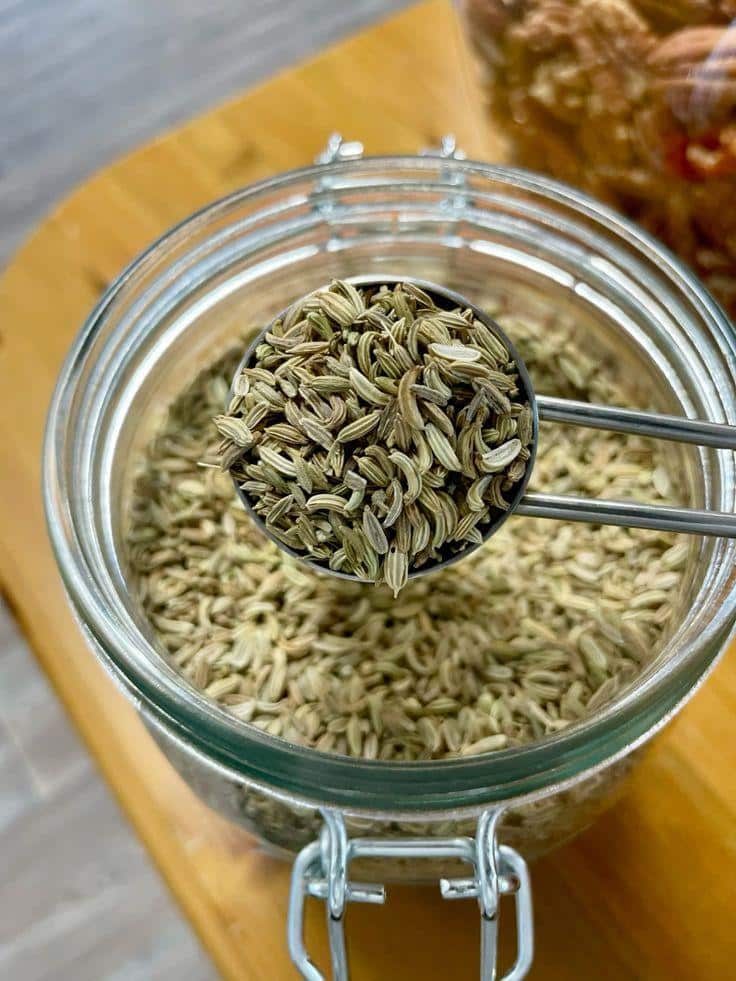
Chewing fennel seeds after meals is a traditional practice in many Indian households, commonly used as a natural mouth freshener. The aromatic oils in fennel seeds help create a refreshing taste while making them easy to include as a quick post-meal habit.
When to use:
Best consumed after meals as a quick post-meal habit.
How to use:
- Take ½ teaspoon of fennel seeds
- Chew them directly after eating
- Optionally, lightly toast for better flavour
2. In Cooking and Spice Blends
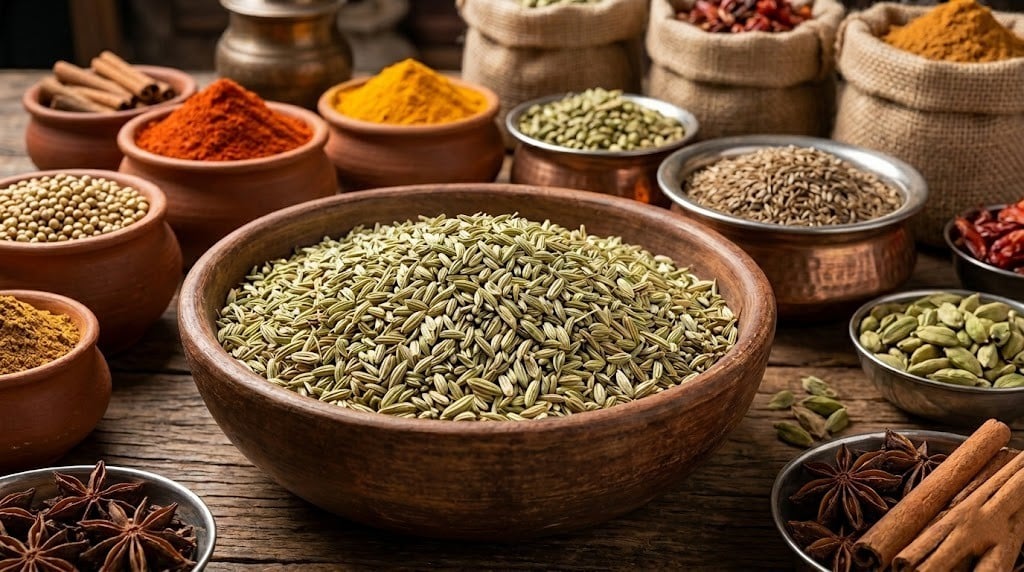
Fennel seeds are commonly used as a flavouring ingredient in both everyday cooking and traditional spice blends. Their mildly sweet and aromatic profile allows them to complement a wide range of dishes, from savoury curries to lightly spiced preparations, without overpowering other ingredients.
When to use:
Used during cooking as part of regular meal preparation for long-term dietary inclusion.
How to use:
- Add whole or lightly crushed fennel seeds to spice blends or masalas
- Use in curries, soups, or marinades
- Mix into dough for flatbreads or savoury dishes
3. In Desserts or Beverages

Fennel seeds are used in desserts and beverages to add a mild sweetness and a subtle aromatic flavour. When lightly crushed or ground, they release essential oils that blend well with sweet dishes and drinks, making them suitable for both traditional recipes and simple homemade preparations.
When to use:
Used occasionally in desserts or beverages for flavour enhancement.
How to use:
- Add ground fennel to cakes, biscuits, or sweet dough
- Infuse fennel seeds in milk or herbal drinks
- Use in syrups or flavoured beverages
How to Prepare Fennel Seeds (Tea & Water)
1. Fennel Seeds Tea
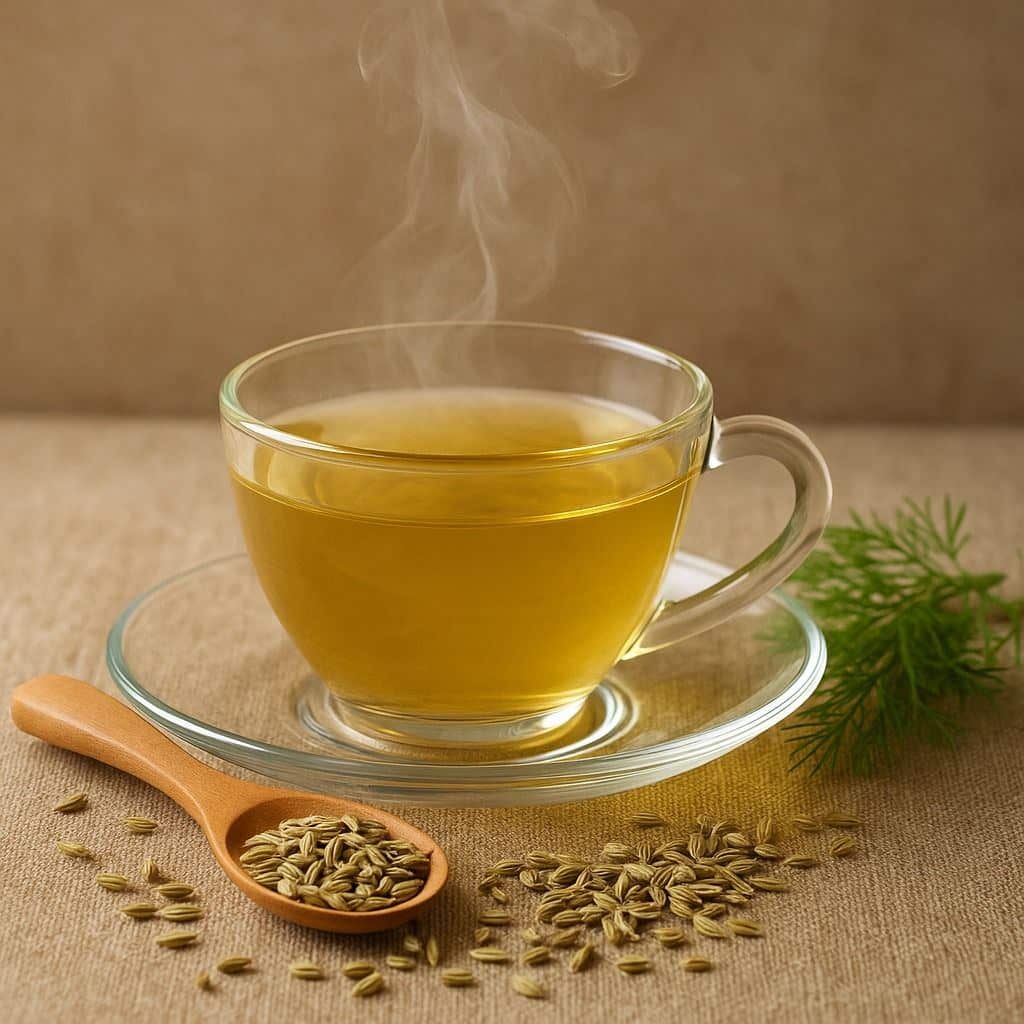
Fennel seed tea is a warm herbal infusion prepared by steeping fennel seeds in hot water. This process helps release their aromatic compounds into the liquid, resulting in a light and mildly flavoured drink that can be easily included in daily routines.
When to use:
Best consumed after meals as a soothing beverage.
How to prepare:
- Lightly crush 1 teaspoon of fennel seeds
- Add to boiling water
- Steep for 8–10 minutes
- Strain and serve warm
Enjoy it as a calming drink after meals, or try other herbal options, such as green tea, to support digestion and overall well-being.
2. Fennel Seeds Water
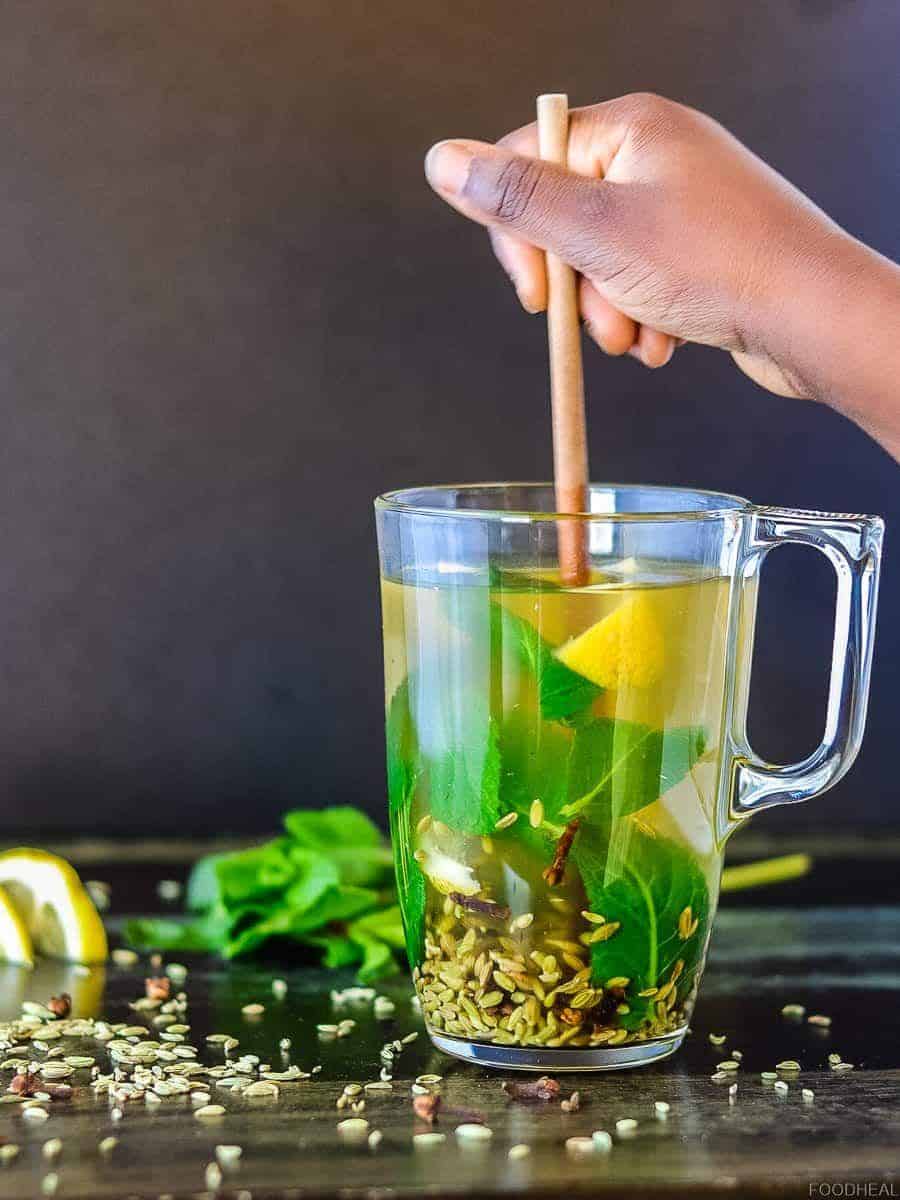
Fennel seed water is a simple infusion made by soaking fennel seeds overnight, allowing their properties to slowly release into the water. This results in a mild, easy-to-consume drink that fits well into morning routines.
When to use:
Best consumed in the morning on an empty stomach.
How to prepare:
- Soak 1 teaspoon of fennel seeds in water overnight
- Strain in the morning
- Drink on an empty stomach
These methods show how fennel seeds can be incorporated at different times of the day, making it easy to include them consistently based on your routine and preferences.
How Do Fennel Seeds Help in Weight Loss?
Often used as a natural digestive aid, fennel seeds may also support weight management by helping control appetite and eating habits. Their fiber content promotes a feeling of fullness, which may reduce frequent snacking and support better portion control throughout the day.
Their mild diuretic properties may also help reduce temporary water retention and bloating, contributing to a lighter feeling and improved comfort. While not a direct fat-loss solution, adding them to a balanced diet may support overall wellness and healthy eating habits.
Simple Ways to Use Fennel Seeds for Weight Management
- Drink water with fennel seeds in the morning to support digestion and hydration
- Consume fennel tea after meals to reduce discomfort and bloating
- Chew a small amount of fennel seeds after meals to help control cravings
It is important to note that fennel seeds are not a direct weight-loss solution. Their benefits are most effective when combined with a balanced diet, regular activity, and consistent habits.
What Are the Side Effects of Fennel Seeds?
Generally considered safe in moderate amounts, fennel seeds may still cause certain side effects when consumed excessively or by individuals with specific sensitivities. Being aware of these risks helps support safe and balanced consumption.
Common Side Effects to Be Aware Of
Certain reactions may occur when fennel seeds are consumed excessively or when the body reacts sensitively to their natural compounds.
- Digestive Discomfort or Nausea
Consuming fennel seeds in large quantities may cause mild digestive issues such as nausea or stomach discomfort in some individuals. - Allergic Reactions
Some people may experience allergic responses, including skin irritation, itching, or swelling, particularly if they are sensitive to similar plant compounds. - Hormonal Effects
Fennel seeds contain compounds with mild estrogen-like properties, which may influence hormonal activity. This can be a concern for individuals with hormone-sensitive conditions. - Photosensitivity Risk
In some cases, fennel may increase sensitivity to sunlight, which can lead to skin irritation when exposed to direct sunlight.
Factors That May Affect Tolerance
Several factors may influence how well the body responds to fennel seeds, especially with regular or concentrated use.
- Individual sensitivity to plant-based compounds
- Quantity consumed (moderate vs excessive intake)
- Existing medical conditions
- Use of fennel in concentrated forms, such as powders or extracts
Precautions to Consider
Using fennel seeds in moderation is generally considered safe, but a few precautions may help reduce the risk of unwanted side effects.
- Avoid excessive daily intake
- Monitor for any unusual reactions after consumption
- Use caution if you have hormone-sensitive conditions
- Consult a healthcare professional during pregnancy or ongoing medical treatment
When consumed in moderation and with proper awareness, fennel seeds can be safely included in a balanced diet without significant adverse effects.
Conclusion
Adding fennel seeds to your routine can support digestion, daily wellness, and overall dietary balance when used consistently and in moderation. Simple habits such as chewing them after meals, adding them to recipes, or preparing fennel tea can make regular use easier to maintain.
For the best results, focus on moderate portions, pay attention to how your body responds, and avoid excessive intake. Using fennel seeds in a balanced, practical way helps them become a sustainable part of your daily diet.
Frequently Asked Questions
What nutrients are found in fennel seeds?
Fennel seeds contain dietary fibre, calcium, iron, potassium, and magnesium, along with vitamins such as Vitamin C and Vitamin A. They also provide antioxidants and plant compounds that support digestion in various cultures, metabolism, and overall health, while potentially reducing the risk of heart disease.
Do fennel seeds reduce haemoglobin?
Fennel seeds do not reduce haemoglobin. In fact, they contain iron and essential vitamins, which support healthy red blood cell production. When consumed in moderate amounts, they may help maintain haemoglobin levels rather than lower them.
Are fennel seeds beneficial for hormonal balance?
Fennel seeds may support hormonal balance due to their natural phytoestrogen-like compounds. They are traditionally used to help manage menstrual cramps and discomfort, promoting overall hormonal stability. Additionally, nursing mothers have found that these seeds can be beneficial for supporting natural breast milk production and eye health when consumed in moderate amounts.
Is fennel seeds good for health?
Yes, fennel seeds are good for health as they support digestion, help regulate appetite, and provide antioxidants with antioxidant properties that contribute to overall well-being and may help protect against chronic diseases when consumed in moderate amounts as part of a balanced diet.
What are the benefits of fennel seeds for female health?
Fennel seeds’ benefits for female health include support from the fennel plant for digestion, potential regulation of fluid balance, and mild estrogen-like effects that may influence hormonal activity, although more research is needed for consistent conclusions. These aromatic seeds also showcase a variety of other advantages.
What are the common side effects of fennel seeds?
Fennel seeds’ side effects may include mild digestive discomfort, allergic reactions, or sensitivity in some individuals, especially when consumed in large amounts or in concentrated forms such as extracts or powders, overshadowing the health benefits of fennel seeds.
What are the side effects of eating too many fennel seeds?
Side effects of eating too many fennel seeds may include nausea, stomach discomfort, allergic reactions, or hormonal effects, particularly if consumed in excessive quantities over a prolonged period.
How to make fennel seeds water at home?
To make fennel seed water, soak one tablespoon of fennel seeds or fennel seed powder in a glass of water overnight, strain it in the morning, and drink it on an empty stomach as part of a simple daily routine.
What are the water benefits of fennel seeds for weight loss?
Fennel seeds water benefits for weight loss include supporting hydration, helping regulate appetite, and reducing temporary water retention in many parts of the world, which may contribute to better weight management and skin health when combined with healthy lifestyle habits. Fennel extract enhances skin health, promoting a radiant look.
What does fennel seeds nutrition include?
Fennel seeds nutrition includes fibre, essential minerals such as potassium, and plant compounds like flavonoids, which support digestion, metabolic activity, and overall cellular health when included in regular dietary intake.
How much fennel seed should you take daily for health benefits?
Most people consume about 1–2 teaspoons of fennel seeds daily to support digestion and general wellness. Intake may vary depending on how they are used, such as in tea, cooking, or after meals, so moderation is recommended to avoid excessive consumption.





Thank you. Corrected the error.