Ellu Rasam is a South Indian rasam that gets its character from dry-roasted sesame seeds. The seeds are ground coarse with coconut, black peppercorns and cumin, then stirred into a simmering tamarind and tomato base along with cooked toor dal. The result is slightly thicker than a plain tamarind rasam, with a nutty undertone from the sesame. It is straightforward to make, uses pantry ingredients, and works well as a light meal with rice or as a warm drink on its own.
About the Recipe
The key step here is dry roasting the sesame seeds before grinding. Roasting brings out their nuttiness and makes them easier to grind. Keep the ground mixture of sesame, coconut, peppercorns and cumin coarse rather than fine, so it adds some texture to the rasam.
The tamarind extract, tomato, green chillies and red chillies are boiled together first to mellow the raw tamarind before the dal and powder go in. Once the rasam starts to bubble, take it off the heat. That is all it needs.
Why You Will Love This Recipe
Most rasam recipes rely on dal and tamarind alone for body. Here, the coarsely ground sesame and coconut mixture gives the rasam a slightly fuller texture and a mild nuttiness that sets it apart from a plain pepper rasam or tomato rasam.
It is also a genuinely quick recipe. Once the sesame seeds are roasted and ground, the rasam takes very little time on the stove. No long simmering, no complicated steps.
Cooking Tips
The most common mistake is over-cooking the rasam after adding the dal and ground powder. Once it starts to bubble, take it off the heat immediately. Continued boiling makes it thick and dull.
Keep the ground powder coarse so it blends into the liquid without making it paste-like. If your tamarind extract is very thick, dilute it slightly with water before adding it to the pan.
Top Tips
- Dry roast the sesame seeds on low heat and stir continuously. They can burn quickly and will turn bitter if over-roasted.
- Grind the sesame, coconut, peppercorns and cumin to a coarse powder, not a fine paste. A rough texture works better in rasam.
- Remove the rasam from the heat as soon as it begins to bubble. Do not let it boil hard after the dal is added.
- Use freshly extracted tamarind water for a cleaner flavour. If using store-bought tamarind paste, use a smaller quantity and dilute it well.
- Add the ghee tempering just before serving so the mustard seeds and curry leaves stay fragrant.
Serving and Storing Suggestions
Serve Ellu Rasam hot with steamed rice. It can also be served as a warm drink in a cup alongside a heavier meal.
Leftovers can be refrigerated for up to a day. Reheat gently on a low flame without boiling, as the dal will thicken the rasam as it stands. Add a small splash of warm water while reheating if needed. Freezing is not recommended, as the texture changes once the dal and sesame powder settle.
Similar Recipes
- Paruppu Urundai Rasam
- Mor Rasam (Buttermilk Rasam)
- Orange Peel Rasam
- Kathirikkai Rasam
- Carrot and Cabbage Rasam
Nutrient Benefits
Sesame seeds are a source of calcium, iron and healthy fats. Toor dal provides plant protein and makes the rasam more filling than a plain tamarind preparation. Tamarind contributes vitamin C and potassium. Together, these ingredients make Ellu Rasam a reasonably nourishing part of a simple rice meal.

Ellu Rasam
Ingredients
- 1 cup, cooked Toor Dal
- 1 , chopped Tomato
- 1 cup Tamarind Extract
- 2 Green Chillies
- 2 Dry Red Chillies
- 1 tsp, grated Coconut
- 1 tsp Black Peppercorns
- 1 tsp Cumin Seeds
- 1 tsp Turmeric Powder
- Ghee as required
- Curry Leaves - few
- 1/4 tsp Mustard Seeds
- Coriander Leaves - handful, chopped
- Salt as per taste
Instructions
- Dry roast the sesame seeds.
- Remove and grind together with coconut, peppercorns, cumin seeds to a coarse powder.
- Heat a pan with tamarind extract, tomato, green chillies, red chillies, turmeric powder and salt.
- Bring to a boil.
- Add the ground powder and cooked dal.
- When it starts to bubble, remove and keep aside.
- In a small frying pan, heat ghee and saute mustard seeds, curry leaves.
- Pour this into the rasam.
- Garnish with coriander leaves.
- Serve hot with rice.
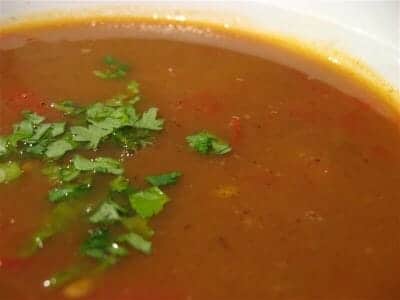
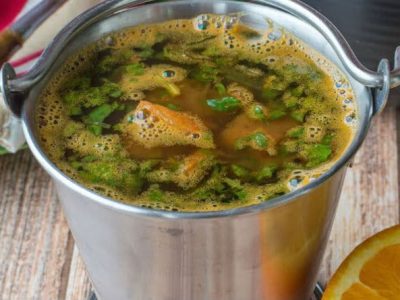
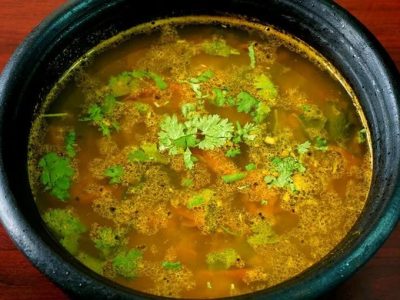
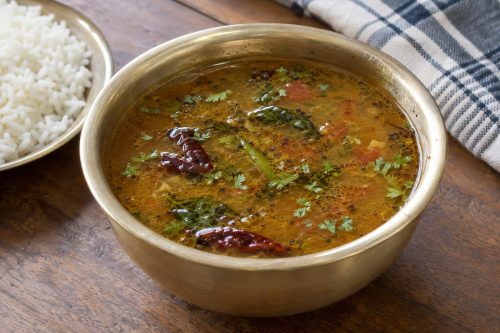
- Note: image is for illustration purposes only and not that of the actual recipe.
Sign up for our newsletter
Add Awesome Cuisine as a Preferred Source

Frequently Asked Questions
Can I use white sesame seeds or black sesame seeds for this recipe?
Either works. White sesame seeds have a milder flavour and are more commonly used in South Indian cooking. Black sesame seeds have a slightly stronger, more bitter taste. If you use black sesame seeds, start with a slightly smaller quantity and taste before adding more.
What if I do not have fresh coconut? Can I use desiccated coconut?
You can use desiccated coconut as a substitute. Use the same quantity, one teaspoon. Dry roast it lightly in the pan before grinding so it does not taste raw. The flavour will be slightly less fresh than with grated coconut but it still works well.
My rasam turned out very thick. What went wrong?
This usually happens when the rasam is boiled too long after the dal and sesame powder are added. The powder absorbs liquid as it cooks, and the dal thickens the rasam over heat. Remove the pan from the stove as soon as bubbling begins. If it is already too thick, stir in a small amount of warm water and reheat gently without boiling.
How much tamarind extract should I use if I am making it from scratch?
Soak a small lemon-sized ball of tamarind in one cup of warm water for about fifteen minutes, then squeeze and strain it. This gives you roughly one cup of medium-strength tamarind extract, which is what this recipe calls for. If your tamarind is very sour, use slightly less and adjust with water.
Can I skip the toor dal and make this rasam without dal?
Yes, you can leave out the dal if you prefer a thinner rasam. The sesame and coconut powder will still give the rasam some body. Without the dal, remove from heat as soon as you see the first signs of bubbling, as it will need even less time on the stove.